Power
740 cv
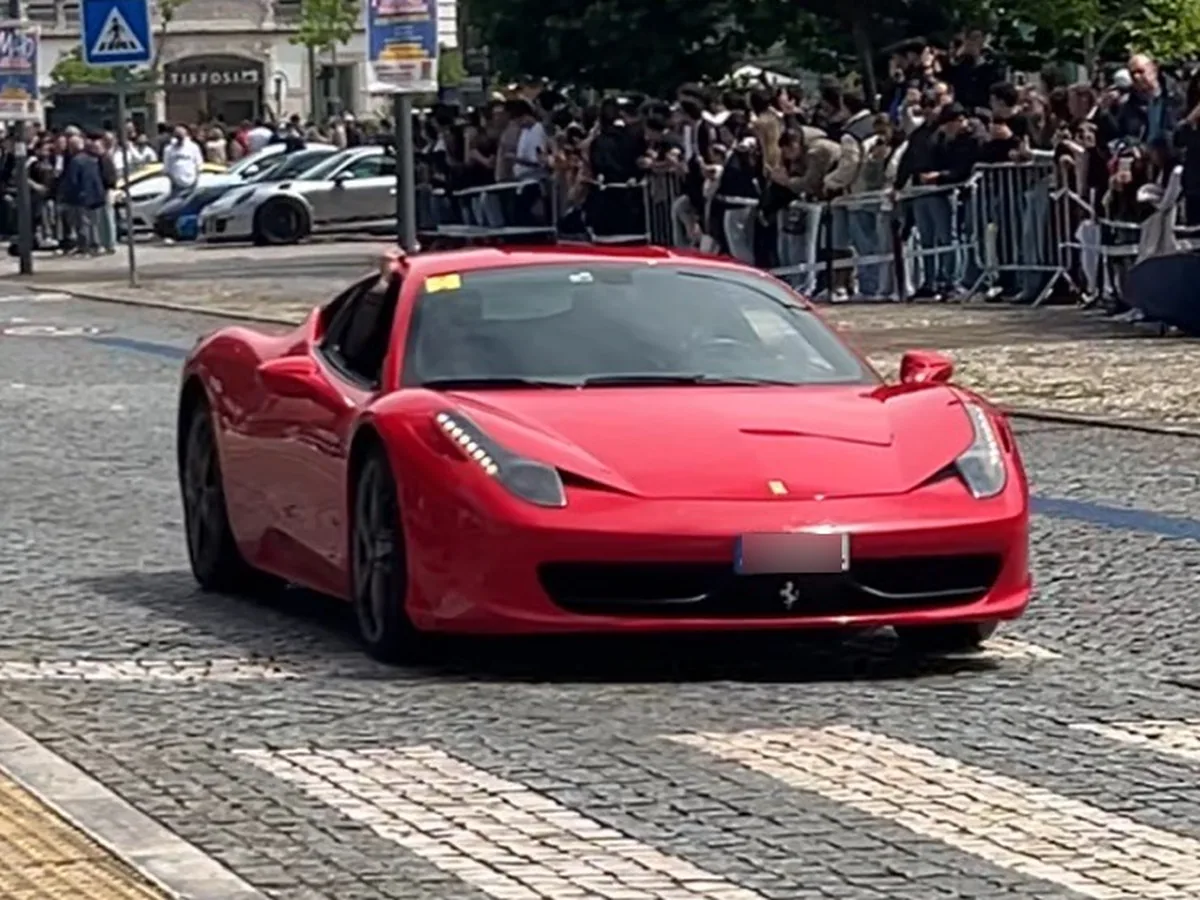
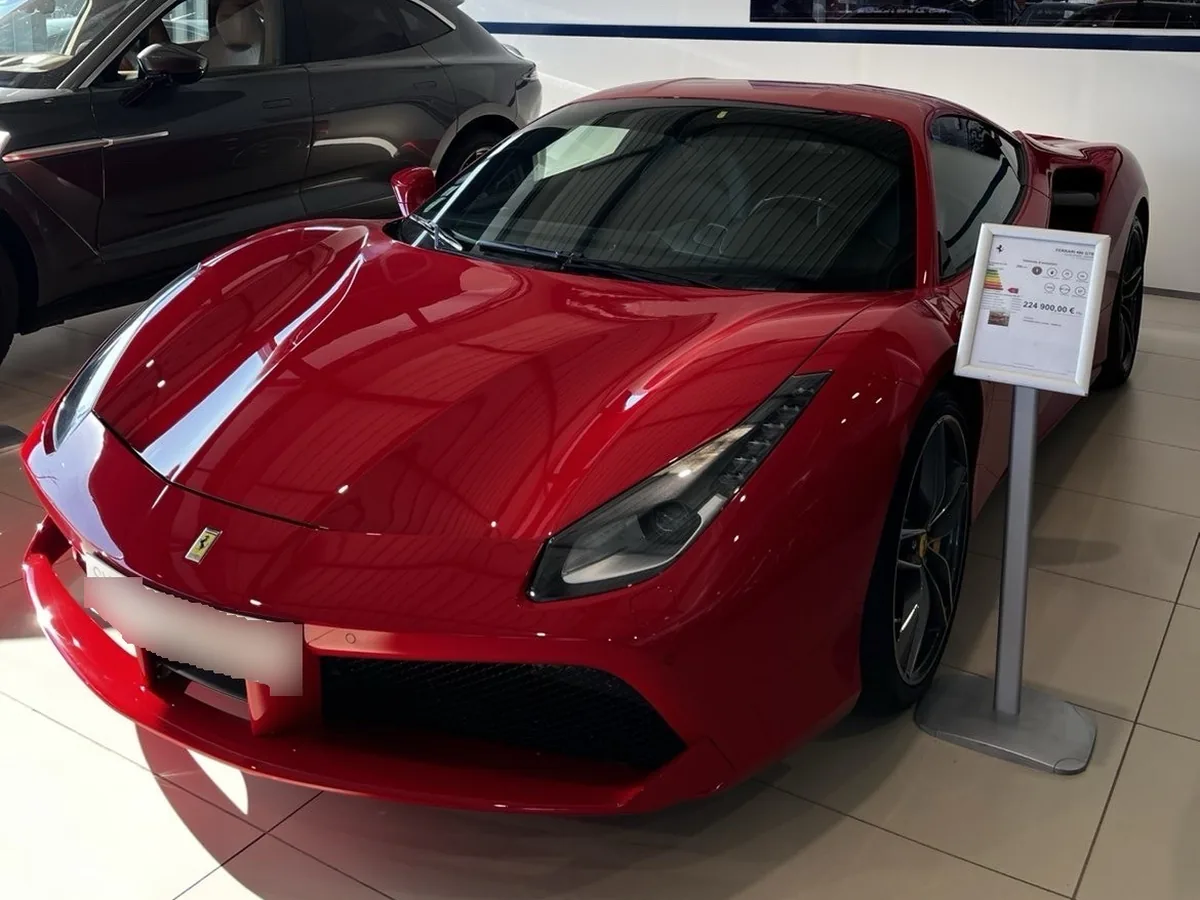
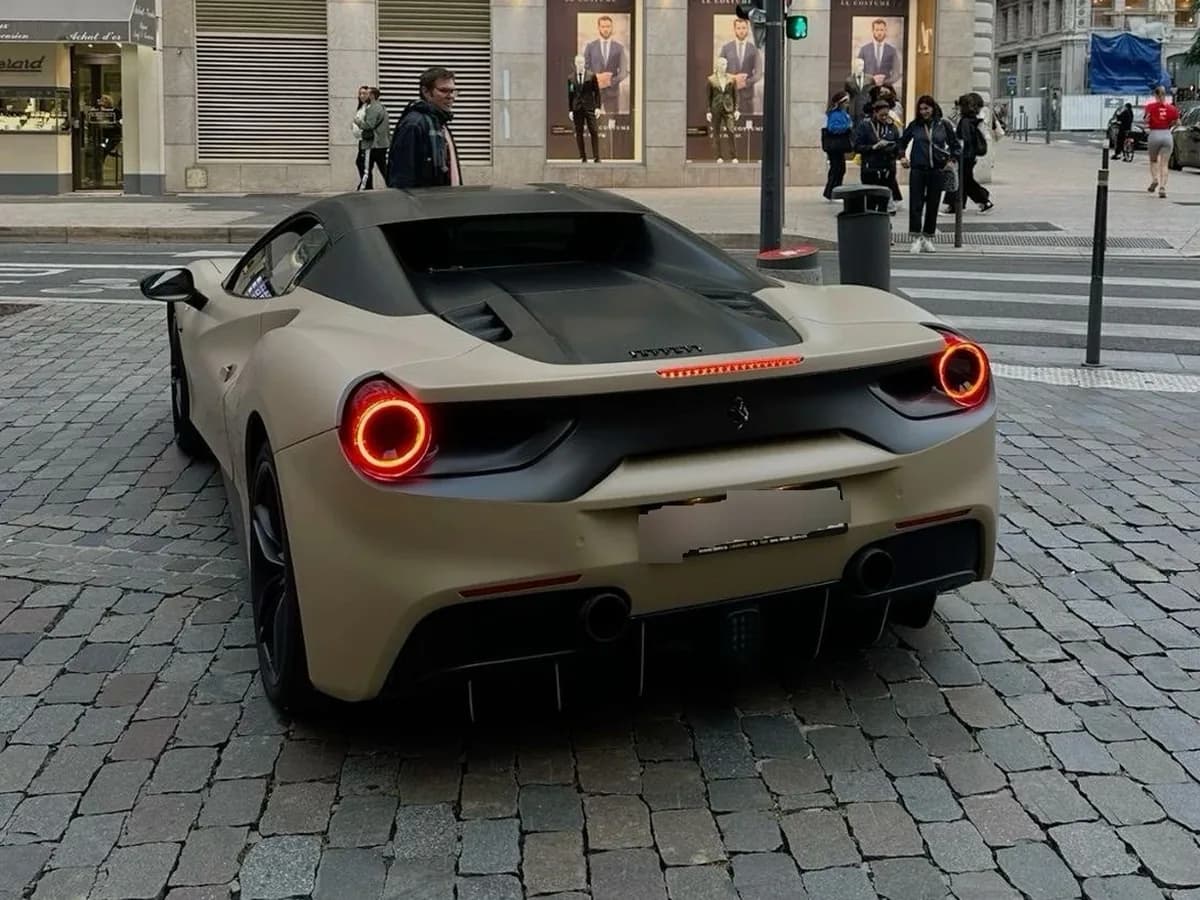
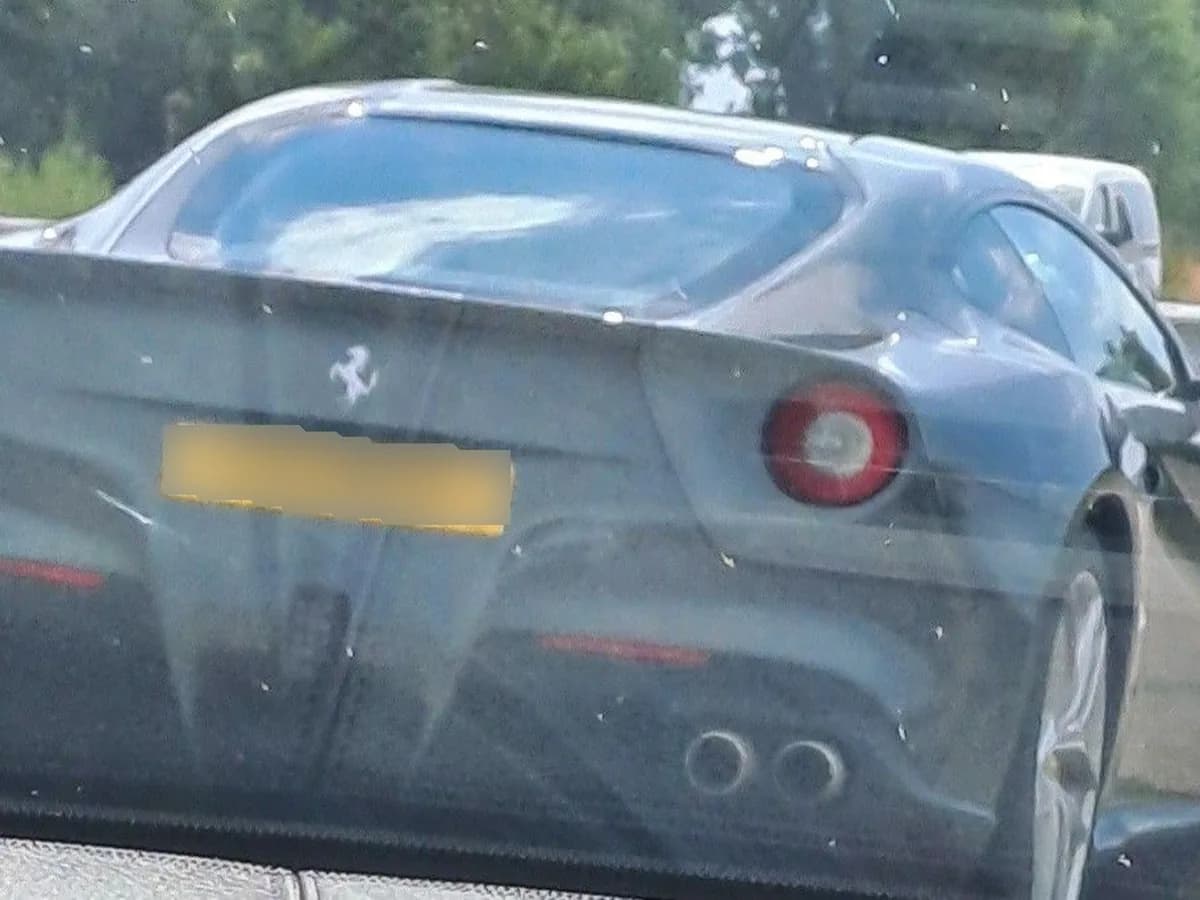
Introduced in 2012, the Ferrari F12berlinetta is a two-seat berlinetta with a front-mid-mounted V12 engine and rear-wheel drive. It replaced the 599 GTB Fiorano with a shorter, lighter and more focused interpretation of Ferrari’s traditional front-engined V12 formula. Ferrari’s naturally aspirated 6,262 cc engine produces 740 cv, while a seven-speed dual-clutch transaxle is mounted at the rear. The result is a grand tourer with genuine supercar performance: Ferrari quoted 0–100 km/h in 3.1 seconds and a top speed above 340 km/h. Designed by Ferrari’s Styling Centre with Pininfarina, the body combines familiar long-bonnet proportions with active and passive aerodynamic features. The model’s character comes from the combination of a high-revving twelve-cylinder engine, rear-drive balance and unusually compact packaging for its class.
Curious about this car?
Explore F12, then try your own photo.
No account needed for the result · Publish only if you choose
The Ferrari F12berlinetta was revealed ahead of the 2012 Geneva Motor Show and publicly displayed there in March. It succeeded the 599 GTB Fiorano and continued Ferrari’s long-running tradition of front-engined V12 road cars, following models such as the 275 GTB, 365 GTB/4 Daytona, 550 Maranello and 575M. Ferrari retained the broad mechanical concept but extensively revised the chassis, driving position and powertrain.
Its 6,262 cc engine belongs to the same wider V12 family used by the FF, yet it received substantial changes to raise power, rev limit and throttle response. The aluminium chassis used a range of alloys to combine lower weight with increased structural stiffness. A rear-mounted dual-clutch transaxle helped support the car’s weight distribution and rear-wheel-drive layout. Aerodynamics played a central role in the design, including the Aero Bridge ducts in the front wings and brake-cooling passages that open when additional cooling is required.
The F12berlinetta reached the end of its production cycle in 2017, when the 812 Superfast became Ferrari’s next front-engined V12 berlinetta.
Photos added by the community for this page.
Source: Ferrari
The F12berlinetta’s name connects it with Ferrari’s tradition of Berlinetta GT cars, including the 250 GT Berlinetta. At launch, Ferrari described it as the fastest and most powerful road car in the company’s history. In December 2012, BBC Top Gear Magazine named it “Supercar of the Year,” while the V12 engine also received an Engine of the Year award from evo magazine.
The Ferrari F12berlinetta was launched in 2012 and officially entered its phase-out in 2017, when the 812 Superfast took over as Ferrari’s front-engined V12 berlinetta. The sources used here do not provide a clearly verifiable official total for standard F12berlinetta production. Unconfirmed estimates should therefore be treated cautiously rather than presented as fact. The F12tdf was a separate limited series, with Ferrari stating that 799 examples would be built. That figure should not automatically be added to a total F12berlinetta production number without a documented production methodology.
The F12berlinetta received a strongly positive response when it was launched. Ferrari emphasized its performance, aerodynamic efficiency and Fiorano lap capability, while road tests highlighted the naturally aspirated V12, the speed of the dual-clutch gearbox and the car’s ability to remain usable on the road. Autocar gave it a 9 out of 10 rating in a 2013 review, praising the engine, performance and grand-touring usability. BBC Top Gear Magazine named it Supercar of the Year 2012 during its launch year. More critical observations generally focused on the unusually quick steering and the high cost of options rather than on the powertrain or outright performance. Later reviews have continued to regard the F12 as a landmark front-engined Ferrari.
Official model information, engine architecture, displacement and performance positioning.
Launch date, relationship with the 599 GTB, key specifications, chassis, aerodynamics and 2012 market reaction.
Technical description, dimensions relative to the 599, drivetrain, transmission and later model context.
Long-term editorial assessment, driving impressions, performance and historical positioning among Ferrari V12 GT cars.
2012 BBC Top Gear Magazine award and contemporary awards reception.
Official information on the F12tdf derivative, 799-car limitation, Tour de France reference and 780 cv output.
Official successor context linking the 812 Superfast to the F12berlinetta and F12tdf.
Official confirmation that the F12berlinetta was phased out in 2017 and that the F12tdf completed its limited series run.