
Dodge
Dodge’s automotive story began with brothers John and Horace Dodge, whose industrial work in Detroit started around the beginning of the twentieth century before complete cars appeared under the Dodge Brothers name in 1914. The brand later built its reputation through large sedans, family vehicles, pickup trucks and performance-oriented models. Dodge is especially associated with V8 engines, American motorsport and muscle cars such as the Charger and Challenger. Across different periods, it also produced smaller and more practical vehicles, including the Dart, Colt and Durango. ScanRacer’s Dodge data spans 1939 to 2025, covering 50 models and 368 variants. That range connects early nameplates such as Royal, Coronet and Wayfarer with later generations of the Charger and other performance-focused vehicles.
Models from A to Z
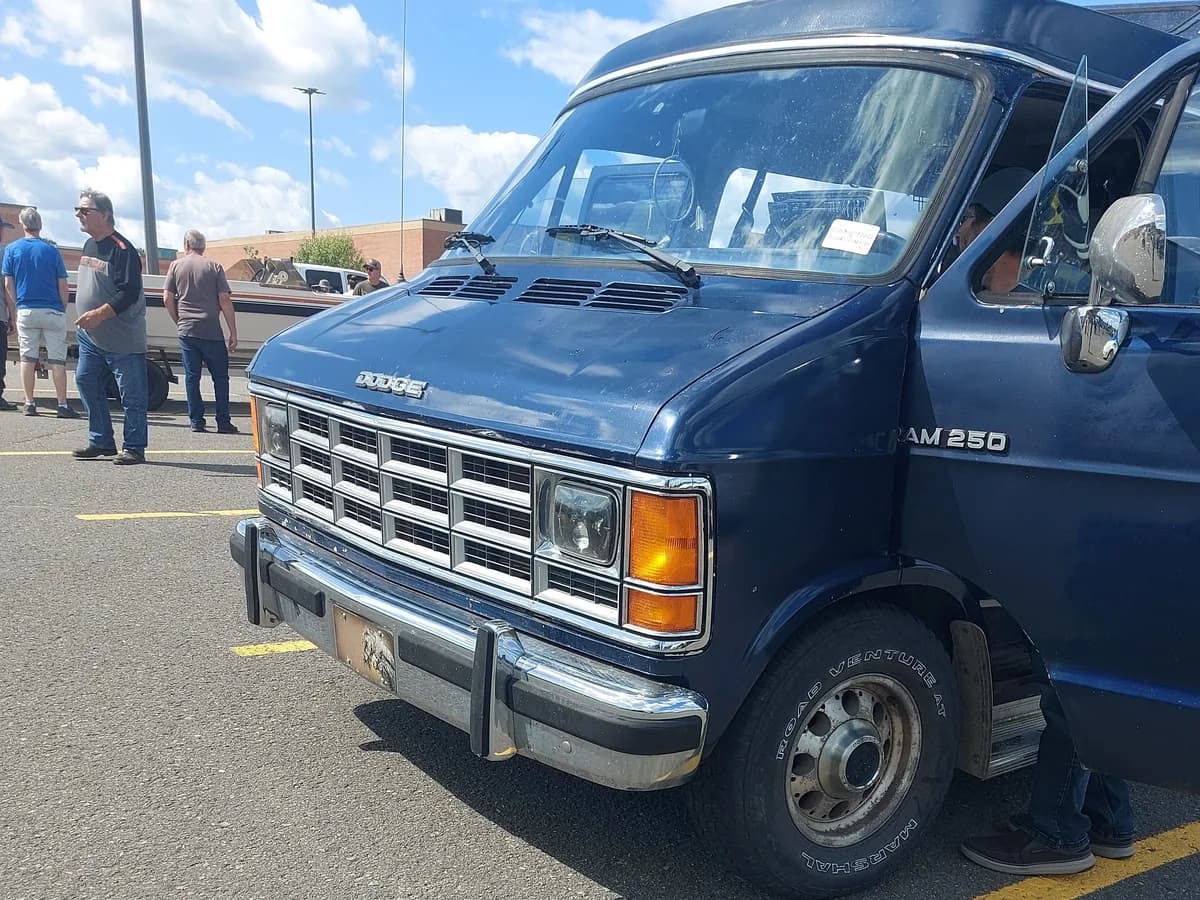
1500
400-600
600
Aries
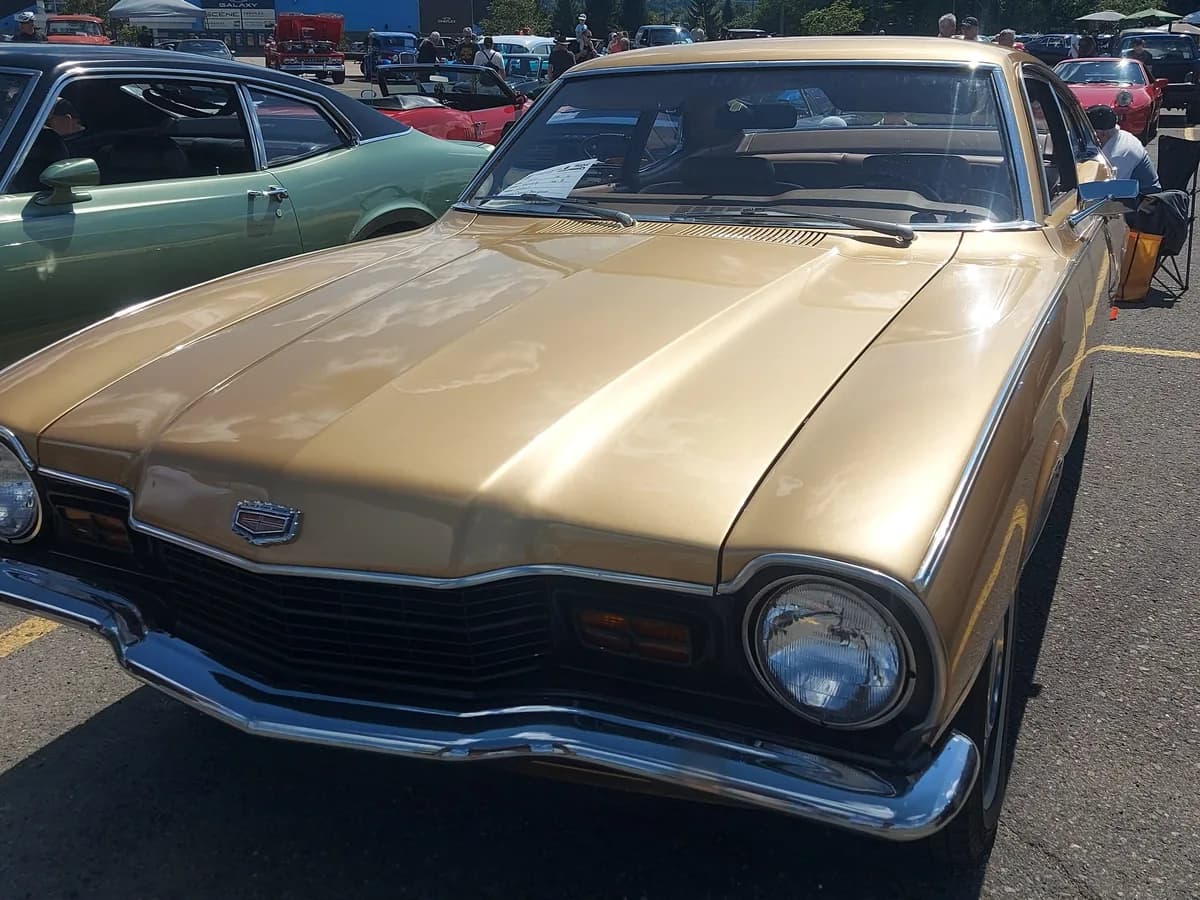
Aspen
Attitude
Avenger
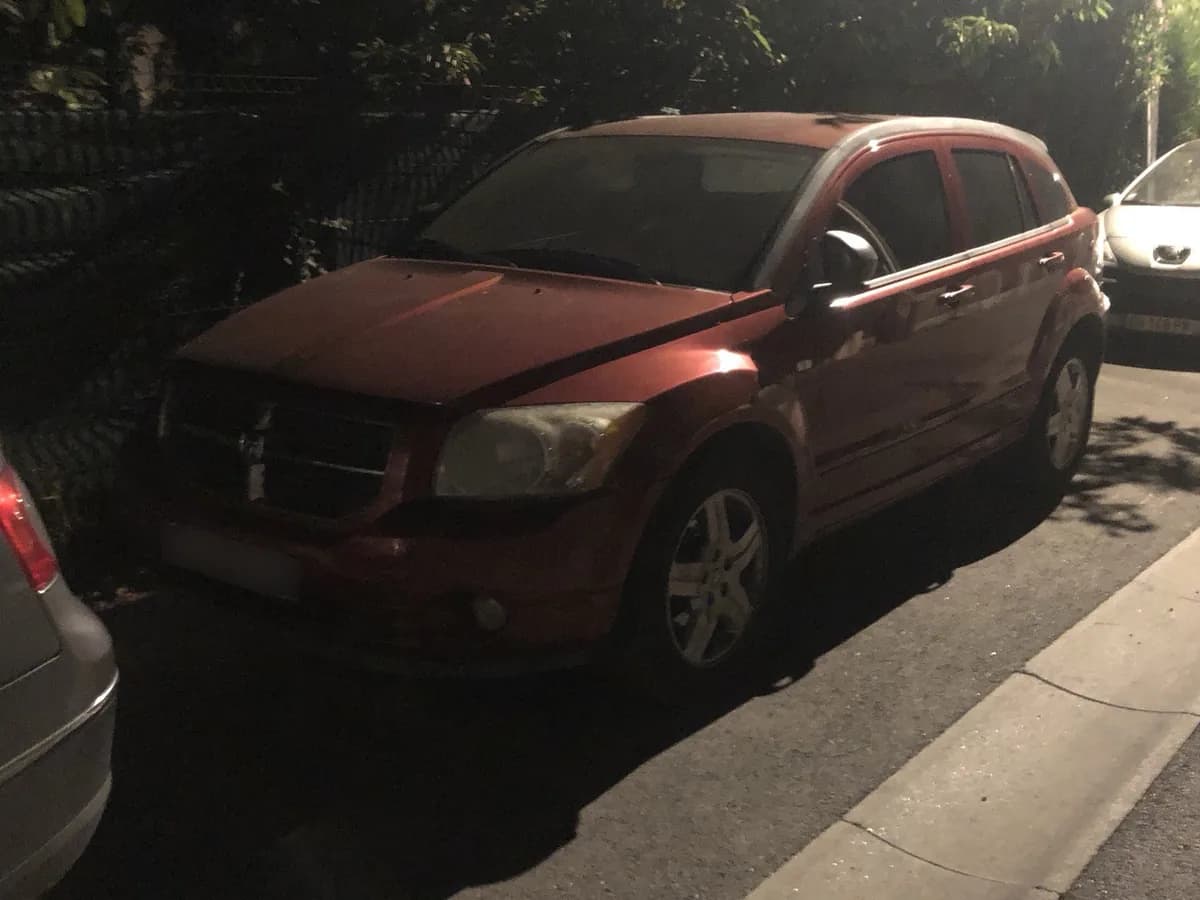
Caliber
Caravan
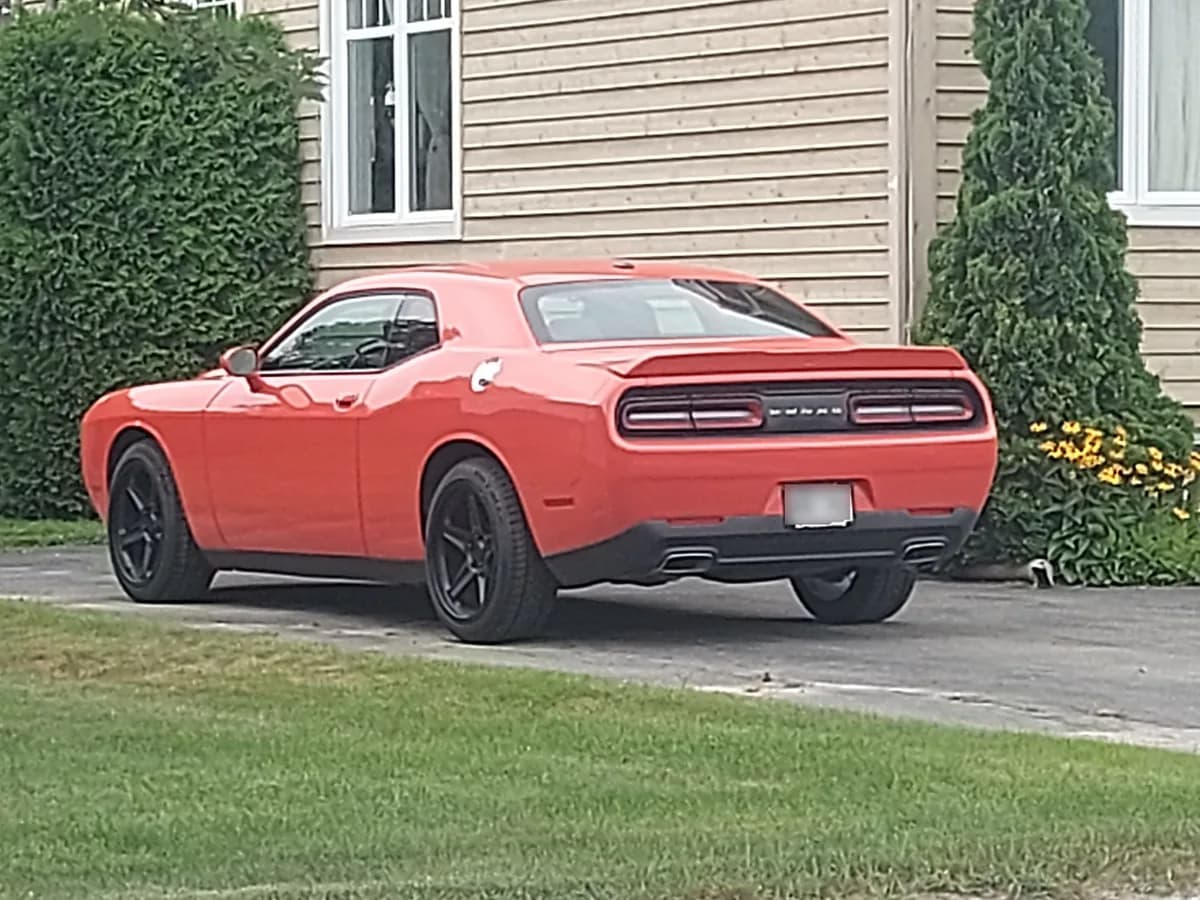
Challenger
Challenger convertible
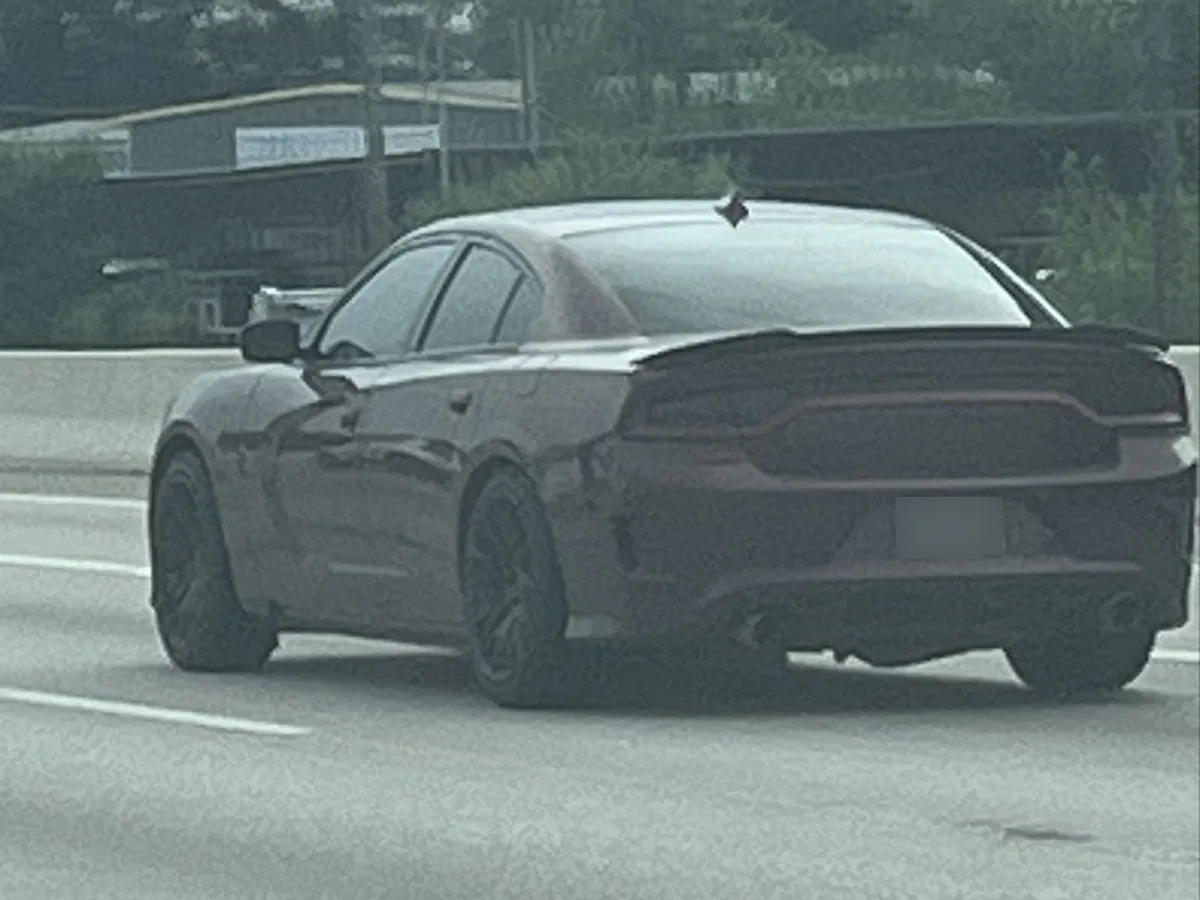
Charger
Colt
Coronet
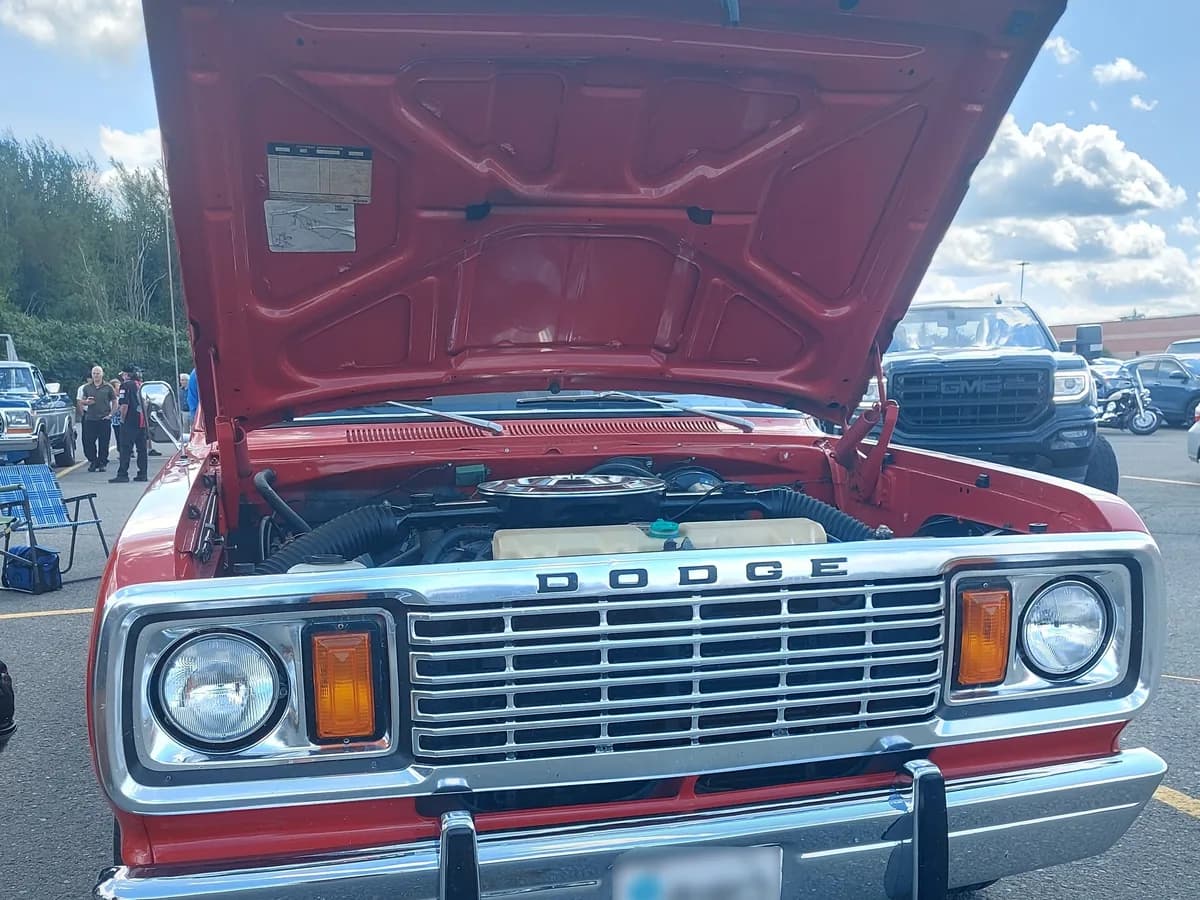
D-Series
Dakota
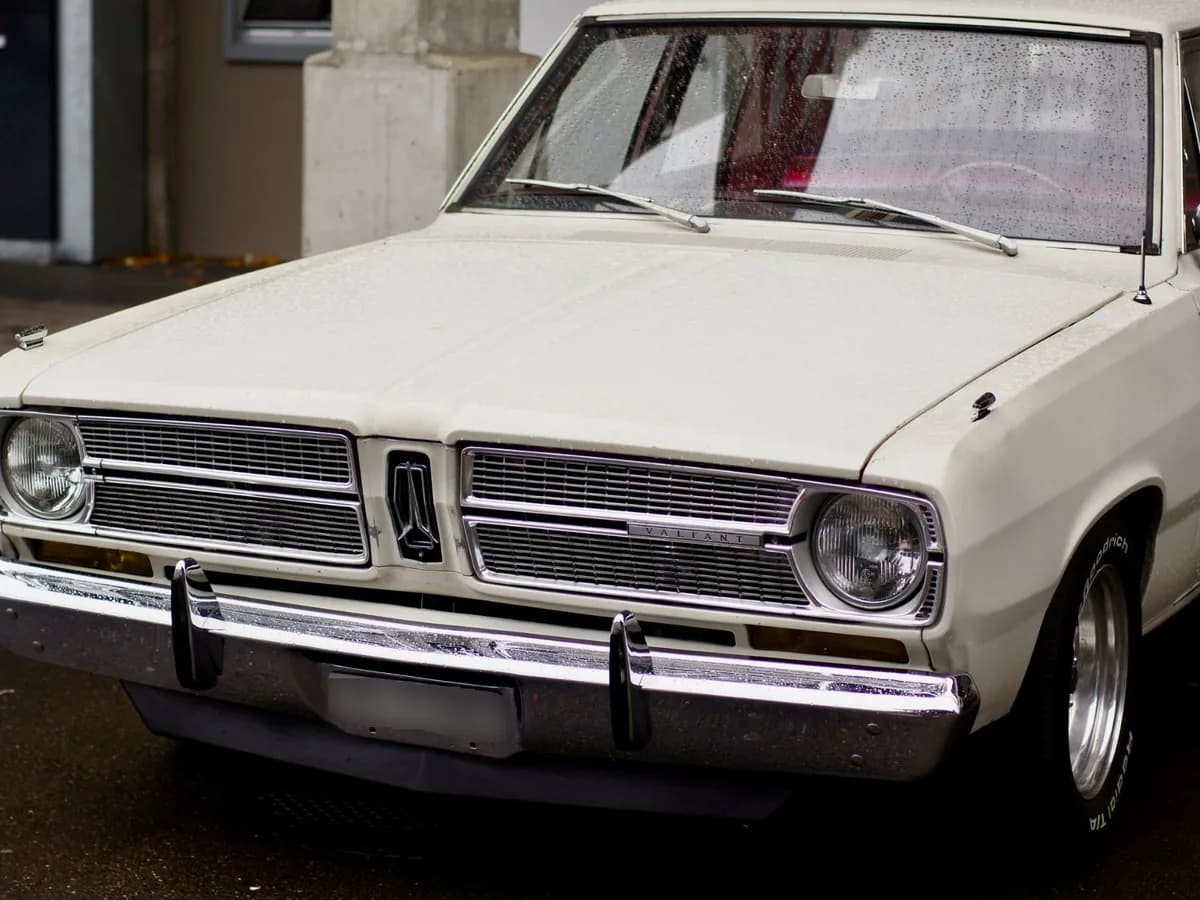
Dart
Daytona
Diplomat
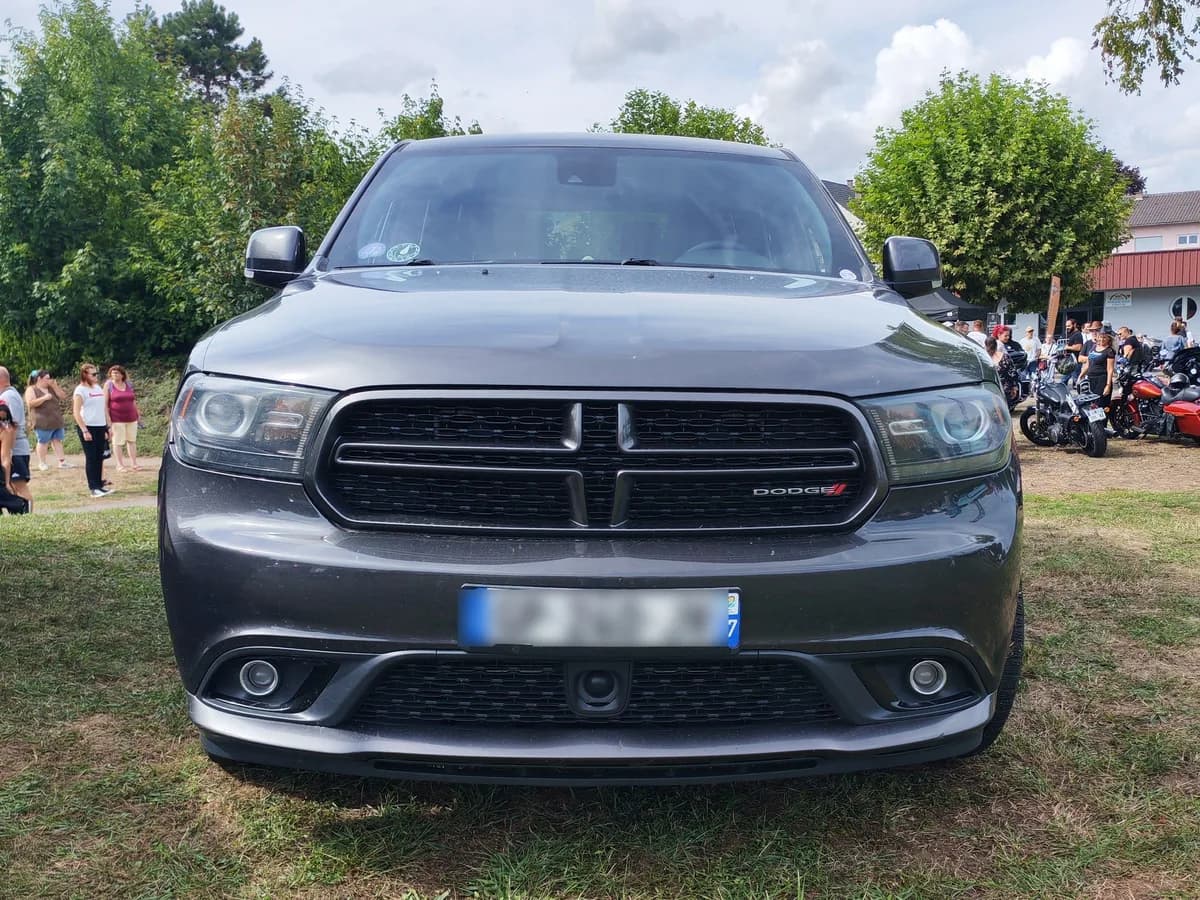
Durango

Grand Caravan
Hornet
Intrepid
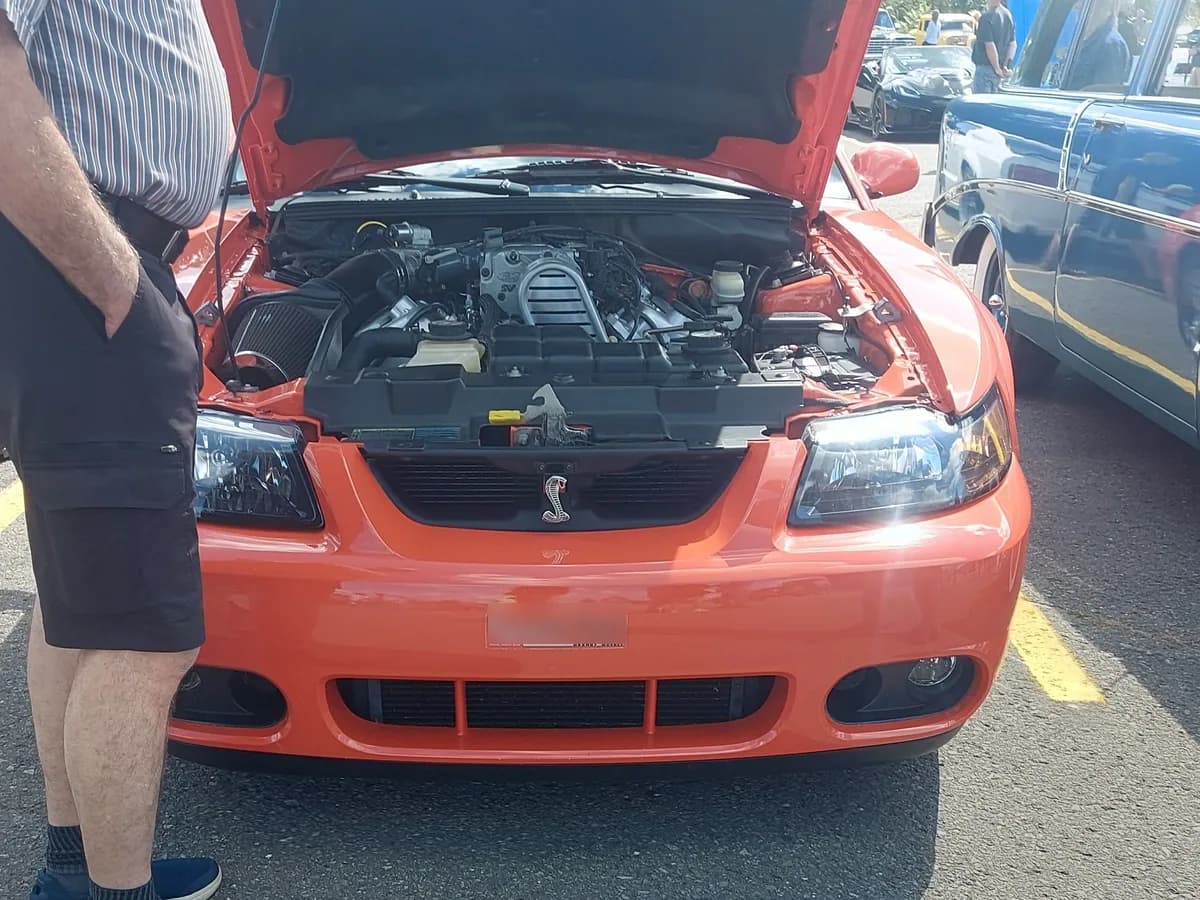
JCUV
Journey
Lancer
Magnum
Matador
Meadowbrook
Mirada
Monaco
Neon

Nitro
Omni
Polara
Raider

Ram
Ramcharger
Rampage
Royal
Shadow
Sierra
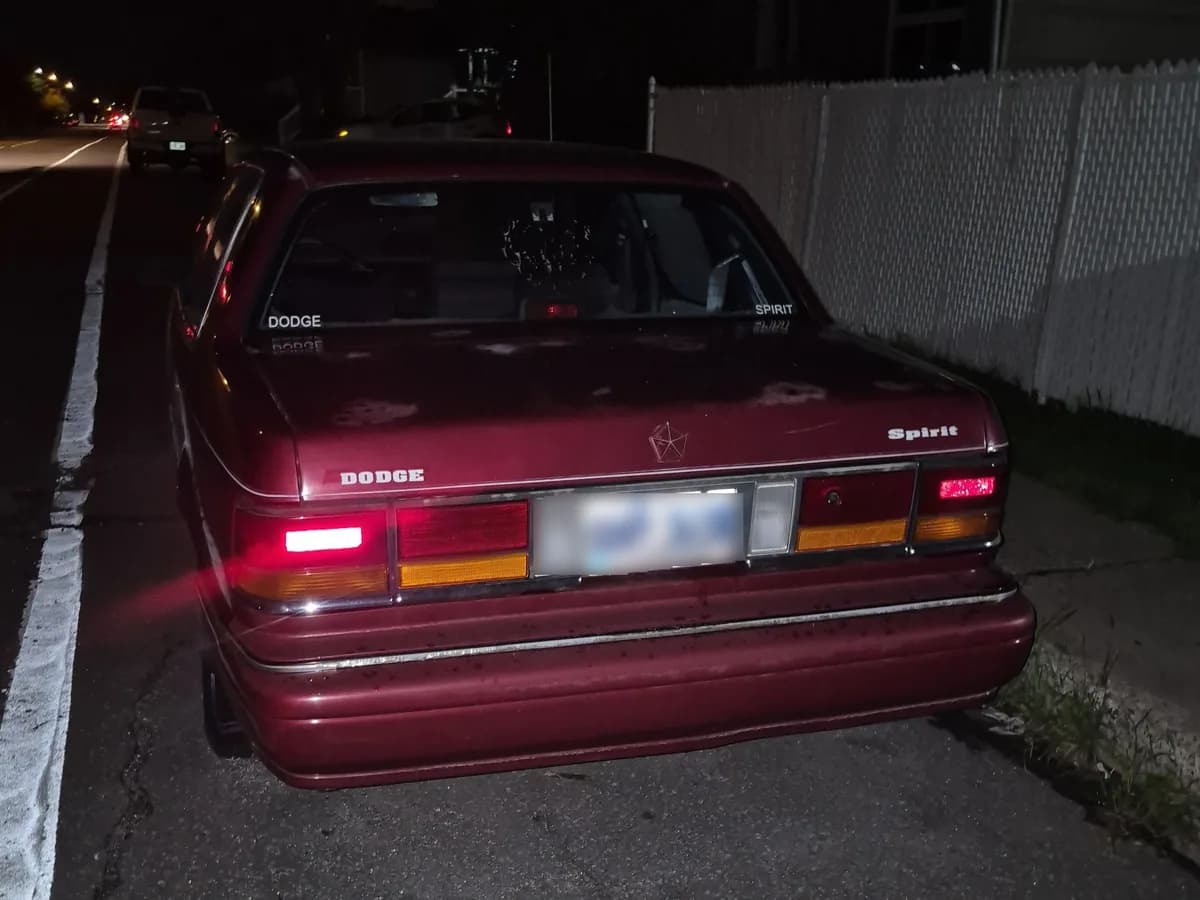
Spirit
Sprinter
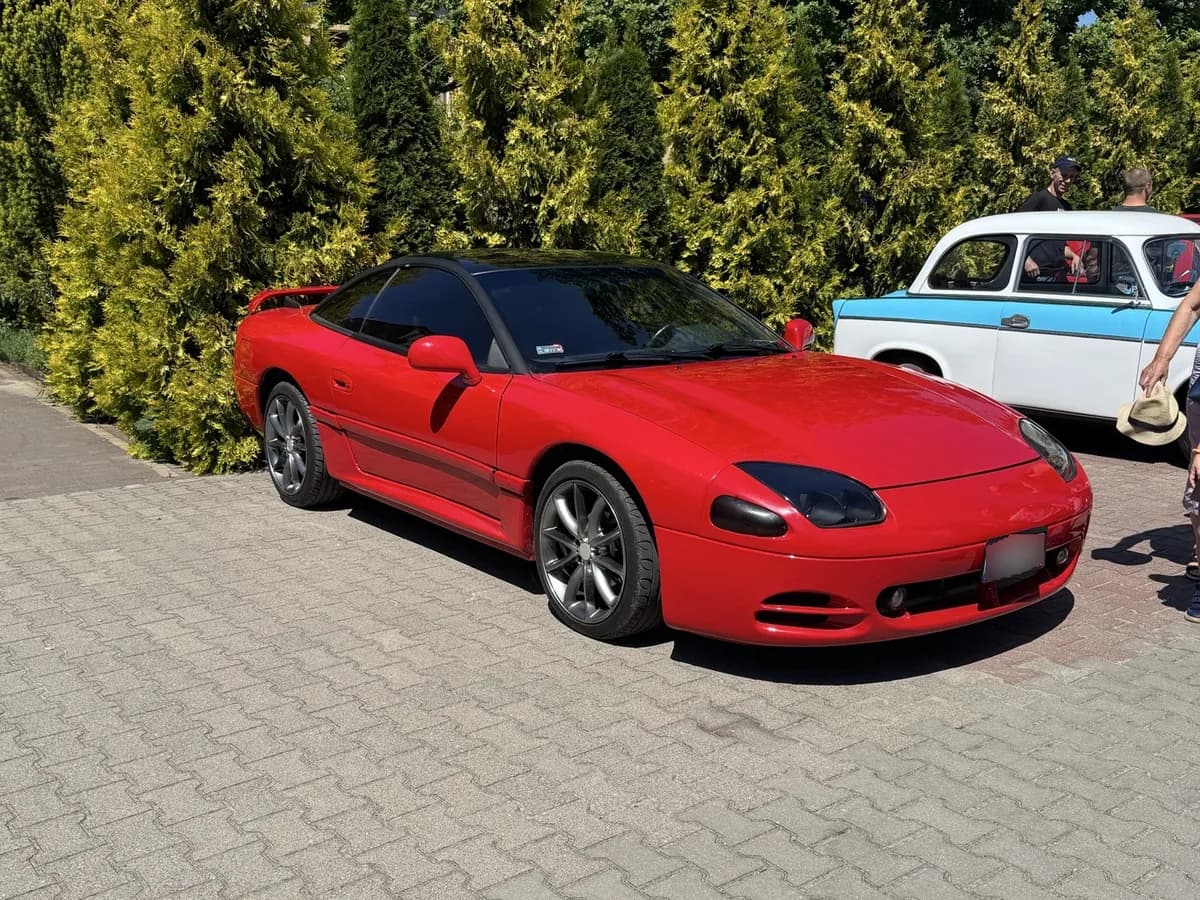
Stealth
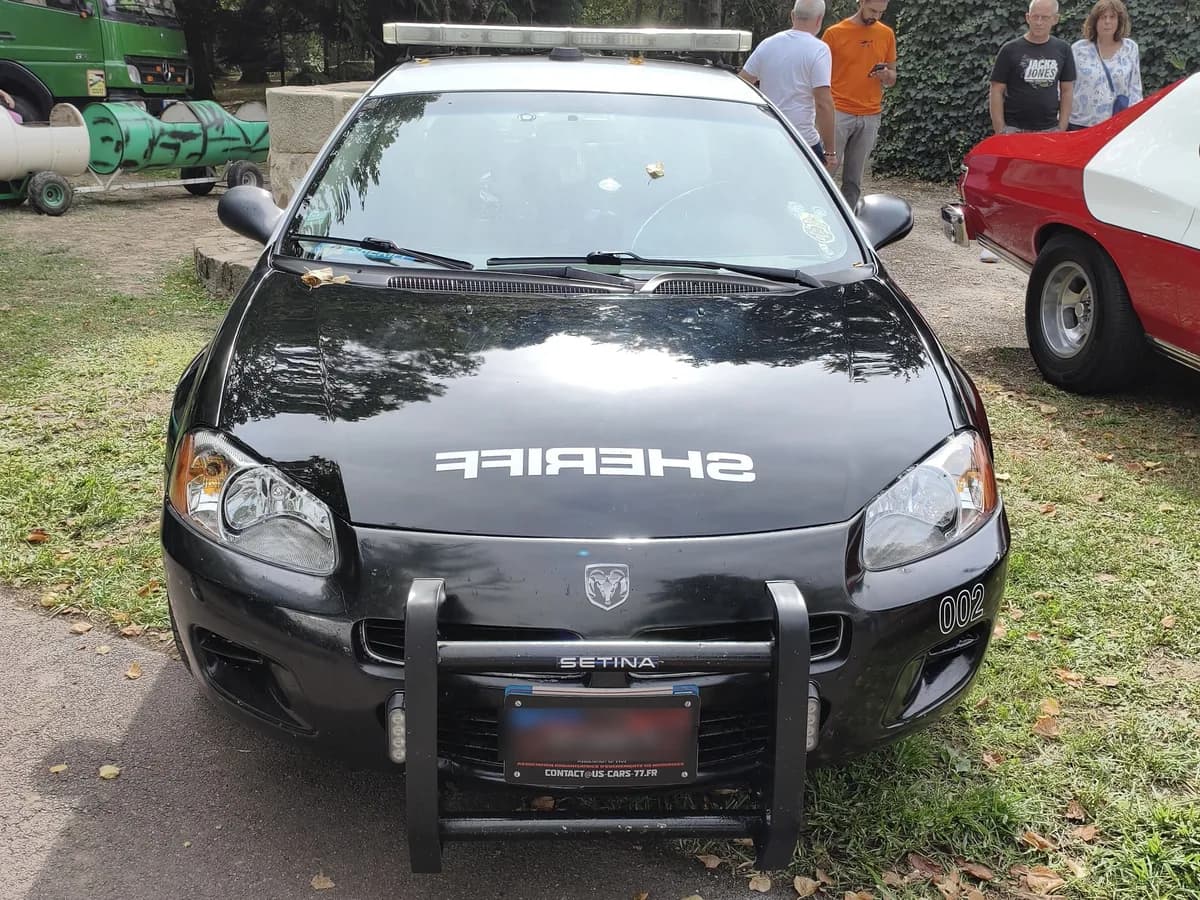
Stratus

T- V- W-Series
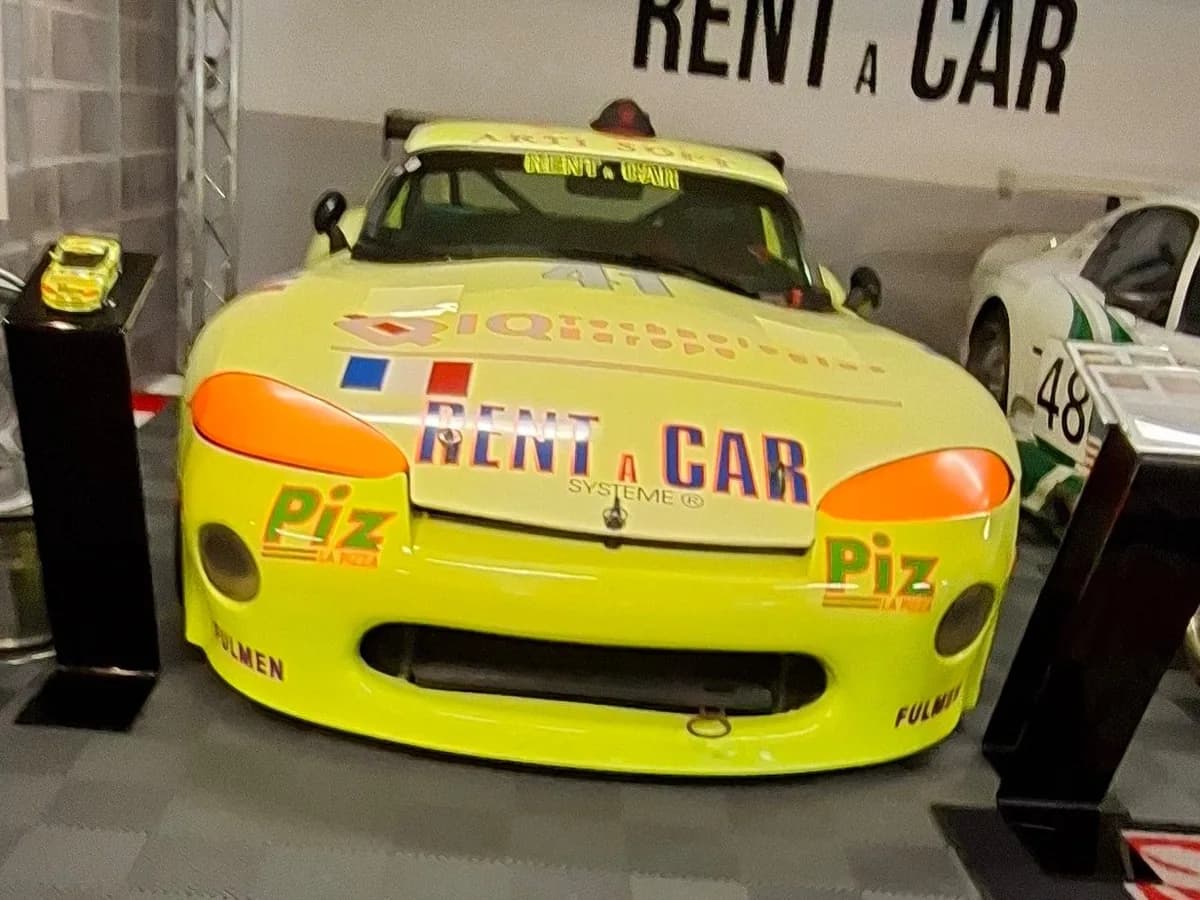
Viper
Vision
Wayfarer
Dodge overview
Dodge history
The Dodge brothers first established a Detroit machine and components business. Their company supplied parts and assemblies to other automakers before introducing its own complete automobile in 1914. This marked the transition from supplier to vehicle manufacturer under the Dodge Brothers name. After John and Horace Dodge died in 1920, the company continued to expand and was acquired by Chrysler in 1928, becoming a lasting part of the American automotive industry. After World War II, Dodge broadened its range with passenger cars and utility vehicles. The Red Ram V8, introduced in the early 1950s, helped strengthen the brand’s technical and performance image. The 1960s brought several nameplates that would become central to Dodge history, including the Dart, Charger and Challenger. The company later adapted to the oil crisis, growing demand for compact cars and wider changes within Chrysler. During the 2000s and 2010s, the Charger, Challenger, Durango and other models reinforced Dodge’s performance-oriented identity. In 2024, the Charger Daytona opened a new chapter as Dodge’s first fully electric vehicle, while the Charger range adopted a multi-energy strategy combining electric and gasoline power.
Dodge positioning
Dodge developed an identity based more on power and character than on one fixed vehicle category. Depending on the era, the brand offered sedans, coupes, compact cars, minivans, SUVs and pickup trucks. That variety explains why names as different as Royal, Coronet, Dart, Colt, Durango and Charger all belong to the Dodge story. Its modern positioning is nevertheless centered on American performance. R/T, SRT and HEMI designations helped identify higher-performance versions, while the Charger and Challenger maintained the connection with muscle-car culture. The 2024 launch of the electric Charger Daytona represents an evolution rather than a rejection of that identity. Dodge is attempting to preserve the acceleration, expressive styling and emotional driving experience associated with its performance models while changing the propulsion technology. This is a cautious interpretation of Dodge’s product positioning; it should not be applied retrospectively to every historical Dodge model, many of which were designed primarily for family, utility or economy use.
Recognizing a Dodge in a photo
Identifying a Dodge requires combining the model name, model year and body style, because one badge can refer to very different generations. The Charger is a clear example: its name has been used across distinct periods and formats, while the Challenger is most strongly associated with the 1970 launch and its modern revival as a sports coupe. Dart, Coronet, Polara and Monaco are usually easier to separate by era, size and series than by one universal styling feature. Useful clues include Dodge or Fratzog emblems, R/T and SRT badges, hood openings, side stripes, body proportions and grille design. Historical context also matters. A HEMI V8, fastback profile or aggressive trim may suggest a performance version, but none of these details alone always identifies a precise generation. For a reliable match, compare the production year, model code, body configuration and engine together. This approach is especially important when a nameplate was reused after a long gap or appeared in several markets.
Important Dodge models
The ScanRacer data highlights several important Dodge families. Dart is the largest group listed, with 38 variants spanning 1959 to 2012, making it a useful thread for understanding the brand’s compact and intermediate cars. Polara, Monaco and Coronet represent Dodge’s full-size-car era, with 27, 24 and 18 recorded variants respectively. Royal and Wayfarer extend the coverage into the postwar period. Charger remains one of Dodge’s defining nameplates. Its eight recorded variants cover 1966 to 2024, linking the original muscle-car era with more recent performance models. Challenger represents another major branch of Dodge performance history, while Lancer and Colt show the brand’s involvement in smaller cars. The short-lived 400-600 and 600 ranges are also useful reminders that Dodge’s history was broader than large V8 coupes. These selections reflect the model and variant coverage supplied for ScanRacer, not a definitive ranking of every Dodge vehicle ever produced.
References
- Dodge Brand History - Over 100 Years Of MuscleDodge
- Dodge, HoraceDetroit Historical Society
- Dodge Delivers World’s First and Only Electric Muscle Car, Announces All-new Dodge Charger Multi-energy LineupStellantis Media
- Dodge Charger Design: Heritage Takes Shape in a New EraStellantis Media
- My HEMI Story | The Heart of Dodge’s V8 PowerDodge
- https://www.encyclopedia.com/history/encyclopedias-almanacs-transcripts-and-maps/dodge-brothersencyclopedia.com
- https://www.dodge.com/challenger.htmldodge.com