
Charger
The Dodge Charger first appeared in 1966 as a sporty fastback coupe, but its identity changed repeatedly across different eras. Its history includes the large B-body coupes of the late 1960s, more luxury-focused models in the 1970s, a compact front-wheel-drive chapter during the 1980s, and the return of a rear-wheel-drive performance sedan in 2006. The generation introduced in 2024 broadened the nameplate again with two- and four-door body styles and both electric and internal-combustion powertrains. That history matters when comparing Chargers by year: the name can refer to a classic fastback, a family-sized performance sedan, or a modern multi-energy muscle car. Treating every Charger as the same type of vehicle would therefore overlook some of the model’s most important changes.
What about the car you photographed?
Upload a photo to get a suggested make, model and likely year.
No account needed for the result · Publish only if you choose
Variants by year
Make: Dodge · Model: Charger
20 / 20 versions shown
2027
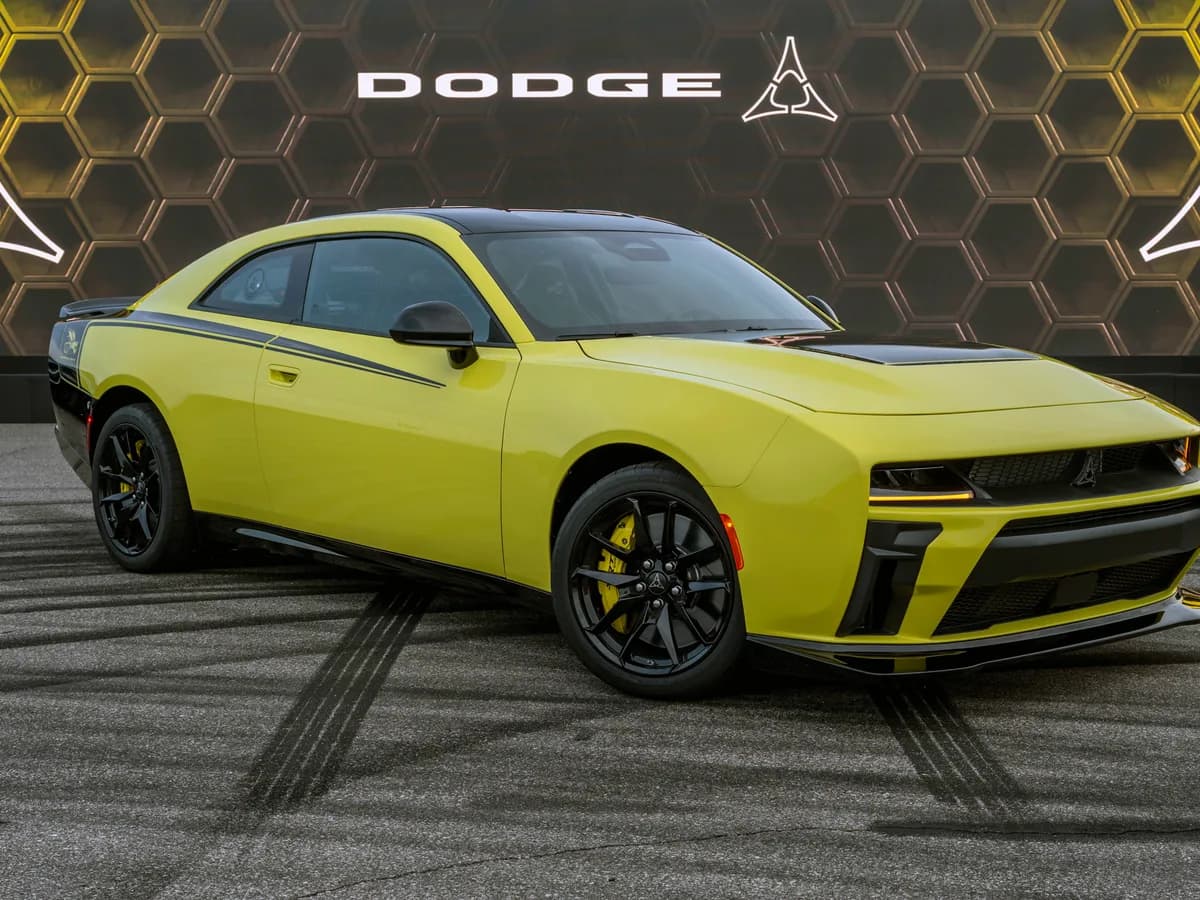
2024
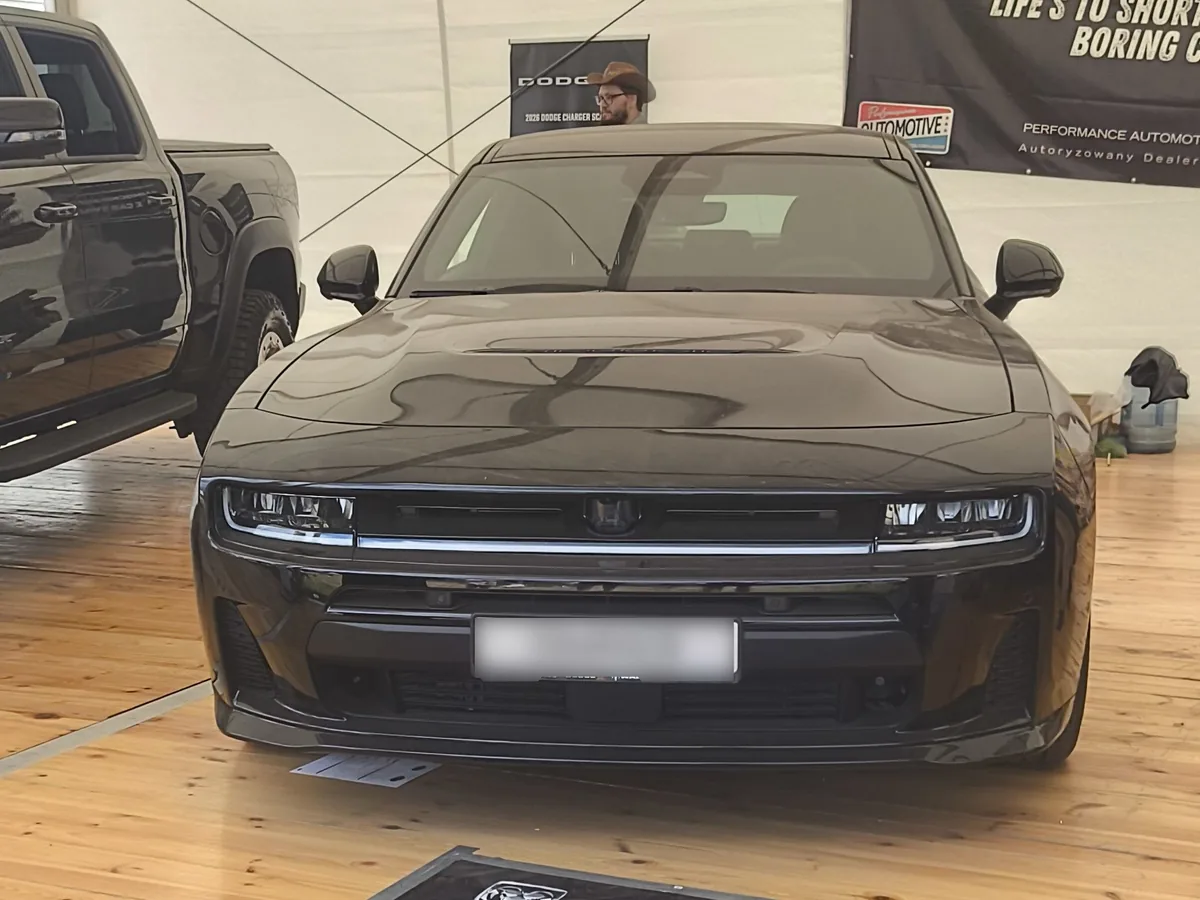
2014
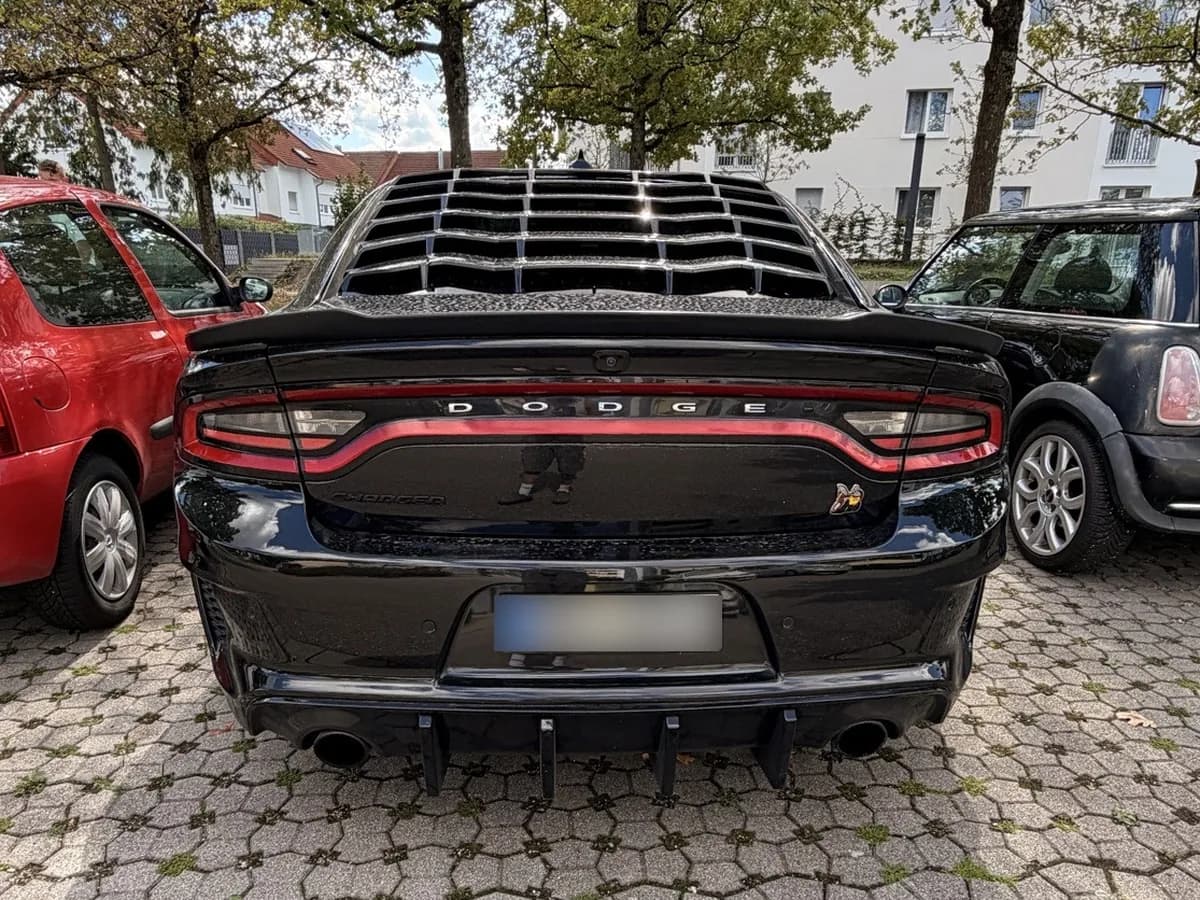
2011

2006
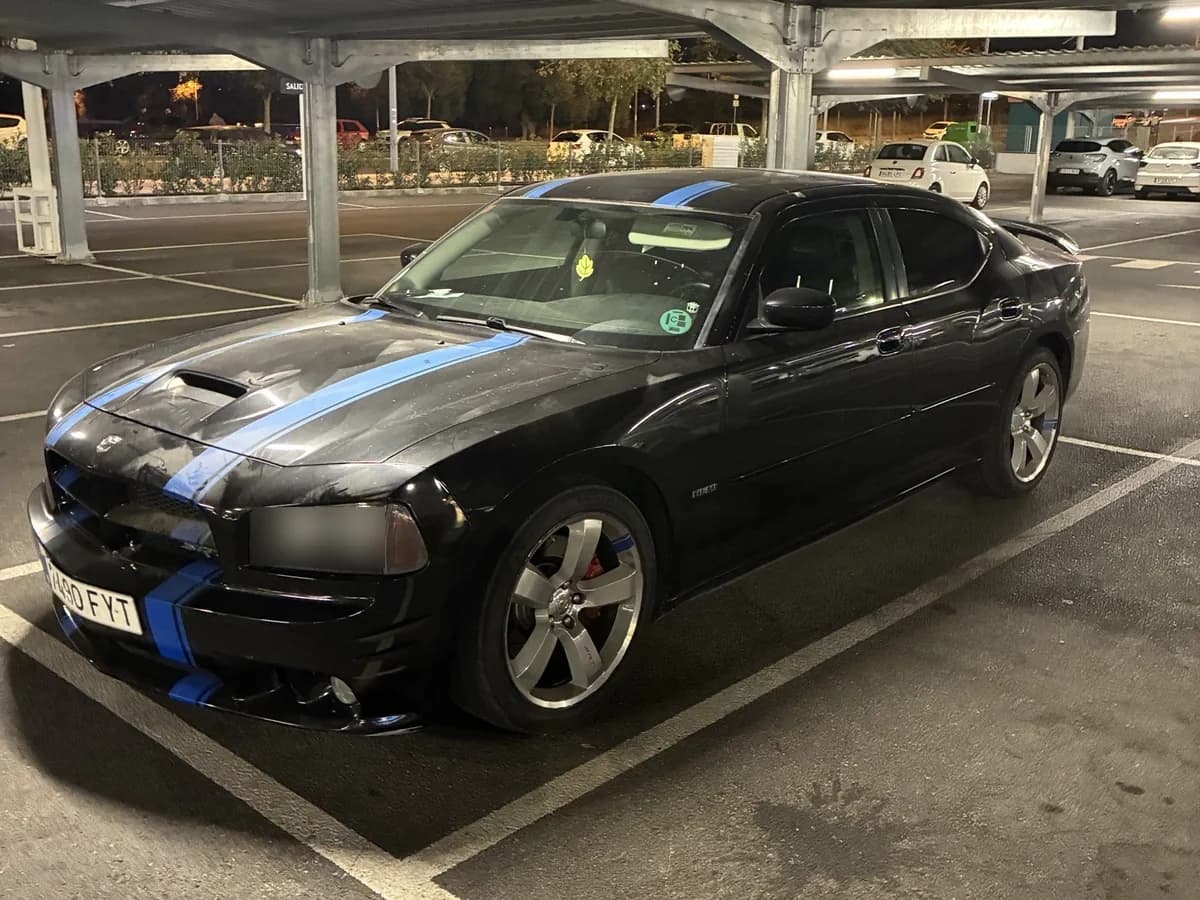
1982
1978
1975
1973
1972
1971
1970
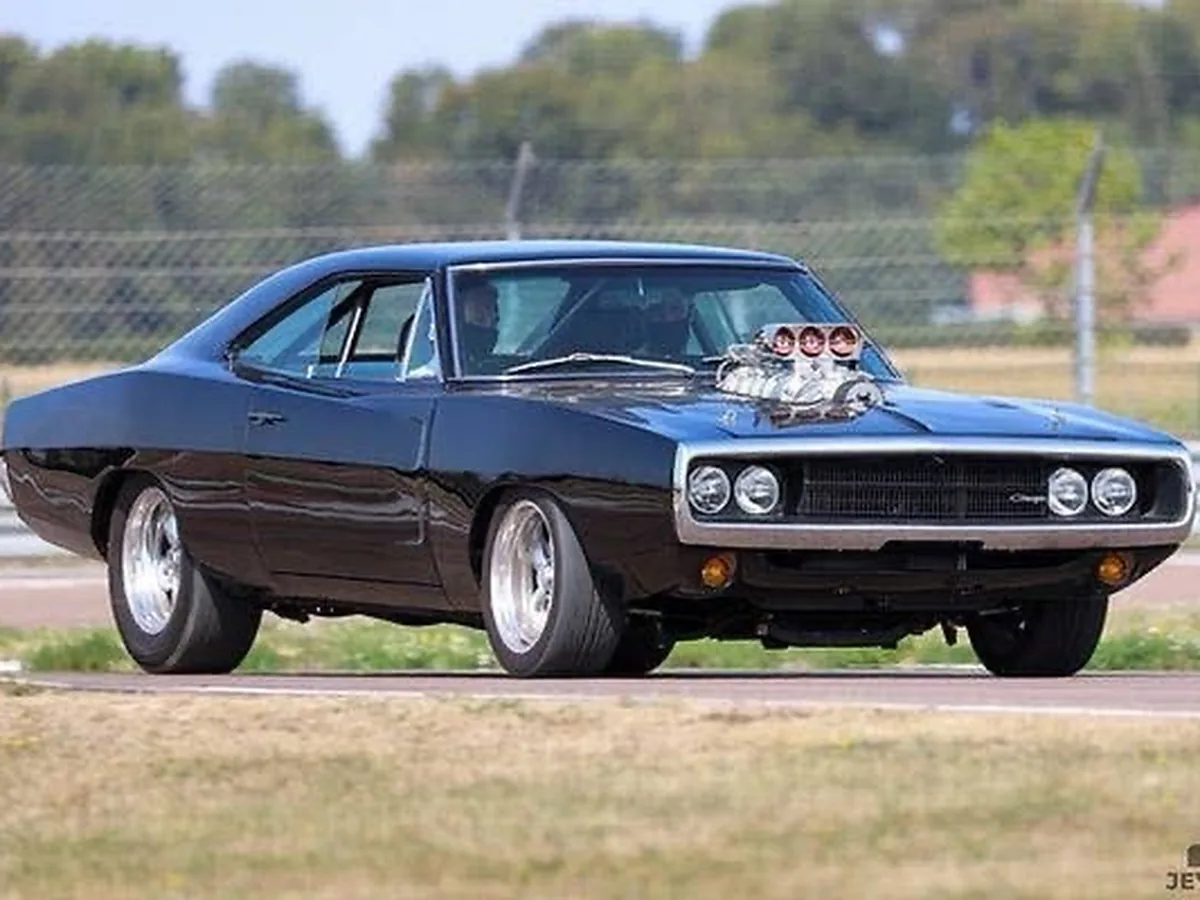
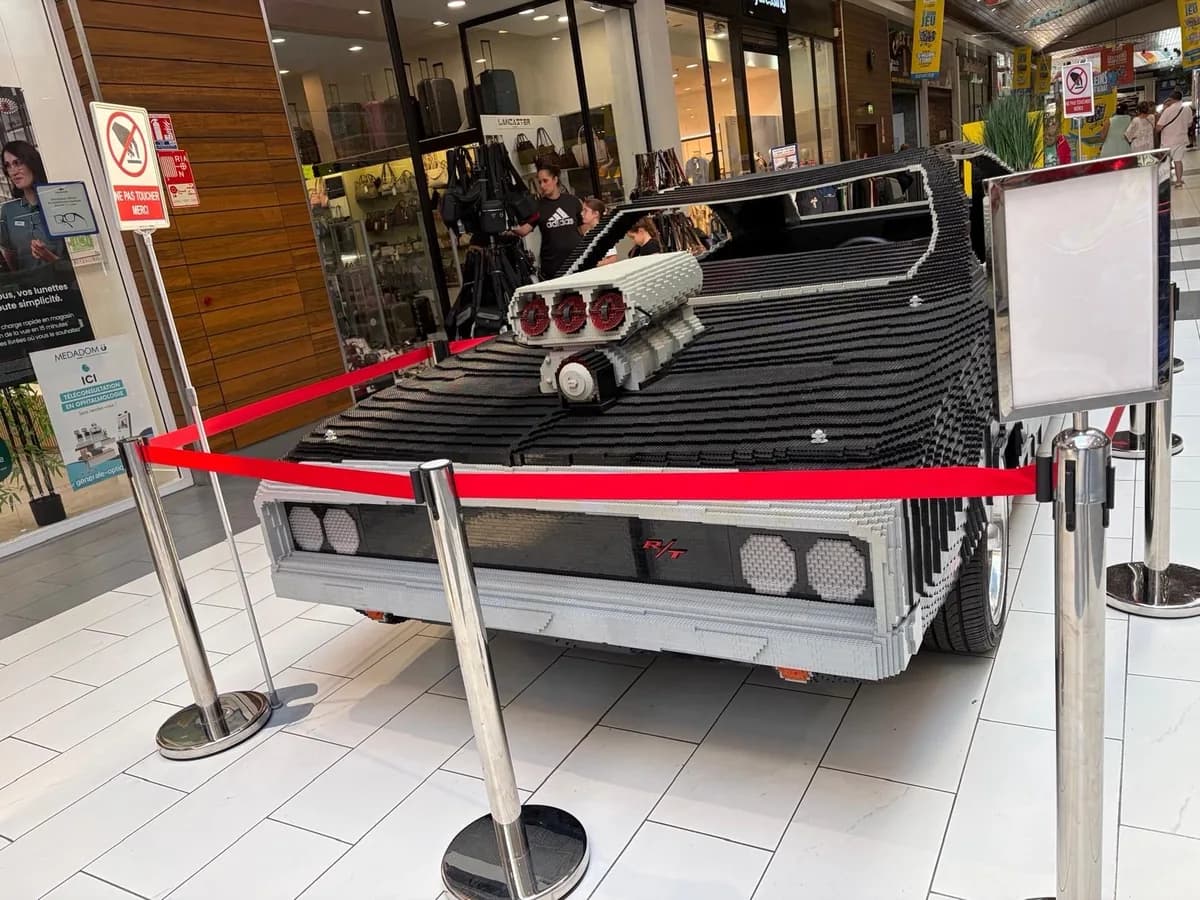
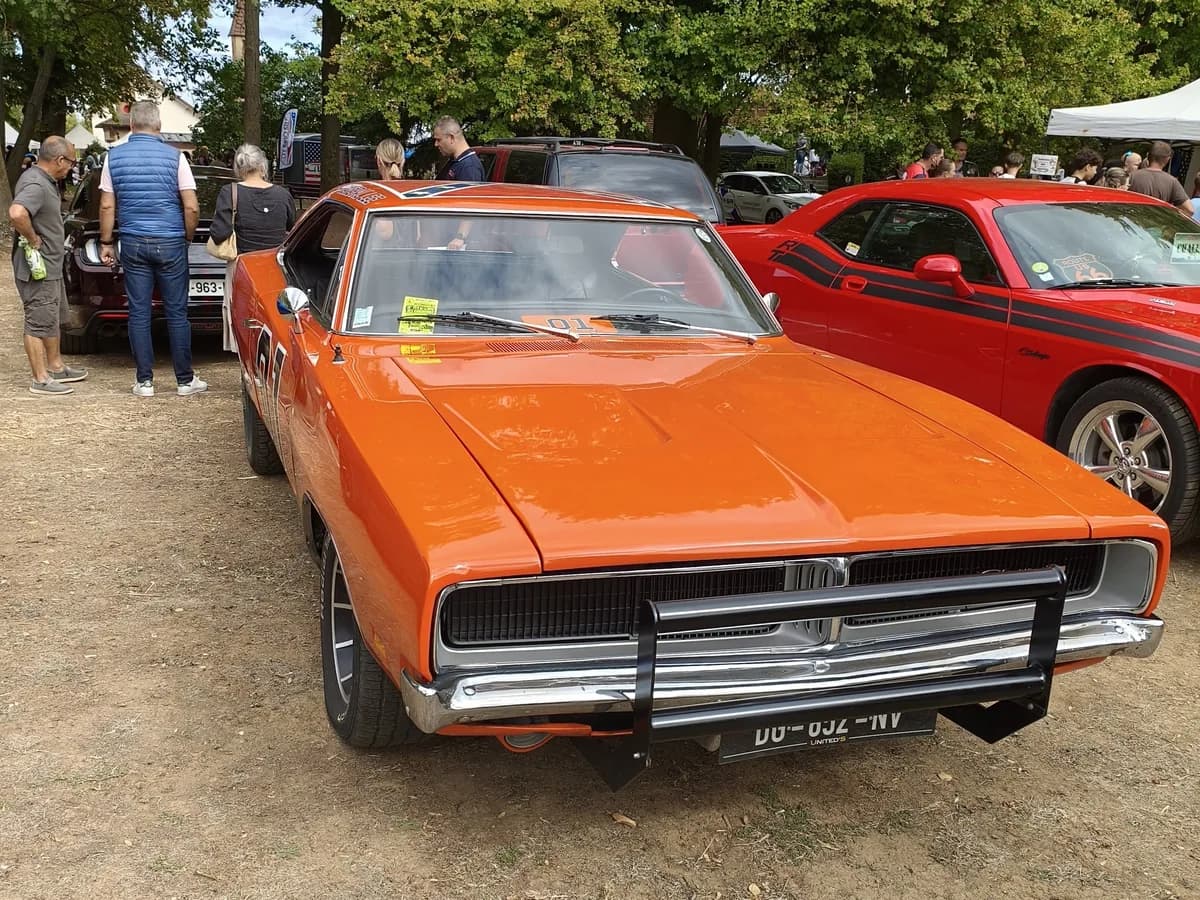
1969
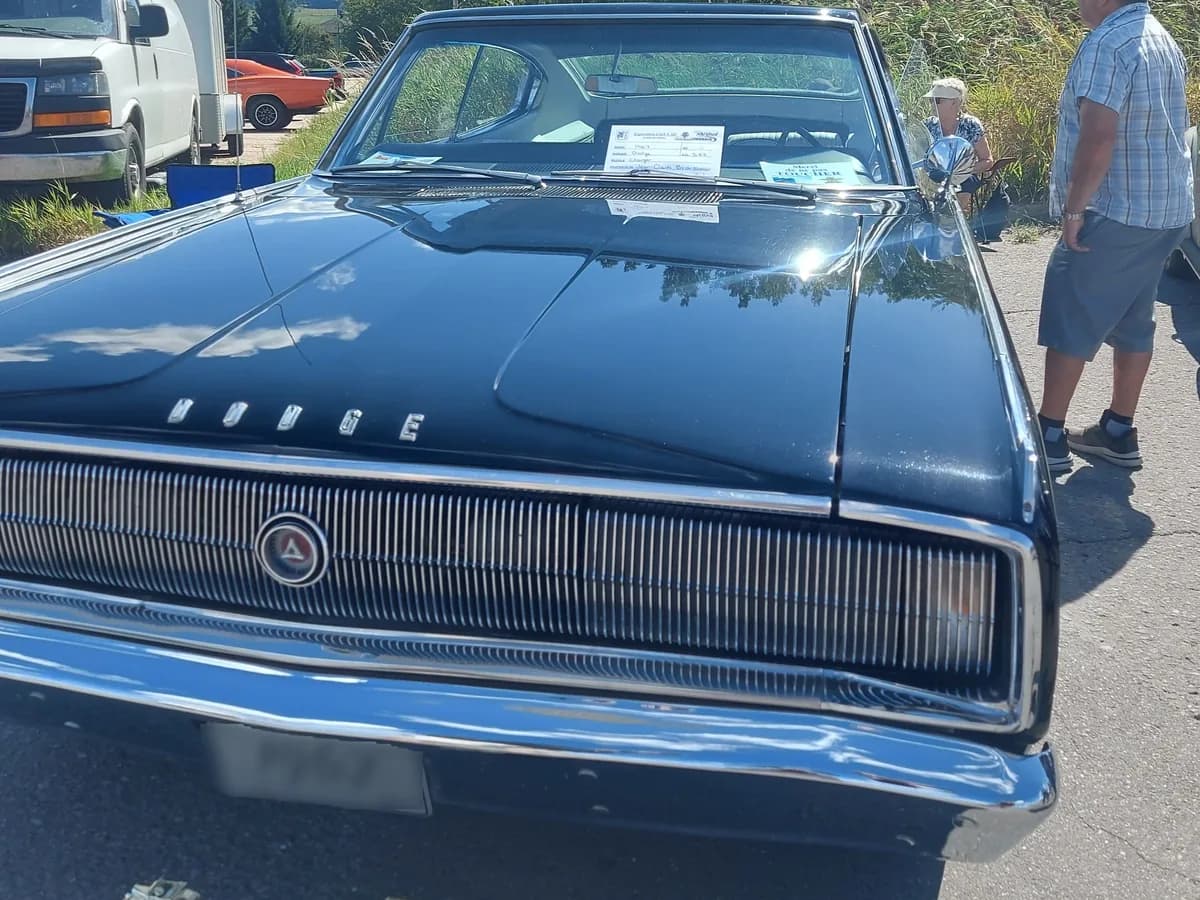
1968
 SR
SR1966
Dodge Charger photos
Model summary
Data from the ScanRacer library, organized to compare versions quickly.
Model introduction
The Dodge Charger first appeared in 1966 as a sporty fastback coupe, but its identity changed repeatedly across different eras. Its history includes the large B-body coupes of the late 1960s, more luxury-focused models in the 1970s, a compact front-wheel-drive chapter during the 1980s, and the return of a rear-wheel-drive performance sedan in 2006. The generation introduced in 2024 broadened the nameplate again with two- and four-door body styles and both electric and internal-combustion powertrains. That history matters when comparing Chargers by year: the name can refer to a classic fastback, a family-sized performance sedan, or a modern multi-energy muscle car. Treating every Charger as the same type of vehicle would therefore overlook some of the model’s most important changes.
History
Dodge introduced the Charger for the 1966 model year. The first car used an intermediate-sized platform and a two-door fastback body, with a folding rear seat that gave the design useful carrying capacity. For 1968, Dodge substantially redesigned the body. That second generation became one of the defining cars of the muscle-car era, combining a more compact shape with the availability of powerful V8 engines. Competition development also produced the Charger 500 and Charger Daytona, which used aerodynamic changes for NASCAR homologation and speed. The 1971 generation gradually moved the nameplate toward the personal-luxury and grand-touring market. A larger-bodied Charger continued through 1978, after which the name returned in 1982 on a compact front-wheel-drive hatchback that shared little mechanically with the earlier B-body cars. In 2006, Dodge revived the Charger as a four-door rear-wheel-drive performance sedan, reconnecting the name with American performance. The 2024 generation takes another major step by offering a multi-energy lineup that includes the electric Charger Daytona and gasoline-powered SIXPACK versions.
Generations
The first generation ran from 1966 through 1967. It is identified by its long fastback roof, two-door body, and folding rear-seat layout. The second generation, built from 1968 to 1970, introduced a more aggressive design and provided the basis for the Charger 500 and Daytona models developed around NASCAR competition. The third generation, covering 1971 to 1974, kept the coupe format but adopted a rounder, more upscale interpretation. The fourth generation, from 1975 to 1978, grew larger and moved further away from the classic muscle-car formula. The fifth generation, produced from 1982 to 1987, was a major departure: a compact front-wheel-drive hatchback offered with four-cylinder engines and later Shelby performance derivatives. The sixth generation, from 2006 to 2010, brought back a four-door rear-wheel-drive performance sedan. The seventh generation, spanning 2011 to 2023, continued that formula with R/T, SRT, and Hellcat derivatives depending on the model year. The eighth generation began in 2024 and expanded the nameplate with two- and four-door bodies, electric Daytona powertrains, and gasoline SIXPACK engines.
Key differences
The main differences between Charger generations concern body style and mechanical layout. Chargers from 1966 through 1978 were intermediate- or full-sized coupes, generally associated with rear-wheel drive and six- or eight-cylinder engines. The 1982-1987 Charger was fundamentally different: a compact front-wheel-drive hatchback with much shorter proportions. The model introduced in 2006 returned as a large four-door sedan with a performance-oriented rear-wheel-drive layout. Recent Chargers also differ by powertrain concept. Current gasoline models use a 3.0-liter twin-turbocharged inline-six SIXPACK engine, while the Charger Daytona uses two electric motors and all-wheel drive. Power figures and equipment should therefore be compared only within the same model year and configuration. The R/T, Scat Pack, SRT, Hellcat, and Daytona names do not represent one fixed specification across the entire Charger timeline. Their meaning changed as Dodge moved from classic V8 coupes to compact 1980s models, then to modern sedans and the current multi-energy lineup.
Photo recognition
For a classic Charger, the overall shape is the best starting point. The 1966-1967 cars have a long, distinctive fastback profile and a front end unlike the later generations. The 1968-1970 Chargers look lower and more taut; horizontal taillamps, the divided 1969 grille, and the special aerodynamic hardware of the Daytona are useful clues. The 1971-1974 generation has rounder bodywork and a different rear-quarter treatment, while the 1975-1978 cars appear larger and more closely related to the personal-luxury coupes of their period. The 1982-1987 Charger is easy to separate from the others because of its compact dimensions, hatchback body, and front-wheel-drive layout. Chargers from 2006 through 2023 are four-door sedans, with bumper, wheel, intake, and exhaust differences between trims. The 2024 generation adopts a more fastback-like profile and is offered in two- and four-door forms. For a dependable identification, exterior details should be checked against the model year, the vehicle identification plate, and the VIN rather than relying on badges alone.
Important versions
Among historic Chargers, the 1969 Daytona is especially significant because of its extended nose and large rear wing, developed in the context of NASCAR homologation. The R/T versions from 1968 through 1970 are also notable for their performance focus and available V8 powertrains, depending on specification. The Charger 500 is another important derivative from the same period. In the modern era, R/T and SRT models strengthened the Charger’s role as a performance sedan, while Scat Pack and Hellcat versions represented some of the highest-output configurations in the recent lineup. The current generation adds the electric Charger Daytona and gasoline SIXPACK models. These names describe different approaches to performance: competition-inspired aerodynamics, classic V8 muscle, supercharged sedan performance, or high-output electric propulsion.
References
- 60 Years of the Dodge Charger – GEN I: 1966-67DodgeGarage
- 60 Years of the Dodge Charger – GEN II: 1968-70DodgeGarage
- The Original Dodge Charger Marks Its Golden AnniversaryHemmings
- 60 Years of the Dodge Charger – GEN 5: 1982 to 1987DodgeGarage
- Dodge Delivers World’s First and Only Electric Muscle Car, Announces All-new Dodge Charger Multi-energy LineupStellantis Media
- 2026 Dodge Charger Frequently Asked QuestionsDodge
- 60 Years of the Dodge Charger – GEN 8: 2024 to 2026DodgeGarage
- https://www.dodge.com/2025/charger/specs.scat-pack.htmldodge.com
Technical specifications
Structured data available for versions linked to this model.
| Version | Power | Torque | Top speed | Drivetrain | Fuel |
|---|---|---|---|---|---|
| Base | 276 KW @ 5250 RPM375 HP @ 5250 RPM370 BHP @ 5250 RPM | 395 lb-ft @ 4200 RPM536 Nm @ 4200 RPM | — | Front Wheel Drive / 8-speed automatic | Gasoline |
| Base | 492.8 kw (670 hp) | 627 lb-ft (850 Nm) | 137 mph (220 km/h) | All Wheel Drive | Electric |
Frequently asked questions
- What years was the Dodge Charger produced?
- ScanRacer's referenced versions cover 1966 - 2027.
- How many Dodge Charger examples are documented on ScanRacer?
- 30 published scans from 19 members, with the latest photo added in September 2026.
What about the car you photographed?
Upload a photo to get a suggested make, model and likely year.
No account needed for the result · Publish only if you choose