
C4 Picasso-SpaceTourer
The Citroën C4 Picasso is a compact MPV introduced in 2006 to strengthen the brand’s family-car range alongside the Xsara Picasso and C8. The first body style to appear was the seven-seat Grand C4 Picasso, shown at the 2006 Paris Motor Show, followed by the shorter five-seat C4 Picasso in 2007. Its identity was defined by extensive glazing, a panoramic windscreen and an interior designed around flexible seating. In 2013, Citroën replaced the original vehicle with a second generation built on the EMP2 platform, bringing a lighter structure and a much more digitally focused cabin. The Picasso name was later replaced by SpaceTourer in 2018: the C4 Picasso became the C4 SpaceTourer, while the long-wheelbase model adopted the Grand C4 SpaceTourer name. The ScanRacer model context covers the 2006–2013 period and its listed Base and Grand variants.
Variants by year
2013
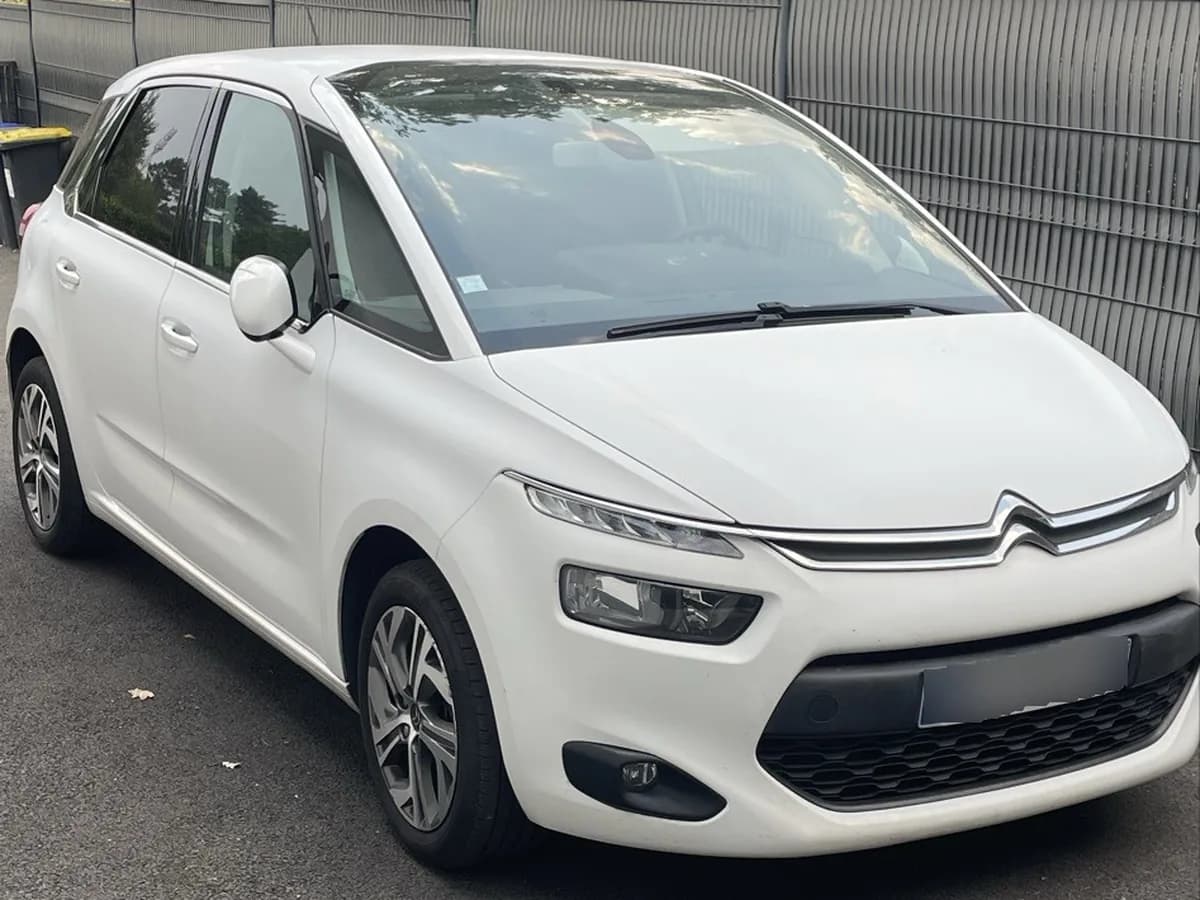 C
C2007
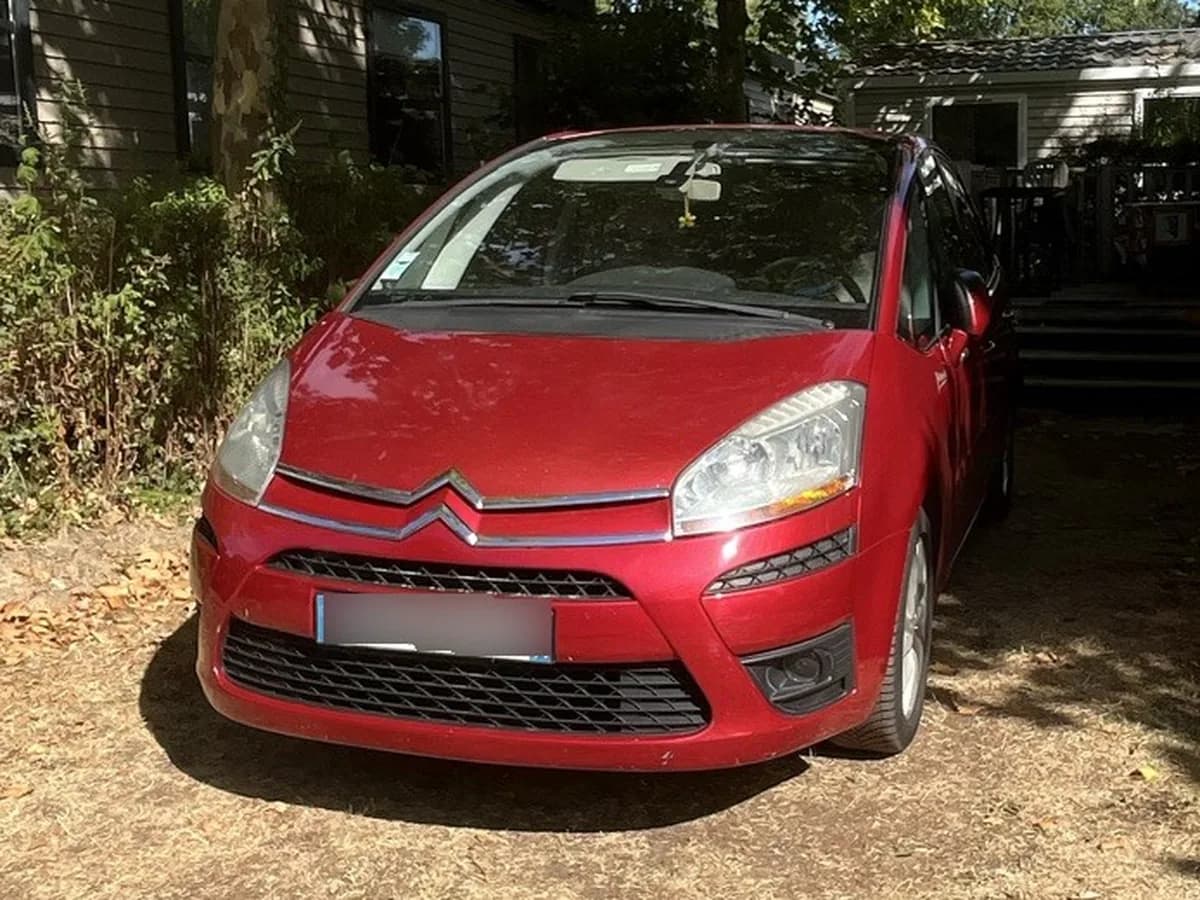
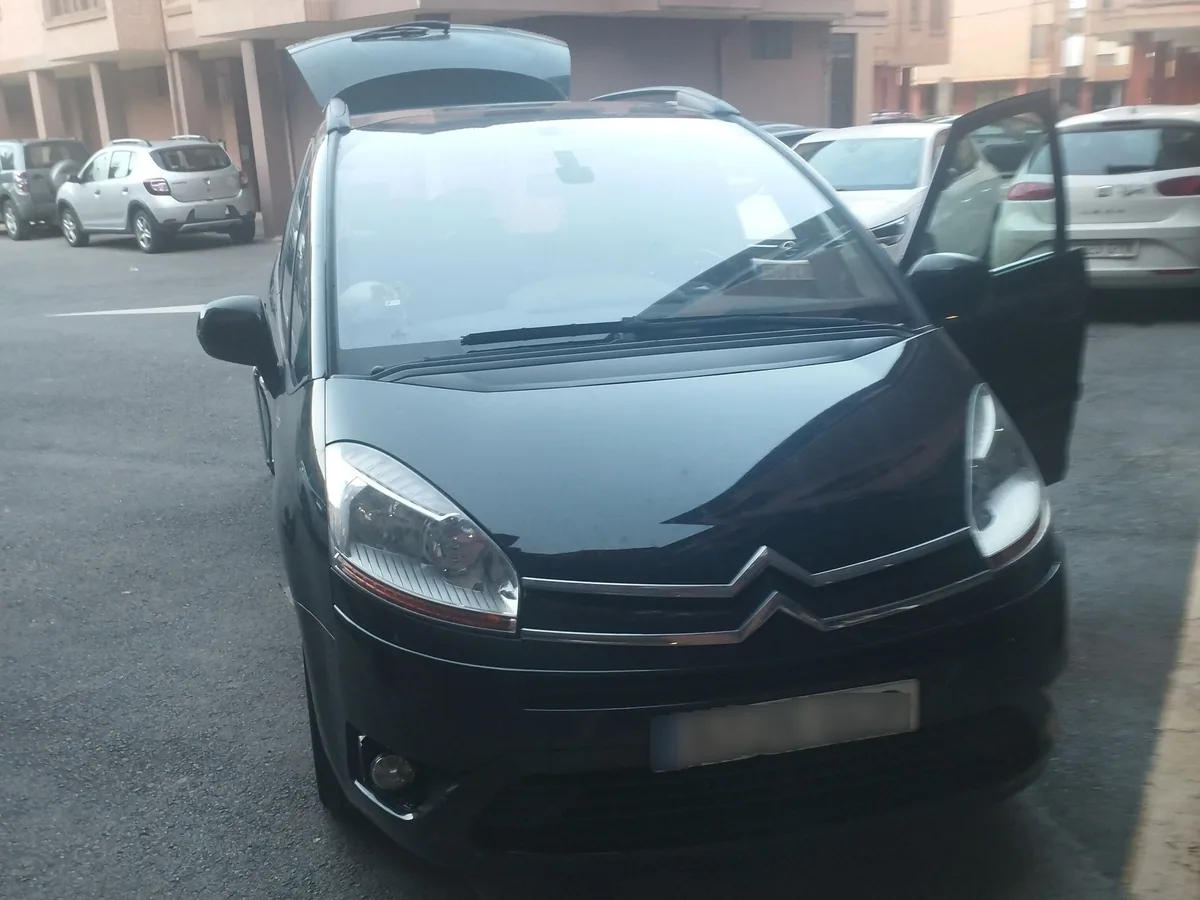
2006
Model summary
Data from the ScanRacer library, organized to compare versions quickly.
Model introduction
The Citroën C4 Picasso is a compact MPV introduced in 2006 to strengthen the brand’s family-car range alongside the Xsara Picasso and C8. The first body style to appear was the seven-seat Grand C4 Picasso, shown at the 2006 Paris Motor Show, followed by the shorter five-seat C4 Picasso in 2007. Its identity was defined by extensive glazing, a panoramic windscreen and an interior designed around flexible seating. In 2013, Citroën replaced the original vehicle with a second generation built on the EMP2 platform, bringing a lighter structure and a much more digitally focused cabin. The Picasso name was later replaced by SpaceTourer in 2018: the C4 Picasso became the C4 SpaceTourer, while the long-wheelbase model adopted the Grand C4 SpaceTourer name. The ScanRacer model context covers the 2006–2013 period and its listed Base and Grand variants.
History
The first Grand C4 Picasso was introduced in 2006 as a compact seven-seat MPV. Citroën presented it as a “Visiospace”, a concept built around the combination of visibility and interior room. Its design focused on passenger comfort through extensive glazing, a panoramic windscreen and three separate seats in the second row. The five-seat C4 Picasso followed in early 2007 with a shorter body, while retaining the same approach to flexible interior space. Both body styles belong to the first generation and share a number of technical components with other PSA Group models, although their body structures and passenger arrangements are distinct. The second generation was unveiled in 2013. Citroën initially showed it as the Technospace concept before launching the new C4 Picasso in France from June that year. It introduced the group’s EMP2 modular platform to the Citroën range, with the manufacturer claiming a 140 kg reduction compared with its predecessor. The five-seat model measured 4.43 metres long and offered a quoted 537-litre luggage capacity under the VDA method. The Grand C4 Picasso followed in the same year with a removable third row and seating for seven. In 2018, the name change to C4 SpaceTourer and Grand C4 SpaceTourer applied to the second-generation models, not to the vehicles produced during the 2006–2013 period represented by the ScanRacer context.
Generations
The first generation covers the models introduced between 2006 and 2013. It consisted of two principal body styles: the longer Grand C4 Picasso, designed for seven occupants, and the shorter five-seat C4 Picasso launched in 2007. Both are identifiable by their tall MPV proportions, forward-set panoramic windscreen and dashboard centred around a prominent display. Flexible seating was a defining feature, with separate rear seats that could be moved or folded to balance passenger space and luggage capacity. Equipment and engine availability varied by market, model year and trim level, so individual specifications should not be assumed from the model name alone. The second generation arrived in 2013 and represented a major visual and technical change. The five-seat C4 Picasso gained a lower, more sharply styled body, split-level front lighting and rear lamps with a three-dimensional effect. Its cabin introduced a 7-inch touch interface and, according to Citroën’s launch material, a 12-inch high-definition panoramic screen. The second-generation Grand C4 Picasso retained seven seats but used distinct body proportions and a different exterior design from the five-seat version. The ScanRacer context ends in 2013, so a 2013 listing should not automatically be assigned to the later generation without checking its body design and production context.
Key differences
Within the ScanRacer context, “Base” refers to the shorter five-seat body style, with the supplied coverage beginning in 2007 and ending in 2013. “Grand” identifies the longer seven-seat body style, listed from 2006 through 2013. The principal differences are therefore body length, seating capacity and the availability of a third seating row in the Grand. Both versions use the C4 Picasso name and share a modular interior concept, but they should not be confused with the five- and seven-seat second-generation C4 Picasso models introduced during 2013. Engines, transmissions, trim levels and equipment varied according to market and model year. Consequently, a precise specification should not be inferred from the Base or Grand label alone; the body style and production date remain the most reliable starting points for identification.
Photo recognition
To identify a first-generation C4 Picasso, look for the very forward-set panoramic windscreen, slim pillars and extensive side glazing. The dashboard typically places a large display high in the centre, while the main instruments may also be positioned centrally rather than directly ahead of the driver. The Grand C4 Picasso is primarily distinguished by its longer body and extended rear doors. It has a foldable third row, unlike the five-seat version. Exterior details and trim equipment changed across model years and markets. The second-generation car, launched in 2013, is easier to separate by its split-level front lighting, more horizontal front-end design, three-dimensional rear-light signature and screen-focused cabin. The five-seat model has shorter, lower-looking proportions, while the Grand retains a visibly stretched body. A 2013 registration date is not sufficient on its own because both generations can be encountered around that transition. Compare the headlamp arrangement, rear lamps, windscreen treatment and dashboard before assigning the vehicle to a generation. Engine badges and trim names should be treated as supporting clues rather than definitive identification evidence.
Important versions
The two essential body styles are the five-seat C4 Picasso and the seven-seat Grand C4 Picasso. In the first generation, the Grand arrived in 2006 and the shorter model followed in 2007. For the second generation, Citroën renewed the five-seat version in 2013 and introduced the new Grand C4 Picasso later that year. The long-wheelbase body includes a removable third row, while the shorter model offers a more compact footprint and luggage-focused layout. Commercial names and equipment could differ by market and model year. In 2018, the second-generation models were renamed C4 SpaceTourer and Grand C4 SpaceTourer. That naming change should be kept separate from the 2006–2013 vehicles covered by the supplied model context.
The name “C4 Picasso-SpaceTourer” follows Citroën naming, with its rules and its exceptions. Decode a Citroën name
Frequently asked questions
- What years was the Citroën C4 Picasso-SpaceTourer produced?
- ScanRacer's referenced versions cover 2006 - 2013.
- How many Citroën C4 Picasso-SpaceTourer examples are documented on ScanRacer?
- 5 published scans from 4 members, with the latest photo added in August 2026.