Citroën C4 Picasso-SpaceTourer 2013
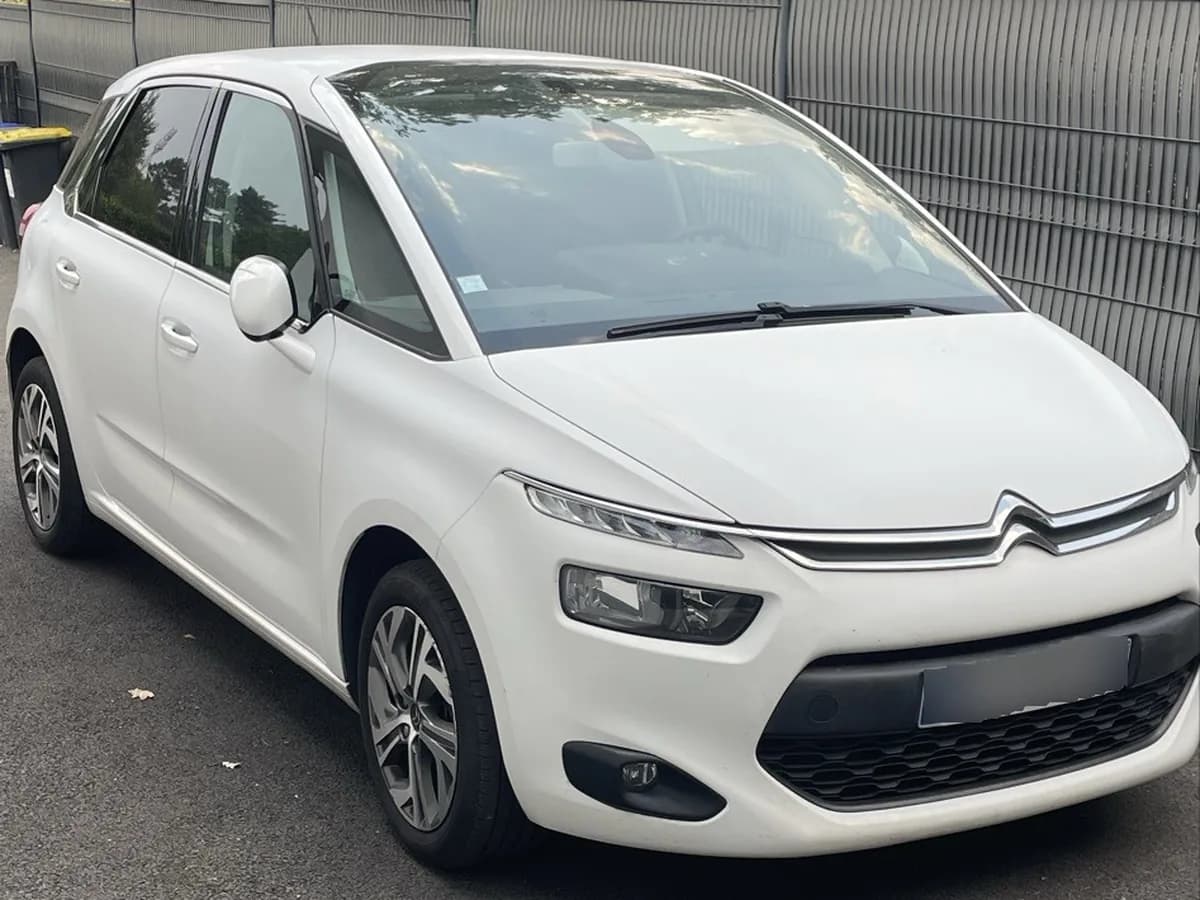
The 2013 Citroën C4 Picasso introduced the second generation of Citroën’s compact MPV. Previewed by the Technospace concept, the five-seat version reached the French market in June 2013, followed by the longer seven-seat Grand C4 Picasso. It was built on PSA’s new EMP2 platform and adopted a lower, more compact exterior than its predecessor while retaining a family-focused cabin. Citroën quoted a length of approximately 4.43 metres, a 2.785-metre wheelbase and 537 litres of VDA luggage capacity for the five-seat model. The 2013 car therefore belongs to the beginning of a new generation; the SpaceTourer name was introduced later, in 2018, when the C4 Picasso range was renamed.
History
The 2013 C4 Picasso replaced the model introduced in 2006, which had extended the Picasso family beyond the original Xsara Picasso. Citroën first revealed the Technospace concept at the 2013 Geneva Motor Show as a preview of the new design and engineering approach. The production car remained a compact MPV, but gained a more streamlined appearance, a panoramic windscreen, sculpted bodywork and distinctive LED lighting details. French sales of the short five-seat model began in June 2013, with the longer Grand C4 Picasso following later in the year. The EMP2 platform made it possible to increase the wheelbase while shortening the exterior. Citroën also claimed a potential weight reduction of up to 140 kg compared with the previous generation. Inside, the emphasis was on adaptable family use: the three individual rear seats could slide and fold, while luggage capacity was quoted at up to 630 litres with the second row moved forward.
Latest scans
Photos added by the community for this page.
Anecdotes
The 2013 C4 Picasso was notable for its claimed 5.30-square-metre glazed area, which helped create a particularly airy cabin. Citroën also gave the MPV an unusual digital dashboard layout with two central screens. The manufacturer presented the car as its first model to use a Euro 6-compliant BlueHDi engine, although that powertrain was introduced according to launch timing and was not necessarily fitted to every early-market version.
Production
The second-generation C4 Picasso was presented in 2013 as a model manufactured in Vigo, Spain, with contemporary reporting describing production there as exclusive for this generation. The five-seat version reached the French market first, in June 2013, followed by the Grand C4 Picasso in September. Public sources provide useful information about the launch schedule, EMP2 platform and technical range, but they do not establish a reliable production total for the 2013 model year or for the Base trim. It is therefore important not to confuse overall generation production with the number of cars built in a particular year, body style or equipment level.
Press reception
Early road tests generally focused on the C4 Picasso’s sharper styling and more sophisticated interior. Auto Express awarded the 2013 car four out of five stars, praising its more appealing shape, practicality, luggage space and polished overall driving experience. The publication also highlighted the efficiency of the diesel version it tested, while criticizing the performance of the lower-powered diesel option. In safety testing, Euro NCAP gave the 2013 C4 Picasso an overall five-star rating, recording 86% for adult occupant protection, 88% for child protection and 81% for safety assistance. Those figures apply to the specific vehicle and equipment tested by Euro NCAP and should not automatically be treated as the result for every trim or market configuration.
Evolution
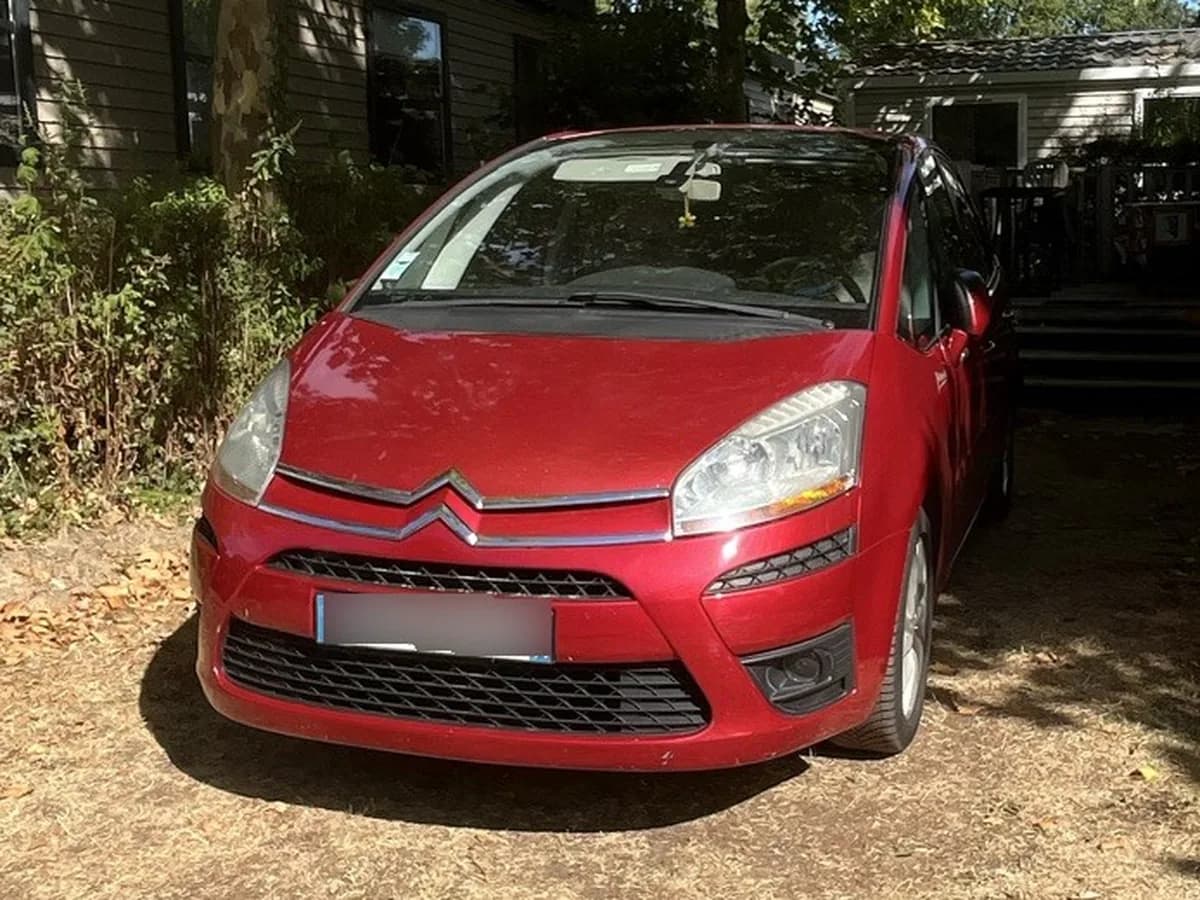
The main evolution was structural. The second-generation C4 Picasso was around 40 mm shorter than its predecessor, yet its wheelbase grew by 55 mm to improve passenger space. Citroën also used lighter construction techniques, including an aluminium bonnet and a composite tailgate in the manufacturer’s description. The cabin introduced a new interface built around a 7-inch touchscreen and a 12-inch high-definition panoramic display. The engine range developed gradually: the 2013 launch included petrol and diesel choices, while BlueHDi versions became available according to market and production timing. A 2016 facelift brought revised front-end styling, new colours and additional safety systems. In 2018, Citroën replaced the C4 Picasso name with C4 SpaceTourer, making the 2013 car part of the earlier naming phase of the same generation.
Variants
References
- A new invitation to travelCitroën Origins
Supports the model lineage, 2013 second-generation preview, five-seat and seven-seat launch sequence, 2016 evolution and 2018 renaming.
- New Citroën C4 Picasso: The TechnospaceCitroën press kit
Supports the 2013 launch, EMP2 platform, dimensions, wheelbase, luggage capacity, weight reduction, interior screens, modular seating and engine technology.
- Citroën C4 Picasso 2013Auto Express
Supports the contemporary road-test assessment, four-star rating, design comments, luggage figures and tested diesel performance.
- Citroën C4 Picasso 2013 Euro NCAP test resultsEuro NCAP
Supports the five-star safety rating and the adult, child, pedestrian and safety-assistance scores.
- El C4 Picasso es el más avanzadoEl País
Supports contemporary reporting on the 2013 model, its Vigo production and its position in the compact MPV segment.
- Nouveau Citroën C4 Picasso : à partir de 23 050 eurosCaradisiac
Supports the French launch pricing context and the Attraction, Confort, Intensive and Exclusive trim structure.