
Corvette
Introduced at General Motors’ 1953 Motorama, the Chevrolet Corvette became one of America’s longest-running sports-car nameplates. The first-year production run consisted of 300 lightweight fiberglass cars, all finished in Polo White, establishing a two-seat formula that would evolve through V8 power, fuel injection, disc brakes, transaxle layouts, and finally a rear mid-engine architecture for 2020. Corvette retained its sporting two-seater identity while changing substantially in design, construction, and technology from one generation to the next. Convertible and coupe body styles formed the core of the range, joined at different times by removable-roof configurations and higher-performance editions. From the C1 launched in 1953 to the C8 introduced for 2020, the model’s history reflects the development of American performance engineering, competition programs, and advanced materials. (chevrolet.com)
Variants by year
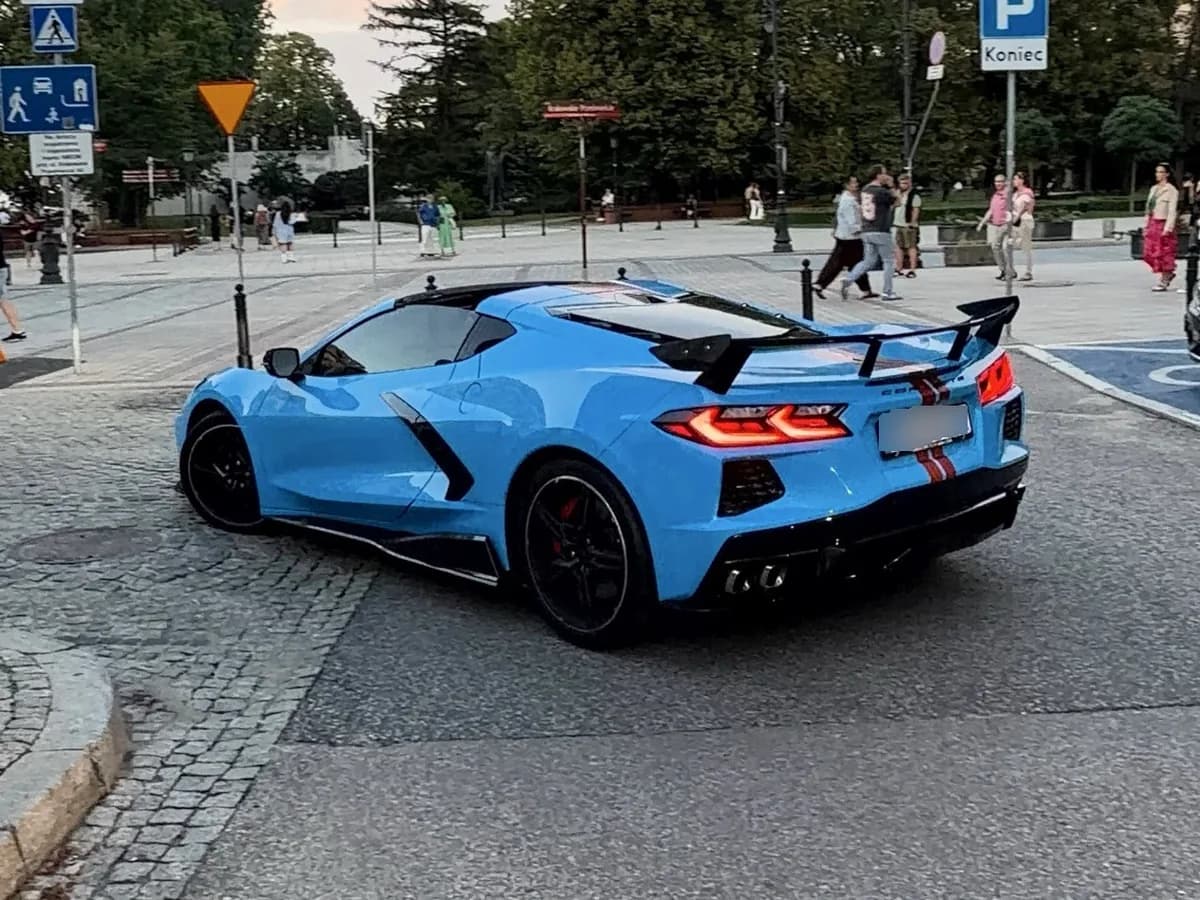
2020


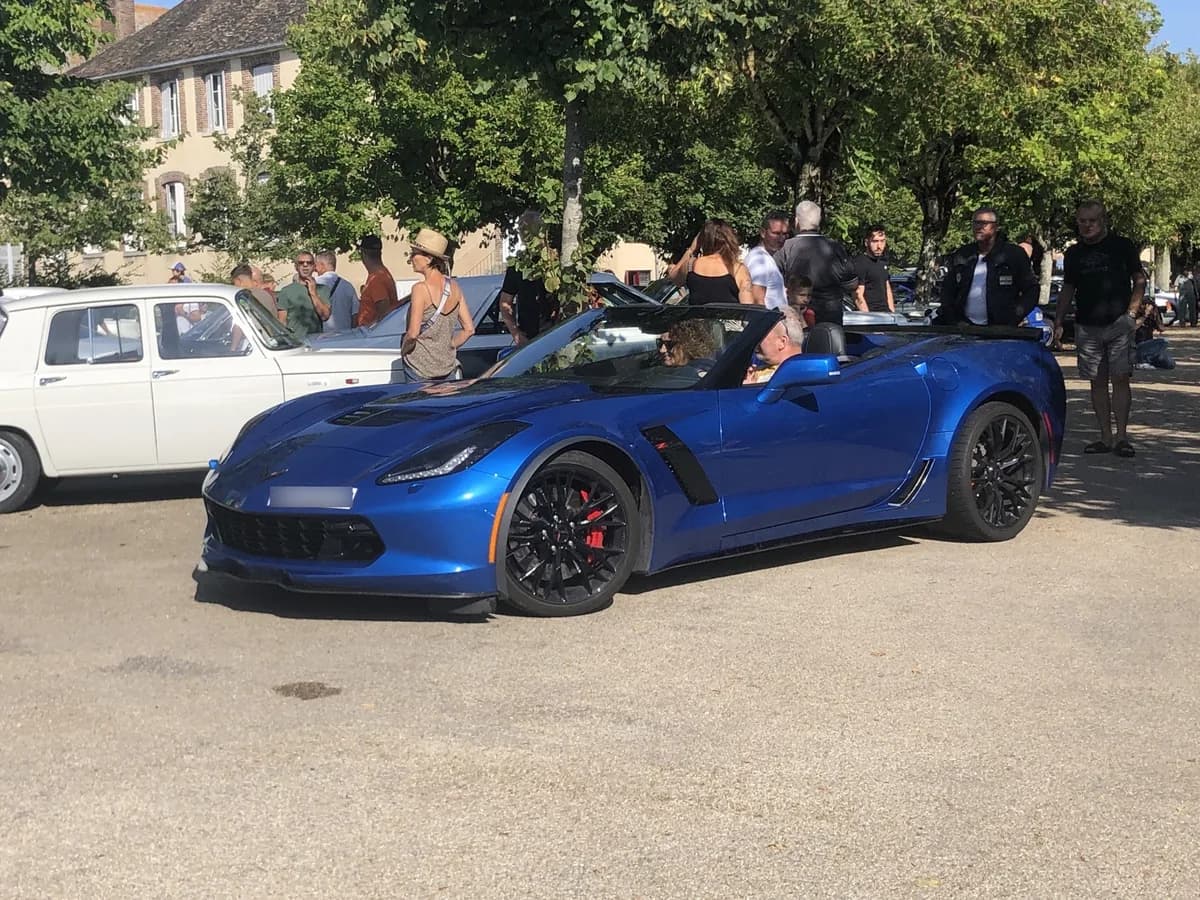
2013

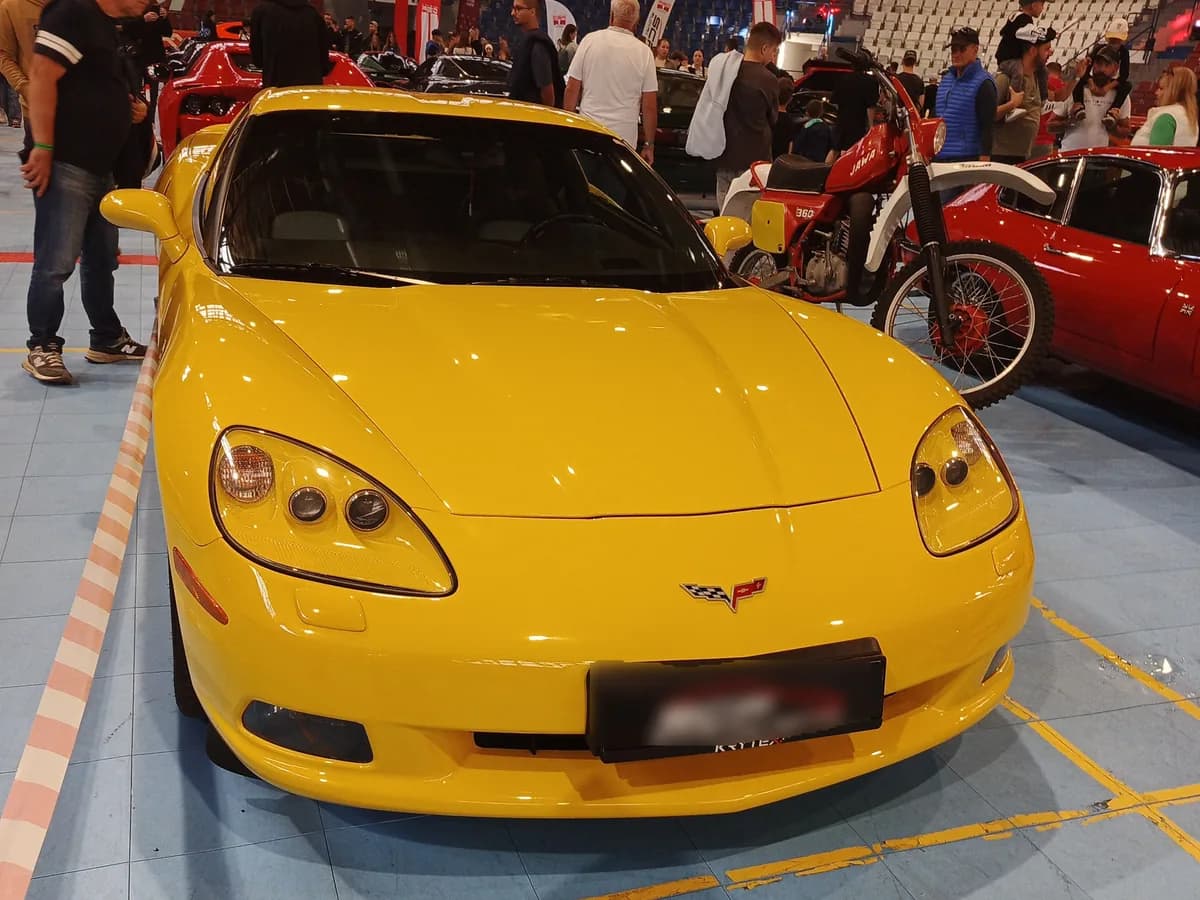
2004
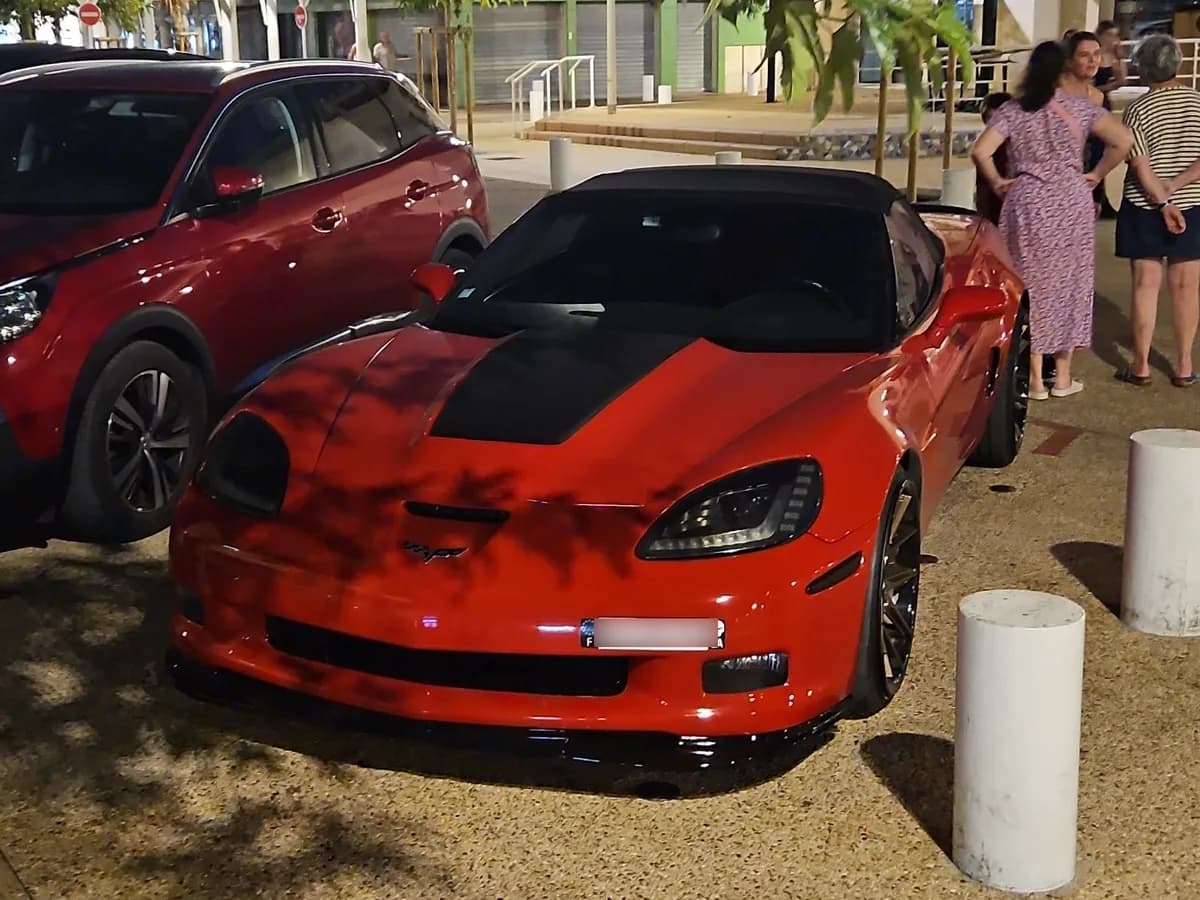
1999
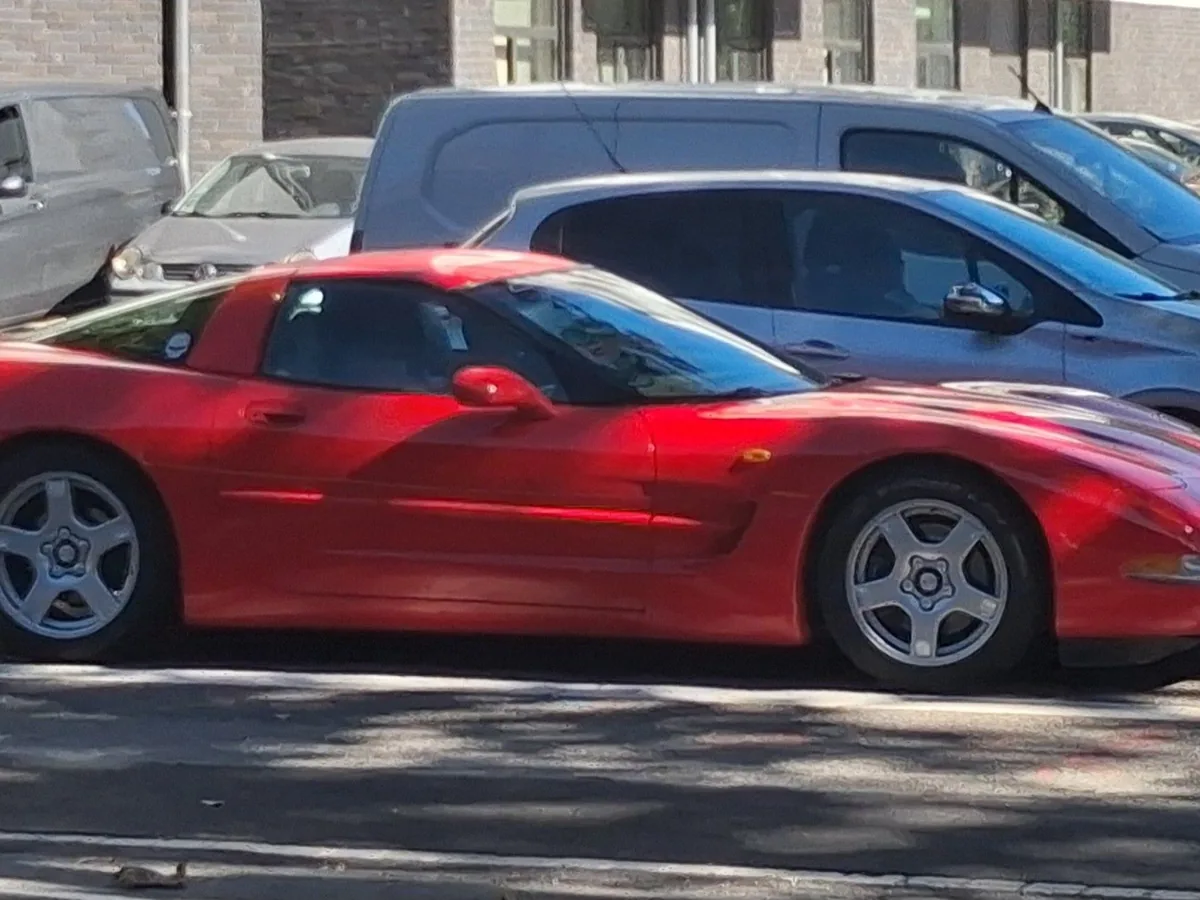
1997
1996

1990


1986
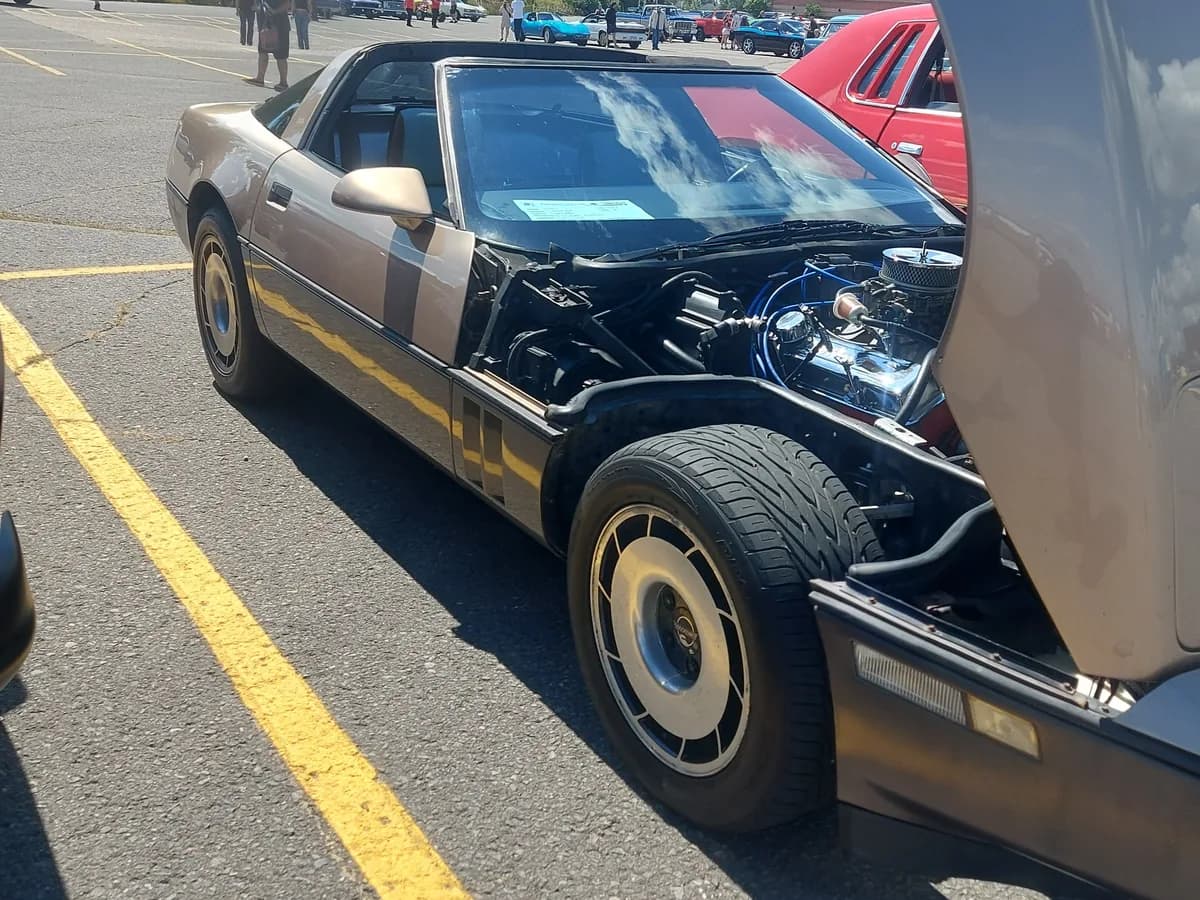
1983

1979
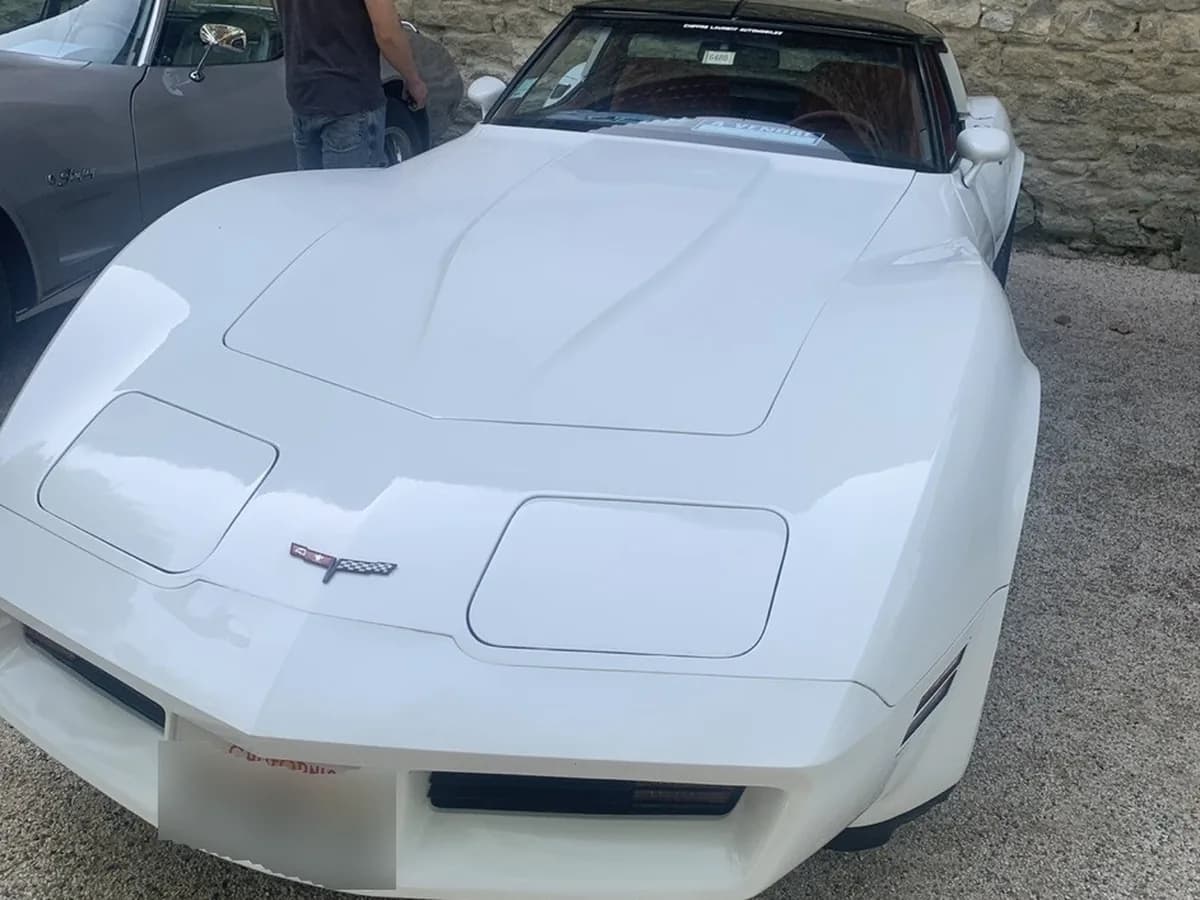
1977

1973
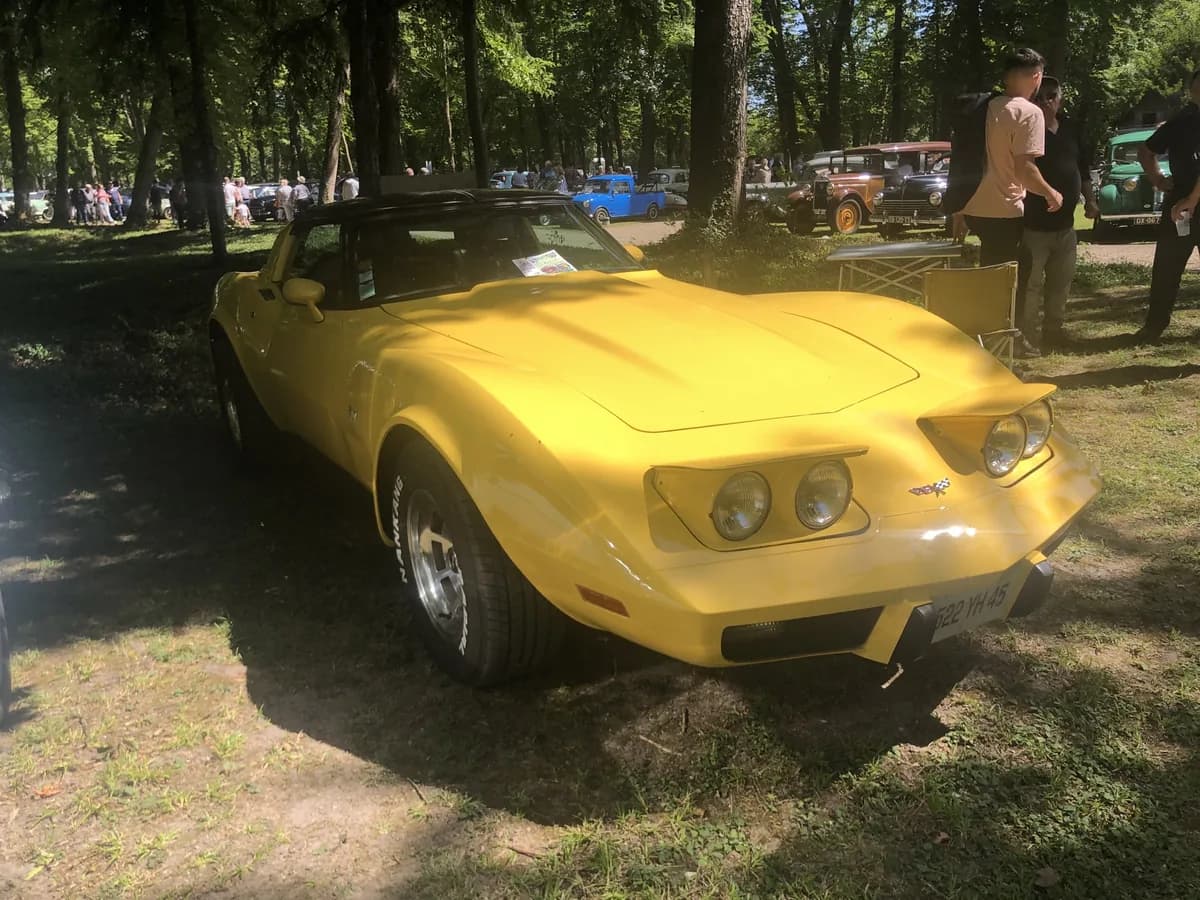
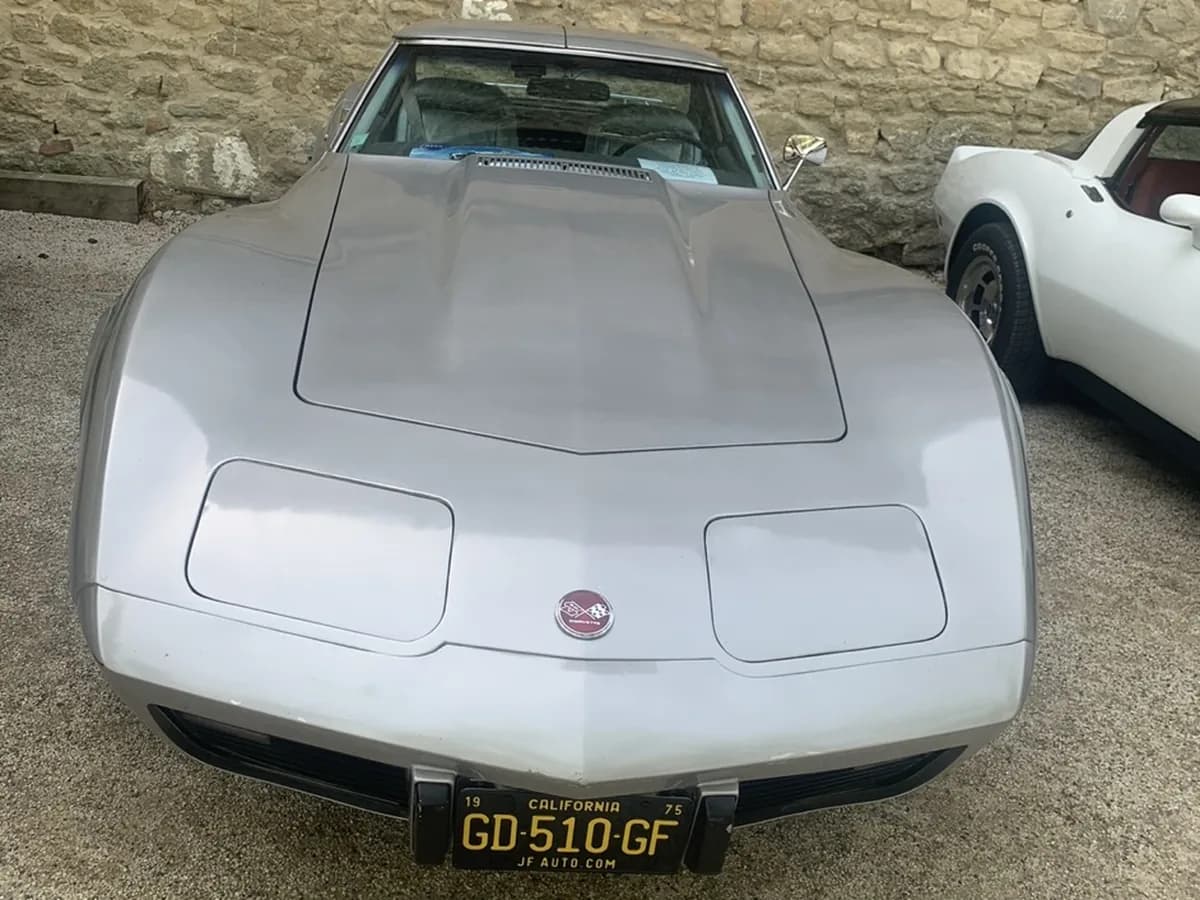
1967
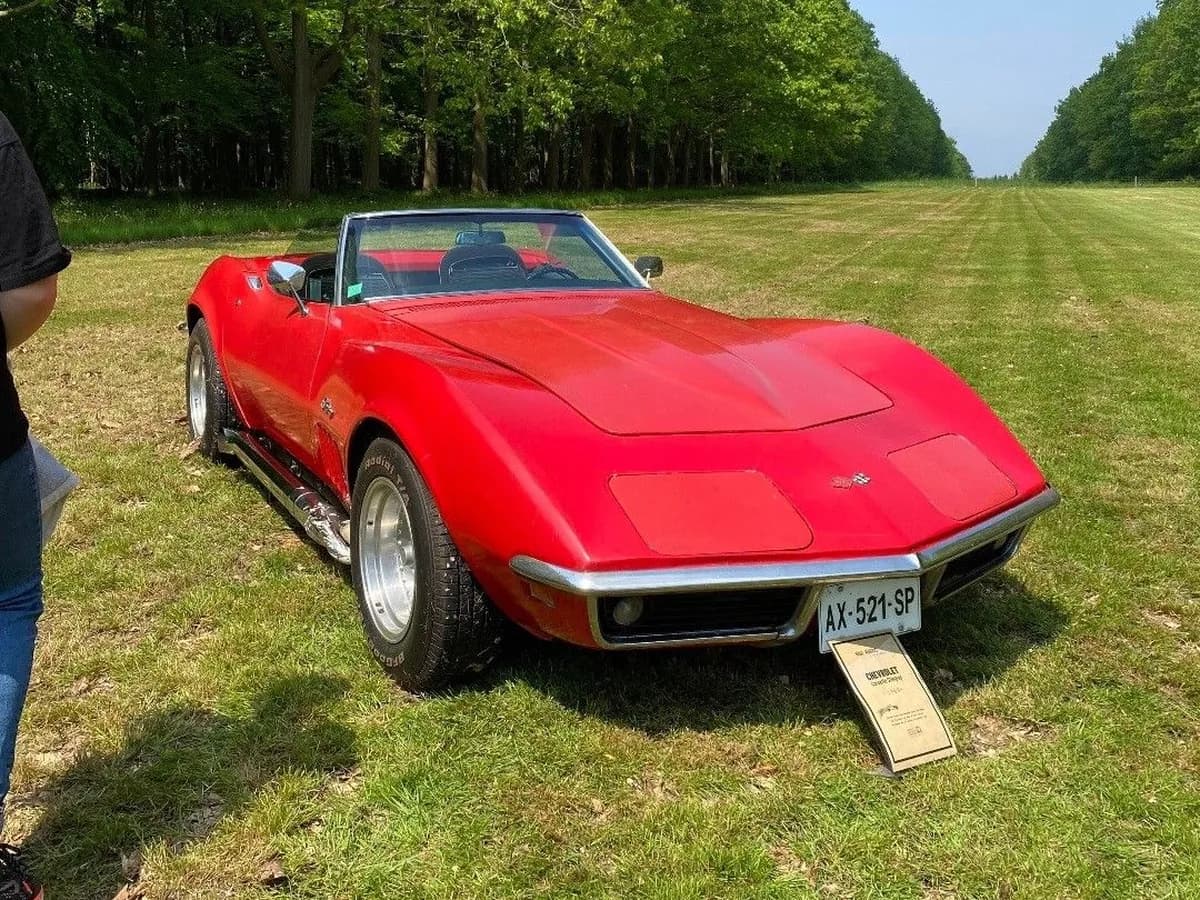

1962
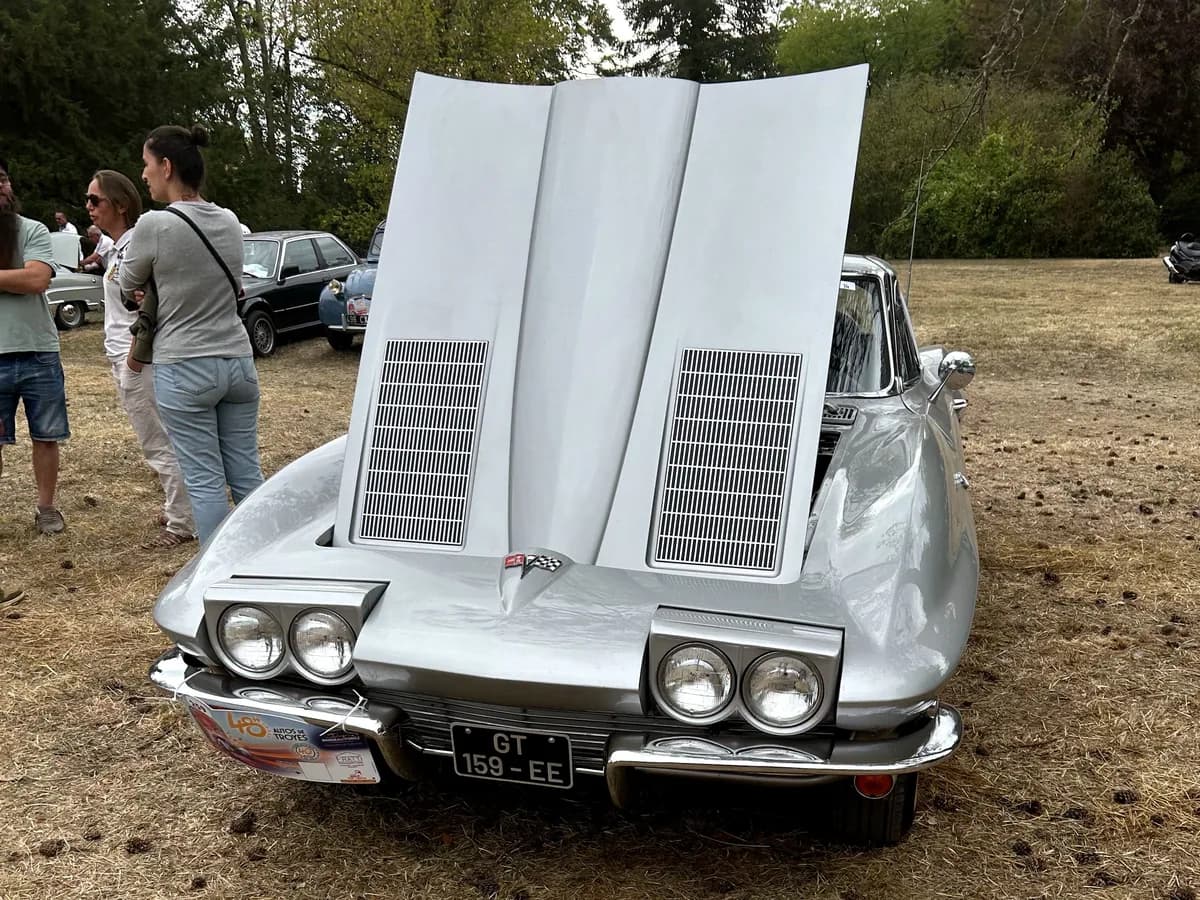
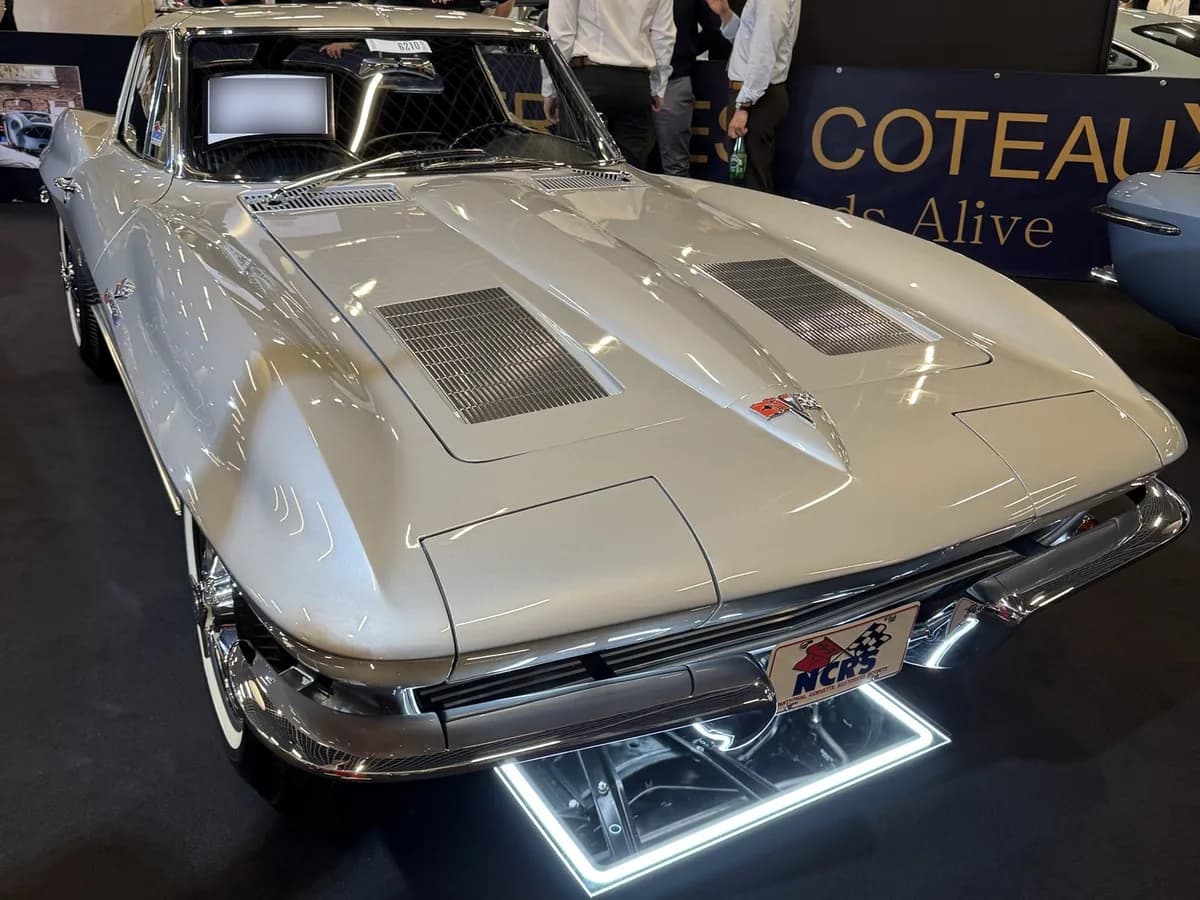
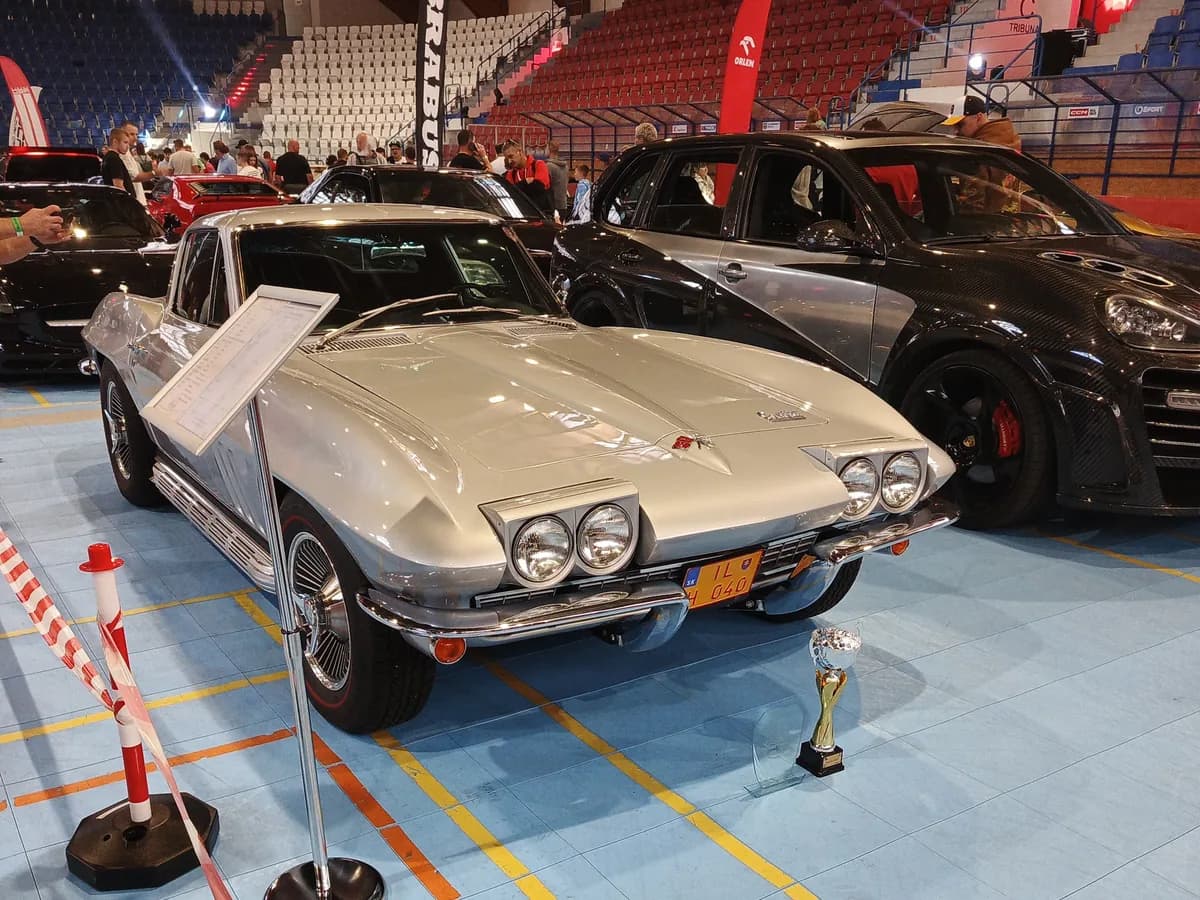
1960
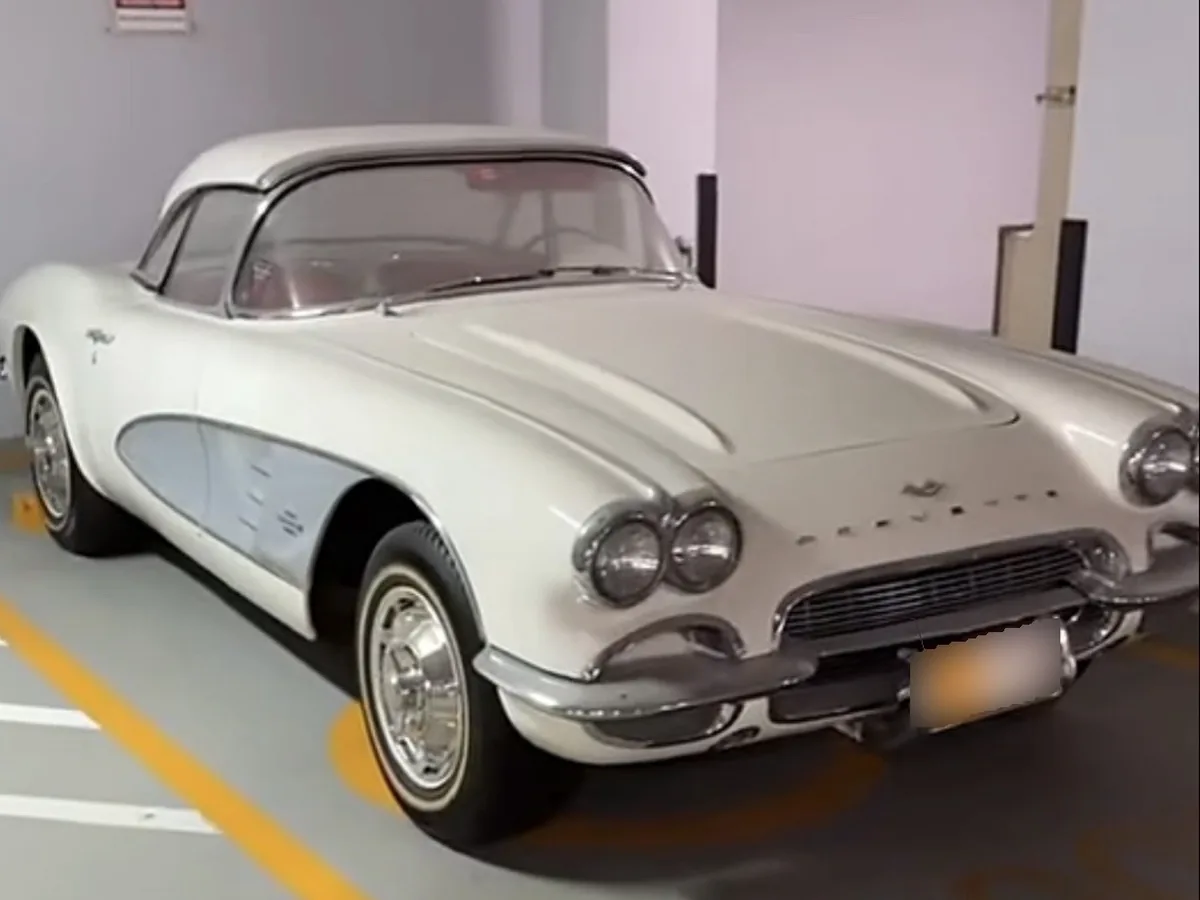
1957
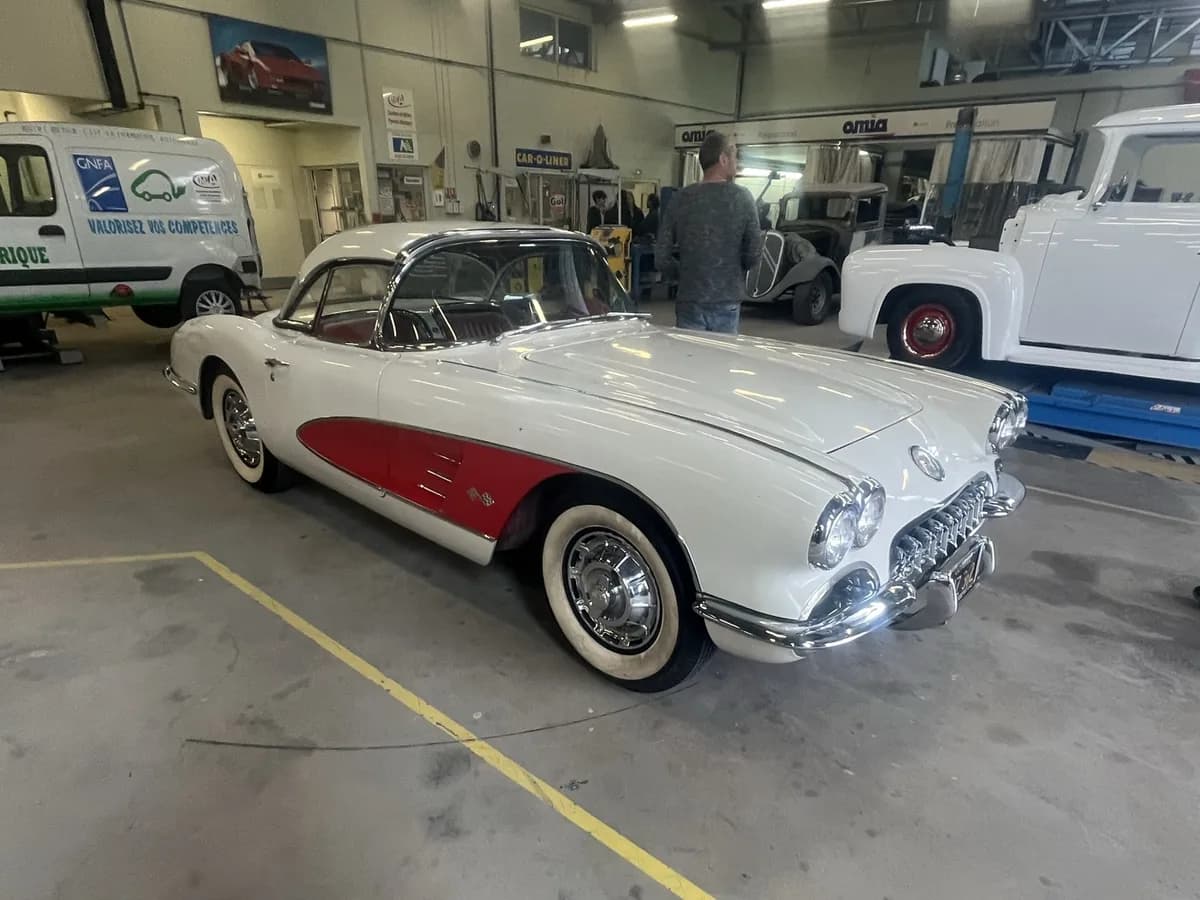
1955
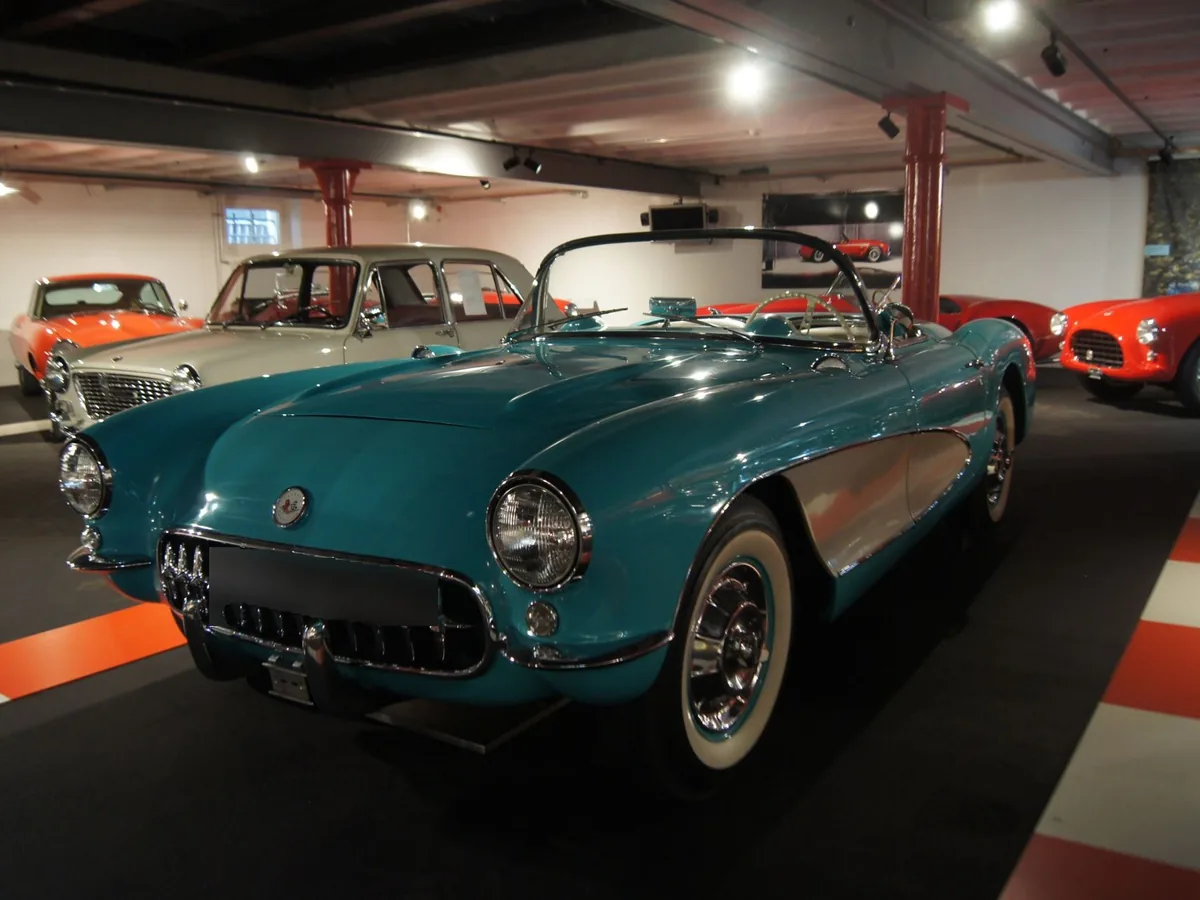
1953

Model summary
Data from the ScanRacer library, organized to compare versions quickly.
Model introduction
Introduced at General Motors’ 1953 Motorama, the Chevrolet Corvette became one of America’s longest-running sports-car nameplates. The first-year production run consisted of 300 lightweight fiberglass cars, all finished in Polo White, establishing a two-seat formula that would evolve through V8 power, fuel injection, disc brakes, transaxle layouts, and finally a rear mid-engine architecture for 2020. Corvette retained its sporting two-seater identity while changing substantially in design, construction, and technology from one generation to the next. Convertible and coupe body styles formed the core of the range, joined at different times by removable-roof configurations and higher-performance editions. From the C1 launched in 1953 to the C8 introduced for 2020, the model’s history reflects the development of American performance engineering, competition programs, and advanced materials. (chevrolet.com)
History
The Corvette debuted in 1953 as a fiberglass-bodied roadster powered by an inline-six. Its performance credentials changed quickly when Chevrolet added the small-block V8 in 1955 and fuel injection in 1957. In 1963, the second generation adopted the Sting Ray name and introduced a fastback coupe with the distinctive split rear window. The next major shift came with the C3, launched in 1968 and produced through 1982, whose rounded bodywork defined Corvette styling for almost fifteen years. The transition to the C4 was unusual: no regular production Corvette was built for the 1983 model year, while the new 1984 car brought a significantly revised structure, aerodynamics, electronics, and emissions technology. The C4 also spawned the twin-cam ZR-1. The 1997 C5 introduced a new architecture with a rear-mounted transmission and LS1 V8, while the C6 and C7 continued the performance push through Z06 and ZR1 variants. For 2020, the C8 transformed the formula by moving the engine behind the passenger compartment for the first production mid-engine Corvette. (chevrolet.com)
Generations
The eight Corvette generations are separated by clear visual and engineering changes. The C1, built from 1953 to 1962, is identified by its open body and, on later cars, sculpted side coves. The C2, produced from 1963 to 1967, introduced the Sting Ray shape, hidden headlamps, and the split rear window on the 1963 coupe. The C3, built from 1968 through 1982, used a low, rounded body with integrated bumpers on later cars. The C4, covering 1984 to 1996 after the absence of a regular 1983 production model, brought sharper lines, pop-up headlamps, and digital instrumentation on early examples. The C5, from 1997 to 2004, adopted softer styling, fixed headlamps, and the LS1 V8. The C6, from 2005 to 2013, retained related proportions but dropped pop-up headlights. The C7, launched for 2014 and produced through 2019, revived the Stingray name and introduced a more sharply creased body. The C8, introduced for 2020, is immediately recognizable by its mid-engine proportions, large side air intakes, and forward-set cabin. These ranges reflect the generation divisions commonly used by Chevrolet and Corvette historians; individual model years, trims, and markets can differ. (chevrolet.com)
Key differences
Differences between Corvette versions begin with body style and extend to performance equipment. The convertible emphasizes open-air driving, while the coupe can use a removable roof panel depending on generation. Within the C2 range, the 1963 split-window coupe is a specific configuration and should not be treated as interchangeable with later coupes using a single-piece rear window. The term Targa should also be used carefully: it describes a removable-roof arrangement associated with particular periods and catalogues, not every Corvette coupe. Z06, ZR-1, and ZR1 identify performance-oriented versions or packages, but their specifications changed over time. The C5 introduced a rear-mounted transmission to improve weight distribution, the C6 Z06 used an aluminum chassis structure, and the C8 adopted a rear mid-engine layout with a dual-clutch transmission. Similar exterior shapes can therefore conceal major mechanical differences. Model year, engine, transmission, body style, and market specification should be checked independently before identifying a car. (chevrolet.com)
Photo recognition
To identify a Corvette, start with the generation rather than the badge. An early C1 has a traditional roadster profile, while the C2 introduces sharper lines and hidden headlamps; the 1963 coupe is distinguished by its split rear window. The C3 appears longer and more rounded, with a long hood and fastback-style rear treatment. The C4 has a more angular design and often features digital displays inside. The C5 can be recognized by fixed headlamps and smoother bodywork, while the C6 keeps related proportions but uses a more contemporary front-end design. The C7 commonly carries the Stingray name and has heavily sculpted surfaces with angular dual-element rear lamps. The C8 is the easiest generation to distinguish through its large side air intakes, forward-set cabin, and mid-engine proportions. For a reliable identification, also record the model year, VIN, body style, and performance badges. Trim names alone are not enough, because the same designation can represent different equipment or engines in different generations. (chevrolet.com)
Important versions
Among the most significant Corvette versions are the 1953 launch cars, the 1963 C2 Sting Ray coupe with its split rear window, and the 1967 427/435, the second generation’s peak-power specification. The 1990 ZR-1 is especially important in C4 history because of its twin-cam engine and high-performance positioning. The C5 Z06 returned to the lineup in 2001, while the C6 Z06 and C7 ZR1 became the most extreme factory interpretations of their respective generations. The 1996 Grand Sport is also notable for its limited production of 1,000 cars, divided between coupes and convertibles. Finally, the 2020 Stingray marks a fundamental break with tradition: it introduced the first production Corvette with a rear mid-engine layout, while continuing the model’s coupe and convertible body-style tradition within the C8 generation. (chevrolet.com)
References
- Chevy's Legacy: Iconic CorvetteChevrolet
- Chevrolet Launches First-Ever Mid-Engine Corvette in European MarketChevrolet Media
- 2000 Chevrolet Corvette Owner's ManualChevrolet
- https://www.chevrolet.com/content/dam/chevrolet/na/us/english/index/about/new-roads-issue-12/teasers/02-pdfs/CHEVY_OWNER_NR15_CORVETTE_interactive_POST_1.pdfchevrolet.com
- https://media.chevrolet.com/content/dam/Media/images/US/Release_Images/2019/08-19/2020-corvette-stingray-pricing.pdfmedia.chevrolet.com
Technical specifications
Structured data available for versions linked to this model.
| Version | Power | Torque | Top speed | Drivetrain | Fuel |
|---|---|---|---|---|---|
| — | 490 hp standard; 495 hp with performance exhaust or Z51 package | — | — | Rear-wheel drive / 8-speed dual-clutch automatic | — |
Frequently asked questions
- What years was the Chevrolet Corvette produced?
- ScanRacer's referenced versions cover 1953 - 2020.
- How many Chevrolet Corvette examples are documented on ScanRacer?
- 126 published scans from 72 members, with the latest photo added in September 2026.
- What is the power output of the Chevrolet Corvette?
- The sourced technical data lists 490 hp standard; 495 hp with performance exhaust or Z51 package.