
Chevrolet
Founded in 1911 by William C. Durant and Swiss racing driver Louis Chevrolet, Chevrolet became one of General Motors’ major American marques. Its story began with the ambitious six-cylinder Classic Six before the company shifted toward more affordable vehicles designed to compete with Ford. Over the decades, Chevrolet developed a broad range of products: mainstream sedans, large cars such as the Impala and Caprice, sporty coupes, collectible classics, pickups, and family vehicles. The brand also established a lasting technical identity with the small-block V8 introduced for the 1955 line and with the Corvette, launched in 1953. Chevrolet models therefore span several eras of American automotive history, from pre-war series to modern generations represented through 2026 in the ScanRacer database.
Models from A to Z
150
210
2123 Niva
3100
400
Agile
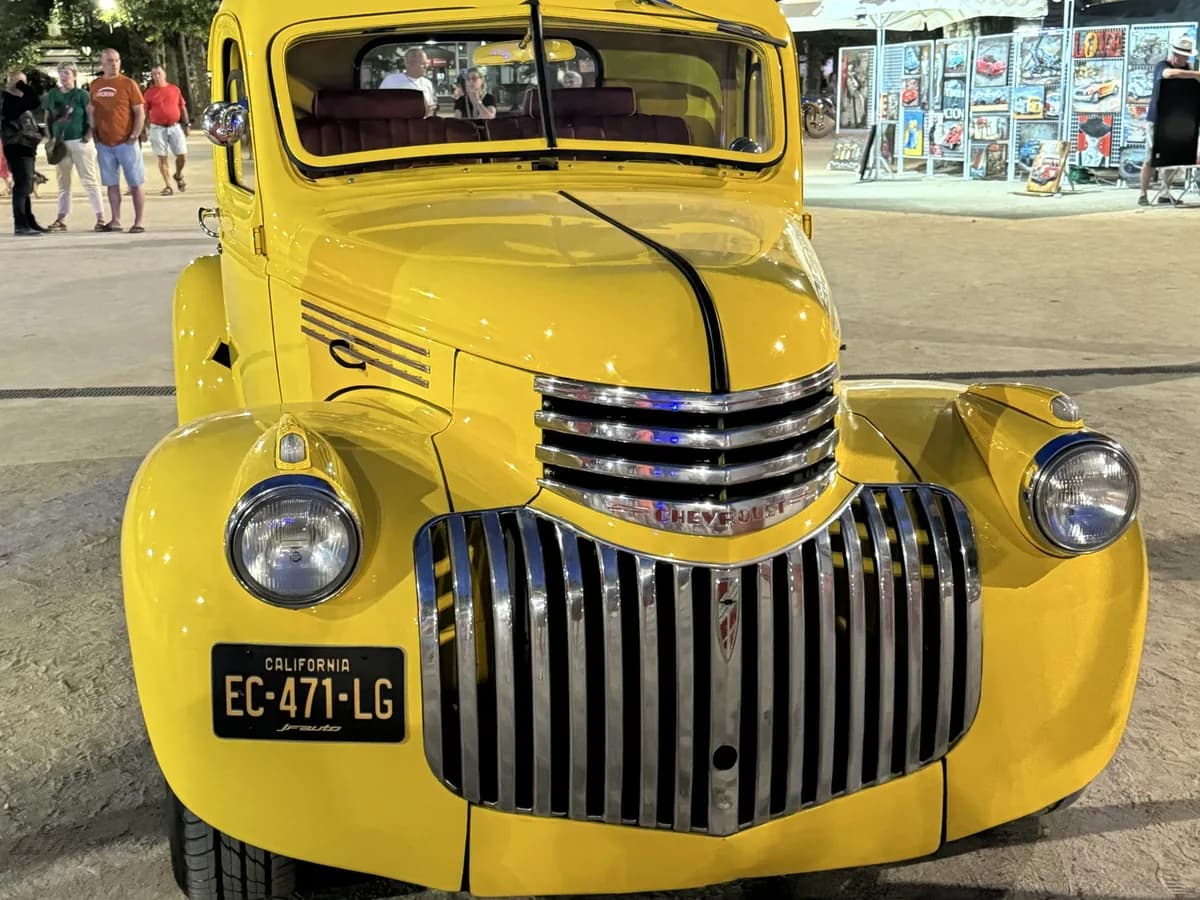
AK-Series
Alero
Apache
Astra
Avalanche
Aveo
Beat
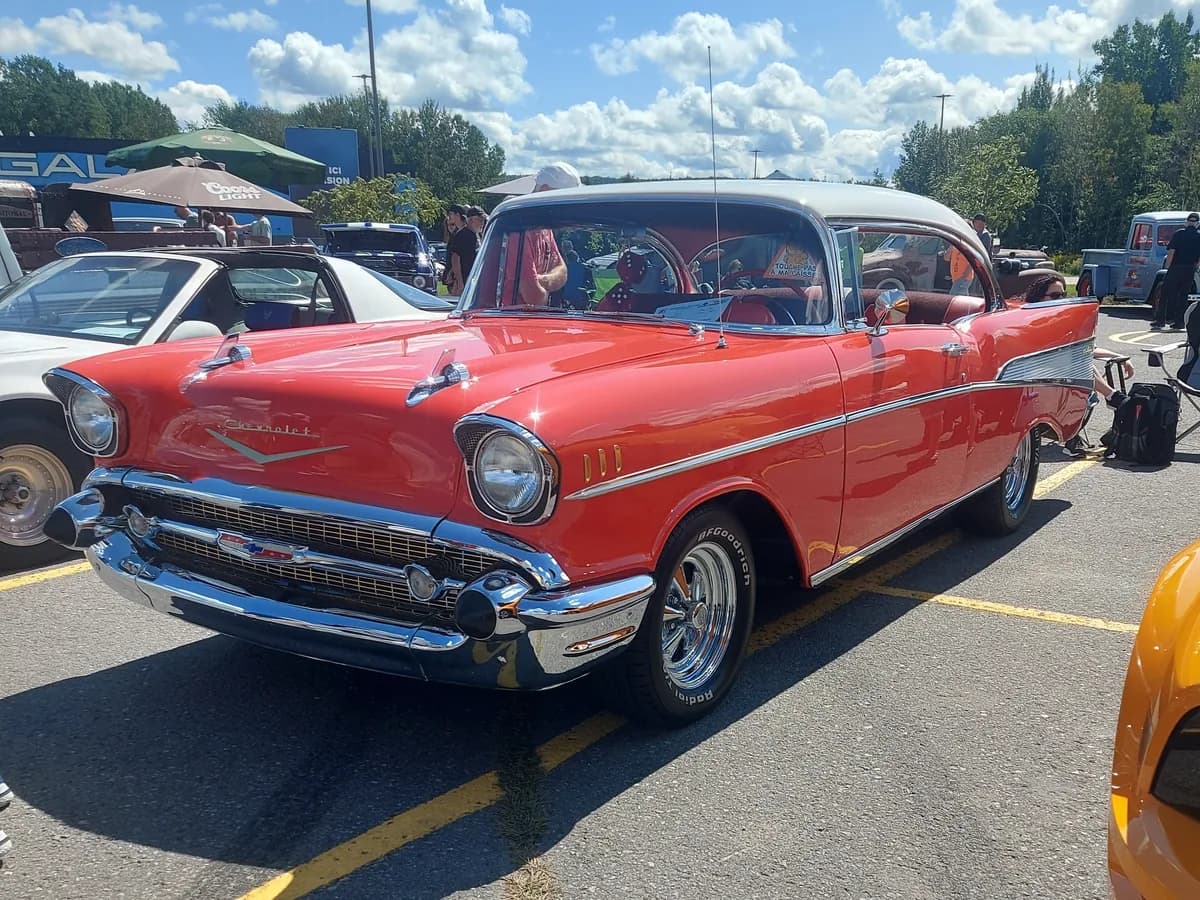
Bel Air
Bel Air convertible
Beretta
Biscayne
Blazer
Blazer EV
Bolt

Bolt EUV
Bonanza
Brookwood
C
C B M-Series
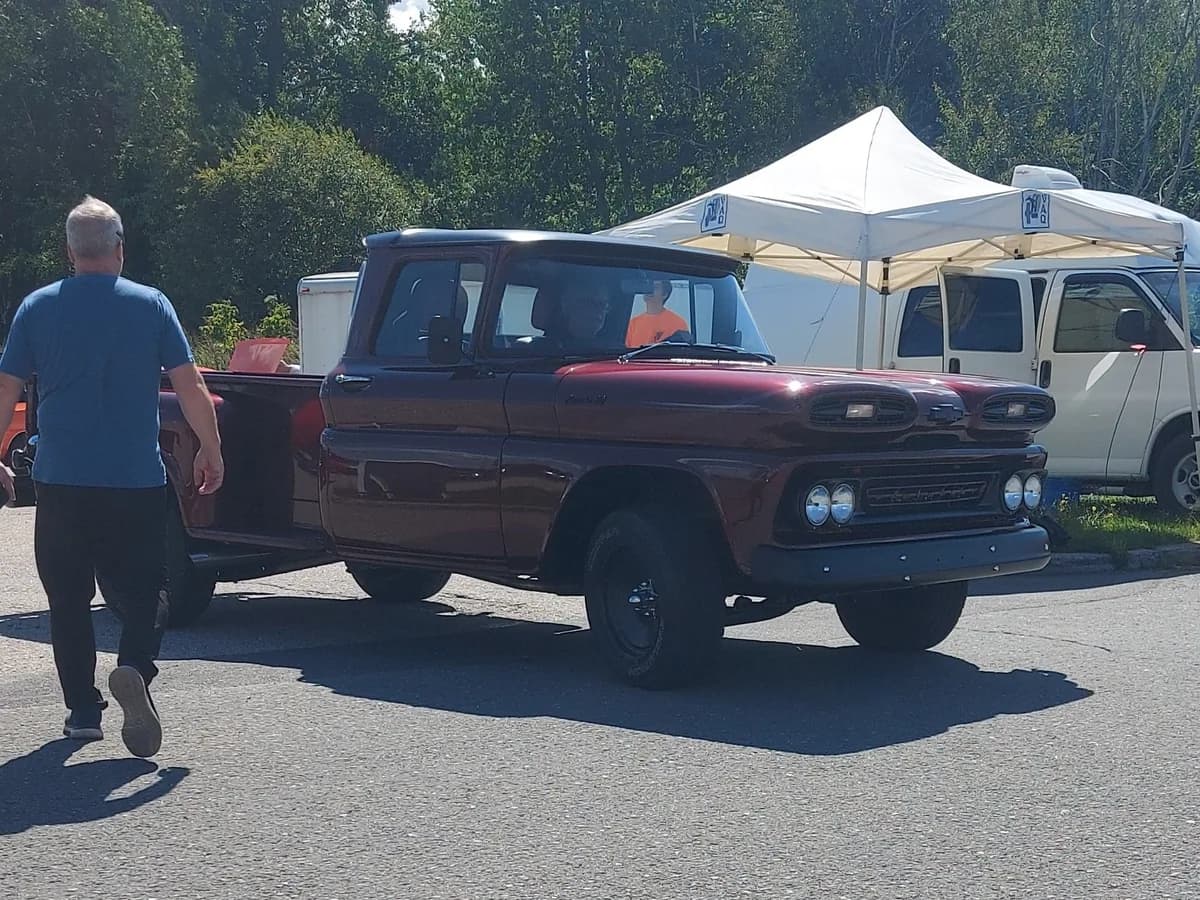
C K-Series
Calibra
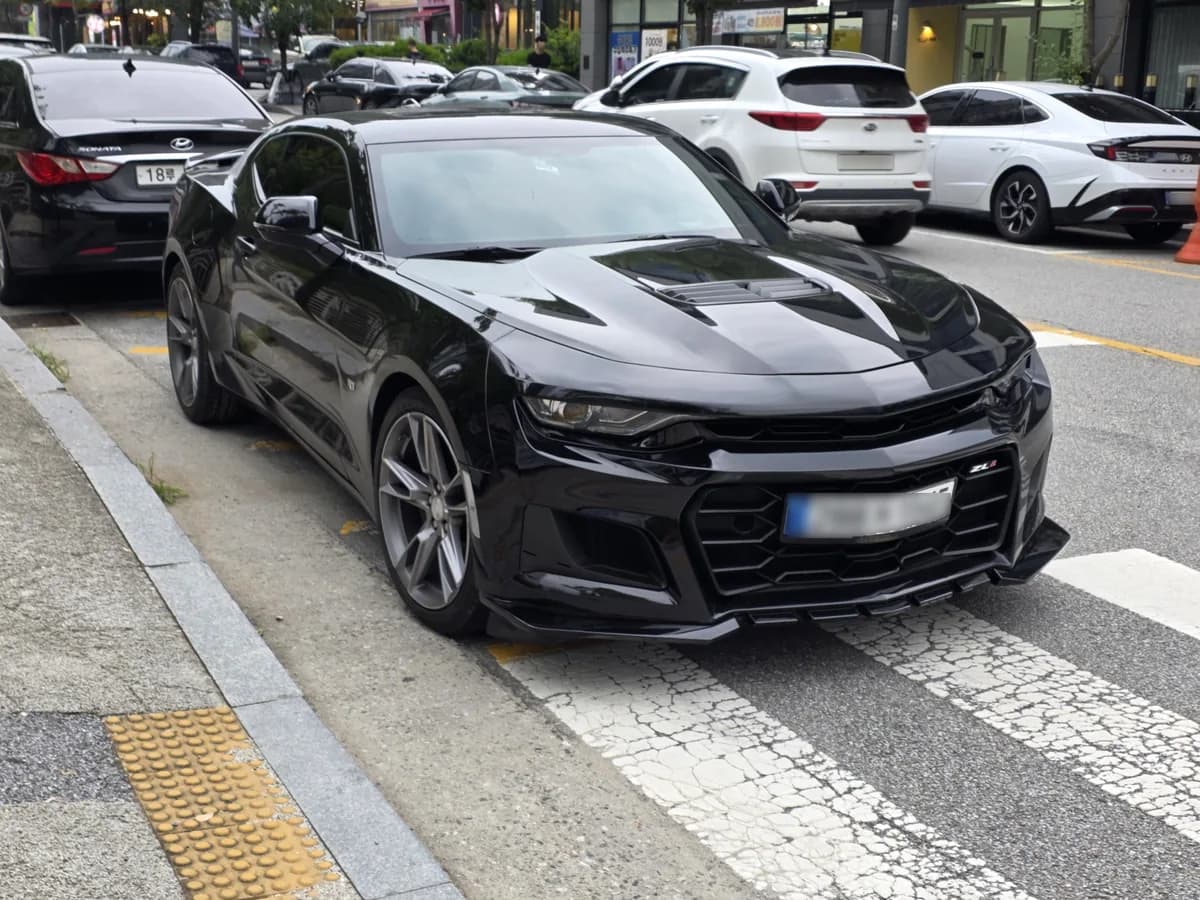
Camaro
Capitol

Caprice
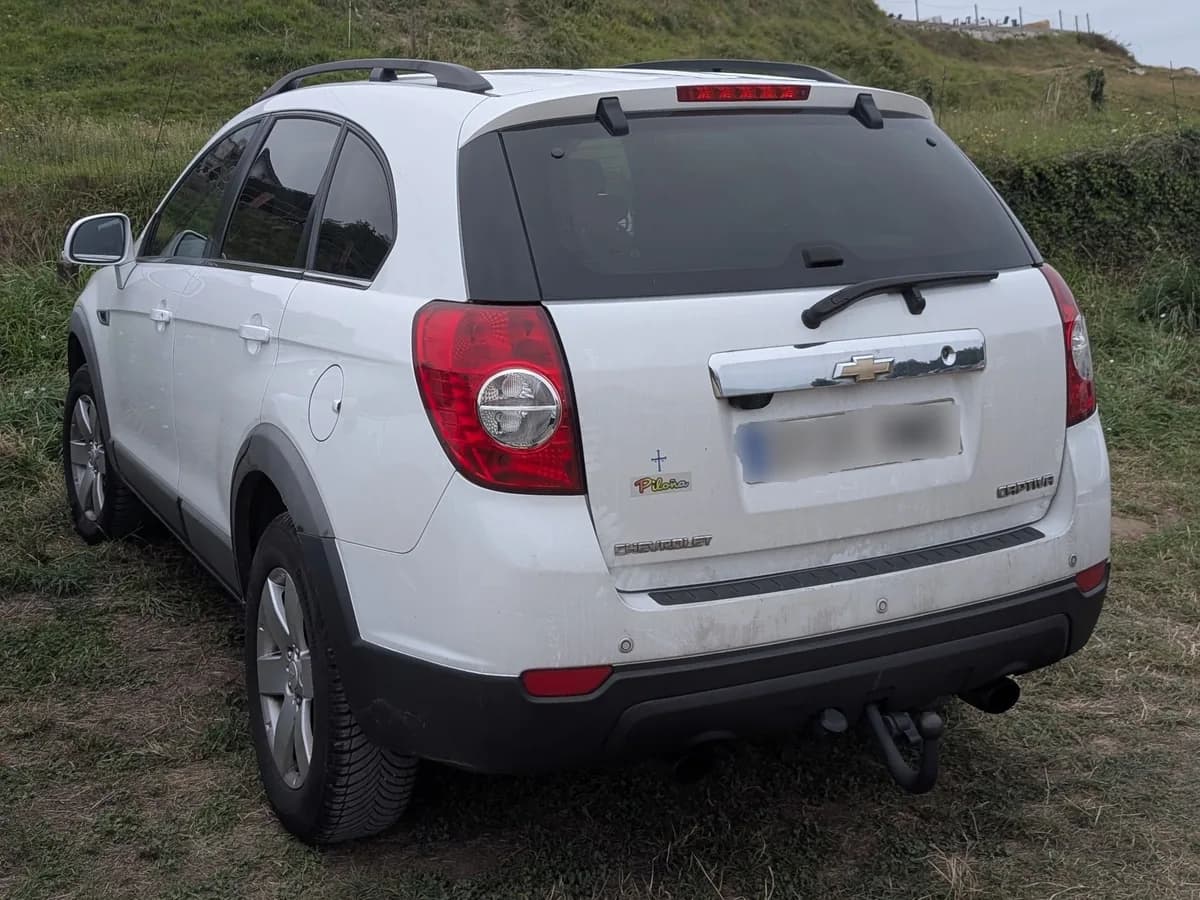
Captiva
Caravan
Cavalier
Celebrity
Celta
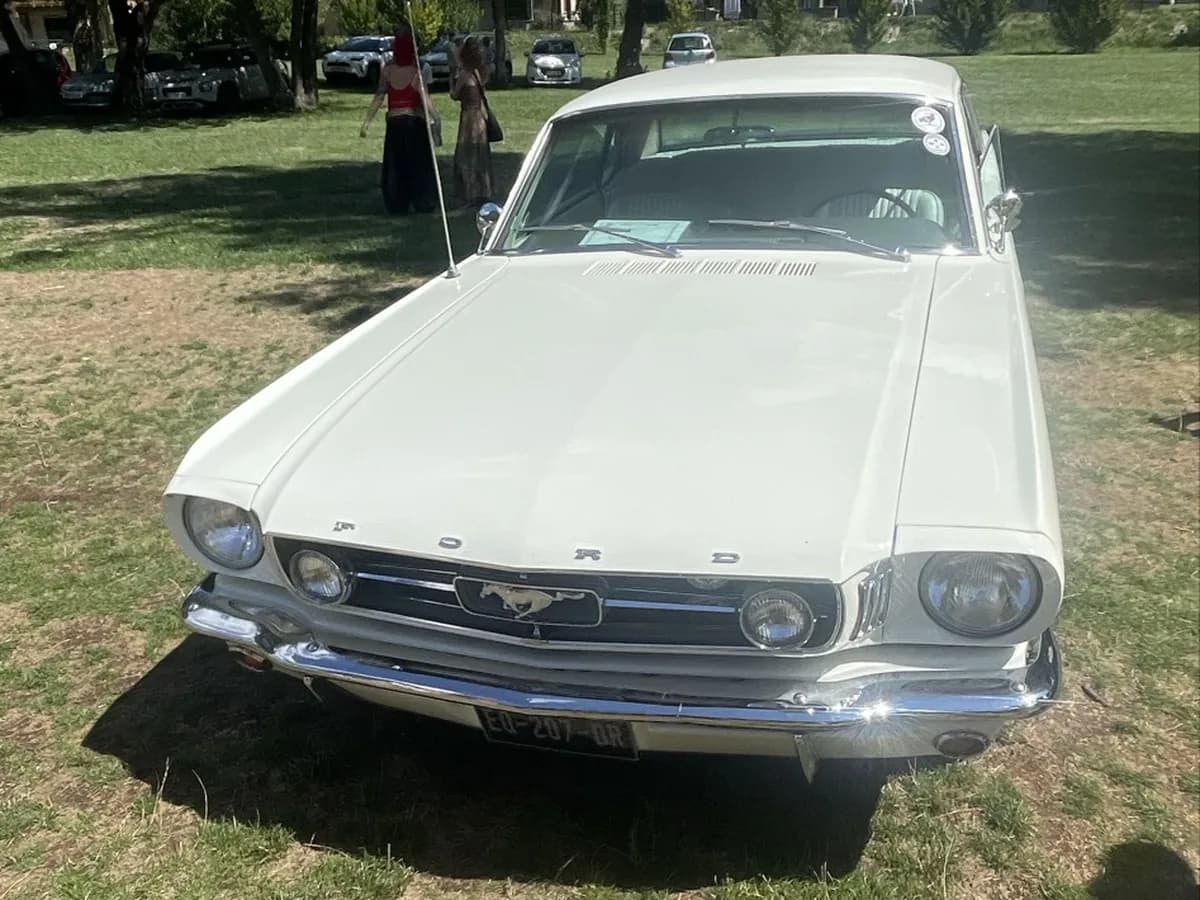
Chevelle
Chevette
Chevy
Chevy II
Cheyenne
Citation
Classic
Cobalt

Colorado
Confederate
Corsa
Corsica
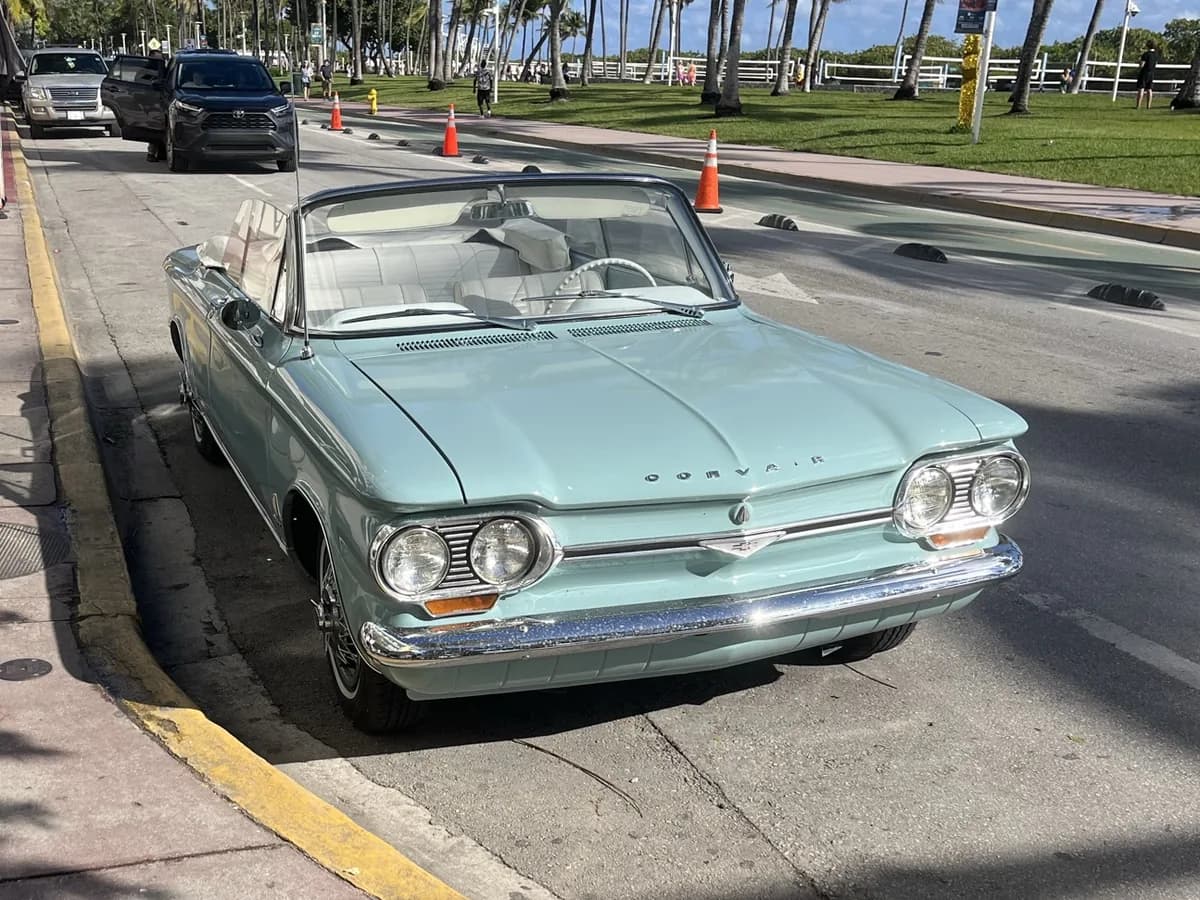
Corvair

Corvette

Corvette C6
Cruze
CUCV
D-10
Delray
Deluxe
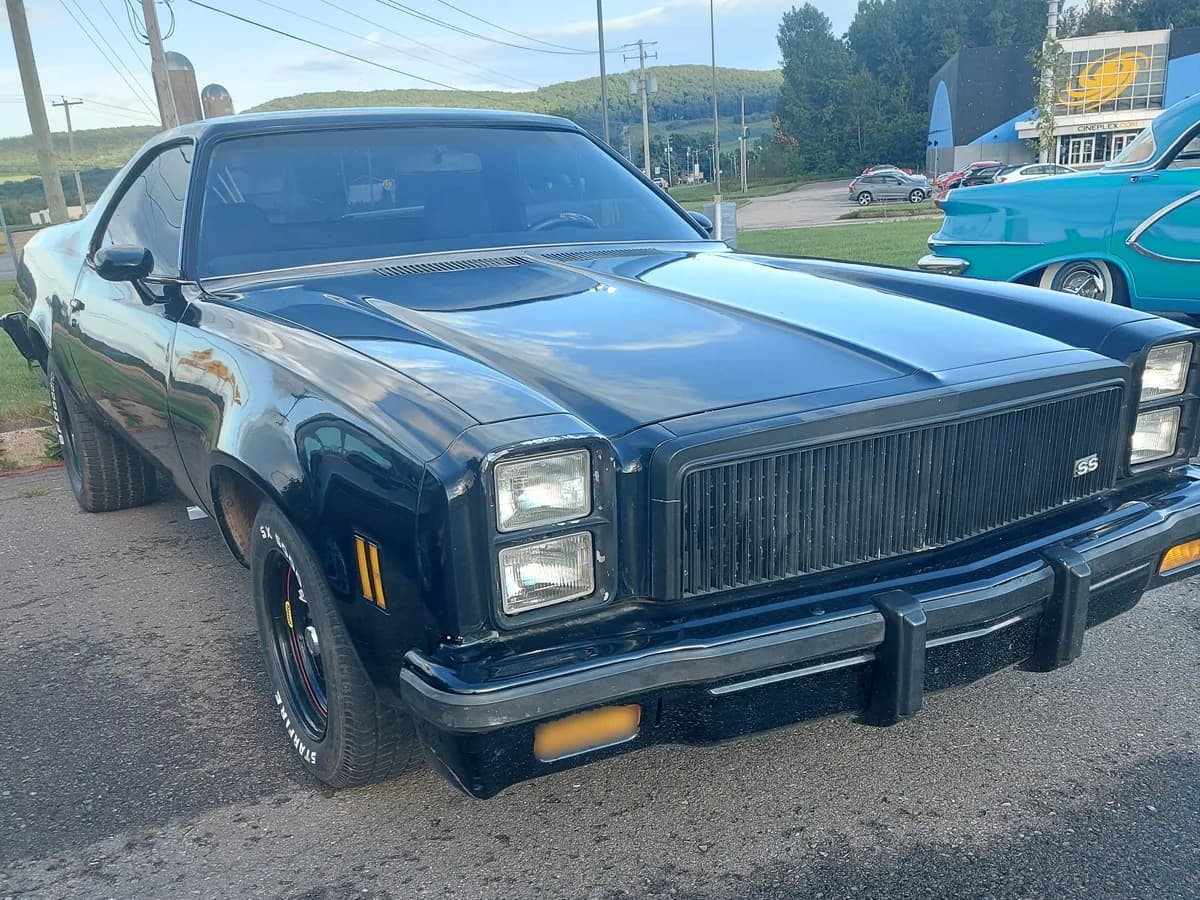
El Camino
Epica
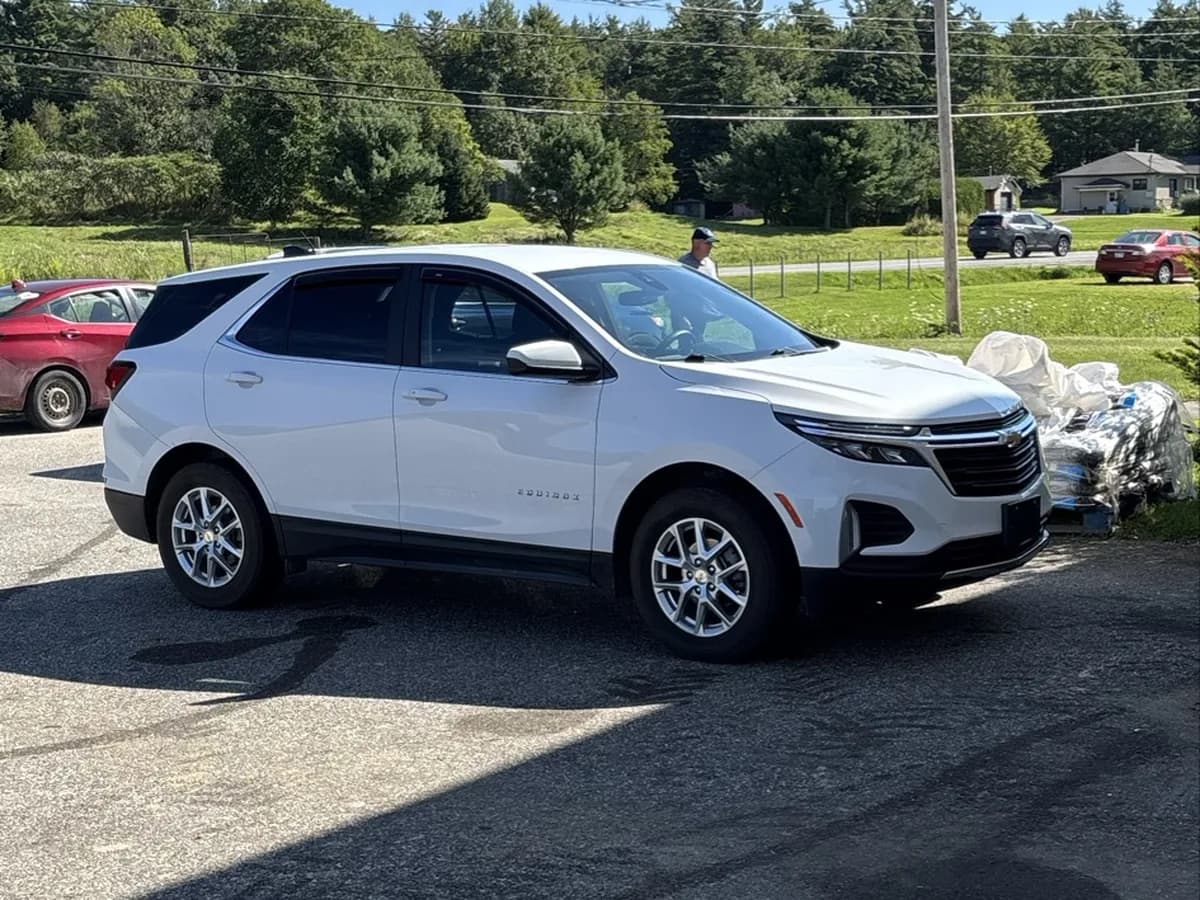
Equinox
Equinox EV
Evanda
Firenza
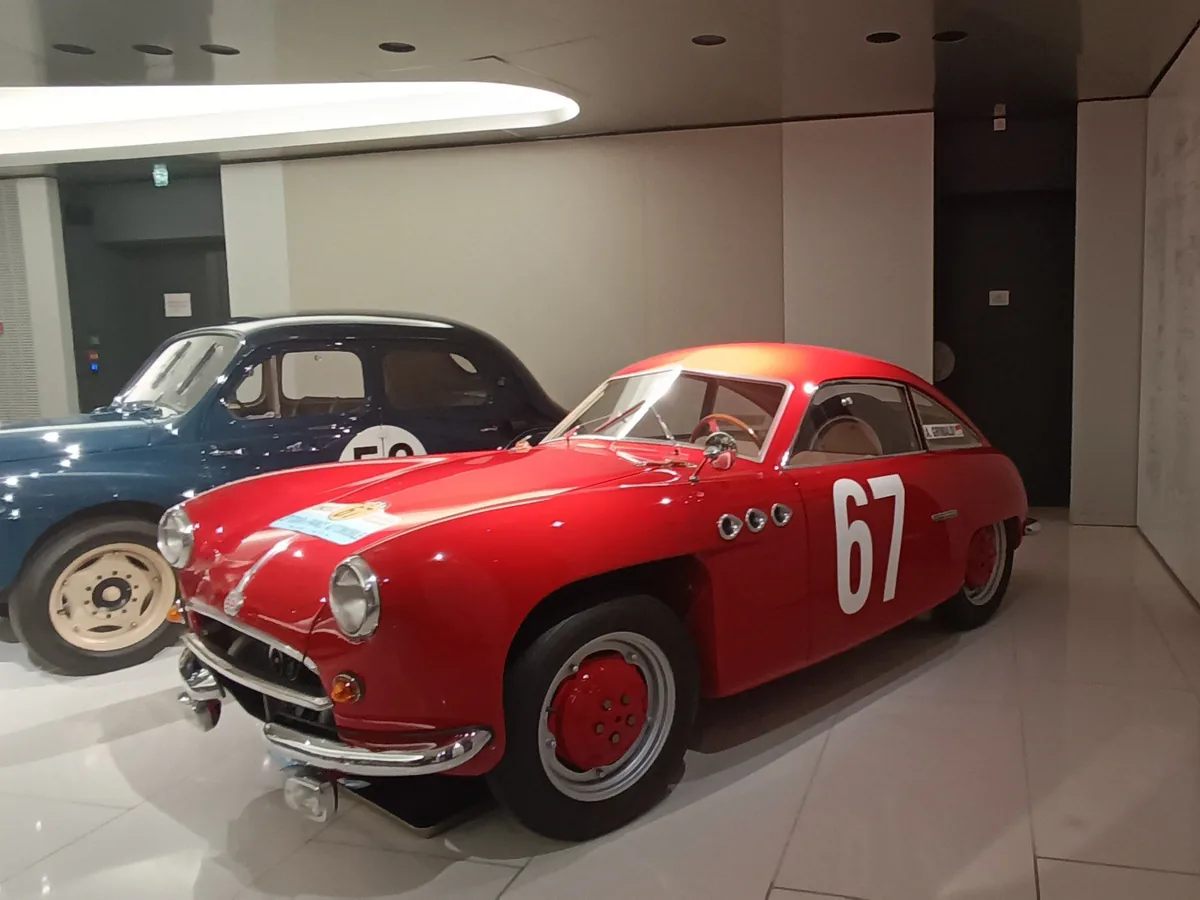
Fleetline
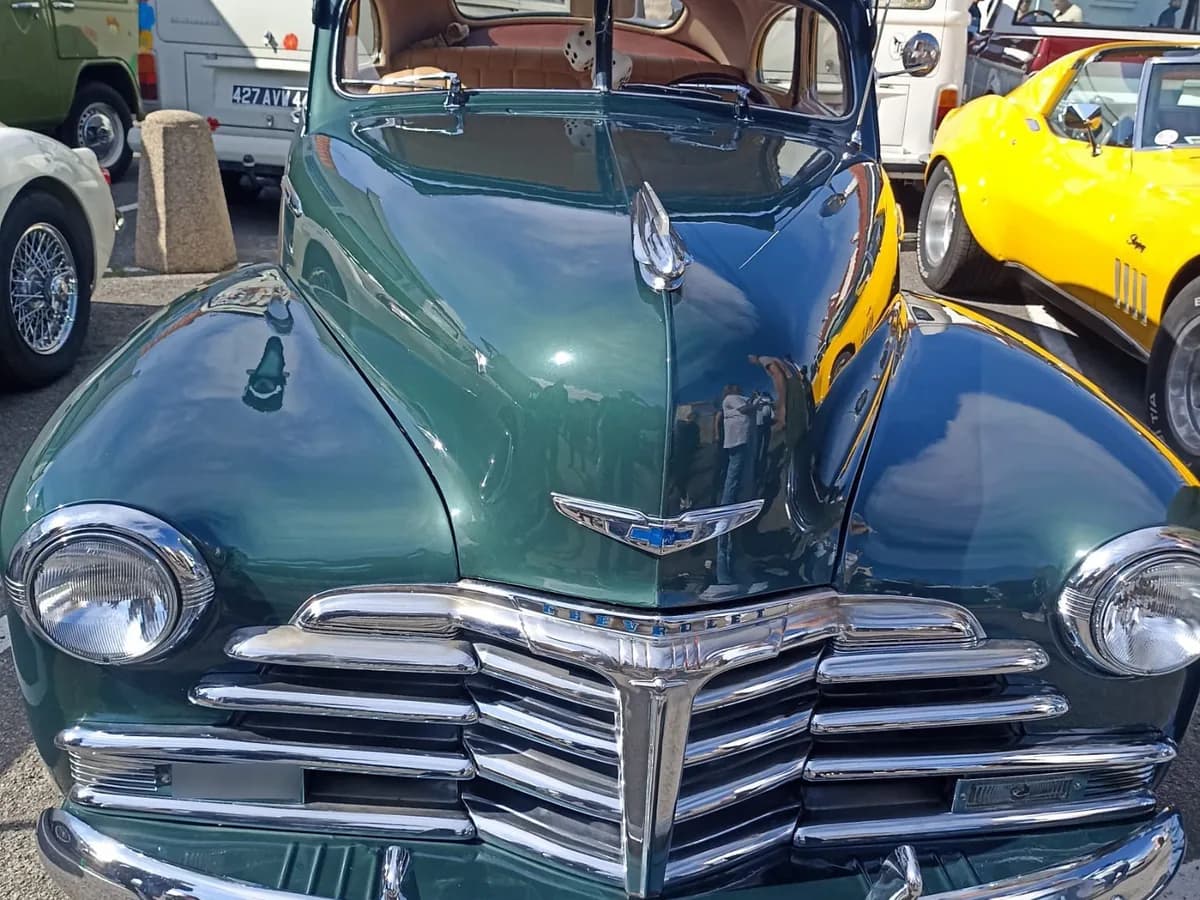
Fleetmaster
Frontera
Grand Vitara
Groove
HHR
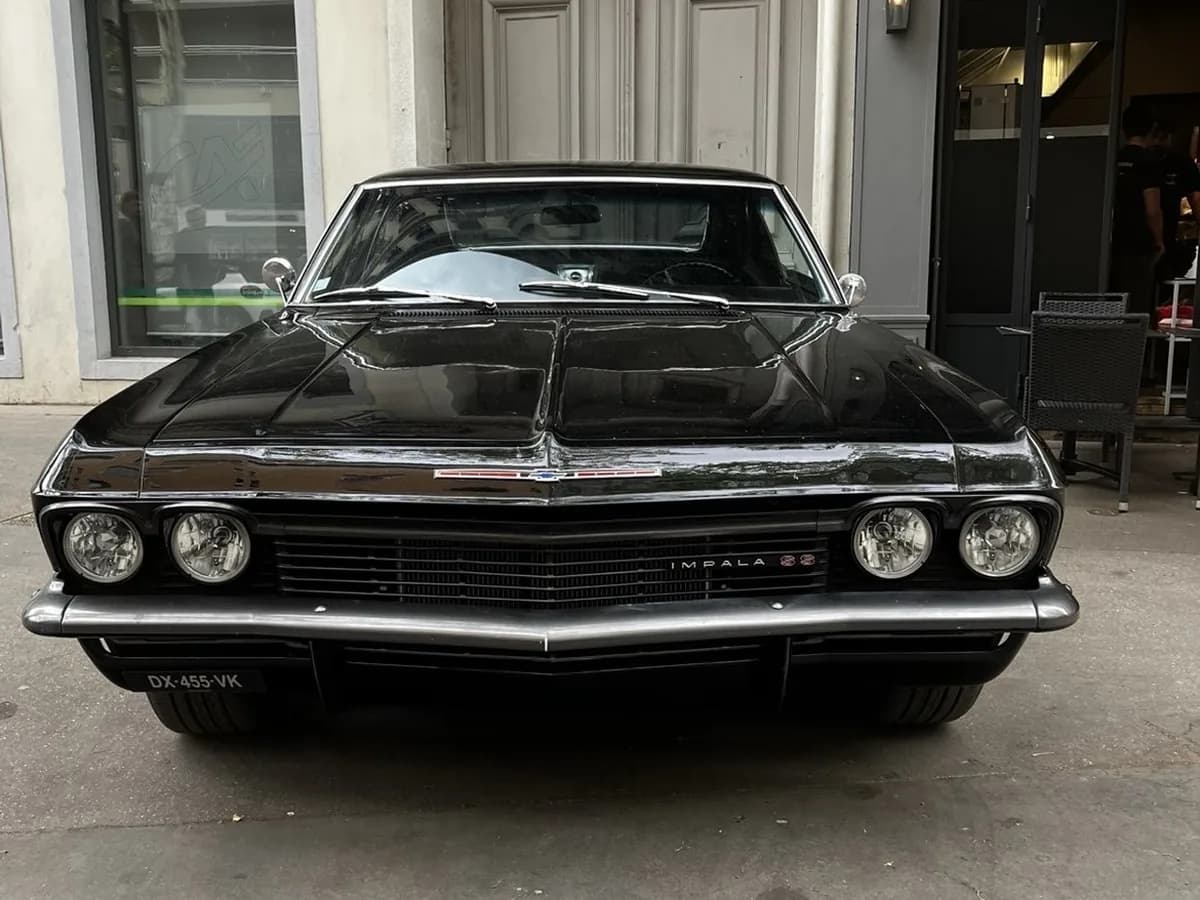
Impala
Independence
International
Ipanema
Kadett
Kalos
Kingswood
Kodiak

Lacetti
Lanos
Lova
Lova RV
Lumina
Lumina APV
Lumina Minivan
LUV
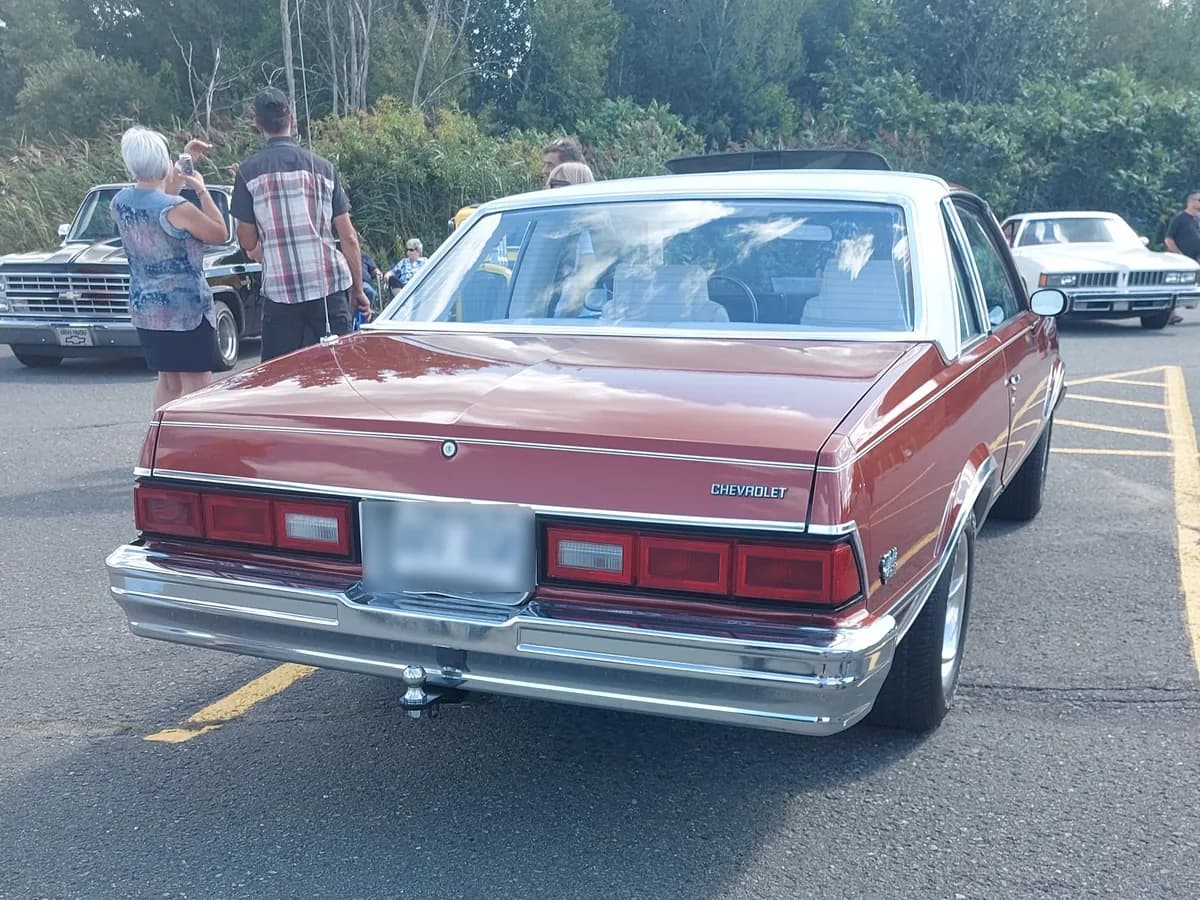
Malibu
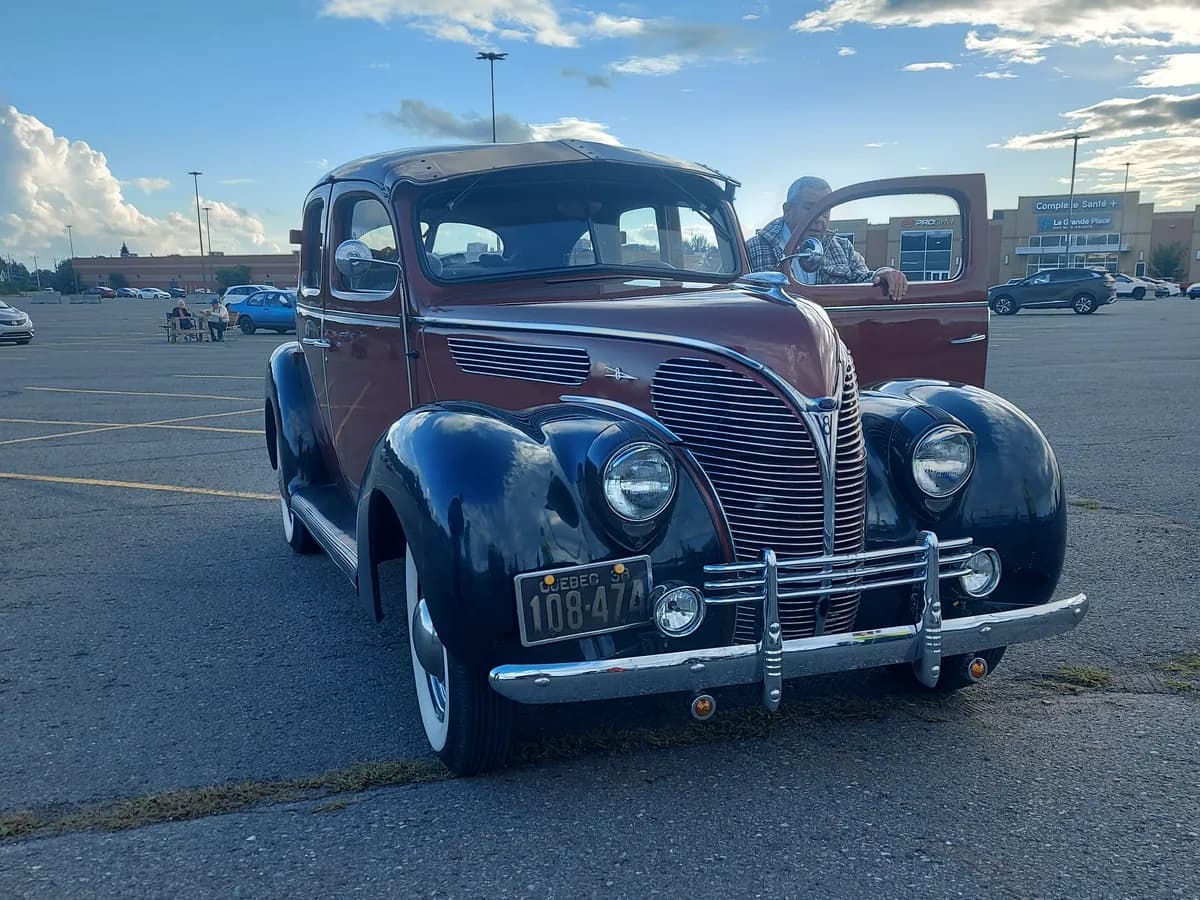
Master
Matiz
Menlo
Meriva
Metro
Montana

Monte Carlo
Monza
MW
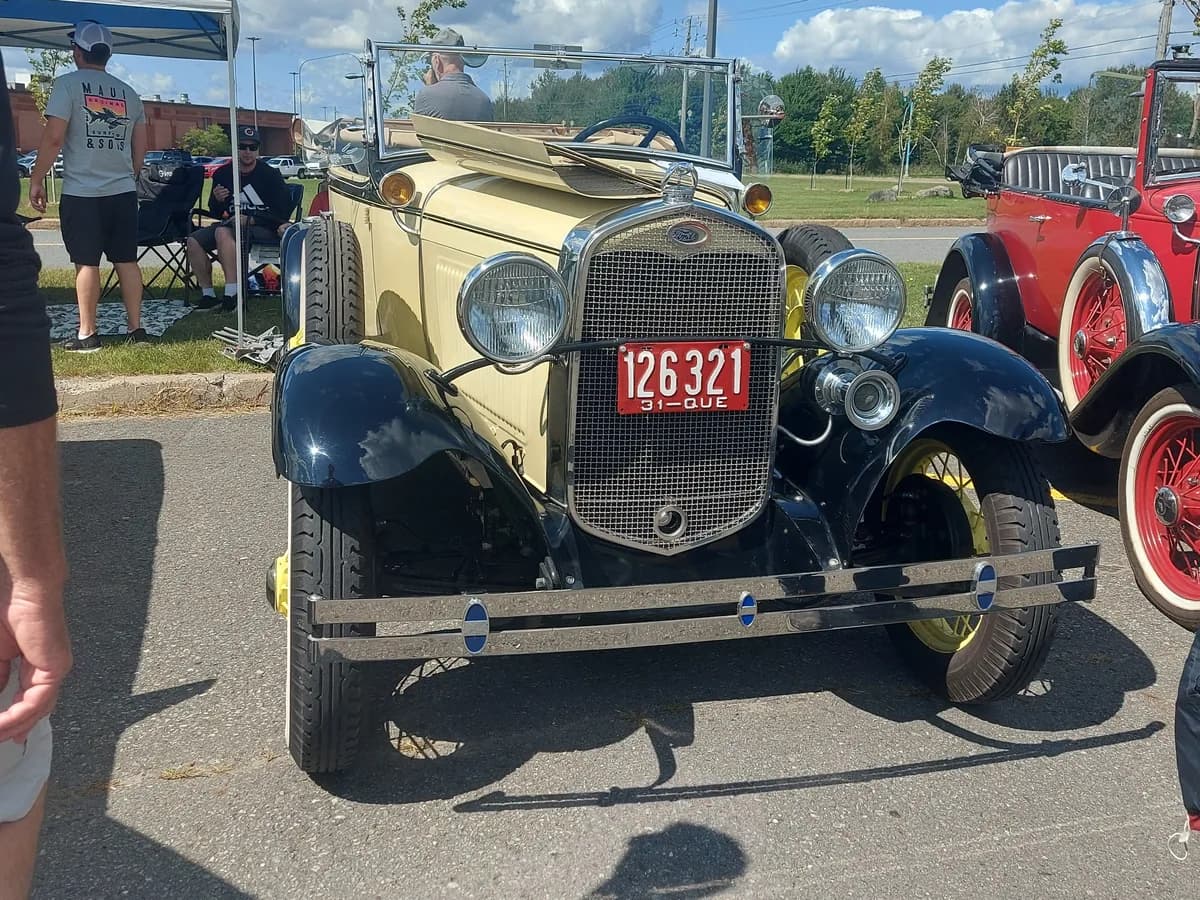
National
Nexia
Nomad

Nova
Nubira
Omega
Onix

Opala
Optra
Orlando
Parkwood
Prisma
Prizm
Rezzo
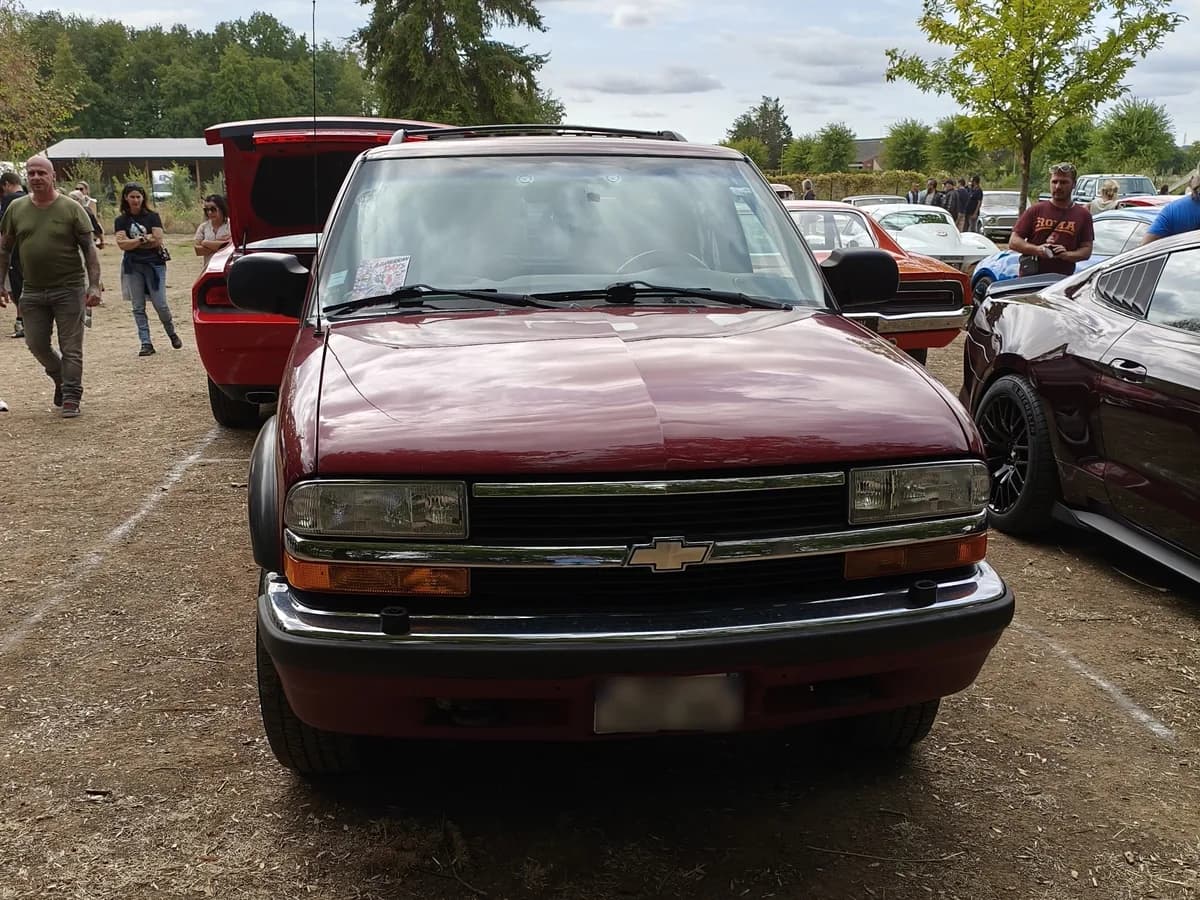
S-10
S-Series
Sail
Seeker
Series 490
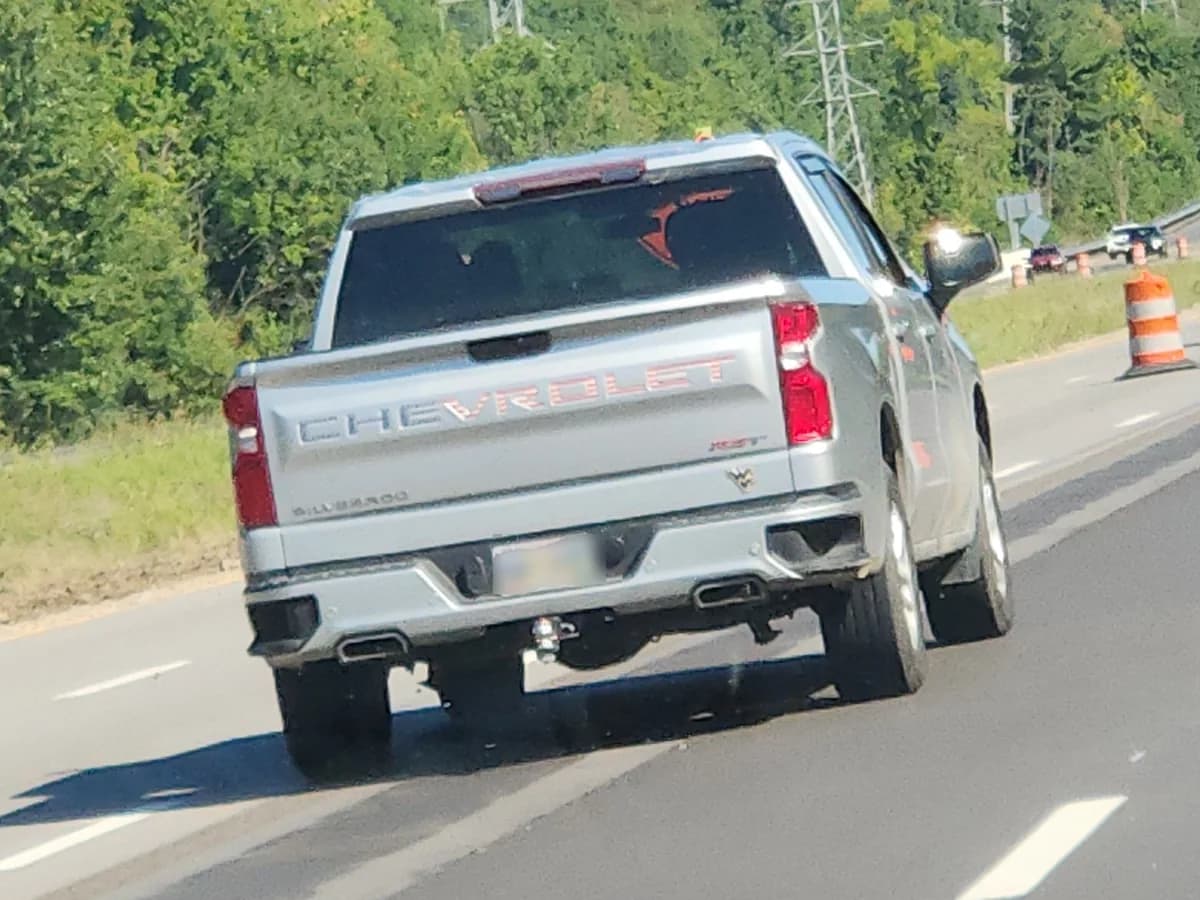
Silverado
Silverado EV
Sonic
Sonora

Spark
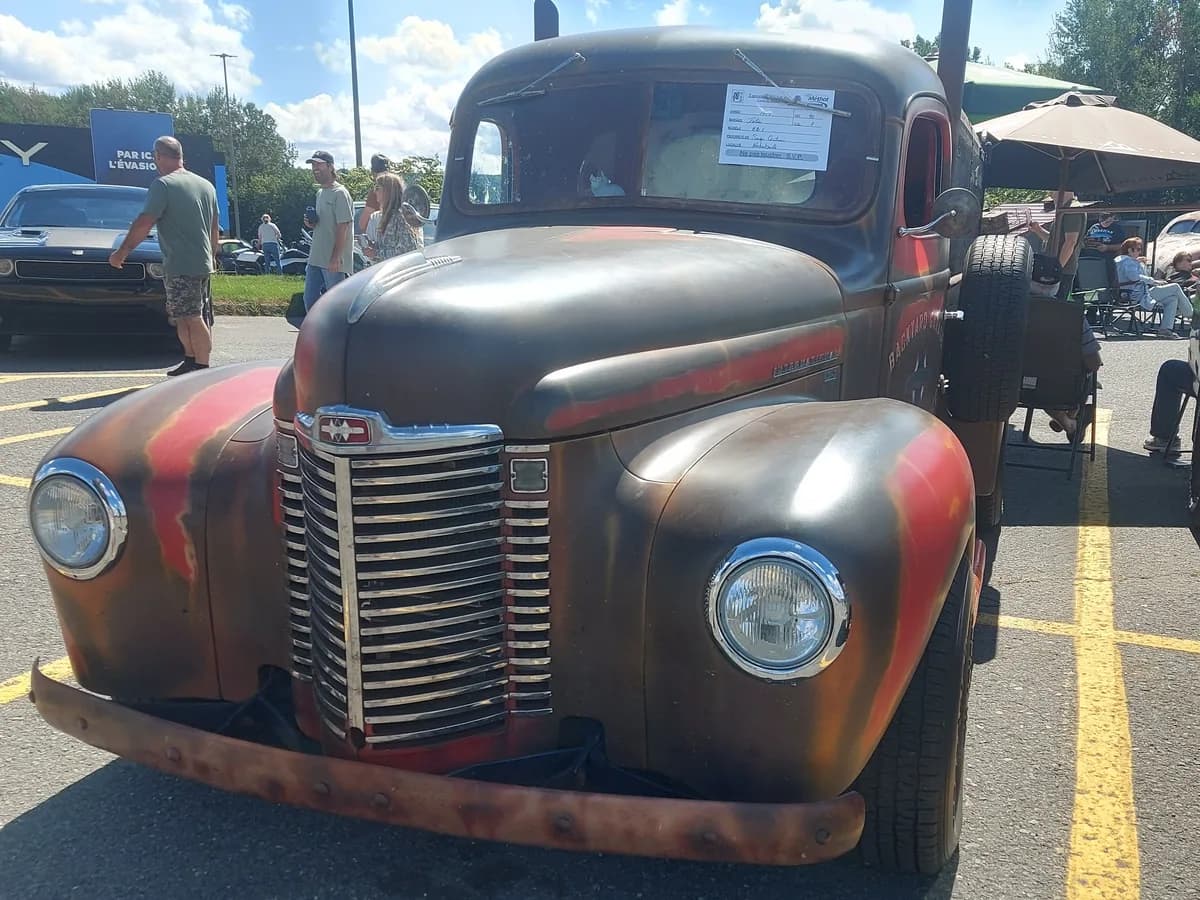
Special Deluxe
Spectrum
Spin
Sprint
SS
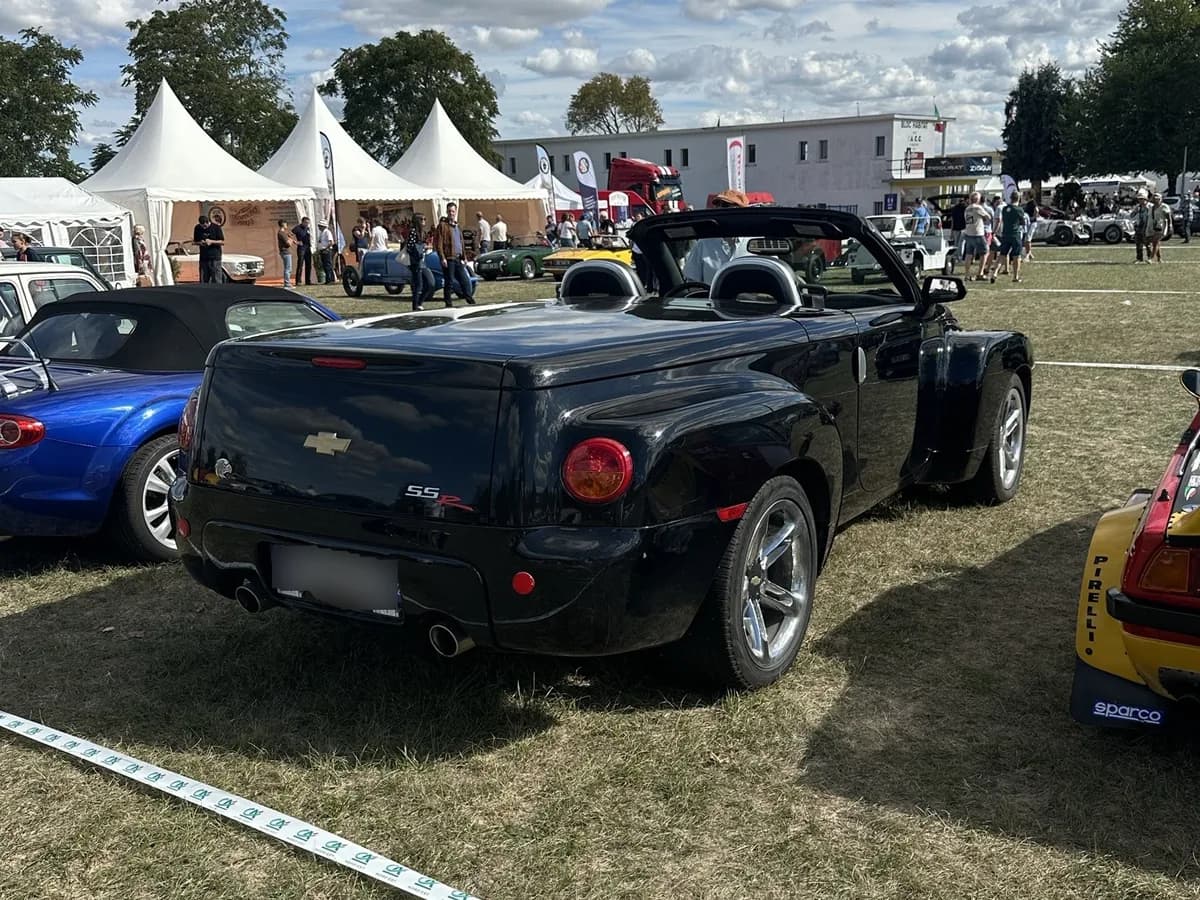
SSR
Styleline
Stylemaster
Suburban
Tacuma
Tahoe
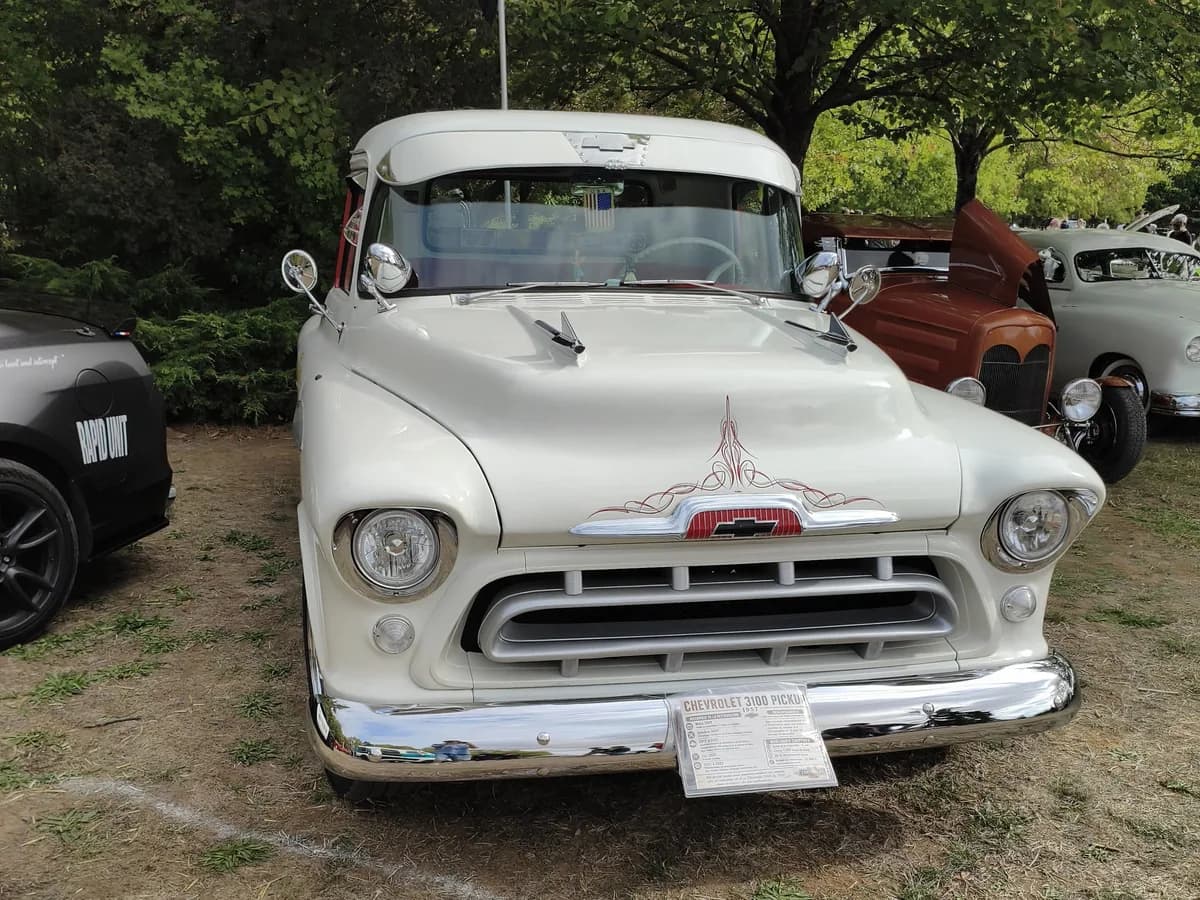
Task Force
Tigra
Tornado
Townsman
Tracker
TrailBlazer
Trans Sport
Traverse
Trax
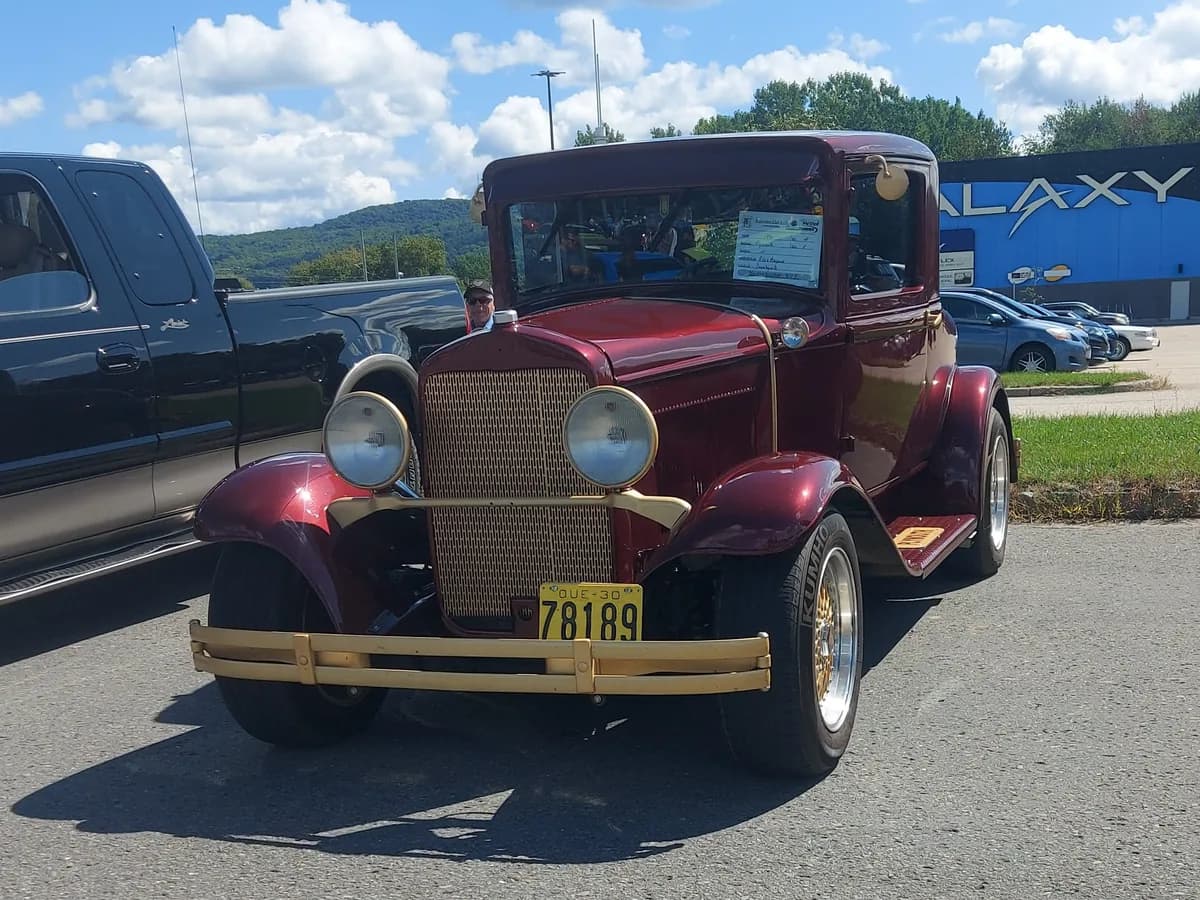
Universal
Uplander
Vectra
Vega
Venture
Veraneio
Viva
Vivant
Volt
Yeoman
Zafira
Chevrolet overview
Chevrolet history
Chevrolet Motor Company was established in 1911 through the partnership of William C. Durant, who had previously helped found General Motors, and Louis Chevrolet, a Swiss-born racing driver and engineer. The brand’s first car, the Classic Six, entered production in 1912. Chevrolet then moved toward more accessible vehicles, a strategy that helped Durant use the company’s success to regain control of General Motors in 1916. Chevrolet formally became a GM division in 1918. During the 1920s and 1930s, Chevrolet developed mainstream cars and strengthened its rivalry with Ford through overhead-valve six-cylinder engines. After World War II, the range expanded in several directions, with models such as the Bel Air, Biscayne, and Impala, while pickups and utility vehicles became increasingly important. The Corvette arrived in 1953 as a two-seat sports car, and the small-block V8 introduced for 1955 became a technical foundation for passenger cars, racing applications, and performance models. Later decades brought the Chevelle, Camaro, Caprice, and successive C/K pickup families. This long evolution accounts for the breadth of Chevrolet models represented from 1915 through 2026.
Chevrolet positioning
Chevrolet has historically combined high-volume production, versatility, and accessible performance. Within the General Motors family, the brand long served a mainstream role, offering vehicles for a broad customer base alongside a substantial pickup and utility portfolio. That generalist position never ruled out sporting models: the Corvette represents Chevrolet’s dedicated performance branch, while the Camaro offered a more accessible interpretation of the American sports coupe. The historic range also shows clear internal segmentation. Biscayne and Bel Air models covered different sedan and family-car roles, the Impala added greater size and equipment, and the Chevelle occupied the intermediate-car market. The Task Force and C/K series demonstrate how important light trucks became to Chevrolet’s identity. Chevrolet is therefore best understood as a broad American marque with a strong automotive culture, rather than being defined only by V8 engines, muscle cars, or pickups.
Recognizing a Chevrolet in a photo
When identifying an older Chevrolet, start with the bowtie emblem, commonly placed on the grille, hood, or fenders, although its shape, finish, and color changed over time. The model name is equally important: Bel Air, Biscayne, Impala, and Caprice generally belong to Chevrolet’s large American cars of the 1950s through the 1970s, while the Chevelle identifies an intermediate line introduced in 1963. Pickups require a different approach. Designations such as 3100, C10, C20, and C/K indicate distinct families or capacities, while Stepside and Fleetside describe useful body-style differences. Chevrolet vehicles from 1955 to 1957 often stand out through their bold styling, integrated fenders, and availability of small-block V8 engines. Reliable identification still requires several clues together: the emblem, body shape, grille design, badges, trim details, and model year. A single name can cover multiple generations with substantially different styling and mechanical specifications.
Important Chevrolet models
Among the most representative historic models are the Impala, listed in the ScanRacer data from 1957 to 2013, and the Bel Air, covering 1949 to 1976. The Chevelle, produced from 1963 to 1976, illustrates the rise of intermediate cars and performance-oriented versions. The Caprice, available from 1966 to 2006, represents another major American full-size car family. Earlier models such as the Master, Confederate, and 210 document Chevrolet’s development before and after World War II. The utility side of the brand is represented by the Task Force line, produced from 1955 to 1957, and by the C/K series, which extended across several decades. The Camaro, introduced for the 1967 model year, and the Corvette, not included in the supplied selection but essential to Chevrolet history, express the marque’s sporting identity. Together, these models cover a wide range of eras, body styles, and powertrains, making them useful reference points for tracing the evolution of American automotive design.
References
- GM Heritage: An Iconic LegacyGeneral Motors
- GM Founder William Durant's StoryGeneral Motors
- Chevrolet – the Story of a Global BrandChevrolet / General Motors
- Chevrolet Historical GalleryChevrolet
- 1955 NASCAR Chevy #92General Motors
- 1936 Chevrolet SuburbanGeneral Motors
- 1957 Chevy Bel Air ConvertibleGeneral Motors
- 70 years of Chevy truck small-block V8 powerGeneral Motors