
Monte Carlo
Introduced in September 1969 for the 1970 model year, the Chevrolet Monte Carlo was created as Chevrolet’s entry in the growing personal-luxury coupe market. Its long hood, formal roofline and upgraded interior separated it from the more conventional Chevelle, although the two cars shared several structural components. From 1970 through 1988, the Monte Carlo retained a front-engine, rear-wheel-drive layout. After a short interruption, Chevrolet revived the name in 1995 on a front-wheel-drive coupe with a transverse engine. Later versions emphasized quiet, comfortable cruising while gradually restoring the model’s performance image through Monte Carlo SS variants and strong NASCAR visibility. The history covered here runs from the first 1969-built cars through the versions referenced up to 2005, a period that includes the original personal-luxury formula, the downsized rear-drive years and the later front-drive revival.
Variants by year
2005
1999
1994
1980
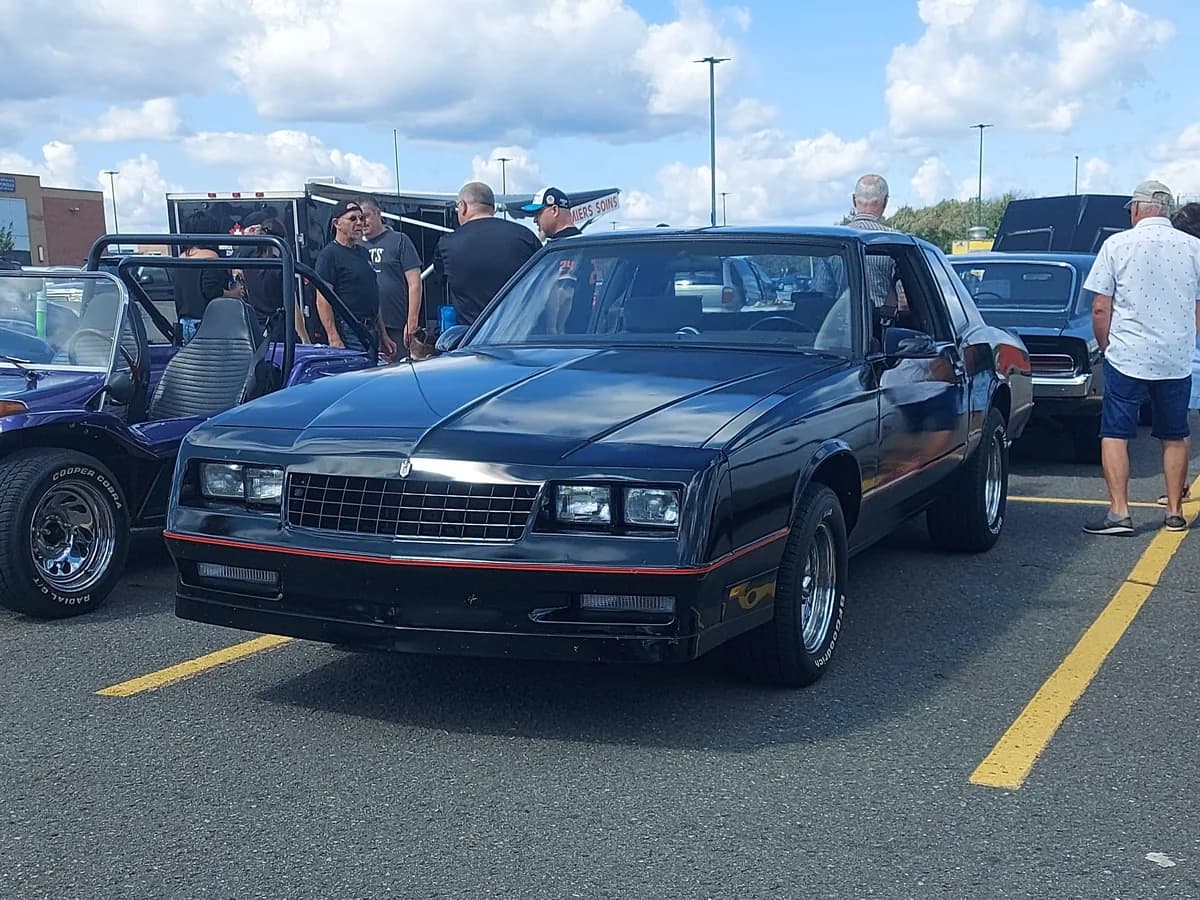
1979
1978
1975
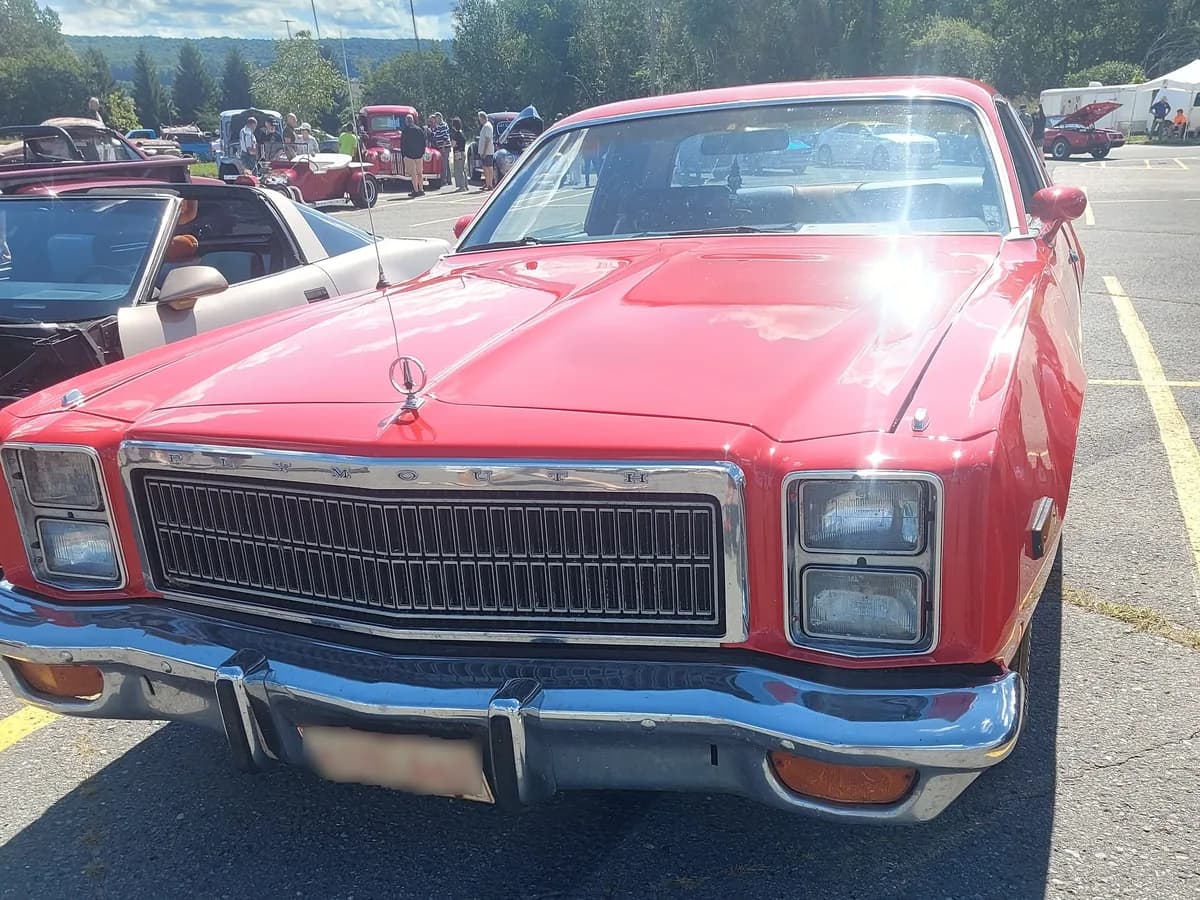
1972
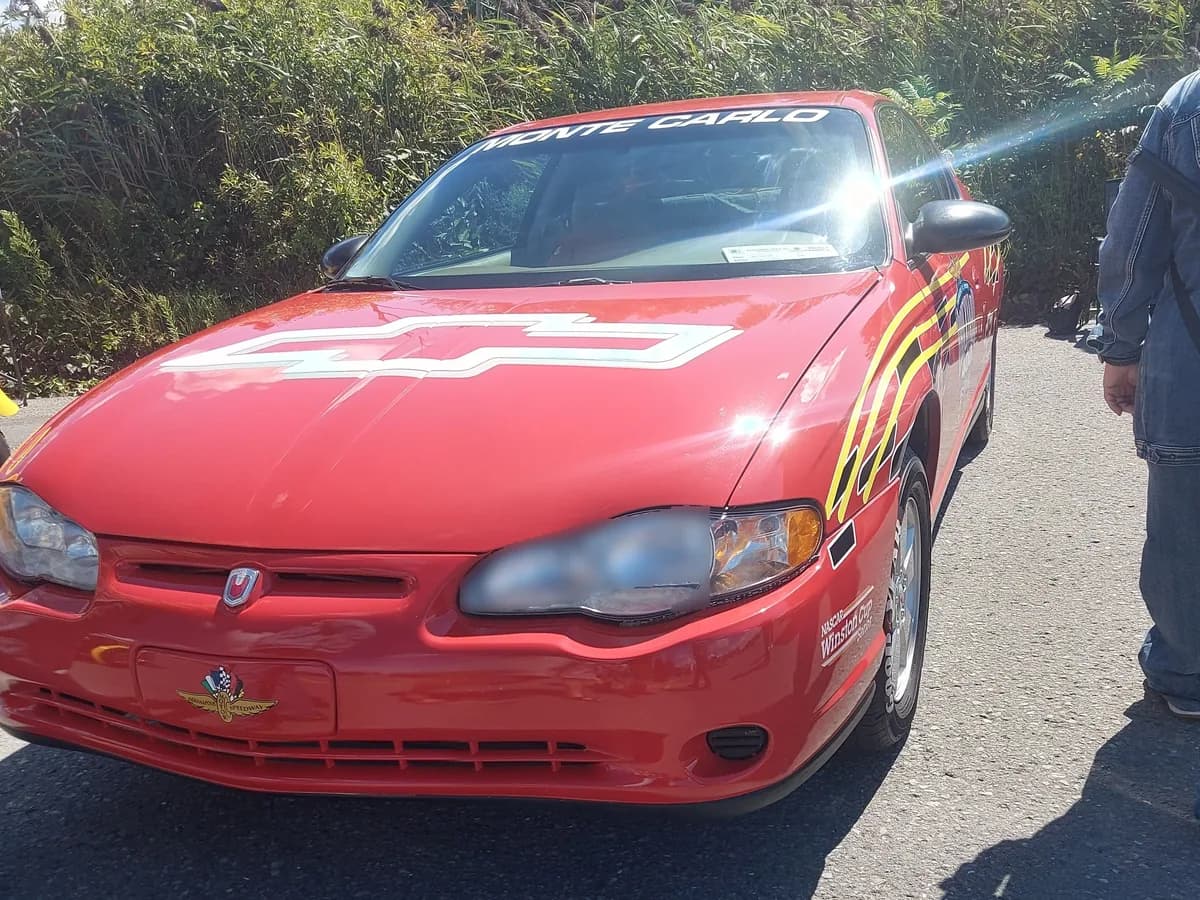 R
R1969
Model summary
Data from the ScanRacer library, organized to compare versions quickly.
Model introduction
Introduced in September 1969 for the 1970 model year, the Chevrolet Monte Carlo was created as Chevrolet’s entry in the growing personal-luxury coupe market. Its long hood, formal roofline and upgraded interior separated it from the more conventional Chevelle, although the two cars shared several structural components. From 1970 through 1988, the Monte Carlo retained a front-engine, rear-wheel-drive layout. After a short interruption, Chevrolet revived the name in 1995 on a front-wheel-drive coupe with a transverse engine. Later versions emphasized quiet, comfortable cruising while gradually restoring the model’s performance image through Monte Carlo SS variants and strong NASCAR visibility. The history covered here runs from the first 1969-built cars through the versions referenced up to 2005, a period that includes the original personal-luxury formula, the downsized rear-drive years and the later front-drive revival.
History
The Monte Carlo emerged as American manufacturers were expanding the personal-luxury coupe segment with cars that offered more style and trim than ordinary intermediate models. Chevrolet introduced it in September 1969 as a 1970 model, combining formal styling with a technical foundation related to the Chevelle family. The first model year used a 350-cubic-inch V8 as standard, while larger V8 options and the SS 454 package gave the coupe stronger performance credentials. The second generation arrived for 1973 with a larger body and became especially successful during the middle of the decade. For 1978, Chevrolet reduced the car’s size and weight in response to fuel-economy pressures; a V6 became the standard engine. The fourth generation continued that direction with more aerodynamic styling and the return of the Monte Carlo SS. After 1988, the nameplate was replaced by the Lumina coupe. It returned for 1995 on a front-wheel-drive architecture, then received a major redesign for 2000 while remaining focused on V6 power. Final SS models, including a supercharged version for 2004 and 2005, preceded the nameplate’s eventual discontinuation after the 2007 model year.
Generations
The first generation covers the 1970 through 1972 model years. It is identified by a long hood, formal roofline and upright grille, combining upscale presentation with V8 power; the SS 454 is its most notable performance version. The second generation, produced from 1973 through 1977, received a larger body and the distinctive rear-quarter treatment associated with GM’s early-1970s coupes. The third generation debuted for 1978 as a smaller and lighter car. It remained rear-wheel drive, but its engine range shifted toward economy, with a V6 becoming standard. The fourth generation, built from 1981 through 1988, introduced sharper surfaces, more aerodynamic detailing and the return of the Monte Carlo SS, a version closely linked to NASCAR imagery. After a break, the fifth generation arrived for 1995. It changed to front-wheel drive and V6 power, placing greater emphasis on smooth road manners and everyday comfort. The sixth generation, launched for 2000, brought back selected visual cues from earlier Monte Carlos. It retained front-wheel drive, offered the SS, and added a supercharged SS for 2004 and 2005. These six periods provide the clearest framework for separating the model’s major mechanical and styling changes.
Key differences
The clearest differences between Monte Carlo generations involve drivetrain, proportions and market positioning. Cars built from 1970 through 1988 use rear-wheel drive, with V8 power especially prominent in the early years before downsizing and fuel-economy pressures reshaped the range. The 1978 redesign marks the move to a smaller body, while the 1981-1988 cars add a more aerodynamic identity and revive the SS designation. The 1995 return is a major technical break: the Monte Carlo switches to front-wheel drive, uses V6 engines and follows the platform strategy shared with other contemporary GM products. For 2000, Chevrolet gives the coupe more expressive styling, including a rear section intended to recall earlier Monte Carlos. Modern SS models remain V6-powered until the V8 returns for 2006, outside the principal period referenced here. As a result, an early-1980s SS, a supercharged 2004-2005 SS and a 2006-2007 V8 SS should not be treated as equivalent versions; they share a badge but differ substantially in layout, hardware and intent.
Photo recognition
Begin identification with the overall shape and the likely drivetrain layout. The 1970-1972 cars have a very long hood, an upright grille and a formal roofline, with proportions typical of a large American rear-wheel-drive coupe. The 1973-1977 models are larger and use the distinctive body treatment associated with GM’s mid-1970s intermediate coupes. The 1978-1980 generation looks noticeably shorter and lighter. Cars from 1981 through 1988 have smoother surfaces, a more angled front end and, on SS versions, sportier aerodynamic details. The 1995 revival is easy to separate from the earlier cars: it has a rounder, lower-looking body and lacks the long proportions of the rear-drive models. The 2000-2005 cars feature a more assertive front end, sculpted fenders and a rear design that subtly references the 1970s Monte Carlo. For a reliable identification, compare the model year with the grille, lamps, badges and quarter-panel details. Treat SS lettering carefully: factory SS versions changed considerably over time, and aftermarket emblems or modified bodywork can make an otherwise standard car appear more specialized.
Important versions
The 1970-1971 SS 454 is the most historically significant performance version of the first generation, combining personal-luxury styling with the largest engine offered in the range. The Monte Carlo SS returned in the early 1980s with aerodynamic styling and a strong association with NASCAR competition. During the nameplate’s revival, the Z34 provided a sport-oriented option in the late 1990s before the SS returned as the principal performance trim for 2000. For 2004 and 2005, the supercharged SS became the most powerful version in the range through its forced-induction V6. NASCAR- and driver-themed special editions also matter to collectors, although their value depends heavily on original equipment, documentation and condition. Badges alone are not enough to establish an authentic special version, since Monte Carlos have often been modified or given aftermarket graphics.
References
- 1970 Chevrolet Monte Carlo Vehicle Information KitGeneral Motors Heritage Archive
- Chevrolet Monte Carlo Model Years and HistoryCars.com
- Chevrolet Monte Carlo Model Years | Model Year HistoryJ.D. Power
- https://classiccarsarena.com/chevrolet/monte-carlo/evolutionclassiccarsarena.com
- https://forcar.org/car-specs/chevrolet/monte-carlo/forcar.org
- https://forcar.org/brand/chevrolet/monte-carlo/forcar.org
- https://www.cars.com/research/chevrolet-monte_carlo/?msockid=1514a8a7403f64d53261be2241db6598cars.com
Frequently asked questions
- What years was the Chevrolet Monte Carlo produced?
- ScanRacer's referenced versions cover 1969 - 2005.
- How many Chevrolet Monte Carlo examples are documented on ScanRacer?
- 4 published scans from 2 members, with the latest photo added in August 2026.