
C K-Series
The Chevrolet C/K is a full-size truck family introduced for the 1960 model year, serving commercial operators, tradespeople and private owners. In Chevrolet’s American naming system, the letter “C” identified two-wheel-drive models, while “K” indicated four-wheel drive. The range was offered in several body styles, including pickups, chassis-cab trucks, panel vans and Suburban utility vehicles. Early C/K trucks brought a revised platform to Chevrolet’s truck lineup and coincided with the arrival of GM-designed four-wheel drive, according to Chevrolet’s historical material. The ScanRacer selection covers Chevrolet variants produced from 1959 through 1987, including transitional Apache models and the later trucks commonly known as “Square Bodies.” That span accounts for the family’s wide variety of body shapes, model codes and working roles.
Variants by year
1987
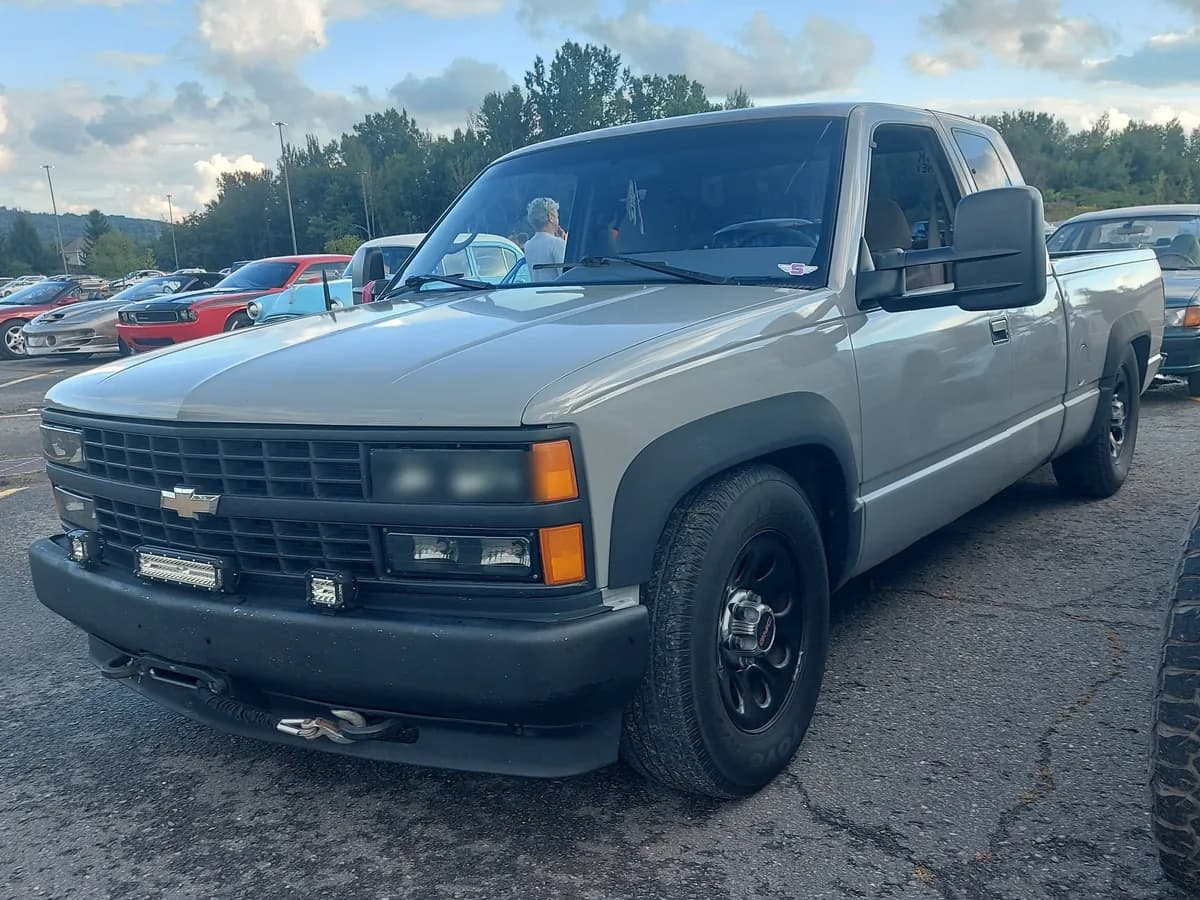
1972
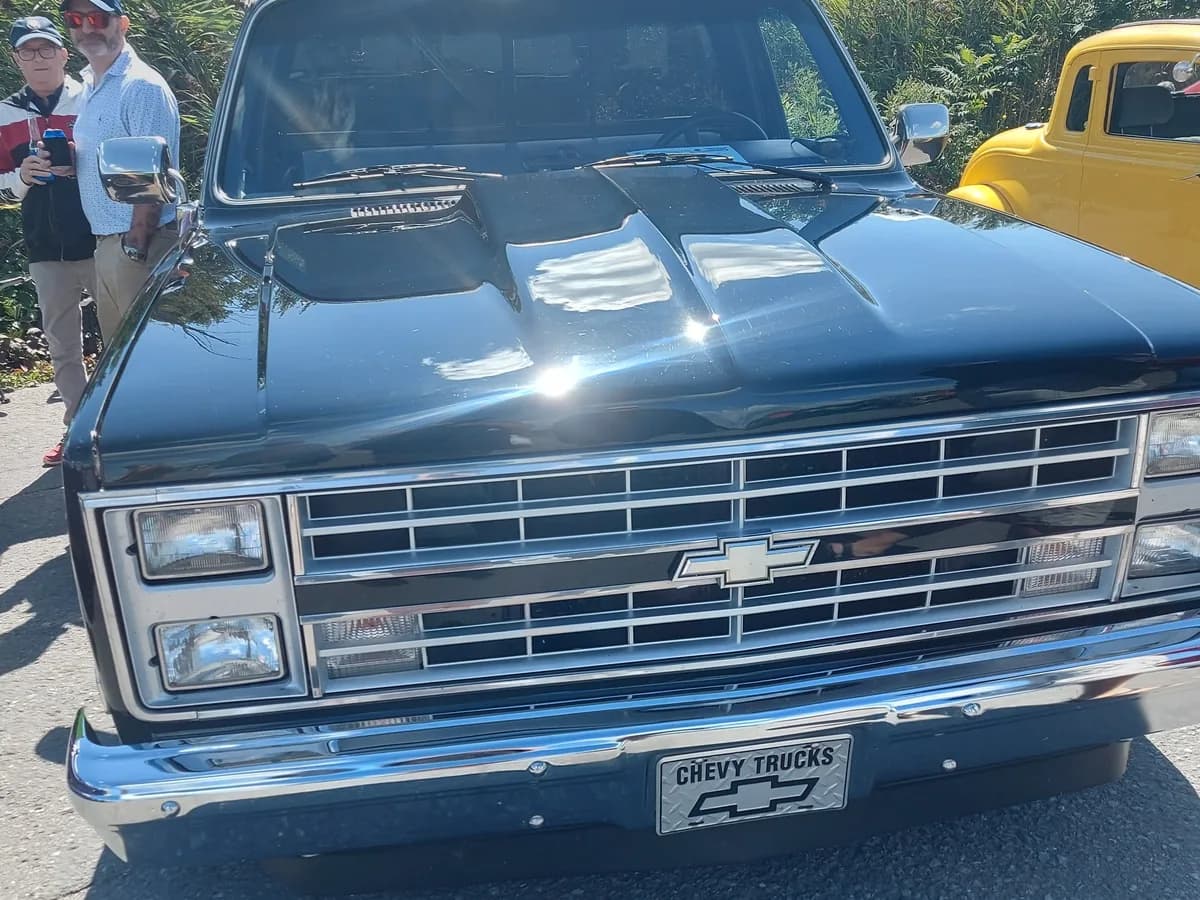
1966
1961
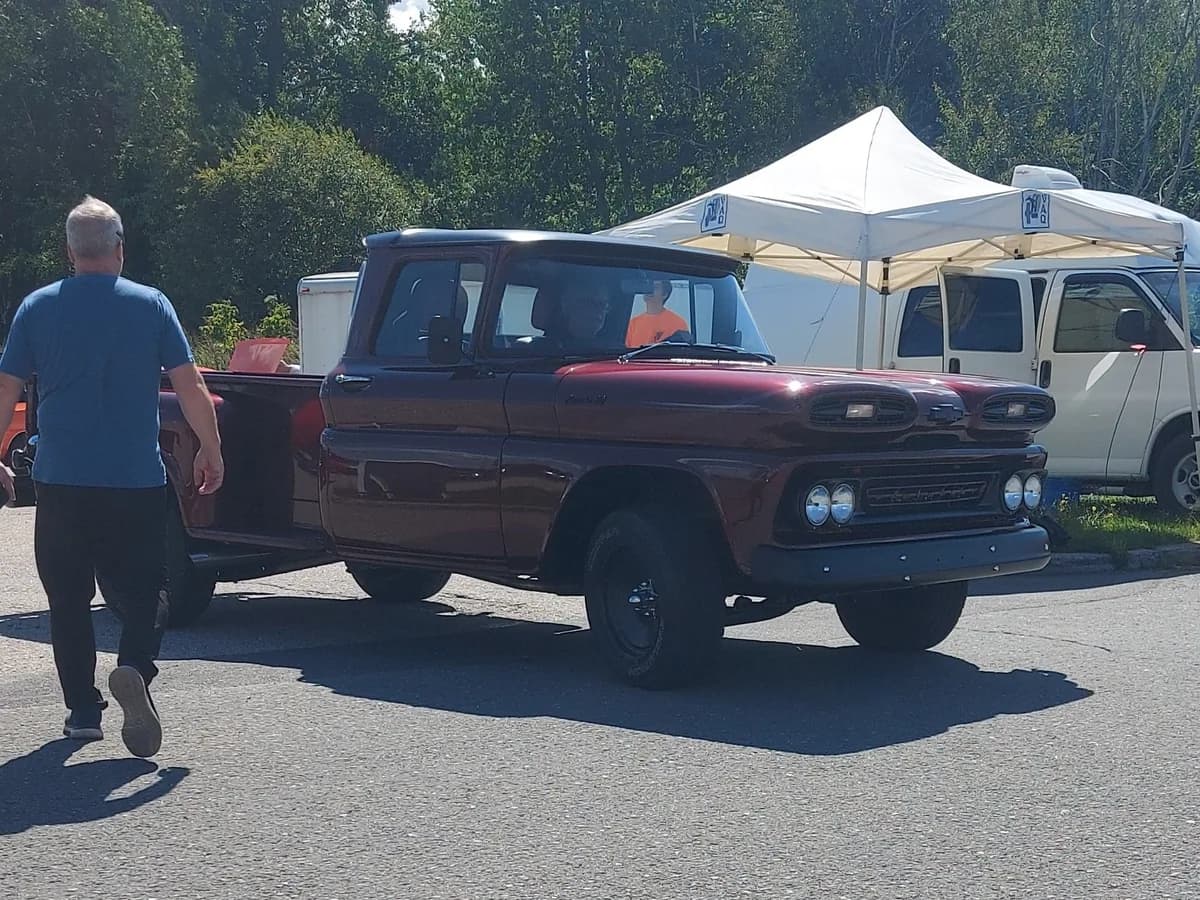 R
R1959
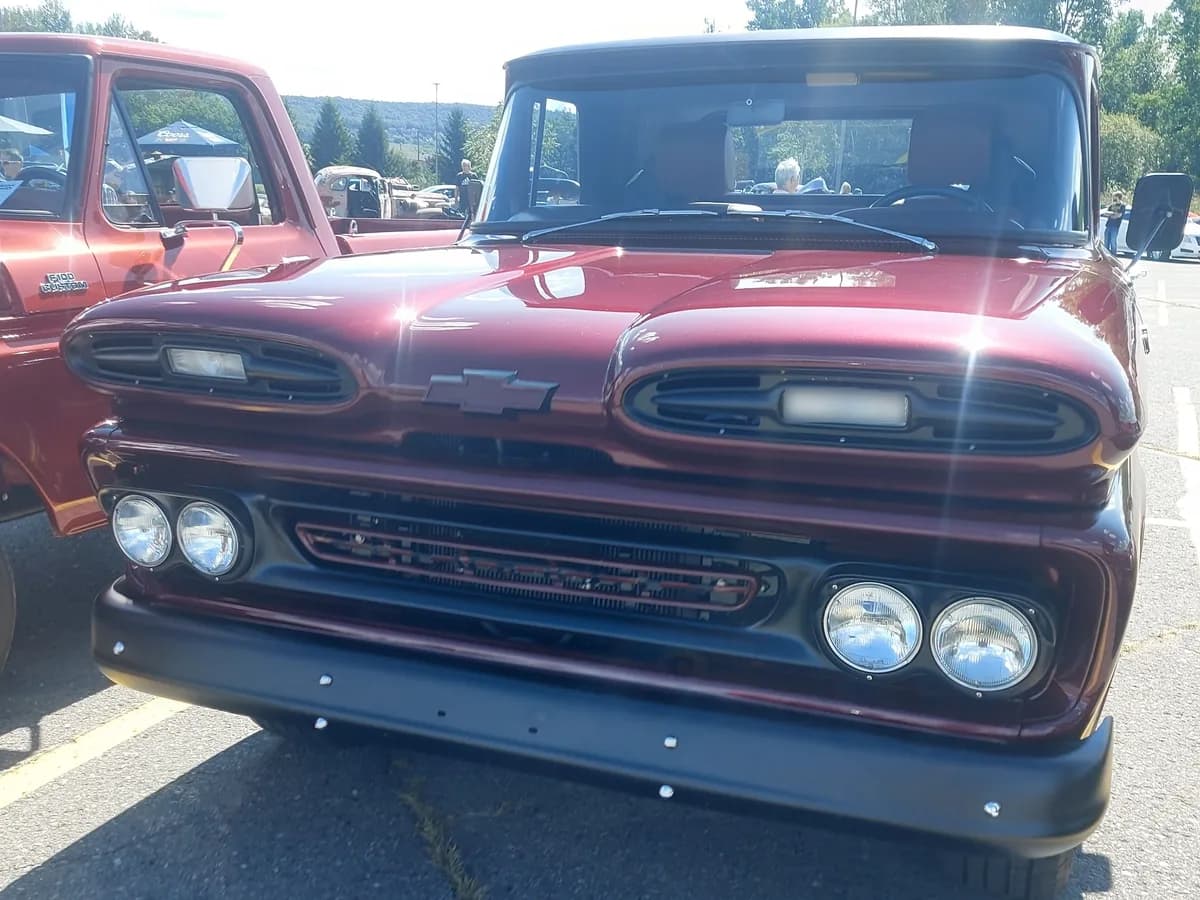 R
RModel summary
Data from the ScanRacer library, organized to compare versions quickly.
Model introduction
The Chevrolet C/K is a full-size truck family introduced for the 1960 model year, serving commercial operators, tradespeople and private owners. In Chevrolet’s American naming system, the letter “C” identified two-wheel-drive models, while “K” indicated four-wheel drive. The range was offered in several body styles, including pickups, chassis-cab trucks, panel vans and Suburban utility vehicles. Early C/K trucks brought a revised platform to Chevrolet’s truck lineup and coincided with the arrival of GM-designed four-wheel drive, according to Chevrolet’s historical material. The ScanRacer selection covers Chevrolet variants produced from 1959 through 1987, including transitional Apache models and the later trucks commonly known as “Square Bodies.” That span accounts for the family’s wide variety of body shapes, model codes and working roles.
History
The 1960 model year marks the true beginning of Chevrolet’s C/K naming system. The range replaced the Task Force trucks with a more modern design and a clear distinction between C-series two-wheel-drive models and K-series four-wheel-drive models. Numerical designations such as 10, 20 and 30 identified the truck’s load class within the range, although equipment and body configurations varied by year and market. Early vehicles were available as pickups, chassis models and several utility-oriented configurations. For 1967, Chevrolet introduced a substantial redesign commonly known as the “Action Line” generation. GM’s 1967 vehicle information kit lists C10, C20 and K20 series trucks, along with a broader selection of appearance, comfort and body options. Another major redesign arrived for 1973. This long-running generation is widely referred to by enthusiasts as the “Rounded Line” or “Square Body” series. During its life, Chevrolet revised the trim hierarchy and added names such as Custom, Custom Deluxe, Cheyenne, Scottsdale and Silverado at different points in the production run. The 1987 model year was a transition period. The established trucks continued while Chevrolet prepared the new generation introduced for 1988. The ScanRacer selection ends with Chevrolet variants from 1987, preserving the final part of this classic C/K era rather than extending into the later GMT400 range.
Generations
The first period covers the 1960–1966 trucks. Their styling is relatively upright and utilitarian, with horizontal grille designs and straightforward pickup proportions. Chevrolet’s offering extended beyond the conventional pickup to include service bodies, chassis models and enclosed or specialized utility vehicles. Apache-badged trucks belong to this early phase and are also represented among the transitional years covered by the library. The second generation began in 1967 and is commonly called the “Action Line” series. It introduced sharper body lines and a more developed passenger-compartment presentation. Trim and convenience equipment became more varied. GM’s 1967 vehicle information kit lists C20 and K20 models, bright exterior trim, comfort equipment and the Custom Sport Truck option, illustrating how the range was expanding beyond a strictly commercial role. The third generation arrived for 1973. Its squared-off proportions, sculpted body sides and larger overall appearance led enthusiasts to call it the “Square Body” generation, although period references also use “Rounded Line.” Chevrolet revised grilles, lamps, trim packages and powertrain offerings during the long production run. Within the ScanRacer scope, this generation continues through 1987. The 1987 trucks are especially significant because they represent the closing phase before the all-new generation introduced for 1988.
Key differences
The main distinction between C and K models is the drivetrain: C-series trucks are two-wheel drive, while K-series trucks use four-wheel drive. The letter alone does not identify the body style or equipment level. Depending on the year, either series could be configured as a pickup, chassis model or another utility body. The numerical code provides a second part of the identification. Classic designations such as 10, 20 and 30 refer to load classes within the truck range; they are not trim levels. Names including Apache, Cheyenne, Scottsdale and Silverado generally identify a period, trim package or equipment group, and their exact application changed over time. Body terminology also matters. Stepside pickups retain prominent side steps and separate rear-fender forms, while Fleetside versions have straighter, wider bed sides. A reliable identification should therefore combine the badge, model year, body style and drivetrain rather than relying on one visual detail or one part of the model name.
Photo recognition
Start with the overall body shape when identifying an older Chevrolet C/K. Trucks from 1960 through 1966 have a narrower, more upright appearance and the horizontal grille treatment associated with the first generation. The 1967–1972 “Action Line” trucks use sharper styling and a more modern-looking cab. Models from 1973 through 1987 are commonly recognized as “Square Bodies,” with boxier proportions, sculpted body sides and a broader visual stance. Next, check the drivetrain badges and body details. A surviving C or K emblem is useful, although restored trucks may carry replacement parts or incorrect trim. Grille design, headlamp arrangement, marker lamps, fender shape and trim badges can help narrow the model year. Stepside pickups have pronounced side steps and separate rear-fender forms, unlike the smoother-sided Fleetside body. Pay particular attention to 1987 trucks and their documentation: that model year sits at the changeover to the new generation sold for 1988, so late examples can be confused with newer C/K trucks if the badges and body details are not checked together.
Important versions
The ScanRacer selection highlights several representative forms of the range. Base versions cover the widest period and provide a useful reference for following changes in body design and naming. Apache 10 models appear in the 1959 selection as Carryall Suburban, Panel Van, Chassis and Stepside Pickup configurations, while 10–30 and 10–40 versions are also represented for 1961. These entries show that the family extended well beyond a light pickup: Chevrolet also offered enclosed vehicles, chassis models and bodies intended for passenger or cargo work. Load designations and body names should always be read alongside the model year, because Chevrolet revised its nomenclature and available configurations as the C/K family moved from one generation to the next.
References
- https://carmodelhistory.com/chevrolet/c-k/carmodelhistory.com
Frequently asked questions
- What years was the Chevrolet C K-Series produced?
- ScanRacer's referenced versions cover 1959 - 1987.
- How many Chevrolet C K-Series examples are documented on ScanRacer?
- 7 published scans from 1 member, with the latest photo added in September 2026.