
X6
Introduced in 2008, the BMW X6 is the model that established the Sports Activity Coupé, or SAC, concept in series production. BMW combined the elevated body and all-wheel-drive capability of an X model with a sloping roofline influenced by its coupés. The first-generation E71 already paired a commanding driving position with a sportier cabin, while selected configurations used four individual seats and retained useful rear cargo access. The X6 then evolved through the F16 generation, introduced in 2014, and the G06 generation, unveiled in 2019. Engines, equipment and model designations differed between markets, but the underlying formula remained consistent: a more expressive and performance-focused alternative to a conventional SUV. From 2008 to 2019, the range also included high-performance X6 M derivatives, powerful diesel variants and a hybrid model.
What about the car you photographed?
Upload a photo to get a suggested make, model and likely year.
No account needed for the result · Publish only if you choose
Variants by year
Make: BMW · Model: X6
3 / 3 versions shown
2019

2014
2008
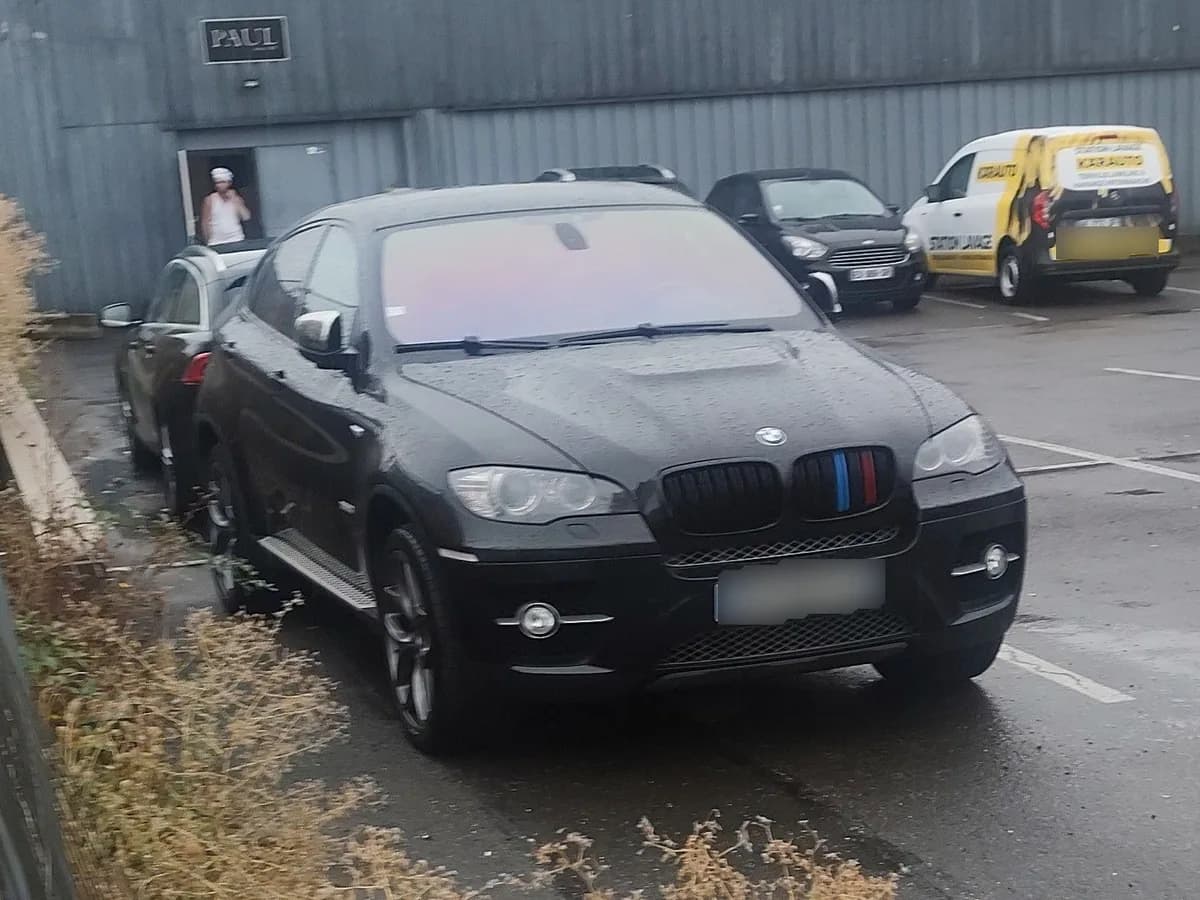
BMW X6 photos
Model summary
Data from the ScanRacer library, organized to compare versions quickly.
Model introduction
Introduced in 2008, the BMW X6 is the model that established the Sports Activity Coupé, or SAC, concept in series production. BMW combined the elevated body and all-wheel-drive capability of an X model with a sloping roofline influenced by its coupés. The first-generation E71 already paired a commanding driving position with a sportier cabin, while selected configurations used four individual seats and retained useful rear cargo access. The X6 then evolved through the F16 generation, introduced in 2014, and the G06 generation, unveiled in 2019. Engines, equipment and model designations differed between markets, but the underlying formula remained consistent: a more expressive and performance-focused alternative to a conventional SUV. From 2008 to 2019, the range also included high-performance X6 M derivatives, powerful diesel variants and a hybrid model.
History
BMW presented the X6 at the Detroit Auto Show in January 2008 after announcing a new vehicle category: the Sports Activity Coupé. The production model was built at BMW Plant Spartanburg in the United States alongside the X5. It combined the attributes of an X model with a coupé-like body and a stronger emphasis on on-road dynamics. BMW’s xDrive all-wheel-drive system was standard, while Dynamic Performance Control could actively vary torque between the rear wheels to support traction and cornering agility. The first generation, identified by the E71 code, also provided the basis for several significant derivatives. The BMW ActiveHybrid X6, introduced in 2009, combined a V8 petrol engine with two electric motors. The X6 M, launched from 2009, gave the concept a much more focused performance character through a twin-turbocharged V8 and BMW M-specific engineering. The F16 generation was unveiled in 2014. It retained the core formula while improving efficiency, interior space, driver-assistance technology and perceived quality. In 2019, BMW revealed the G06, which was longer and wider than its predecessor and adopted more sculpted bodywork, expanded digital technology and a new generation of powertrains. BMW stated that market launch would begin in November 2019.
Generations
The first-generation E71 covers mainly the 2008-2014 period. Its design is identified by a tall rear section, a descending roofline and horizontally oriented rear lamps that emphasize the vehicle’s width. Inside, the center console and, on selected versions, separate rear seats reinforced its sporting identity. Key technologies included xDrive and Dynamic Performance Control. The hybrid derivative used the E72 code. The second-generation F16 appeared in 2014. It preserved the X6’s general proportions but introduced sharper surfacing, a more assertive front end and a more modern cabin. BMW emphasized lower fuel consumption, TwinPower Turbo engines, an eight-speed automatic transmission, comfort equipment and driver-assistance systems. The xDrive50i, xDrive30d and M50d were among the launch versions announced by BMW, depending on market. The third-generation G06 was unveiled in 2019 and began its commercial career later that year. It grew 26 mm in length and 15 mm in width compared with the F16 while becoming lower. Available features included an illuminated kidney grille, wheels up to 22 inches and a more advanced electronic architecture. Exact trim levels and engine combinations remained market-dependent.
Key differences
The clearest difference between generations is the body design. The E71 has a more angular appearance and a heavy-looking rear section, while the F16 refines the volumes and introduces a more contemporary lighting signature. The G06 is identified by a longer-looking profile, sculpted flanks and a much more imposing front end. The technical progression follows a similar pattern. The E71 is the generation associated with the introduction of Dynamic Performance Control and the ActiveHybrid X6. The F16 placed greater emphasis on efficiency, an eight-speed automatic transmission and driver-assistance technology. The G06 added broader connectivity, more digital functions and a more sophisticated range of chassis systems. Engine badges should not be compared without considering market, model year and emissions regulations. An xDrive35i, xDrive40i, xDrive30d or M50d did not necessarily carry the same equipment or specifications in every country. Even within one generation, suspension options, exterior details and infotainment features can vary by trim level.
Photo recognition
To identify an E71, look for sharply defined bodywork, an upward-rising beltline and horizontal rear lamps. Early cars have a simpler interior presentation than later generations. X6 M versions add distinctive bumpers, quad exhaust outlets and more aggressive body details. The F16 retains the familiar silhouette but uses tighter surfacing. Its headlights appear visually connected to the kidney grille, the side panels are more sculpted and the dashboard is more contemporary. An M50d or X6 M badge alone cannot establish the generation; the headlight shape, grille design and roofline should also be checked. The G06 is usually the easiest to recognize because of its large kidney grille, flush door handles and longer proportions. Some examples feature an illuminated grille and wheels ranging from 20 to 22 inches. Since many exterior and interior features were optional, equipment should not be used as the only identifier. The chassis code or vehicle identification number remains the most reliable way to confirm the generation.
Important versions
The X6 range included several notable versions. The E71 introduced the concept with the xDrive35i and xDrive50i in the United States, and later added the X6 M and ActiveHybrid X6. The X6 M was the high-performance derivative developed by BMW M, while the ActiveHybrid X6 represented an early attempt to electrify a large performance-oriented vehicle. For the F16, BMW offered more efficient petrol and diesel models, including the xDrive50i, xDrive30d and M50d depending on market. The M50d stood out through its performance focus and multi-turbocharged inline-six diesel engine. Model names and output figures changed between countries, however. Correct identification should therefore combine the badge with the model year, generation code and original market rather than relying on the badge alone.
The name “X6” follows BMW naming, with its rules and its exceptions. Decode a BMW name
References
- The BMW X6BMW Group PressClub
- The First-Ever BMW X6 Sports Activity CoupeBMW Group PressClub USA
- The new BMW X6BMW Group PressClub
- Unique - and now more exceptional than ever: the new BMW X6BMW Group PressClub
- The new BMW X6. A leader with broad shoulders.BMW Group PressClub
- Nouvelle BMW X6BMW Group PressClub France
- The BMW ActiveHybrid X6BMW Group PressClub
- https://www.press.bmwgroup.com/mexico/article/detail/T0195722ES/llega-a-m%C3%A9xico-la-segunda-generaci%C3%B3n-del-primer-sports-activity-coup%C3%A9-el-bmw-x6?language=espress.bmwgroup.com
Technical specifications
Structured data available for versions linked to this model.
| Version | Power | Torque | Top speed | Drivetrain | Fuel |
|---|---|---|---|---|---|
| Base | 210 KW @ 4400 RPM286 HP @ 4400 RPM282 BHP @ 4400 RPM | 428 lb-ft @ 1750-2250 RPM580 Nm @ 1750-2250 RPM | 147 mph (237 km/h) | All Wheel Drive / 6-speed automatic | Diesel |
Frequently asked questions
- What years was the BMW X6 produced?
- ScanRacer's referenced versions cover 2008 - 2019.
- How many BMW X6 examples are documented on ScanRacer?
- 9 published scans from 9 members, with the latest photo added in September 2026.
- What is the power output of the BMW X6?
- The sourced technical data lists 210 KW @ 4400 RPM286 HP @ 4400 RPM282 BHP @ 4400 RPM.
What about the car you photographed?
Upload a photo to get a suggested make, model and likely year.
No account needed for the result · Publish only if you choose