
Yaris
Introduced in Europe in 1999 after its 1998 debut at the Paris Motor Show, the Toyota Yaris replaced the Starlet in Toyota’s small-car range. Sold as the Vitz in Japan, it stood out from the beginning for its compact footprint, practical cabin, centrally mounted digital instrumentation and efficient use of interior space. The first generation won Car of the Year titles in both Europe and Japan. Over successive updates, the Yaris gained more advanced safety equipment, hybrid powertrains and a newer platform designed to improve handling and refinement. Most versions use a hatchback body, although sedan variants were offered in selected markets. The wider Yaris family also includes market-specific derivatives and the high-performance GR Yaris, whose development was strongly influenced by Toyota’s World Rally Championship programme.
Variants by year
2023
2022
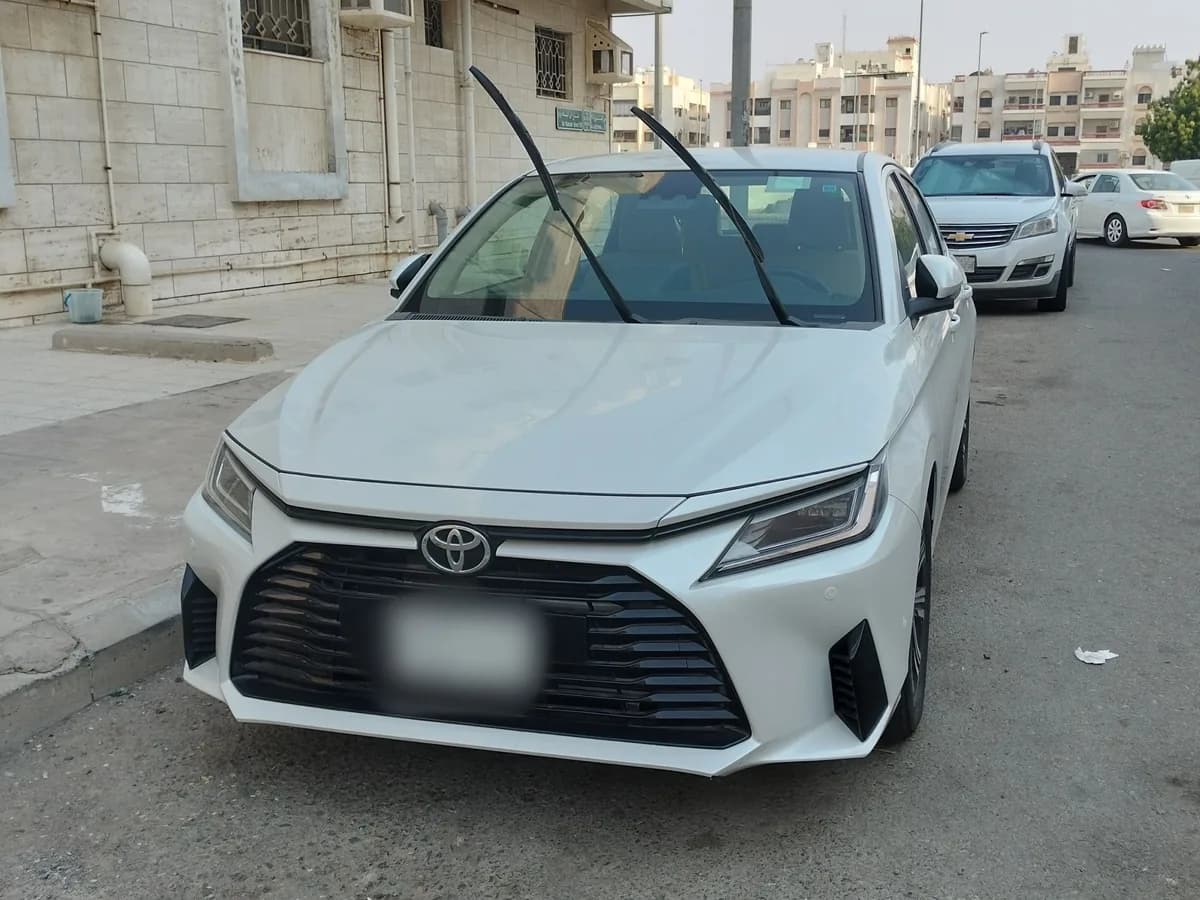
2020

2019
2018
2017
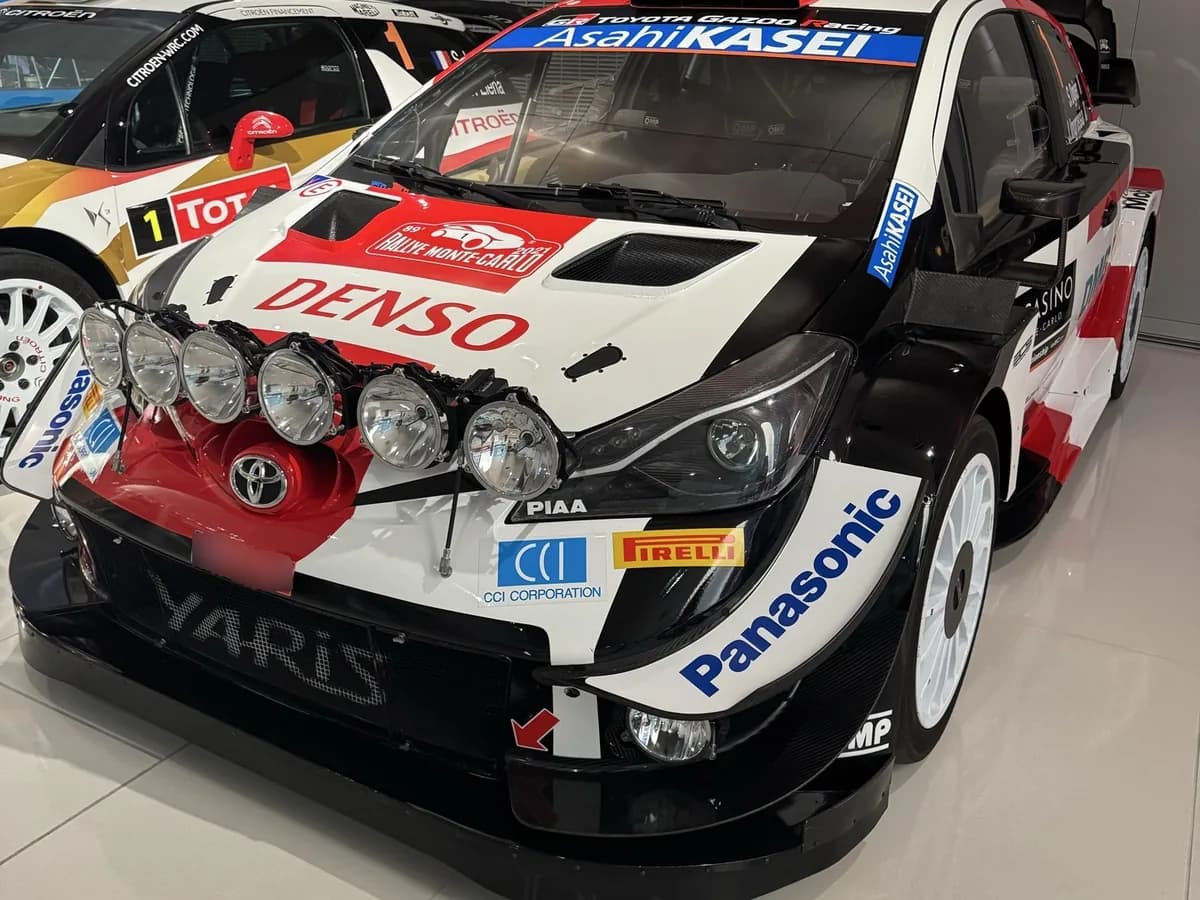
2016
2015
2014
2013
2011
2006
2005

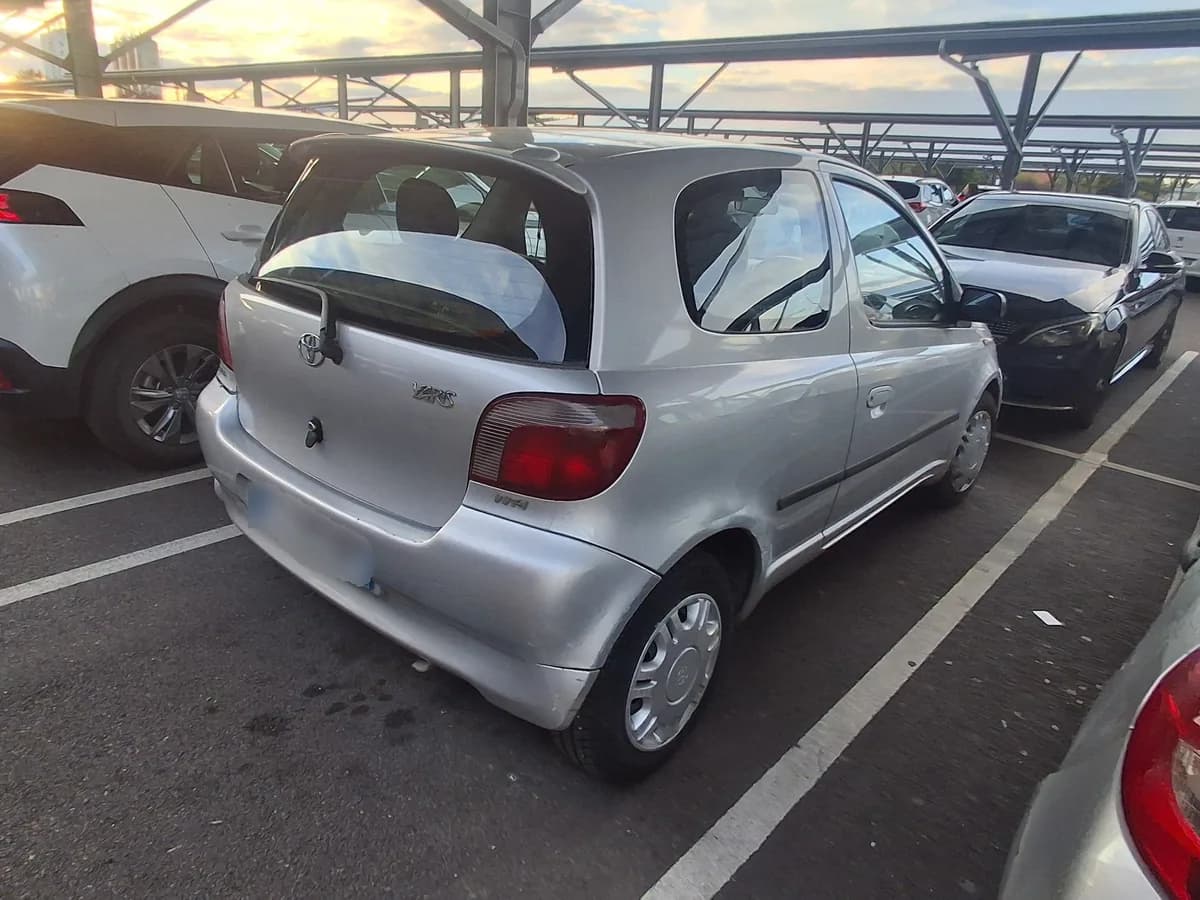
1999
 C
CModel summary
Data from the ScanRacer library, organized to compare versions quickly.
Model introduction
Introduced in Europe in 1999 after its 1998 debut at the Paris Motor Show, the Toyota Yaris replaced the Starlet in Toyota’s small-car range. Sold as the Vitz in Japan, it stood out from the beginning for its compact footprint, practical cabin, centrally mounted digital instrumentation and efficient use of interior space. The first generation won Car of the Year titles in both Europe and Japan. Over successive updates, the Yaris gained more advanced safety equipment, hybrid powertrains and a newer platform designed to improve handling and refinement. Most versions use a hatchback body, although sedan variants were offered in selected markets. The wider Yaris family also includes market-specific derivatives and the high-performance GR Yaris, whose development was strongly influenced by Toyota’s World Rally Championship programme.
History
The first Yaris appeared in Europe in 1999 and was introduced in Japan as the Vitz in January of that year. Toyota positioned it as a modern small car with a relatively tall body, a useful cabin and distinctive interior packaging. European production began in France in 2000. Its commercial reception was reinforced by major awards: the model won European Car of the Year in 2000 and also received Japan’s corresponding award. In several markets, it succeeded the Starlet as Toyota’s compact hatchback offering. The second generation, produced from 2006 to 2011 depending on market, expanded the idea of a small car with unusually flexible interior space. Toyota highlighted its Easy Flat rear-seat system and the availability of a driver’s knee airbag, an uncommon feature in the segment at the time. The third generation arrived in 2011 and brought a major change to the European range with the Yaris Hybrid in 2012. Its full-hybrid system became one of the model’s defining characteristics. The fourth generation was revealed in 2019 and launched in 2020. It introduced Toyota’s GA-B small-car platform, a new three-cylinder hybrid powertrain and the GR Yaris performance derivative. The model years covered through 2023 therefore include conventional Yaris hatchbacks, market-dependent sedan versions and more specialised sporting or regional variants.
Generations
The first generation is generally dated from 1999 to 2006 in Europe. It is identifiable by its short, relatively tall body, forward-set cabin and centrally mounted digital instrument display. Three- and five-door hatchbacks were offered in different markets, with small-displacement petrol engines and later performance-oriented derivatives such as the T Sport. The second generation, broadly covering 2006 to 2011, retained the practical city-car format while gaining a more mature design and a more flexible interior. Toyota emphasised passenger space, the Easy Flat rear-seat system and stronger safety equipment, including the availability of a driver’s knee airbag. The third generation arrived in 2011 and received several updates during its production run. Its sharper exterior design is associated with the introduction of the Yaris Hybrid in Europe in 2012. Exact body styles, engines and model-year dates varied by market, particularly for sedan versions and regional trim names. The fourth generation was revealed in 2019 and launched from 2020. It brought the GA-B platform, a more compact-looking body and a more integrated hybrid range. The GR Yaris belongs to this period, but it is best understood as a dedicated performance model rather than simply a high-grade version of the standard Yaris.
Key differences
The main differences between Yaris versions involve body style, generation, market and powertrain. Hatchbacks are the most consistent form across the model’s history, while sedans were sold in selected countries with naming and equipment that do not always match European specifications. As a result, the same model year can represent different vehicles depending on where it was sold. Generational changes affected exterior design, interior flexibility, safety systems and electrification. The third-generation Yaris Hybrid uses a different technical layout from the fourth-generation hybrid models built around Toyota’s GA-B platform. The GR Yaris is more distinct still: its principal sporting versions use a turbocharged 1.6-litre three-cylinder engine and Toyota’s GR-FOUR all-wheel-drive system. Names such as L X Hatch, Heykers and Cross X-Urban X-Way should be treated cautiously because they may refer to regional derivatives, appearance packages or equipment levels rather than separate generations. Identification is more reliable when body shape, production year and market are considered together.
Photo recognition
Start identification with the body and overall proportions rather than relying only on the badge. The first-generation Yaris has a short, tall profile and a distinctive centrally mounted digital instrument display. The second generation looks more substantial and mature while retaining a compact body and flexible cabin. The third generation is generally recognised by sharper surfacing and a more pronounced front design, although facelift details vary by year and market. Hybrid examples may carry Hybrid badging and use market-specific dashboard, grille or instrument details, but these clues do not always establish the generation on their own. The fourth generation has a tighter visual stance, a broad-looking track and the GA-B platform beneath it. The GR Yaris is easier to distinguish because of its widened bodywork, three-door configuration, lower proportions and dedicated aerodynamic details. Sedan versions and names such as Heykers or Cross X-Urban X-Way require additional caution: body style, market, model year and vehicle identification information should be checked together before assigning a precise variant.
Important versions
The hatchback is the core Yaris body style and spans the longest period among the listed variants. The sedan represents a separate branch of the model family and is especially important when comparing markets, because its availability and specifications were not uniform worldwide. The 2020 GR Hatch deserves separate attention: it corresponds to the GR Yaris, a performance model developed with direct input from Toyota Gazoo Racing and lessons from international rallying. Names such as L X Hatch, Heykers and Cross X-Urban X-Way are harder to generalise. They appear to describe specific regional versions, appearance derivatives or equipment-related names rather than independent generations, so they should be interpreted alongside the stated market and year. Third- and fourth-generation hybrid versions are also significant. They show the Yaris’s technical progression from the European introduction of hybrid power in 2012 to the GA-B-based fourth-generation model launched from 2020.
References
- Vehicle Lineage: Vitz/YarisToyota Motor Corporation
- Yaris – ArchiveToyota UK Media Site
- The Toyota Yaris: 25 years of successToyota UK Media Site
- Toyota Yaris history: our super superminiToyota UK Magazine
- Toyota Yaris in EuropeToyota Motor Europe
- New Toyota Yaris launched in JapanToyota Motor Corporation Global Newsroom
- Toyota Celebrates Launch of New GR Yaris in JapanToyota Motor Corporation Global Newsroom
- Yaris first-generation archive, 1999–2006Toyota UK Media Site
Technical specifications
Structured data available for versions linked to this model.
| Version | Power | Torque | Top speed | Drivetrain | Fuel |
|---|---|---|---|---|---|
| — | 261 DIN hp / 192 kW at 6,500 rpm | — | — | GR-FOUR all-wheel-drive system / 6-speed manual | — |
Frequently asked questions
- What years was the Toyota Yaris produced?
- ScanRacer's referenced versions cover 1999 - 2023.
- How many Toyota Yaris examples are documented on ScanRacer?
- 13 published scans from 13 members, with the latest photo added in September 2026.
- What is the power output of the Toyota Yaris?
- The sourced technical data lists 261 DIN hp / 192 kW at 6,500 rpm.