Toyota Yaris Hatch 2017
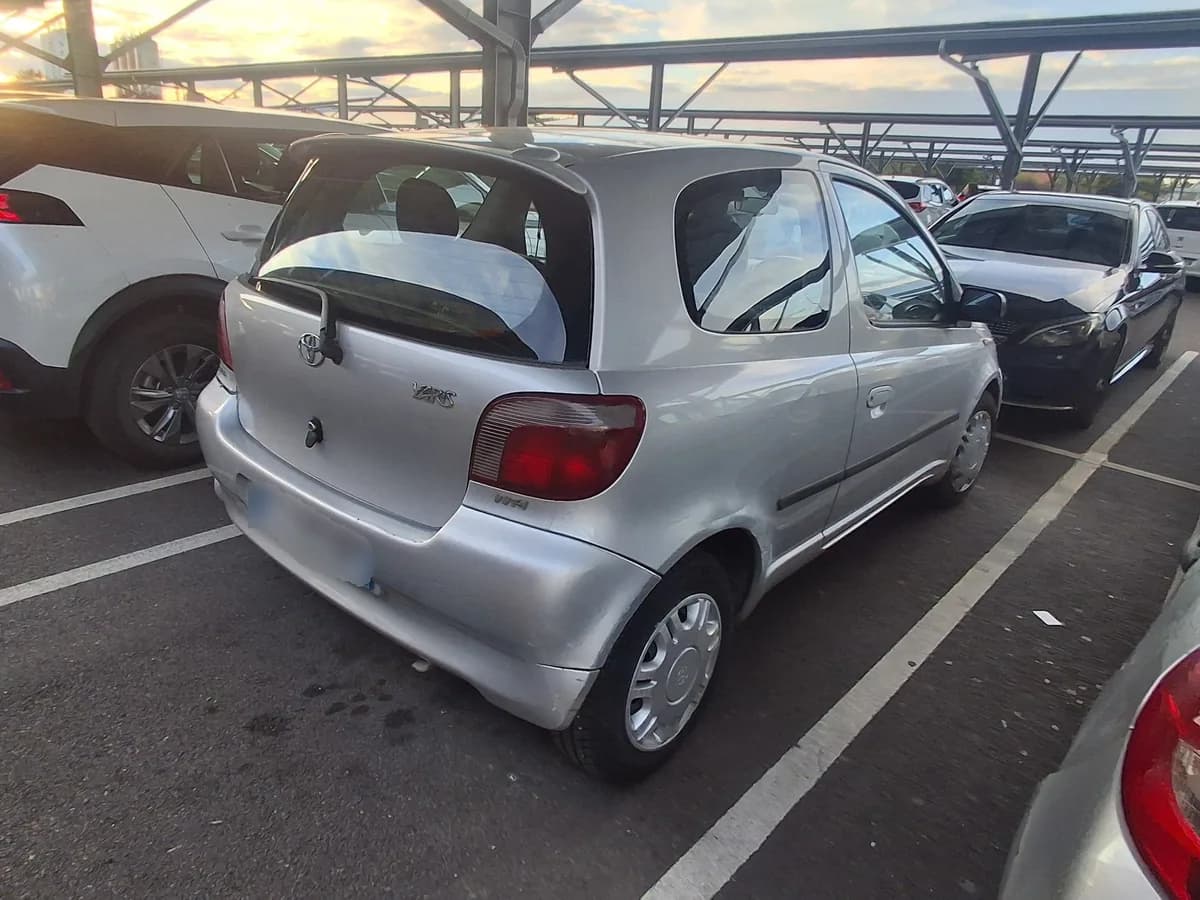
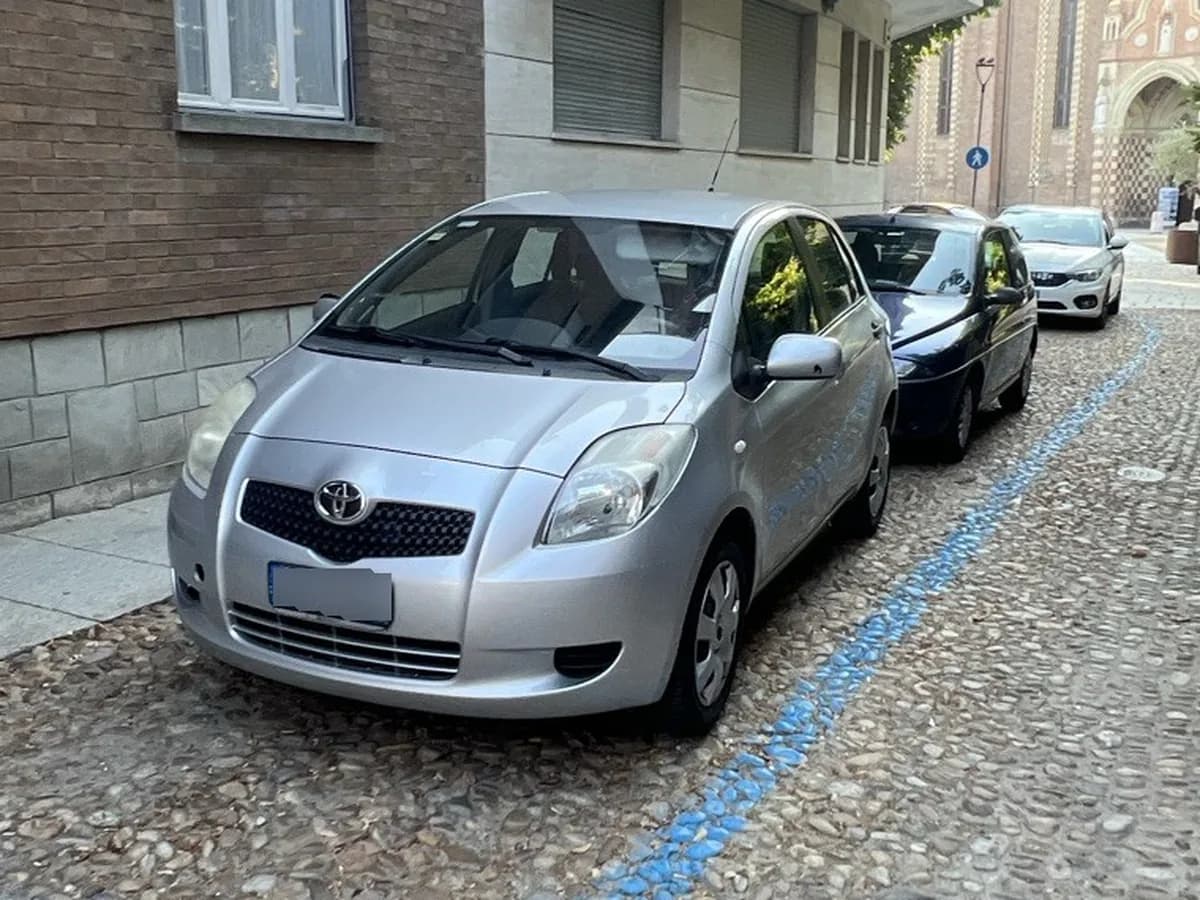
The 2017 Toyota Yaris Hatch is a supermini hatchback from the third-generation Yaris introduced in Europe in 2011. For this model year, Toyota delivered a substantial facelift rather than an entirely new generation. The update brought revised front-end styling, redesigned lighting details and changes at the rear, while the cabin received equipment and trim improvements. Toyota described the programme as a €90 million investment involving more than 900 new parts. European-market cars were offered with petrol and hybrid powertrains, although the exact range varied by country. Toyota Safety Sense became a major part of the model’s standard equipment strategy, and the year also saw the arrival of the separate Yaris GRMN performance derivative.
History
The third-generation Toyota Yaris arrived in Europe in 2011 and was built for the European market at Toyota Motor Manufacturing France in Onnaing, near Valenciennes. The generation developed progressively, including the introduction of a hybrid powertrain in 2012. The 2017 model year represented its second major facelift. Toyota’s European operations led the design and engineering work, seeking to give the supermini a more distinctive appearance and a more modern interior while preserving its role as a practical B-segment hatchback.
Revealed in early 2017 and placed on sale across Europe during the spring, the updated Yaris received revised exterior styling, cabin changes and broader safety equipment. A new 1.5-litre petrol engine was introduced to replace the previous 1.3-litre unit in several European markets. The hybrid version remained available and was revised for quieter operation and improved ride and steering characteristics. This facelift became the final major development of the third-generation European Yaris before the fourth-generation model arrived in 2020.
Latest scans
Photos added by the community for this page.
Anecdotes
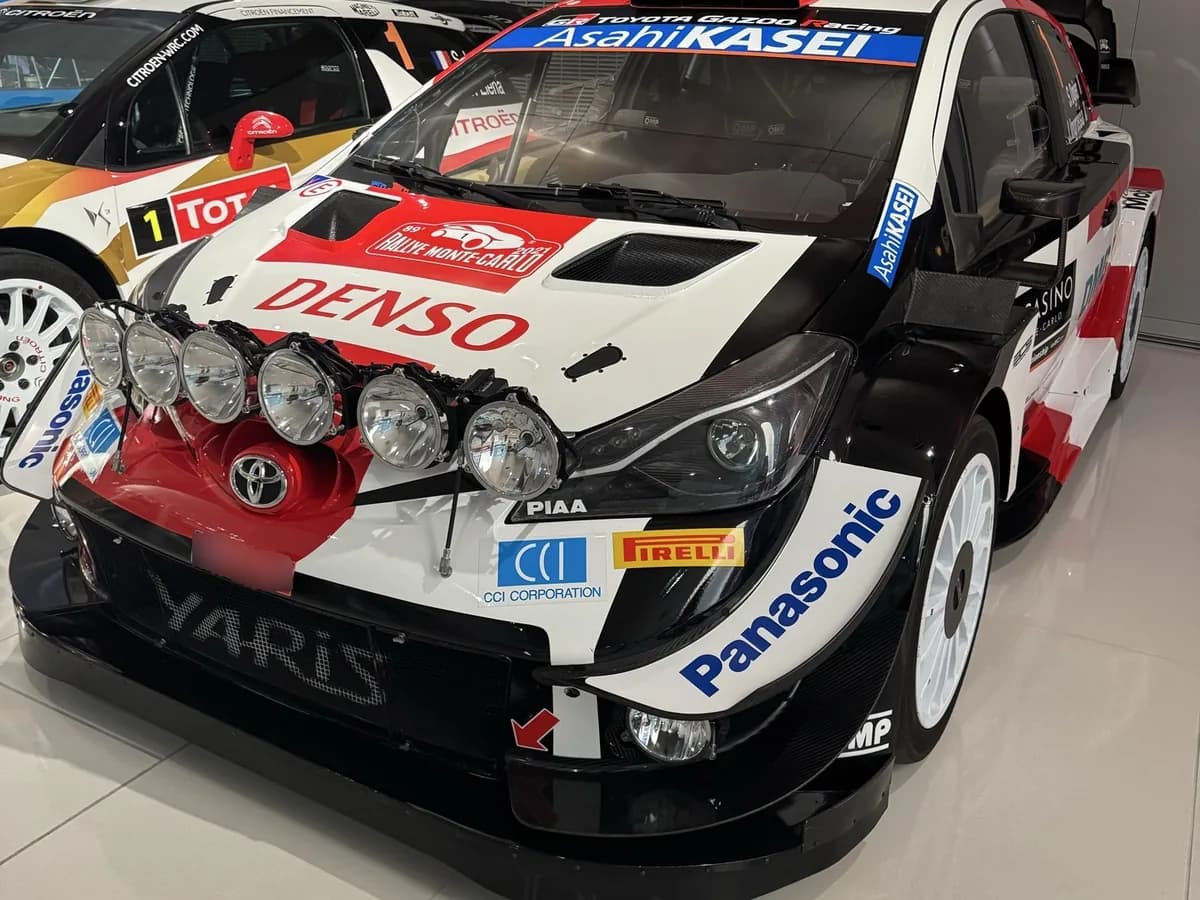
Toyota’s European teams led the 2017 modernisation programme, a role the company presented as significant because the resulting changes were intended to influence Yaris models beyond Europe. The same year marked Toyota’s return to the World Rally Championship with the Yaris WRC. That competition programme influenced the separate Yaris GRMN, whose development combined rally-inspired design cues with chassis testing and tuning carried out near the Nürburgring.
Production
European-market 2017 Toyota Yaris Hatch production was associated with Toyota Motor Manufacturing France in Onnaing, near Valenciennes. The plant had built Yaris models since 2001 and began producing the third generation in 2011. Toyota described the 2017 renewal as a €90 million programme involving more than 900 new parts, making it a substantial engineering and product update rather than a cosmetic adjustment alone.
No single global production total for the 2017 model year is used here because the published figures generally refer to the entire generation, the Valenciennes plant or specific derivatives. The Yaris GRMN was a separate limited performance model, so its production figures should not be combined with standard Yaris Hatch output unless the scope is clearly defined.
Press reception
Reception of the 2017 Yaris was mixed rather than uniformly enthusiastic. Auto Express credited the updated engine with making the car more usable and described the tested six-speed manual gearbox positively. However, the publication considered the Yaris less engaging than several European rivals, noting that its chassis remained tuned more toward comfort than sharp cornering response.
Safety was a stronger point in the model’s presentation. Toyota reported a five-star Euro NCAP result for the 2017 Yaris and made Toyota Safety Sense a standard feature across the European range. The package included a pre-collision system with autonomous braking, automatic high-beam assistance, lane-departure alert and road-sign assistance, subject to the equipment specification described for the market. These features helped give the facelift a clear practical advantage.
Evolution
The 2017 evolution is most visible in the exterior design. Toyota revised the front end with a more pronounced grille treatment and changed the bumpers, lighting elements and body details. The rear also received styling updates intended to give the Yaris a wider and more dynamic appearance. Inside, the changes focused on trim, displays and equipment, with specifications varying according to market and grade.
Toyota also reported revisions beneath the skin, including improvements to refinement, steering feel, ride comfort and general driving behaviour. The European range gained a new 1.5-litre petrol engine, while the Yaris Hybrid received work aimed at making its operation quieter and its ride and steering more polished. The basic third-generation layout remained unchanged: a compact hatchback offered with several grades and powertrain choices depending on the country.
Variants
The European 2017 Toyota Yaris range was not identical in every country. Regular versions included a 1.0-litre petrol model, the new 1.5-litre petrol engine and the Yaris Hybrid. Equipment grades also followed national market structures; in the United Kingdom, Toyota listed Active, Icon, Icon Tech, Design, Bi-tone and Excel versions.
The hatchback body could therefore be combined with different engines, transmissions and equipment levels depending on the local catalogue. The Bi-tone grade added contrasting exterior colours, while the hybrid model focused on low-emission urban use and smoother operation. Separate from the mainstream range, the Yaris GRMN introduced a much stronger performance focus, using a supercharged 1.8-litre engine and dedicated chassis hardware. It should be treated as a distinct high-performance derivative rather than as a representative specification for every 2017 Yaris Hatch.
References
- New 2017 Toyota YarisToyota Europe Newsroom
Soutient le programme de 90 millions d’euros, les plus de 900 nouvelles pièces, le restylage, la gamme européenne, Toyota Safety Sense et la production en France.
- Nouvelle Toyota Yaris 2017Toyota Europe Newsroom
Soutient l’évolution de la troisième génération, le rôle des équipes européennes et les changements de style, d’équipement et de motorisation.
- Toyota Announces New Yaris Specifications and PricesToyota UK Media Site
Soutient les niveaux de finition britanniques, la présence des moteurs 1,0 litre, 1,5 litre et hybride, ainsi que la commercialisation en 2017.
- 2017 Toyota Yaris achieves 5-star Euro NCAP safety ratingToyota Europe Newsroom
Soutient la note de sécurité Euro NCAP et la dotation Toyota Safety Sense.
- New Toyota Yaris 2017 reviewAuto Express
Soutient l’évaluation de la conduite, du moteur, de la boîte manuelle et la comparaison avec les concurrentes.
- Notre histoireToyota France
Soutient l’historique de production de la Yaris à Onnaing, la troisième génération lancée en 2011 et l’introduction de l’hybride en 2012.
- Toyota Yaris GRMNToyota Europe Newsroom
Soutient la distinction entre la Yaris de série et le dérivé GRMN, ainsi que son moteur 1,8 litre suralimenté et son orientation sportive.
- https://pressroom.toyota.com/presskit/toyota-yaris-2017/pressroom.toyota.com
Source found by OpenAI web search for this vehicle page.