
Laguna
Introduced in January 1994 as the replacement for the Renault 21, the Laguna established Renault in the family-car class with a five-door hatchback rather than a conventional saloon. The range soon expanded with an estate body, a wider choice of trim levels, and petrol and diesel engines. The second generation, launched in 2001, became the first car to receive a five-star Euro NCAP rating, a landmark result in automotive safety history. Renault renewed the formula again in 2007 with the Laguna III hatchback and Sport Tourer estate, followed by a separate Coupé from 2008. The body styles represented here therefore span the main Laguna forms seen between 1994 and 2008, from the original liftback to the later estate and coupé. (rac.co.uk)
Variants by year
2008
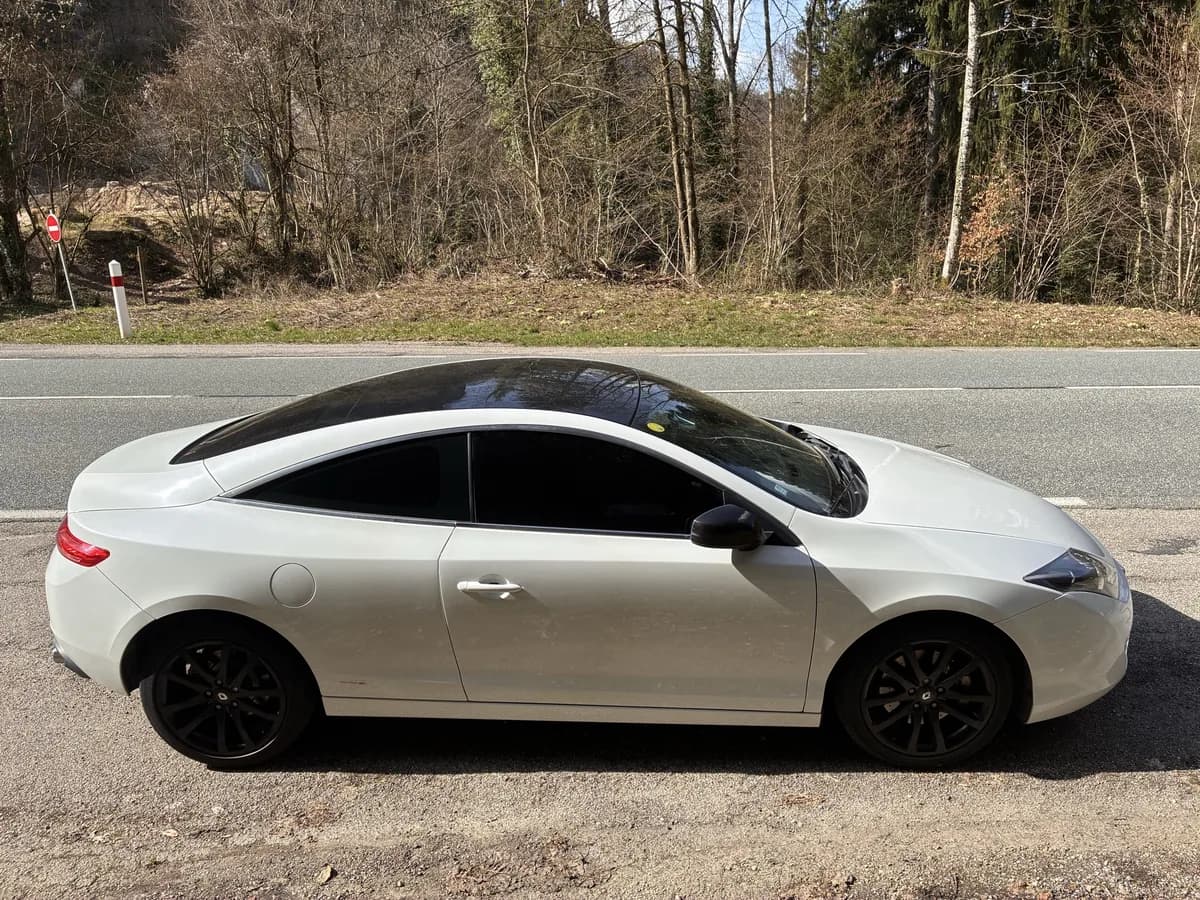
2007
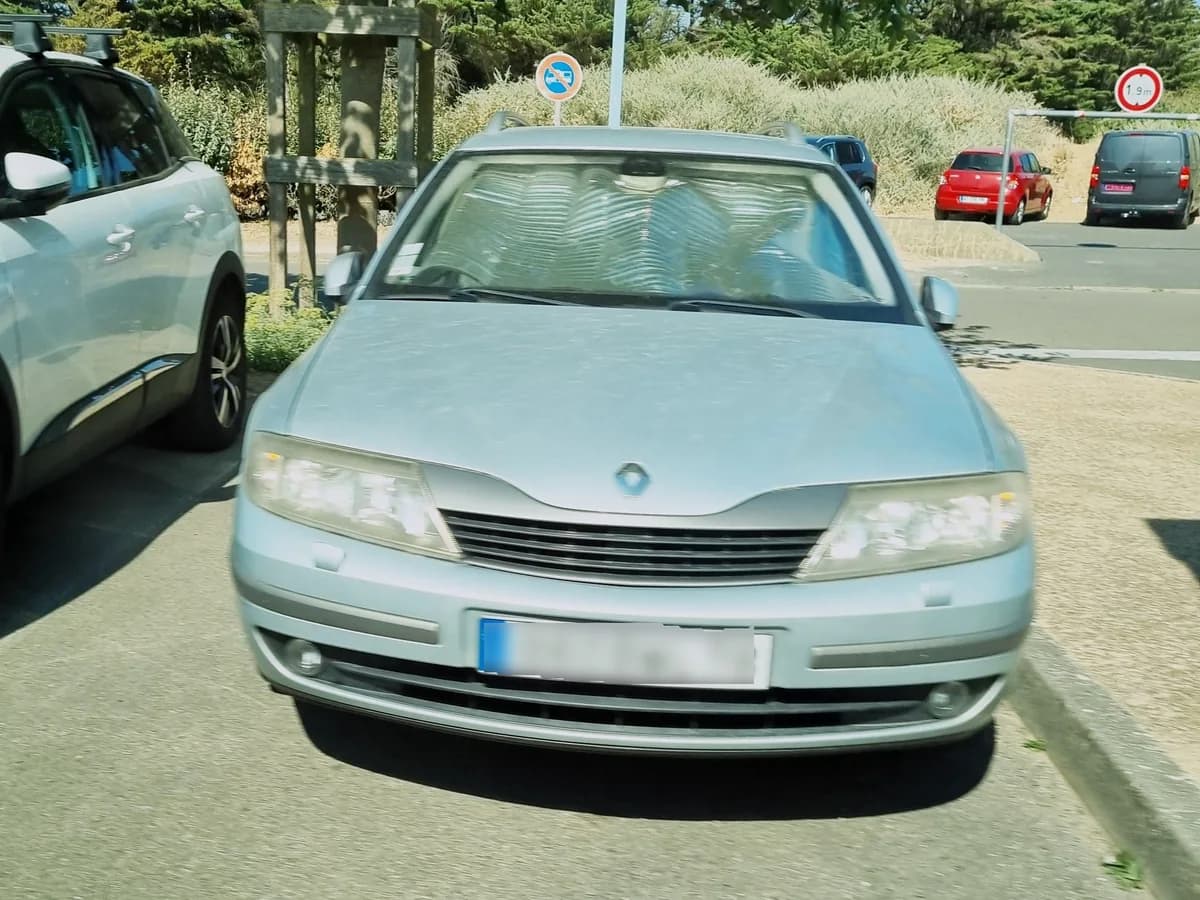
2005
2001
 C
C1994
Model summary
Data from the ScanRacer library, organized to compare versions quickly.
Model introduction
Introduced in January 1994 as the replacement for the Renault 21, the Laguna established Renault in the family-car class with a five-door hatchback rather than a conventional saloon. The range soon expanded with an estate body, a wider choice of trim levels, and petrol and diesel engines. The second generation, launched in 2001, became the first car to receive a five-star Euro NCAP rating, a landmark result in automotive safety history. Renault renewed the formula again in 2007 with the Laguna III hatchback and Sport Tourer estate, followed by a separate Coupé from 2008. The body styles represented here therefore span the main Laguna forms seen between 1994 and 2008, from the original liftback to the later estate and coupé. (rac.co.uk)
History
The first Laguna was presented at the end of 1993 and went on sale in 1994 as the successor to the Renault 21. Renault moved away from a conventional three-box saloon and chose a five-door hatchback, giving the car a more contemporary profile and useful access to the luggage area. Early versions included four-cylinder petrol engines, a V6, and 2.2-litre diesel units. The Grandtour estate joined the range in 1995, while turbocharged diesels and multi-valve engines gradually broadened the line-up. A significant update arrived for 1998, bringing revised styling, new 1.6 16V and 1.8 16V petrol engines, and the 1.9 dTi direct-injection diesel. The first generation continued until the Laguna II arrived in 2001. (classics.honestjohn.co.uk) The Laguna II introduced bolder styling together with Renault's hands-free card, tyre-pressure monitoring and a strong package of safety equipment. Its defining achievement was a five-star Euro NCAP result in 2001, although early cars were also linked with electronic and reliability problems reported by Renault and specialist publications. (renaultgroup.com) The Laguna III appeared in 2007 with Renault placing renewed emphasis on quality. It retained the hatchback and estate formats, then added a Coupé in 2008, with four-wheel steering available on selected versions through the 4Control chassis system. (rac.co.uk)
Generations
Laguna I covers roughly 1994 to 2001. It is identified first by its five-door hatchback body and rounded styling, followed by the 1998 update that introduced several 16-valve engines and revised lighting. The estate, often called Grandtour, joined the main body style from 1995. Trim names and engine combinations varied between countries, so the commercial badges are less consistent than the basic body shapes. (rac.co.uk) Laguna II spans approximately 2001 to 2007. It brought sharper styling, a more electronic interior and Renault's hands-free starting card. It was offered as a hatchback and estate, with the latter commonly known as Sport Tourer or Grandtour depending on the market. This is also the generation associated with the first five-star Euro NCAP result awarded to a car, achieved in 2001. (renaultgroup.com) Laguna III began in 2007. It retained the hatchback and estate formats but used a more restrained design than its predecessor. The Coupé, introduced in 2008, had a separate two-door body and a more grand-touring character. Specialist sources also identify 4Control four-wheel steering on selected versions, although availability depended on engine and trim specification. (rac.co.uk)
Key differences
The clearest distinction is body style. The liftback or five-door hatchback is the Laguna's traditional family-car form. Estate and Sport Tourer refer to wagon versions, normally with a longer rear section and greater luggage capacity. The 2008 Coupé is set apart by its two doors, lower roofline and more individual presentation; it is not simply a shortened hatchback. Names such as Estate, Grandtour and Sport Tourer changed according to market and period, while trims including RT, Initiale, Dynamique and GT did not always represent identical equipment levels everywhere. Accurate identification therefore requires checking the body style together with generation, model year and the badges fitted to the car. (rac.co.uk)
Photo recognition
A Laguna I can be identified by its rounded hatchback profile, tall rear lamp clusters and dashboard design typical of Renaults from the 1990s. Cars updated around 1998 received clearer-looking headlamps and revised exterior details. Laguna II has sharper styling, a more technical centre console and, on many examples, the hands-free card that replaced a conventional key. Its exterior design and equipment make it visibly different from the first generation. (autobild.de) Laguna III uses a cleaner front end, tighter surfacing and a more modern cabin. The estate is identified by its extended roof and upright tailgate, while the 2008 Coupé has a lower roofline, two doors and a unique rear design. GT or 4Control badges may indicate a sportier specification, but they do not by themselves confirm the complete mechanical specification. A manufacturer plate, VIN or registration document is still the safest way to verify the exact year and variant.
Important versions
The first-generation V6 was a range-topping Laguna, while the Baccara and later Initiale trims focused on comfort and presentation. The 2.0 16V and RTi versions added a more dynamic character without turning the Laguna into a dedicated sports car. On the Laguna II, the hands-free card and strong safety specification are the most memorable features. The Laguna III GT is notable for its 4Control chassis and more powerful engines. Finally, the 2008 Coupé is the most distinctive member of the family, using a dedicated body and a grand-touring brief. Exact engines, trim names and equipment levels varied by market, so any individual car should be checked against its original specification. (classics.honestjohn.co.uk)
The name “Laguna” follows Renault naming, with its rules and its exceptions. Decode a Renault name
References
- Renault Laguna model archiveRenault UK Newsroom
- Renault Laguna (1994–2001) reviewHonest John Classics
- Renault Laguna (1994–2001) used car reviewRAC Drive
- Renault Laguna II 1.8 16v crash-test reportEuro NCAP
- Renault Laguna III used car reviewRAC Drive
- Renault Laguna Coupé: le pur plaisir automobile révéléRenault Suisse Media
- https://www.autobild.de/artikel/renault-laguna-i-1994-2001--42267.htmlautobild.de
Frequently asked questions
- What years was the Renault Laguna produced?
- ScanRacer's referenced versions cover 1994 - 2008.
- How many Renault Laguna examples are documented on ScanRacer?
- 4 published scans from 4 members, with the latest photo added in August 2026.