
Kangoo
Launched in 1997, the Renault Kangoo helped establish the leisure-van, or ludospace, segment by combining a commercial-vehicle body concept with a practical family interior. From the beginning, Renault offered both a professional Kangoo Express and a five-seat passenger version. Its design prioritised usable space, easy access, and flexibility, with a sliding side door becoming one of its most recognisable features. Built at Maubeuge in northern France, the Kangoo grew into a larger and more car-like second generation in 2008, followed by a third generation introduced in 2021. The range also produced several distinctive derivatives, including the short-wheelbase Be Bop, the seven-seat Grand Kangoo, and the battery-electric Kangoo Z.E. Together, these versions show how Renault developed one basic idea for family transport, commercial work, and urban electrification. (renaultgroup.com)
Variants by year
2021
2018
2013
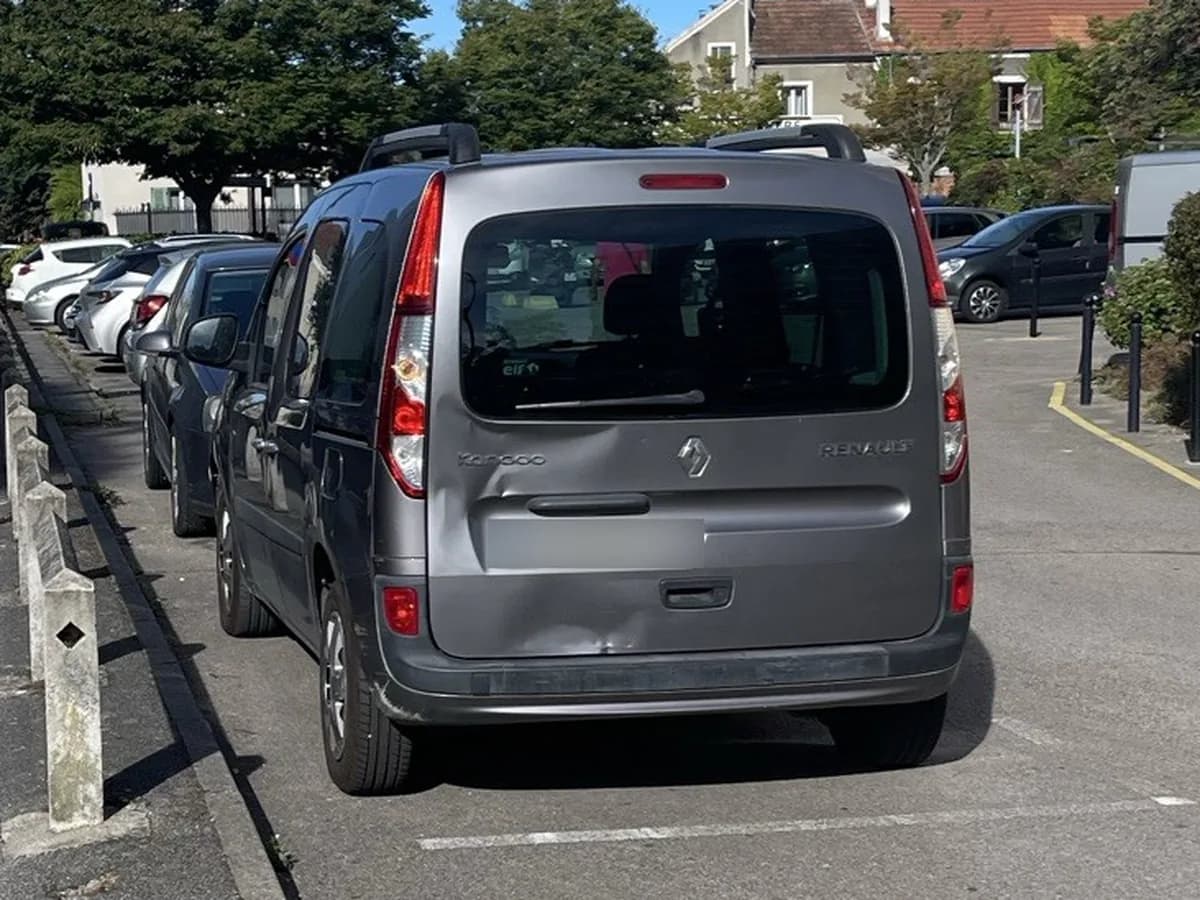
2012
2011
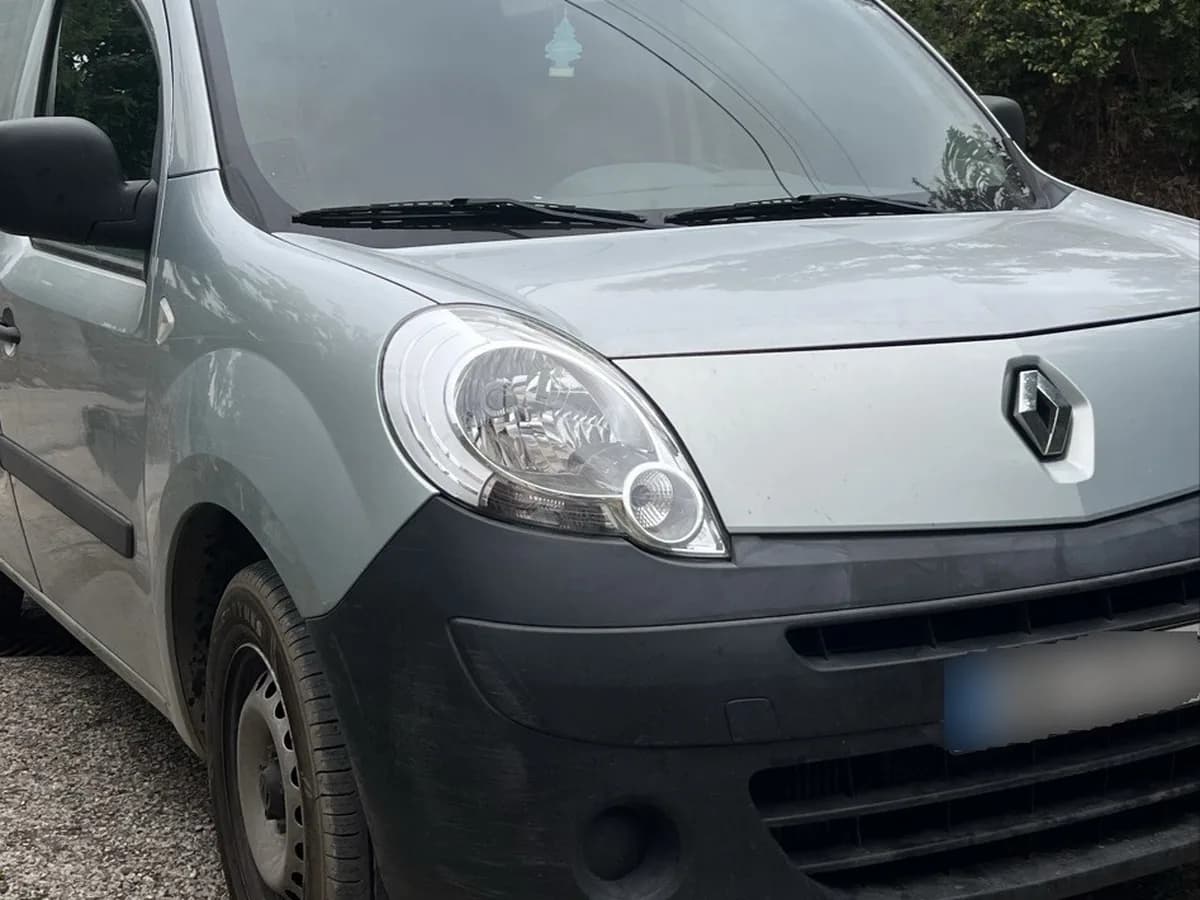
2008
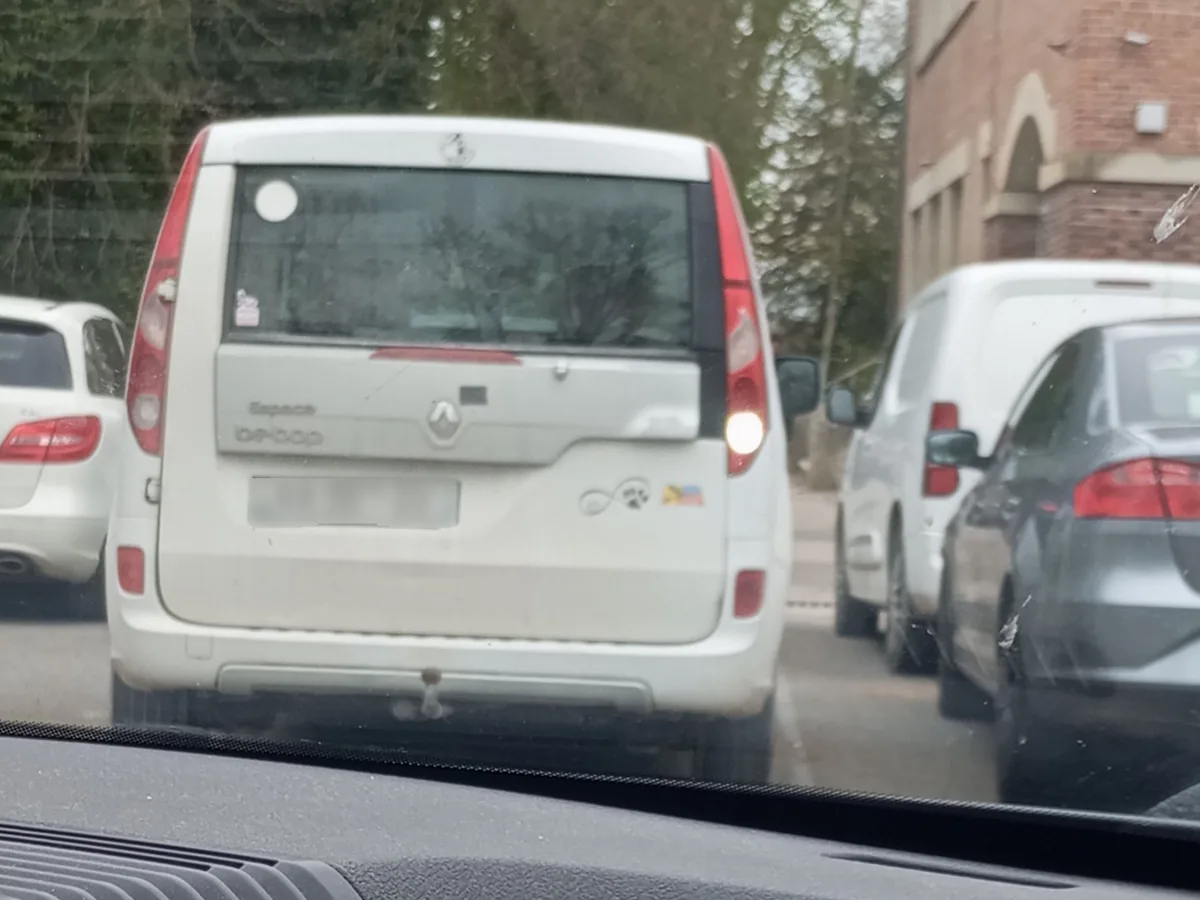
2007
2003
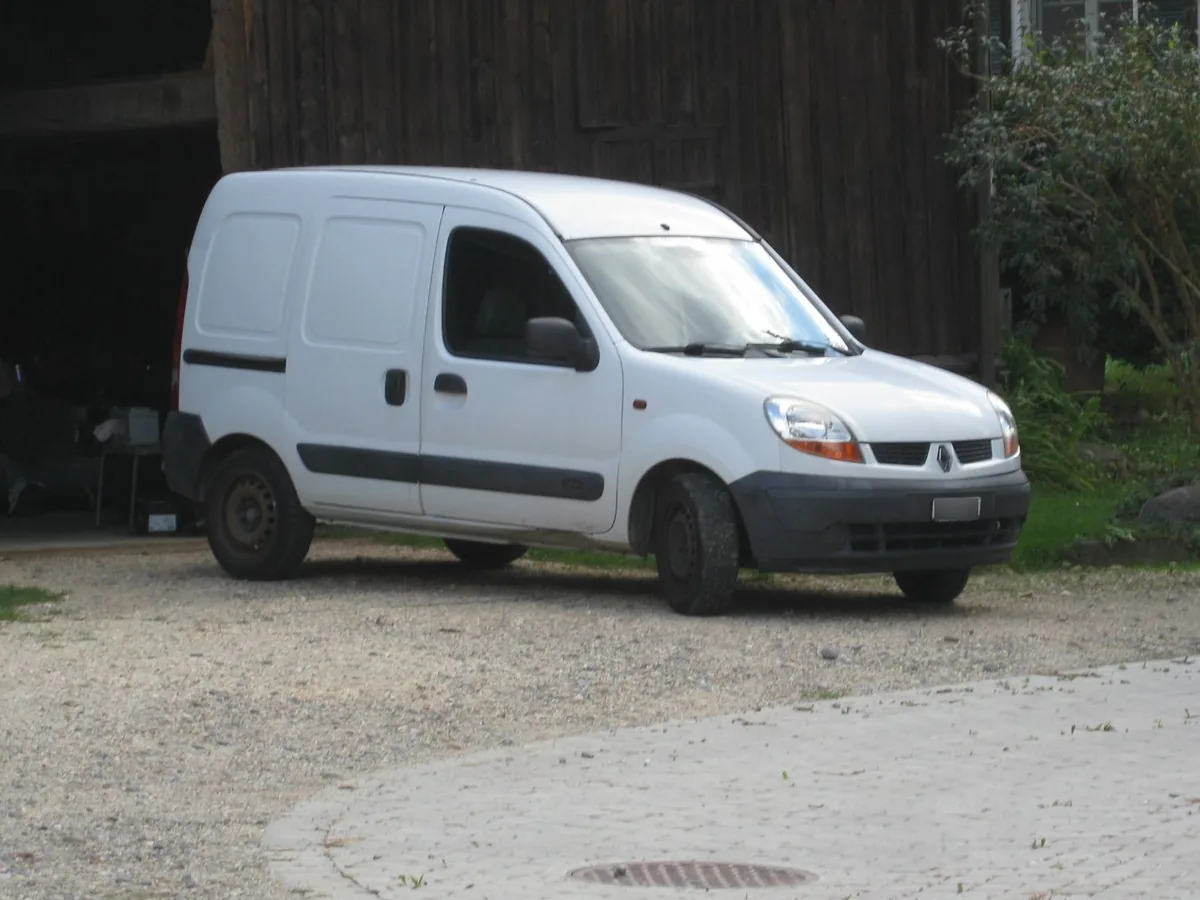
1997
Model summary
Data from the ScanRacer library, organized to compare versions quickly.
Model introduction
Launched in 1997, the Renault Kangoo helped establish the leisure-van, or ludospace, segment by combining a commercial-vehicle body concept with a practical family interior. From the beginning, Renault offered both a professional Kangoo Express and a five-seat passenger version. Its design prioritised usable space, easy access, and flexibility, with a sliding side door becoming one of its most recognisable features. Built at Maubeuge in northern France, the Kangoo grew into a larger and more car-like second generation in 2008, followed by a third generation introduced in 2021. The range also produced several distinctive derivatives, including the short-wheelbase Be Bop, the seven-seat Grand Kangoo, and the battery-electric Kangoo Z.E. Together, these versions show how Renault developed one basic idea for family transport, commercial work, and urban electrification. (renaultgroup.com)
History
The Kangoo appeared in 1997 as the successor to the Express and adopted a body layout that removed the traditional visual separation between a commercial vehicle’s cab and its load area. Its continuous roofline made the van feel more like a family vehicle while preserving useful carrying capacity. Renault offered both a professional version and a five-seat passenger model, establishing the Kangoo’s dual identity from the outset. A second sliding side door became standard in November 1999, followed by a four-wheel-drive version in September 2001. The economical 1.5 dCi diesel engines arrived later that year. (renaultgroup.com) The second generation launched in 2008 on a larger platform derived from the Renault Scénic. It grew by 15 centimetres in length, gained a more carefully finished cabin, and retained extensive modularity. The shorter and more unusual Be Bop followed as a four-seat leisure derivative, while the Grand Kangoo introduced in 2012 added a longer body and seven seats. In 2011, the Kangoo Z.E. became one of Renault’s first series-produced electric commercial vehicles. A major 2013 facelift brought a revised front end and updated connectivity equipment. The third generation arrived in 2021 with more passenger room, additional driver-assistance technology, and a more refined positioning than earlier models. (presse.renault.de)
Generations
The first generation, produced from 1997, is identified by its simple rounded forms, tall roofline, and strongly functional approach. It established Renault’s ludospace formula: one vehicle able to handle deliveries during the week and family transport at the weekend. Passenger and commercial versions shared the same basic structure, but differed in seating layouts, rear-door arrangements, and loading equipment. Four-wheel drive and professional conversions broadened the model’s practical appeal. (renaultgroup.com) The second generation arrived in 2008 on a larger platform and adopted a more car-like interior. It added storage compartments, a flat floor, and further modular features, while retaining sliding side doors. The Be Bop belonged to this family but used a shorter body, distinctive glazing, and a more leisure-oriented character. The Grand Kangoo was the long-wheelbase interpretation, with three rows and seven seats. The 2013 facelift is identifiable by its black grille, larger Renault diamond badge, and redesigned headlamps. (renaultgroup.com) The third generation, introduced in 2021, brought a substantial update in styling, cabin finish, and equipment. It retained the flat loading floor, accessible storage, and flexible interior, but moved the model closer to passenger-car standards and added a wider range of driver-assistance systems. Renault also continued to develop both passenger and commercial derivatives, preserving the Kangoo’s original dual-purpose identity. (media.renault.com)
Key differences
The main differences between Kangoo models concern body style and intended use. Early examples have a very upright shape and an openly utilitarian presentation, while the 2008 generation adds length, comfort, and storage. The 2013 facelift is most easily recognised by its revised front end. The Be Bop is shorter and generally configured as a four-seat leisure vehicle, with a retractable rear window and a large glazed roof feature. The Grand Kangoo has a longer wheelbase and seven seats. Kangoo Z.E. replaces the combustion engine with an electric drivetrain and uses its own exterior and interior identifiers. The 2021 generation brings sharper styling, a more contemporary dashboard, and a broader suite of safety equipment. Exact equipment, engines, seating layouts, and trim details can vary by market, model year, and whether the vehicle is a passenger or commercial derivative. (renaultgroup.com)
Photo recognition
To identify a first-generation Kangoo, look for its tall body, simple side panels, and compact front end. The presence of one or two sliding side doors can help place the vehicle in the timeline, as the second sliding door became standard from 1999. Four-wheel-drive versions may have their own ride-height and exterior details. (renaultgroup.com) The second generation has larger proportions and a cabin that feels more like a passenger car. The Be Bop is the easiest derivative to recognise: its shorter body, compact stance, unusual glazing, and four-seat leisure layout set it apart from the standard Kangoo. The Grand Kangoo has a visibly longer body and can accommodate three rows of seats. On 2013 facelift models, check for the enlarged Renault diamond in the centre of a dark grille and the revised headlamps. Kangoo Z.E. versions may be identified by electric badging and the absence of an exhaust outlet, although exterior details vary by trim and market. The 2021 generation appears more substantial and polished, with a newer lighting signature and a more contemporary dashboard. (presse.renault.de)
Important versions
The Base version is the range reference and covers the broad 1997-2021 period represented in the supplied model data. Kangoo Z.E. has particular historical importance: introduced from 2011, it applied electric propulsion to Renault’s compact-van concept and became a significant part of the brand’s early zero-emission programme. The Be Bop, associated here with 2008, is the family’s most unusual derivative, using a shorter body and a leisure-oriented layout. The Grand Kangoo, represented for 2012-2013, focuses on passenger and load capacity through its extended body and seven-seat configuration. These names therefore do not simply identify trim levels. They indicate meaningfully different body styles, layouts, or intended uses within the wider Kangoo family. (renaultgroup.com)
The name “Kangoo” follows Renault naming, with its rules and its exceptions. Decode a Renault name
References
- Saga Renault Kangoo: LCV and ludospace, the best of both worldsRenault Group
- The All-New Renault Kangoo: The Elegant and Spacious CombispaceRenault Global Media
- Renault unveils Grand Kangoo at IAA Mobility in MunichRenault Global Media
- 20 Jahre Renault KangooRenault Deutschland Presse-Service
- Kangoo Be Bop Owner’s ManualRenault
- https://be.media.renaultgroup.com/renault-revele-grand-kangoo-a-liaa-mobility-de-munich/be.media.renaultgroup.com
- https://media.renault.com/renault-kangoo-a-japanese-passion/?lang=engmedia.renault.com
- https://www.renaultgroup.com/en/magazine/our-group-news/4-million-kangoo-vehicles-made-in-maubeuge-a-testament-to-its-success/renaultgroup.com
Technical specifications
Structured data available for versions linked to this model.
| Version | Power | Torque | Top speed | Drivetrain | Fuel |
|---|---|---|---|---|---|
| Base | 63 KW @ 3750 RPM86 HP @ 3750 RPM84 BHP @ 3750 RPM | 148 lb-ft @ 1900 RPM200 Nm @ 1900 RPM | 98.1 mph (158 km/h) | Front Wheel Drive / 5-Speed manual | Diesel |
Frequently asked questions
- What years was the Renault Kangoo produced?
- ScanRacer's referenced versions cover 1997 - 2021.
- How many Renault Kangoo examples are documented on ScanRacer?
- 5 published scans from 5 members, with the latest photo added in September 2026.
- What is the power output of the Renault Kangoo?
- The sourced technical data lists 63 KW @ 3750 RPM86 HP @ 3750 RPM84 BHP @ 3750 RPM.