
Pontiac
Created by General Motors in 1926 as a companion make to Oakland, Pontiac quickly developed into a major GM division in its own right. Its history covers several parts of the American market: full-size cars and convertibles such as the Bonneville and Catalina, personal-luxury coupes including the Grand Prix, and performance-oriented models that shaped Pontiac’s identity. The Firebird, introduced for the 1967 model year, extended that performance direction alongside Trans Am versions, while the Grand Am and 6000 offered more accessible and practical alternatives. The ScanRacer library covers Pontiac vehicles from 1934 through 2008, spanning distinct design and engineering eras. Taken together, these models show how Pontiac moved from traditional American full-size cars toward smaller, sportier, and more contemporary products during the final decades of the brand.
Models from A to Z
1000
6000
Aztek
Bonneville
Bonneville convertible
Catalina
Catalina convertible
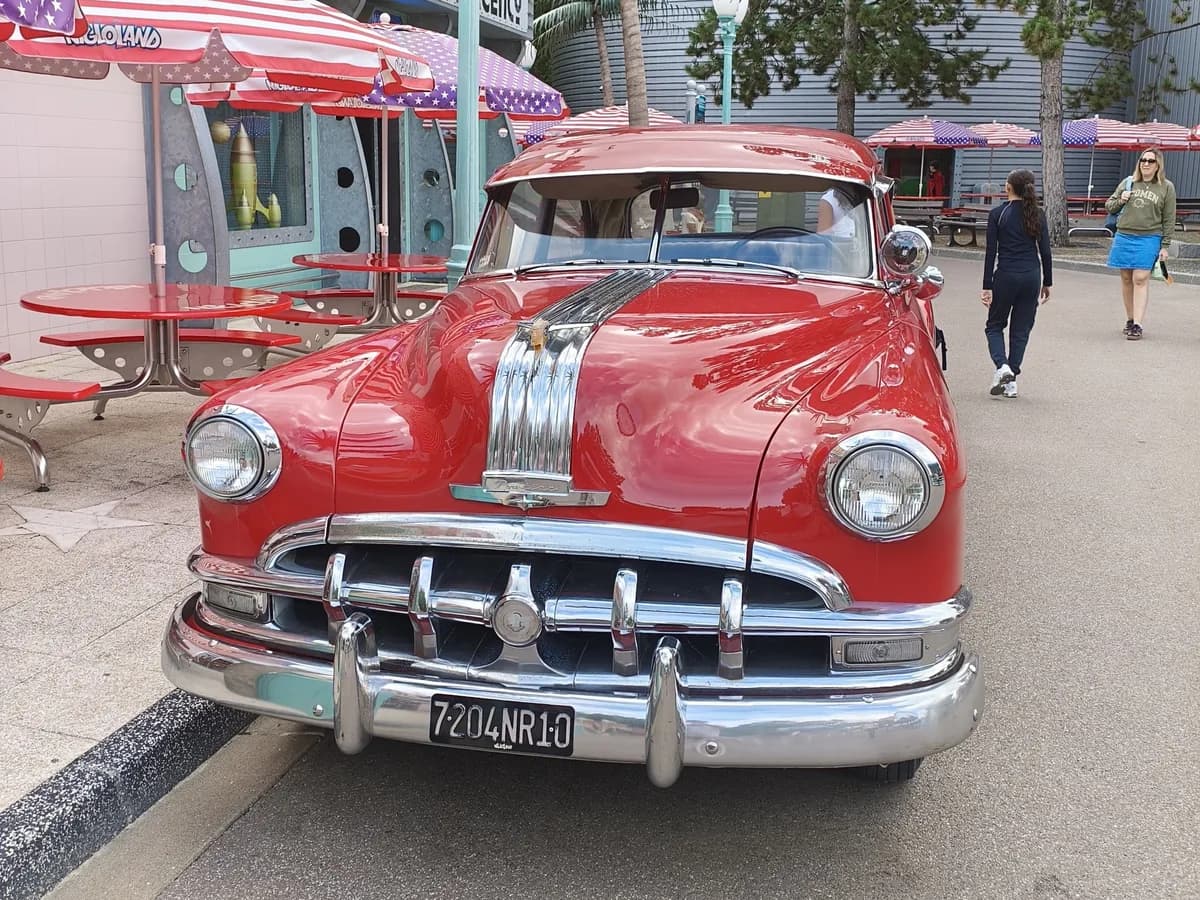
Chieftain
DeLuxe
Executive
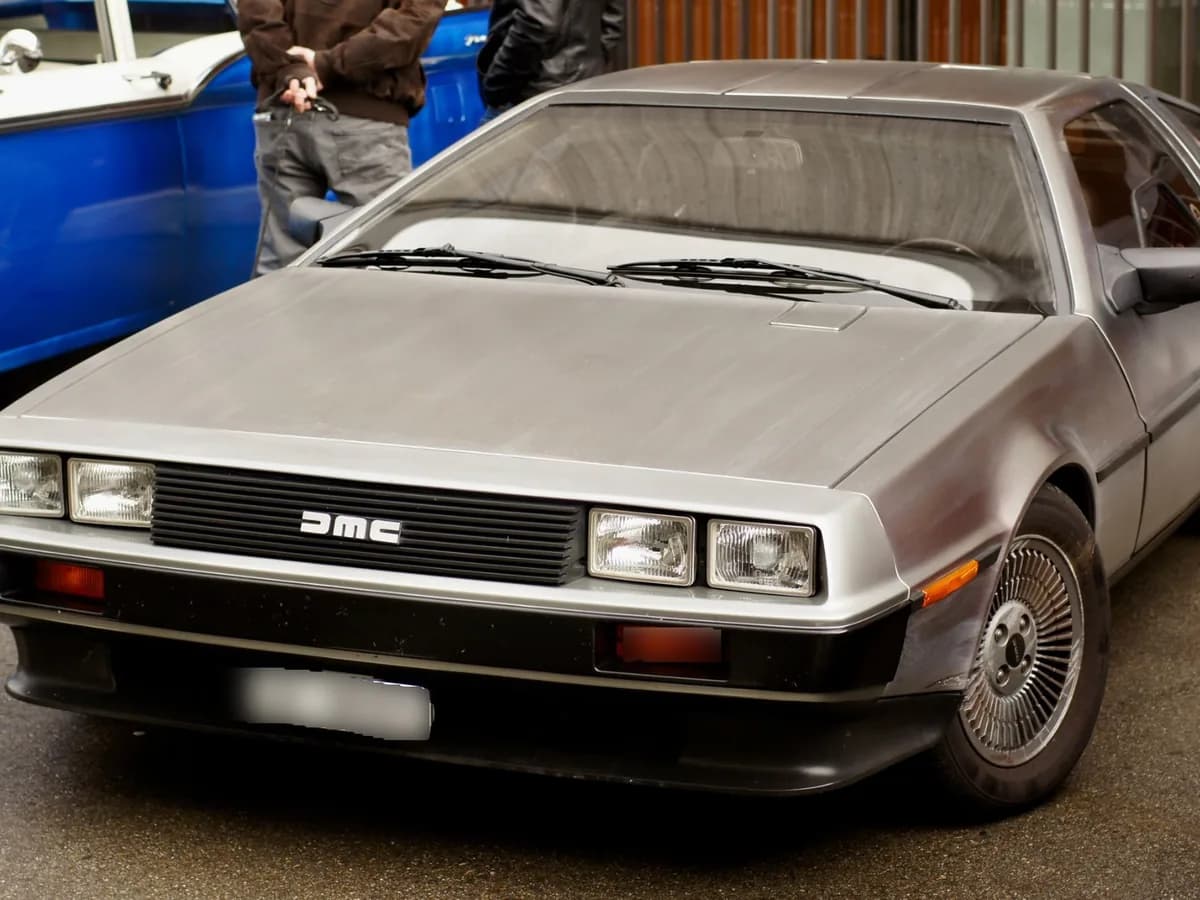
Fiero
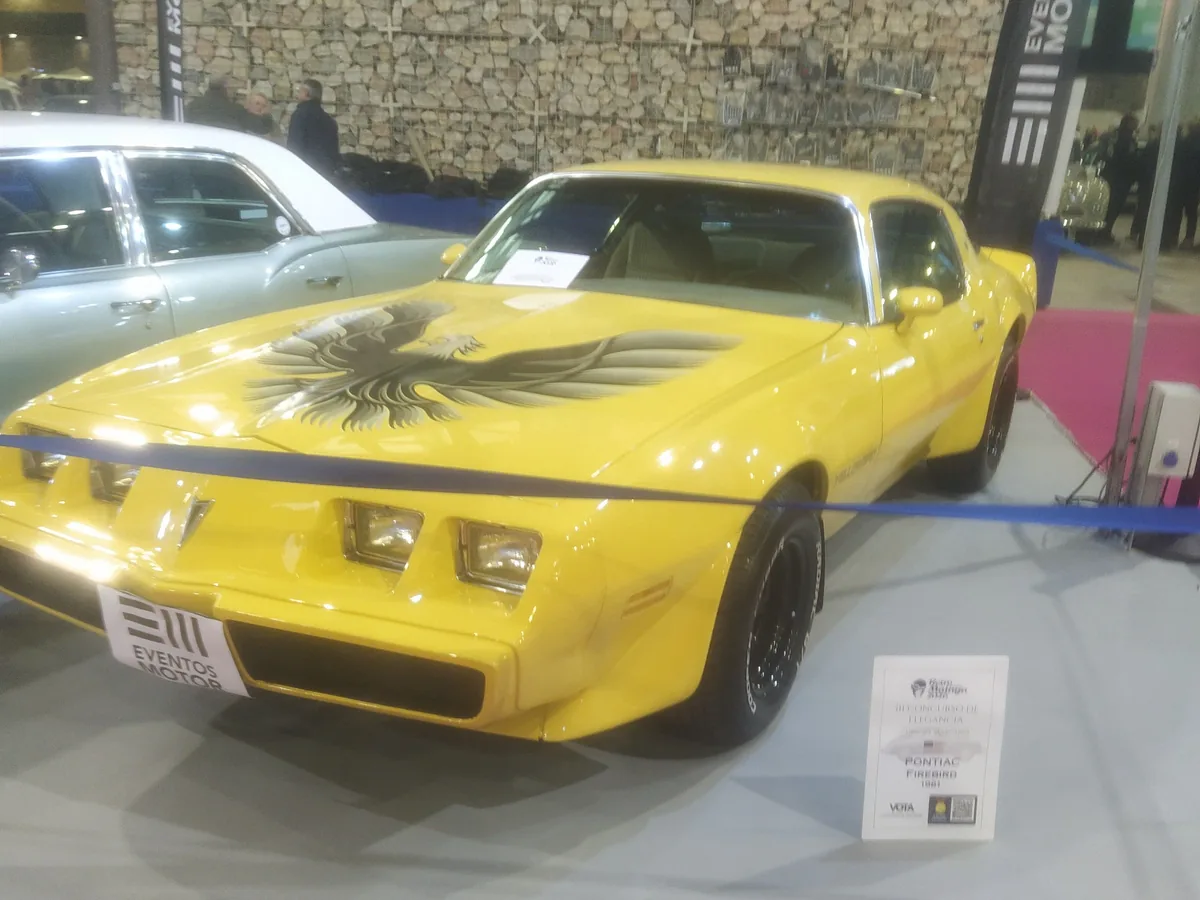
Firebird
G3 Wave
G5
G6
G8
Grand Am
Grand Prix
Grand Ville

GTO

LeMans
Matiz
Montana
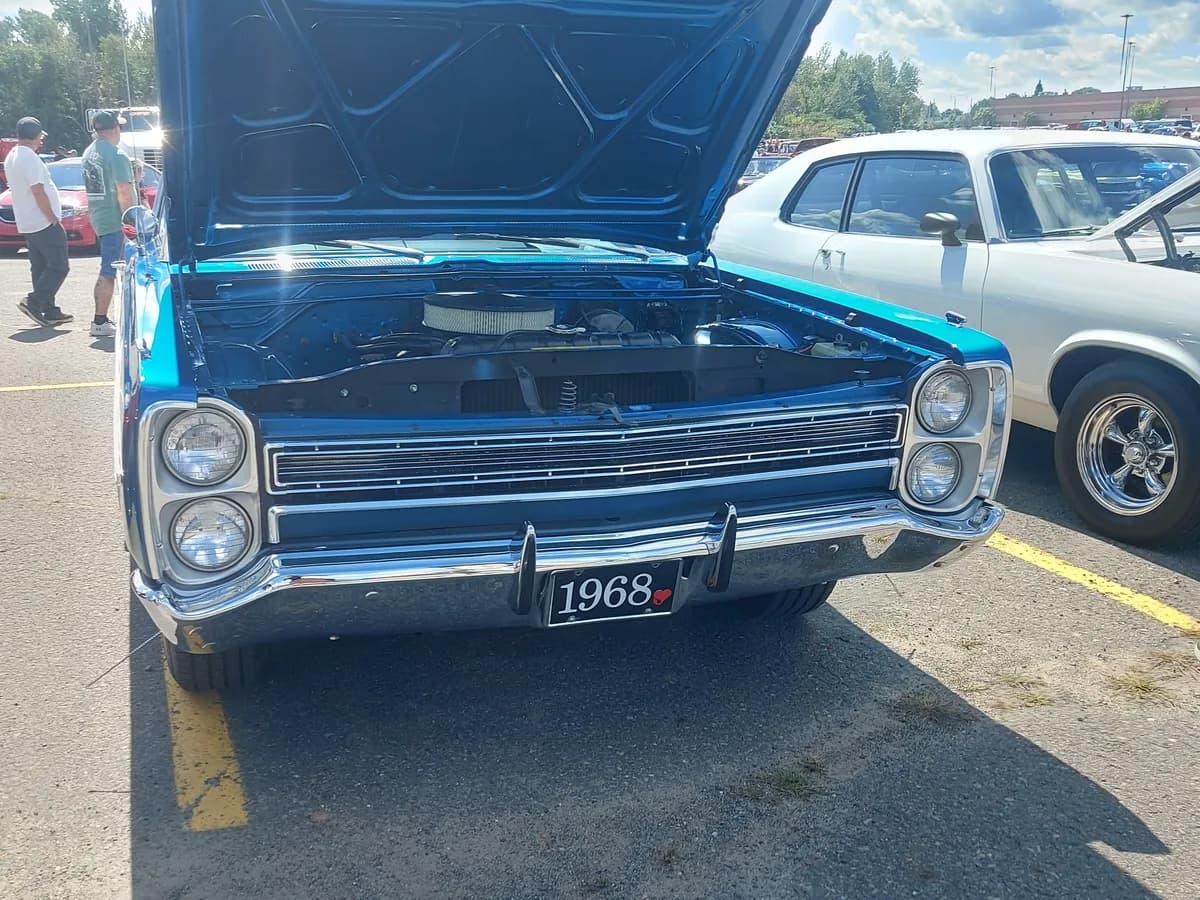
Parisienne
Phoenix

Solstice
Sunfire
Torrent
Trans Sport
Vibe
Pontiac overview
Pontiac history
Pontiac was introduced at the 1926 New York Auto Show as a companion make to Oakland, offering a six-cylinder car positioned below Oakland’s products. Pontiac quickly outsold its parent brand, and General Motors phased Oakland out during the early 1930s. Pontiac then became an established GM division, with full-size models such as the Chieftain, Catalina, and Bonneville forming an important part of its American-market range. From the late 1950s onward, Pontiac adopted a more performance-focused direction. Executives and engineers including Semon Knudsen, Pete Estes, and John DeLorean helped develop engines, chassis, and marketing aimed at younger buyers. The Tempest and the 1964 GTO played a major role in establishing Pontiac’s performance reputation, while the Firebird joined the lineup for 1967 on GM’s F-body platform. The Grand Prix also became a significant model in the personal-luxury coupe segment. Oil shortages, emissions regulations, and declining demand for large-displacement cars later pushed Pontiac toward smaller and more broadly targeted vehicles. The division still maintained a performance image through the Firebird and, in the 2000s, through products such as the Solstice and G8. General Motors ultimately discontinued Pontiac as part of its restructuring following the 2008 financial crisis.
Pontiac positioning
Pontiac historically occupied a middle position within General Motors’ brand structure. It generally sat above Chevrolet’s most basic offerings while remaining less formal and less expensive than GM’s more upscale divisions. That role changed over time: large cars such as the Bonneville, Catalina, and Grand Ville emphasized room, comfort, and road presence, while the Grand Prix added a more personal and performance-oriented character. During the 1960s and 1970s, Pontiac built its identity around the combination of attainable pricing, distinctive styling, and strong performance. The Firebird and Trans Am models made that image especially visible among sports-coupe buyers. In later decades, the Grand Am and 6000 broadened the range toward practical family and daily-use cars. Pontiac is therefore best understood as a mainstream GM division with an unusually strong styling and performance emphasis, rather than as a brand devoted only to muscle cars.
Recognizing a Pontiac in a photo
Identifying a Pontiac starts with placing the car in the correct decade, because the brand’s visual language changed considerably over time. Cars from the 1930s through the 1950s typically feature large American proportions, extensive brightwork, and highly detailed grilles. During the 1950s and 1960s, split grilles and arrowhead-inspired motifs became recurring Pontiac cues, although they cannot establish an exact model year by themselves. On full-size cars, overall dimensions, hood length, roofline, and trim help separate a Bonneville from a Catalina or Executive. Firebird identification requires closer inspection of the generation, headlamp arrangement, hood details, rear lamps, and Formula or Trans Am badging. Grand Prix and Grand Am versions should be checked by body style, roof profile, and exterior emblems. Wheels, hubcaps, engine equipment, interior trim, and identification plates are often necessary to confirm the exact variant, especially because many Pontiac models shared platforms and mechanical components with other GM vehicles.
Important Pontiac models
Bonneville is one of Pontiac’s longest-running nameplates in the full-size American-car category. Catalina played a similarly important role, with broad availability and body styles ranging from sedans to convertibles. Firebird is the brand’s most recognizable performance line in the library, covering several generations and including Formula and Trans Am derivatives. Grand Prix occupies a distinct position as a personal-luxury coupe, generally offering a more road-oriented and formal character than Pontiac’s smaller performance models. Earlier nameplates complete the story. DeLuxe belongs to the earliest years represented, while Chieftain illustrates Pontiac’s postwar return to a broad American lineup. Executive and Grand Ville show the continuing importance of large, upscale cars during the 1960s and 1970s. Grand Am and 6000, meanwhile, reflect Pontiac’s gradual move toward intermediate and family-oriented vehicles. Together, these models trace the division’s shift from traditional full-size cars to a wider mix of sporty, practical, and compact offerings.
References
- Pontiac | GM Heritage CollectionGeneral Motors
- GM Heritage: An Iconic LegacyGeneral Motors
- PontiacCar and Driver
- Hold the Excitement: Pontiac Killed by GMCar and Driver
- Poncho Profile: The Rise and Fall of PontiacCar and Driver
- Pontiac Introduces FirebirdPontiac Motor Division of General Motors