
Plymouth
Founded by Chrysler in 1928, Plymouth was created to offer affordable American automobiles against Ford and Chevrolet. The brand later developed from a mainstream range into a broad portfolio covering compact cars, family sedans, full-size models, and performance vehicles. Its history includes the Valiant, Fury, Barracuda, GTX, and Road Runner. The Barracuda launched in 1964, several weeks before the Ford Mustang, and is widely regarded as the first model in what became known as the pony-car category. During the 1990s, Plymouth’s range became smaller and increasingly overlapped with Dodge and Chrysler products. Production under the Plymouth name ended in 2001, closing more than seven decades of American automotive history. The ScanRacer library covers Plymouth models and variants from 1934 to 1999.
Models from A to Z
Acclaim
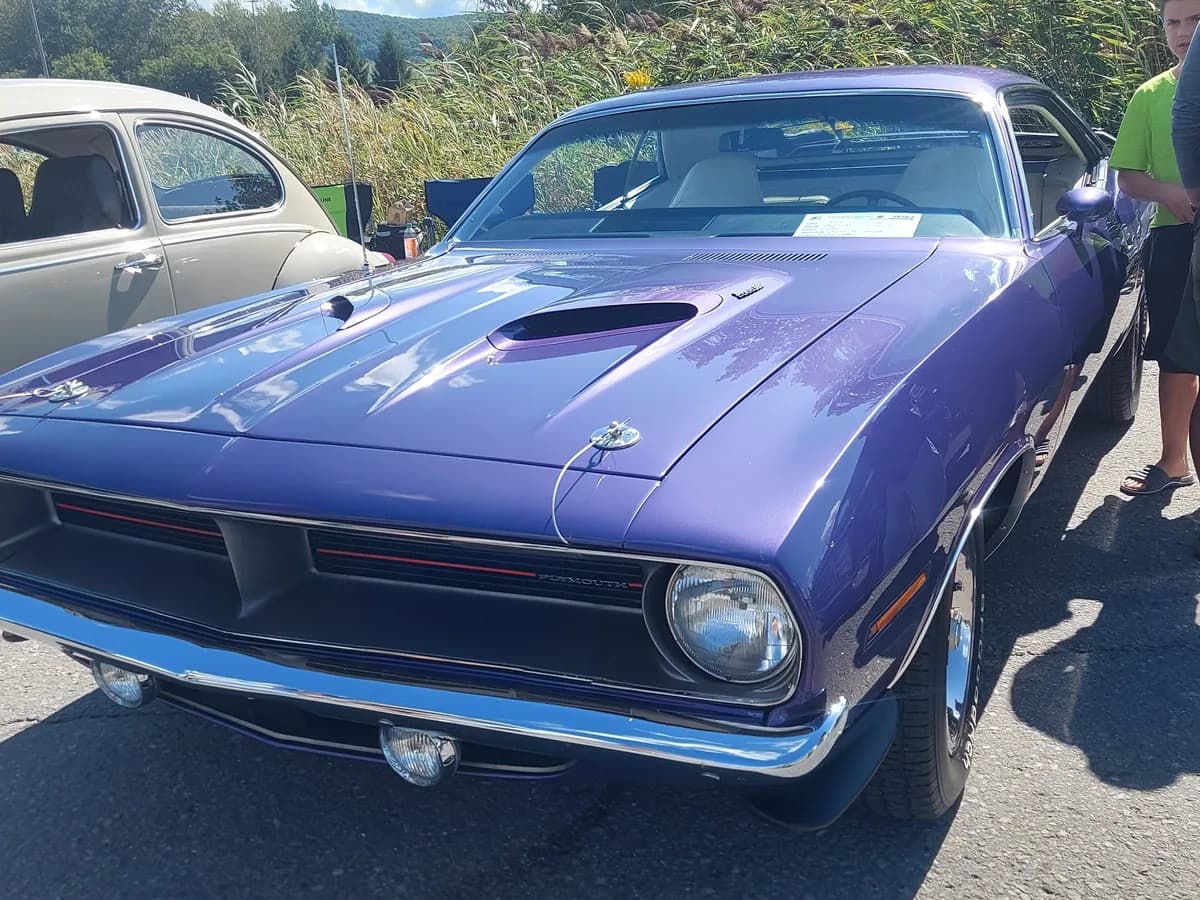
Barracuda
Belvedere
Breeze
Caravelle
Colt Vista
Cranbrook

Duster
Fury
Gran Fury
Grand Voyager
GTX
Horizon
Laser
Neon
PF Six
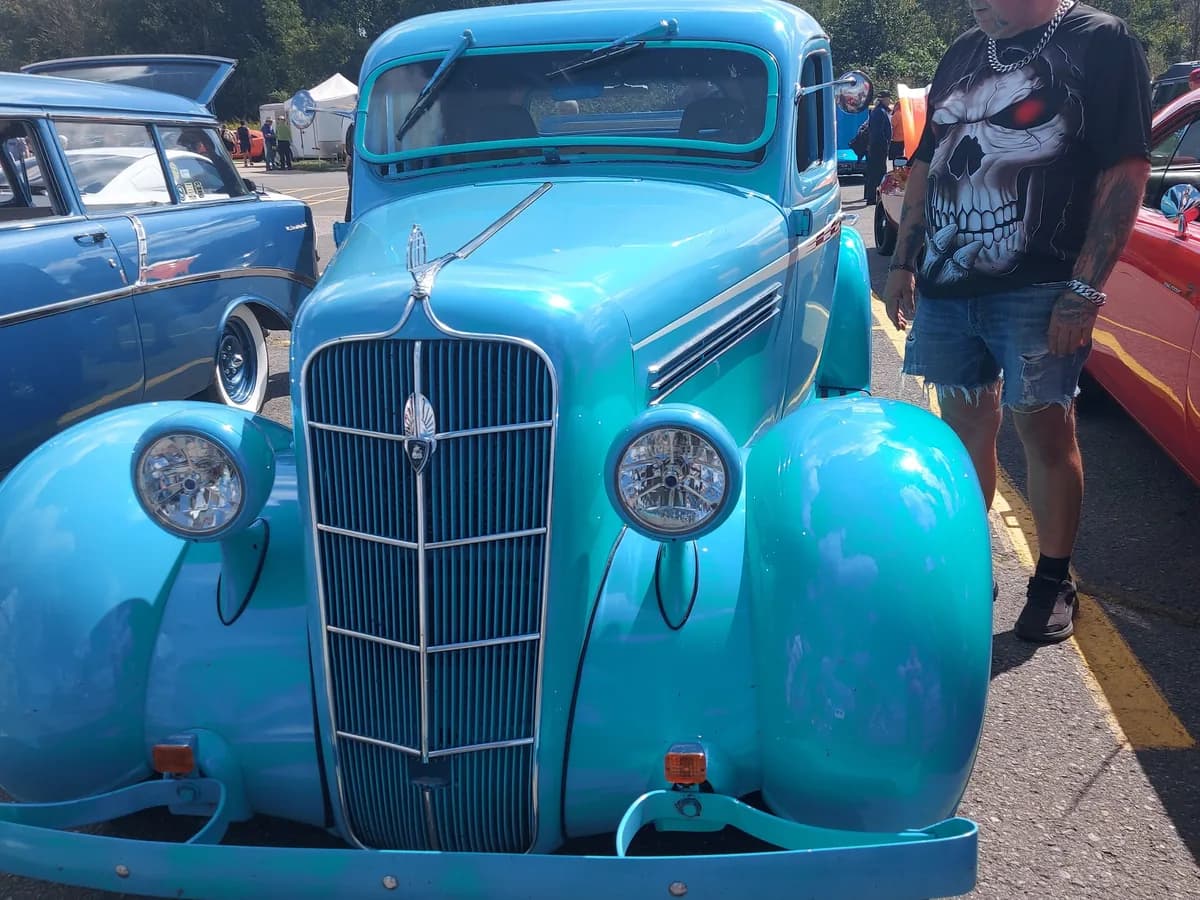
PJ Deluxe
Plaza
Prowler
Reliant
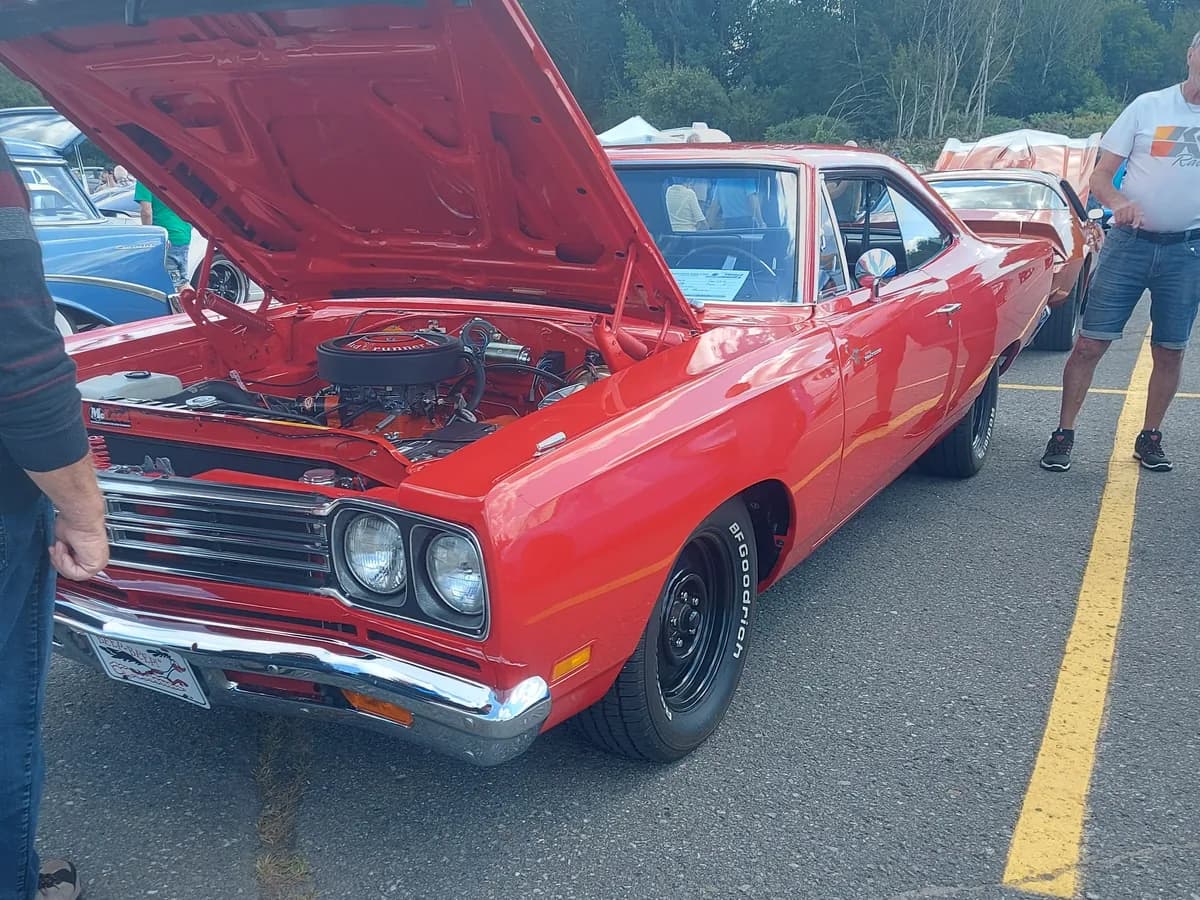
Road Runner
Satellite
Savoy
Scamp
Sundance
Superbird
Trailduster
Turismo
Valiant
Volare
Voyager
Plymouth overview
Plymouth history
The first Plymouth was introduced in 1928 as Chrysler’s entry-level automobile brand. Its purpose was to compete with manufacturers that dominated the American affordable-car market. The formula combined a relatively accessible price with equipment intended to distinguish Plymouth from some of its rivals. The marque quickly became an important part of Chrysler’s product strategy and maintained a substantial North American presence for much of the twentieth century. After World War II, Plymouth expanded its range and introduced increasingly distinctive body designs. The 1950s brought large family cars, tailfins, and the Fury, which gave the brand a sportier image. The Valiant addressed growing demand for compact cars. In 1964, the Barracuda helped establish a new class of affordable sporty coupes. During the late 1960s, the GTX and Road Runner strengthened Plymouth’s performance identity through different approaches: the GTX combined high power with more equipment and refinement, while the Road Runner emphasized a simpler specification and strong value. During the 1970s and 1980s, safety and emissions regulations, changing consumer preferences, and product rationalization reduced Plymouth’s distinctiveness. The brand remained active through mainstream cars and shared Chrysler Corporation products, but its model range increasingly overlapped with Dodge and Chrysler. The Neon became one of its final important nameplates before Plymouth production ended in 2001.
Plymouth positioning
Plymouth primarily served as Chrysler’s mainstream, value-oriented brand. That role did not prevent the division from offering very different types of vehicles over time. The Plaza, Savoy, Belvedere, and Valiant addressed practical family and economy-car needs, while the Fury and Gran Fury represented larger and more generously equipped models. From the mid-1960s onward, Plymouth also built a stronger performance image through the Barracuda, Satellite, GTX, and Road Runner. The GTX occupied the more upscale performance position, combining powerful engines with equipment and presentation above the simplest versions. The Road Runner took a more straightforward approach, aiming to make American performance more attainable. This range means Plymouth cannot be reduced to a single automotive category. Its identity combines competitive pricing, family-oriented cars, dramatic American styling, and a notable role in the muscle-car era. In the brand’s final years, its positioning became more conventional again, with compact and shared-platform models such as the Neon playing a larger role.
Recognizing a Plymouth in a photo
Identifying a Plymouth first requires placing the car in its period, because the marque’s shapes and emblems changed substantially from the 1930s through the 1990s. 1950s models may feature broad bodies, tailfins, and extensive glass areas. The Valiant has a more compact profile, while the first Barracuda is distinguished by its fastback shape and large wraparound rear window. Plymouth cars from the late 1960s and early 1970s often display two-door proportions, wide tracks, bright factory colors, and performance-related trim. The Road Runner can usually be recognized by dedicated badging, graphics, the cartoon-bird emblem, and, on applicable versions, its distinctive horn. The GTX shares some body architecture with other Plymouth intermediate models, but its badges, equipment, and engine combinations help separate it from a standard Satellite or Belvedere. On later cars, the grille, lamps, logos, and nameplates become especially useful clues. A reliable identification should always be checked against the model year, body style, trim level, and visible factory details, since several Plymouth nameplates shared platforms and panels.
Important Plymouth models
The ScanRacer library highlights the Fury, Belvedere, Satellite, Valiant, Savoy, GTX, Road Runner, Plaza, Gran Fury, Barracuda, Cranbrook, and Neon. Fury is one of Plymouth’s longest-running names, evolving from sporty 1950s models into larger sedans in later decades. Belvedere and Satellite formed the core of Plymouth’s intermediate range, while Valiant represented the brand’s compact-car direction. Barracuda has a distinctive historical position because of its 1964 launch and its later development into high-performance ‘Cuda versions. GTX and Road Runner express two different sides of Plymouth’s muscle-car era: the GTX offered a more upscale performance formula, while the Road Runner pursued a simpler and more accessible approach. Gran Fury represents Plymouth’s large cars during the 1970s. Neon illustrates the brand’s final period in the 1990s, when Plymouth increasingly relied on shared Chrysler Corporation products. Exact model years, body styles, and variant availability differ by nameplate and should be checked against the individual vehicle record.
References
- Chrysler Plymouth Radiator EmblemSmithsonian National Museum of American History
- 1968 Plymouth Road Runner Buyer’s GuideHemmings
- The GTX Was Plymouth’s Muscle Car for Grownups and 1971 Was Its Psychedelic Swan SongHemmings
- Plymouth Barracuda History: From Valiant Beginnings to Hemi ’Cuda GloryMotorTrend
- Executive Order: 1996 Chrysler PC A-009-0314California Air Resources Board
- https://automotivehistory.org/june-28-2001-the-final-plymouth/automotivehistory.org
- https://blog.idaoffice.org/posts/plymouth-and-its-thorny-path-en/blog.idaoffice.org