
308
Launched in 2007 as the replacement for the Peugeot 307, the 308 is a C-segment family car whose range expanded to include a five-door hatchback, the SW estate, the CC coupé-cabriolet and, in selected markets, four-door derivatives. The first generation retained some of the 307’s technical foundations while presenting a more contemporary design. The second generation, introduced in 2013, represented a more substantial change, using the modular EMP2 platform, a cabin built around Peugeot’s i-Cockpit concept and a lower overall weight. It won the 2014 European Car of the Year title. Introduced in 2021, the third generation brought Peugeot’s new shield-shaped emblem to a production model and added plug-in hybrid powertrains, followed by a fully electric version in selected markets.
What about the car you photographed?
Upload a photo to get a suggested make, model and likely year.
No account needed for the result · Publish only if you choose
Variants by year
Make: Peugeot · Model: 308
14 / 14 versions shown
2025

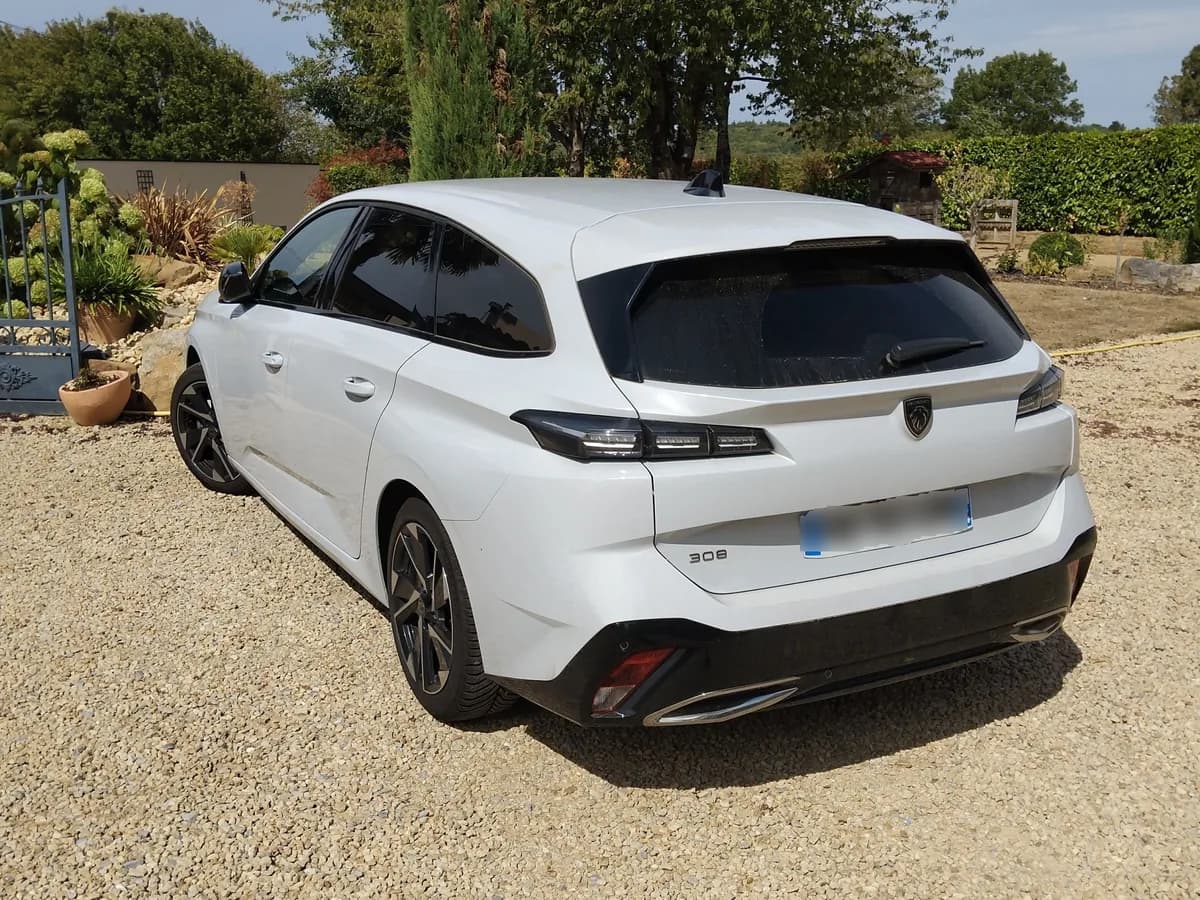
2021
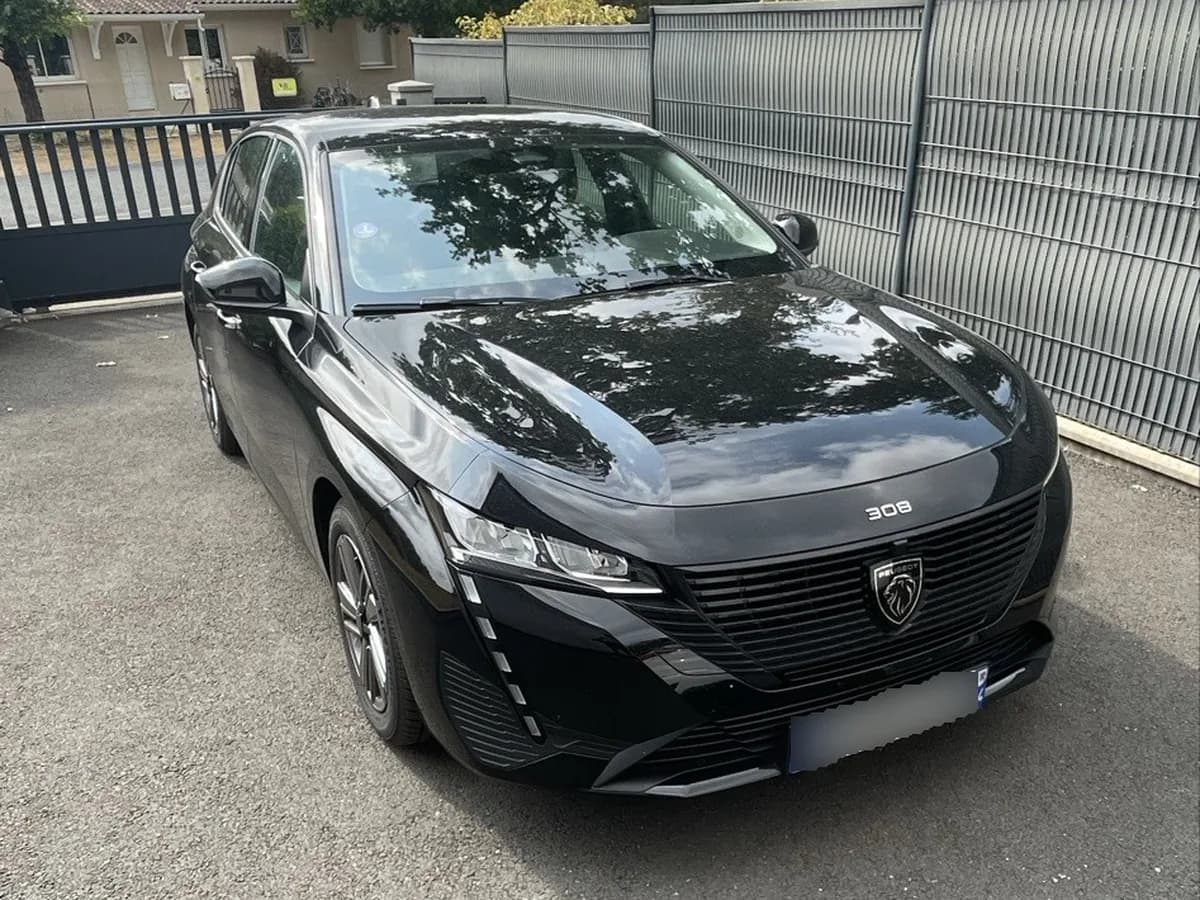
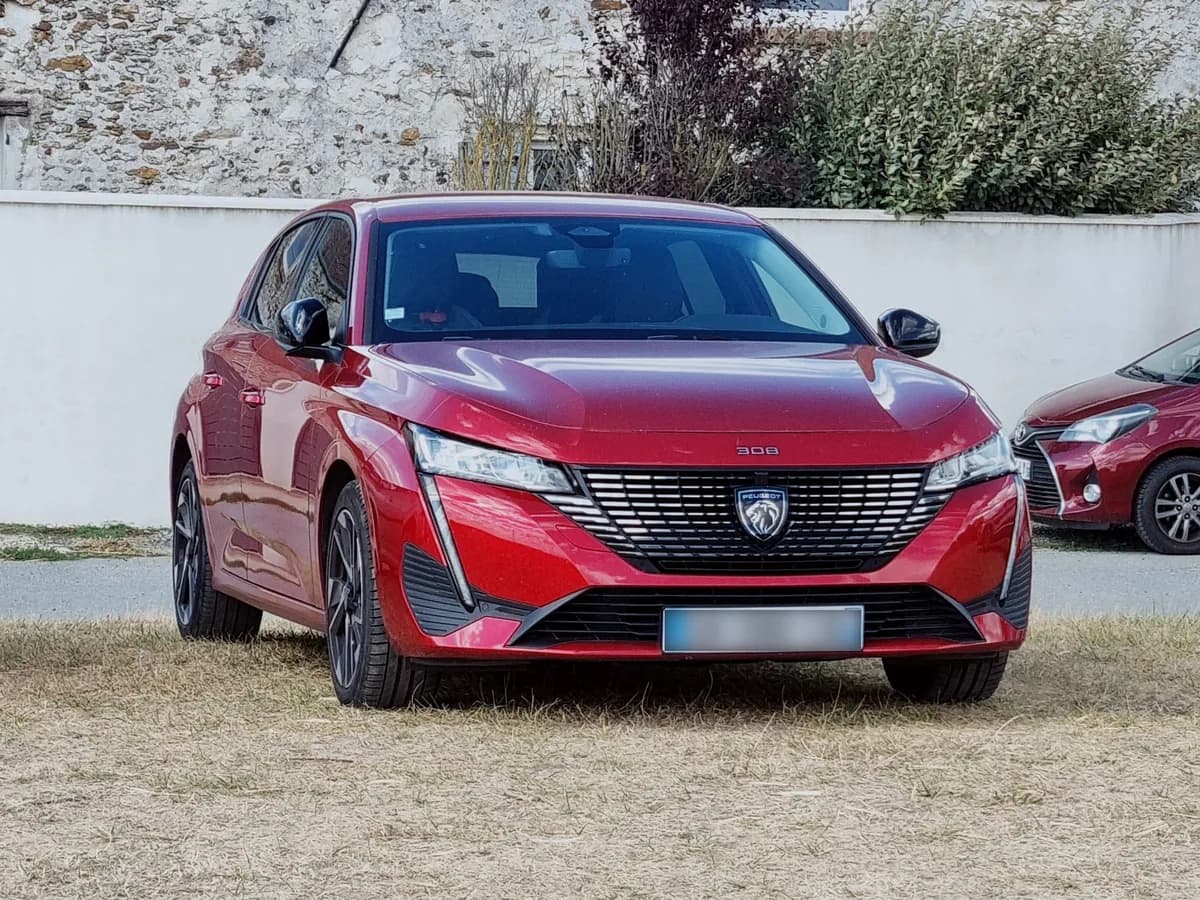
2016
2015
2014
2013

2011
2009
2008
2007

Peugeot 308 photos
Model summary
Data from the ScanRacer library, organized to compare versions quickly.
Model introduction
Launched in 2007 as the replacement for the Peugeot 307, the 308 is a C-segment family car whose range expanded to include a five-door hatchback, the SW estate, the CC coupé-cabriolet and, in selected markets, four-door derivatives. The first generation retained some of the 307’s technical foundations while presenting a more contemporary design. The second generation, introduced in 2013, represented a more substantial change, using the modular EMP2 platform, a cabin built around Peugeot’s i-Cockpit concept and a lower overall weight. It won the 2014 European Car of the Year title. Introduced in 2021, the third generation brought Peugeot’s new shield-shaped emblem to a production model and added plug-in hybrid powertrains, followed by a fully electric version in selected markets.
History
The Peugeot 308 emerged in the mid-2000s as Peugeot sought to renew its representative in the C-segment. The 307 had introduced a taller and more versatile interpretation of the family hatchback, but the 308 brought a sharper visual identity and a stronger emphasis on perceived quality. Sales began in 2007 with a five-door body. The 308 SW estate followed in 2008, while the 308 CC, equipped with a retractable hardtop, arrived in 2009. The first generation later received a facelift, with exterior and technical changes that varied by market. The second-generation 308 was unveiled in 2013 and adopted a different approach. Peugeot built it on the EMP2 platform, combining a lighter body with an i-Cockpit driving position featuring a compact steering wheel and high-mounted instrumentation. This generation was also offered as an SW estate and received a facelift during its production run. Its reception was particularly strong: the 308 won the 2014 European Car of the Year award ahead of six other finalists. The third generation was revealed in March 2021. More technology-focused, it introduced Peugeot’s new emblem, expanded driver-assistance equipment and, for the first time in the 308 range, plug-in hybrid versions. A fully electric e-308 subsequently extended the range in selected markets.
Generations
The first generation, commonly identified by its internal T7 code, mainly covers 2007 to 2013 in Europe. It is recognizable by its relatively tall proportions, prominent grille and cabin clearly related to the 307. The range included the five-door hatchback and SW estate, while the CC coupé-cabriolet was a more specialized derivative. Body styles and model names could nevertheless vary between markets. The second generation, known as the T9, was launched in 2013 and remained in production until 2021. Its design is more horizontal and restrained, with slim headlights and a notably uncluttered dashboard. The EMP2 platform, Peugeot’s stated weight reduction and the i-Cockpit layout are its main technical and ergonomic identifiers. The SW estate uses the same foundation with an extended body. A later facelift brought a revised front end and equipment updates. The third generation, generally associated with the P5 code, began in 2021. It introduced a lower and more angular body, claw-shaped daytime running lights and Peugeot’s new shield emblem integrated into the grille. The cabin received a further development of the i-Cockpit concept, while plug-in hybrid powertrains and the e-308 distinguish this generation from its predecessors. The production year and body style remain important when identifying an individual car accurately.
Key differences
The differences between generations are clear enough that the 308 badge alone should not be used for identification. The first series has a taller shape and a dashboard rooted in the 307 era; its CC derivative is distinguished by a retractable hardtop. The second generation appears lower and cleaner. Its compact steering wheel, high-set instruments and central touchscreen are useful clues, although equipment varies with trim and facelift. The third generation is identified by vertical claw-like daytime running lights, a grille closely integrated with the body design and Peugeot’s new shield emblem. It also introduced a more extensive electrification strategy, including plug-in hybrid and fully electric versions. For a reliable identification, compare the front-end design, lighting pattern, cabin layout, body style and production year instead of relying on a single feature.
Photo recognition
To identify a first-generation 308, look for the large grille, almond-shaped headlamps and relatively tall body. The SW estate has a longer rear section and extended roofline, while the CC is immediately recognizable by its coupé proportions and retractable hardtop. After the facelift, the front end became more contemporary, but the overall shape remained that of the T7 generation. The second-generation 308 has more sculpted sides, a lower-looking front end and horizontal rear lamp clusters. Inside, the compact steering wheel and instruments positioned above it are strong identifiers. The SW estate keeps the same visual language while adding a longer body. The third generation features vertical claw-like daytime running lights, a grille with a highly integrated appearance and Peugeot’s shield-shaped emblem. Flush door handles and a digital driving environment can provide additional clues, although equipment depends on trim level. Bodywork and lighting details are therefore more dependable than cabin technology alone.
Important versions
The most significant variants include the five-door 308, which has formed the core of the range since 2007, and the 308 SW, introduced in 2008 for buyers seeking greater load capacity and versatility. The 308 CC occupies a more unusual position: its retractable hardtop makes it a niche derivative of the first generation. Four-door versions were also sold in selected markets under different names, explaining why they do not always correspond directly with the European range. The second generation also produced the sporting 308 GTi, while the third generation introduced the 308 Hybrid and e-308. Availability, transmissions and trim levels must be checked against the relevant country and production year.
The name “308” follows Peugeot naming, with its rules and its exceptions. Decode a Peugeot name
References
- De la 301 à la nouvelle 308 : 10 générations de la série la plus complète de l’histoire de PeugeotStellantis Media
- The new Peugeot 308: A refined design and an innovative cockpitStellantis Media
- Peugeot launches the new 308Stellantis Media
- Peugeot 308, Car of the Year 2014Car of the Year
- PEUGEOT 308: generationsL’Argus
- New Peugeot 308 and 308 SW press informationStellantis Media
Technical specifications
Structured data available for versions linked to this model.
| Version | Power | Torque | Top speed | Drivetrain | Fuel |
|---|---|---|---|---|---|
| — | 82 ch à 156 ch | — | — | Traction avant / Manuelle 5 vitesses, Manuelle 6 vitesses, Automatique 6 vitesses | — |
Frequently asked questions
- What years was the Peugeot 308 produced?
- ScanRacer's referenced versions cover 2007 - 2025.
- How many Peugeot 308 examples are documented on ScanRacer?
- 10 published scans from 9 members, with the latest photo added in August 2026.
- What is the power output of the Peugeot 308?
- The sourced technical data lists 82 ch à 156 ch.
What about the car you photographed?
Upload a photo to get a suggested make, model and likely year.
No account needed for the result · Publish only if you choose