
306
Introduced in 1993 as Peugeot’s contender in the compact family-car segment, the 306 soon expanded beyond its original hatchback format. The range was offered as a three- or five-door hatchback, a saloon, a convertible and an estate, giving the model several distinct roles within the market. Its chassis, noted for its precise road behaviour and self-steering rear axle, also supported sporting versions such as the S16 and GTi-6. The Pininfarina-designed convertible added an elegant open-air alternative, while the Hatch, Sedan and Break SW bodies focused on everyday practicality. In the selection covered here, the available model years run from 1993 to 1997 and include the Hatch, Cabriolet, Sedan and Break SW designations.
What about the car you photographed?
Upload a photo to get a suggested make, model and likely year.
No account needed for the result · Publish only if you choose
Variants by year
Make: Peugeot · Model: 306
4 / 4 versions shown
1997
1994

1993
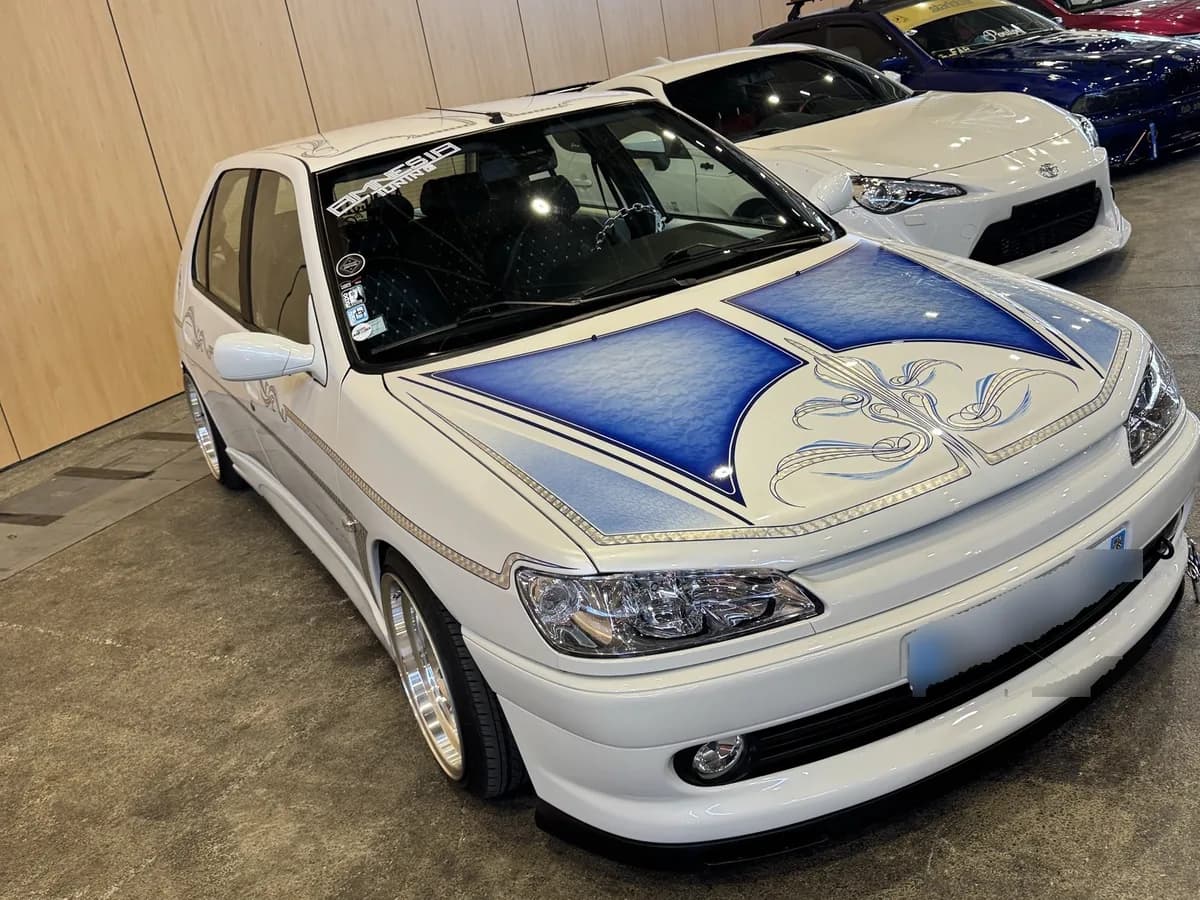
Peugeot 306 photos
Model summary
Data from the ScanRacer library, organized to compare versions quickly.
Model introduction
Introduced in 1993 as Peugeot’s contender in the compact family-car segment, the 306 soon expanded beyond its original hatchback format. The range was offered as a three- or five-door hatchback, a saloon, a convertible and an estate, giving the model several distinct roles within the market. Its chassis, noted for its precise road behaviour and self-steering rear axle, also supported sporting versions such as the S16 and GTi-6. The Pininfarina-designed convertible added an elegant open-air alternative, while the Hatch, Sedan and Break SW bodies focused on everyday practicality. In the selection covered here, the available model years run from 1993 to 1997 and include the Hatch, Cabriolet, Sedan and Break SW designations.
History
The Peugeot 306 appeared in spring 1993 to replace the 309 in the compact segment. Peugeot aimed to create a more unified model for its range while also attracting customers familiar with the smaller 205. The first body styles were the five-door hatchback and, by the end of 1993, a three-door version. Diesel engines were added early in the programme, alongside the initial 1.4-, 1.6- and 1.8-litre petrol units described in period-based automotive reviews. The range broadened significantly in 1994. The four-door Sedan introduced a separate luggage compartment and a Peugeot-quoted 463-litre boot, while the Pininfarina-designed Cabriolet brought a distinctive four-seat open body. Sporting derivatives including the XSi, S16 and GTi-6 gave the 306 a stronger performance identity. On certain markets, the GTi-6 was distinguished by a 167-hp engine and a six-speed manual gearbox. A facelift arrived in 1997, bringing a rounder front end and revised equipment. The estate then completed the family’s main body-style offering. Depending on the body, production continued into 2002, with the Cabriolet among the final versions to remain in the range. The model’s combination of broad practicality and engaging handling helped it become one of Peugeot’s best-known compact cars of the 1990s.
Generations
The 306 is usually described through several styling phases rather than a sequence of entirely separate generations. The first phase covers cars introduced in 1993 and sold until the 1997 facelift. It can be identified by a squarer front end, more angular lighting and trim details, and an interior associated with the range’s early equipment levels. Hatch, Sedan and Cabriolet bodies overlapped during this period, although their launch timing differed between markets. The facelifted phase appeared in 1997. The nose became more rounded, front fog lamps were round where fitted, and several exterior details were modernised. Equipment also increased as the model matured. The Break SW estate joined the European range during this period and shared many engines and trim levels with the other body styles. A final development, often referred to as Phase 2.2 in Cabriolet-focused references, arrived around 2000. It adopted presentation details associated with the sporting versions and brought further improvements to finish and safety, depending on market specification. Commercial names, equipment and engines varied by country, so year-based identification should be treated as a guide rather than an absolute rule. Within the selection considered here, the visible reference points run from the 1993 Hatch to the 1997 Break SW, with the 1994 Cabriolet and Sedan between them.
Key differences
The clearest differences concern body style and intended use. The three- or five-door Hatch is the versatile compact version and is identified by its rear hatch. The Sedan uses a separate boot and a three-box shape, giving it a more conventional family or executive character. The Cabriolet has a dedicated Pininfarina-designed body, a fabric roof and four seats, making it visually distinct from the other 306 versions. The Break SW focuses on carrying capacity through its longer five-door estate body. Differences between model years mainly involve exterior styling, equipment and the engines offered. The 1997 facelift is the easiest visual dividing line, bringing a softer front end and revised details. Trim names and equipment should not be transferred automatically from one country to another, however. An XSi, S16 or GTi-6 indicates a sporting position within the range, but its exact specification depends on market and production year.
Photo recognition
Start with the silhouette when identifying a 306. The Hatch has a compact shape and a rear hatch, with either three or five doors. The Sedan is recognisable by its separate boot and three-box profile. The Cabriolet is immediately distinguished by its fabric soft top, dedicated body structure and lower-looking open profile. The Break SW shares the family’s front-end design but has an extended roofline and a larger rear opening. The front end is the most useful clue for separating the main phases. Early cars have a squarer appearance. After 1997, the nose became rounder, and round fog lamps are a common indicator where fitted. Cabriolet references also identify changes to the boot-release button, headlamp and indicator integration, and selected safety details as the model evolved. Badges can provide supporting evidence, but they are not always conclusive because trim names and sporting specifications differed between countries. A dependable identification should combine the body style, production year, phase-specific exterior details and, where available, the manufacturer plate or vehicle identification number.
Important versions
The 306 range covered several different uses. The 1993 Hatch represents the family’s original compact format. The 1994 Sedan added a separate boot, while the 1994 Cabriolet, designed by Pininfarina, offered a more exclusive open body. The 1997 Break SW followed a practical brief with greater rear carrying capacity. Among the best-known sporting versions from the wider 306 career, the XSi, S16 and GTi-6 occupy the performance end of the range; in some markets, the GTi-6 was associated with a 167-hp engine and a six-speed manual gearbox. These names should not be treated as interchangeable with body styles: they identify specific trims or derivatives, and their availability varied by country and model year.
The name “306” follows Peugeot naming, with its rules and its exceptions. Decode a Peugeot name
References
- 30 años del Peugeot 306Stellantis Media / Peugeot
- Peugeot 306 (1993–2002) used car reviewRAC Drive
- The Peugeot 306 Cabriolet celebrates its 30th anniversaryMotor1.com
- https://cars-data.com/en/peugeot/306cars-data.com
- https://www.autoevolution.com/peugeot/306/autoevolution.com
- https://www.car-specs.net/generations/Peugeot/306/1109car-specs.net
Frequently asked questions
- What years was the Peugeot 306 produced?
- ScanRacer's referenced versions cover 1993 - 1997.
- How many Peugeot 306 examples are documented on ScanRacer?
- 4 published scans from 4 members, with the latest photo added in August 2026.
What about the car you photographed?
Upload a photo to get a suggested make, model and likely year.
No account needed for the result · Publish only if you choose