
GT-R
Introduced in Japan in 2007, the Nissan GT-R R35 separated the GT-R badge from the Skyline family and became a standalone model. Its engineering combined a 3.8-liter twin-turbo VR38DETT V6, a dual-clutch transmission and all-wheel drive using a rear-mounted transaxle, an unusual arrangement in this class. The GT-R kept a distinctive 2+2 coupe shape throughout its career, while Nissan progressively developed its engine, chassis, aerodynamics and equipment. The Base, Nismo and GT-R50 versions represent three different interpretations of the R35: broad road-going ability, track-focused performance and the exclusivity of an Italdesign collaboration. The model remained closely associated with Japanese performance engineering while gaining a wider international presence during its long production run.
Variants by year
2023
2019
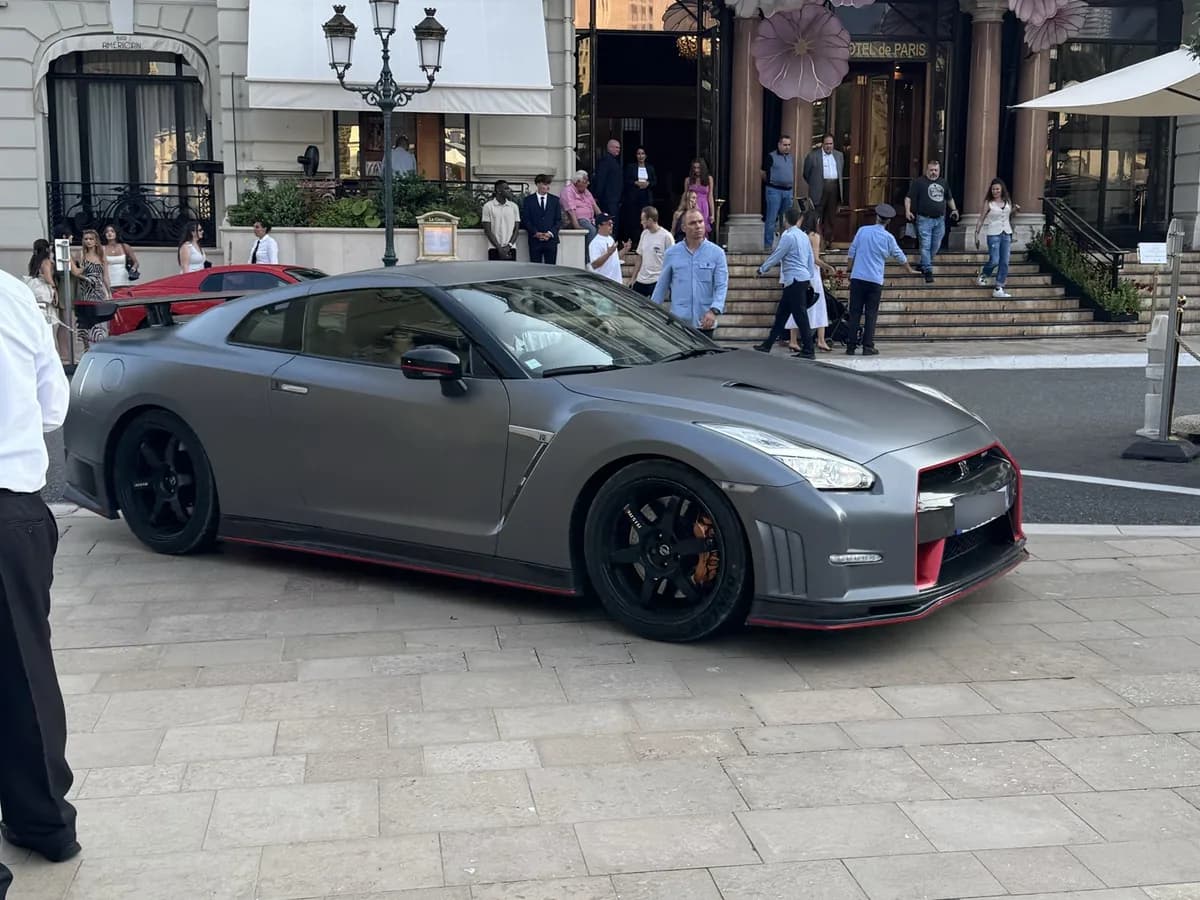
2016

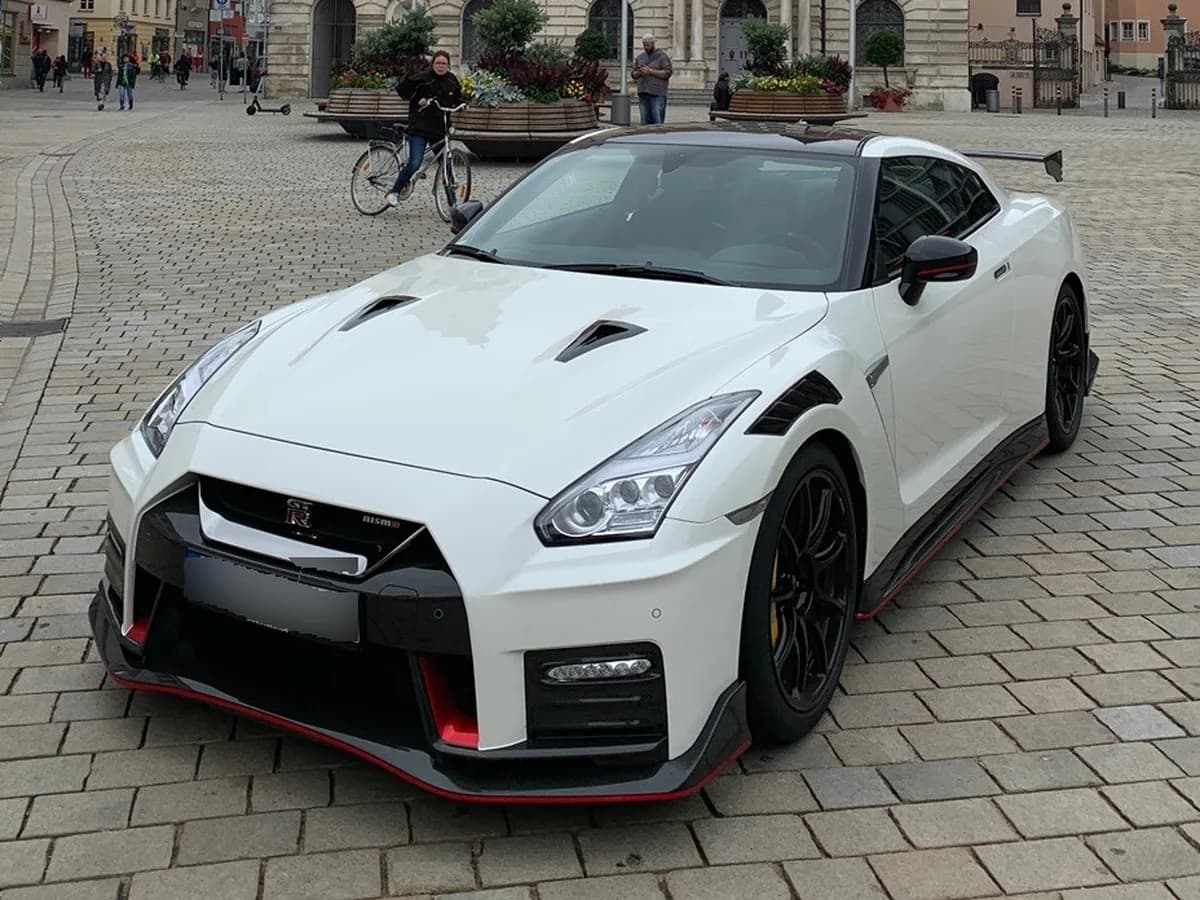
2014
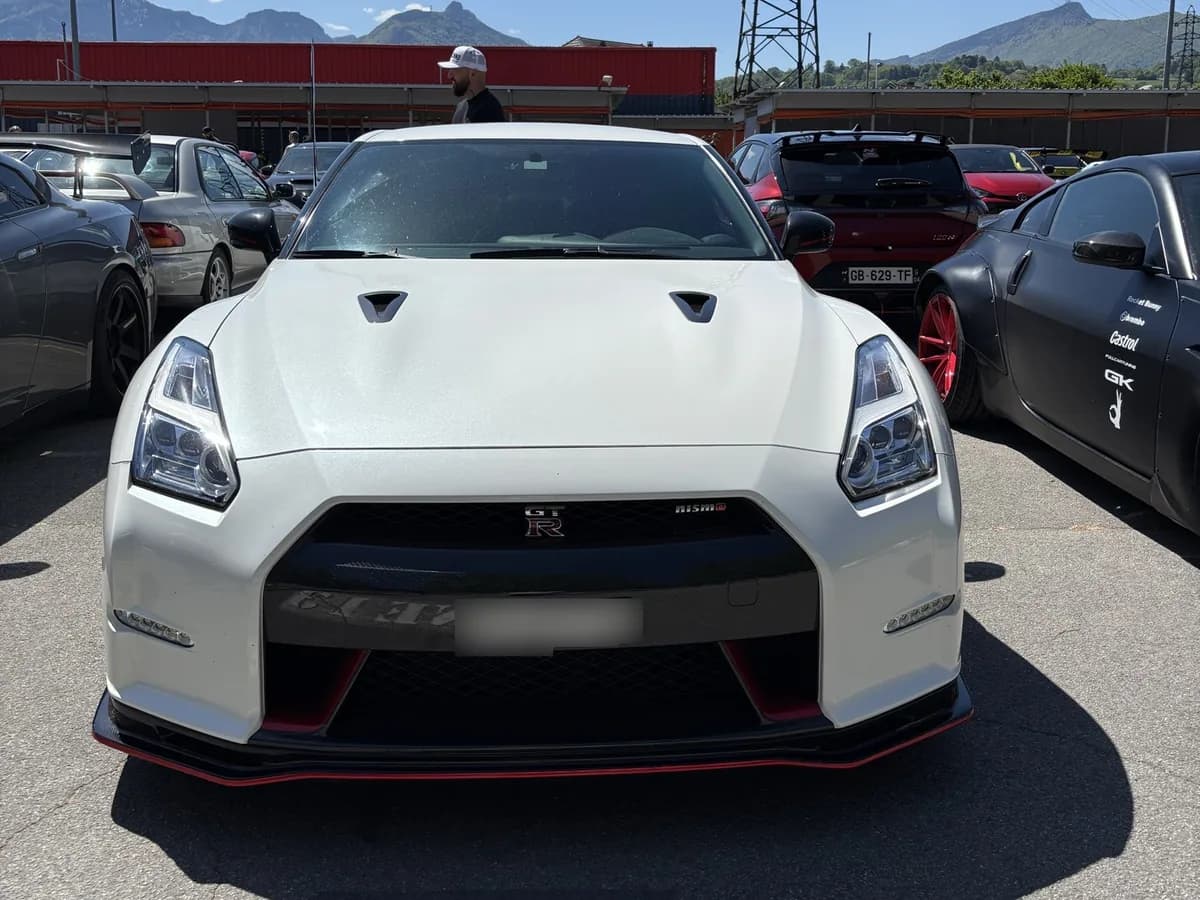
2007

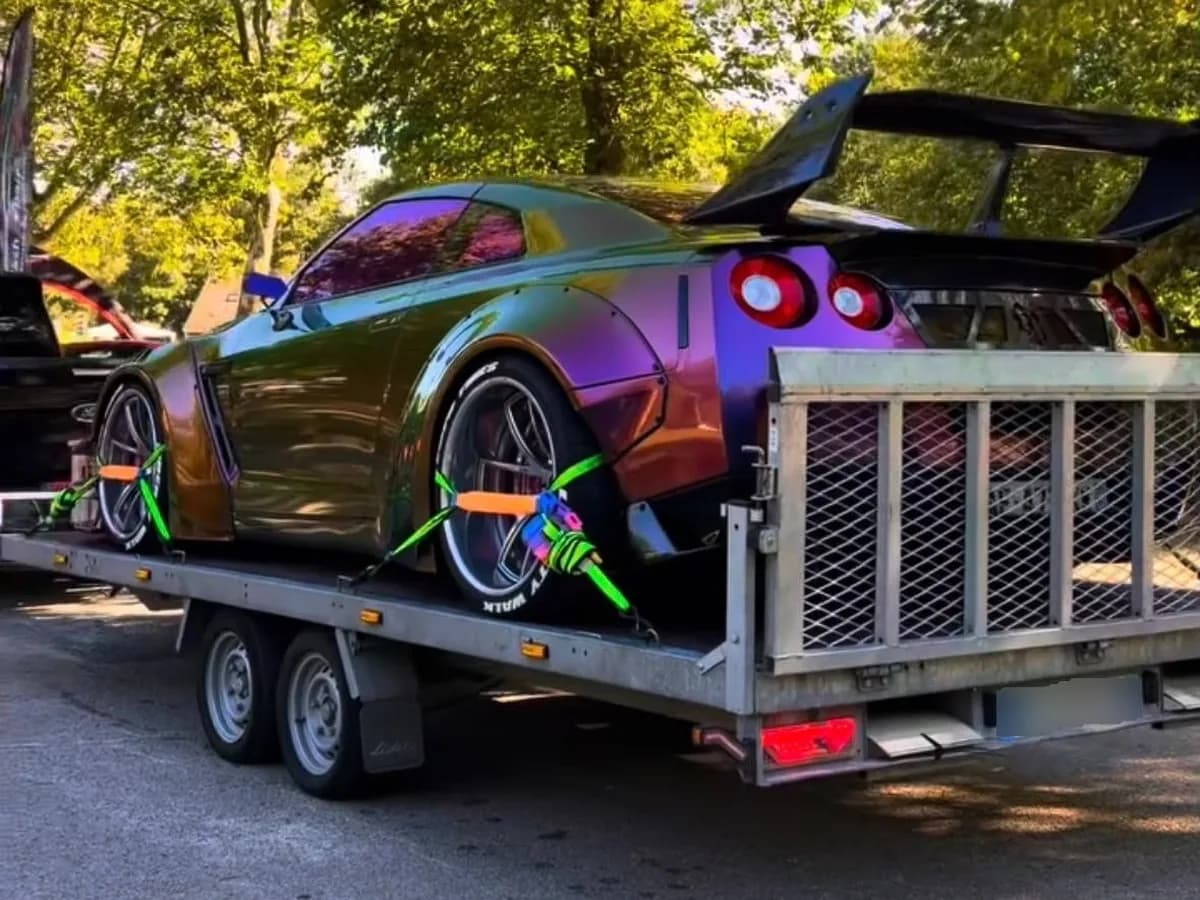
Model summary
Data from the ScanRacer library, organized to compare versions quickly.
Model introduction
Introduced in Japan in 2007, the Nissan GT-R R35 separated the GT-R badge from the Skyline family and became a standalone model. Its engineering combined a 3.8-liter twin-turbo VR38DETT V6, a dual-clutch transmission and all-wheel drive using a rear-mounted transaxle, an unusual arrangement in this class. The GT-R kept a distinctive 2+2 coupe shape throughout its career, while Nissan progressively developed its engine, chassis, aerodynamics and equipment. The Base, Nismo and GT-R50 versions represent three different interpretations of the R35: broad road-going ability, track-focused performance and the exclusivity of an Italdesign collaboration. The model remained closely associated with Japanese performance engineering while gaining a wider international presence during its long production run.
History
The R35 GT-R can be traced to Nissan’s GT-R Concept, shown in 2001, and the GT-R Proto presented in 2005. The production car was launched in Japan in December 2007. Nissan positioned it as a separate model rather than another Skyline derivative. That change also brought a new technical identity: the earlier Skyline GT-R’s RB26DETT inline-six was replaced by the VR38DETT V6, while a dual-clutch gearbox and all-wheel-drive system were combined with a rear transaxle layout. The R35’s career developed through repeated updates rather than a complete generational replacement. Nissan progressively revised engine output, suspension tuning, braking hardware, aerodynamics and cabin equipment across different model years. Nismo created a more focused interpretation, announced in 2013 and sold from the 2015 model year in some markets. In 2018, the GT-R50 by Italdesign appeared as an anniversary project before becoming a highly limited production derivative. The R35 therefore combined a long-lived technical foundation with continuous refinement and several high-performance branches, helping the GT-R remain relevant well beyond its original launch.
Generations
For the period covered, the Nissan GT-R belongs to the R35 generation, identified by its chassis code and produced from 2007 onward. It is not simply an updated Skyline GT-R R34: the Skyline name was removed from the body, while the new car adopted a twin-turbo V6, a dual-clutch transmission and all-wheel drive with a rear transaxle. This layout is one of the clearest ways to distinguish the R35 from earlier GT-R models. The R35 nevertheless went through several development phases. Early cars used the original body design and lighting, with Nissan quoting 480 horsepower for the 2007 model. Later updates changed elements such as the bumpers, lamps, wheels, diffusers and interior details. More recent versions also received revised suspension tuning and market-specific equipment. The GT-R Nismo remains a derivative of the same generation rather than a separate generation. The GT-R50 by Italdesign also uses the R35 foundation, but adds substantially redesigned bodywork and very limited production. It is therefore more accurate to describe the R35 through its model-year updates and derivatives than through multiple distinct generations.
Key differences
The Base version is the reference point for the R35. It retains the twin-turbo V6, all-wheel-drive system and dual-clutch transmission, with equipment and calibration changing over the model years. The GT-R Nismo takes a more performance-focused approach. Nissan linked it to specific work on power delivery, cooling, chassis tuning, aerodynamics and body control, although exact equipment varies by year and market. The GT-R50 by Italdesign is fundamentally different in character. It uses the R35’s underlying mechanical basis but adds bodywork created with Italdesign, dedicated aerodynamic elements and a far more exclusive presentation. It should not be treated as a simple Nismo trim level. Visual and mechanical differences can be substantial, while quoted power figures and production totals should be checked against the particular specification and source. Market naming can also affect whether equipment is described as standard, optional or part of a special package.
Photo recognition
An R35 GT-R is first identified by its 2+2 coupe proportions, relatively tall roofline, broad fenders and four round taillamps. The front end uses a low, angular grille, prominent outer headlights and large air openings. Hood and bumper designs changed during the model’s life, so one bumper shape alone should not be used to assign an exact model year. Four exhaust outlets, large-diameter wheels and a rear wing are common features, but all can be replaced or added after the car left the factory. Nismo badging, red accents, more extensive aerodynamic parts and upgraded brakes suggest the performance derivative, but they do not by themselves prove original specification. The GT-R50 is easier to separate visually because of its dedicated bodywork, lowered roofline, contrasting or gold-colored details depending on the build and substantially different rear design. The chassis number, factory documentation and market-specific equipment list remain the most reliable ways to confirm a particular version.
Important versions
The Base version represents the broadest definition of the R35 GT-R and, within the supplied coverage, runs from 2007 to 2023. The GT-R Nismo is the most directly performance-oriented derivative, with a referenced span from 2014 to 2023. The GT-R50 by Italdesign is a much rarer anniversary interpretation, associated with 2019 in the available data. Nissan presented it in 2018 to mark fifty years of the GT-R name and Italdesign; its dedicated bodywork makes it immediately distinguishable from a standard R35. Because naming and equipment can vary by market, year and build specification, individual cars should be checked against factory documentation rather than identified by badges alone.
References
- NISSAN GT-R (2007: R35)Nissan Heritage Collection
- Nissan GT-R50 by ItaldesignNissan Motor Corporation
- Nissan GT-R: Buyer’s Guide to Every GenerationRoad & Track
- https://www.nissan-global.com/EN/HERITAGE_COLLECTION/143_nissan_gt-r_nismo_n-attack_package_test_car.htmlnissan-global.com
- https://www.nissan-global.com/PDF/18GT-R_glb.pdfnissan-global.com
- https://www.nissan-global.com/EN/HERITAGE_COLLECTION/295_nissan_gt-r_bolt_special.htmlnissan-global.com
- https://www.nissan-global.com/EN/STORIES/RELEASES/nissan-celebrates-50-years-of-gt-r/nissan-global.com
Technical specifications
Structured data available for versions linked to this model.
| Version | Power | Torque | Top speed | Drivetrain | Fuel |
|---|---|---|---|---|---|
| — | 545 chevaux à 6 400 tr/min | — | — | Transmission intégrale / Transmission automatique à double embrayage à 6 vitesses | — |
Frequently asked questions
- What years was the Nissan GT-R produced?
- ScanRacer's referenced versions cover 2007 - 2023.
- How many Nissan GT-R examples are documented on ScanRacer?
- 48 published scans from 35 members, with the latest photo added in September 2026.
- What is the power output of the Nissan GT-R?
- The sourced technical data lists 545 chevaux à 6 400 tr/min.