
Ghibli
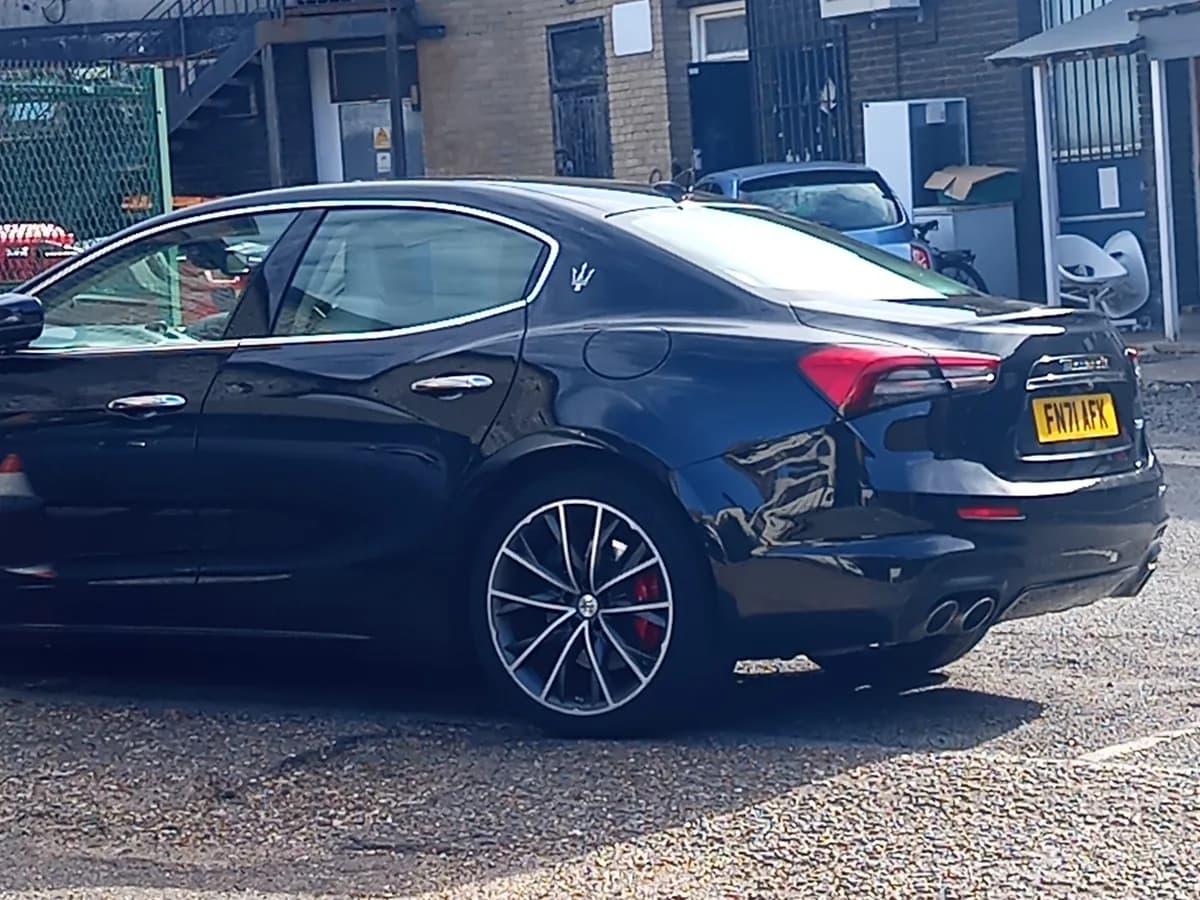
The Maserati Ghibli name has been used for three very different cars: a V8 grand tourer launched in the late 1960s, a compact twin-turbo V6 coupe introduced in 1992, and a sports sedan unveiled in 2013. The first Ghibli, styled by Giorgetto Giugiaro for Ghia, became known for its long bonnet, fastback profile and concealed headlamps. The second brought the name into Maserati’s Biturbo family, using a smaller body and a distinctly performance-focused character. The third moved into the premium executive-sedan market, combining Maserati design and rear-wheel-drive dynamics with petrol, diesel, all-wheel-drive and, from 2020, mild-hybrid powertrains. These major changes mean that production period, body style and engine layout are essential when identifying a Ghibli. The name alone does not describe one continuous design or mechanical lineage.
What about the car you photographed?
Upload a photo to get a suggested make, model and likely year.
No account needed for the result · Publish only if you choose
Variants by year
Make: Maserati · Model: Ghibli
5 / 5 versions shown
2020
2017
2013
1992

1967
Maserati Ghibli photos
Model summary
Data from the ScanRacer library, organized to compare versions quickly.
Model introduction
The Maserati Ghibli name has been used for three very different cars: a V8 grand tourer launched in the late 1960s, a compact twin-turbo V6 coupe introduced in 1992, and a sports sedan unveiled in 2013. The first Ghibli, styled by Giorgetto Giugiaro for Ghia, became known for its long bonnet, fastback profile and concealed headlamps. The second brought the name into Maserati’s Biturbo family, using a smaller body and a distinctly performance-focused character. The third moved into the premium executive-sedan market, combining Maserati design and rear-wheel-drive dynamics with petrol, diesel, all-wheel-drive and, from 2020, mild-hybrid powertrains. These major changes mean that production period, body style and engine layout are essential when identifying a Ghibli. The name alone does not describe one continuous design or mechanical lineage.
History
The first Ghibli was unveiled at the 1966 Turin Motor Show before entering production in 1967. Its shape, created by Giorgetto Giugiaro while working with Ghia, broke with the more formal styling of many contemporary grand tourers. The 2+2 fastback body used a front-mounted Maserati V8, initially with a 4.7-litre displacement and later in 4.9-litre form depending on version and model year. Production ended in 1973, when the Khamsin took over Maserati’s place in the high-performance grand-tourer range. The Ghibli name returned in 1992 on a coupe related to Maserati’s Biturbo family. This second generation was not a mechanical continuation of the 1960s GT. It used a shorter body, a twin-turbocharged V6 and a more compact, sport-oriented concept. Production continued until 1998, with changes to displacement, power outputs and equipment across different markets and model years. In 2013, Maserati revived the name as a four-door sports sedan positioned below the larger Quattroporte. This generation broadened the brand’s reach and introduced petrol V6 engines, a diesel option and Q4 all-wheel drive. It later received styling, steering, driver-assistance and infotainment updates. In 2020, the Ghibli Hybrid became Maserati’s first electrified vehicle, combining a turbocharged four-cylinder engine with a 48-volt mild-hybrid system.
Generations
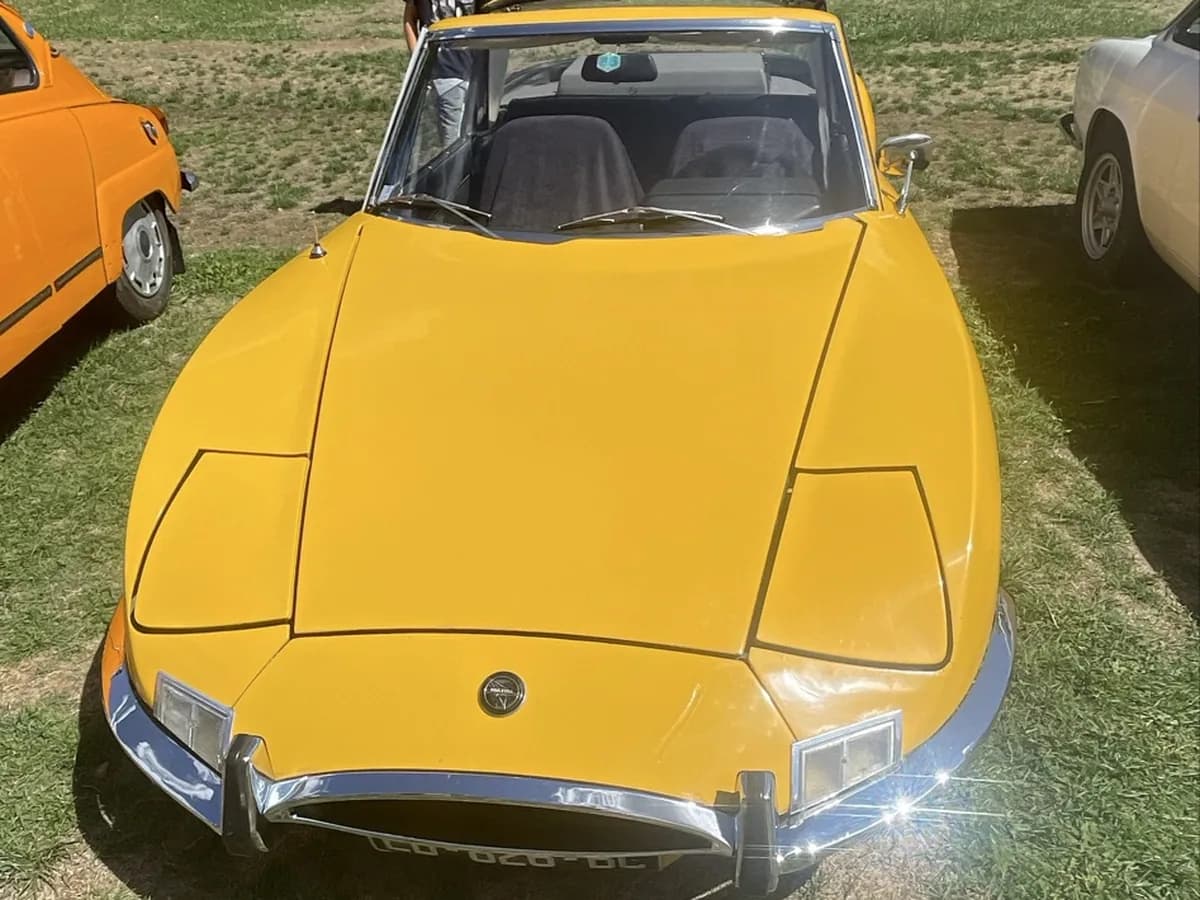
The first generation, commonly identified by the AM115 code, is a V8-powered 2+2 grand touring coupe. Its key visual traits include a very long bonnet, a low roofline, pop-up headlamps and air outlets integrated into the front fenders. It belongs to Maserati’s classic grand-tourer era, with a fastback body designed more for high-speed travel and style than for everyday practicality. The second generation, known as the AM336, arrived in 1992. It used a smaller two-door body and the twin-turbocharged V6 associated with Maserati’s Biturbo family. Its sharper, more geometric appearance is generally linked to Marcello Gandini and reflects the design language of Maserati during the 1980s and 1990s. Bumpers, wheels, lighting details and equipment can differ between markets and production updates. The third generation, designated M157, was introduced in 2013. It is a front-engine, four-door sedan with an eight-speed automatic transmission and either rear-wheel drive or all-wheel drive, depending on specification. The design combines Maserati’s grille, sculpted sides and a relatively low roofline. The 2017 update added the GranLusso and GranSport trim directions, while the 2020 Hybrid introduced a turbocharged four-cylinder engine with a 48-volt electrified system.
Key differences
The differences between the three generations are structural rather than merely cosmetic. A 1967–1973 Ghibli is a low-slung 2+2 coupe powered by a front-mounted V8. A 1992–1998 Ghibli is a smaller two-door car using a twin-turbocharged V6 and technology related to Maserati’s Biturbo family. The model introduced in 2013 is a four-door premium sports sedan with a much stronger emphasis on cabin equipment, safety systems and connectivity. Powertrains provide another clear separation. The original car used a naturally aspirated V8, the second generation relied on a turbocharged V6, and the third generation offered petrol V6 engines, a diesel V6, Q4 all-wheel drive and, from 2020, a turbocharged four-cylinder mild-hybrid system. Commercial labels should therefore be read within their generation. Ghibli S, Ghibli S Q4, GranLusso, GranSport and Hybrid belong to different versions or equipment strategies of the third-generation sedan; they should not be confused with the classic V8 coupe or the later Biturbo-based two-door car.
Photo recognition
Begin identification with the body style. A long two-door fastback with pop-up headlamps and an unusually extended bonnet points to the first generation. The V8 layout and Giugiaro’s smooth, wedge-like design provide further confirmation. A smaller, sharper-looking two-door coupe with Biturbo-family details and a twin-turbocharged V6 belongs to the second generation. The third generation is immediately recognizable as a four-door sports sedan with Maserati’s upright grille and sculpted sides. Cars updated from 2017 may have redesigned bumpers, adaptive matrix LED headlights and GranLusso or GranSport trim names. The 2020 Hybrid can be identified through its blue accent details, updated cabin technology and four-cylinder engine combined with a 48-volt system. Badges alone are not reliable evidence because equipment, wheels, lights and trim combinations varied by market and model year. Body configuration and production period should always be checked first.
Important versions
The first Ghibli is significant primarily as a Giugiaro-designed V8 grand tourer, offered as a coupe and, in limited numbers, as a Spyder. The second generation is important for its twin-turbocharged V6 versions and its direct relationship with Maserati’s Biturbo family, making it fundamentally different from the original GT. Within the third generation, the Ghibli S and S Q4 represent the sportier side of the range, with the latter adding all-wheel drive. The GranLusso and GranSport trims introduced with the 2017 update separated the model into luxury-focused and sport-focused interpretations. The 2020 Ghibli Hybrid is historically notable because it became Maserati’s first electrified production car. It used a turbocharged four-cylinder engine, a 48-volt electrical system and dedicated hybrid hardware rather than a full battery-electric drivetrain.
References
- Maserati Ghibli CataloguesMaserati
- Maserati Ghibli brochureMaserati
- International Press Launch GhibliMaserati / Stellantis Media
- Maserati reveals new Ghibli and presents Levante, Quattroporte, GranTurismo and GranTurismo Convertible MY18Maserati / Stellantis Media
- New Ghibli Hybrid: the first electrified vehicle in Maserati's historyMaserati / Stellantis Media
- Maserati Ghibli: Alle Generationen, neue Modelle, Tests & FahrberichteAuto Motor und Sport
- https://www.caranddriver.com/features/a15136645/1967-maserati-ghibli-feature/caranddriver.com
Technical specifications
Structured data available for versions linked to this model.
| Version | Power | Torque | Top speed | Drivetrain | Fuel |
|---|---|---|---|---|---|
| — | 330 hp | — | — | Rear-wheel drive for the standard Ghibli; availability may vary by market / 8-speed ZF automatic | — |
Frequently asked questions
- What years was the Maserati Ghibli produced?
- ScanRacer's referenced versions cover 1967 - 2020.
- How many Maserati Ghibli examples are documented on ScanRacer?
- 12 published scans from 9 members, with the latest photo added in September 2026.
- What is the power output of the Maserati Ghibli?
- The sourced technical data lists 330 hp.
What about the car you photographed?
Upload a photo to get a suggested make, model and likely year.
No account needed for the result · Publish only if you choose