
Urus
Revealed in 2017 and launched commercially from 2018, the Lamborghini Urus introduced a third model line for Automobili Lamborghini. The manufacturer describes it as its first “Super Sport Utility Vehicle,” combining SUV practicality and seating position with the performance expected from a Lamborghini. The original version used a 4.0-liter twin-turbo V8 rated at 650 CV, an eight-speed automatic transmission, and permanent all-wheel drive. Lamborghini quoted a 0-to-100-km/h time of 3.6 seconds and a top speed of 305 km/h. The Urus range expanded with the Urus S and Urus Performante in 2022, followed by the plug-in-hybrid Urus SE in 2024. Beyond its technical specifications, the model became central to Lamborghini’s production expansion and commercial growth, making it one of the defining vehicles in the company’s modern history. (lamborghini.com)
Variants by year
2024

2022
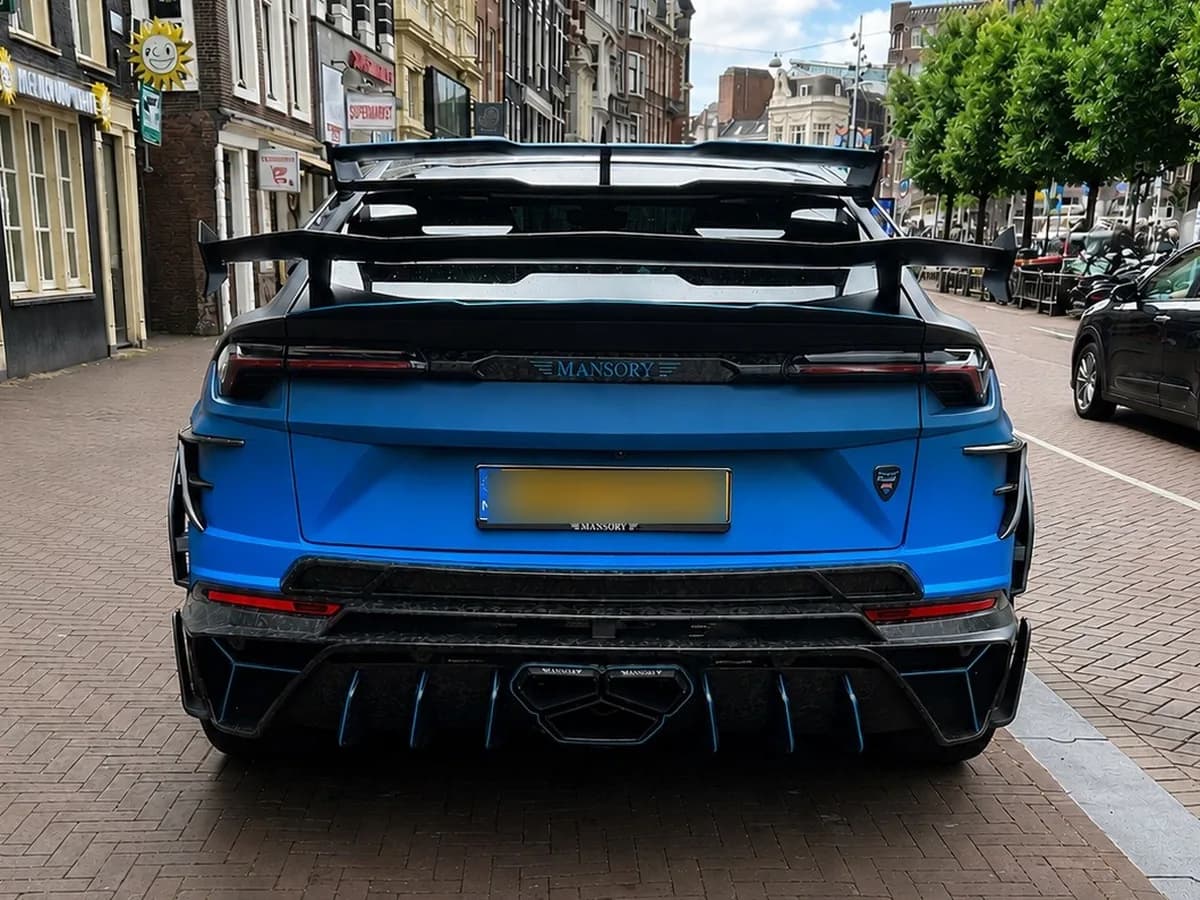
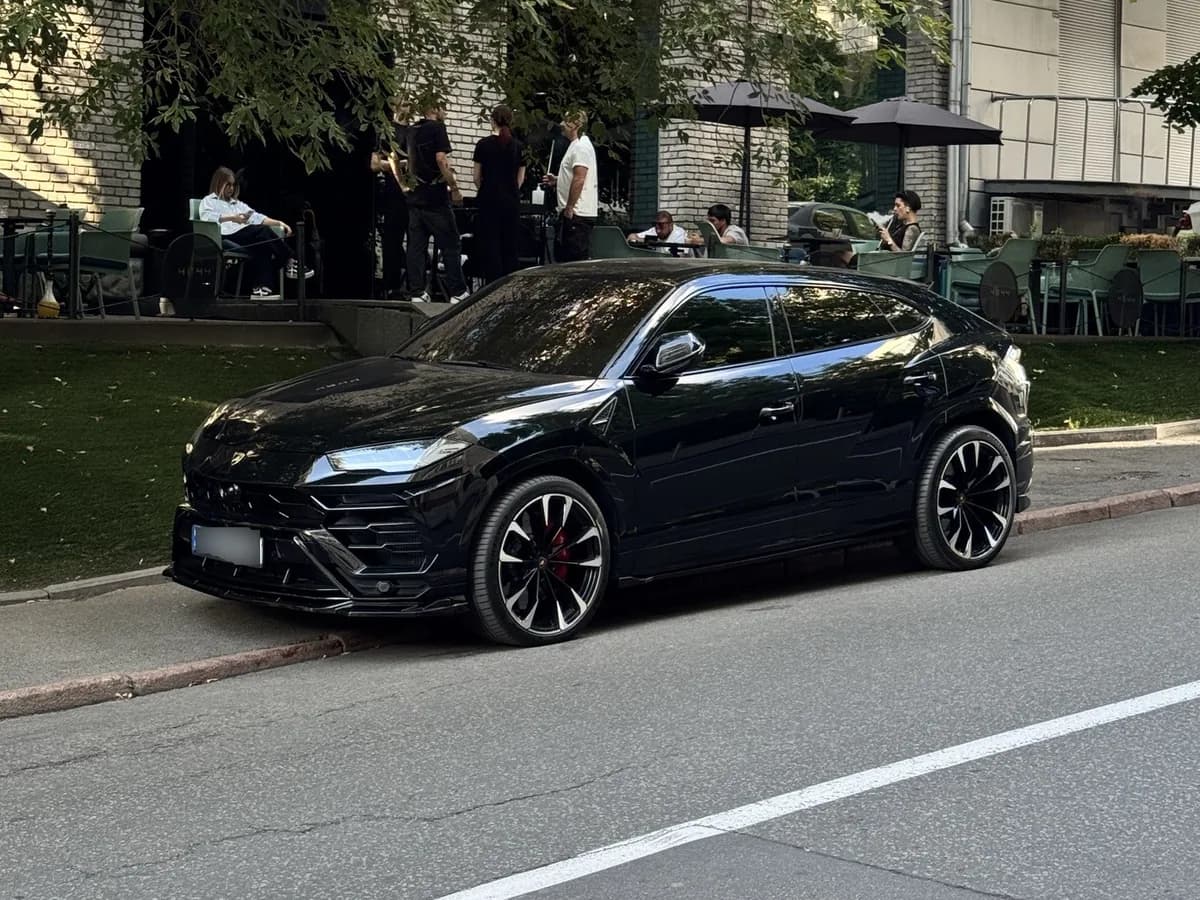
2021
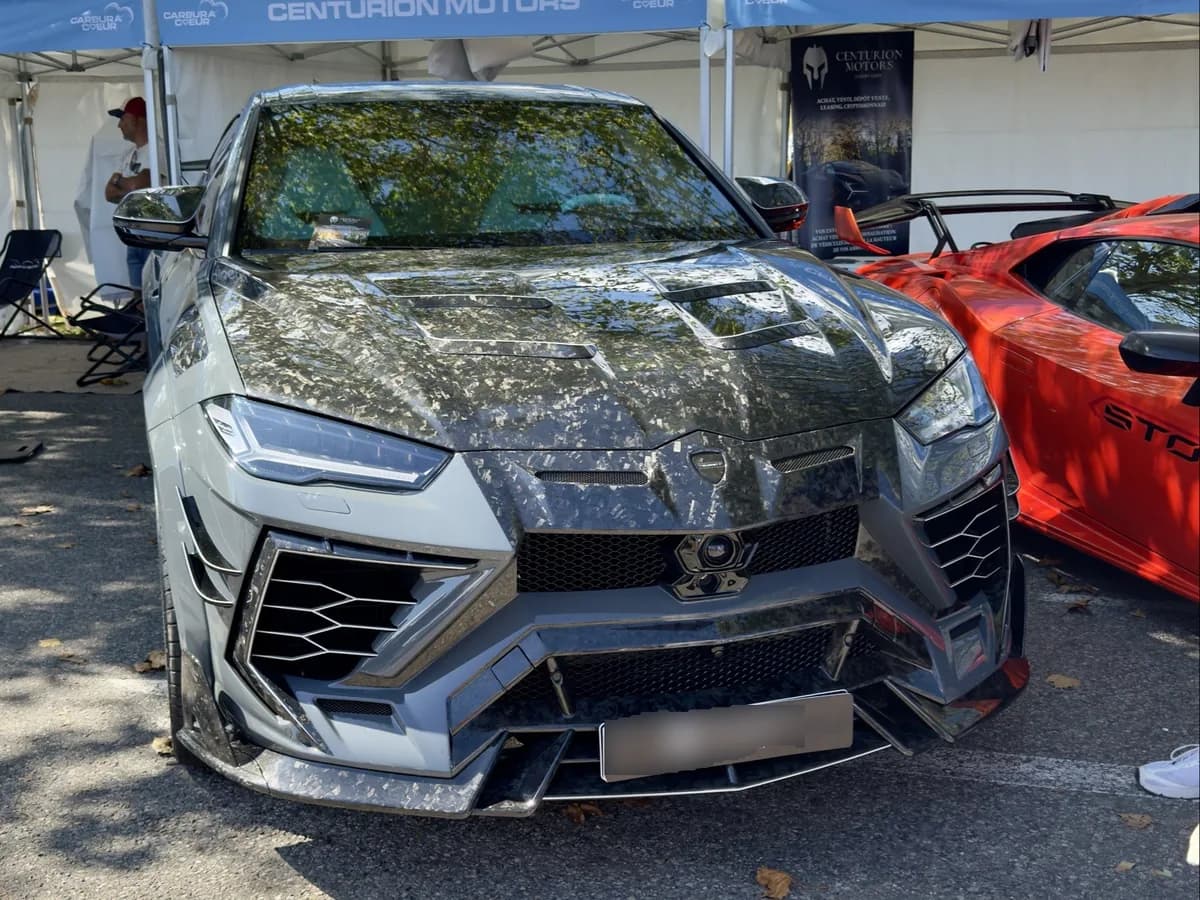
2018

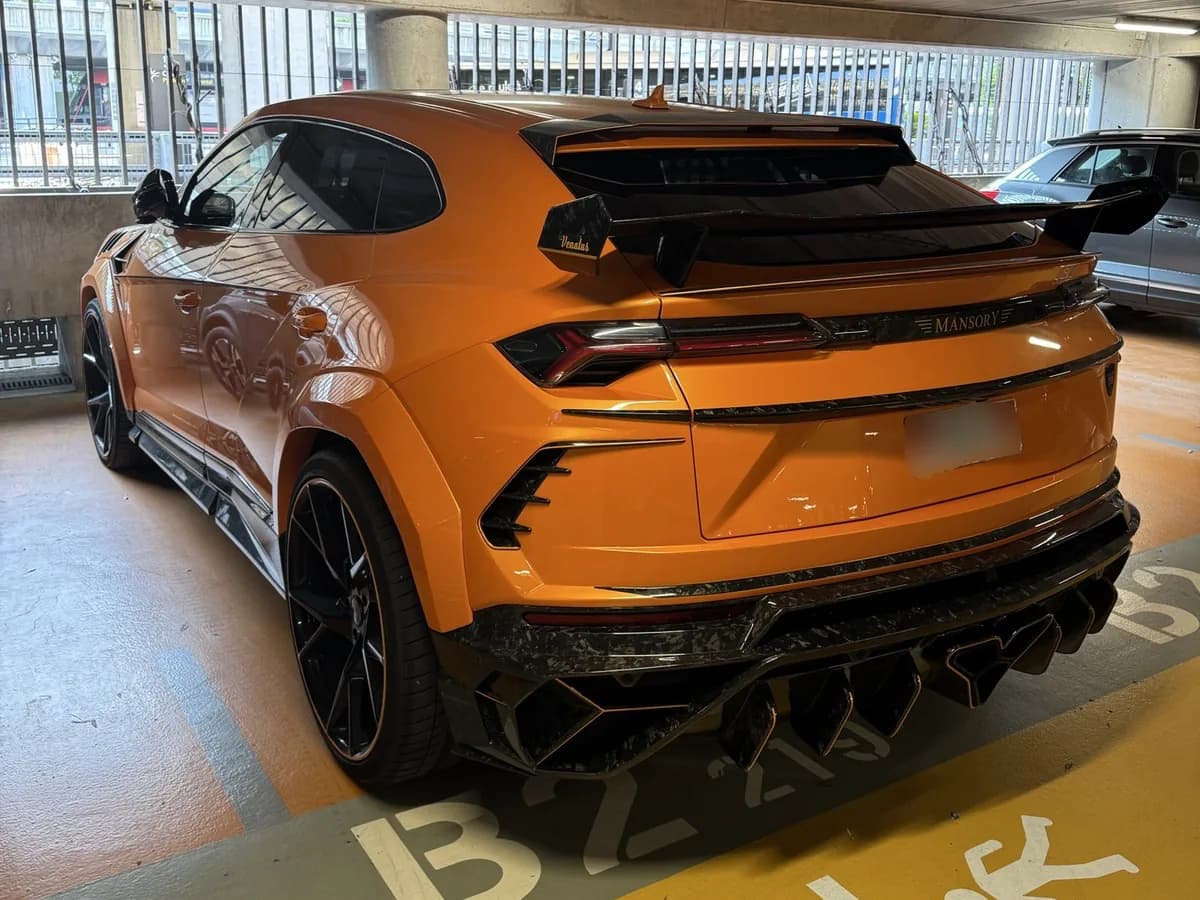
2017
Model summary
Data from the ScanRacer library, organized to compare versions quickly.
Model introduction
Revealed in 2017 and launched commercially from 2018, the Lamborghini Urus introduced a third model line for Automobili Lamborghini. The manufacturer describes it as its first “Super Sport Utility Vehicle,” combining SUV practicality and seating position with the performance expected from a Lamborghini. The original version used a 4.0-liter twin-turbo V8 rated at 650 CV, an eight-speed automatic transmission, and permanent all-wheel drive. Lamborghini quoted a 0-to-100-km/h time of 3.6 seconds and a top speed of 305 km/h. The Urus range expanded with the Urus S and Urus Performante in 2022, followed by the plug-in-hybrid Urus SE in 2024. Beyond its technical specifications, the model became central to Lamborghini’s production expansion and commercial growth, making it one of the defining vehicles in the company’s modern history. (lamborghini.com)
History
The Lamborghini Urus story officially began on September 4, 2017, when the model was unveiled at Sant’Agata Bolognese. Its arrival supported a major strategic move for Lamborghini: expanding beyond two-door sports cars and appealing to customers who wanted more space and everyday usability. First deliveries began in 2018, when 1,761 Urus vehicles reached customers after the commercial launch in July. The model also drove an expansion of Lamborghini’s Sant’Agata Bolognese facilities and was followed by the opening of a dedicated in-house paint facility in 2019. Lamborghini identifies the LM002, its 1980s off-road vehicle, as part of the Urus’s historical inspiration, although the two vehicles occupy very different technical and market positions. In 2022, the range was reworked around the Urus S, emphasizing performance, comfort, and customization, and the Urus Performante, which placed greater emphasis on reduced weight and sporting dynamics. In April 2024, the Urus SE introduced plug-in-hybrid technology to the family, combining its V8 engine with electric assistance for a claimed total output of 800 CV and more than 60 kilometers of electric driving range under the stated test conditions. (lamborghini.com)
Generations
Lamborghini does not present the Urus as a sequence of officially numbered generations. Instead, its development is best understood through several technical and commercial stages. The original model, launched from 2018, established the family formula: a 4.0-liter twin-turbo V8 producing 650 CV, permanent all-wheel drive, an eight-speed automatic transmission, and seven ANIMA driving modes. This configuration combined high road performance with the manufacturer’s claimed ability to operate on varied surfaces, including snow, sand, gravel, and unpaved routes. In 2022, the Urus S and Urus Performante marked a substantial evolution. Both used a 666-CV V8, but their priorities were different. The Urus S emphasized a balance of luxury, comfort, and performance, while the Performante adopted a more focused approach with weight reduction, a lowered body, specific aerodynamic work, and a dedicated Rally mode. The Urus SE, unveiled in 2024, introduced another major step through plug-in-hybrid technology, a 25.9-kWh battery, 800 CV of combined output, and additional electric driving strategies. It is therefore more accurate to describe the SE as an electrified evolution of the Urus concept than as a completely separate generation in the traditional sense. (lamborghini.com)
Key differences
The main differences between Urus versions involve power output, chassis tuning, aerodynamics, and intended use. The launch Urus produced 650 CV and represents the family’s original factory configuration. Introduced in 2022, the Urus S increased output to 666 CV and received revised exterior details, exhaust tuning, and dynamic calibration; it remained the range’s more broadly balanced interpretation. The Urus Performante also used a 666-CV engine, but added a claimed 47-kg weight reduction, a lowered body, dedicated aerodynamic components, and a Rally driving mode. The Urus SE is mechanically distinct because it uses a plug-in-hybrid system: its V8 works with an electric motor and a 25.9-kWh battery to produce 800 CV in total. The Mansory Venatus Evo S P900 should be treated separately from Lamborghini’s factory trims. It is a Mansory conversion based on the Urus, with extensive body, wheel, and powertrain modifications. Performance figures published by Mansory therefore describe the conversion and should not be presented as standard Lamborghini factory specifications. (lamborghini.com)
Photo recognition
To identify a Urus, start with its low, taut SUV profile, sloping rear pillars, relatively narrow glasshouse, and lighting signatures that incorporate Lamborghini’s Y-shaped and hexagonal design themes. The launch model generally has a less aggressive appearance than the derivatives introduced in 2022. The Urus S uses revised bumpers and a more sculpted exterior, but it does not necessarily carry the most overtly sporting details associated with the Performante. The Performante is easier to distinguish through its lowered stance, specific aerodynamic components, carbon-fiber details, dedicated wheels, and Rally mode. The 2024 Urus SE introduced its own styling revisions at the front and rear, along with clues connected to its plug-in-hybrid system; visual inspection alone is not always sufficient, so badges and vehicle documentation should be checked. A Mansory conversion may substantially alter the body with wide fenders, carbon components, a rear spoiler, and oversized wheels. In such cases, Mansory branding and conversion-specific parts are more dependable identification clues than the overall silhouette. (lamborghini.com)
Important versions
The 2018 launch model is the historical reference point, using a 650-CV twin-turbo V8 and a claimed 0-to-100-km/h time of 3.6 seconds. In 2022, the Urus S became the version focused on luxury, comfort, and broad usability, while the Urus Performante placed greater emphasis on lower weight and sharper dynamics, including its Rally mode. Unveiled in 2024, the Urus SE is the family’s first plug-in-hybrid derivative and produces a claimed combined 800 CV. The Mansory Venatus Evo S P900 should be classified separately: Mansory describes it as a limited conversion based on the Urus, with claimed figures of 900 hp and 1,100 Nm. Those numbers apply to the Mansory conversion and should not be presented as specifications for a factory-built or directly produced Automobili Lamborghini version. (lamborghini.com)
References
- Milestones: First Super SUV: UrusAutomobili Lamborghini
- European premiere of Lamborghini UrusAutomobili Lamborghini
- One year of UrusAutomobili Lamborghini
- Lamborghini Urus scores new production recordAutomobili Lamborghini
- The Urus Performante Debuts in RomeAutomobili Lamborghini
- Lamborghini Presents: Lamborghini Urus SAutomobili Lamborghini
- Urus S model informationAutomobili Lamborghini
- Lamborghini Urus SE: The first Plug-in Hybrid Super SUVAutomobili Lamborghini
Technical specifications
Structured data available for versions linked to this model.
| Version | Power | Torque | Top speed | Drivetrain | Fuel |
|---|---|---|---|---|---|
| Base | 478.1 KW @ 6000 RPM 650 HP @ 6000 RPM 641 BHP @ 6000 RPM | 627 lb-ft @ 2250-4500 RPM 850 Nm @ 2250-4500 RPM | 190 mph (306 km/h) | All Wheel Drive / 8-speed automatic | Gasoline |
Frequently asked questions
- What years was the Lamborghini Urus produced?
- ScanRacer's referenced versions cover 2017 - 2024.
- How many Lamborghini Urus examples are documented on ScanRacer?
- 127 published scans from 68 members, with the latest photo added in September 2026.
- What is the power output of the Lamborghini Urus?
- The sourced technical data lists 478.1 KW @ 6000 RPM 650 HP @ 6000 RPM 641 BHP @ 6000 RPM.