
X-Bow
Introduced into production in 2008, the KTM X-Bow was the Austrian brand’s first series-production car. It uses a highly focused mid-engined two-seat layout built around a carbon-fibre monocoque developed with Dallara. Its Audi-sourced turbocharged four-cylinder engine and open bodywork make the X-Bow closer in concept to a road-usable racing car than to a conventional sports coupe. The range later expanded with more powerful versions, a GT derivative featuring a windscreen and removable roof, and competition-focused cars. The ScanRacer records covered here associate a Base version with 2013 and a Track-version with 2017. Those labels should be treated as catalogue classifications rather than automatically equated with official KTM commercial names. The model’s identity remains consistent: very low weight, exposed mechanical components, two seats, and an unusually direct connection between driver and chassis.
Variants by year
2017
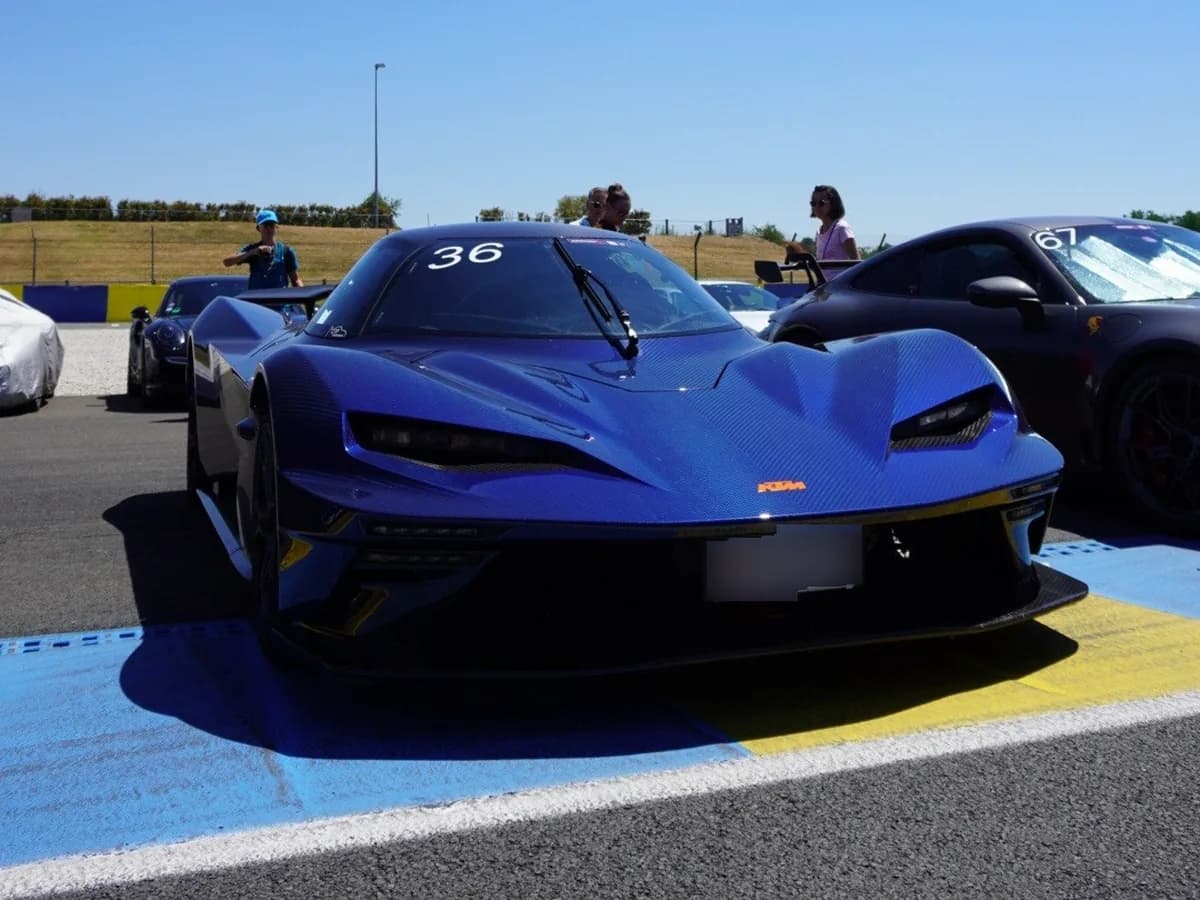
2013
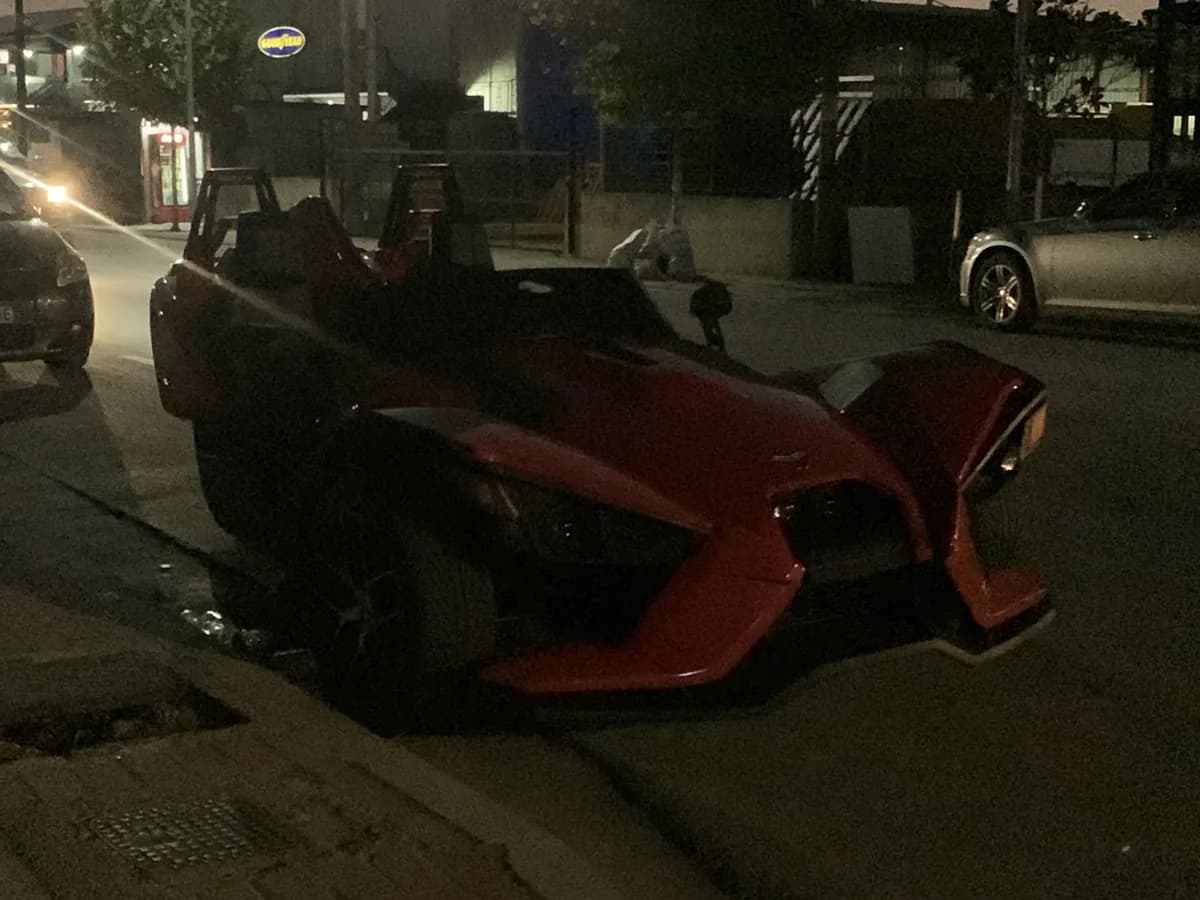
Model summary
Data from the ScanRacer library, organized to compare versions quickly.
Model introduction
Introduced into production in 2008, the KTM X-Bow was the Austrian brand’s first series-production car. It uses a highly focused mid-engined two-seat layout built around a carbon-fibre monocoque developed with Dallara. Its Audi-sourced turbocharged four-cylinder engine and open bodywork make the X-Bow closer in concept to a road-usable racing car than to a conventional sports coupe. The range later expanded with more powerful versions, a GT derivative featuring a windscreen and removable roof, and competition-focused cars. The ScanRacer records covered here associate a Base version with 2013 and a Track-version with 2017. Those labels should be treated as catalogue classifications rather than automatically equated with official KTM commercial names. The model’s identity remains consistent: very low weight, exposed mechanical components, two seats, and an unusually direct connection between driver and chassis.
History
KTM developed the X-Bow with several technical partners, including Dallara for the chassis architecture, Wethje for carbon components, KTM Technologies for composite work, and Audi for the powertrain. The production car was introduced in 2008, following earlier prototypes and the Dallara special series used at the beginning of production. From the outset, KTM prioritised low weight, structural stiffness, and aerodynamic efficiency over the comfort and equipment normally associated with a grand-touring car. The first X-Bows were open cars with limited weather protection and a presentation strongly influenced by track machinery. The X-Bow R, announced for 2011, increased the performance focus through higher engine output. In 2013, the X-Bow GT broadened the car’s usability with a windscreen, doors, and a removable soft top while retaining the basic technical foundation of the X-Bow R. KTM also developed competition derivatives such as the RR and GT4. The 2013–2017 period should therefore be understood as a phase of range expansion, not as a clearly documented generational break. Exact equipment and output can vary according to market, production year, and factory specification.
Generations
KTM does not present the 2013–2017 X-Bow as a sequence of official generations in the same way as a sedan or coupe. It is more accurate to describe one core architecture developed into several derivatives. The common foundation consists of a carbon-fibre monocoque, a mid-mounted engine, two seats, and lightweight bodywork with separate aerodynamic elements. The first phase covers the open X-Bows introduced from 2008, including road-oriented and track-focused variants. The X-Bow R represents a performance development of that formula. Introduced in 2013, the GT is visually and functionally distinct because it adds a windscreen, doors, and a removable soft top while retaining the car’s basic concept. Competition versions, including the RR and GT4, should not be treated as ordinary road models: they use dedicated bodywork, safety equipment, and track specifications. Within the ScanRacer context, Base and Track-version are library classifications rather than confirmed factory generations. Identification should therefore rely on the vehicle’s bodywork, equipment, documented model name, and production-year information rather than on the catalogue label alone.
Key differences
The clearest distinction is between the open X-Bow and versions equipped with additional weather protection. A car without a windscreen or roof points toward the original concept and track-oriented derivatives. The X-Bow GT is identifiable by its windscreen, doors, and removable soft top, features announced by KTM when the model was presented in 2013. Version differences may also involve Audi engine output, chassis calibration, brakes, aerodynamic components, differential specification, and safety equipment. The Base and Track-version labels require caution: they do not, by themselves, establish a particular engine or body style. A Track-version entry may represent a catalogue category or circuit-oriented configuration without proving that the vehicle is an X-Bow RR or GT4. Photographs, the manufacturer identification plate, and original vehicle documentation are needed to confirm the exact derivative. Equipment can also vary by market and by optional factory or PowerPart specification.
Photo recognition
A KTM X-Bow is first recognised by its extremely low profile, exposed or semi-exposed wheels, separate body panels, and two rollover hoops behind the occupants. The central carbon-fibre cell is an important clue, often visible inside the cockpit and contrasting with the coloured exterior panels. The rear-mid-mounted engine and lack of a conventional luggage compartment reinforce its road-legal race-car character. To separate the main configurations, check for a windscreen and doors. Their absence indicates the open formula; their presence may point to a GT, although those features alone cannot confirm every mechanical specification. Large wings, diffusers, additional air intakes, racing harnesses, and a full roll cage suggest a competition car, but some equipment may have been fitted as an option. The first registration date is not always the production year. The manufacturer plate, factory documents, and original invoices provide stronger evidence when identifying a specific X-Bow derivative or deciding whether a catalogue entry corresponds to a road car or a track-focused version.
Important versions
The Dallara edition is a notable launch-series X-Bow, distinguished by carbon components and specific chassis development. The early road cars were later joined by the X-Bow R, a more powerful open derivative that retained the original concept. Introduced in 2013, the X-Bow GT can be identified by its windscreen, doors, and removable soft top while remaining part of the X-Bow R family. The RR was developed for competition, while the GT4 belongs clearly to the racing-car category. In the supplied ScanRacer data, Base is associated with 2013 and Track-version with 2017. These names should remain catalogue labels, but they do not establish whether a car is a Dallara, R, GT, RR, or GT4 without additional evidence. Factory documentation, photographs, and the vehicle identification plate are needed for a more precise classification.
References
- Official World Premiere of the KTM X-Bow GTXKTM
- KTM X-Bow 1,000th Vehicle Press InformationLand Steiermark / KTM press information
- KTM to Show Production X-Bow at Geneva ShowAutoweek
- KTM X-Bowevo
- https://www.scribd.com/document/529534077/Ktm-X-bow-Folder-R-rr-2021-en-Copiascribd.com
- https://www.motorauthority.com/news/1082864_2013-ktm-x-bow-gt-full-specsmotorauthority.com
- https://www.ktm.com/en-us/X-BOW/contact.htmlktm.com
Technical specifications
Structured data available for versions linked to this model.
| Version | Power | Torque | Top speed | Drivetrain | Fuel |
|---|---|---|---|---|---|
| Base | 209.6 KW @ 6400 RPM 285 HP @ 6400 RPM 281 BHP @ 6400 RPM | 310 lb-ft @ 3200 RPM 420 Nm @ 3200 RPM | 144 mph (232 km/h) | Rear Wheel Drive / 6-speed manual | Gasoline |
Frequently asked questions
- What years was the KTM X-Bow produced?
- ScanRacer's referenced versions cover 2013 - 2017.
- How many KTM X-Bow examples are documented on ScanRacer?
- 14 published scans from 13 members, with the latest photo added in September 2026.
- What is the power output of the KTM X-Bow?
- The sourced technical data lists 209.6 KW @ 6400 RPM 285 HP @ 6400 RPM 281 BHP @ 6400 RPM.