
Fiesta
Launched by Ford of Europe in 1976, the Fiesta was a front-wheel-drive small car developed for growing demand for compact and economical transportation. Its creation involved one of Ford’s largest industrial investments at the time, including the construction of a major production facility at Almussafes near Valencia, Spain. Initially offered mainly as a three-door hatchback, the Fiesta gradually expanded into five-door, van, sedan, and performance-oriented derivatives depending on the market. Its appeal came from a straightforward formula: compact dimensions, an evolving engine range, and road manners that were often more engaging than those of its rivals. Across successive generations, the Fiesta developed from a basic small car into a sophisticated supermini with stronger safety, comfort, and connectivity equipment. Despite those changes, it retained a clear Ford identity and remained closely associated with practical hatchback motoring.
Variants by year
2018
2017
 CC
CC2012
2010
2009
2008
 CC
CC2007
2005
2004
2003
2002
 C
C1999
1995
1991
1989
1983
1976
Model summary
Data from the ScanRacer library, organized to compare versions quickly.
Model introduction
Launched by Ford of Europe in 1976, the Fiesta was a front-wheel-drive small car developed for growing demand for compact and economical transportation. Its creation involved one of Ford’s largest industrial investments at the time, including the construction of a major production facility at Almussafes near Valencia, Spain. Initially offered mainly as a three-door hatchback, the Fiesta gradually expanded into five-door, van, sedan, and performance-oriented derivatives depending on the market. Its appeal came from a straightforward formula: compact dimensions, an evolving engine range, and road manners that were often more engaging than those of its rivals. Across successive generations, the Fiesta developed from a basic small car into a sophisticated supermini with stronger safety, comfort, and connectivity equipment. Despite those changes, it retained a clear Ford identity and remained closely associated with practical hatchback motoring.
History
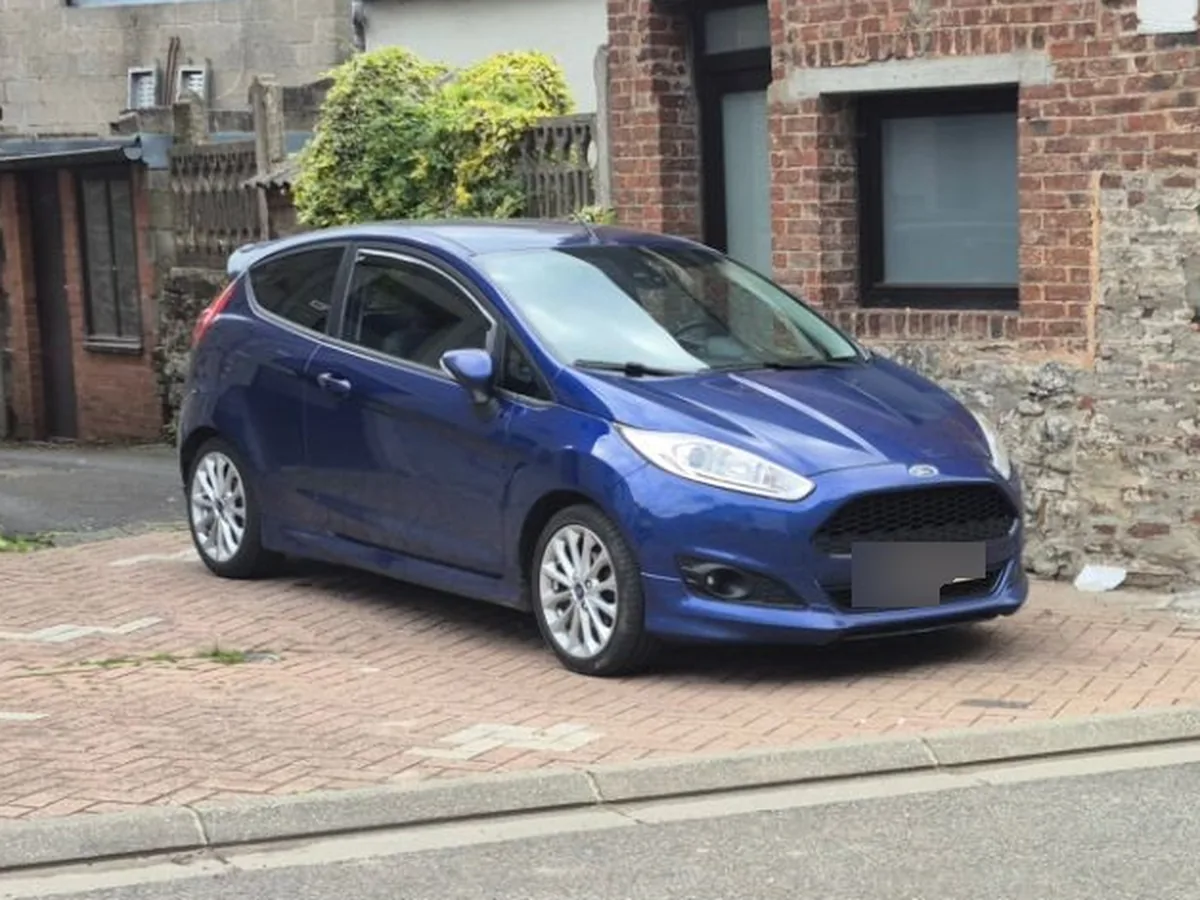
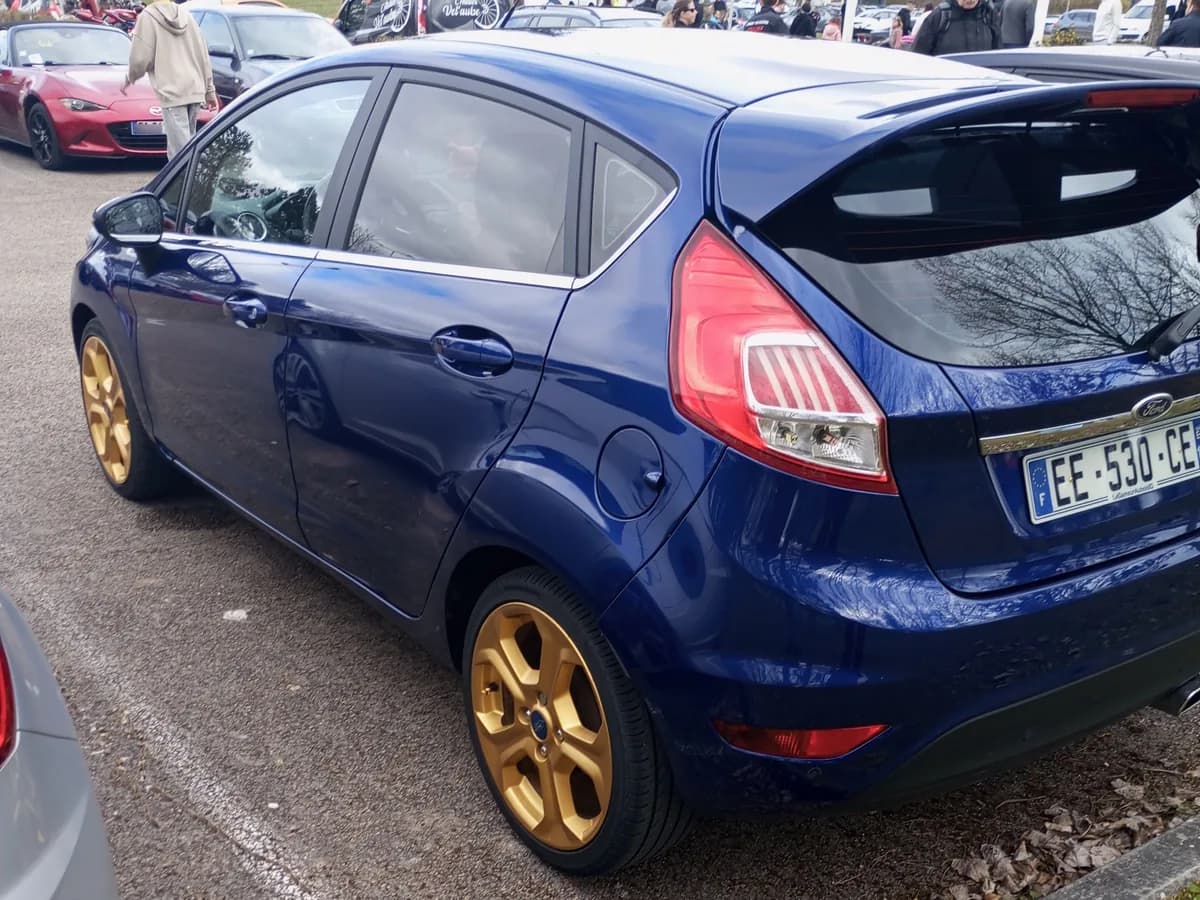
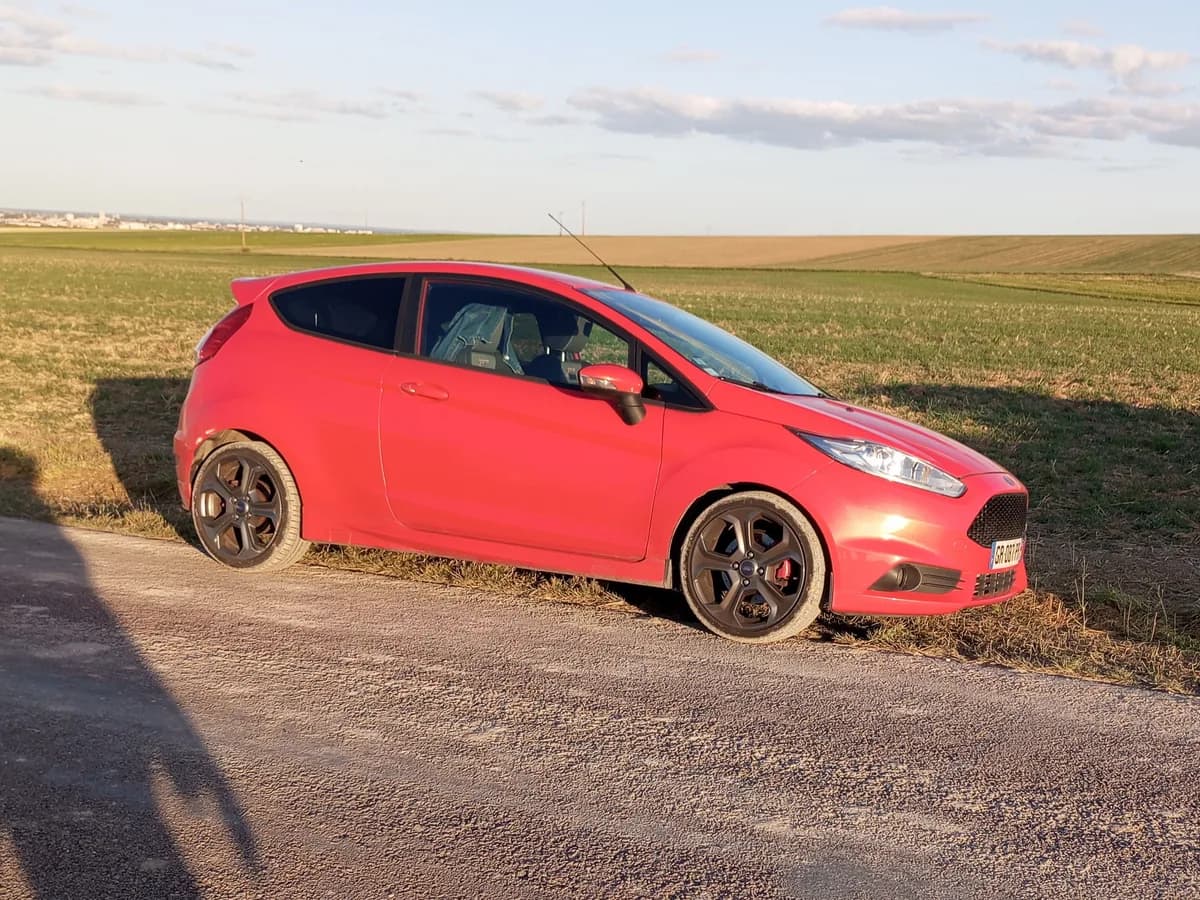
Production of the first Fiesta began in 1976 in Germany, followed by manufacturing expansion to Spain and the United Kingdom. Ford positioned the car as a modern small vehicle with a transverse engine and front-wheel drive, aimed primarily at European markets. The first generation was replaced in 1983 by a substantially revised model with updated front-end styling and a refreshed interior. Another major step came in 1989, when the Fiesta grew in size and gained a five-door body style in several markets. This era also established the model’s performance reputation through derivatives such as the XR2i, RS Turbo, and RS1800. The generation introduced during the mid-1990s adopted softer, more rounded styling and a more mature presentation. Ford redesigned the car again in 2002, bringing a new structure and a more contemporary cabin. The generation launched in 2008 represented another significant styling change, with a more expressive shape and a wider range of equipment. In 2016-2017, the Fiesta received a more technology-focused design and was offered in Titanium, ST-Line, Vignale, Active, and ST forms, depending on the market. Ford stated that more than 17 million Fiestas had been produced worldwide by that period.
Generations
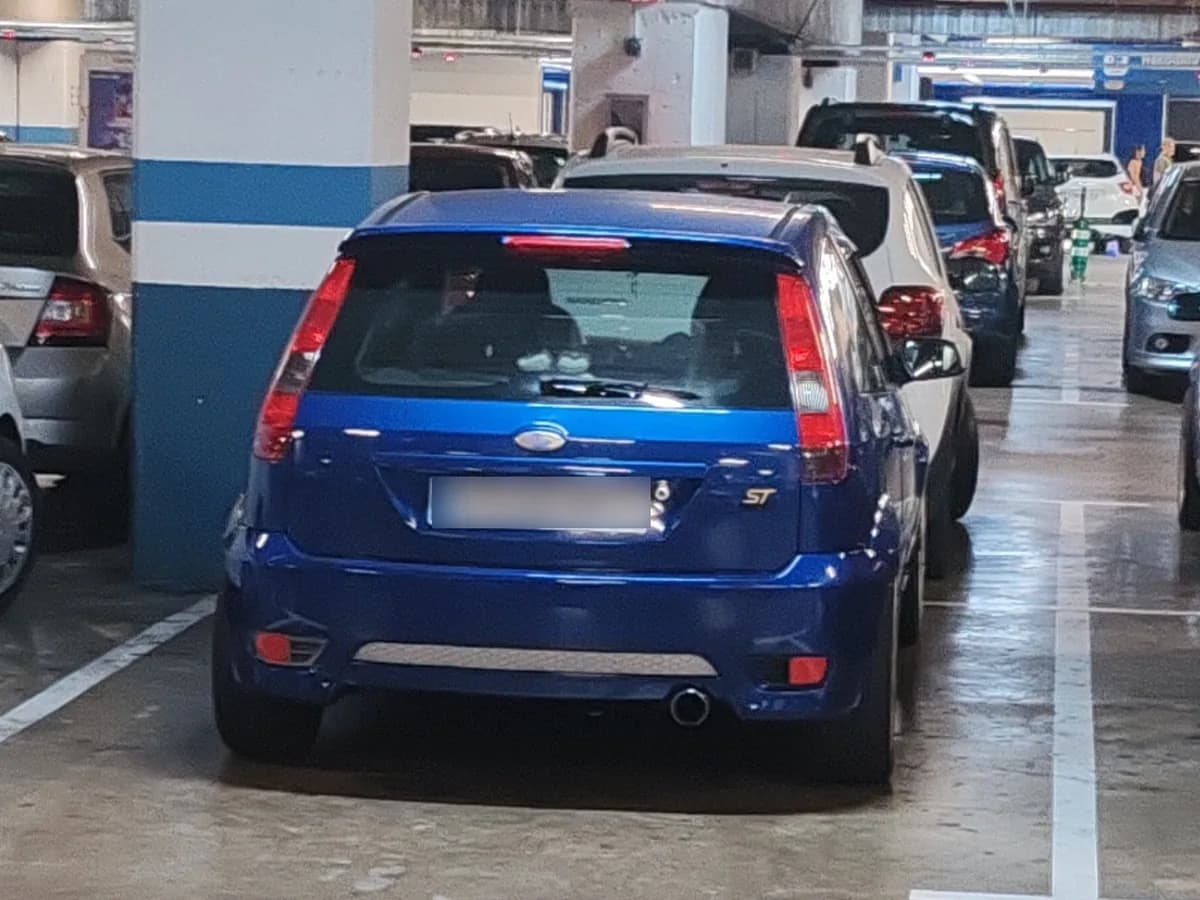
The first generation, produced from 1976 to 1983, is identified by its compact dimensions, angular lines, and predominantly three-door body styles. The second generation, introduced in 1983, retained the basic silhouette but received revised front-end styling, a refreshed interior, and updated engines. The third generation arrived in 1989 with a wider and longer body. It also introduced a five-door configuration in several markets and provided the basis for more ambitious performance derivatives. The fourth generation, introduced from 1995-1996 depending on the market, broke visually with earlier cars through rounded surfaces and an oval grille. The 2002 model represented a major redesign and is often called the fifth generation in international classifications. The generation launched in 2008 brought more sculpted styling, a more modern cabin, and a broader range of body and powertrain choices. Finally, the Fiesta revealed in 2016 and introduced to markets from 2017 retained the proportions of a small hatchback while adding stronger connectivity, driver-assistance technology, and a wider spread of trim levels. Generation numbering is not completely consistent across countries and sources, particularly when substantial facelifts are counted as separate model phases.
Key differences
The main differences between Fiesta generations involve body size, available body styles, and equipment levels. Early cars are generally smaller, simpler, and dominated by three-door hatchback configurations. From the third generation onward, the five-door body made the car more practical for family use, while performance versions became more powerful and technically developed. The 1990s model is easily separated from its predecessors by its rounded styling and smoother presentation. The 2002 and 2008 generations brought clear progress in interior space, safety, refinement, and electronic equipment, although specifications varied significantly by market and trim. The final phase covered by the supplied model range is more technology-focused and combines conventional hatchbacks with sporty, premium, and crossover-inspired derivatives. Engine, gearbox, and safety equipment should not be inferred from the generation name alone, because Ford changed specifications across countries and model years.
Photo recognition
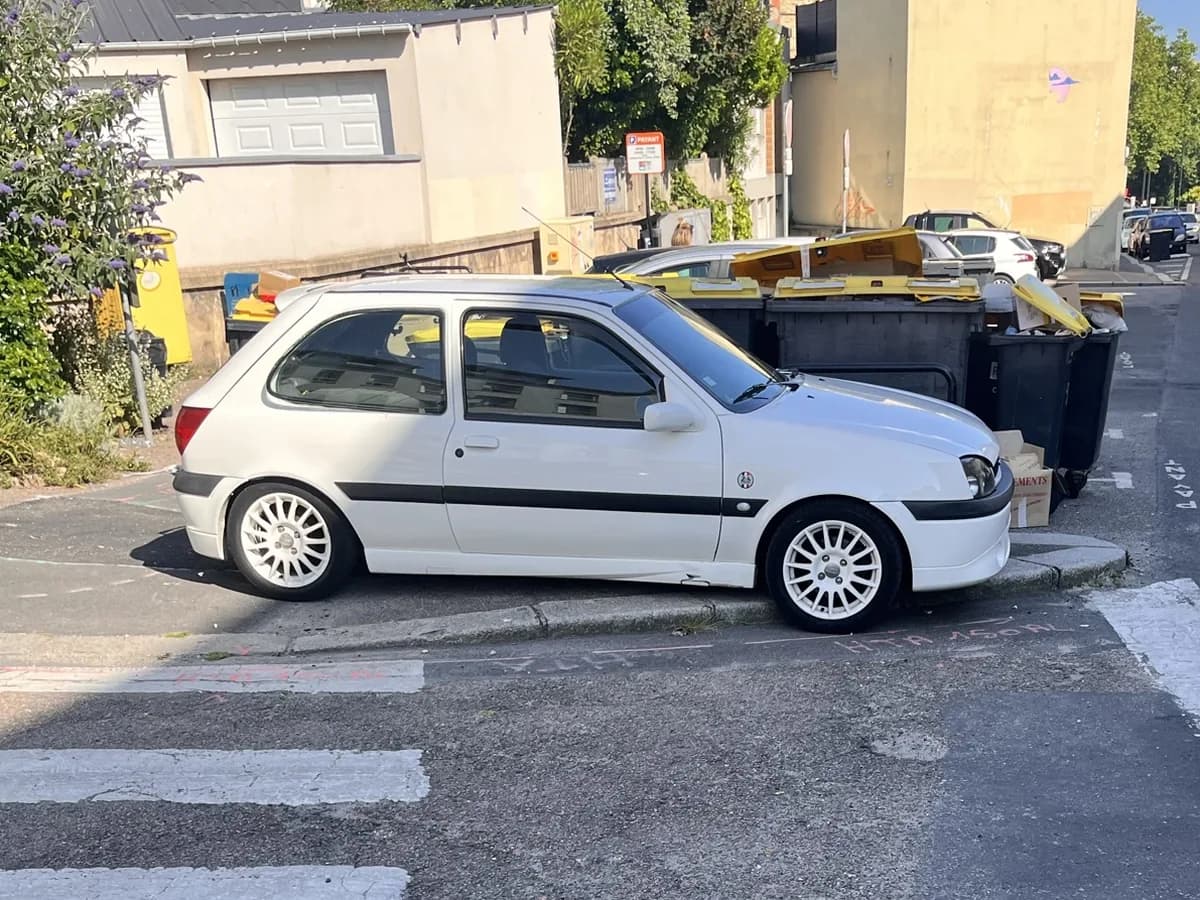
A first-generation Fiesta can be identified by its very compact profile, relatively straight body surfaces, and rectangular headlamps. The second generation kept a similar basic shape but used a smoother nose and a more integrated bonnet line. The third generation looks visibly larger; broader body sides and the availability of five doors are useful clues. Fiestas introduced in 1995-1996 adopted much rounder surfaces, an oval grille, and a more aerodynamic appearance. The 2002 model has a taller-looking body and a more structured front end. The 2008 generation is marked by sharper styling, elongated headlamps, and a more modern dashboard design. Later cars use a larger grille, distinctive rear-light arrangements that vary by body style, and more obvious infotainment equipment. Accurate identification requires several clues together, including lamp shapes, door count, dashboard design, badges, and original market. A facelift may substantially change the front or interior without representing a completely new generation, so registration year alone is not always sufficient.
Important versions
The most notable versions include the XR2, XR2i, RS Turbo, and RS1800 performance derivatives, which gave the small Ford a strong following among enthusiasts. The Fiesta ST later continued that role with a more modern approach, combining sporty presentation with a chassis tuned for engaging driving. Van and sedan body styles demonstrate how the model was adapted to different uses and markets. In the later range, the Active trim introduced crossover-inspired styling, while ST-Line and Vignale focused respectively on sporty appearance and a more upscale equipment profile. These names do not necessarily correspond to identical engines, transmissions, or equipment in every country, so the market and model year remain important when comparing versions.
References
- 40 Jahre Ford Fiesta: vom „Bobcat“ zu Europas beliebtestem KleinwagenFord Media Center
- Un Modelo de Largo Recorrido: 40 Años del Ford FiestaFord España Media
- Ford comemora 40 anos do Fiesta e cerca de 18 milhões de unidades produzidasFord Brasil Media
- Complete Ford Fiesta review: every generation tested as production endsAuto Express
- Ford stellt ... den Next Generation Ford Fiesta ... vorFord Media Center
- https://media.ford.com/content/fordmedia/feu/fr/fr/news/2017/03/29/un-design-qui-va-vous-faire-aimer-la-nouvelle-ford-fiesta.htmlmedia.ford.com
- https://nyheder.ford.dk/pressreleases/ford-fiesta-fylder-40-aar-1566824nyheder.ford.dk
Technical specifications
Structured data available for versions linked to this model.
| Version | Power | Torque | Top speed | Drivetrain | Fuel |
|---|---|---|---|---|---|
| — | 125 PS | — | — | Front-wheel drive / 6-speed manual | — |
Frequently asked questions
- What years was the Ford Fiesta produced?
- ScanRacer's referenced versions cover 1976 - 2018.
- How many Ford Fiesta examples are documented on ScanRacer?
- 12 published scans from 9 members, with the latest photo added in August 2026.
- What is the power output of the Ford Fiesta?
- The sourced technical data lists 125 PS.