Ford Fiesta Sedan 2012
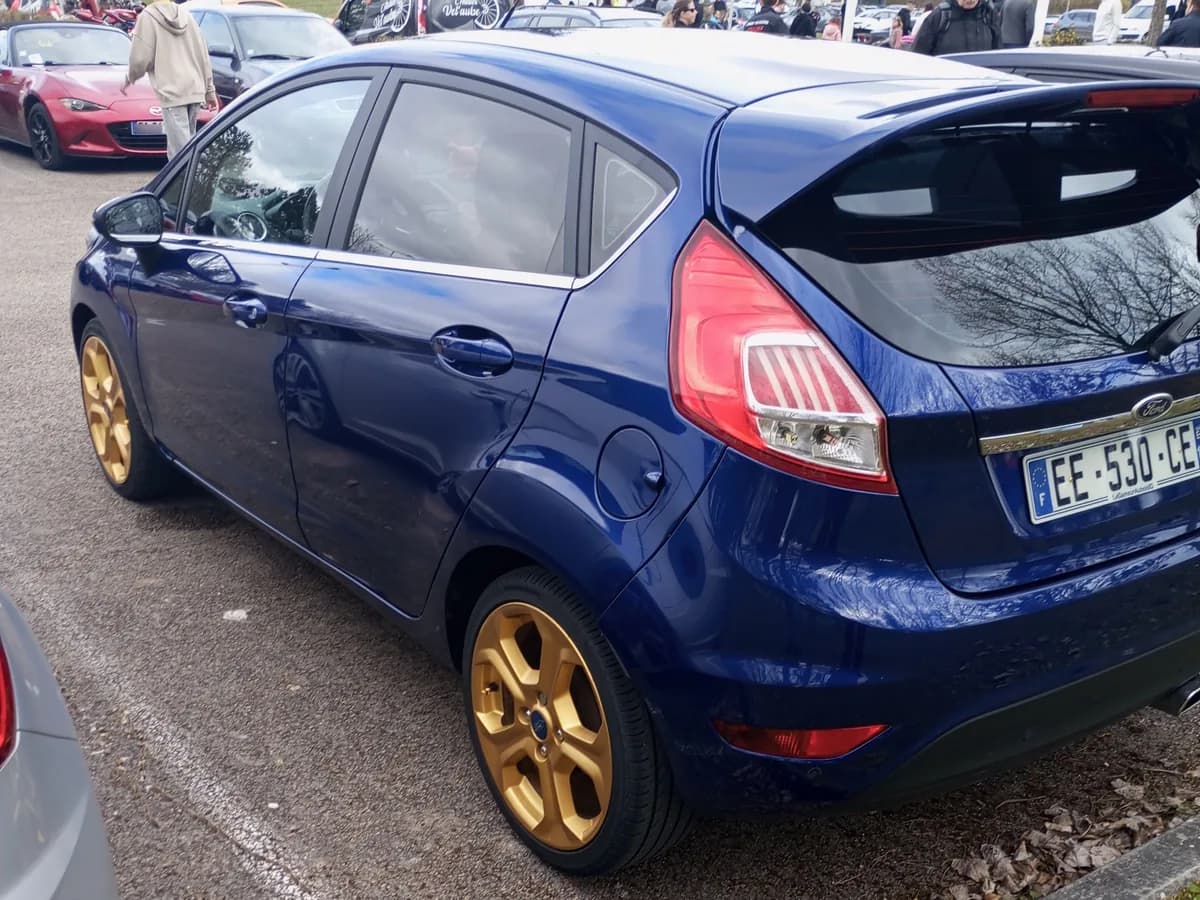
The 2012 Ford Fiesta Sedan belongs to the 2008 generation, a stage in Fiesta history marked by a more expressive silhouette and a broader equipment offer. In this sedan-bodied form, it moves closer to a small notchback saloon than to a conventional hatchback, while staying within the Fiesta’s compact character. The dossier places it among the body styles that show how Ford adapted the Fiesta to different uses across markets. In 2012, it therefore sits within a well-established family defined by front-wheel drive, a transverse engine layout, and a steady evolution in design and equipment.
History
The Fiesta first appeared in 1976, initially developed in Germany before production expanded to Spain and then the United Kingdom. Ford presented it as a modern small car with a transverse engine and front-wheel drive, aimed primarily at European markets. The line evolved significantly in 1983 with a major update to the front end and the interior. In 1989, the car grew in size and, in several markets, received a five-door body for the first time, widening its appeal. That period also brought several now-famous sporty derivatives, including the XR2i, RS Turbo and RS1800.
In the mid-1990s, the Fiesta took on smoother, more rounded styling and a more restrained look. The 2002 update modernized the architecture and cabin, and the 2008 generation introduced a more sculpted shape together with a broader range of body styles and equipment. The 2012 Fiesta Sedan belongs to that later phase. The dossier does not assign it a unique mechanical identity, but treats it as a body-style variant that reflects how the Fiesta was adapted to different markets and different practical needs.
Latest scans
Photos added by the community for this page.
Evolution
Variants
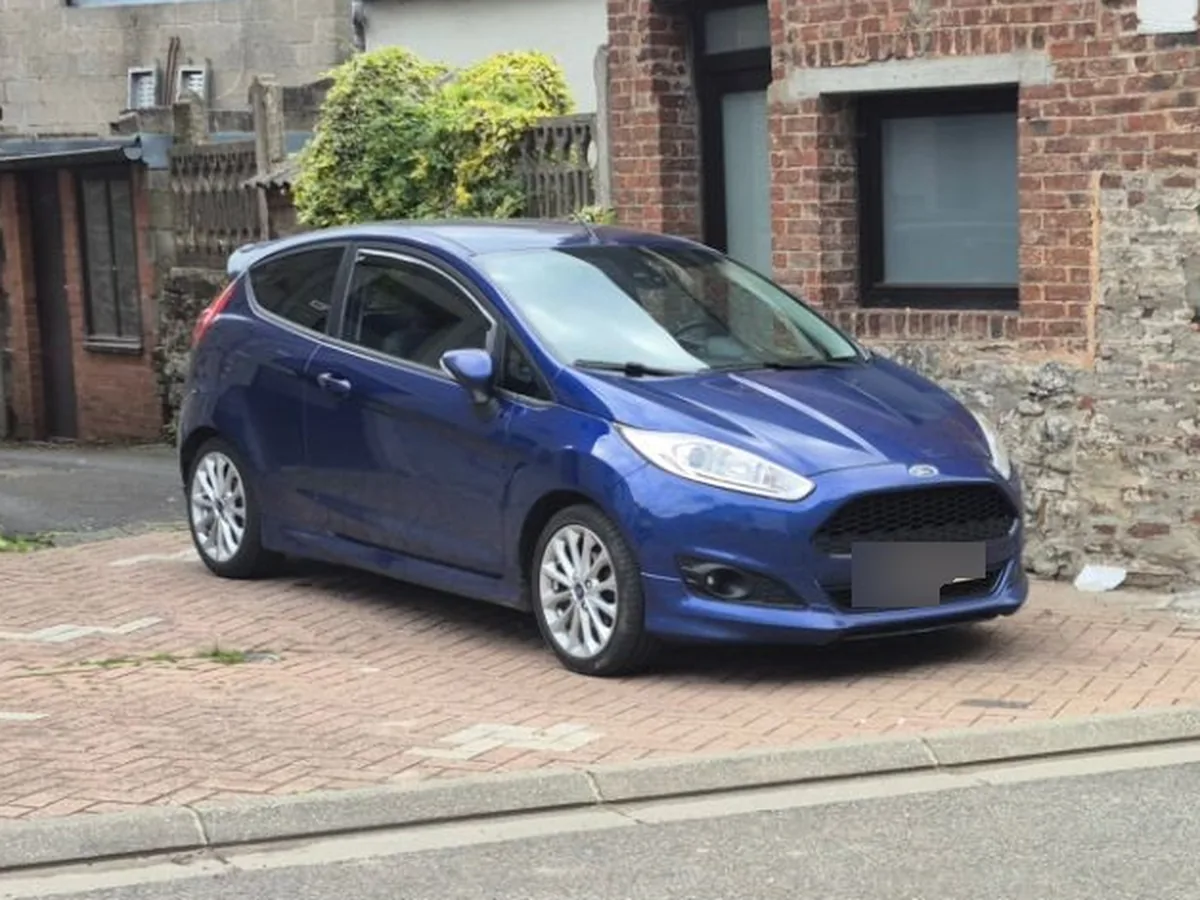
The dossier identifies several major strands in Fiesta history, from the early three-door cars to the five-door versions that became more widely available from the third generation onward. The Sedan is among the body styles that show how the model was adapted to different markets, alongside the Van mentioned as another important derivative. For 2012, the Fiesta Sedan should therefore be understood as a body-style variant rather than as a sporty or premium-spec version.
That places it far from the landmark performance derivatives such as the XR2, XR2i, RS Turbo and RS1800, as well as the later Fiesta ST, which focused on pace and dynamic image. The 2012 Sedan is instead about versatility and everyday use within the 2008-generation range. The dossier does not specify a unique trim level or any equipment exclusive to this body style.
References
- 40 Jahre Ford Fiesta: vom „Bobcat“ zu Europas beliebtestem KleinwagenFord Media Center
Supports the 1976 production milestone, manufacturing history, more than 16.7 million vehicles built by 2016, and the model’s awards and market success.
- Un Modelo de Largo Recorrido: 40 Años del Ford FiestaFord España Media
Supports the worldwide production context and the role of the Almussafes plant.
- Ford comemora 40 anos do Fiesta e cerca de 18 milhões de unidades produzidasFord Brasil Media
Supports the broad chronology of the first four generations, the five-door introduction, ABS availability, sporty derivatives, and the van.
- Complete Ford Fiesta review: every generation tested as production endsAuto Express
Supports the commonly used seven-generation chronology, generation-by-generation visual development, and the historical importance of XR2 and later performance versions.
- Ford stellt ... den Next Generation Ford Fiesta ... vorFord Media Center
Supports the late-generation Titanium, ST-Line, Vignale, Active, and ST range structure.
- https://media.ford.com/content/fordmedia/feu/fr/fr/news/2017/03/29/un-design-qui-va-vous-faire-aimer-la-nouvelle-ford-fiesta.htmlmedia.ford.com
Source found by OpenAI web search for this model page.
- https://nyheder.ford.dk/pressreleases/ford-fiesta-fylder-40-aar-1566824nyheder.ford.dk
Source found by OpenAI web search for this model page.