
500
The FIAT 500 name covers several small cars that played an important role in the history of the Italian brand. The first, launched in 1936, became known as the Topolino and used a four-cylinder engine in a compact design intended to make car ownership more accessible. After production ended in 1955, the Nuova 500 introduced on July 4, 1957 adopted a much smaller layout with an air-cooled rear-mounted twin-cylinder engine. It became one of the defining cars of Italy’s mass motorisation. In 2007, FIAT revived the name with a modern city car whose styling drew on the Nuova 500. The recorded range therefore spans very different eras, from pre-war Topolino derivatives to the later Hatch and Cabrio body styles.
What about the car you photographed?
Upload a photo to get a suggested make, model and likely year.
No account needed for the result · Publish only if you choose
Variants by year
Make: FIAT · Model: 500
20 / 20 versions shown
2020

2015
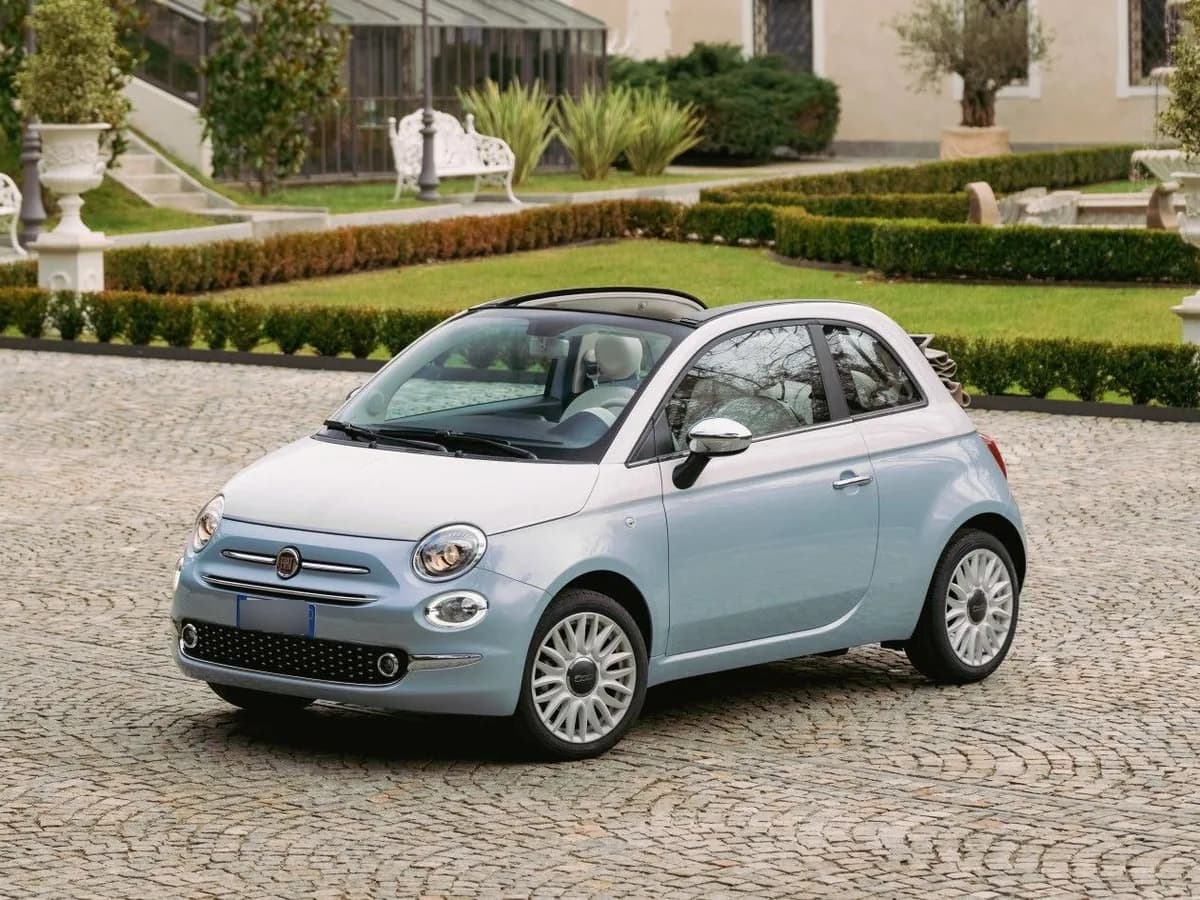
2013
2009
2007
1972
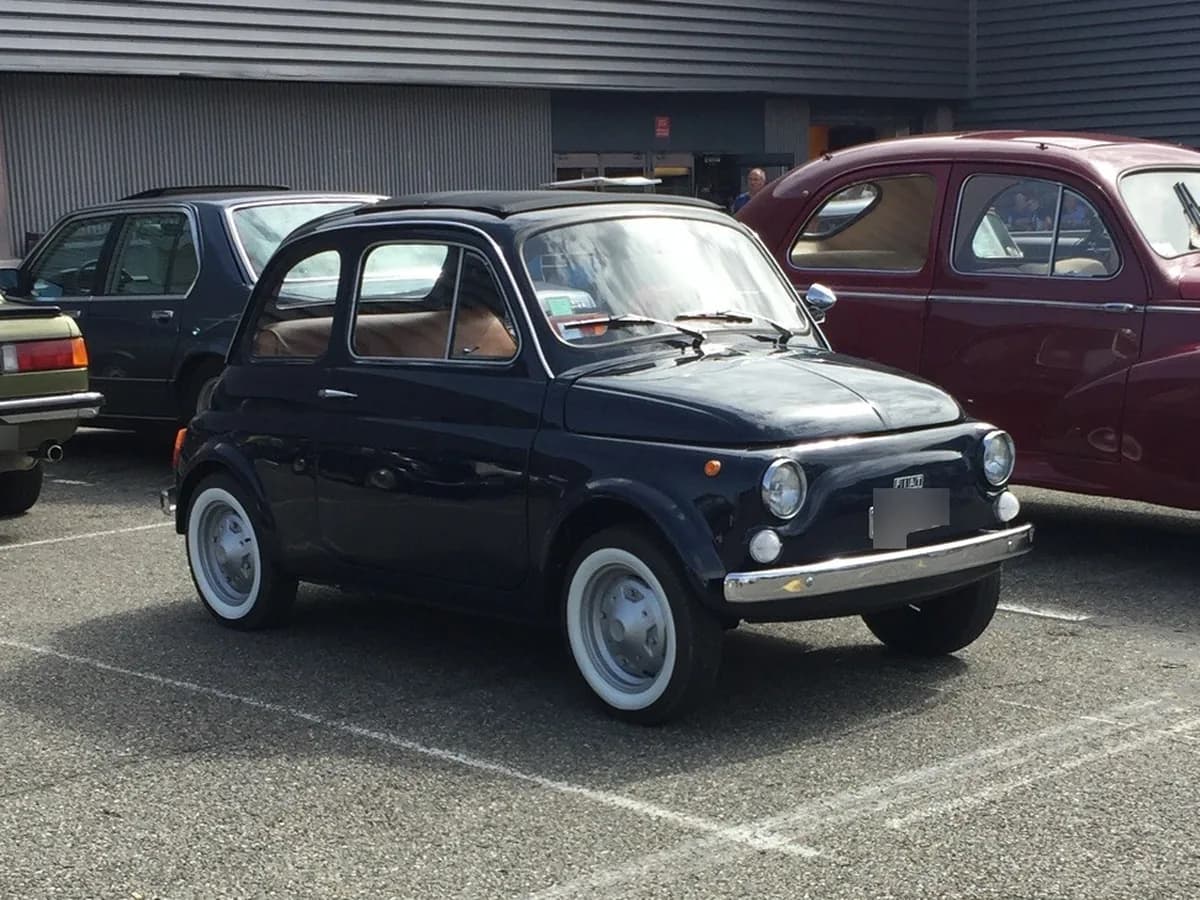
1970
1969
1967
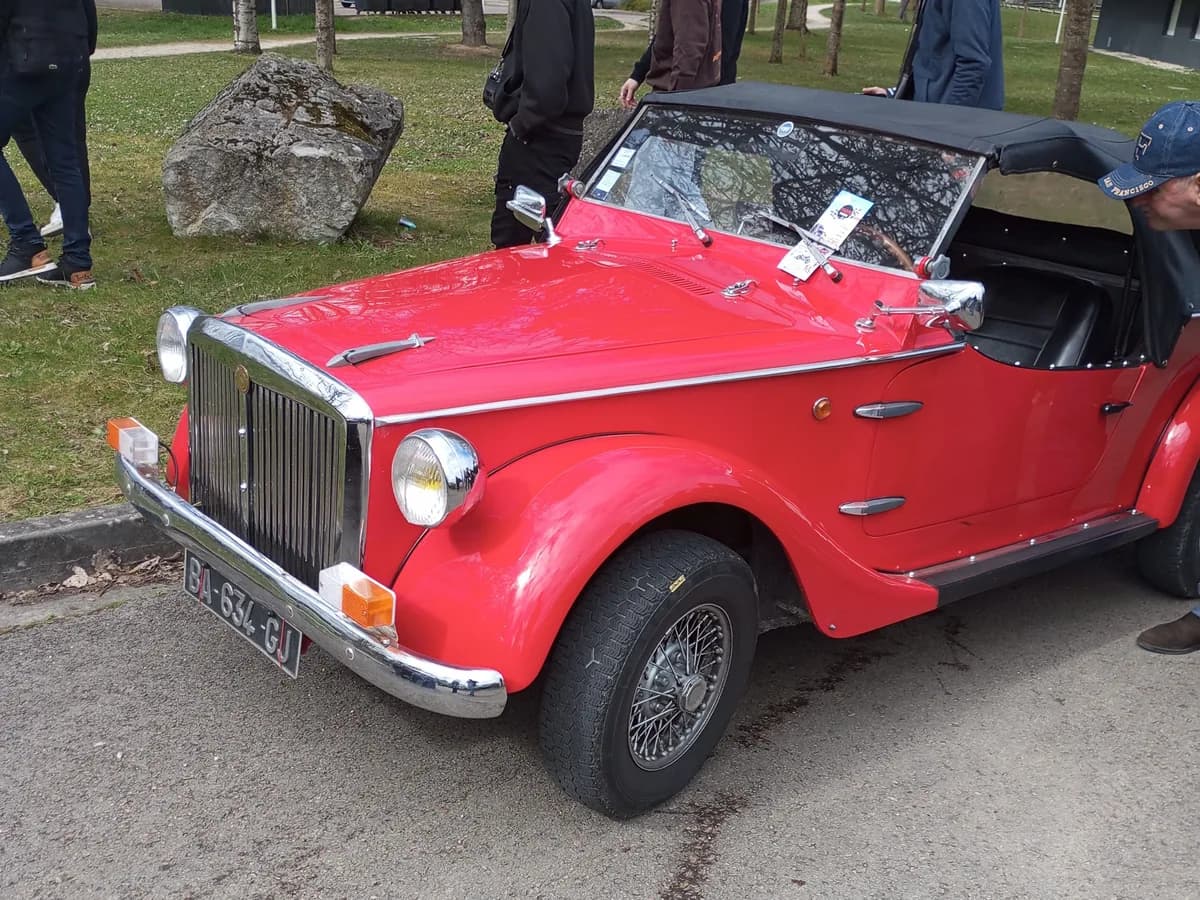
1965
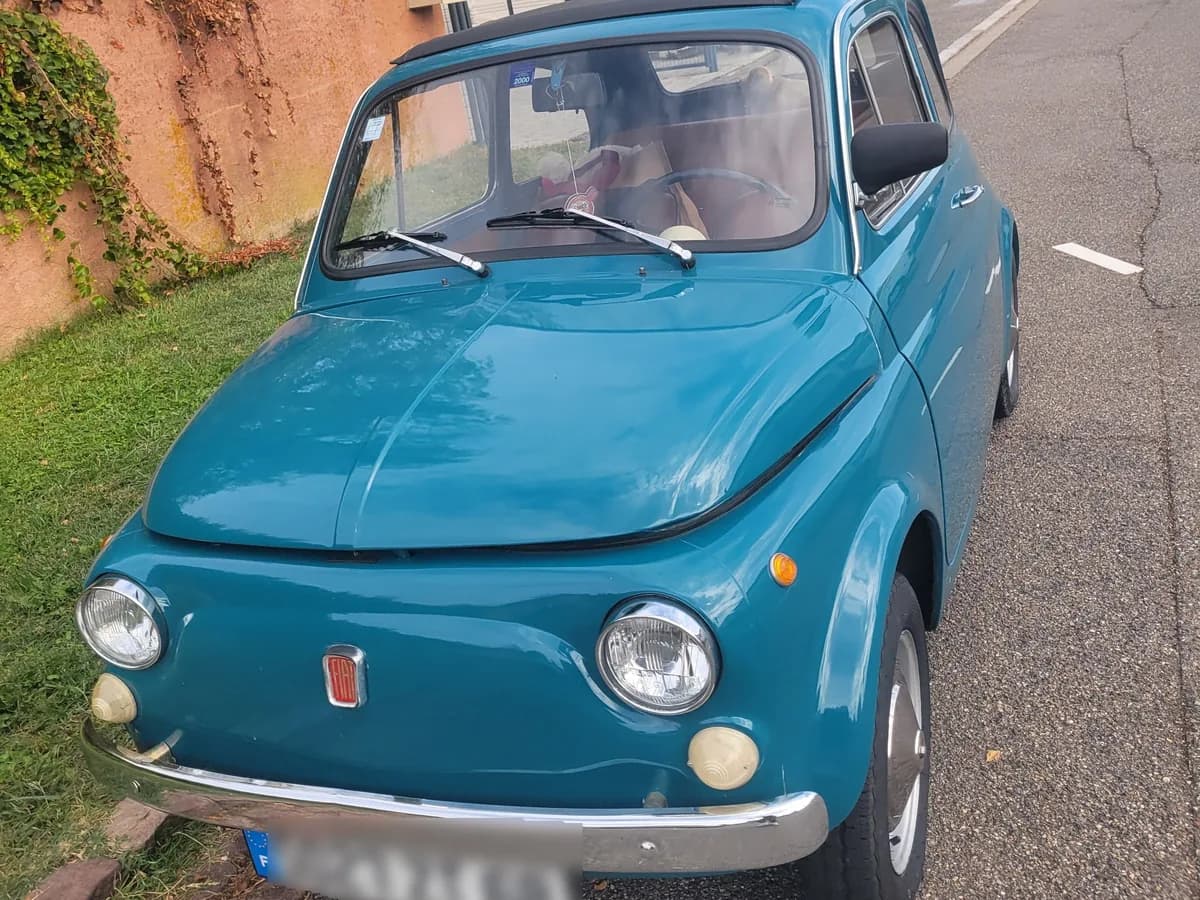
1960
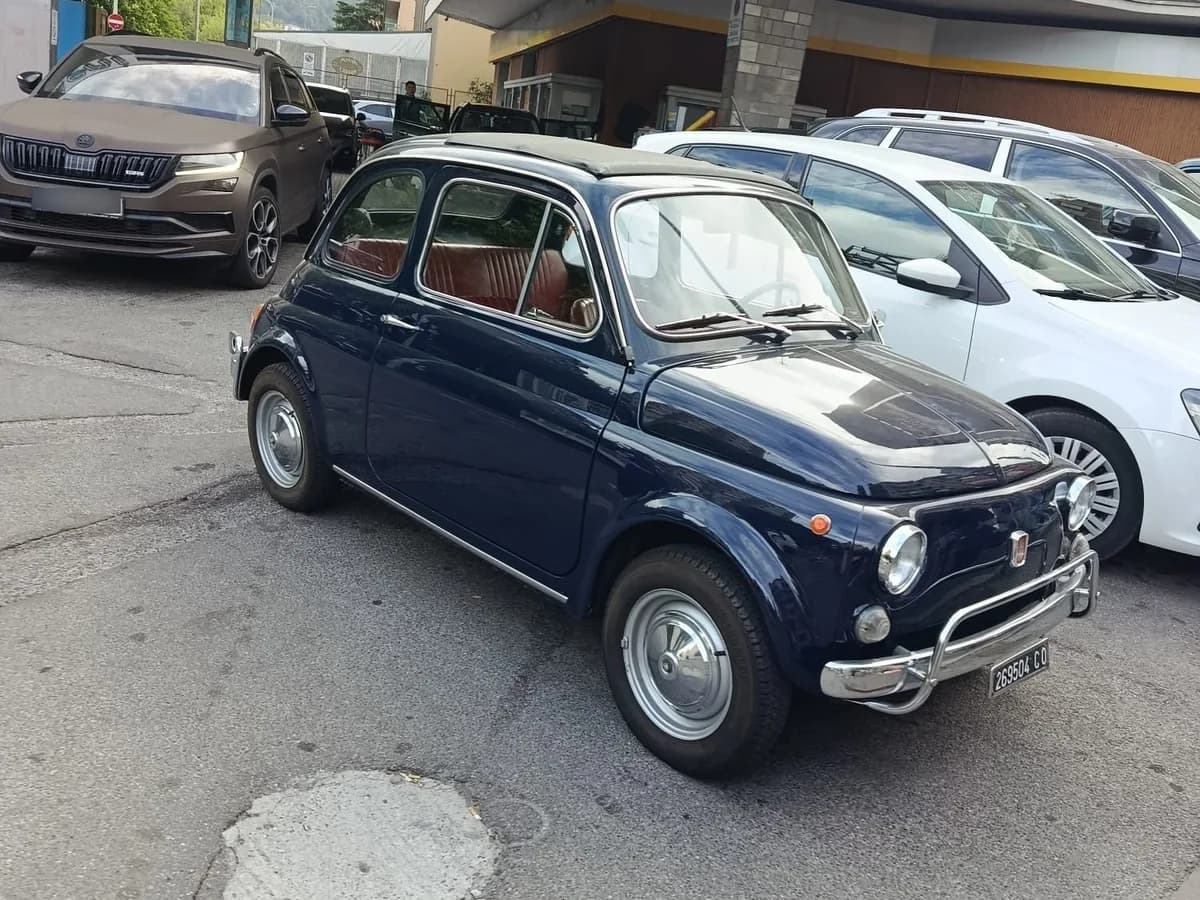
1958
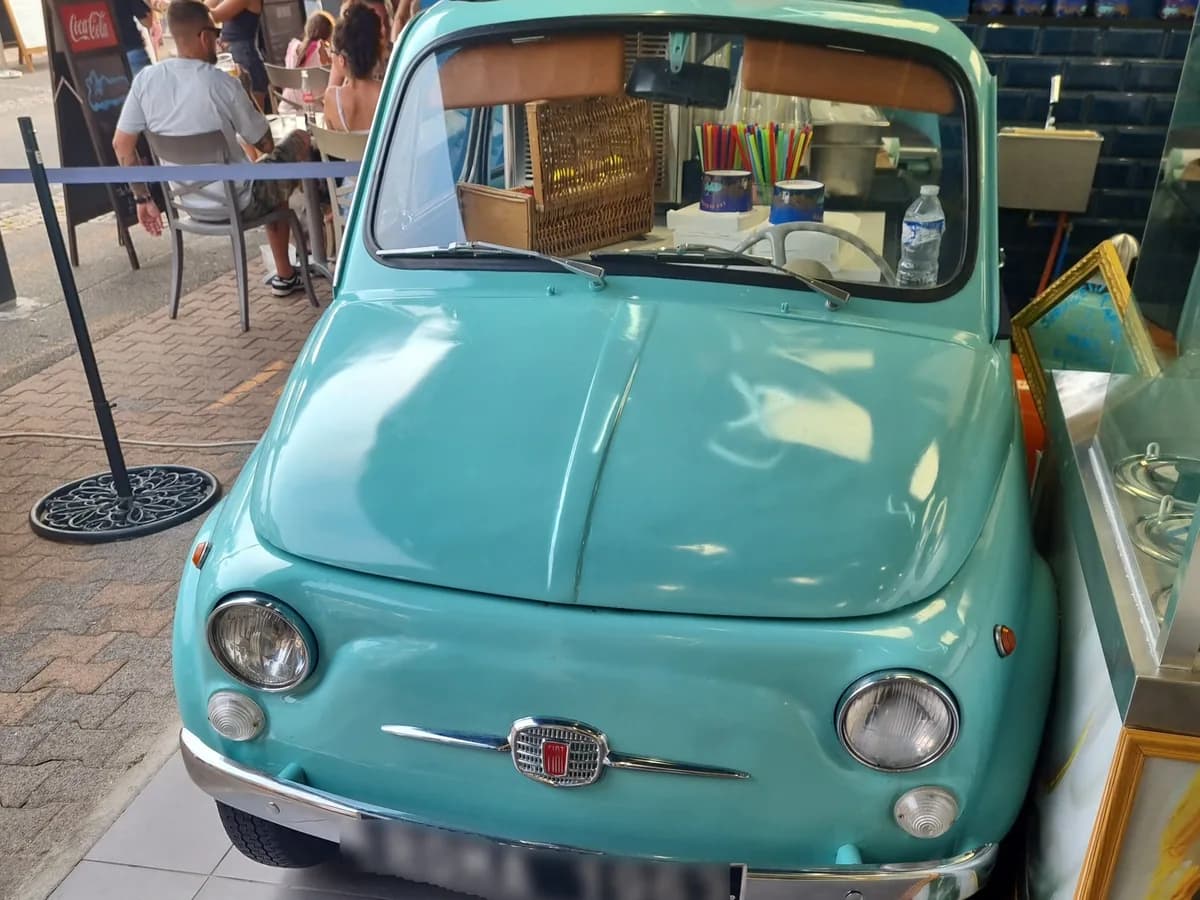
1957
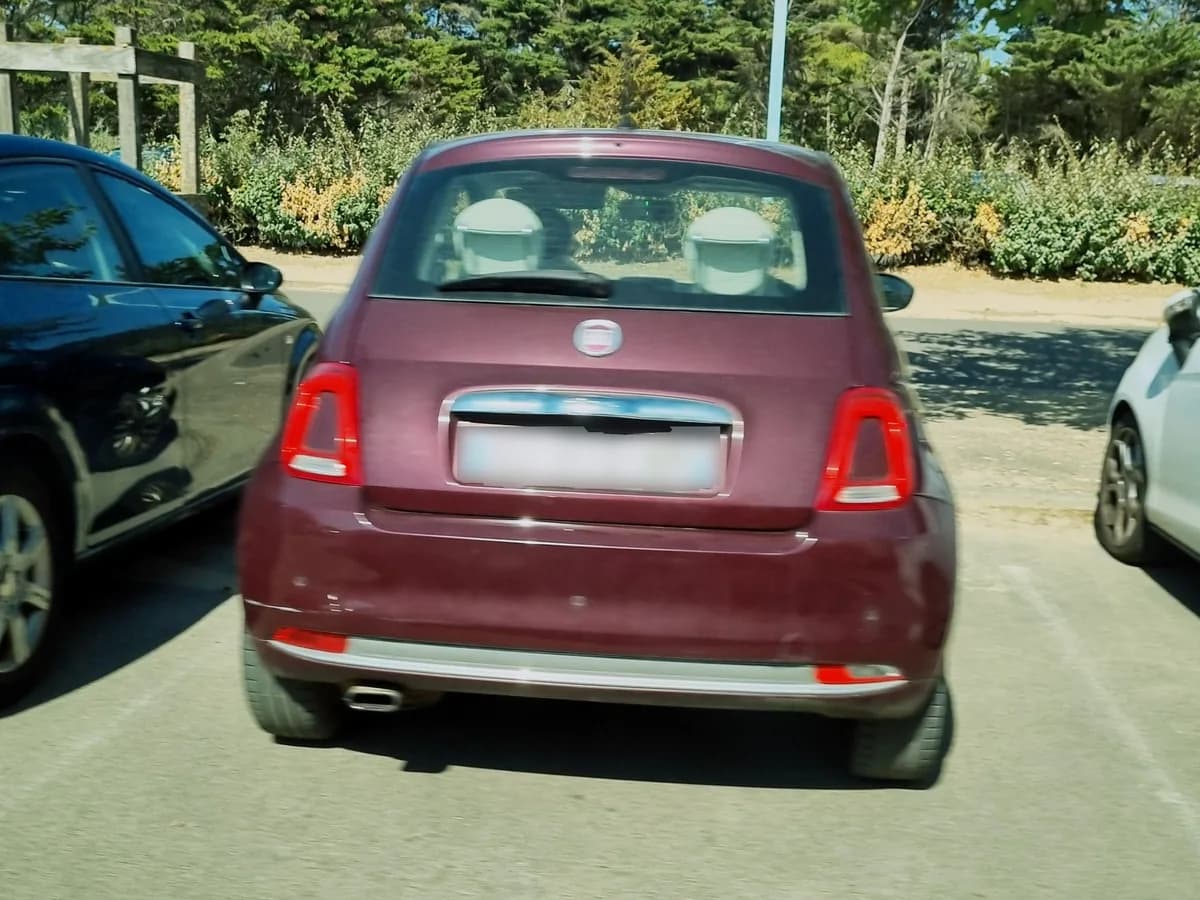 R
R1951
1949
1948
1936
FIAT 500 photos
Model summary
Data from the ScanRacer library, organized to compare versions quickly.
Model introduction
The FIAT 500 name covers several small cars that played an important role in the history of the Italian brand. The first, launched in 1936, became known as the Topolino and used a four-cylinder engine in a compact design intended to make car ownership more accessible. After production ended in 1955, the Nuova 500 introduced on July 4, 1957 adopted a much smaller layout with an air-cooled rear-mounted twin-cylinder engine. It became one of the defining cars of Italy’s mass motorisation. In 2007, FIAT revived the name with a modern city car whose styling drew on the Nuova 500. The recorded range therefore spans very different eras, from pre-war Topolino derivatives to the later Hatch and Cabrio body styles.
History
The first FIAT 500 appeared in 1936 under the technical direction of Dante Giacosa. Quickly nicknamed Topolino, it was developed as a simple, lightweight and relatively affordable car. Its 569 cc four-cylinder engine was mounted at the front, while the original body accommodated two occupants. The A, B and C series evolved over time, with more practical derivatives including the Giardiniera and Belvedere. Production of the Topolino ended in the mid-1950s, after more than 376,000 cars according to historical information from Stellantis Heritage. The Nuova 500 succeeded it in 1957. Shorter, lighter and powered by a rear-mounted 479 cc twin-cylinder engine, it matched the needs of a rapidly developing post-war Italy. The D, F, L and R versions progressively upgraded equipment, trim and selected mechanical components. Introduced in 1965, the 500 F became the most widely produced version of this generation. The 500 R was the final evolution before production ended in 1975. The name returned in 2007 with a modern three-door city car designed by Fiat’s Centro Stile. The range later expanded with the 500C, fitted with a fabric-opening roof, while successive updates brought changes to styling, safety equipment and connectivity.
Generations
The historical FIAT 500 family can be divided into three clearly different groups. The first is the 500 Topolino, produced from 1936 to 1955. It is identified by its taller, narrow body, headlamps mounted in the front wings and longitudinal front-mounted four-cylinder engine. The A-B and C variants belong to this period, as do the family and utility bodies developed from the same basic design. The second generation is the Nuova 500, introduced in 1957 and developed until the middle of the 1970s. Its twin-cylinder engine sits at the rear, the body is more rounded and the folding fabric roof is a major styling feature. The D, 500F, L and R versions are primarily successive changes in trim, equipment and mechanical detail rather than completely new models. Independent coachbuilders also produced derivatives such as the Gamine, Jolly and Zanzara Zagato. The third period began in 2007. This modern 500 uses contemporary city-car engineering, a three-door body and modern powertrains. The Hatch is the core body style, while the Cabrio uses the same basic vehicle with a large sliding fabric roof. Despite its retro references, it does not share the mechanical layout of the Nuova 500.
Key differences
The most important distinction is between the Topolino and the Nuova 500. The Topolino uses a front-mounted four-cylinder engine and a taller, more upright body, while the Nuova 500 has a rear-mounted twin-cylinder engine and a much smaller, rounder shape. Among Nuova 500 versions, the doors provide a useful identification clue: the 500F introduced front-hinged doors, whereas earlier cars used rear-hinged doors. The 500L added a richer presentation with more brightwork and interior detailing. The 500R retained the familiar appearance but represented the final evolution of the original post-1957 car. The modern 500 launched in 2007 is clearly separate through its dimensions, safety equipment, cabin design and contemporary body structure. Its Hatch and Cabrio labels describe modern body styles and should not be confused with the mechanical architecture of the classic cars.
Photo recognition
To identify a Topolino, first look for the headlamps mounted in or above the front wings, the upright grille and the narrow body. The C series, produced after 1949, has a straighter and more angular front end than the earlier A and B cars. Giardiniera and Belvedere versions have longer bodies designed for family or utility use. On a Nuova 500, the rear-mounted engine and extremely compact proportions are key clues. Early cars use rear-hinged doors and a folding fabric roof. The 500F is especially easy to distinguish by its front-hinged doors. The 500L adds more substantial bumpers and brighter exterior and interior detailing, while the 500R uses several simplified details associated with the final years of production. The modern 500 is identified by its rounded lamps, friendly front treatment, curved sides and contemporary city-car proportions. The Hatch has a fixed roof, whereas the Cabrio uses a large fabric roof that slides rearward over the cabin.
Important versions
The Topolino A-B marks the beginning of the family, while the Topolino C is its final major technical and styling development. The 1957 Nuova 500 is the defining model of the second generation. Within that series, the 500D introduced practical improvements, the 500F became the most widely produced version, the 500L focused on presentation and equipment, and the 500R ended the career of the classic car. Coachbuilt derivatives such as the Gamine, Jolly and Zanzara Zagato demonstrate how widely the compact platform was adapted. In 2007, the modern Hatch renewed the concept in contemporary form, followed by the Cabrio with its large fabric roof.
References
- Storia, tecnica e stile FIAT 500 TopolinoMuseo Nazionale dell'Automobile di Torino
- Exposition sur la saga 500 à MotorVillageFIAT / Stellantis Heritage
- Fiat - CP n°8 Exposition saga Fiat 500FIAT / Stellantis Media
- Preview: The New Fiat 500FIAT / Stellantis Media
- La nuova Fiat 500FIAT / Stellantis Media
- NEW FIAT 500 REVEALEDFIAT / Stellantis Media
- La Fiat 500 consacrée au MoMA à New YorkFIAT / Stellantis Media
- https://www.media.stellantis.com/es-es/fiat/press/regresa-el-500media.stellantis.com
Technical specifications
Structured data available for versions linked to this model.
| Version | Power | Torque | Top speed | Drivetrain | Fuel |
|---|---|---|---|---|---|
| Base | 132.4 KW @ 4500 RPM180 HP @ 4500 RPM178 BHP @ 4500 RPM | 175 lb-ft @ 1750 RPM237 Nm @ 1750 RPM | 118 mph (190 km/h) | All Wheel Drive / 9-speed automatic | Diesel |
| Base | 119 KW @ 5750 RPM160 HP @ 5750 RPM160 BHP @ 5750 RPM | 170 lb-ft @ 3000 RPM230 Nm @ 3000 RPM | 130 mph (209 km/h) | Front Wheel Drive / 5-speed manual | Gasoline |
Frequently asked questions
- What years was the FIAT 500 produced?
- ScanRacer's referenced versions cover 1936 - 2020.
- How many FIAT 500 examples are documented on ScanRacer?
- 19 published scans from 12 members, with the latest photo added in October 2026.
What about the car you photographed?
Upload a photo to get a suggested make, model and likely year.
No account needed for the result · Publish only if you choose