
FIAT
Founded in Turin on July 11, 1899 as Fabbrica Italiana Automobili Torino, FIAT became one of the defining names in Italian automotive history. The brand helped bring mass motoring to a wider public through compact, affordable cars designed around everyday urban and family use, while also producing larger cars, commercial vehicles, sporting models, and vehicles for international markets. The 1936 Topolino, 1955 600, 1957 Nuova 500, 127, and Panda each represent different stages in FIAT’s approach to practical mobility. The brand’s identity is also associated with straightforward engineering, efficient packaging, and distinctive Italian styling. The model coverage represented here spans more than a century of development, from early cars of the 1910s to contemporary generations. Individual specifications and production dates may vary by market, body style, and local manufacturing program.
Models from A to Z
1100
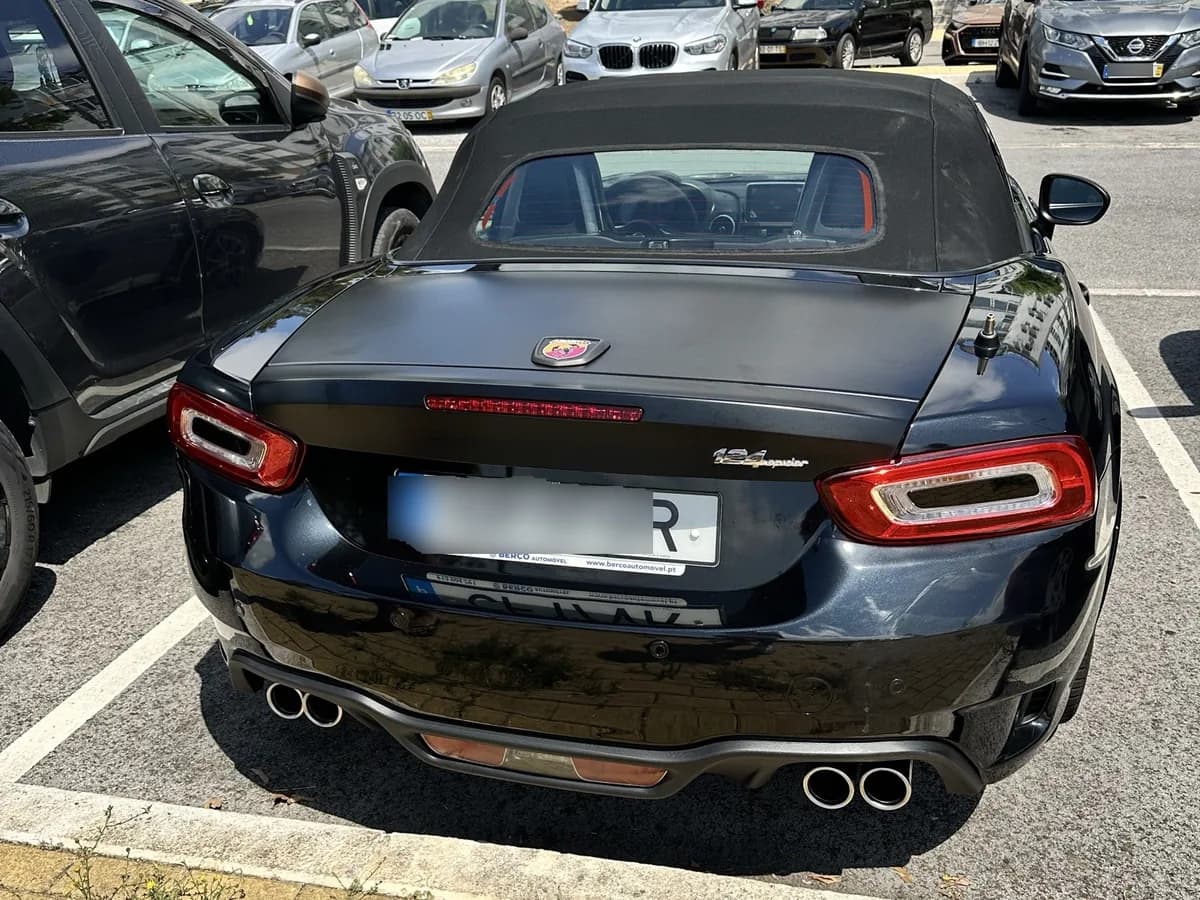
124
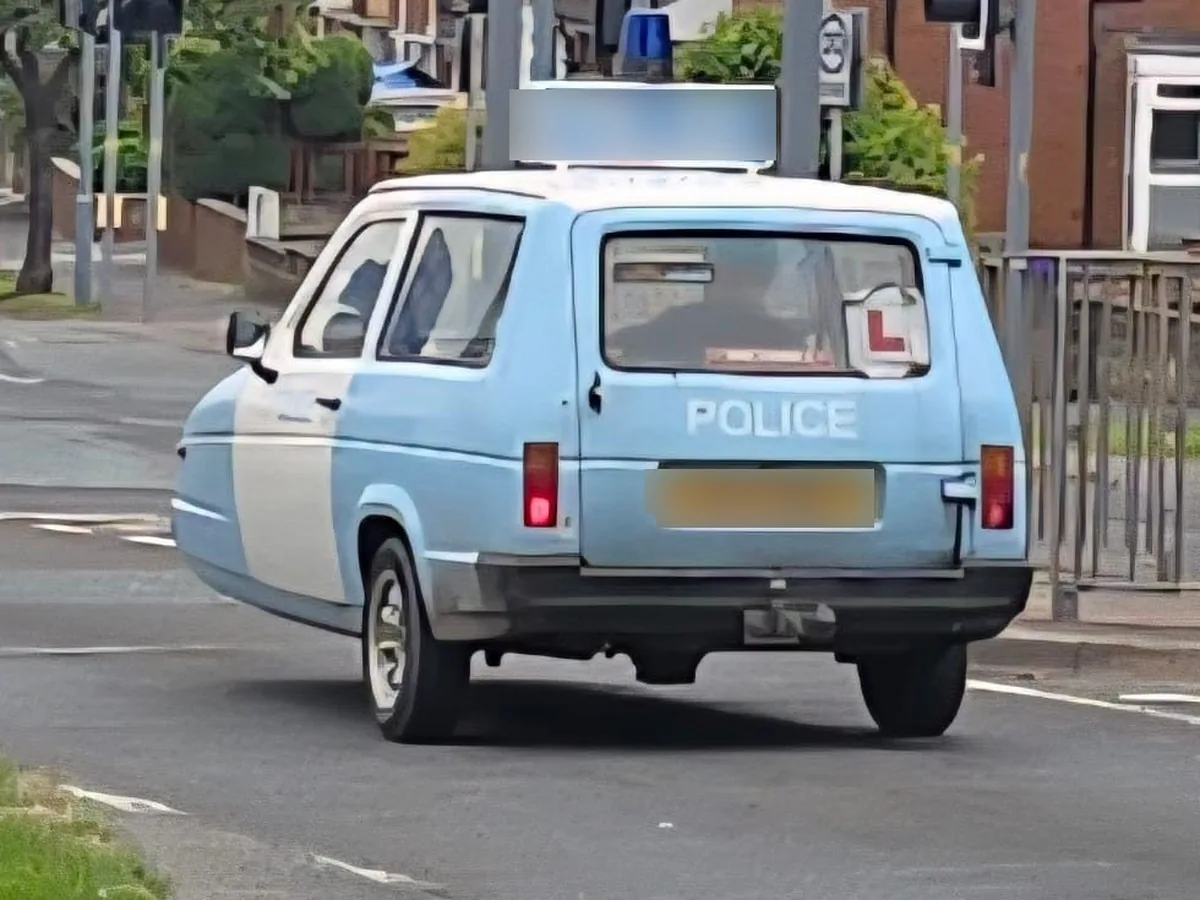
126
127
128
130
1300-1500-1600
131
147
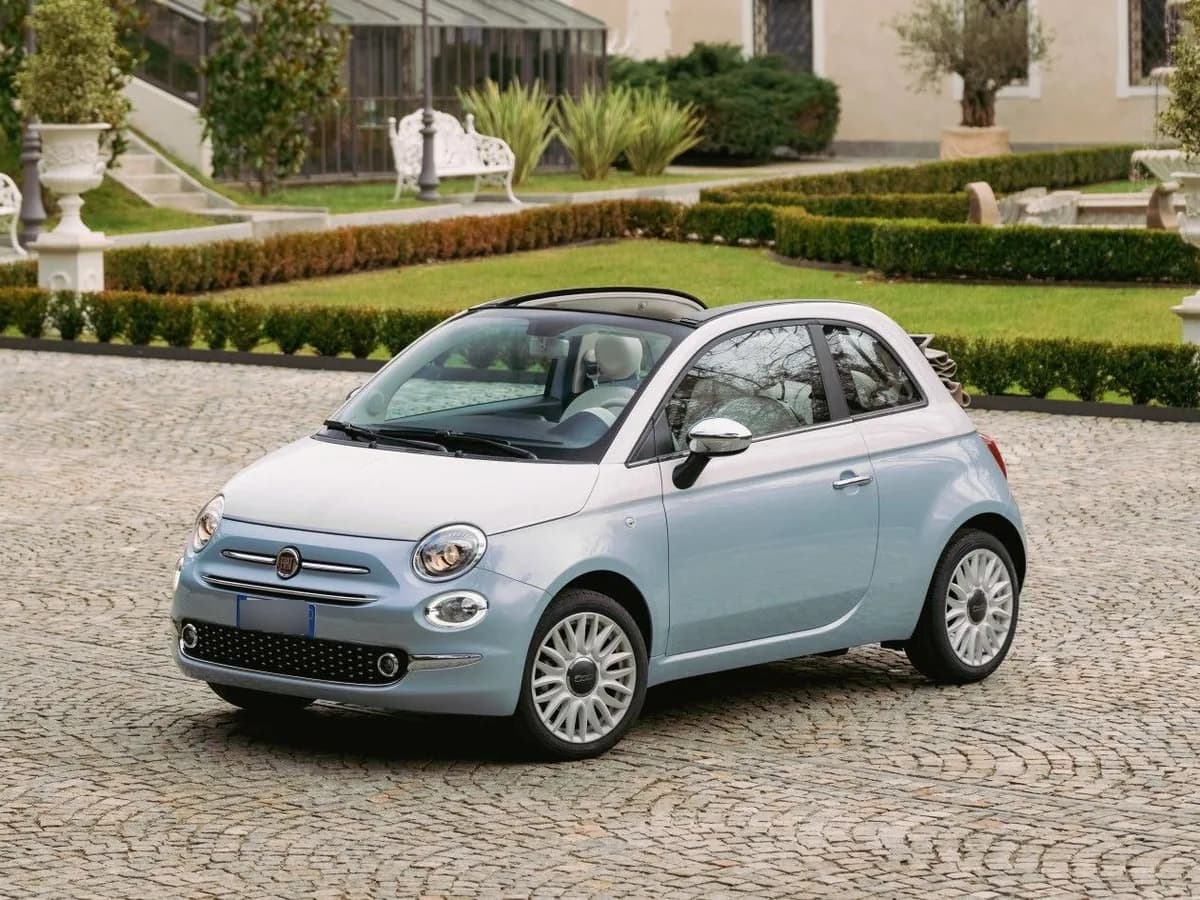
500
500L
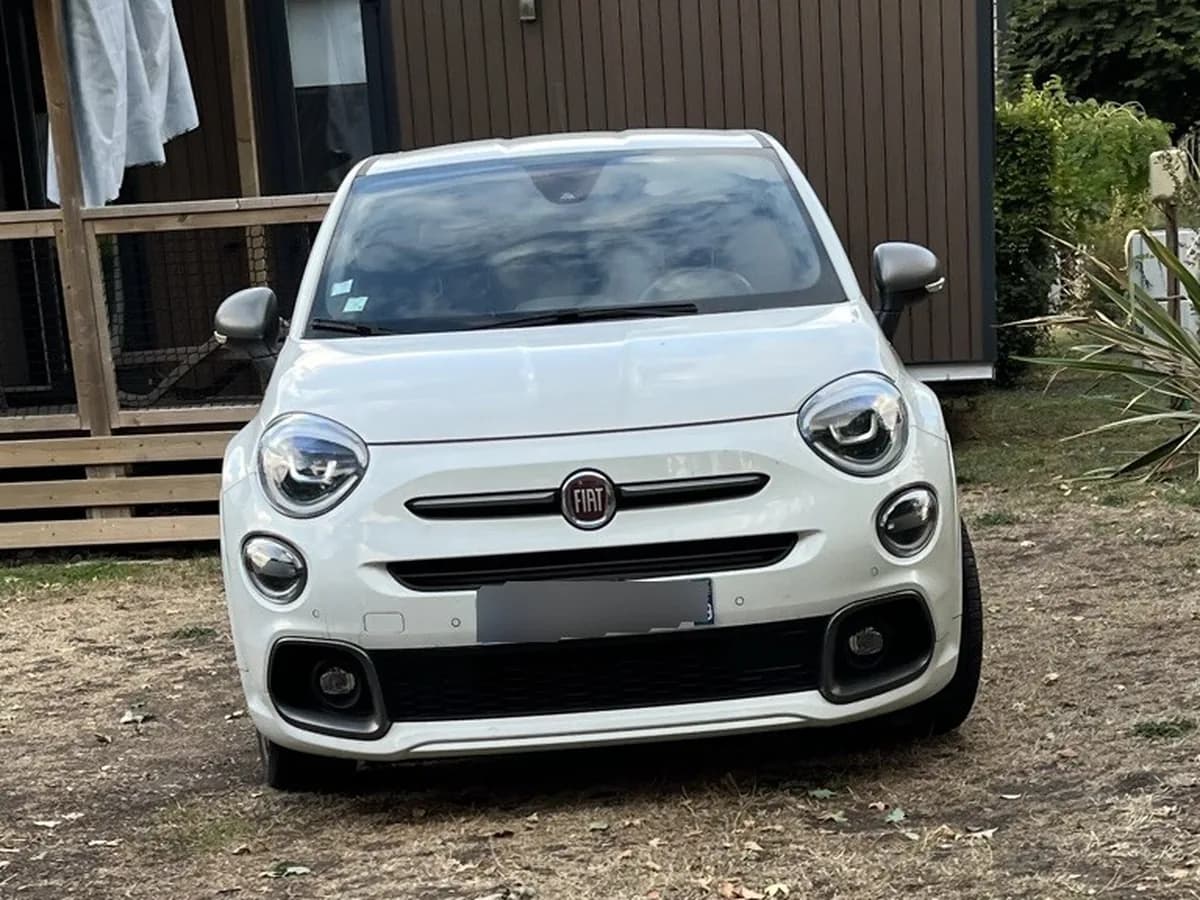
500X
508-1100
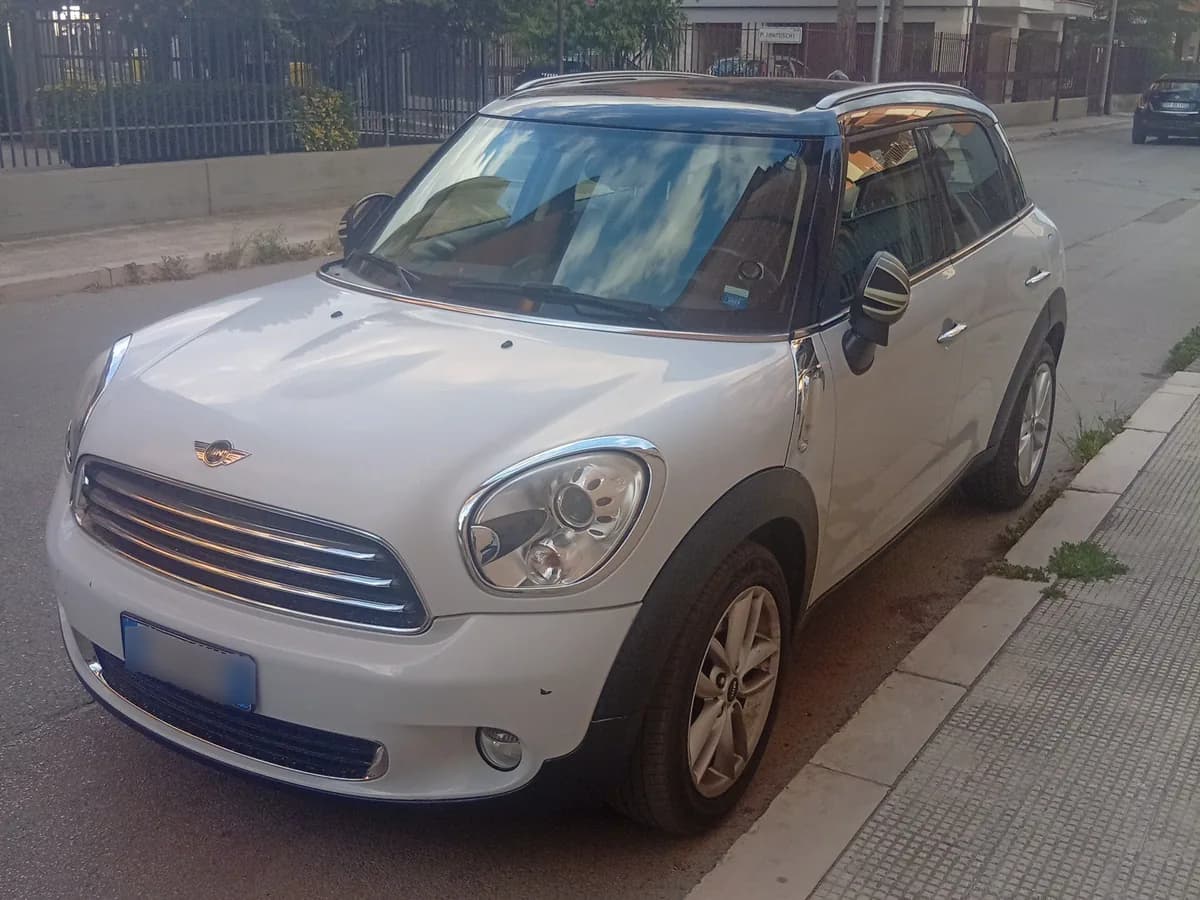
600
600 Multipla
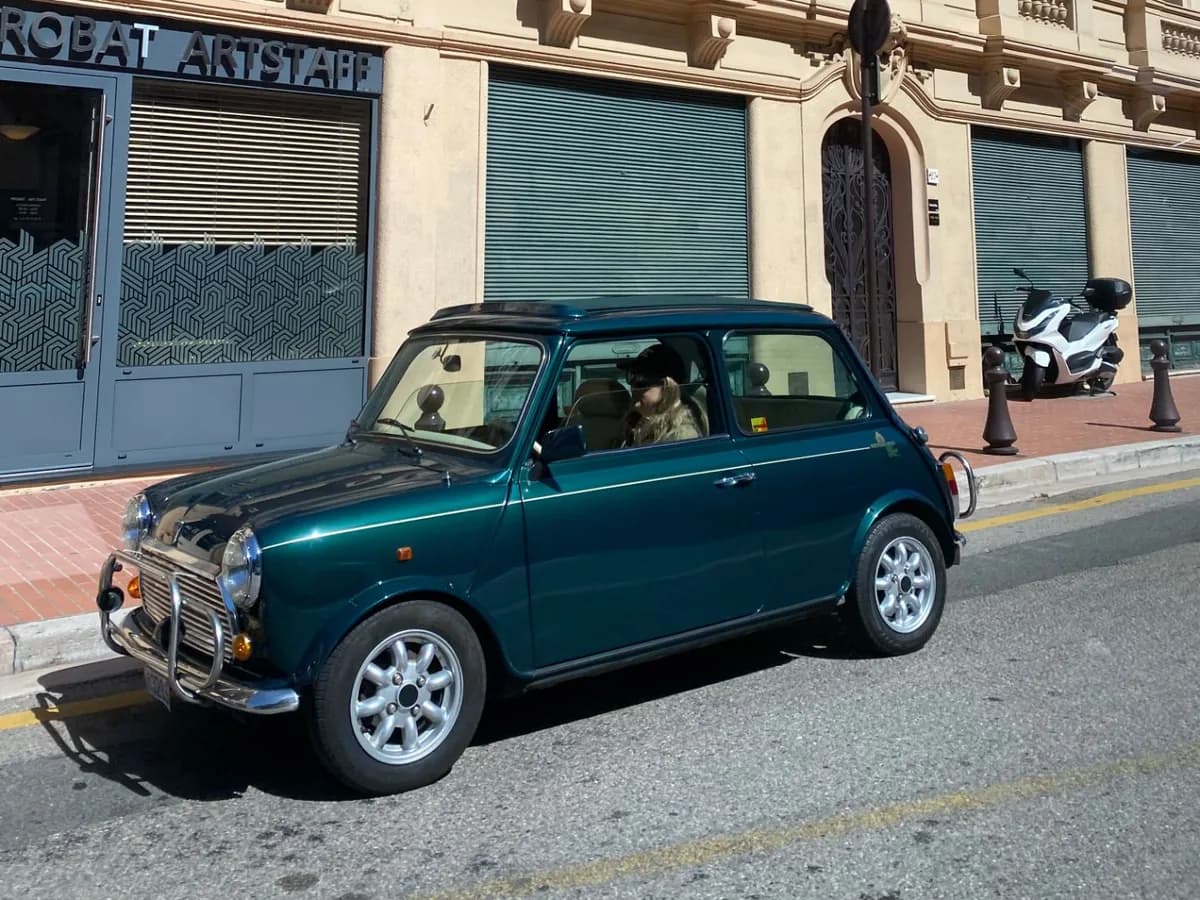
850
Ægea
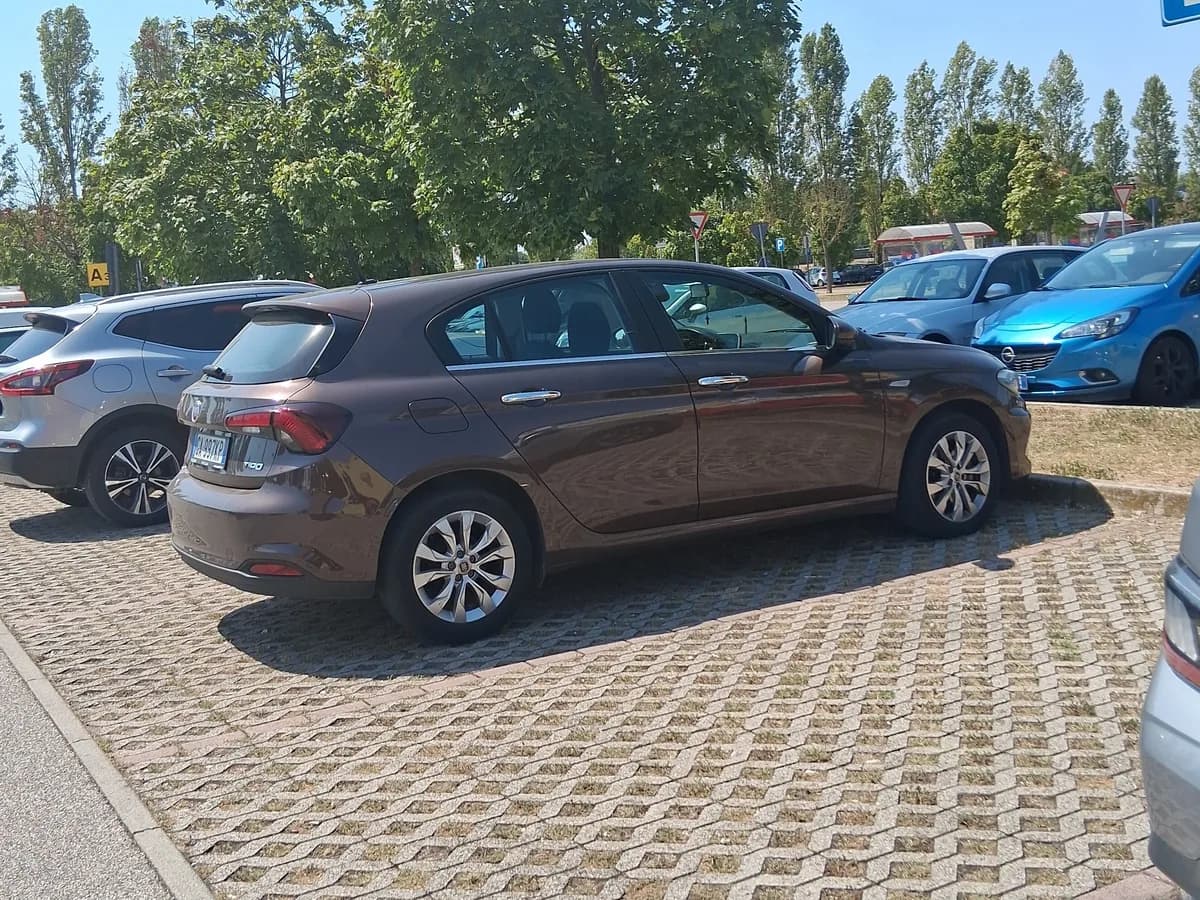
Ægea
Albea
Argenta
Argo
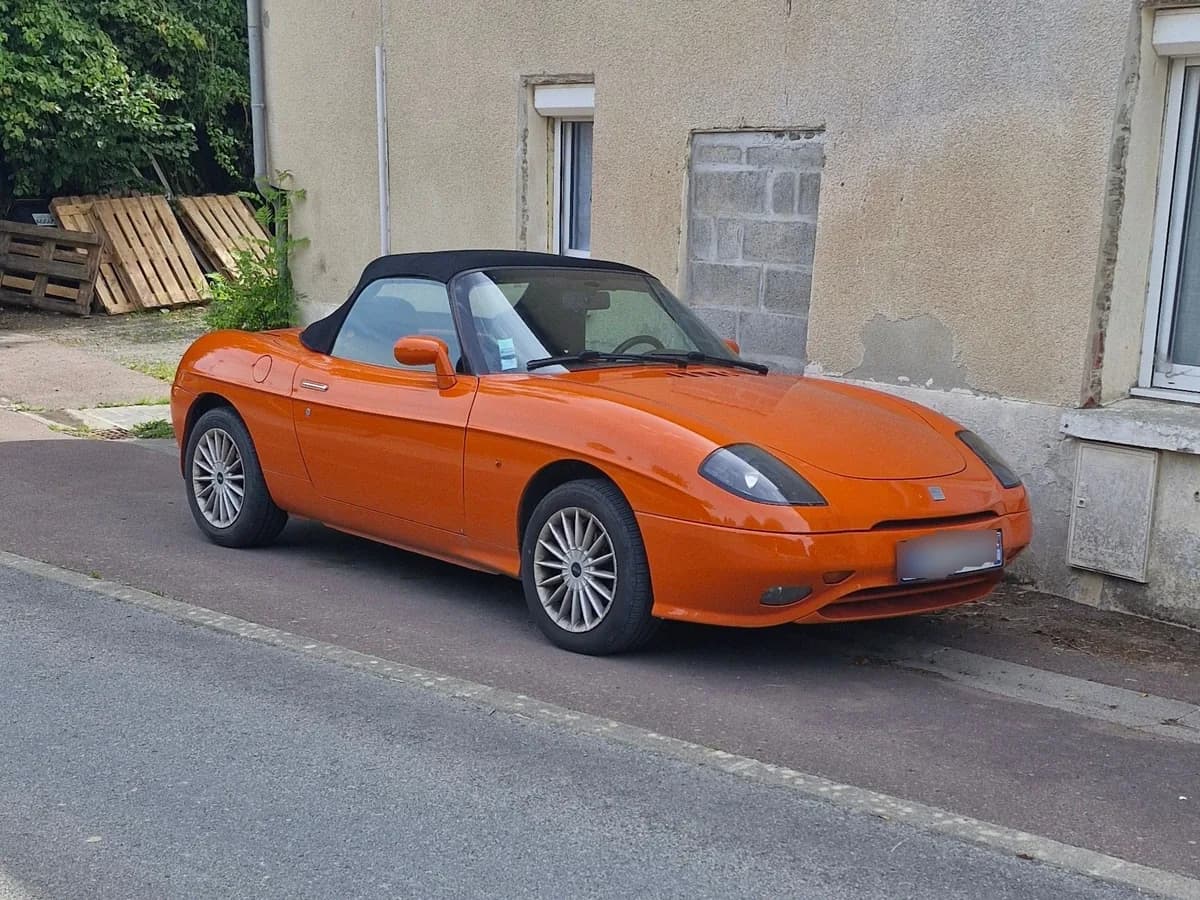
Barchetta
Bertone X1-9
Brava
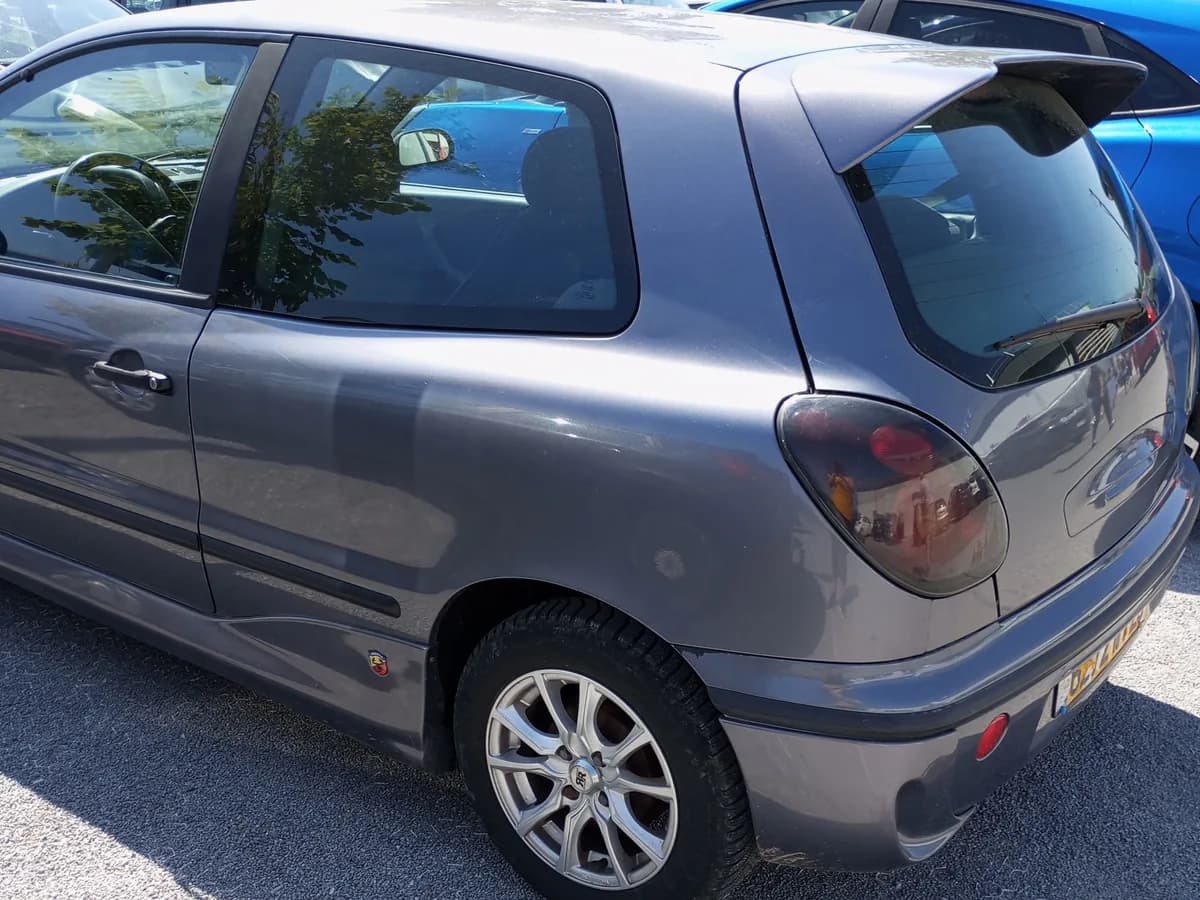
Bravo
Campagnola
Cinquecento
Coupé
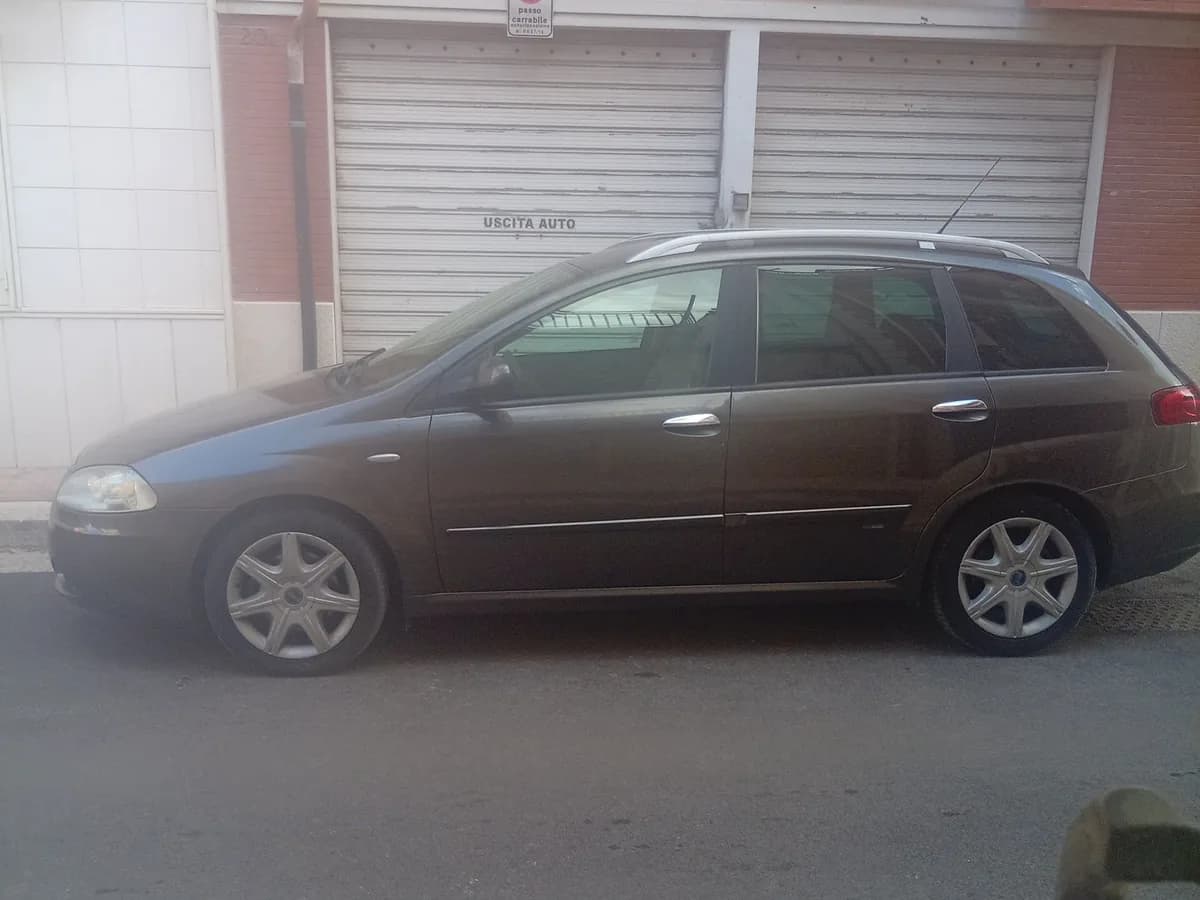
Croma
Cronos
Dino
Doblò
Duna
Elba
Fastback
Fiorino
Freemont
Fullback
Idea
Linea
Marea
Marengo
Mobi
Multipla
Oggi
Ottimo
Palio
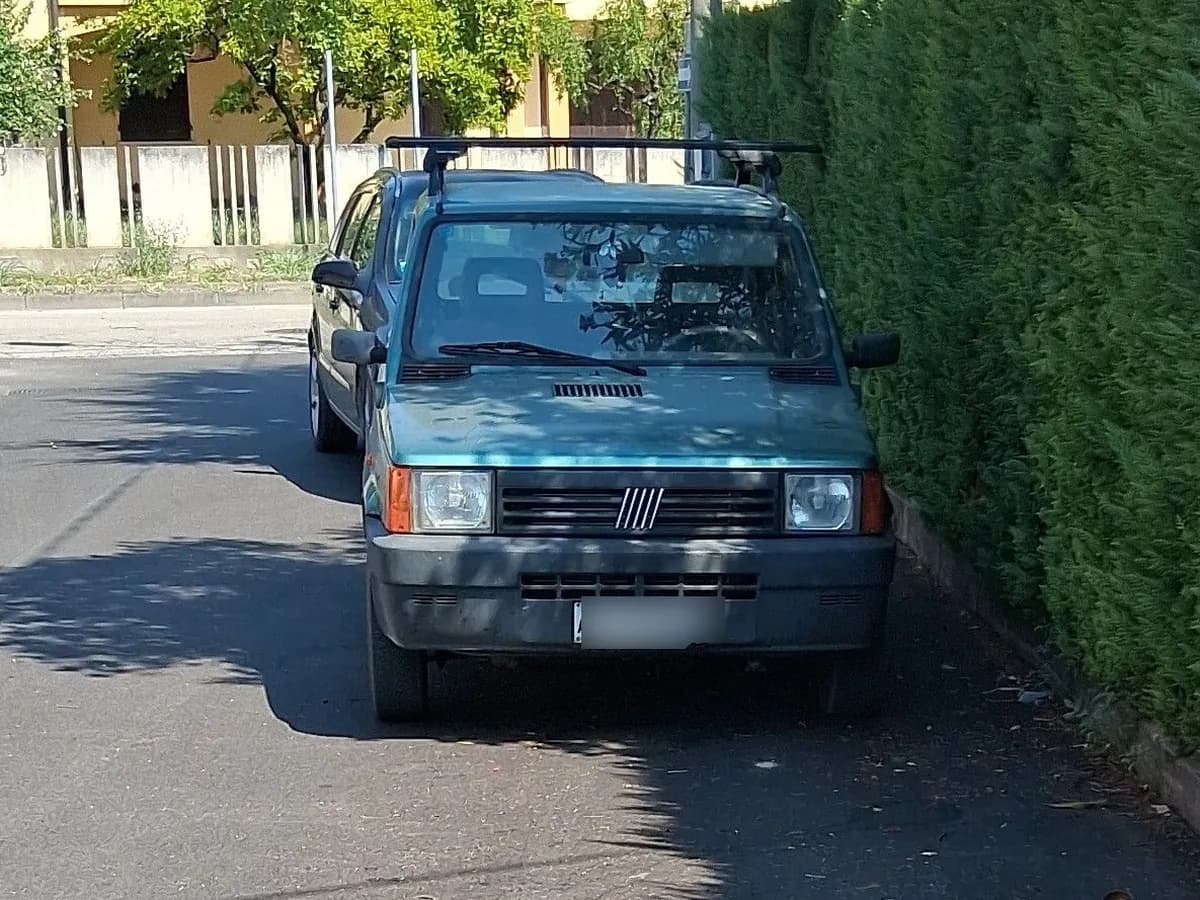
Panda
Penny
Perla
Prêmio
Pulse
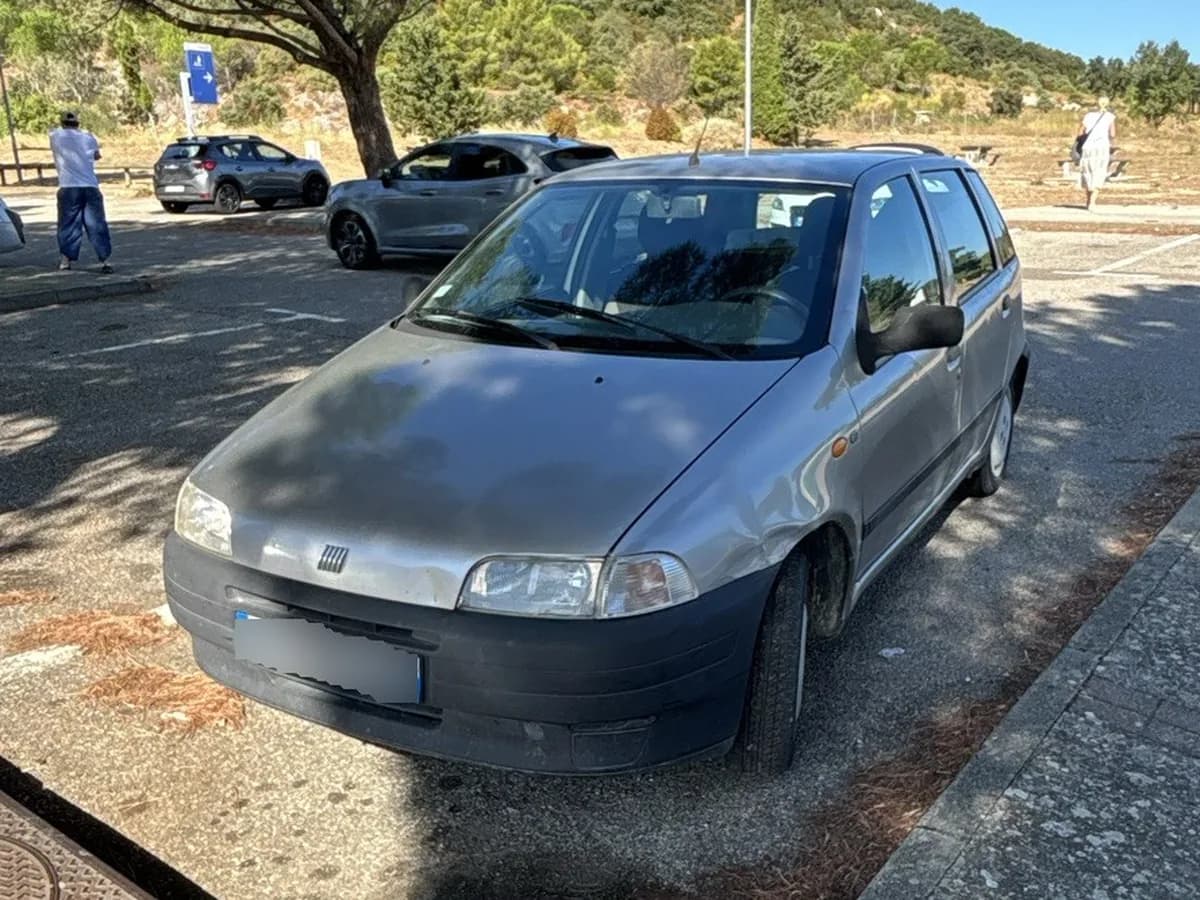
Punto
Qubo
Regata
Ritmo
S76 Record
Sedici
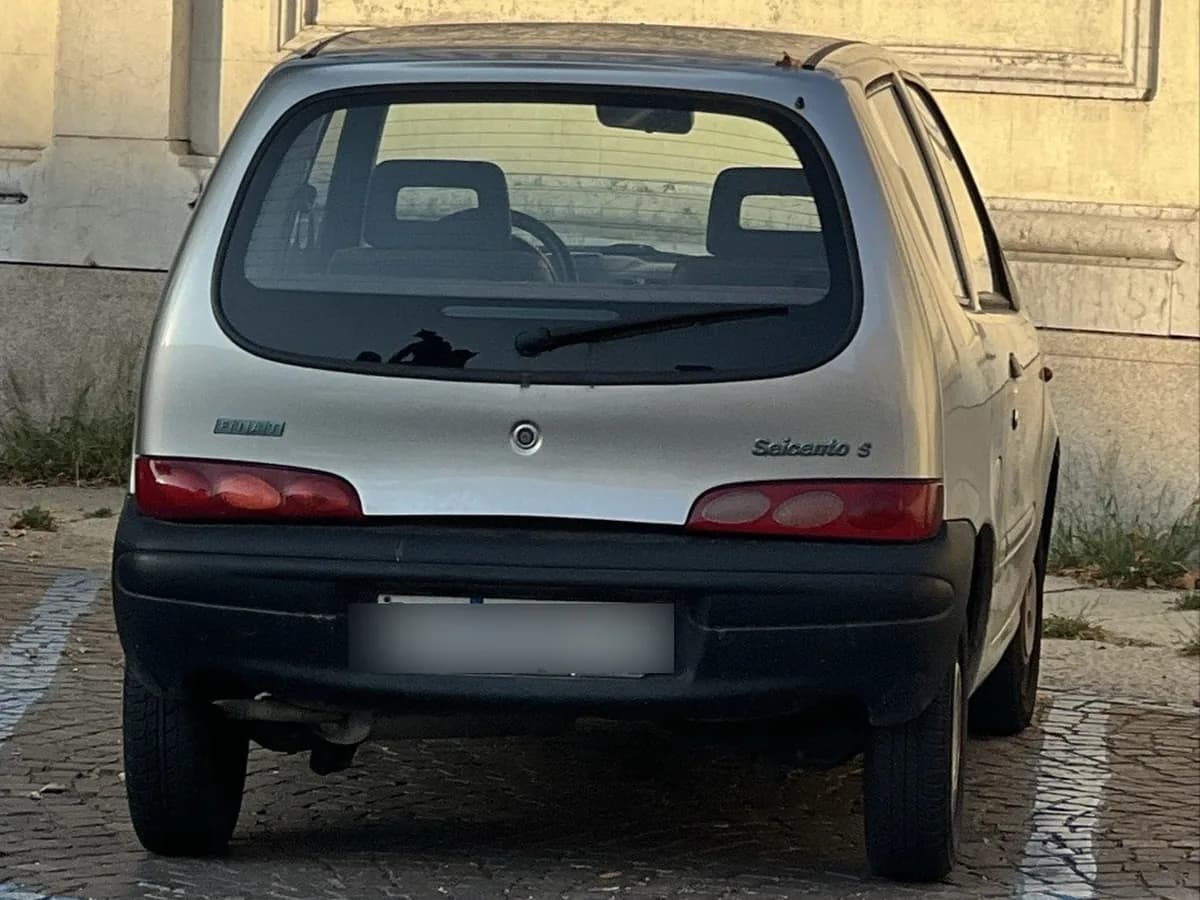
Seicento
Siena
Spazio
Spider
Stilo
Strada
Tempra
Tipo
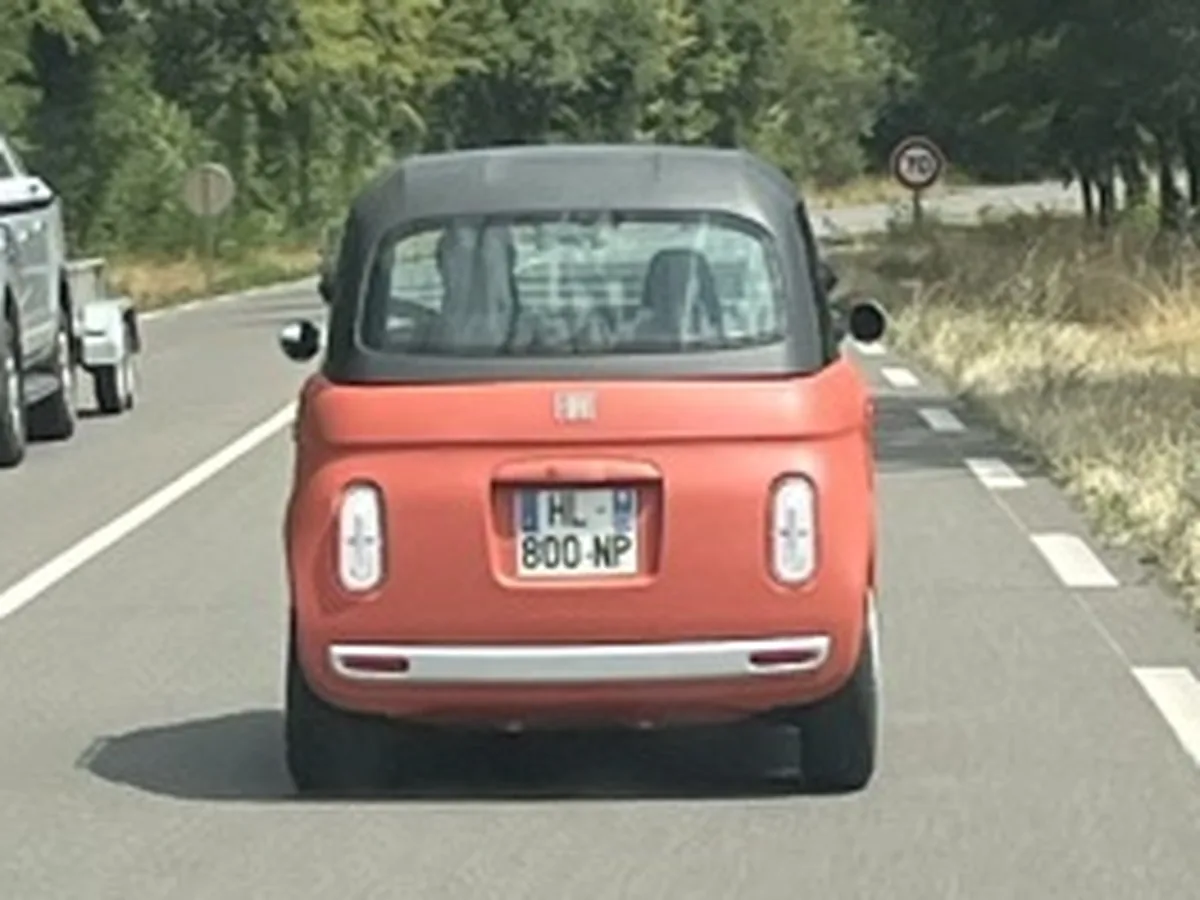
Topolino
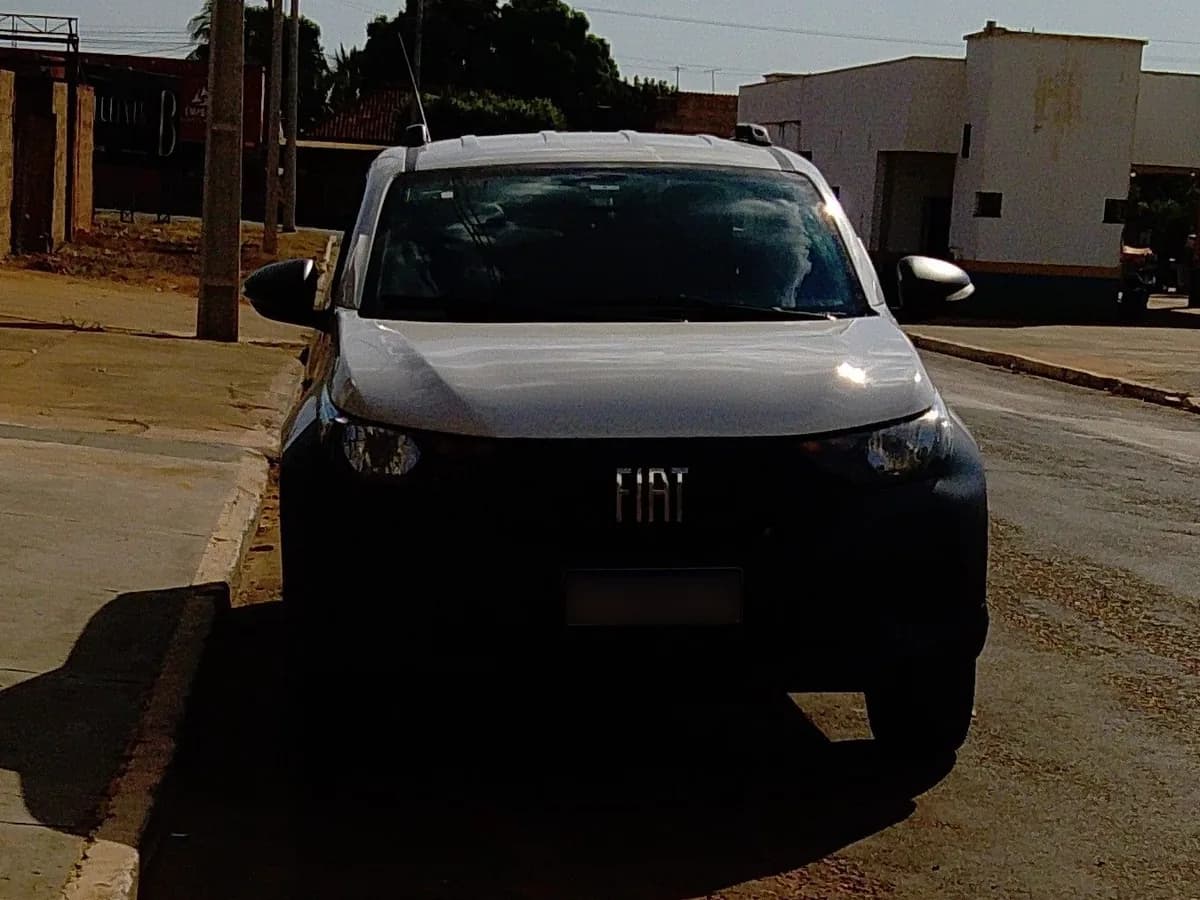
Toro
Uno
Viaggio
FIAT overview
FIAT history
FIAT was established in Turin in 1899 by a group of investors that included Giovanni Agnelli. Its first factory opened on Corso Dante in 1900 and produced 24 cars during its first year. From the beginning, the company extended beyond passenger cars, developing trucks, diesel engines, aircraft engines, agricultural machinery, and engineering activities. This broad industrial base helped FIAT become a major Italian manufacturing group. After the Second World War, FIAT became closely associated with the expansion of affordable motoring. Introduced in 1955, the 600 was designed as a practical small car for a broad audience. The Nuova 500 followed in 1957 as a successor to the Topolino concept, using a compact rear-mounted, air-cooled two-cylinder engine. Its small dimensions and economical layout made it a lasting symbol of Italian and European mass motorization. During the 1960s and 1970s, FIAT expanded its range with the 124, 128, 127, 126, and 850. The 124 Sport Spider, designed by Pininfarina and introduced in 1966, demonstrated that the company could also build an accessible open sports car. In 1980, the Panda offered another interpretation of the small car: simple, versatile, and highly functional. FIAT has since continued to adapt its city cars, family vehicles, and utility models to changing regulations, technologies, and regional markets.
FIAT positioning
FIAT has historically positioned itself around cars that are relatively affordable, compact, and useful in everyday life. That focus did not prevent the brand from covering a broad range of needs: the 500, 600, 126, and 127 served light urban mobility, while the 1100, 124, and 850 offered more space or broader everyday versatility. FIAT also explored more distinctive niches, most notably with the 124 Sport Spider and a variety of sporting or coachbuilt derivatives developed with Italian partners. The common thread is not a single technical layout but an approach to vehicle design: make effective use of interior space, keep running costs manageable, and give the car a recognizable identity. This is especially clear in FIAT’s European city cars, although the interpretation varies by country. Some models were licensed, locally assembled, or modified for regional regulations and customer preferences. Today, FIAT operates within Stellantis and continues to present itself as an Italian-rooted, internationally active brand with a long-standing emphasis on urban mobility and practical multi-purpose vehicles.
Recognizing a FIAT in a photo
When identifying a FIAT, begin with the period, body style, and overall proportions rather than relying only on the badge. Early cars used different emblems and design conventions from those seen on later models. The Topolino and the Nuova 500 are both very small cars associated with urban mobility, but they are historically separate models: the 1936 500 Topolino and the 1957 500 belong to different generations and use different design solutions. The first-generation 600 has a more family-oriented shape and a compact rear-engine layout. The 126 and 850 are also small FIATs, but their body details, dimensions, and production periods are distinct. On larger models, check the window profile, grille, lamps, bumpers, and fender shape. The 124 Sport Spider is particularly recognizable as a two-seat convertible designed by Pininfarina, although later cars and market-specific versions can differ in trim and equipment. Badges, wheel covers, and bumpers can help, but they may have been replaced during restoration. A dependable identification should therefore combine visual details with the model year, market, body code, and available vehicle documentation.
Important FIAT models
The ScanRacer selection highlights several model families that reflect FIAT’s breadth. The 850, represented across versions from the 1960s into the 2000s, sits at an interesting point between an affordable small car and more specialized sporting or utility derivatives. The 1100 represents an important family-car line spanning the pre-war and post-war periods. The 500 and 600 mark two major stages in Italian small-car history, while the 126 and 127 continued that tradition during the 1970s. The 124 deserves particular attention because of its wide range, from the saloon to the Pininfarina-associated Spider. The 128 illustrates FIAT’s move toward compact front-engine, front-wheel-drive cars. The 508-1100 belongs to an earlier phase of the company’s development. The 500L, Ægea, and Palio show how FIAT adapted compact and family vehicles for different markets and practical requirements. The years and variant counts mentioned here reflect the scope of the ScanRacer library and should not be read as a complete statement of global production or sales history.
References
- FIAT — BrandsStellantis
- Storia del mondo FiatFIAT Heritage
- Happy Birthday, Fiat 500: 67 years of Iconic Italian DesignStellantis Media
- Fiat 124 Spider celebrates its first fiftieth anniversaryStellantis Media
- The FIAT Panda — Forty Years of Fun, Affordable MobilityStellantis Media
- FIATTreccani
- https://www.fiat-auto.co.jp/fiat-world/historyfiat-auto.co.jp