
Panda
Introduced in 1980, the FIAT Panda became one of Europe’s most recognisable city cars. Its original concept focused on compact dimensions, useful interior space and straightforward engineering rather than luxury equipment. Designed by Giorgetto Giugiaro, the first Panda broadened its appeal with the four-wheel-drive version, while later developments such as FIRE engines, the Panda Elettra and numerous special editions extended its reach. The second generation arrived in 2003 with five doors and a rounder shape, then won the 2004 European Car of the Year award. The third generation retained the model’s practical approach while adding more comfort, safety and technology. In 2024-2025, the Grande Panda marked a new stage, combining the nameplate’s familiar compact-car identity with hybrid and fully electric powertrains. (media.stellantis.com)
What about the car you photographed?
Upload a photo to get a suggested make, model and likely year.
No account needed for the result · Publish only if you choose
Variants by year
Make: FIAT · Model: Panda
10 / 10 versions shown
2025
2014
2012
2011
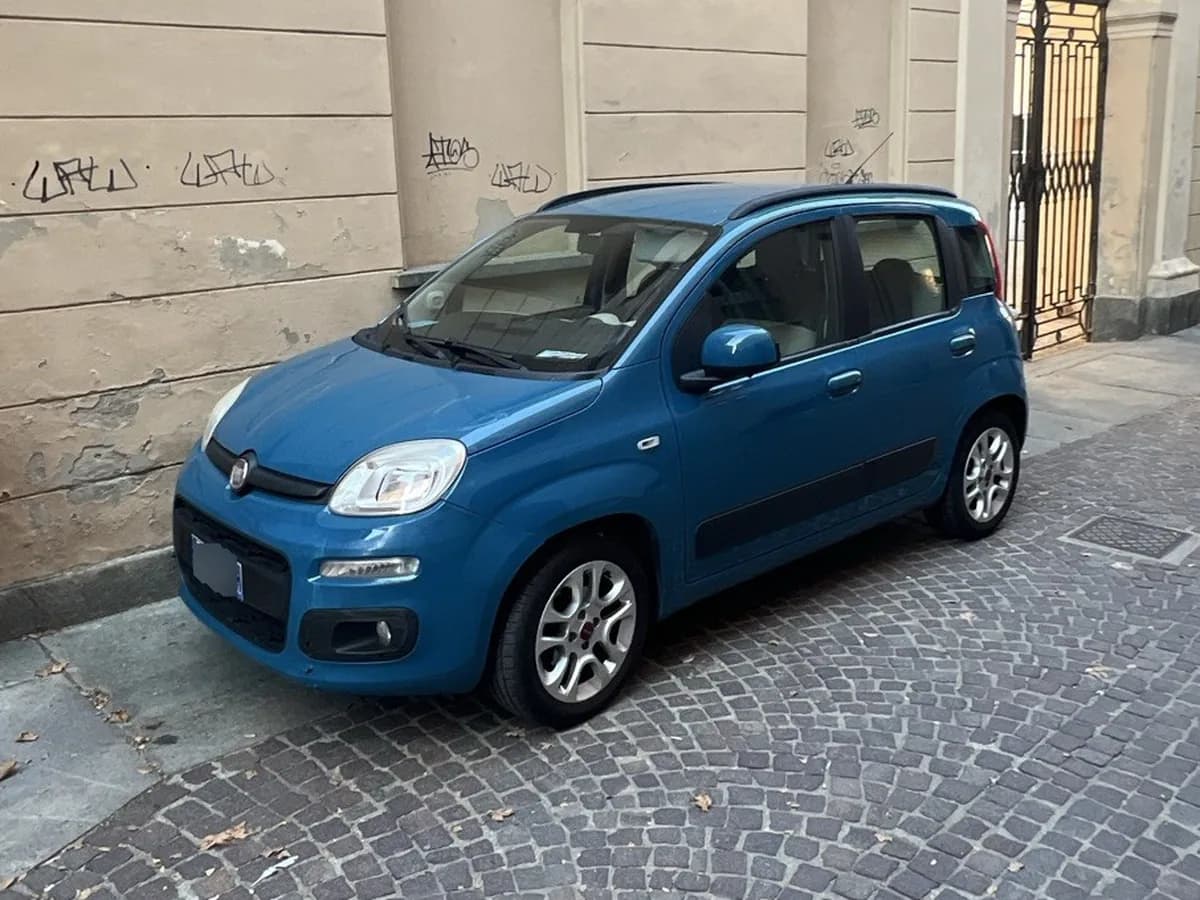
2006
2004
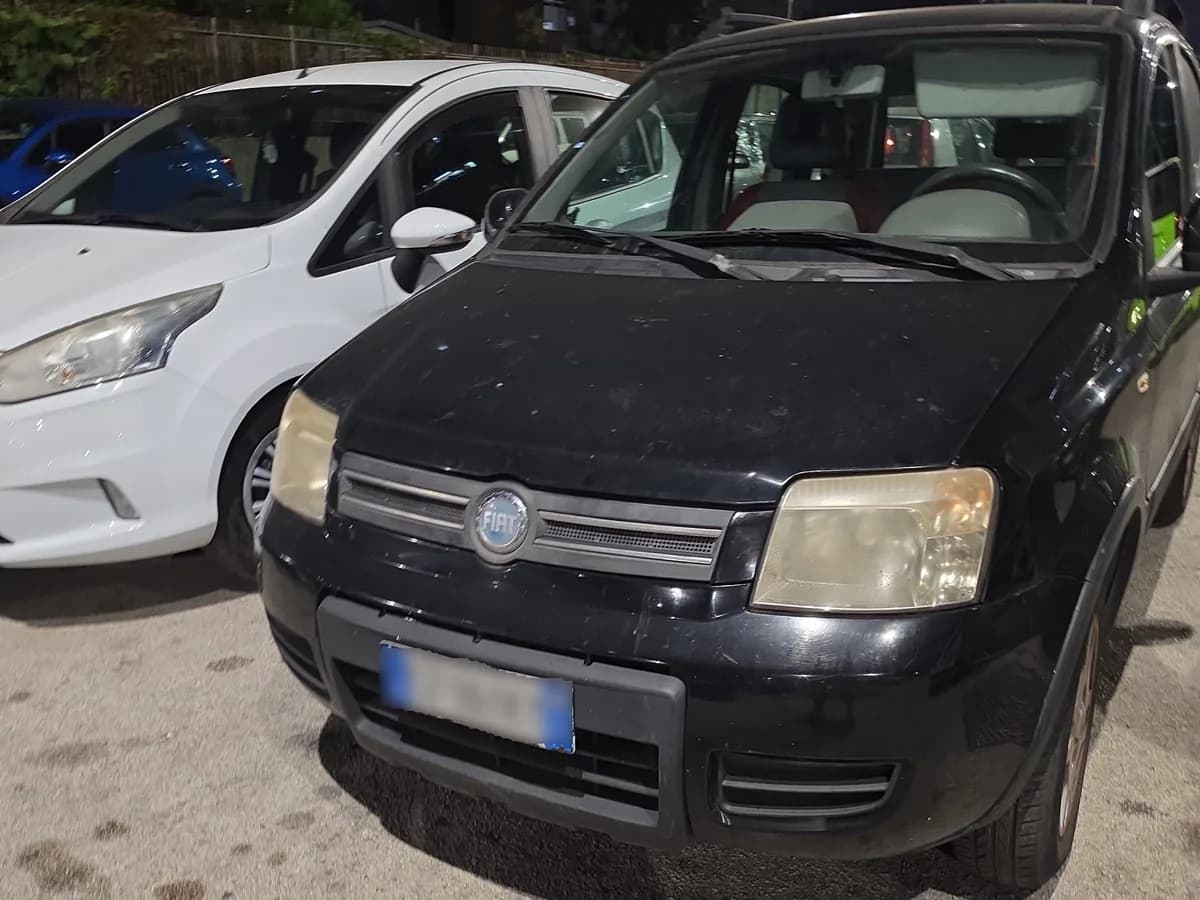
2003
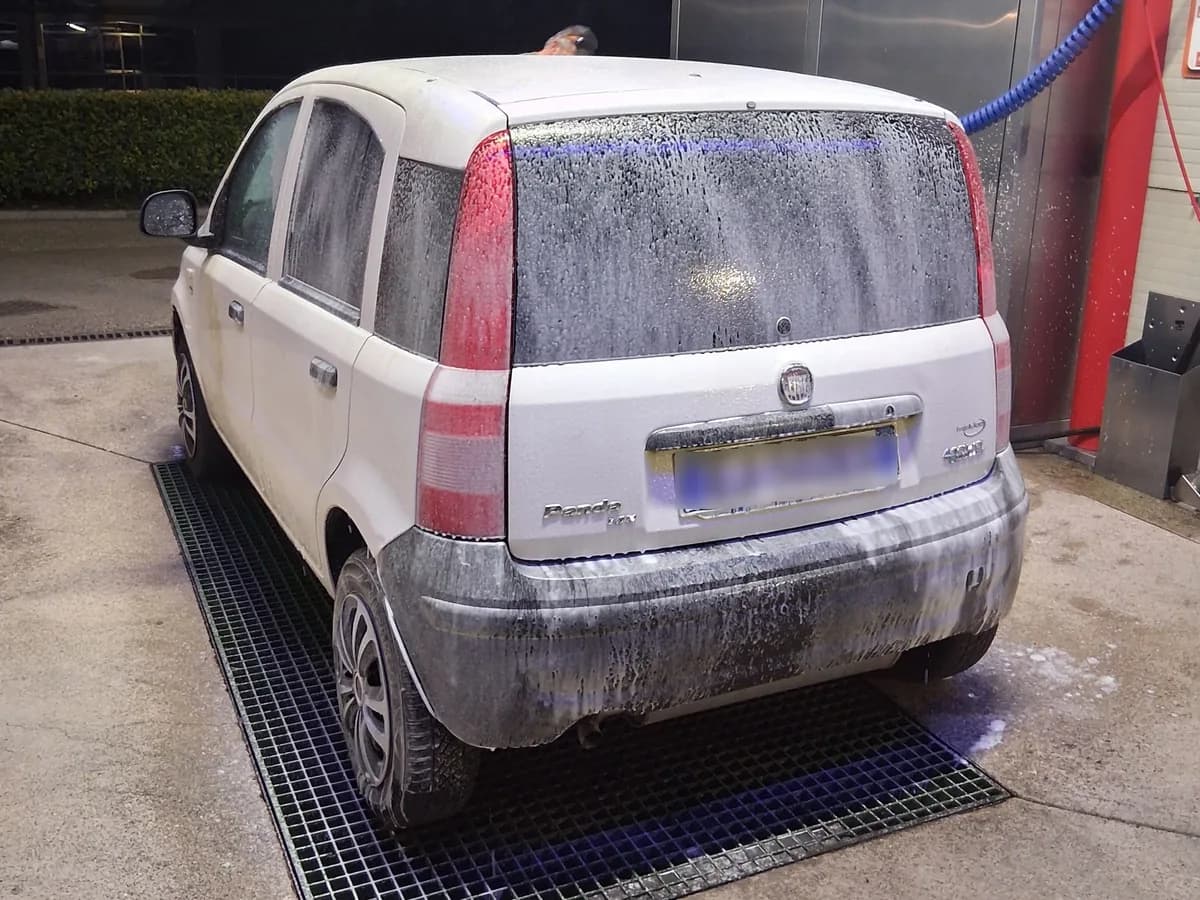
1986
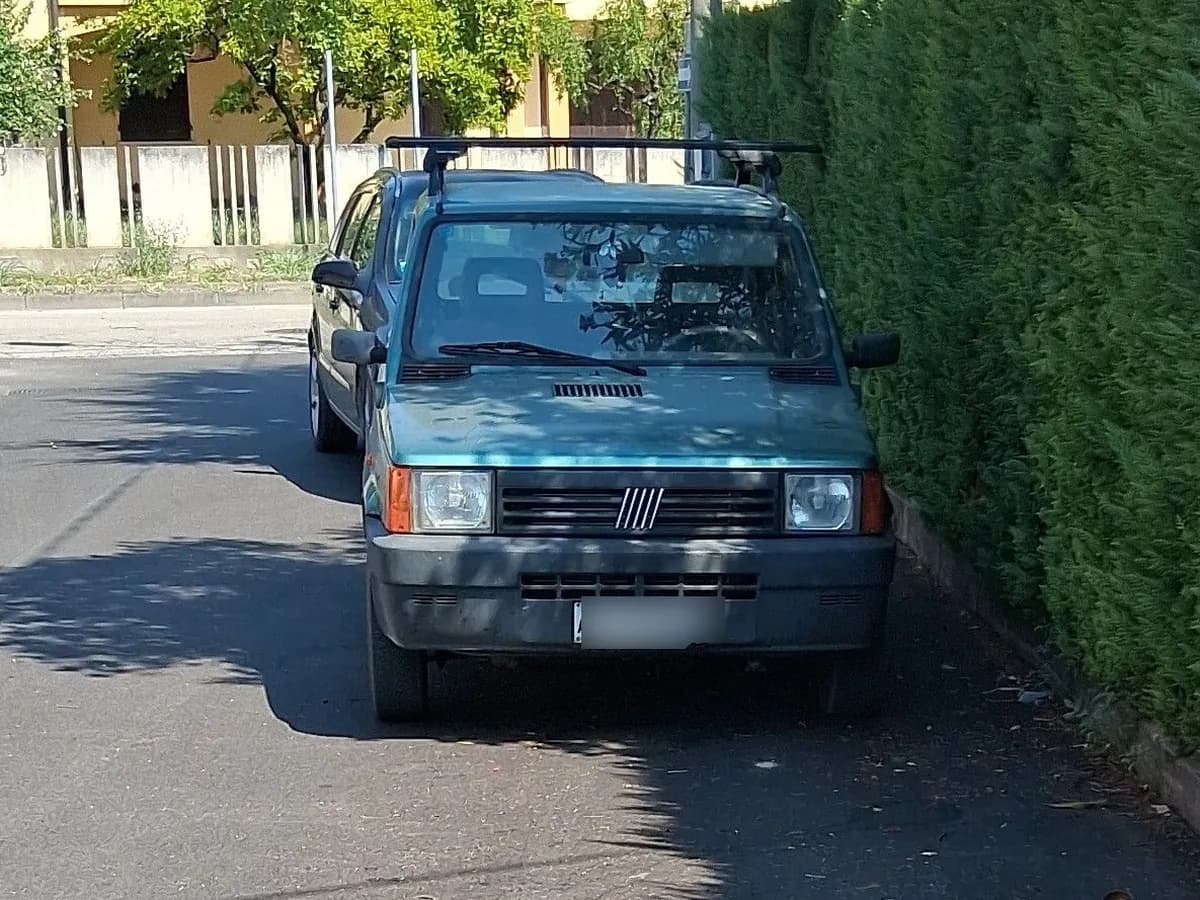
1980
FIAT Panda photos
Model summary
Data from the ScanRacer library, organized to compare versions quickly.
Model introduction
Introduced in 1980, the FIAT Panda became one of Europe’s most recognisable city cars. Its original concept focused on compact dimensions, useful interior space and straightforward engineering rather than luxury equipment. Designed by Giorgetto Giugiaro, the first Panda broadened its appeal with the four-wheel-drive version, while later developments such as FIRE engines, the Panda Elettra and numerous special editions extended its reach. The second generation arrived in 2003 with five doors and a rounder shape, then won the 2004 European Car of the Year award. The third generation retained the model’s practical approach while adding more comfort, safety and technology. In 2024-2025, the Grande Panda marked a new stage, combining the nameplate’s familiar compact-car identity with hybrid and fully electric powertrains. (media.stellantis.com)
History
The Panda project began in the mid-1970s and reached the public at the 1980 Geneva Motor Show. FIAT was looking for a small car that would be economical, rational and versatile, gradually replacing the ageing 126 while providing more usable space and simpler everyday operation. The first generation, identified internally as Type 141, used a boxy Italdesign shape and an unusually functional cabin. Its reputation expanded further when the Panda 4x4 arrived in 1983, an uncommon proposition in the city-car class. A later update to the first generation brought FIRE engines and a diesel option, while the Panda Elettra appeared in 1990 as an early attempt at a small electric car. The original generation remained in production until 2003. (media.stellantis.com) The second generation was launched in September 2003. It replaced the three-door body with a more practical five-door layout suited to urban and family use. Its reception was confirmed by winning the 2004 European Car of the Year award. The third generation followed in 2011, adding more interior space, equipment and engine choices including TwinAir, FIRE and Multijet units. From 2024 onward, the Grande Panda expanded the family with a larger body and hybrid or electric powertrains. Within the ScanRacer dataset, the model is represented by named versions and model years spanning 1980 to 2025. (media.stellantis.com)
Generations
The first generation, produced from 1980 to 2003, is identified by its very upright body, usually three doors, large glass areas and deliberately stripped-back interior. Early engines included small two-cylinder and four-cylinder units before FIRE engines and a diesel option appeared. The Panda 4x4 stands apart through its four-wheel-drive system and equipment intended to make the small car more capable on rough roads and in mountainous areas. The second generation arrived in 2003 with a taller, rounder five-door body. It provided easier rear access, a raised seating position and a more contemporary interior. Depending on the market, the range included petrol, diesel and natural-gas versions. The third generation, unveiled in 2011, kept the five-door city-car format but introduced more sculpted bodywork, additional equipment and engines such as TwinAir, FIRE and Multijet units. It was also offered in four-wheel-drive form and in versions with a more rugged visual treatment. The Grande Panda was presented in 2024 for sales beginning in 2025. With a stated length of 3.99 metres and hybrid or electric powertrains, it moves the nameplate into a larger class while retaining visual references to earlier Pandas. It is best understood as a separate new chapter rather than simply a facelift of the preceding city car. (media.stellantis.com)
Key differences
The main differences between Panda models concern body style and intended use. The first generation is the most angular and minimalist, usually with three doors, and it became especially notable in four-wheel-drive form. The second generation introduced five doors, a rounder exterior and a cabin with a stronger emphasis on comfort. The third generation retained compact five-door dimensions but added a more modern interior, further safety equipment and a broader engine range including TwinAir and Multijet units. The 4x4 and Cross versions emphasise all-weather or outdoors-oriented versatility, although their exact equipment depends on the market. The 100HP has a more performance-focused character than ordinary Panda variants. The Grande Panda is a larger vehicle with a different role and offers hybrid or electric powertrains, rather than being a simple update of the previous city car. Because engines, trims and safety equipment varied by country, exact identification should always be checked against the model year and market. (media.stellantis.com)
Photo recognition
To identify a first-generation Panda, look for a very square silhouette, short bonnet, large glass areas and, in most cases, a three-door body. Simple bumpers and a highly functional interior are typical, although grilles, lamps and trim details changed during its long production run. A first-generation 4x4 may be distinguished by its specific protective details, raised stance and four-wheel-drive hardware, but mechanical inspection is still needed for confirmation. The second generation has five doors, a taller body and rounded sides. Its dashboard layout and high-mounted gear lever help separate it from the earlier car. The third generation uses softer volumes, more sculpted lamps and a more expressive front end. Cross versions generally add exterior protection and a more rugged appearance. A 100HP is more easily identified through its sporty trim and model-specific details than by its basic shape alone. The Grande Panda is visibly longer and more substantial, with modern angular lines, pixel-inspired lighting signatures and proportions closer to a small family car. (media.stellantis.com)
Important versions
The ScanRacer data includes the Grande Panda for 2025, the Cross across 2006-2014, the 4x4 across 2004-2012, and a Base designation spanning 1980-2011. The 100HP is represented for 2006. These names do not all describe the same type of change: “4x4” primarily identifies four-wheel drive, “Cross” indicates a more versatile or rugged presentation, and “100HP” points to a sportier version. The Grande Panda belongs to the new generation presented in 2024 and announced with hybrid and electric powertrains. Since commercial names and equipment can vary between countries, the model year and original market remain essential for accurate identification. (media.stellantis.com)
References
- New Fiat PandaStellantis Media / FIAT
- Grande Panda Wins 2025 Carwow Award Before LaunchFIAT
- Dalla Panda 30 alla Grande Panda: tutta la storia della fuoriclasse di FiatLa Gazzetta dello Sport
- Fiat Panda, 20 anni di Italia: dalla seconda serie alla Pandina hi-techL’Automobile / ACI
- https://www.autoexpress.co.uk/fiat/panda/368586/fiat-panda-super-test-45-year-evolution-italys-small-car-iconautoexpress.co.uk
- https://www.automobile.it/magazine/storia-auto/fiat-panda-storia-3783automobile.it
- https://cars-data.com/en/fiat/pandacars-data.com
Technical specifications
Structured data available for versions linked to this model.
| Version | Power | Torque | Top speed | Drivetrain | Fuel |
|---|---|---|---|---|---|
| Base | 55 KW @ 4000 RPM75 HP @ 4000 RPM74 BHP @ 4000 RPM | 140 lb-ft @ 1500 RPM190 Nm @ 1500 RPM | 99 mph (159 km/h) | All Wheel Drive / 5-speed manual | Diesel |
Frequently asked questions
- What years was the FIAT Panda produced?
- ScanRacer's referenced versions cover 1980 - 2025.
- How many FIAT Panda examples are documented on ScanRacer?
- 11 published scans from 8 members, with the latest photo added in September 2026.
- What is the power output of the FIAT Panda?
- The sourced technical data lists 55 KW @ 4000 RPM75 HP @ 4000 RPM74 BHP @ 4000 RPM.
What about the car you photographed?
Upload a photo to get a suggested make, model and likely year.
No account needed for the result · Publish only if you choose