
Viper
The Dodge Viper is a two-seat American sports car whose prototype appeared at the 1989 Detroit auto show before becoming the production Viper RT/10 in 1992. Its defining formula combined a front-mounted V10 engine, rear-wheel drive, a six-speed manual gearbox, and—especially in early cars—a deliberately limited reliance on electronic driver aids. The GTS coupe joined the range in 1996, while the SRT-10 brought a comprehensive redesign for 2003 and introduced an 8.3-liter V10. A major powertrain update followed for 2008 with an 8.4-liter engine, and the Viper returned for 2013 with substantially revised bodywork and chassis technology. Within the 1991–2013 period represented by ScanRacer, the Base, Roadster, and Coupe labels span several distinct design and engineering phases rather than a single uniform specification. (s3.amazonaws.com)
Variants by year
2013
2008
2005
2003

1996
 SR
SR1991
Model summary
Data from the ScanRacer library, organized to compare versions quickly.
Model introduction
The Dodge Viper is a two-seat American sports car whose prototype appeared at the 1989 Detroit auto show before becoming the production Viper RT/10 in 1992. Its defining formula combined a front-mounted V10 engine, rear-wheel drive, a six-speed manual gearbox, and—especially in early cars—a deliberately limited reliance on electronic driver aids. The GTS coupe joined the range in 1996, while the SRT-10 brought a comprehensive redesign for 2003 and introduced an 8.3-liter V10. A major powertrain update followed for 2008 with an 8.4-liter engine, and the Viper returned for 2013 with substantially revised bodywork and chassis technology. Within the 1991–2013 period represented by ScanRacer, the Base, Roadster, and Coupe labels span several distinct design and engineering phases rather than a single uniform specification. (s3.amazonaws.com)
History
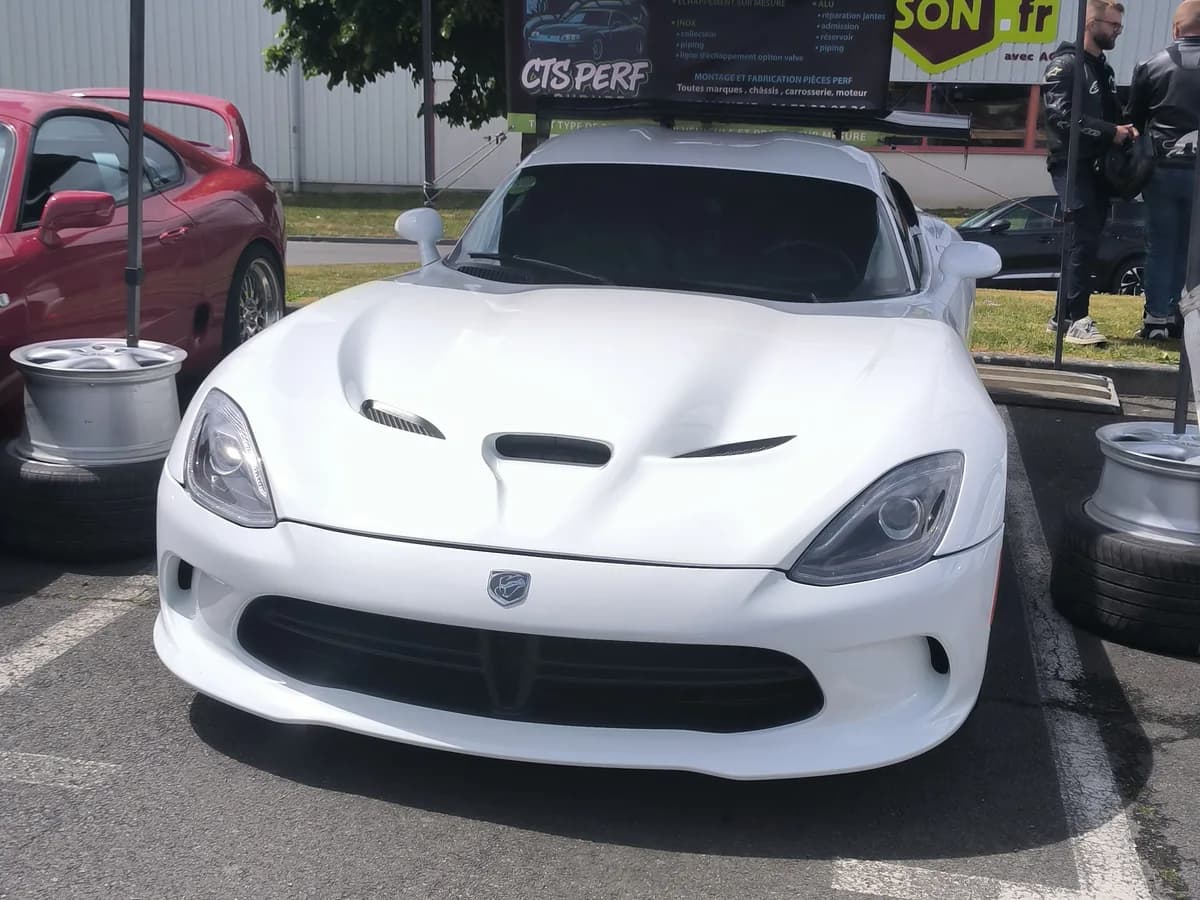
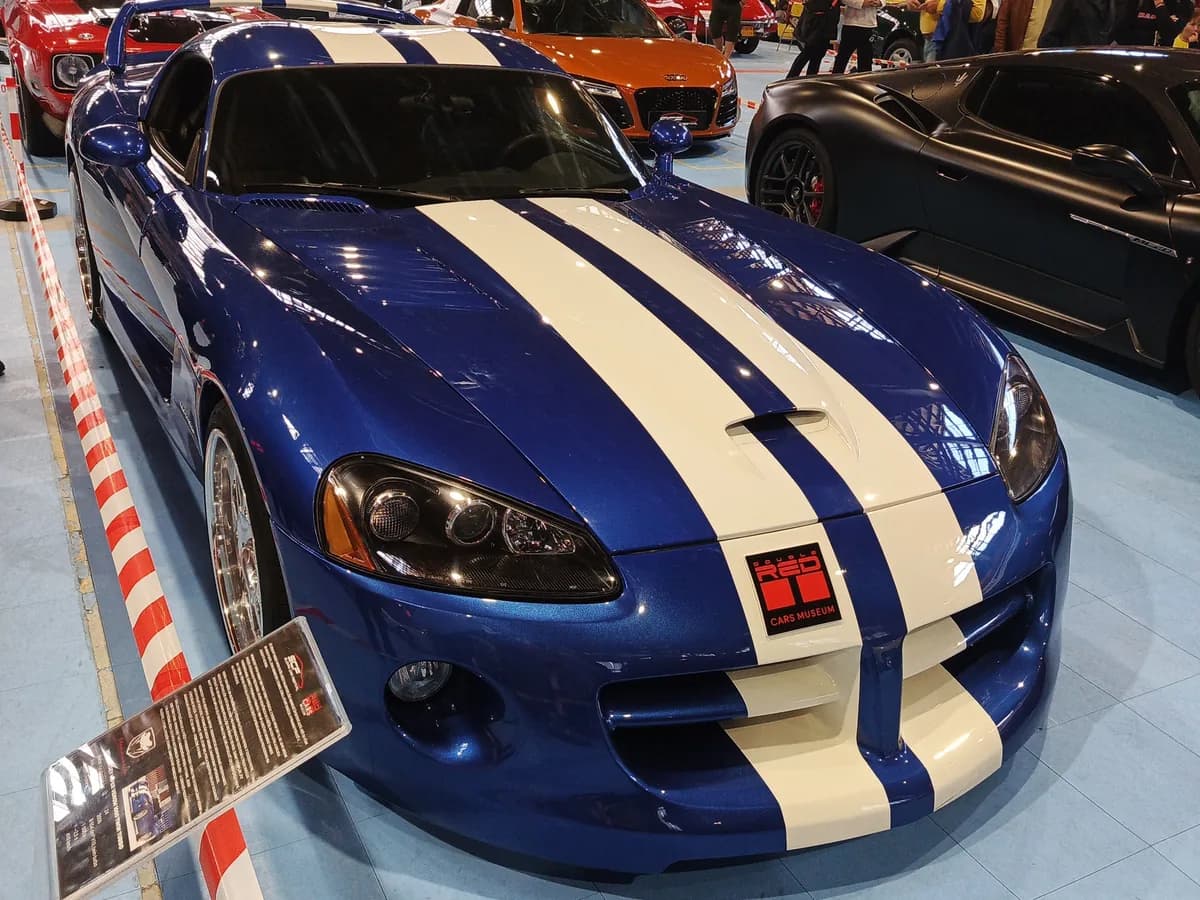
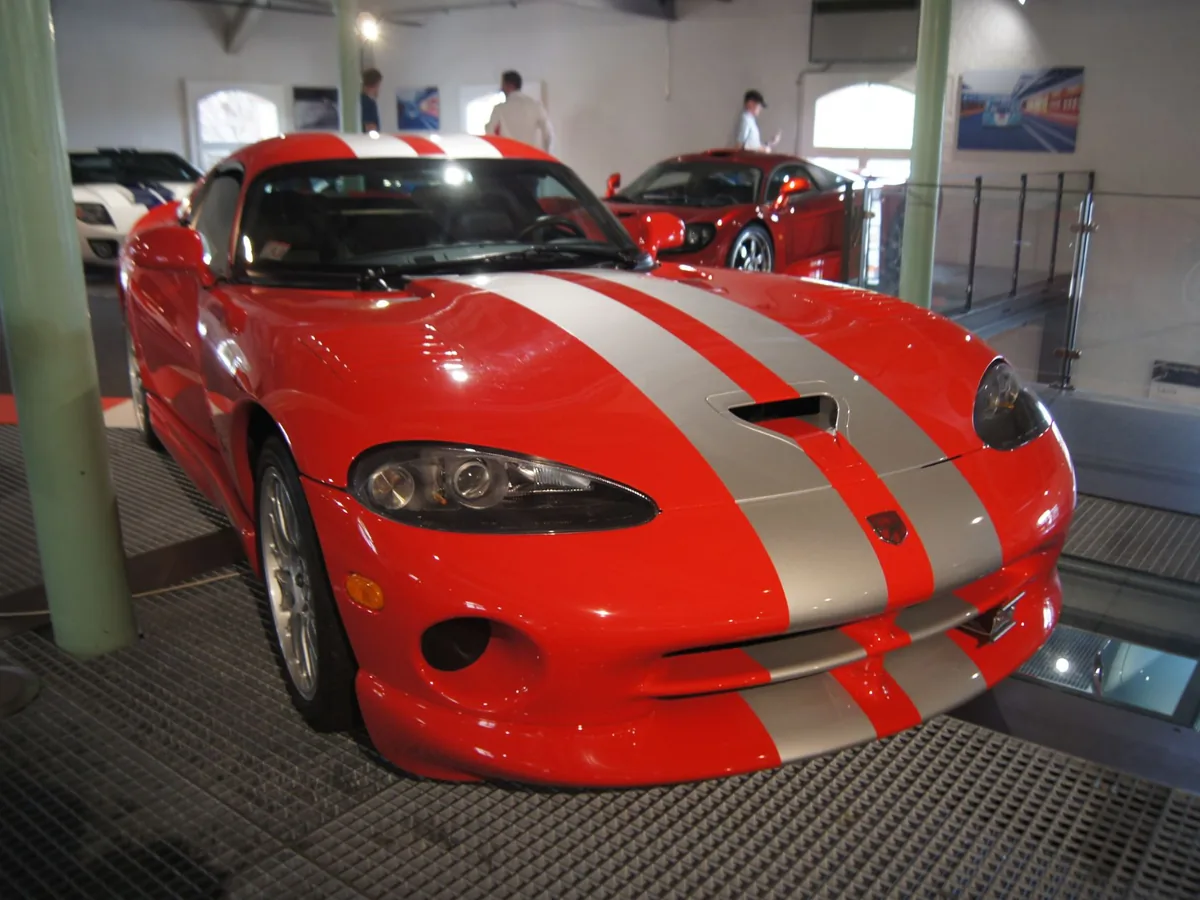
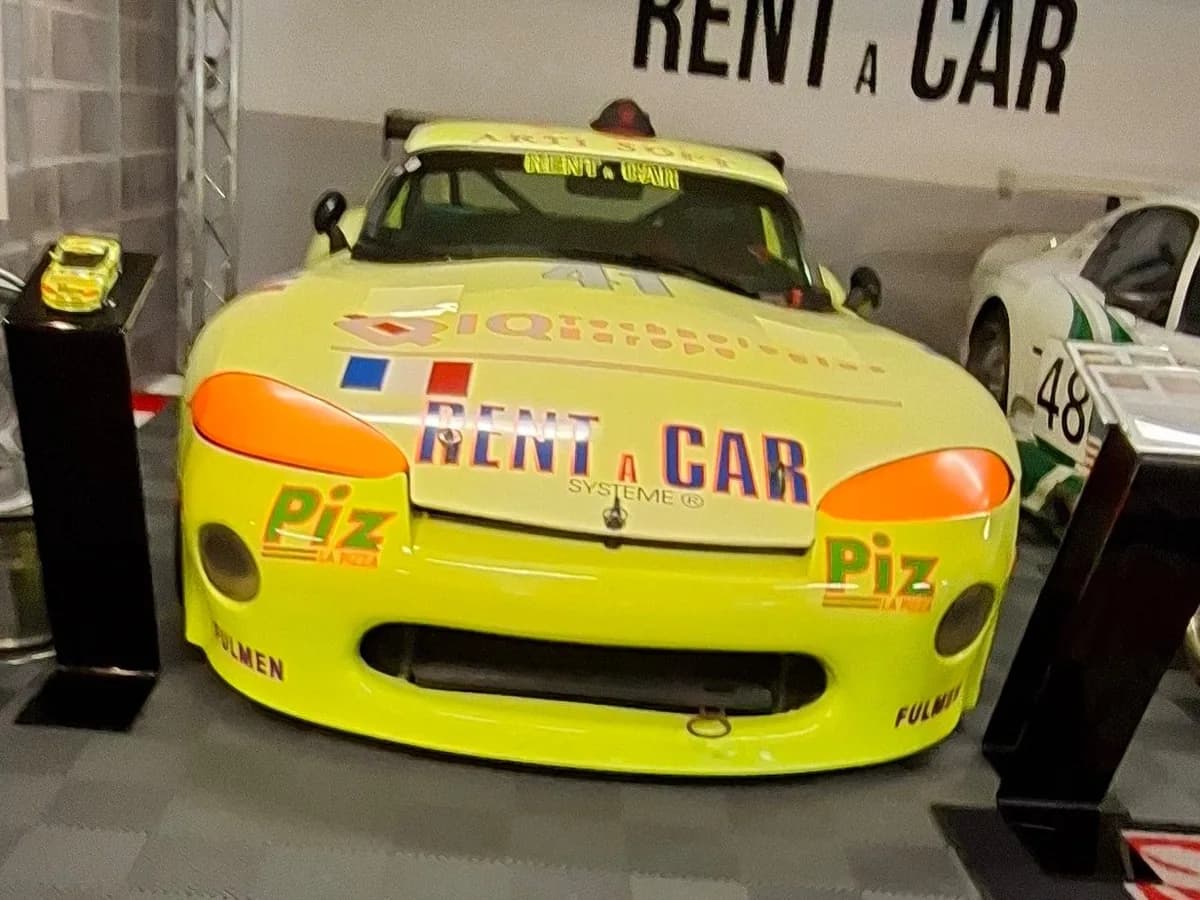
The Viper story began with a design study shown in 1989. The project aimed to give Dodge a radical performance car shaped by the spirit of classic American roadsters. The first production version, the RT/10, arrived in 1992 with an 8.0-liter V10, a six-speed manual transmission, and an unusually stripped-back specification. Early examples were notable for their basic roof arrangement, side curtains, and side-exit exhausts. (s3.amazonaws.com) In 1996, Dodge expanded the range with the GTS coupe, identified by its double-bubble roof and styling influenced by racing. This period also brought greater structural stiffness, more power, and additional equipment. The ACR subsequently became the track-focused expression of the road car, combining weight reduction, firmer suspension, more aggressive tires, and dedicated aerodynamic features. (motortrend.com) For 2003, the Viper became the SRT-10 and received completely revised bodywork along with an 8.3-liter V10. A coupe returned in 2005. For 2008, displacement increased to 8.4 liters and output rose to 600 horsepower according to period material. After production was scheduled to end in 2010, a substantially updated Viper was unveiled for the 2013 model year, with revised body construction, bodywork, and electronic systems. (s3.amazonaws.com)
Generations
For identification purposes, it is more useful to separate the Viper’s major design phases than to rely on trim names alone. The first family includes the RT/10 and GTS built through 2002. The RT/10 is the open roadster, while the GTS adds a fixed roof, fastback profile, and the distinctive double-bubble canopy. Changes during this period involved power output, structural stiffness, braking hardware, and safety equipment. (s3.amazonaws.com) The next major phase begins with the 2003 SRT-10. Its bodywork uses sharper surfaces, swept-back fenders, and deep side scallops. The roadster came first, followed by the return of a coupe in 2005. The 2008–2010 cars are marked by a major mechanical revision, including the 8.4-liter V10 and improvements to the transmission, differential, suspension, and tires. (s3.amazonaws.com) The 2013 model represents another step, with more contemporary styling and greater integration of electronic systems. As a practical library structure, it is therefore sensible to separate the RT/10-GTS family, the SRT-10 phase, and the Viper reintroduced for 2013, while remembering that commercial names and equipment can vary by model year and market.
Key differences
The most significant differences involve body style, engine development, and driver assistance. Early RT/10 cars emphasized simplicity, with a basic removable roof, side-exit exhausts, and limited comfort equipment. The 1996 GTS added a more civilized cabin, a fixed roof, and an immediately recognizable coupe profile. (motortrend.com) The 2003 SRT-10 moved away from the earlier Viper’s rounded shape in favor of sharper bodywork and an 8.3-liter V10. The 2005 SRT-10 coupe used a double-bubble roof, increased structural rigidity, and aerodynamic treatment distinct from the roadster. (s3.amazonaws.com) The 2008–2010 cars are chiefly distinguished by their 8.4-liter V10 and revised chassis tuning. The 2013 Viper retained rear-wheel drive and a manual transmission, but adopted more contemporary styling and, according to the secondary sources consulted, electronic stability and traction systems that were absent from the earliest cars. (motortrend.com)
Photo recognition
An early RT/10 can be identified by its very low roadster profile, side-exit exhausts, and rudimentary weather protection. The first examples lacked exterior door handles and conventional side windows, although equipment changed over the model’s development, so these details should be used alongside the model year. (motortrend.com) The GTS is immediately recognizable by its fixed double-bubble roof, broad rear glass, and coupe silhouette. White stripes over Viper Blue are especially associated with the GTS launch presentation, although similar color combinations may appear on later cars or recreations. (s3.amazonaws.com) The 2003 SRT-10 uses a more contemporary front end, swept-back fenders, and deep side scallops. The 2005 coupe adds a fixed roof and integrated rear spoiler treatment. ACR versions generally show more substantial aerodynamic hardware, distinctive wheels, and a stronger track focus; definitive identification should still be checked against the model year, VIN data, and original bodywork.
Important versions
The RT/10 is the original and most stripped-back expression of the Viper family. The GTS, introduced in 1996, is the iconic double-bubble coupe. The ACR appeared for 1999 and focused on circuit use through weight reduction, firmer suspension, higher-grip tires, and dedicated aerodynamic equipment. (motortrend.com) The SRT-10 marks the 2003 redesign and was initially offered as a roadster before the coupe returned in 2005. The 2008–2010 cars are significant for their 8.4-liter engine and chassis revisions. The 2013 Viper then represented a renewed model with substantially updated bodywork and electronics. The Base, Roadster, and Coupe labels should therefore always be interpreted alongside the model year and the underlying technical generation.
References
- 2003 Dodge Viper SRT-10 OverviewDaimlerChrysler Communications
- Dodge Viper SRT10 Coupe Press InformationDaimlerChrysler Communications
- The Dodge Viper: History, Generations, Models, 0-60 MPH, and MoreMotorTrend
- Dodge Viper FarewellMotorTrend
- Snake, Recoiled: A Visual History of the Dodge ViperCar and Driver
- https://www.motortrend.com/features/the-past-and-future-of-the-dodge-vipermotortrend.com
Technical specifications
Structured data available for versions linked to this model.
| Version | Power | Torque | Top speed | Drivetrain | Fuel |
|---|---|---|---|---|---|
| Base | 447 KW @ 6100 RPM 608 HP @ 6100 RPM 599 BHP @ 6100 RPM | 560 lb-ft @ 5000 RPM 759 Nm @ 5000 RPM | 202 mph (325 km/h) | Rear Wheel Drive / 6-Speed manual | Gasoline |
Frequently asked questions
- What years was the Dodge Viper produced?
- ScanRacer's referenced versions cover 1991 - 2013.
- How many Dodge Viper examples are documented on ScanRacer?
- 10 published scans from 10 members, with the latest photo added in September 2026.
- What is the power output of the Dodge Viper?
- The sourced technical data lists 447 KW @ 6100 RPM 608 HP @ 6100 RPM 599 BHP @ 6100 RPM.