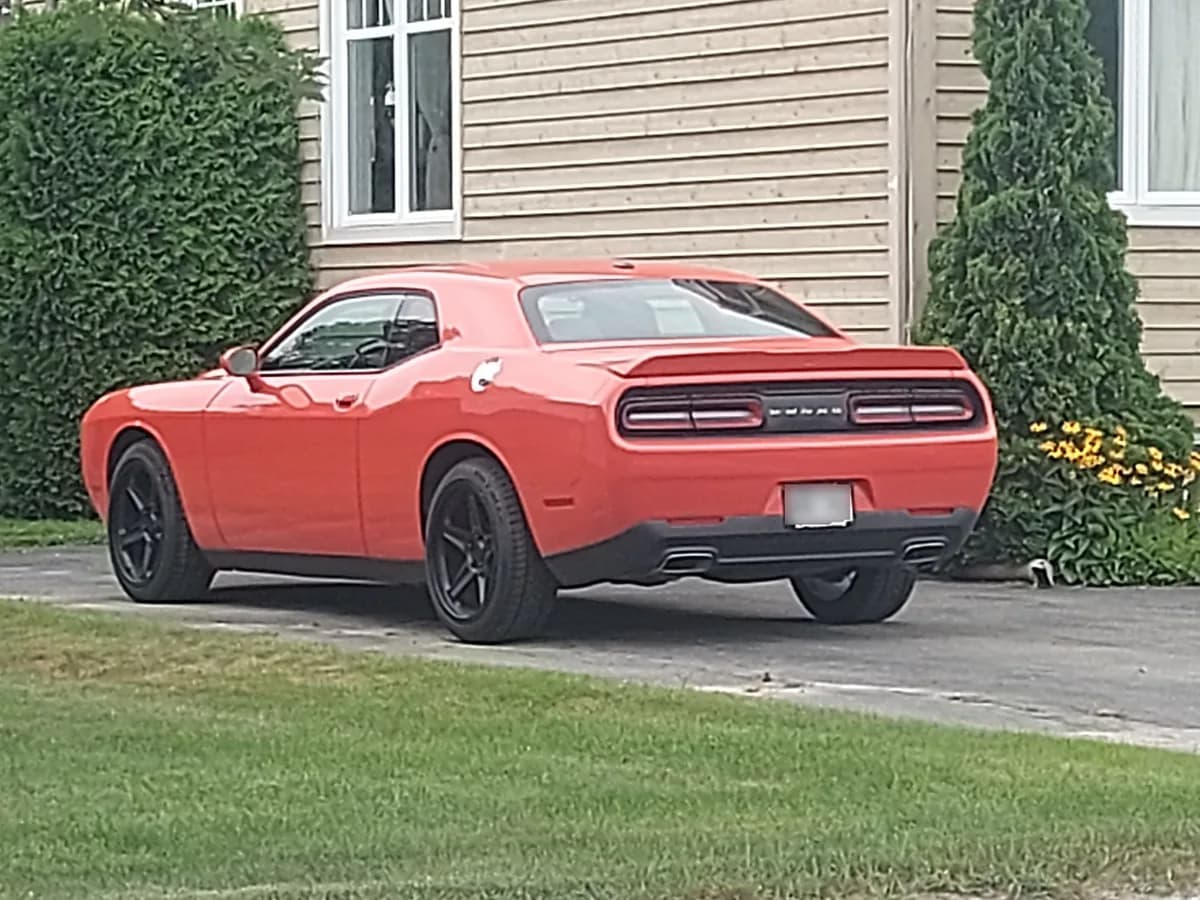
Dodge Viper 2013
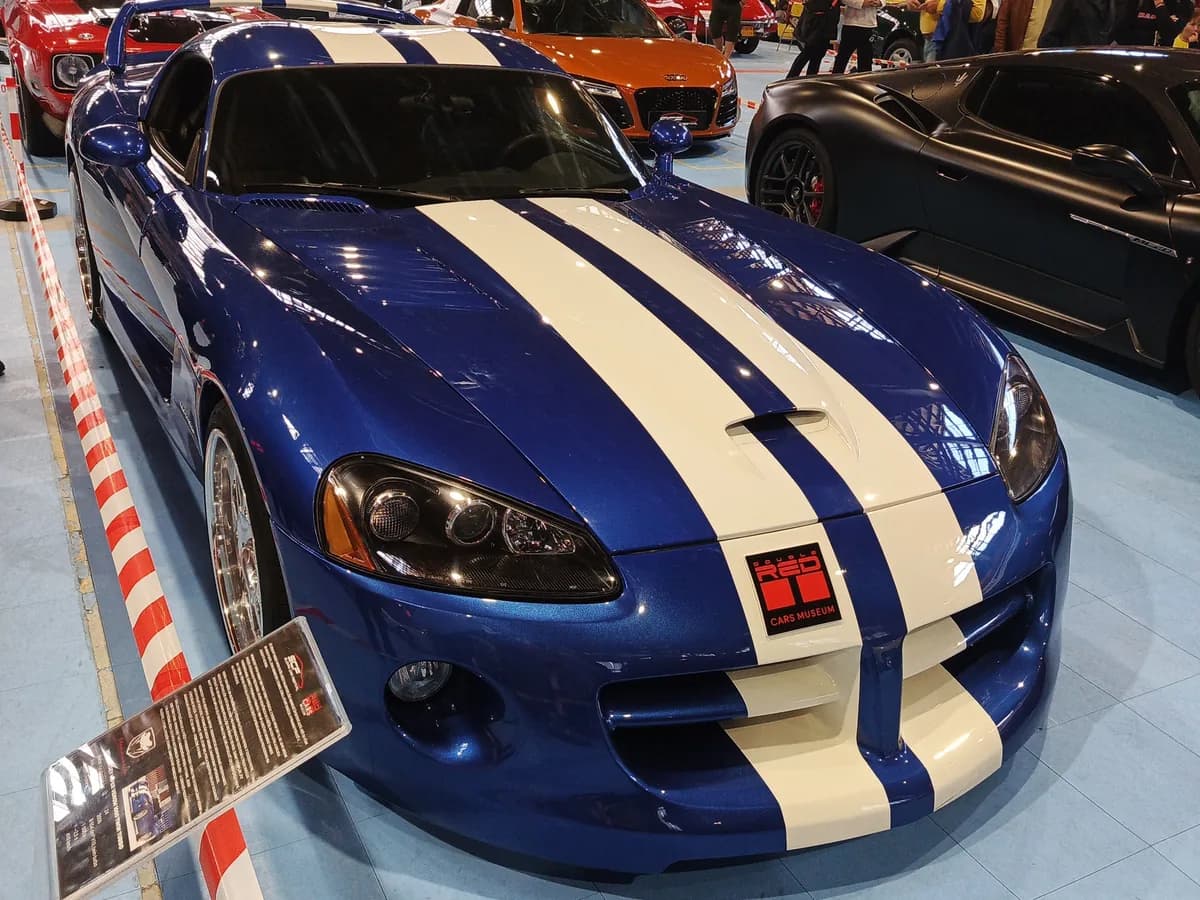
The 2013 Dodge Viper Base introduced the fifth generation of America’s iconic sports car, although the model was marketed under the SRT name at launch. It marked the Viper’s return after production ended in 2010 and retained the formula that defined the nameplate: a two-seat coupe, naturally aspirated V10, rear-wheel drive and a six-speed manual transmission. According to manufacturer specifications, its 8.4-liter engine produced 640 horsepower and 600 lb-ft of torque. Compared with the previous generation, the 2013 car added a stiffer structure, carbon-fiber and aluminum body panels, a substantially upgraded cabin and standard electronic stability and traction controls. The Base model offered the most direct interpretation of the new Viper, while still delivering supercar-level performance.

History
The 2013 Viper emerged from Chrysler’s decision to return to the low-volume performance-car market. After the previous generation ended production in July 2010, Detroit’s Conner Avenue facility was refurbished and reopened for the new model. Industrial production began in December 2012, with customer shipments scheduled for early 2013. SRT retained the Viper’s signature proportions, including its long hood, rear-set cabin and side-exit exhausts, but extensively revised the underlying car. The structure became significantly stiffer, while the hood, roof and decklid were made from carbon fiber. The chassis gained revised suspension geometry, standard stability control and traction management. Inside, the new Viper received Sabelt performance seats, more adjustment range and a considerably more sophisticated finish than its predecessor. The Base model nevertheless remained focused on a direct, mechanically involving driving experience rather than maximum luxury or electronic intervention.
Latest scans
Photos added by the community for this page.
Anecdotes
The first production car of the new generation carried serial number 001. Chrysler connected it with a charity auction held by Barrett-Jackson in 2012, before regular customer deliveries began. The 2013 Viper also brought production back to Conner Avenue, a Detroit facility closely associated with the nameplate since 1995. Its central hood emblem, known as Stryker, was named with input from the Viper owner community.
Production
The 2013 Viper was hand-built at Detroit’s Conner Avenue facility, which had been refurbished for the model’s return. Production remained very limited, consistent with the car’s specialist positioning. Hemmings reported that 591 Vipers left the plant during 2013, covering all configurations. That figure does not establish how many were Base cars rather than GTS models or cars equipped with optional packages. The combination of low production, hand assembly and the short lifespan of the fifth-generation Viper has made the 2013 cars increasingly interesting to collectors. However, no clearly documented official breakdown for the Base version alone was identified in the sources consulted.
Press reception
Automotive reviewers generally credited the 2013 Viper with meaningful improvements in structural rigidity, cabin quality and everyday usability. Motor Trend described it as more polished and easier to drive on the road than earlier generations, while still emphasizing the violence of its acceleration, braking and cornering performance. Reviews also noted that the Viper remained loud, demanding and less forgiving than more electronically sophisticated rivals. In an instrumented test, Motor Trend recorded 0-to-60-mph acceleration of 3.5 seconds for the SRT Viper it tested. The overall reception was therefore positive regarding the engineering progress, but qualified by criticism of the driving position, interior refinement and the concentration required to exploit such a powerful rear-wheel-drive car.
Evolution
The 2013 model was a major technical evolution rather than a minor facelift. The 8.4-liter V10 remained, but it gained a high-flow composite intake, forged pistons, revised exhaust valves and an aluminum flywheel. The six-speed manual transmission received closer ratios, a shorter shifter action and a 3.55:1 final drive. According to the manufacturer, the structure was approximately 50 percent more torsionally rigid than before, while the car shed roughly 100 pounds. Stability control and traction control became standard equipment, a significant change for the Viper nameplate. The Base model used conventional dampers, while the GTS added Bilstein DampTronic units with selectable street and track settings. This distinction helped preserve a clear separation between the more focused Base car and the more premium GTS.



Variants
References
- 2013 SRT Viper and SRT Viper GTS SpecificationsChrysler Media / SRT
Supports the body style, engine architecture, 640-hp output, six-speed manual transmission, rear differential, dimensions and factory assembly location.
- 2013 SRT Viper OverviewChrysler Canada Press Kit
Supports the 2013 return of the Viper, the SRT and GTS versions, chassis revisions, materials, electronic controls, Conner Avenue production and equipment differences.
- 2013 SRT Viper First TestMotor Trend
Supports the instrumented performance figures, layout, engine output, transmission, and contemporary assessment of the car’s road manners and refinement.
- First Drive: 2013 SRT Viper / Viper GTS CoupeCar and Driver
Provides an independent contemporary road-test reference for dimensions, estimated performance and the distinction between the Viper and GTS.
- End of Viper production signals closure of FCA’s Conner Avenue Assembly PlantHemmings
Supports the reported 591-unit 2013 production total and the role of Conner Avenue in fifth-generation Viper assembly.
- The Snake Returns to Chrysler Group’s Conner Avenue Assembly PlantChrysler Group via PR Newswire
Supports the plant reopening, the return of the Viper as a 2013 model and the planned timing of production.
- https://www.consumerreports.org/cars/dodge/viper/2013/road-test-report/consumerreports.org
Source found by OpenAI web search for this vehicle page.
- https://www.edmunds.com/dodge/srt-viper/2013/review/edmunds.com
Source found by OpenAI web search for this vehicle page.