DeLorean DMC-12 1981
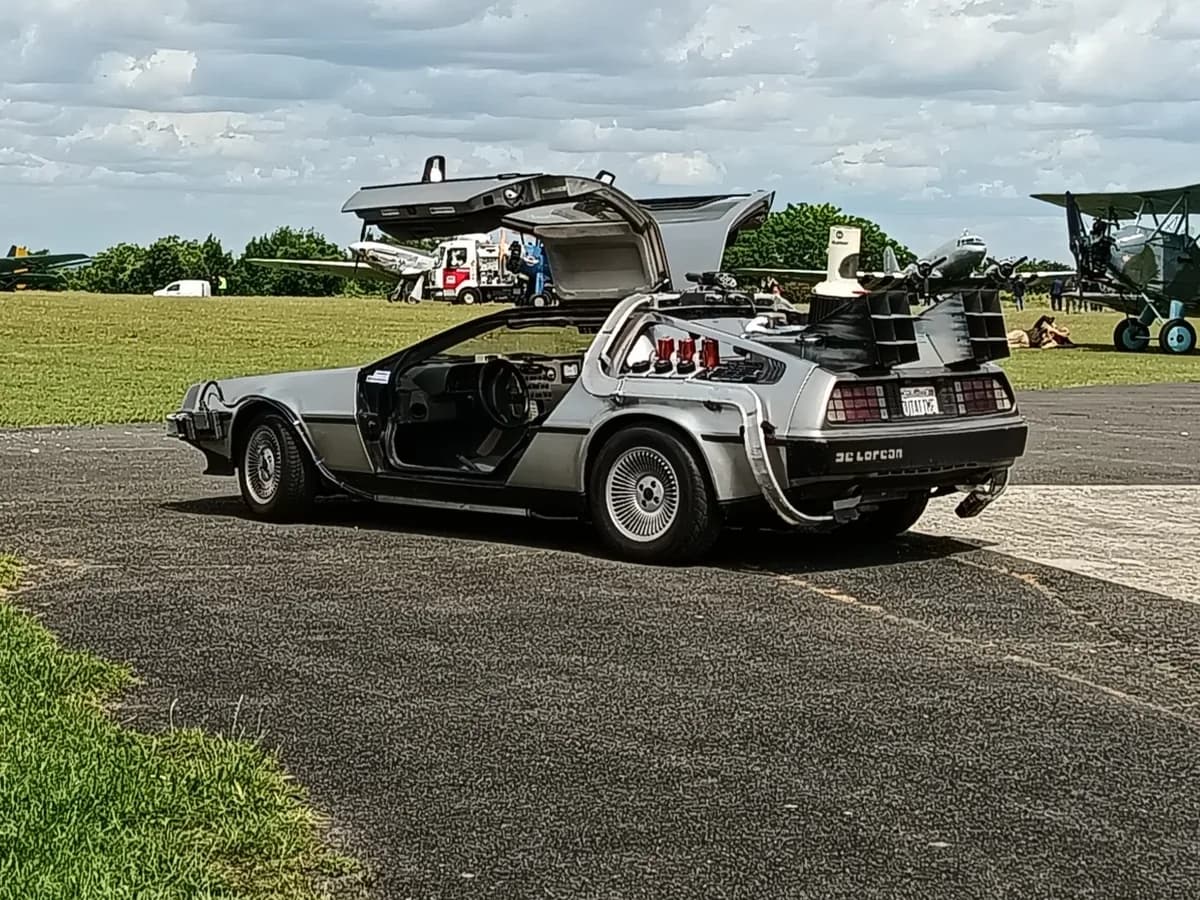
The 1981 Base version of the DeLorean DMC-12 represents the initial production phase of this iconic coupe. It features a distinctive architecture combining an unpainted stainless steel body with a central beam chassis. Powered by a 2.8-liter V6 PRV engine mounted behind the rear axle, it drives the rear wheels. Transmission options included a five-speed manual or a three-speed automatic, with interior choices between gray and black. As the earliest production run, this version embodies the original traits that defined the model, though specific details can vary depending on production date and VIN.
History
The DeLorean DMC-12 was born from the ambition of John Z. DeLorean, a former General Motors executive, who aimed to create a sports car unlike conventional models. The styling was commissioned to Giorgetto Giugiaro at Italdesign, and Lotus contributed to its technical development and industrialization. The manufacturing plant was established in Dunmurry near Belfast, with governmental support. Production started in early 1981 after delays and cost overruns. The 1981 Base version marks this initial production phase, noted for specific details on the hood, wheels, and interior equipment. The DMC-12 featured an unpainted stainless steel body, a rear-mounted V6 PRV engine, and rear-wheel drive, launched in a challenging automotive market that ultimately limited its commercial success.
Latest scans
Photos added by the community for this page.
Production
Production of the DMC-12 began in early 1981 at the Dunmurry plant, resulting from collaboration between DeLorean Motor Company and several European partners. The 1981 Base version corresponds to this initial manufacturing phase. Vehicles are identifiable by their factory plate and VIN, which precisely indicates the model year. Production faced delays and cost overruns, and the company’s limited lifespan resulted in a total volume slightly over 9,000 units without clear distinctions between model years. Some 1983-dated cars were completed after official closure, but the 1981 Base version focuses on the first cars built in 1981.
Evolution
Variants
References
- 1981 DeLorean DMC-12 Coupe “Gold”Petersen Automotive Museum
Supports museum documentation of 1981 DMC-12 examples and the model’s cultural and historical significance.
- The DeLorean DMC-12: A Short, Chaotic HistoryTIME
Provides established historical context on the company’s short production run and the car’s later cultural impact.
- https://www.carcollectorinternational.com/research/buyers-guides/delorean/dmc-12carcollectorinternational.com
Source found by OpenAI web search for this model page.
- https://classics.honestjohn.co.uk/reviews/delorean/dmc-12/history/classics.honestjohn.co.uk
Source found by OpenAI web search for this model page.
- https://www.hagerty.co.uk/articles/an-eighties-classic-the-delorean-dmc-12/hagerty.co.uk
Source found by OpenAI web search for this model page.
- https://www.oldcarsweekly.com/features/car-of-the-week-1981-delorean-dmc-12oldcarsweekly.com
Source found by OpenAI web search for this model page.
- https://www.autoexpress.co.uk/features/354919/delorean-motor-company-and-dmc-12-full-storyautoexpress.co.uk
Source found by OpenAI web search for this model page.
- https://motor-car.net/historic-cars/856-delorean/10133-dmc-12-history-1981-82motor-car.net
Source found by OpenAI web search for this model page.