
Duster
The Duster name refers to two separate automotive stories. In the 1980s, the ARO 10 was sold as the Dacia Duster in the United Kingdom, including soft-top and utility-style versions. The modern model appeared in 2010 as Dacia’s first widely marketed SUV. It combined a relatively simple specification with useful ground clearance and, in selected markets, four-wheel drive. The model was redesigned in 2017 and again for 2024, gradually developing from an affordable, rugged vehicle into a more versatile family SUV. The third generation introduced the CMF-B platform and hybrid powertrains while retaining the model’s outdoor-oriented positioning. ScanRacer’s coverage reflects this wider history, spanning the earlier ARO-based vehicle and the modern SUV, with SUV, Pick-Up, Softtop, and Base variant references represented in the available catalogue.
What about the car you photographed?
Upload a photo to get a suggested make, model and likely year.
No account needed for the result · Publish only if you choose
Variants by year
Make: Dacia · Model: Duster
9 / 9 versions shown
2024
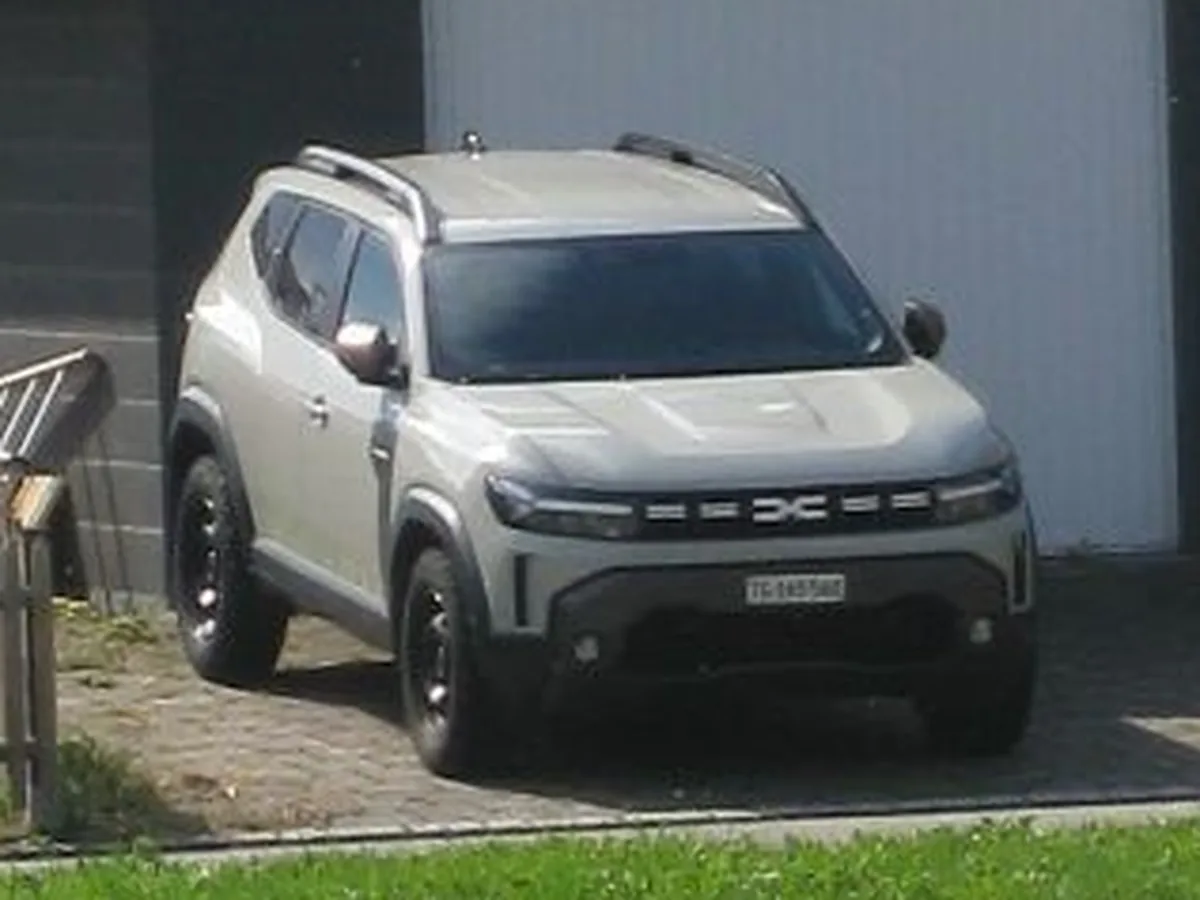
2021

2020
2017
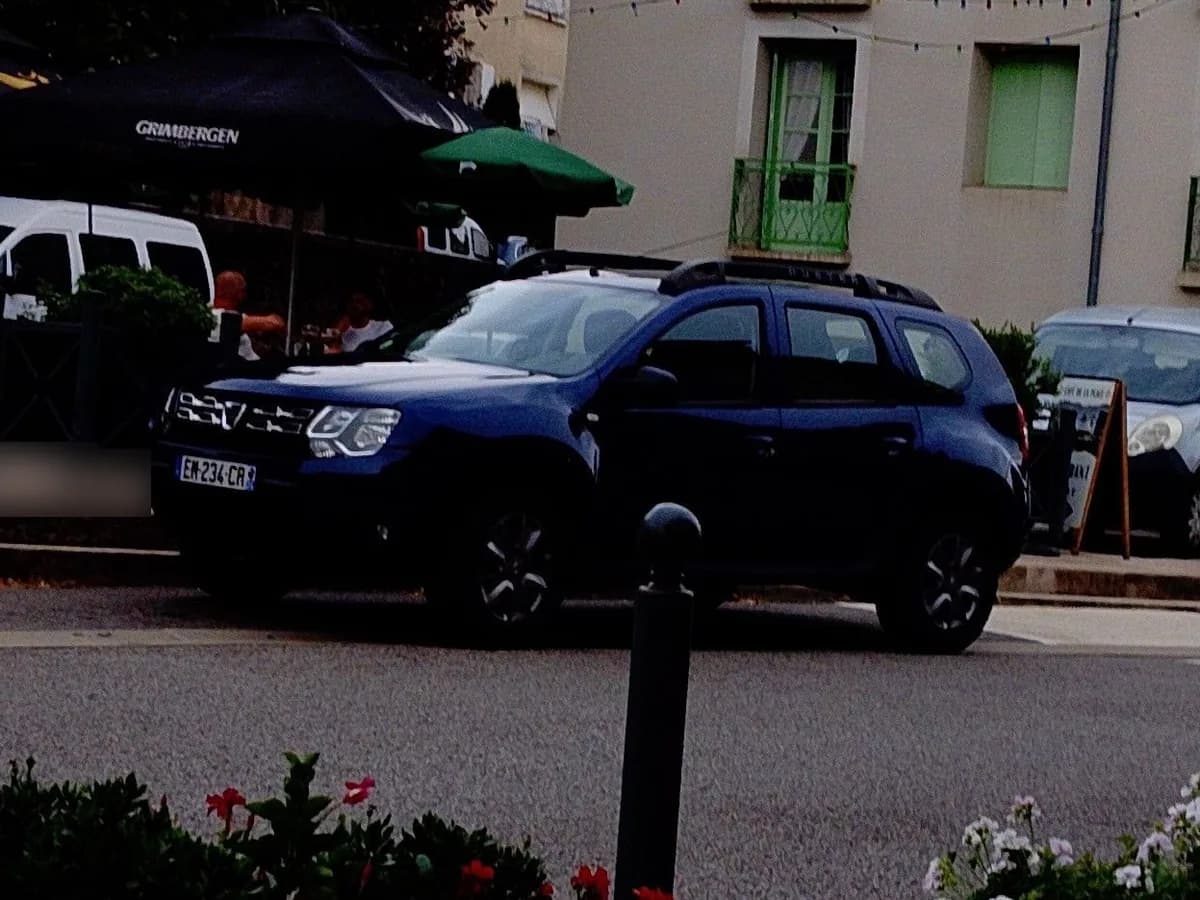
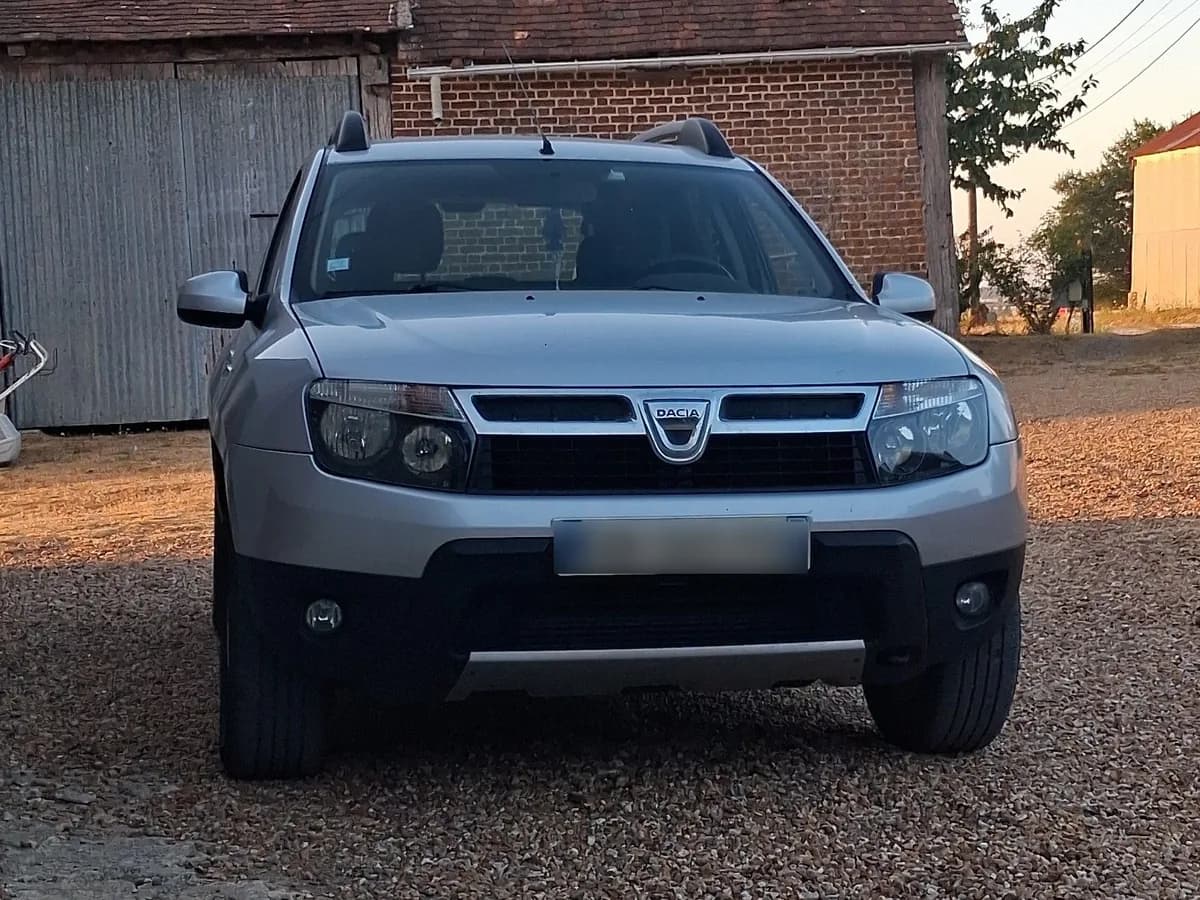
2013
2010
1984
Dacia Duster photos
Model summary
Data from the ScanRacer library, organized to compare versions quickly.
Model introduction
The Duster name refers to two separate automotive stories. In the 1980s, the ARO 10 was sold as the Dacia Duster in the United Kingdom, including soft-top and utility-style versions. The modern model appeared in 2010 as Dacia’s first widely marketed SUV. It combined a relatively simple specification with useful ground clearance and, in selected markets, four-wheel drive. The model was redesigned in 2017 and again for 2024, gradually developing from an affordable, rugged vehicle into a more versatile family SUV. The third generation introduced the CMF-B platform and hybrid powertrains while retaining the model’s outdoor-oriented positioning. ScanRacer’s coverage reflects this wider history, spanning the earlier ARO-based vehicle and the modern SUV, with SUV, Pick-Up, Softtop, and Base variant references represented in the available catalogue.
History
The earliest Dacia Duster was not the same vehicle as the modern SUV introduced in 2010. During the 1980s, the Duster name was used in the United Kingdom for a rebadged ARO 10, a Romanian compact off-roader. That earlier identity explains why some vehicle databases show Duster references from the 1980s, but it should not be treated as the first technical generation of the current SUV. The ARO 10 was offered in several body styles, including a soft-top roadster, enclosed utility forms, and pick-up derivatives. Depending on the market and specification, it used mechanical components associated with the Renault 12 family and a conventional off-road layout. The modern Duster story began in 2010, when Dacia launched a compact SUV with front-wheel drive or four-wheel drive. Its appeal came from a straightforward specification, practical ground clearance, useful interior space, and an accessible price position. A substantial redesign followed in 2017. The 2024 model introduced the CMF-B platform, a more assertive design, and hybrid choices while keeping the Duster’s practical, outdoor-focused character. Variant names, body styles, and powertrains varied by market, so individual records should be interpreted within their regional context.
Generations
The earliest historical period concerns the ARO 10 sold as the Dacia Duster in selected markets, particularly the United Kingdom. It was a compact, separate-chassis off-roader with narrow proportions, simple bodywork, and open or utility-oriented configurations. This vehicle should not be confused with the modern SUV. The first contemporary Duster generation was launched in 2010. It used a five-door body and was offered with front-wheel drive or four-wheel drive depending on market and specification. Its design was functional, with generous glass areas, protective body cladding, and a deliberately simple cabin. The 2013 facelift updated selected exterior and interior details without changing the model’s basic identity. The second generation arrived in 2017. It retained the practical proportions of its predecessor but brought a more developed interior, improved equipment, and a more polished overall presentation. The third generation was introduced for 2024. It moved to the CMF-B platform, adopted a more angular design language, and added electrified powertrains, including the hybrid 140 and a 48V mild-hybrid system at launch. An Eco-G petrol-and-LPG option was also announced for selected markets. The catalogue labels Base, SUV, Pick-Up, and Softtop should therefore not be read as a simple sequence of generations: they describe different body or catalogue groupings across a much broader historical range.
Key differences
The key distinction is between the earlier ARO-based Duster and the modern SUV launched in 2010. The former was a small, rugged off-roader available with soft-top or utility bodywork, while the latter is a five-door family vehicle developed by Dacia during the Renault era. From 2010 to 2017, the modern Duster emphasized straightforward engineering, useful ground clearance, and a durable-looking exterior. The 2017 generation kept that approach but improved perceived refinement, ergonomics, and equipment. The 2024 model is set apart by its CMF-B platform, more geometric styling, and the introduction of hybrid powertrains. Four-wheel-drive versions of the modern Duster use a more integrated electronic and mechanical control strategy than the simpler off-road system associated with the ARO 10. Pick-Up identifies a utility conversion based on the Duster, whereas Softtop points to the earlier open-bodied vehicle. Exact differences still depend on market, model year, engine, drivetrain, and trim level, so a badge or body shape alone is not always enough to identify a precise specification.
Photo recognition
Start with the body shape when identifying an older Duster. The ARO 10 sold as the Dacia Duster has the proportions of a small off-roader, a relatively narrow body, and, depending on specification, a soft top, two-door layout, or pick-up bed. It does not have the five-door shape of the modern SUV. The 2010 Duster is recognizable by its simple volumes, pronounced wheel arches, compact grille, and upright cabin. The facelift introduced around 2013 changed the front-end treatment and selected interior details while retaining the first-generation body. The 2017 model has a more sculpted appearance, redesigned lamps, and a more developed dashboard. The 2024 generation is more angular, uses Dacia’s newer visual language, and may feature a screen-based interior depending on trim. A Pick-Up is identified by the clear division between the passenger cabin and the cargo bed. Badges alone are not conclusive because the Duster name has appeared with different branding, equipment, and powertrains in different countries. Year, body style, grille, lamps, and dashboard design should be considered together.
Important versions
The most significant references begin with the ARO 10 sold as the Dacia Duster, including Softtop and utility-style body configurations. For the modern vehicle, SUV is the core body style, launched in 2010 and renewed in 2017 and 2024. Four-wheel-drive versions are especially important to the Duster’s outdoor identity, although availability varied by country and model year. Pick-Up identifies a utility derivative within the modern Duster family, while Base represents a recent catalogue configuration. Trim names and engine choices were not universal: the same label could correspond to different equipment or specifications depending on the market. Identification is therefore most reliable when the variant name is combined with the production period, body style, drivetrain, and regional catalogue.
References
- Plus Duster que jamaisDacia Global Media
- More Duster still DusterDacia Global Media
- Dacia Duster: Toute la saga depuis les années 1980L’Argus
- 1985 Dacia Duster road testAutocar
- The original Dacia Duster is a red relic from another ageHagerty UK
- A new powertrain range for Duster and BigsterDacia Global Media
- Duster vehicle user manualDacia
Technical specifications
Structured data available for versions linked to this model.
| Version | Power | Torque | Top speed | Drivetrain | Fuel |
|---|---|---|---|---|---|
| Base | 69.1 KW @ - RPM94 HP @ - RPM93 BHP @ - RPM | — | — | Front Wheel Drive | Liquefied Petroleum Gas (LPG) |
Frequently asked questions
- What years was the Dacia Duster produced?
- ScanRacer's referenced versions cover 1984 - 2024.
- How many Dacia Duster examples are documented on ScanRacer?
- 8 published scans from 7 members, with the latest photo added in September 2026.
- What is the power output of the Dacia Duster?
- The sourced technical data lists 69.1 KW @ - RPM94 HP @ - RPM93 BHP @ - RPM.
What about the car you photographed?
Upload a photo to get a suggested make, model and likely year.
No account needed for the result · Publish only if you choose