
Dacia
Dacia is a Romanian car manufacturer established in 1968, with the Dacia 1100 as its first model, a locally assembled derivative of the Renault 8. The company later built saloons, estates, utility vehicles and off-road-oriented models before expanding significantly after Renault Group acquired it in 1999. The launch of the Logan in 2004 brought Dacia to a much wider European and Mediterranean audience, using a formula based on essential equipment, generous practicality and controlled costs. Sandero, Duster, Dokker, Lodgy and, more recently, Bigster mark the main stages of that development. The ScanRacer selection spans Dacia vehicles from 1968 to 2025, covering early 1100 and 1300 models as well as modern Sandero and Duster generations. (media.dacia.com)
Models from A to Z
1100
1300
1310
1320
500 Lăstun
Bigster
Dokker
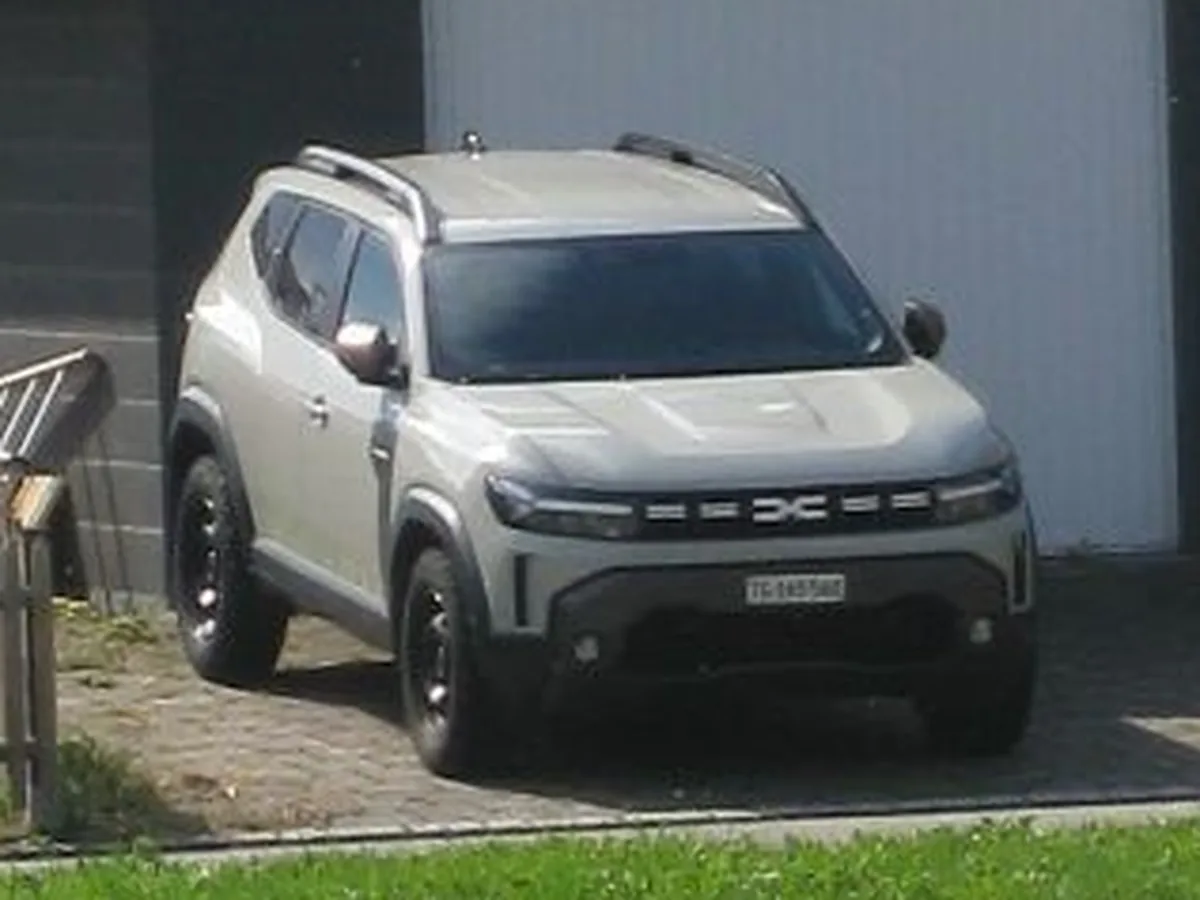
Duster
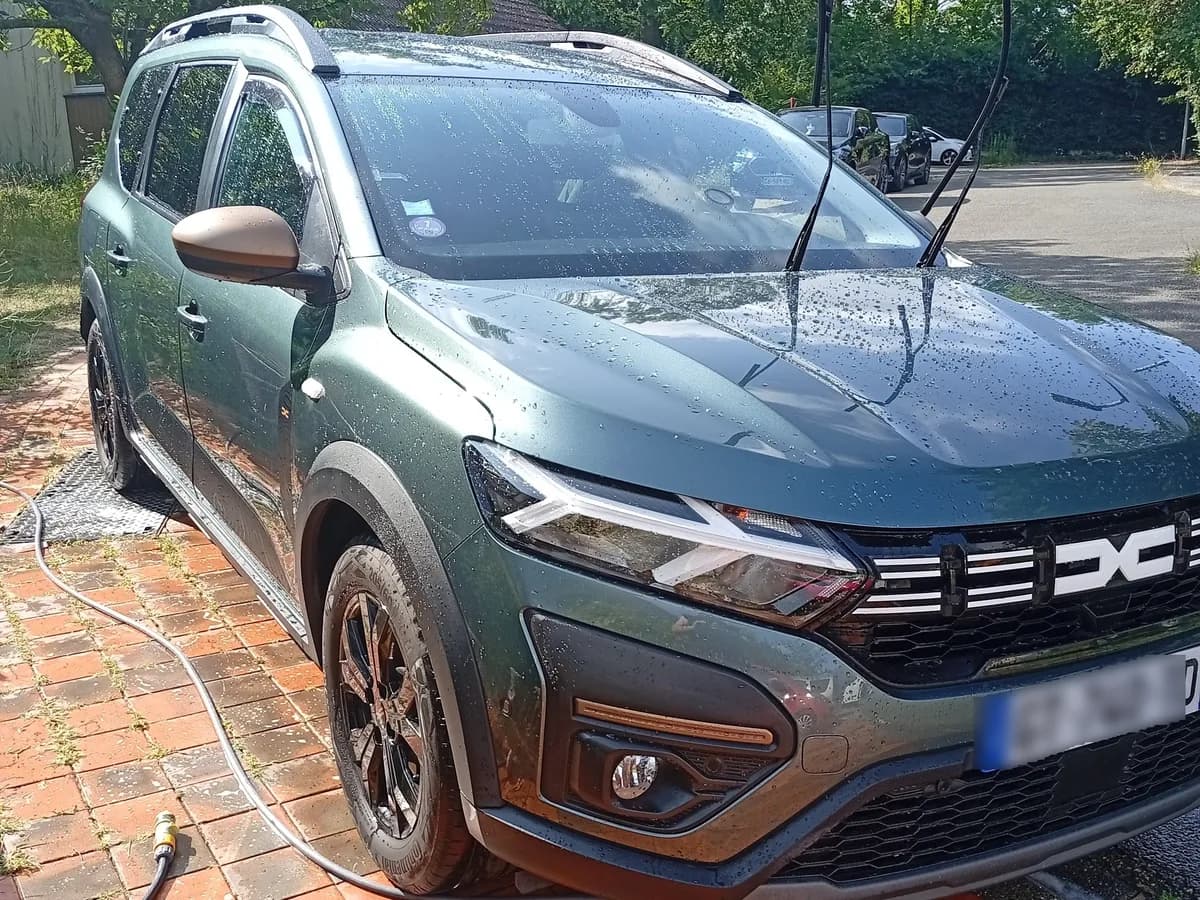
Jogger
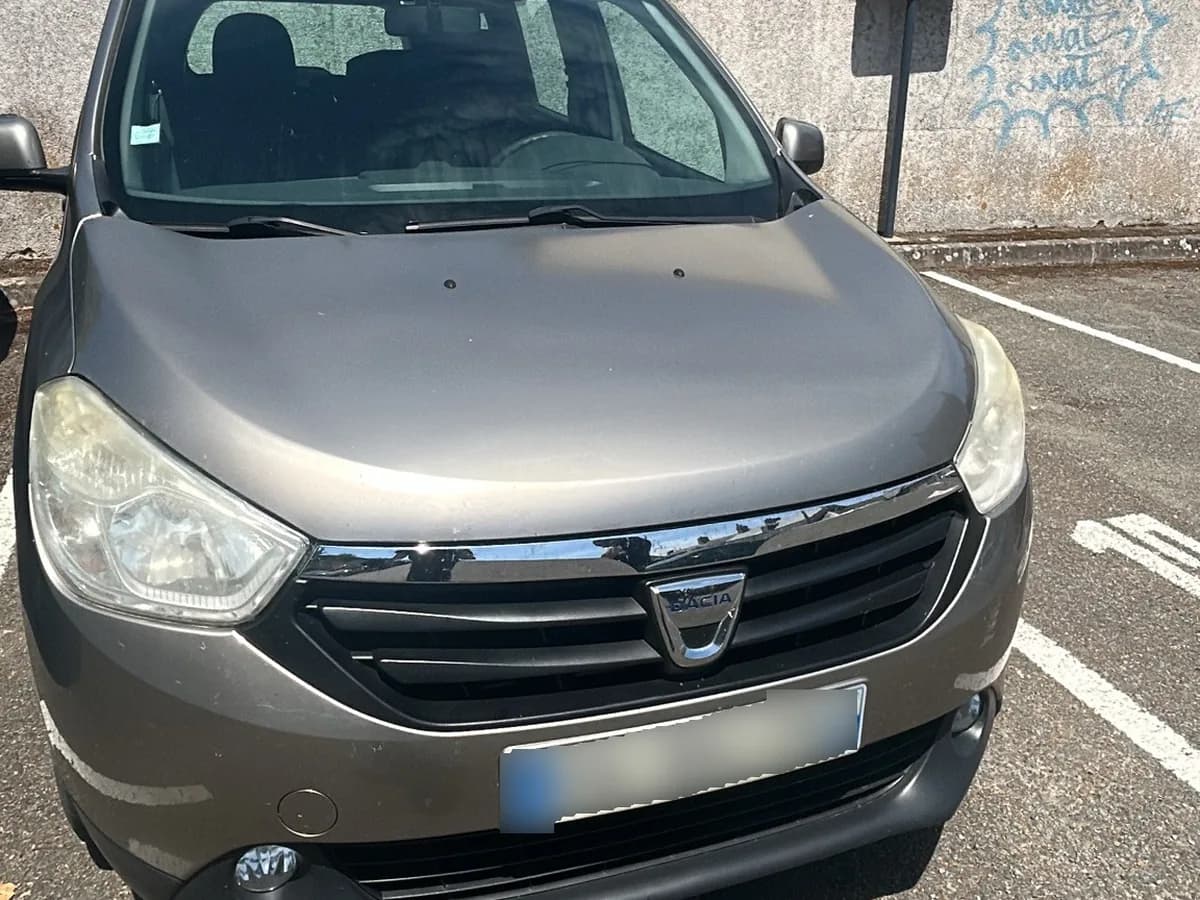
Lodgy
Logan
Nova
Pick-Up
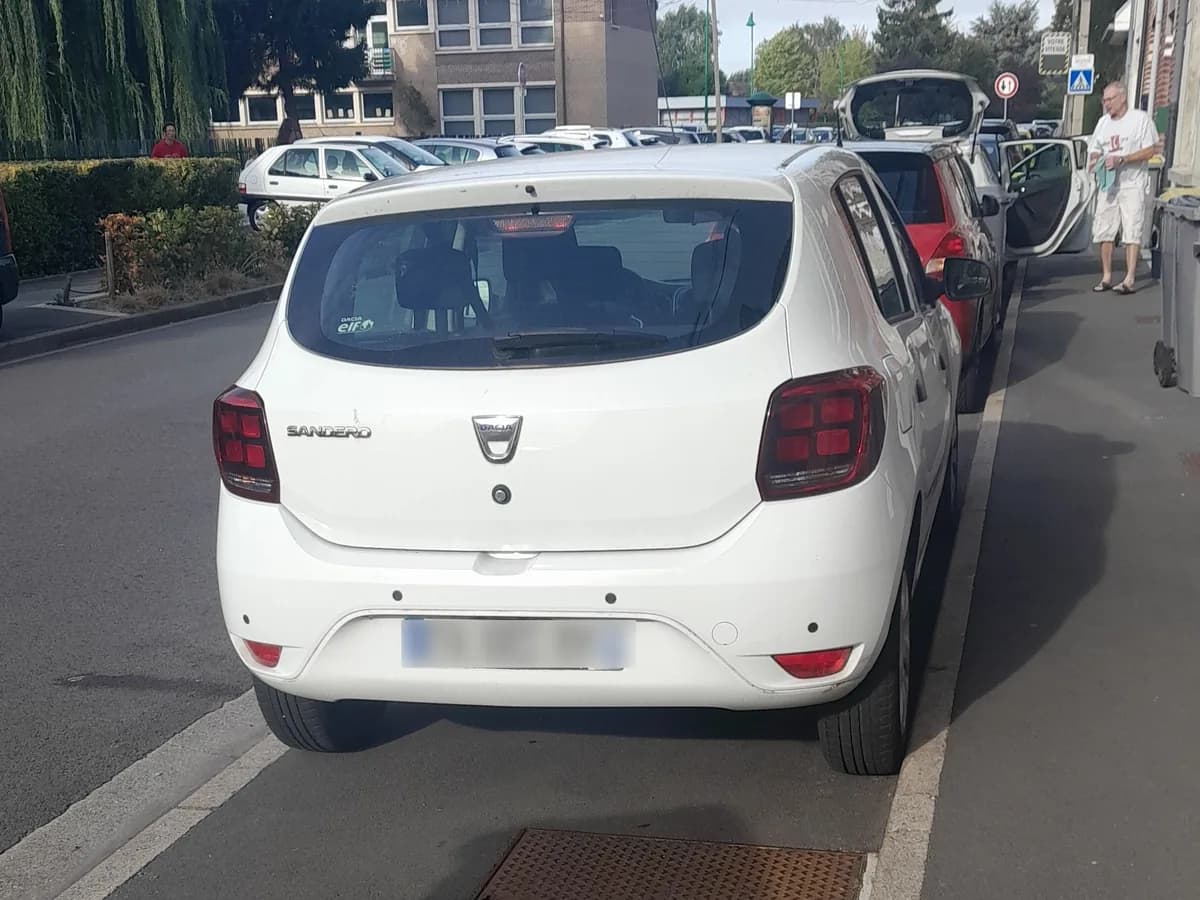
Sandero
Solenza
Sport
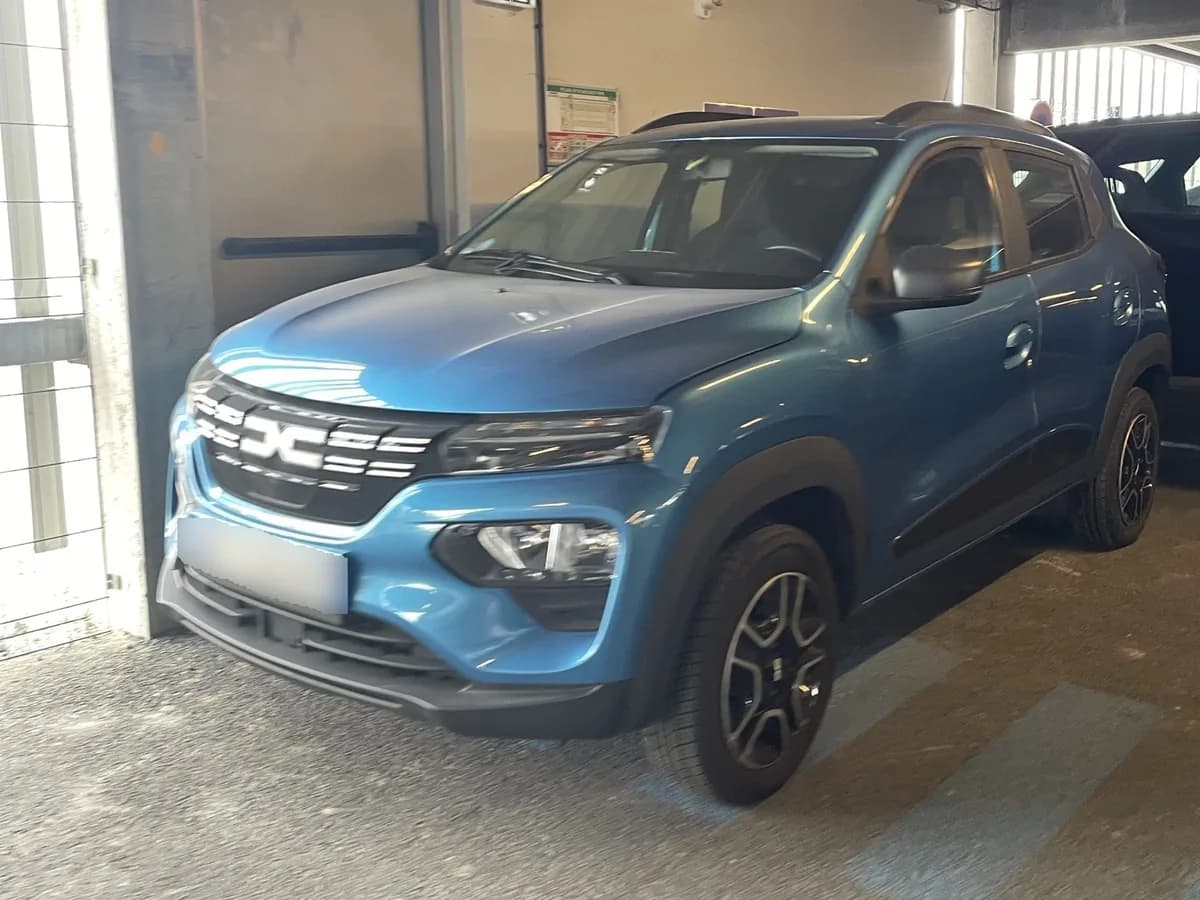
Spring
Super Nova
Dacia overview
Dacia history
Dacia’s automotive history began in Romania in the late 1960s. Launched in 1968, the Dacia 1100 was assembled from Renault components and based on the Renault 8. It was followed by the Dacia 1300, derived from the Renault 12, which became one of the defining products of Romanian automotive manufacturing. Later 1310 and 1320 versions extended that family for many years, while the range also expanded into utility and Pick-Up derivatives. (media.dacia.com) In 1999, Renault Group acquired Dacia with the aim of using Romania’s industrial capabilities and geographic position to develop modern, affordable vehicles. The Logan, introduced in 2004, became the decisive international turning point. Sandero arrived in Europe in 2008 as a hatchback counterpart, while the Duster, launched in 2010, moved the brand into the SUV market. Dokker and Lodgy later addressed commercial and family-oriented requirements. Recent generations of the Sandero and Duster, followed by the Bigster revealed in 2024, indicate a carefully controlled move toward larger and more sophisticated vehicles while retaining Dacia’s emphasis on straightforward design, practicality and value. (media.dacia.com)
Dacia positioning
Dacia has built its identity around a straightforward proposition: functional vehicles that avoid equipment and costs not directly connected with everyday needs. That approach does not limit the brand to one body style. The Logan established the three-box saloon and practical derivatives, the Sandero became a versatile hatchback, and the Duster added SUV styling with capabilities intended to extend beyond ordinary road use. Dokker and Lodgy addressed light-commercial and high-capacity family applications. (media.dacia.com) The brand is commonly associated with the relationship between purchase price, interior space and mechanical simplicity. That positioning is consistent with Dacia’s own descriptions and with the commercial prominence of the Logan, Sandero and Duster. It is nevertheless too narrow to describe every recent model as merely basic. Newer products bring more advanced assistance systems, electrified powertrains and a stronger visual identity, particularly the Bigster, which extends Dacia into a larger SUV category. (media.dacia.com)
Recognizing a Dacia in a photo
For older Dacias, production context and Renault connections can be more useful than the badge alone. The 1100 follows the general proportions and layout of the Renault 8, while the 1300 and 1310 resemble the Renault 12 in their family-saloon shape and front-engine configuration. Pick-Up versions are identifiable by their open rear load bed and clearly commercial purpose. (media.dacia.com) Among later models, the Logan is distinguished by its three-box saloon body, the Sandero by its hatchback profile and the Duster by its raised stance, body cladding and SUV appearance. The Dokker uses a compact leisure-vehicle or van-like shape, while the Lodgy is oriented toward cabin space and family use. When separating generations, examine the headlamps, grille, door handles, side mouldings and tailgate design, since these details often change while the overall proportions remain familiar. Badges, equipment and trim names may differ between markets, so identification from a single image should remain cautious. (media.dacia.com)
Important Dacia models
The Logan is the model that turned Dacia into an international brand after 2004. Its spacious and affordable saloon formula was expanded through estate and utility derivatives. The Sandero, introduced in 2008, broadened the strategy with a hatchback and a more lifestyle-oriented Stepway version. (media.dacia.com) The Duster, launched in 2010, became Dacia’s most recognisable modern model through its SUV styling, versatility and, on selected versions, four-wheel drive. Dokker and Lodgy represent the brand’s move into commercial and family-focused vehicles. The 1100, 1300 and 1310 are important for understanding Dacia’s Romanian beginnings and its long technical relationship with Renault. The Bigster, revealed in 2024 and subsequently brought to market, takes Dacia into a larger SUV format. Together, these models represent the main historical and contemporary families included in the ScanRacer selection. (media.dacia.com)
References
- More Dacia, still DaciaDacia Global Media
- Dacia, 15 years success story in EuropeDacia Global Media
- More Duster, still DusterDacia Global Media
- All-new Sandero, Sandero Stepway and LoganDacia Global Media
- Bigster: Dacia elevated essentialsDacia Global Media
- Dacia HistoryDacia Ireland