
Sandero
Launched in Europe in 2008, the Dacia Sandero is a five-door small hatchback developed in the wake of the Logan. Its formula combines compact exterior dimensions with a practical cabin and a deliberately straightforward equipment strategy. The range was expanded with the Sandero Stepway, introduced in 2009, which adds crossover-inspired styling and increased ground clearance. Automotive reference sources generally divide the model into three generations: the first sold from 2008 to 2012, the second introduced in 2012, and the third unveiled in 2020. Exact equipment, engines and naming can vary by country and model year. In the ScanRacer catalogue, the Sandero is represented from 2008 through 2025, including variants such as Base and Stepway.
What about the car you photographed?
Upload a photo to get a suggested make, model and likely year.
No account needed for the result · Publish only if you choose
Variants by year
Make: Dacia · Model: Sandero
10 / 10 versions shown
2025
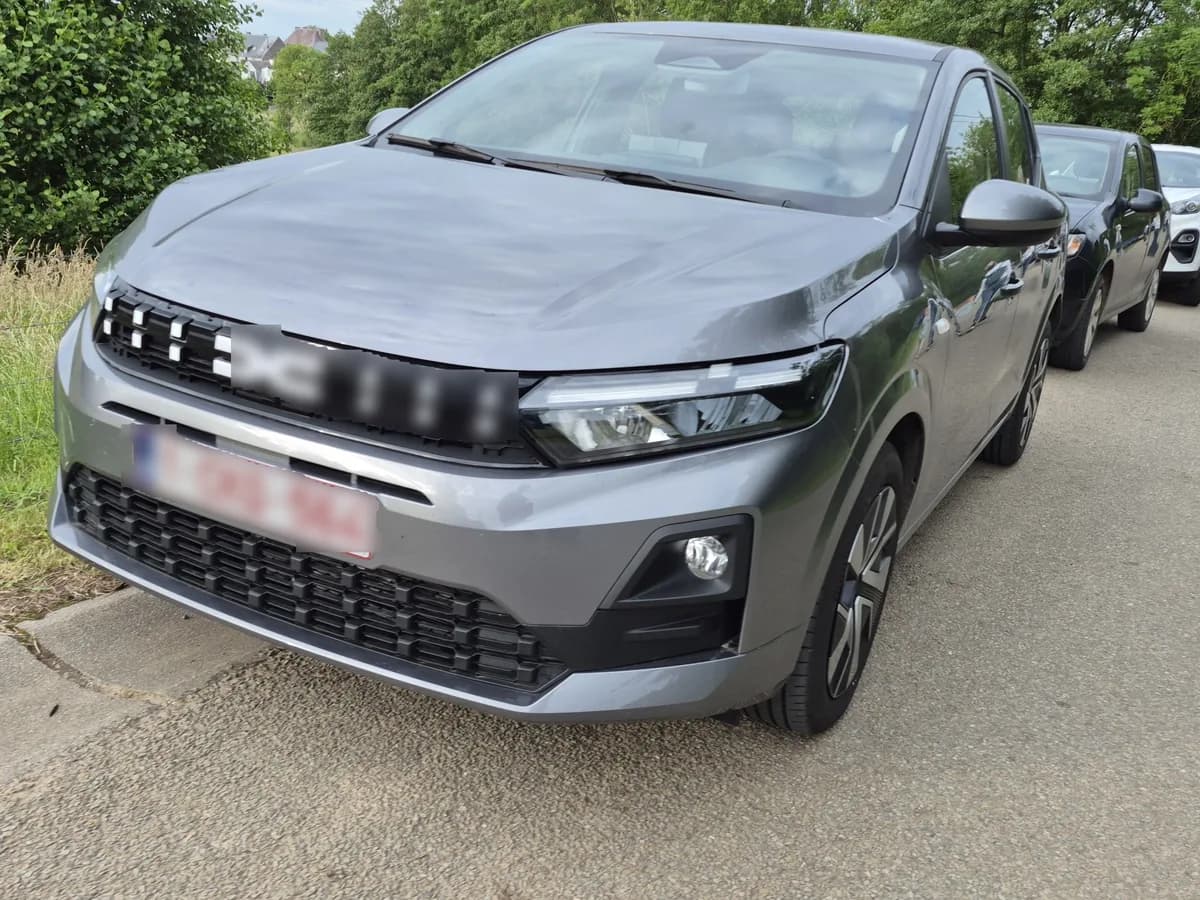
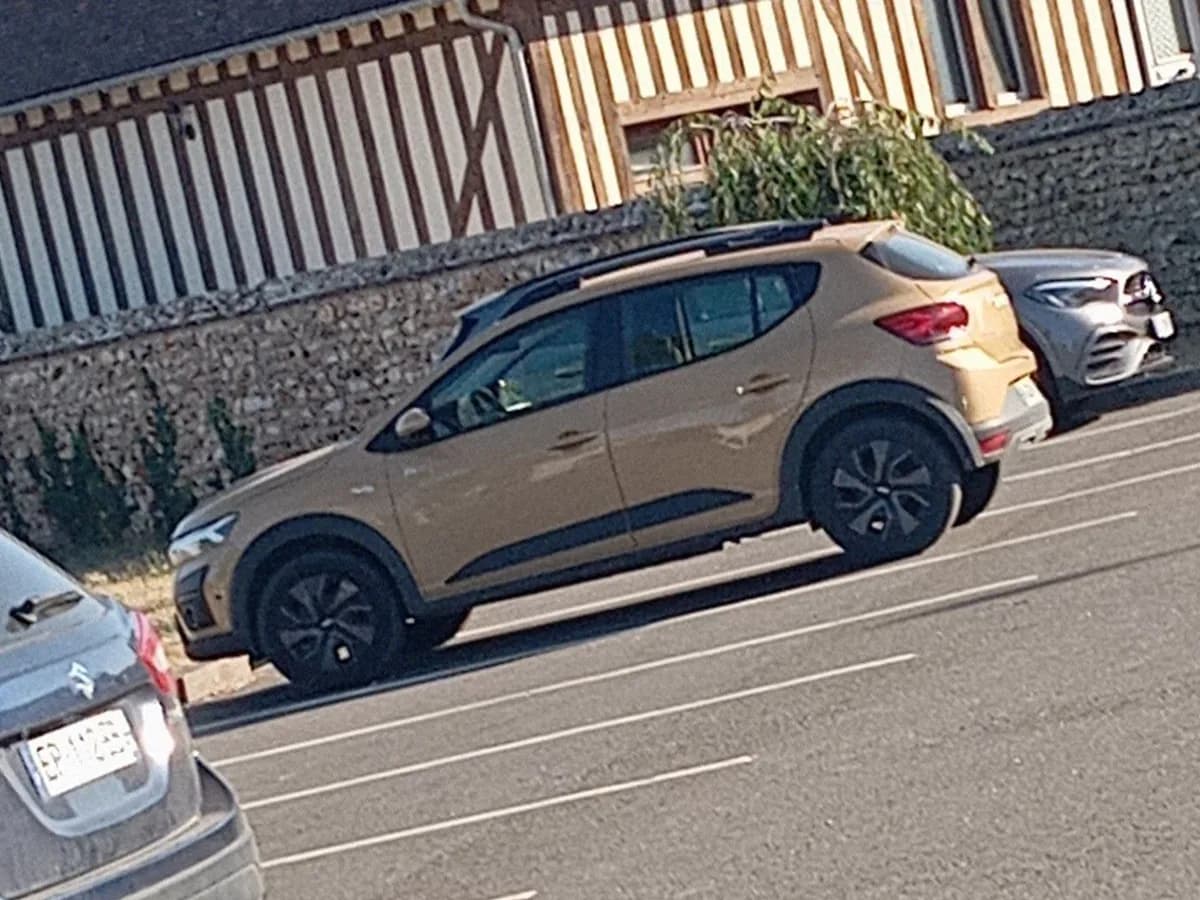
2020
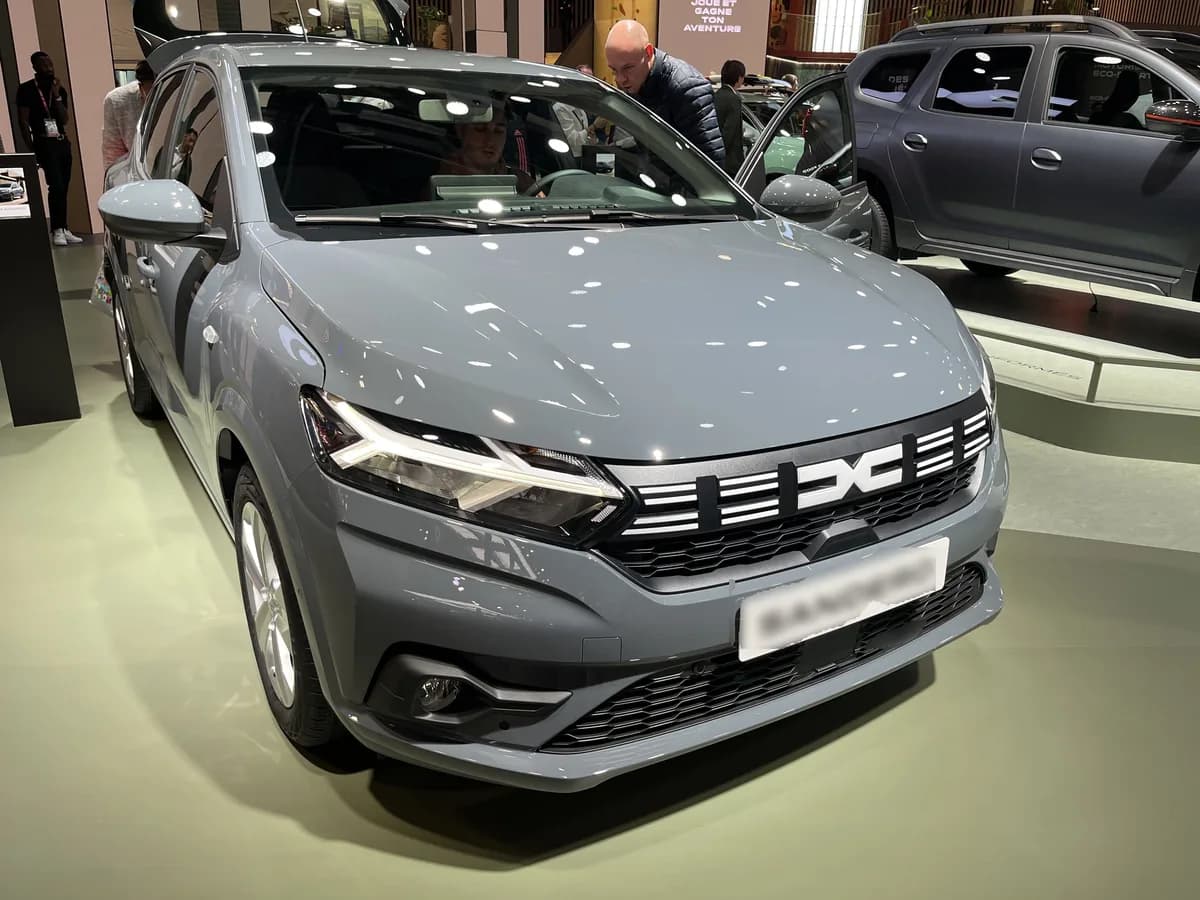
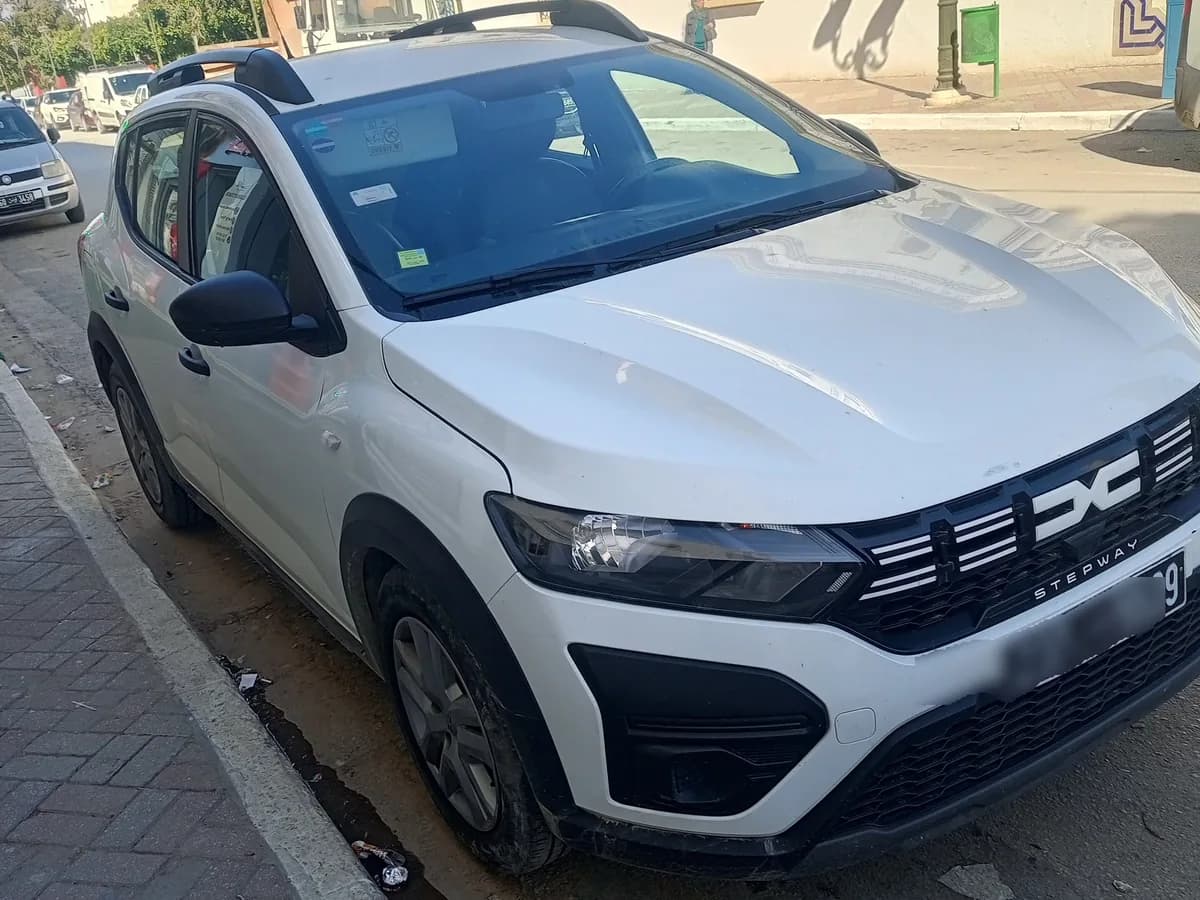
2016
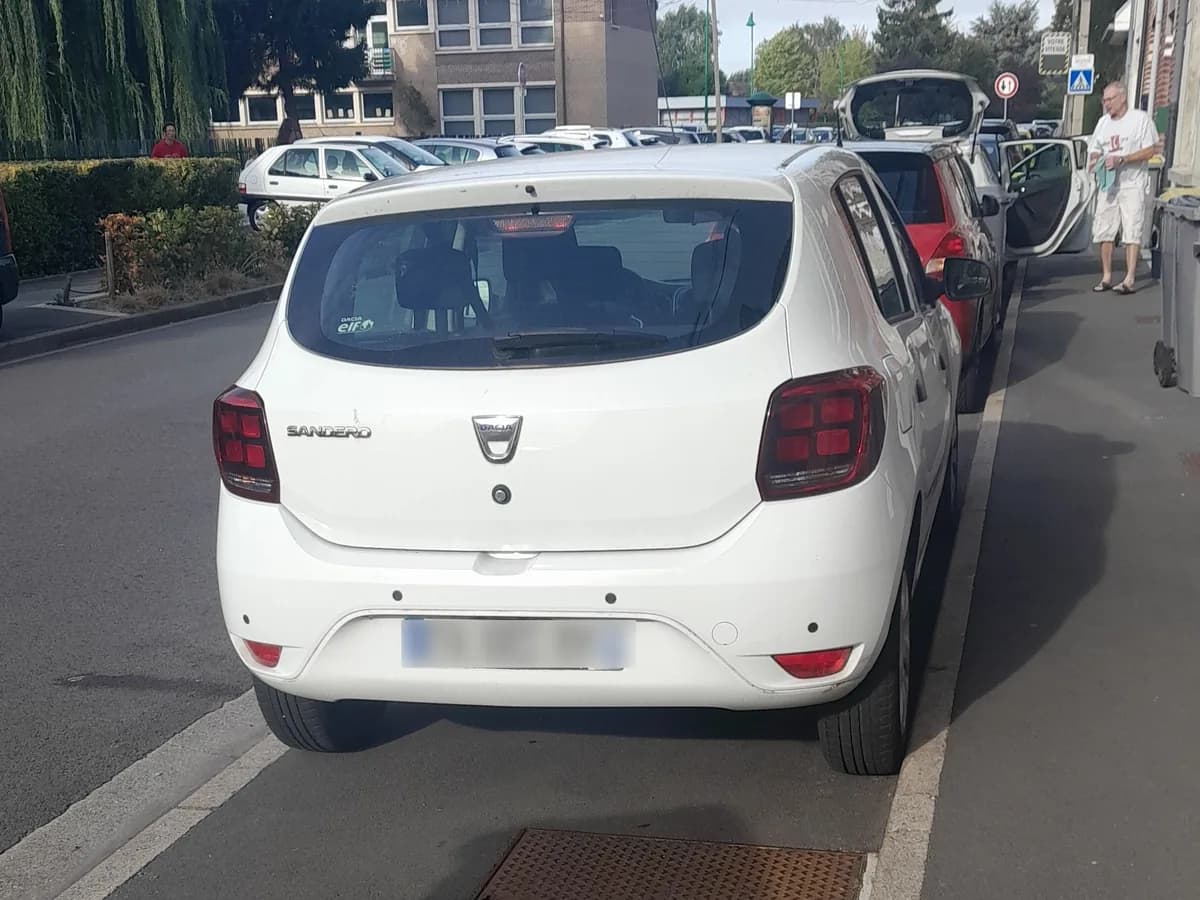
2012
2009
2008
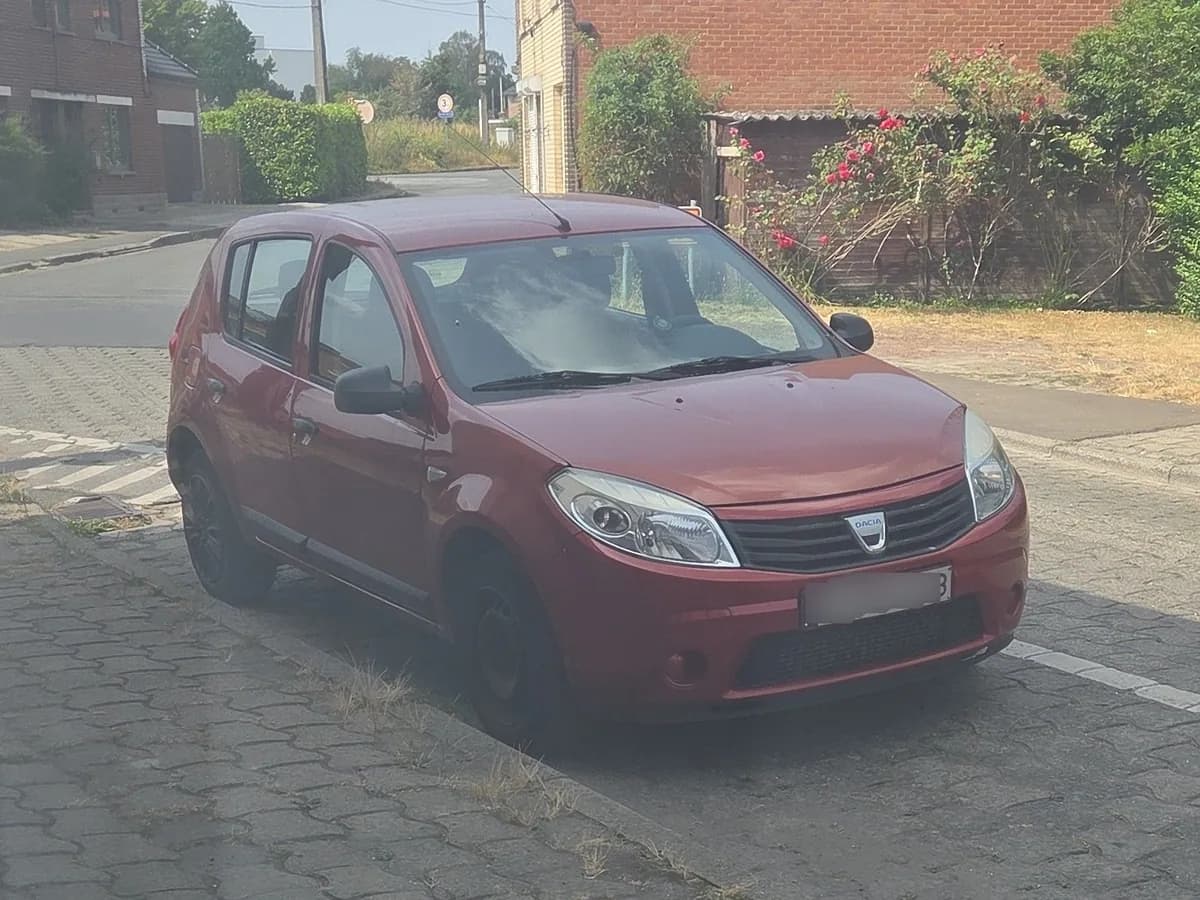
Dacia Sandero photos
Model summary
Data from the ScanRacer library, organized to compare versions quickly.
Model introduction
Launched in Europe in 2008, the Dacia Sandero is a five-door small hatchback developed in the wake of the Logan. Its formula combines compact exterior dimensions with a practical cabin and a deliberately straightforward equipment strategy. The range was expanded with the Sandero Stepway, introduced in 2009, which adds crossover-inspired styling and increased ground clearance. Automotive reference sources generally divide the model into three generations: the first sold from 2008 to 2012, the second introduced in 2012, and the third unveiled in 2020. Exact equipment, engines and naming can vary by country and model year. In the ScanRacer catalogue, the Sandero is represented from 2008 through 2025, including variants such as Base and Stepway.
History
The Sandero joined the Dacia range in 2008, following the Logan’s introduction in 2004. Renault Group stated at the time that the new compact saloon would expand the European Dacia line-up from June 2008. Dacia positioned it as a shorter, more urban alternative to the Logan while retaining the brand’s emphasis on practical space and restrained equipment. (media.renaultgroup.com) A Stepway derivative followed in 2009. It combined the Sandero body with more rugged-looking exterior trim and a raised stance, but it was not intended to be a dedicated off-road vehicle. The formula proved durable and remained part of the model family through later generations. (media.dacia.com) The second generation arrived from 2012 with a substantially revised exterior and cabin. Depending on the market, it was offered with petrol, diesel and bi-fuel powertrains. Renault Group later described a 2013 styling update for some markets, which means equipment and visual details should be checked against the country-specific car rather than assumed from the model year alone. (largus.fr) The third generation was unveiled in September 2020 alongside the new Logan and Sandero Stepway. It moved to the modular CMF platform and brought claimed improvements in acoustic comfort, road behaviour, safety and convenience equipment. European versions focused on petrol engines and the ECO-G petrol-LPG bi-fuel system. (media.dacia.com)
Generations
The first generation, commonly identified by the B90 code, covers the European cars launched in 2008 and replaced from 2012. It has a straightforward hatchback shape, relatively generous glass areas and a simple dashboard design. Period Stepway models add a more rugged visual treatment, exterior protection elements and a raised stance, although exact details depend on the market and specification. (largus.fr) The second generation, often referred to as B52, appeared in 2012. It brought a more defined exterior, a front-end treatment related to the contemporary Logan and a redesigned interior. Powertrains, transmissions and trim levels differed substantially between countries. Facelifted cars, particularly those sold from around 2016 in several markets, may therefore have different lamps, bumpers and equipment from earlier 2012–2013 examples. (largus.fr) The third generation, associated with the BJI code by some automotive references, was unveiled in 2020. Its CMF architecture brought a stiffer structure, wider tracks and more contemporary driver-assistance integration. The standard Sandero retained the proportions of a raised small hatchback, while the Stepway moved further toward crossover styling with a dedicated bonnet, protective cladding, modular roof bars and greater ground clearance. (media.dacia.com)
Key differences
The clearest distinction is between the standard Sandero and the Sandero Stepway. The regular model keeps a conventional five-door small-hatchback profile and a more restrained appearance. The Stepway adds greater ground clearance, lower-body and wheel-arch protection, roof bars or model-specific decorative elements, depending on generation. On the third-generation car, Dacia created more visual separation between the two bodies: the Stepway uses a ribbed, raised bonnet, a Stepway badge below the grille and dedicated bumper details. (media.dacia.com) Differences between model years are not purely cosmetic. Engines, gearboxes, multimedia systems, driver assistance and trim names changed by country and production period. A 2008 Sandero should therefore not be compared with a 2020 car solely by variant name. Commercial labels were sometimes reused with different equipment packages. The exact market, model year and version code remain the safest way to identify a vehicle’s specification.
Photo recognition
To identify a Sandero, start with the body shape and production period. The earliest cars, launched in 2008, have a simple front end and a deliberately functional appearance. The second generation uses more sculpted surfacing, with a more contemporary grille and headlamp arrangement. Facelifted examples may be distinguished by revised bumpers, lighting signatures and grille details, although those features vary between markets. (largus.fr) The third generation is identifiable by its pronounced shoulders, stronger wheel-arch definition, more flush-fitting wheels and Y-shaped lighting signature. Stepway models add a dedicated bonnet, dark or textured protective trim, roof bars and a visible Stepway badge at the front. A multimedia screen, smartphone cradle or ECO-G powertrain may help narrow down the specification, but these clues do not always establish the exact model year. Market, registration and version-code information should be checked where accuracy matters. (media.dacia.com)
Important versions
The standard Sandero is the family’s more conventional and urban-oriented hatchback. In the ScanRacer data, it is represented by the Base variant, available from 2008 through 2025. The Sandero Stepway, represented from 2009 through 2025, adds a more adventurous appearance and a raised stance; it should not be mistaken for an all-wheel-drive model. Trim names, engines and equipment can change between countries and production years. The ten variants in the ScanRacer context therefore represent catalogued versions, not necessarily every commercial designation used in every market.
References
- Dacia Sandero, Sandero Stepway et Logan : nouvelle générationDacia Global Media
- All-New Sandero, Sandero Stepway and Logan: Essential & modernDacia Global Media
- Behind the wheel of the All-new Dacia Sandero, Sandero Stepway and LoganDacia Global Media
- Dacia Sandero: generations and market chronologyL’Argus
- Groupe Renault now producing the Dacia Sandero Stepway in AlgeriaRenault Group
- Sandero and Sandero Stepway technical sheetsDacia Global Media
- https://www.autocentrum.pl/publikacje/testy-aut-uzywanych/czy-warto-kupic-uzywana-dacia-sandero-od-2008-do-2012/autocentrum.pl
Technical specifications
Structured data available for versions linked to this model.
| Version | Power | Torque | Top speed | Drivetrain | Fuel |
|---|---|---|---|---|---|
| Base | 64 KW @ 5500 RPM87 HP @ 5500 RPM86 BHP @ 5500 RPM | 94 lb-ft @ 3000 RPM128 Nm @ 3000 RPM | 108 mph (174 km/h) | Front Wheel Drive / 5-Speed manual | Ethanol |
| Base | 66 KW @ 3750 RPM90 HP @ 3750 RPM89 BHP @ 3750 RPM | 162 lb-ft @ 1750 RPM220 Nm @ 1750 RPM | 104 mph (167 km/h) | Front Wheel Drive / 5-speed manual | Diesel |
Frequently asked questions
- What years was the Dacia Sandero produced?
- ScanRacer's referenced versions cover 2008 - 2025.
- How many Dacia Sandero examples are documented on ScanRacer?
- 7 published scans from 6 members, with the latest photo added in September 2026.
What about the car you photographed?
Upload a photo to get a suggested make, model and likely year.
No account needed for the result · Publish only if you choose