
Cadillac
Founded in Detroit in 1902 by Henry M. Leland, Cadillac quickly became one of the defining names in American automobiles. The brand built its reputation through precision manufacturing, standardized components, and innovations such as electric starting, the mass-produced V8, and V16 engines. Its history includes formal luxury sedans, highly styled coupes, prestigious convertibles, and, more recently, full-size SUVs such as the Escalade. Names including Eldorado, Series 62, DeVille, Fleetwood, CTS, and ATS represent distinct phases of Cadillac design, from the imposing tail-finned cars of the 1950s to the performance-oriented sedans of the twenty-first century. From 2022 onward, Cadillac also entered a new stage with the LYRIQ electric SUV and a progressive reinterpretation of its visual identity.
Models from A to Z
Allante
ATS
BLS
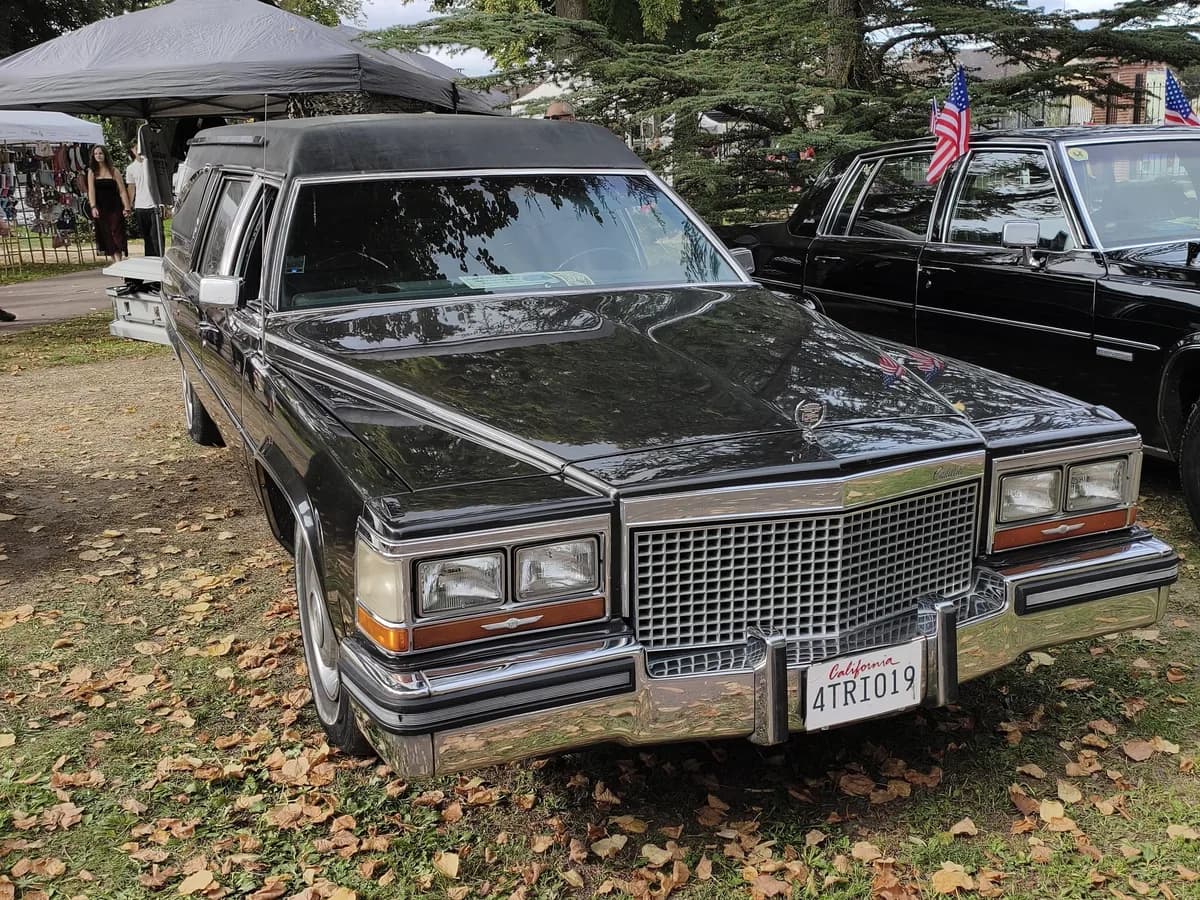
Brougham
Calais
Calais coupé
Catera
Celestiq
Cimarron
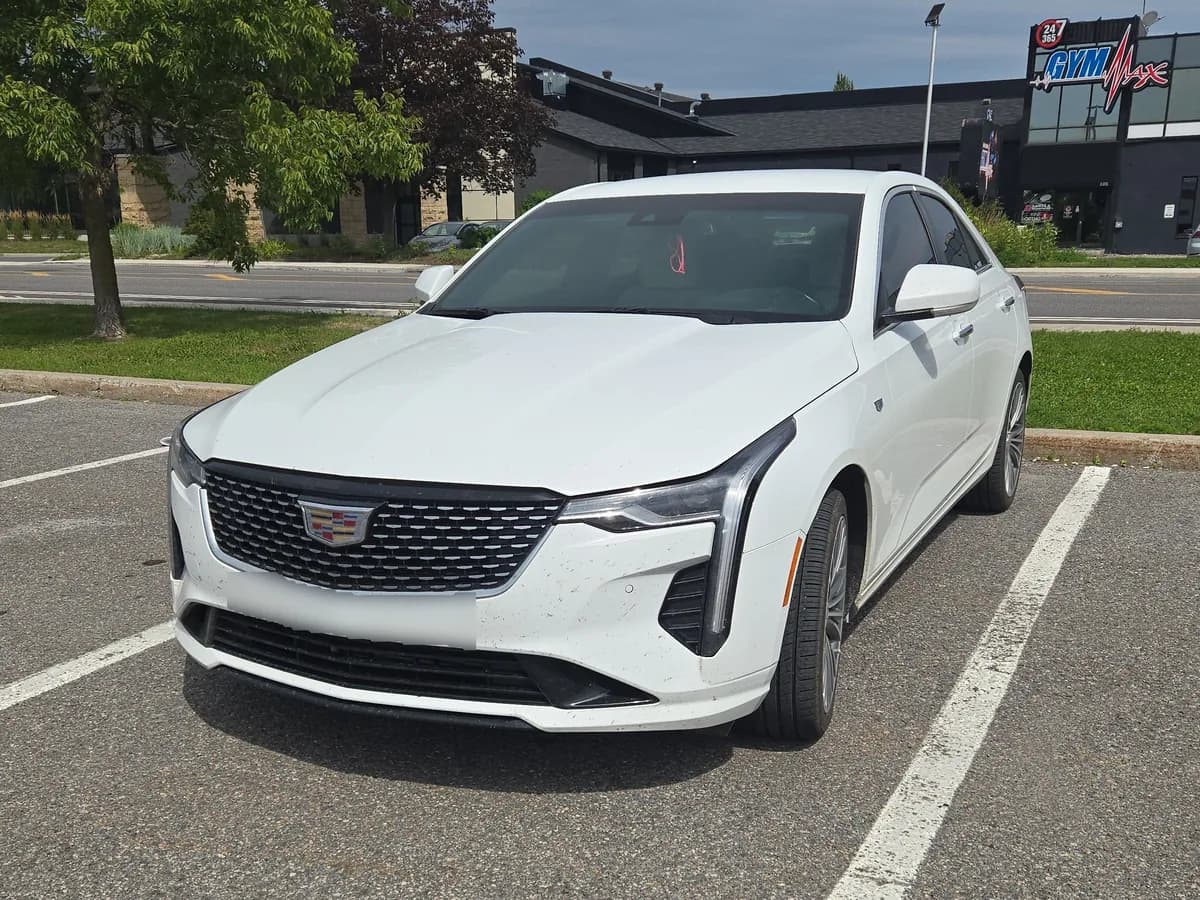
CT4
CT5
CT6
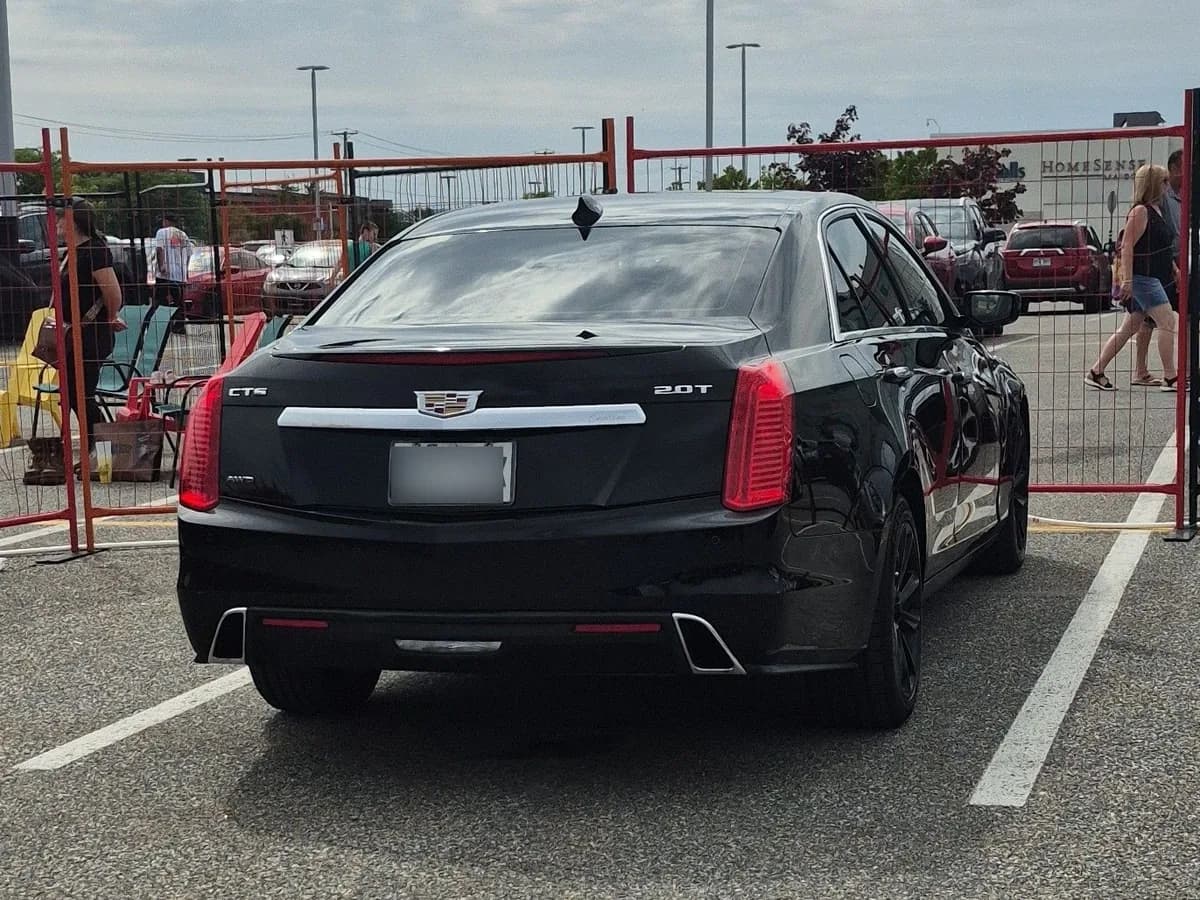
CTS
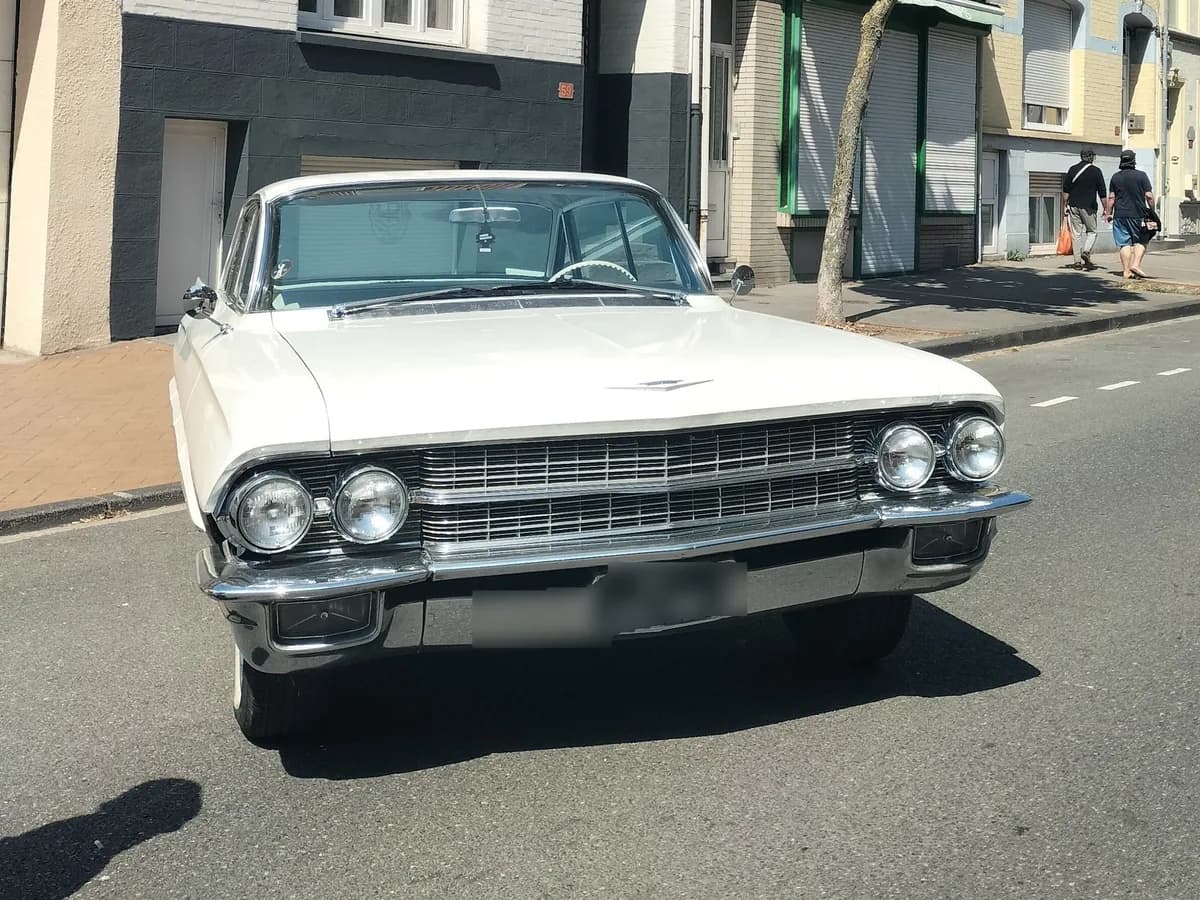
DeVille
DTS
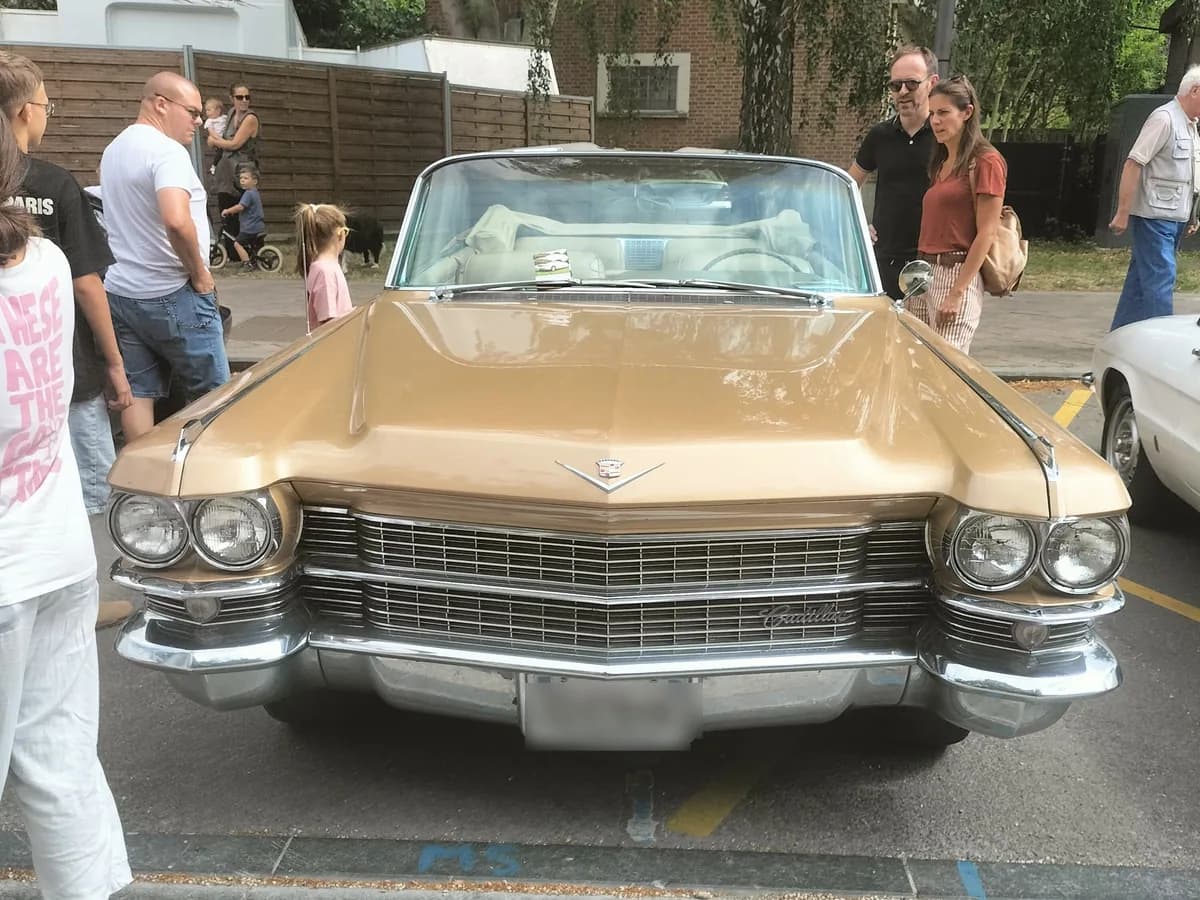
Eldorado
Eldorado convertible
Eldorado Touring coupé
ELR

Escalade
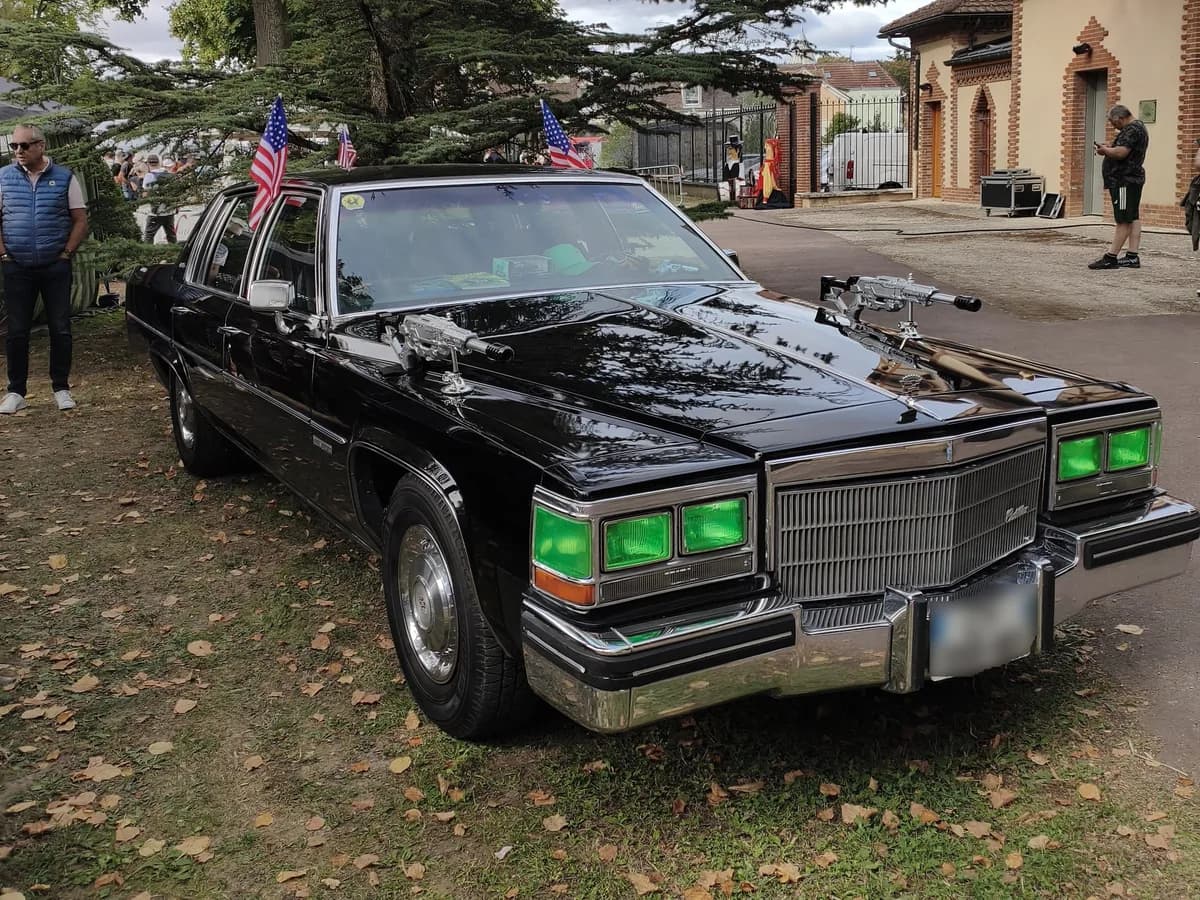
Fleetwood
GT4
Lyriq
Model 30
Model A
Model K
Optiq
Presidential State Car
Series 60
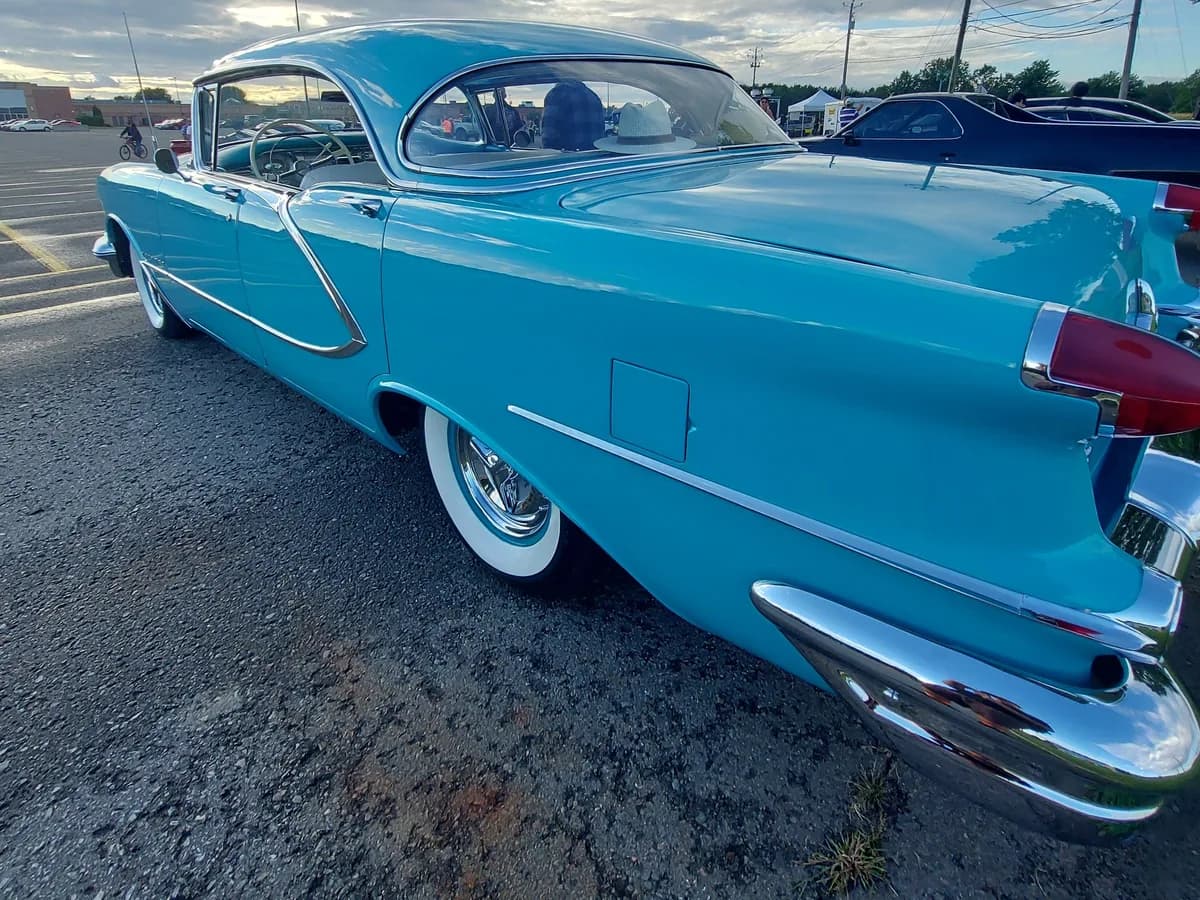
Series 62
Series 65
Series 75
Seville
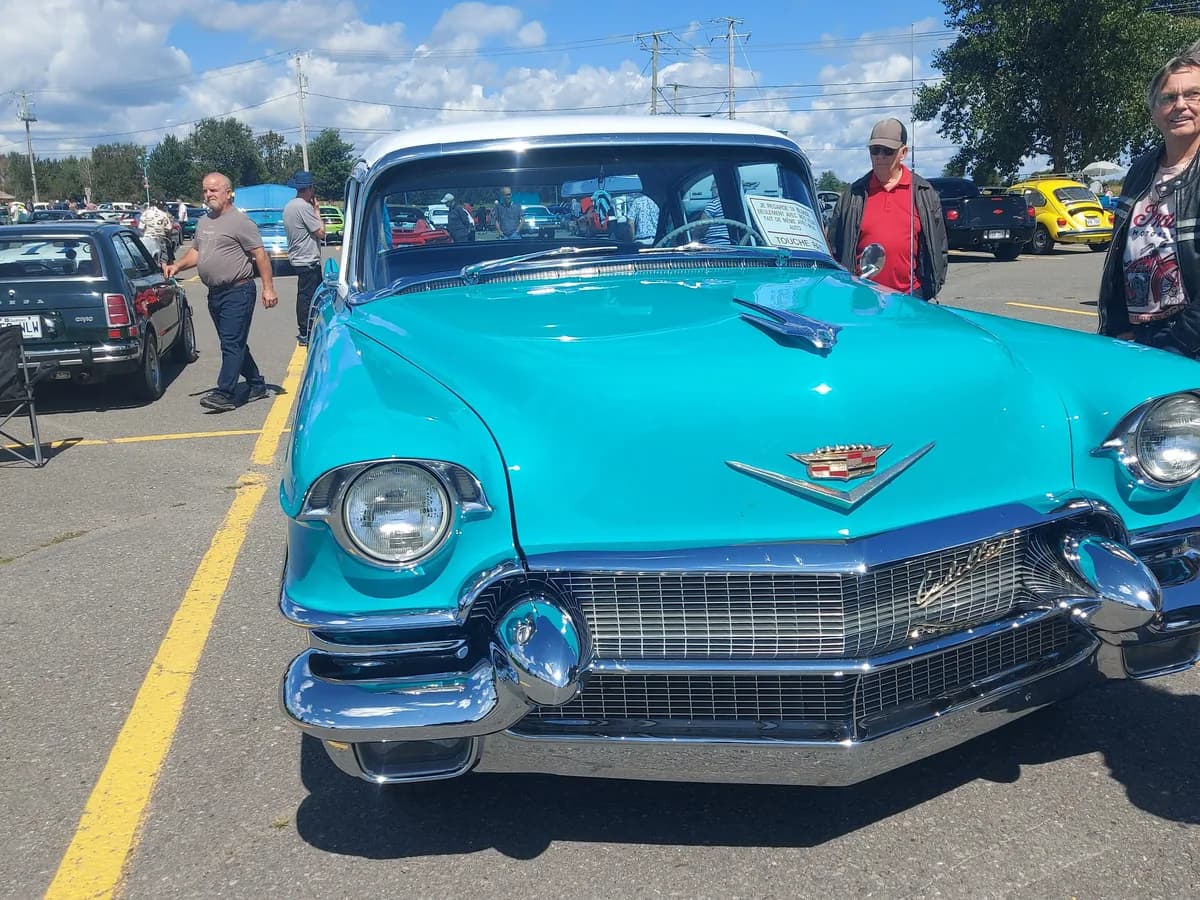
Sixty Special
SLS
SRX
STS
Vistiq
XLR
XT4
XT5
XT6
XTS
Cadillac overview
Cadillac history
Cadillac originated with the reorganization of the Detroit Automobile Company in 1902 under Henry M. Leland. Its first models appeared at the New York Auto Show in 1903. Leland brought manufacturing methods associated with precision tools and fine machinery into the young automobile industry. In 1908, Cadillac won the Dewar Trophy after demonstrating that the components of three cars could be interchanged and the vehicles reassembled. The achievement helped establish the “Standard of the World” reputation. General Motors acquired Cadillac in 1909. The brand continued its engineering progress with the Delco electrical system and electric starting in 1912, followed by the first mass-produced V8 in 1915. During the 1930s, V12 and V16 engines strengthened Cadillac’s prestige positioning, while design became an increasingly important part of the brand’s identity. Cadillac introduced tailfins on its 1948 models, setting the stage for the dramatic styling of the 1950s. The limited-production Eldorado Brougham of 1957 represented an especially ambitious expression of luxury. After the era of large sedans and flamboyant coupes, Cadillac broadened its range with the front-wheel-drive Eldorado in 1967 and the more compact Seville in the 1970s. The CTS and ATS later brought a sharper sport-sedan character, while the Escalade, introduced in the late 1990s, followed the rise of luxury SUVs. The LYRIQ then marked Cadillac’s modern move into electric vehicles.
Cadillac positioning
Cadillac traditionally occupied the upper end of the American market, emphasizing generous space, quiet operation, strong powertrains, and more expressive styling than many rivals. During the 1930s, V16 engines and coachbuilt bodies targeted customers seeking prestige and personalization. In the 1950s and 1960s, Eldorado, DeVille, and Fleetwood combined large dimensions, V8 power, and highly dramatic design. The brand’s positioning later evolved. The Seville adopted a smaller format suited to changing market conditions, while the CTS and ATS pursued European sport sedans with sharper handling and V performance variants. The Escalade transferred Cadillac’s luxury vocabulary to the full-size SUV and became especially prominent in popular culture. With the LYRIQ, Cadillac also presents electrification as an extension of its luxury philosophy: advanced technology, quiet comfort, distinctive design, and a strong visual presence. This direction does not replace the tradition of large American automobiles; it adapts that tradition to a broader range of body styles and powertrains.
Recognizing a Cadillac in a photo
When identifying an older Cadillac, start with the grille, crest, and overall proportions. Classic models often use a tall, closely patterned grille, a long body, and a formal roofline. Late-1940s and 1950s Cadillacs are frequently recognized by their rear fins, which became especially dramatic on the 1959 Eldorado. The shape of the rear bodywork, the taillamp treatment, and the presence or absence of a center door pillar can help separate DeVille and Series 62 generations. The Fleetwood name generally indicates a more prestigious trim or body treatment, often associated with formal luxury. The 1957 Eldorado Brougham is particularly distinctive because of its stainless-steel roof and rear-hinged rear doors. Later Cadillac models use sharper surfacing: the CTS and ATS have a more athletic sedan profile, while the Escalade is identifiable by its height, width, and imposing front end. Modern Cadillacs increasingly use a vertical lighting signature, an important visual clue across sedans, SUVs, and electric vehicles. The crest and grille remain useful, but trim badges and wheel designs should be checked before assigning a precise generation.
Important Cadillac models
Eldorado is the model most closely associated with Cadillac’s styling-driven identity in the 1950s and 1960s. Introduced in 1952, it became a design showcase, with the 1957 Eldorado Brougham representing highly exclusive luxury and the 1959 Eldorado standing as a defining example of the tailfin era. The Series 62, produced from 1939 to 1964, formed one of Cadillac’s central full-size families, while DeVille, represented from 1958 onward in the supplied model set, became a lasting name for prestige coupes and sedans. Fleetwood continued the tradition of formal luxury bodies, while Calais and Sixty Special represented other levels and interpretations of the classic range. The front-wheel-drive Eldorado introduced in 1967 opened a significant technical chapter. In the modern period, the CTS, produced from 2003 to 2016, and the ATS, introduced in 2012, expressed Cadillac’s renewed focus on sport sedans. The Escalade, introduced in 1998 and represented through recent model years, reflects the growing importance of luxury SUVs. Together, these names trace Cadillac’s movement from V8-powered, tail-finned prestige cars to performance sedans, large SUVs, and electric vehicles.
References
- Cadillac: 120 Years of Design and Engineering InnovationCadillac Newsroom
- 2022 Cadillac 120th Anniversary Factsheet - Full TimelineCadillac Media
- Cadillac Heritage CollectionGeneral Motors Heritage Collection
- Standard of the WorldGeneral Motors Heritage Archive
- 1931 Cadillac V16General Motors Heritage Collection
- 1957 Cadillac Eldorado BroughamGeneral Motors Heritage Collection
- Twelve Significant DesignsGeneral Motors
- The Cadillac Goddess ReturnsCadillac Newsroom