
Series 62
The Cadillac Series 62 represents the evolution of the full-size American luxury car, moving from streamlined prewar bodies to the imposing shapes of the space age. Introduced in the early 1940s as one of Cadillac’s more accessible lines, it soon offered coupes, sedans, convertibles, and pillarless body styles. After World War II, its design became a showcase for Cadillac styling: integrated fenders, wraparound glass, aircraft-inspired tailfins, and extensive brightwork. The 1948 model introduced the rear-fender fins that became a defining Cadillac signature, while the overhead-valve V8 launched for 1949 brought a major mechanical change. Across successive model years, the Series 62 remained a prestigious full-size Cadillac, but occupied a more broadly positioned place in the range than the highly exclusive Eldorado and Fleetwood models.
What about the car you photographed?
Upload a photo to get a suggested make, model and likely year.
No account needed for the result · Publish only if you choose
Variants by year
Make: Cadillac · Model: Series 62
43 / 43 versions shown
1964
1963
1962
1961
1960
1959
1958
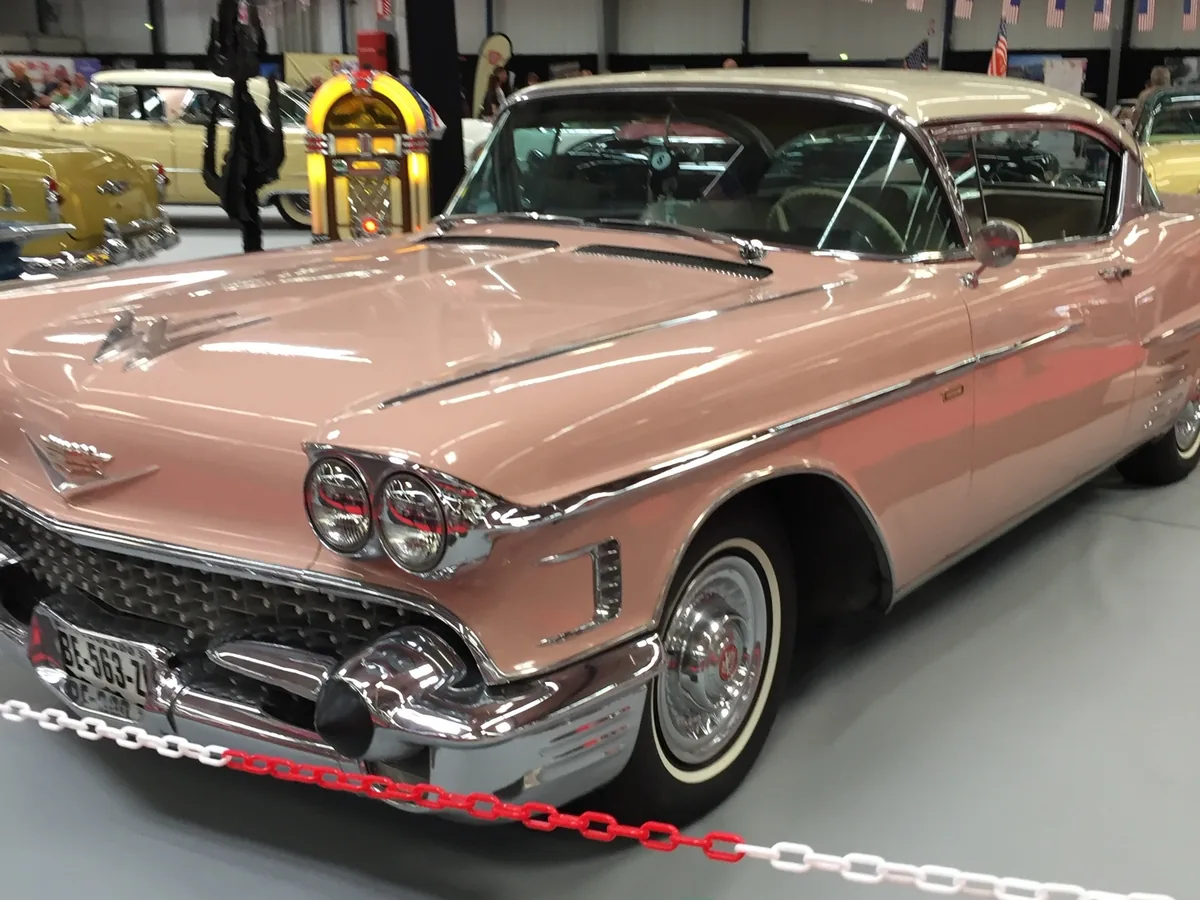
1957
1956
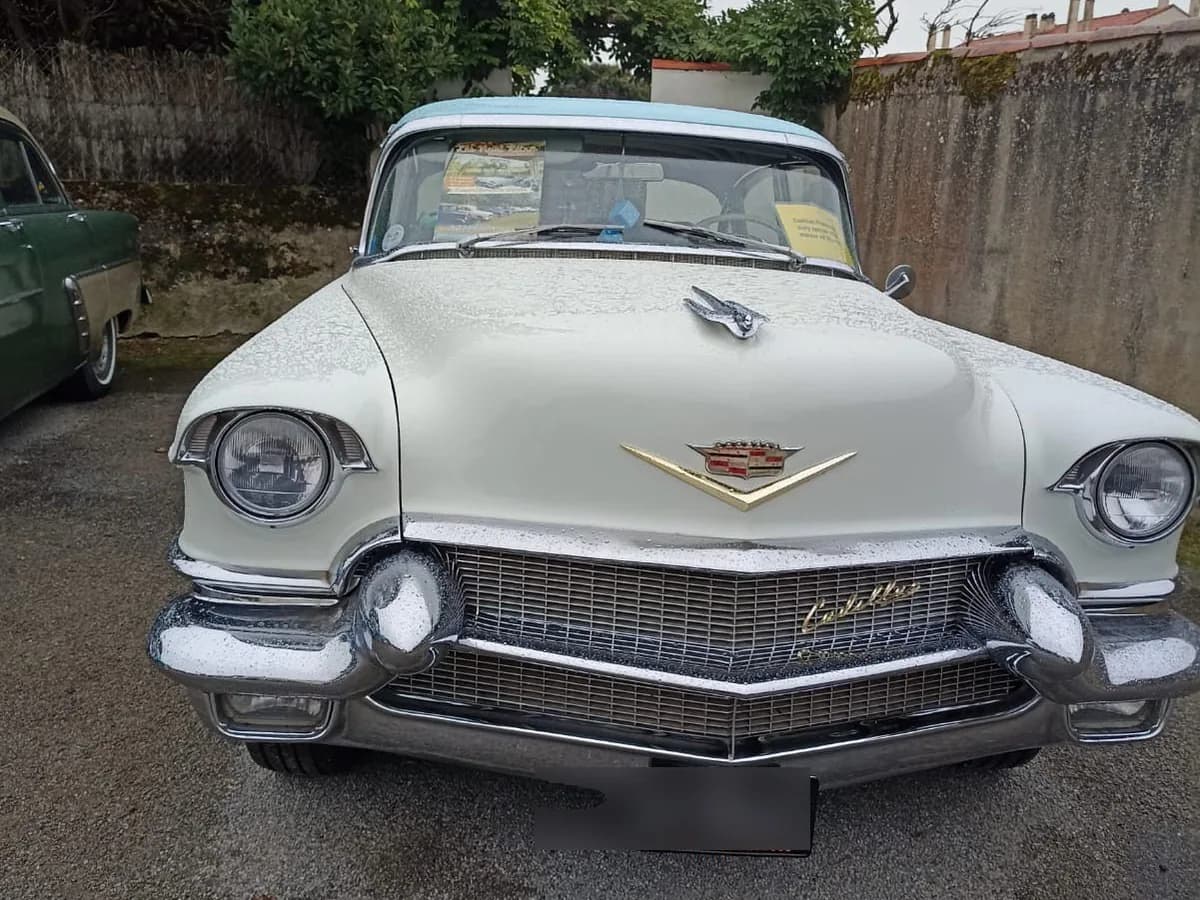
1955
1954
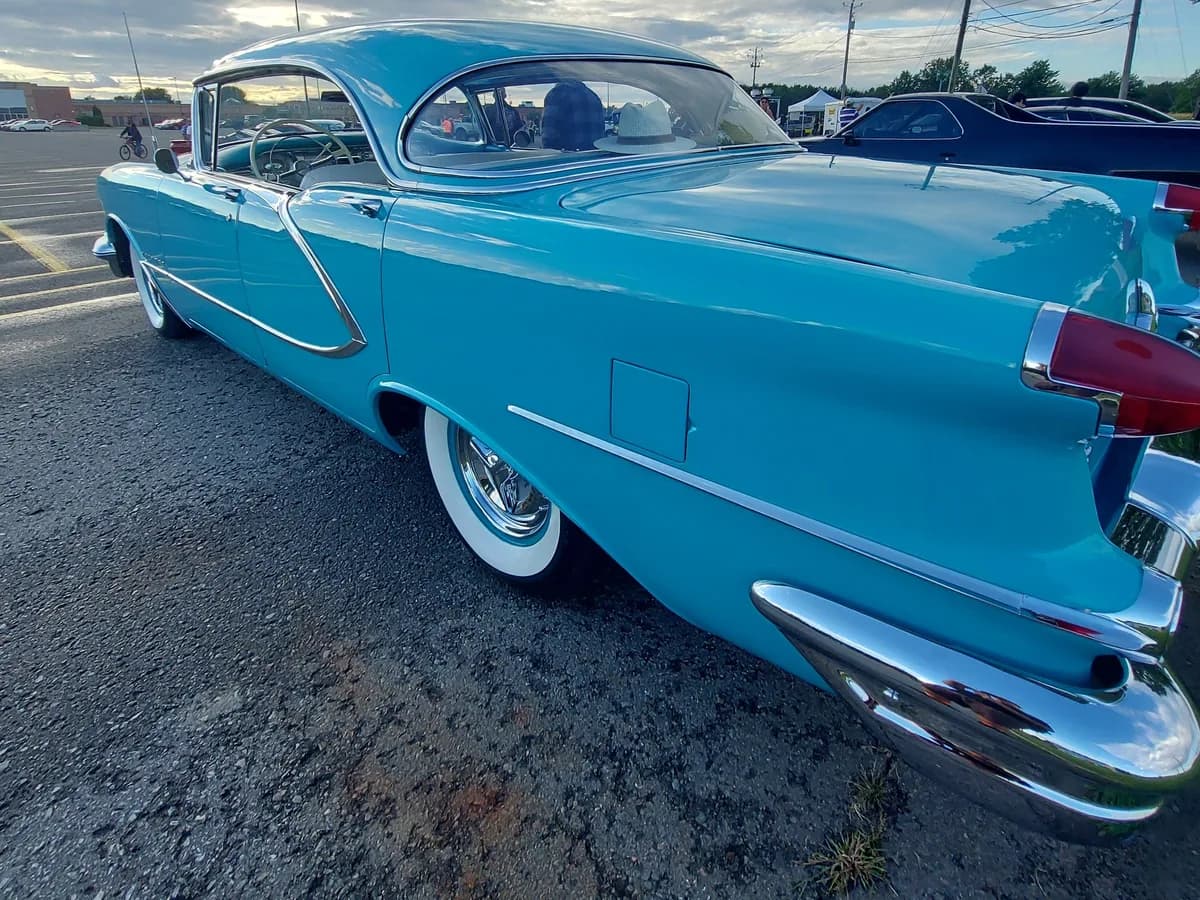
1948
1947
1941
1940
1939
Cadillac Series 62 photos
Model summary
Data from the ScanRacer library, organized to compare versions quickly.
Model introduction
The Cadillac Series 62 represents the evolution of the full-size American luxury car, moving from streamlined prewar bodies to the imposing shapes of the space age. Introduced in the early 1940s as one of Cadillac’s more accessible lines, it soon offered coupes, sedans, convertibles, and pillarless body styles. After World War II, its design became a showcase for Cadillac styling: integrated fenders, wraparound glass, aircraft-inspired tailfins, and extensive brightwork. The 1948 model introduced the rear-fender fins that became a defining Cadillac signature, while the overhead-valve V8 launched for 1949 brought a major mechanical change. Across successive model years, the Series 62 remained a prestigious full-size Cadillac, but occupied a more broadly positioned place in the range than the highly exclusive Eldorado and Fleetwood models.
History
The Series 62 name entered Cadillac’s range around the beginning of the 1940s. Early cars used General Motors’ new “torpedo” styling, with lower bodywork, integrated fenders, and a wider passenger compartment. The line included several body styles, among them coupes, sedans, and convertibles. The 1942 and 1946-1947 model years form a transitional period: civilian production stopped during the war and resumed afterward with cars closely related to the prewar design. The most important change arrived for 1948. Cadillac introduced an entirely new body, including small rear fins influenced by the vertical stabilizers of the Lockheed P-38 Lightning. For 1949, the Series 62 gained Cadillac’s new 331-cubic-inch overhead-valve V8, replacing the earlier flathead engine. That period also saw the arrival of the Coupe de Ville, a pillarless body with the visual character of a convertible. The 1950s brought greater length, more chrome, and larger areas of glass. For 1954, the car adopted an Eldorado-style wraparound windshield among other revisions. The 1957 and 1958 models took Cadillac’s fin language to an extreme. After the styling peak of 1959, the fins were reduced for 1960. The 1961-1964 cars became cleaner and more formal in appearance, before Cadillac reorganized its full-size range for the 1965 model year.
Generations
The Series 62 is best understood through several major styling phases rather than through generation names officially used by Cadillac. The first phase covers the 1939-1941 cars represented in the brand’s archival material and catalogs. These models are identified by “torpedo” proportions, integrated fenders, and a lower body than earlier Cadillacs. The 1942-1947 period retained a related structure, with changes shaped by wartime production and the return to civilian manufacturing. The third phase, from 1948 through 1953, brought the major visual breakthrough. Tailfins appeared, the body became more horizontal, and the overhead-valve V8 introduced for 1949 changed the car’s mechanical character. From 1954 to 1956, Cadillac lowered and refined the body, adding wraparound windshield treatment and more integrated exterior details. The 1957-1960 cars form the era of the large tailfin. The 1959 model represents the high point of that design direction, while 1960 began a move toward more restrained proportions. Finally, the 1961-1964 cars adopted cleaner lines, smaller rear fins, and a more formal presentation. These divisions are useful for organizing body-style variants without assigning Cadillac an official generation terminology that was not consistently used in its sales literature.
Key differences
The main differences between Series 62 cars are determined first by body style and model year. Coupes, sedans, and convertibles do not share the same roofline or glass treatment. Pillarless bodies, introduced in the late 1940s, have a more open profile that visually approaches a convertible, while conventional sedans retain fixed door frames and a more formal roof. Convertibles can usually be recognized by their retractable top and distinct side-window framing. Mechanical changes also follow the model years. The switch from Cadillac’s flathead V8 to the overhead-valve V8 in 1949 was a major break. During the 1950s and early 1960s, displacement and output increased, while Hydra-Matic automatic transmission became a defining part of Cadillac’s driving experience. However, an engine alone should not be used to identify a car: replacement parts, restorations, and conversions are common. A reliable identification should combine the body shell with grille details, tailfin shape, rear lamps, trim, and the vehicle identification information.
Photo recognition
To identify a Cadillac Series 62, first place the car within its styling period. The 1948-1953 models have Cadillac’s earliest clearly recognizable tailfins, still relatively short, and a rounder body than the cars that followed. The 1954-1956 models can be identified by their wraparound windshield and lower, more refined proportions. The 1957 and 1958 cars display very large fins, while the 1959 is noted for tall rear fins ending in twin bullet-shaped taillight units. For 1960, the fins were substantially reduced and the lamps moved into the rear-fender caps. The 1961-1964 cars have cleaner, more angular bodywork, modest fins, and less heavily ornamented styling. Door count, roof profile, and body scripts can then help distinguish a sedan, coupe, convertible, or Coupe de Ville. Chrome parts may have been replaced during restoration, so they should support the identification rather than determine it alone. The most dependable approach combines the body shape, lighting arrangement, grille design, trim pattern, and vehicle identification information.
Important versions
Several versions are especially important to the Series 62 story. The convertible represents the most expressive side of the range and follows Cadillac’s styling development from the 1940s into the 1960s. The sedan was the practical and most representative body style, while the coupe offered a shorter, more personal profile. Postwar pillarless bodies also helped establish the American hardtop format. The Coupe de Ville deserves particular attention. Introduced late in the 1940s as an upscale Series 62 derivative, it combined a pillarless roof with distinctive trim and a more formal presentation. The 1959 and 1960 models are equally significant because they capture the transition from the peak of Cadillac’s oversized tailfins to their reduction. Convertibles from 1954, 1956, 1957, 1958, 1959, 1960, 1961, and 1963 provide useful reference points for the major styling changes represented across the model’s run.
References
- Classic Car Profile: 1949 Cadillac Series 62 Club CoupeHemmings
- 1960 Cadillac Series 62Savoy Automobile Museum
- Cadillac Series 62 Market OverviewClassic.com
- https://www.hemmings.com/category-search/classics/-/cadillac/series-62hemmings.com
- https://bransonmuseum.com/listings/1959-cadillac-series-62/bransonmuseum.com
- https://www.classic.com/m/cadillac/series-62/?page=1classic.com
Frequently asked questions
- What years was the Cadillac Series 62 produced?
- ScanRacer's referenced versions cover 1939 - 1964.
- How many Cadillac Series 62 examples are documented on ScanRacer?
- 4 published scans from 4 members, with the latest photo added in August 2026.
What about the car you photographed?
Upload a photo to get a suggested make, model and likely year.
No account needed for the result · Publish only if you choose