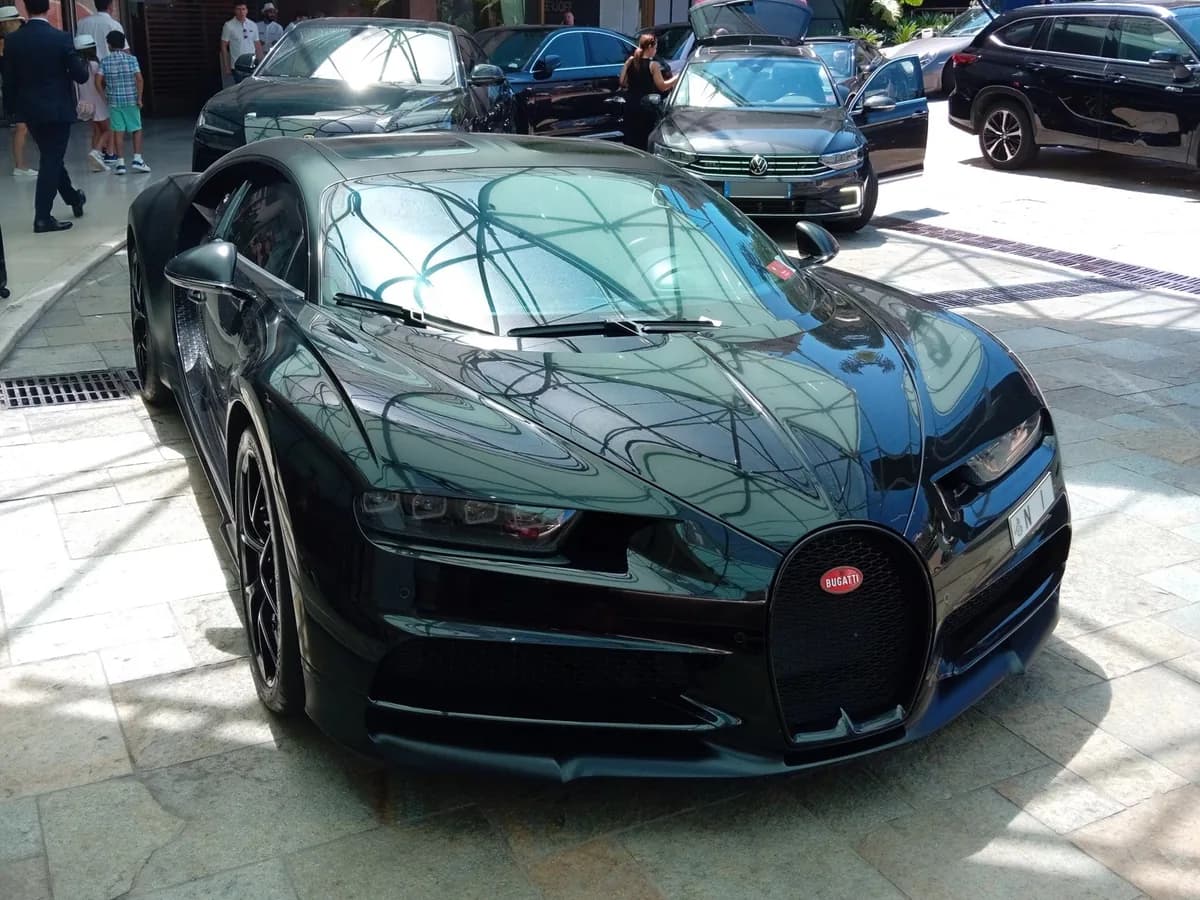
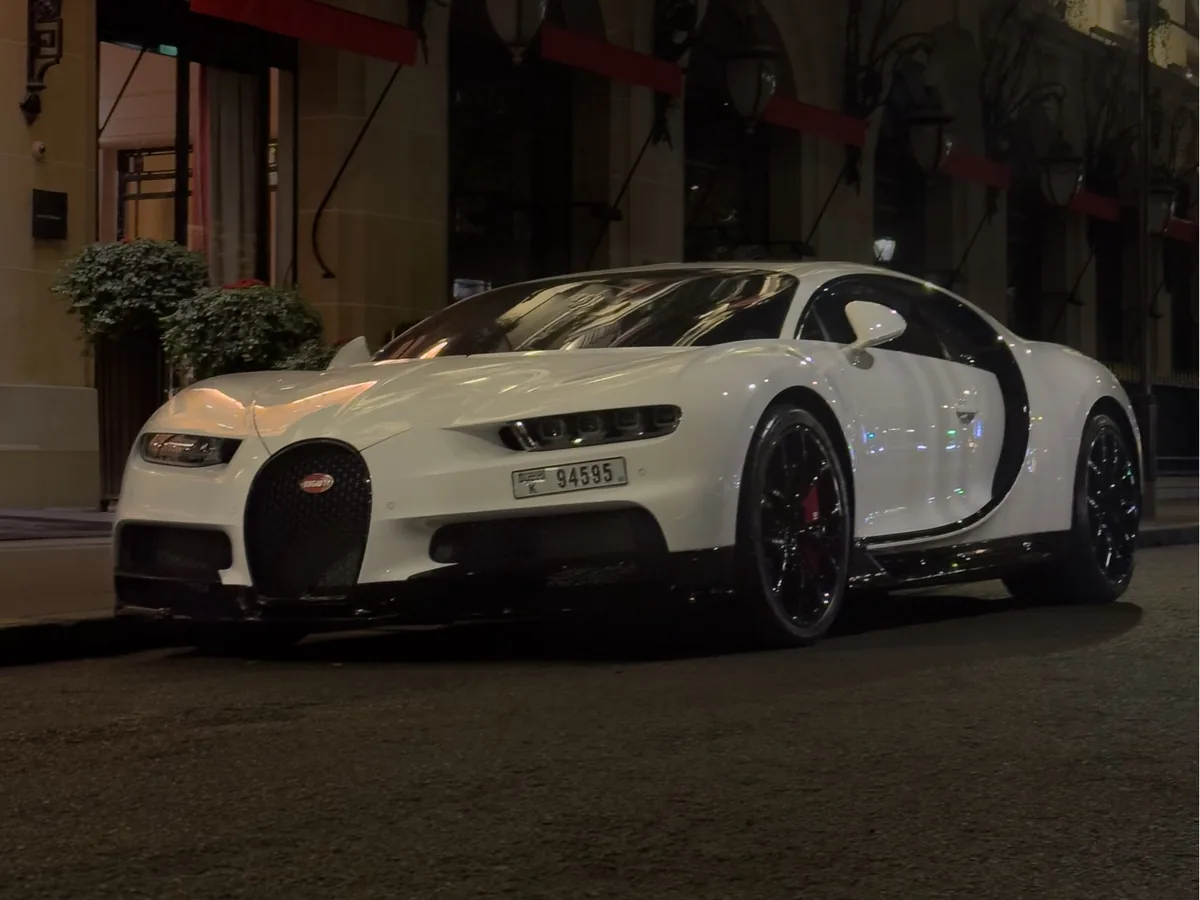
Bugatti Type 40 1926
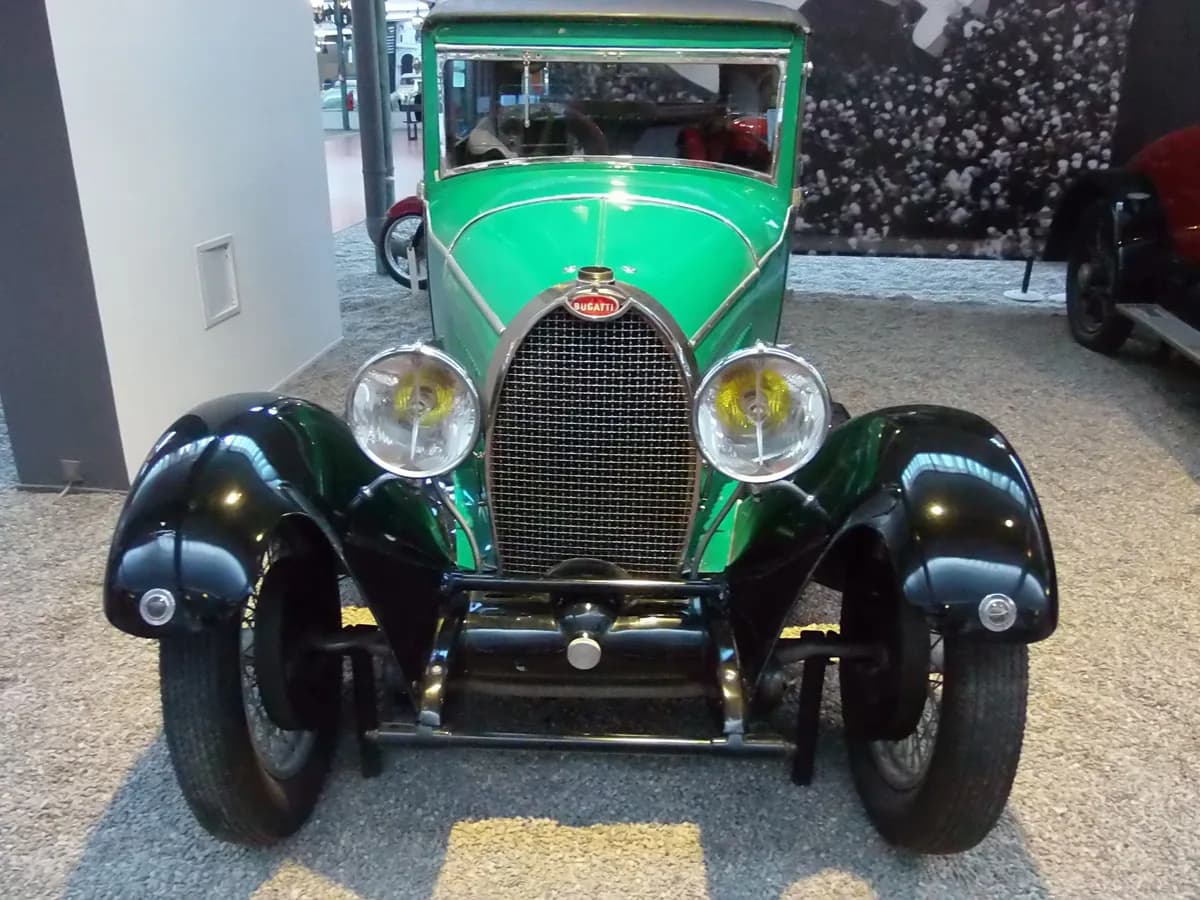
Introduced in 1926, the Bugatti Type 40 was a compact touring car intended to continue the Brescia line while making the Bugatti experience more attainable. It used a 1.5-liter four-cylinder engine related to the unit fitted to the Type 37, mounted in a short chassis that could accept several body styles. Open and closed bodies were available, either supplied by the factory or produced by independent coachbuilders. The Type 40 combined relatively straightforward mechanical design with light construction, four-wheel drum brakes, and a four-speed manual gearbox. The 1926 model belongs to the opening phase of the production run, before the larger-engined Type 40A appeared.
History
The Bugatti Type 40 appeared at Molsheim in 1926 as part of a renewal of the road-car range. It succeeded the Brescia models as a more versatile automobile than Bugatti’s dedicated racing cars, while retaining several of Ettore Bugatti’s characteristic principles: modest weight, a relatively light chassis, and braking on all four wheels. Its overhead-camshaft four-cylinder engine was related to the Type 37 unit, using three valves per cylinder and a 1,496 cc displacement in standard Type 40 form. A centrally mounted four-speed gearbox completed the mechanical package. The short chassis could accept several body designs, although four-seat coupés appear to have accounted for a substantial proportion of factory-built cars. The later Type 40A used a larger-capacity block. Production continued into the early 1930s, with overall totals differing slightly between specialist sources.
Latest scans
Photos added by the community for this page.
Anecdotes
According to RM Sotheby’s, Jean Bugatti took the first production Type 40 for his personal use. Another documented story concerns a car preserved by the Museu do Caramulo: its owner, Frederico Loiseau, reportedly drove from Paris to Côte d’Ivoire across the Sahara and then returned, covering about 14,500 kilometres in 33 days. The journey helped reinforce the Type 40’s reputation for durability, but it relates to one individual car rather than to every example built.
Production
Bugatti Type 40 production is generally dated from 1926 to 1930 or 1931, depending on the counting method used. The available sources do not give an identical total: the Museu do Caramulo records 780 cars built at Molsheim between May 1926 and March 1931, while the Bugatti Trust and Bugatti Club Denmark give approximately 830 cars for the Type 40 family, including around forty Type 40As. The most cautious description is therefore roughly 800 cars. These figures combine the model and, in some sources, the Type 40A variant; they do not make it possible to identify with certainty how many standard 1926 cars were built.
Press reception
Modern reference sources generally present the Type 40 as a more affordable road-going Bugatti than the company’s Grand Prix cars. RM Sotheby’s emphasizes the four-cylinder engine’s reliability, along with the car’s light weight, lively responses, and four-wheel drum brakes. The Museu do Caramulo likewise describes it as robust and highly desirable in its period. These assessments come primarily from museum, heritage, and collector-car sources rather than from a complete review of automotive magazines published in 1926. The safest conclusion is that the Type 40 enjoyed a positive reputation as a usable sporting touring car, without assigning an exact ranking or quotation that cannot be independently verified.
Evolution
Variants
References
- Bugatti Type 40 40AThe Bugatti Trust
Supports production period, approximate totals, engine capacity, power, valve layout, gearbox, brakes, dimensions, and Type 40A differences.
- Bugatti Type 40 Grand SportMuseu do Caramulo
Supports the 1926 introduction, Type 37-related engine, four-speed gearbox, coachbuilt body possibilities, production estimate, and the Paris–Côte d’Ivoire anecdote.
- The Automobile As Art: The Anatomy of the 1927 Bugatti Type 40 Grand SportRM Sotheby’s
Supports the Type 40’s position as a standard touring car, body-style descriptions, 1,496 cc engine, approximate power, braking system, four-speed transmission, and Jean Bugatti anecdote.
- Selected Bugatti typesBugatti Club Denmark
Supports the Type 40’s relationship to the Type 23, its competitive positioning, production estimate, and Type 40A proportion.
- World premiere for the Bugatti DivoBugatti Newsroom
Supports Jean Bugatti’s involvement in Type 40 bodywork and the development of Grand Sport coachwork with Joseph Walter.
- https://de.wikipedia.org/wiki/Bugatti_Type_40de.wikipedia.org
Source found by OpenAI web search for this vehicle page.
- https://www.bugatti-trust.co.uk/bugatti-trust-online-gallery/nggallery/test1/album-10-type-40/page/2bugatti-trust.co.uk
Source found by OpenAI web search for this vehicle page.
- https://fr.wikipedia.org/wiki/Bugatti_Type_40fr.wikipedia.org
Source found by OpenAI web search for this vehicle page.