
A110
The Alpine A110 is one of the French models most closely associated with rallying. Unveiled at the 1962 Paris Motor Show, the original Berlinette combined a lightweight fibreglass body, a backbone chassis and rear-mounted Renault engines. Its low weight and agile handling helped it win the Monte Carlo Rally in 1971 and the inaugural World Rally Championship manufacturers’ title in 1973. After production of the original car ended in 1977, the A110 name returned on a mid-rear-engined two-seat coupé unveiled in 2017 and launched from 2018. The modern car follows the Berlinette’s principles of compact dimensions, low mass and agility, while using an aluminium structure, a dual-clutch gearbox and a turbocharged four-cylinder engine. The name therefore covers two technically distinct periods separated by several decades, rather than a continuous single-generation production run.
What about the car you photographed?
Upload a photo to get a suggested make, model and likely year.
No account needed for the result · Publish only if you choose
Variants by year
Make: Alpine · Model: A110
5 / 5 versions shown
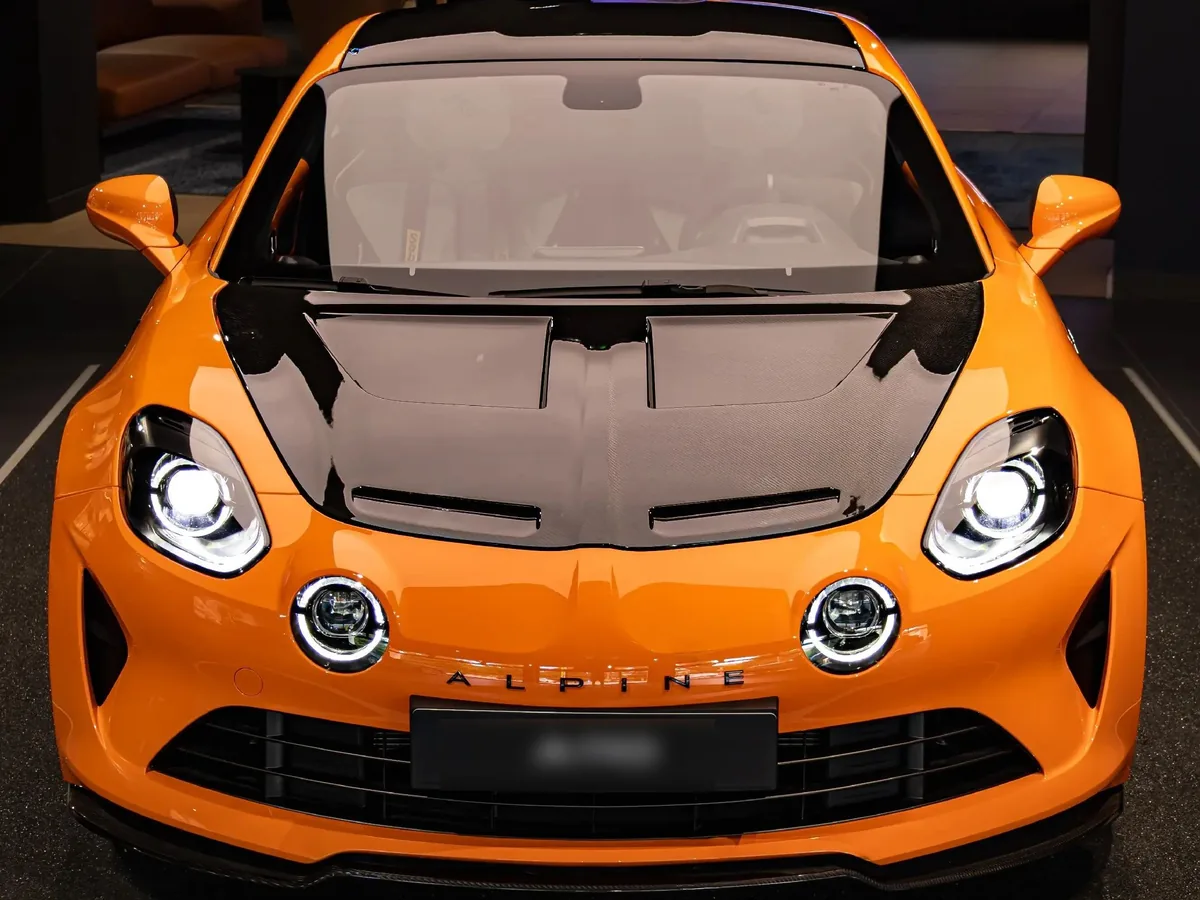
2024
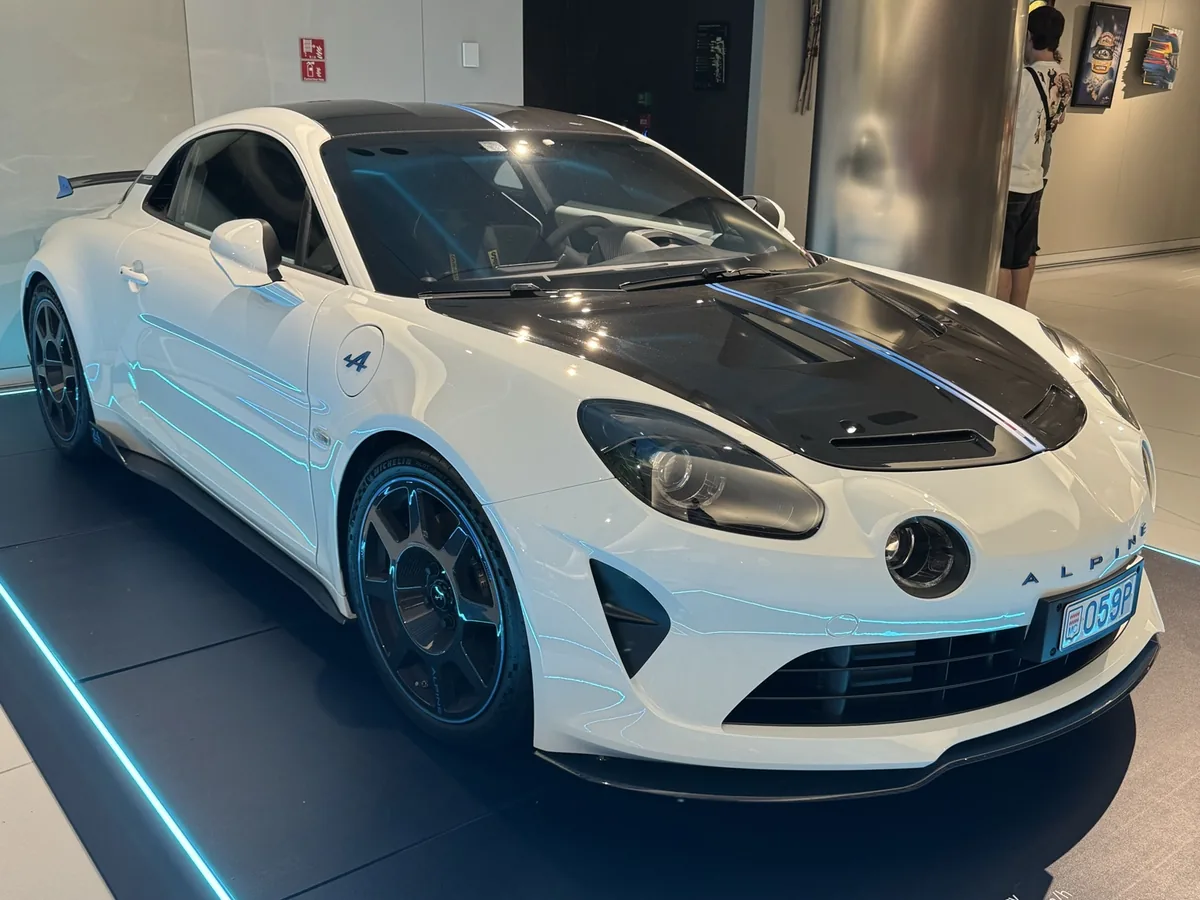
2023
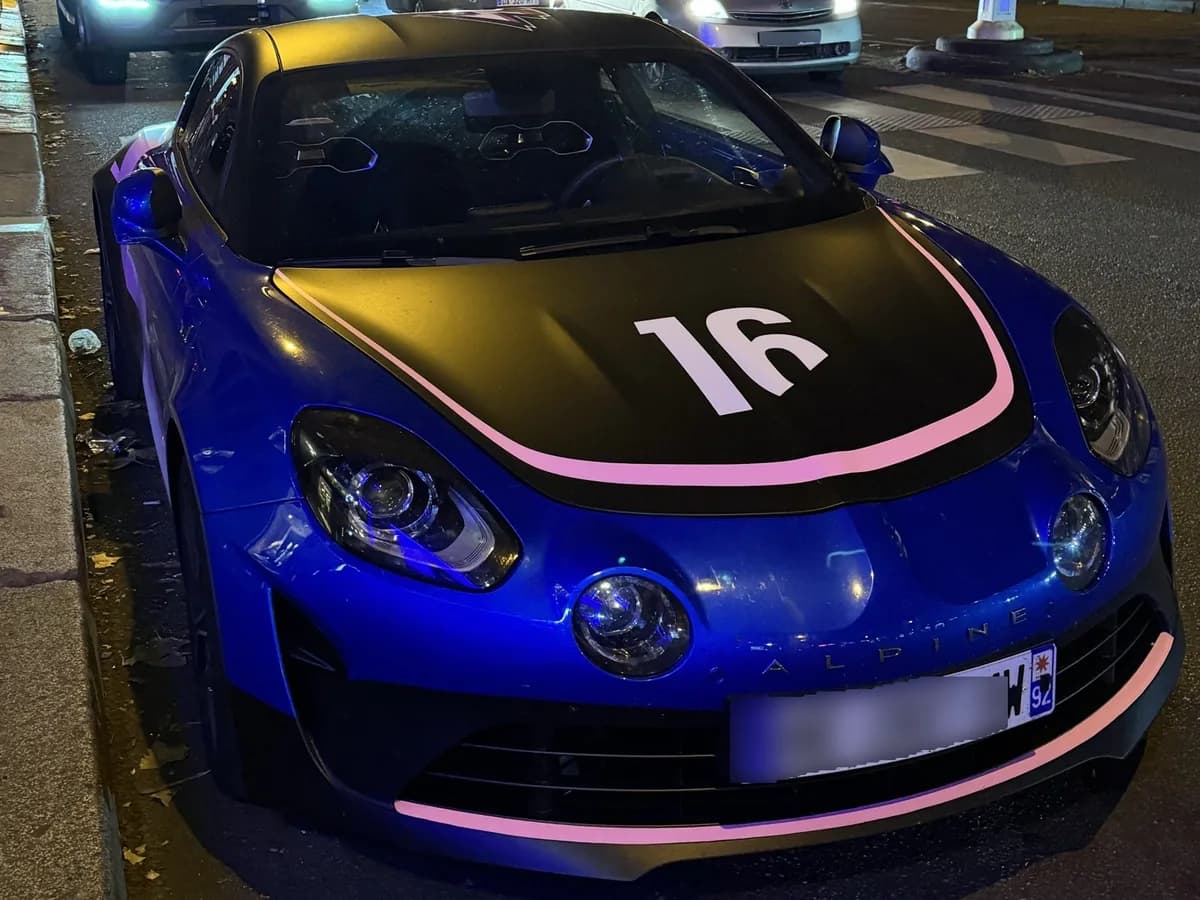
2022
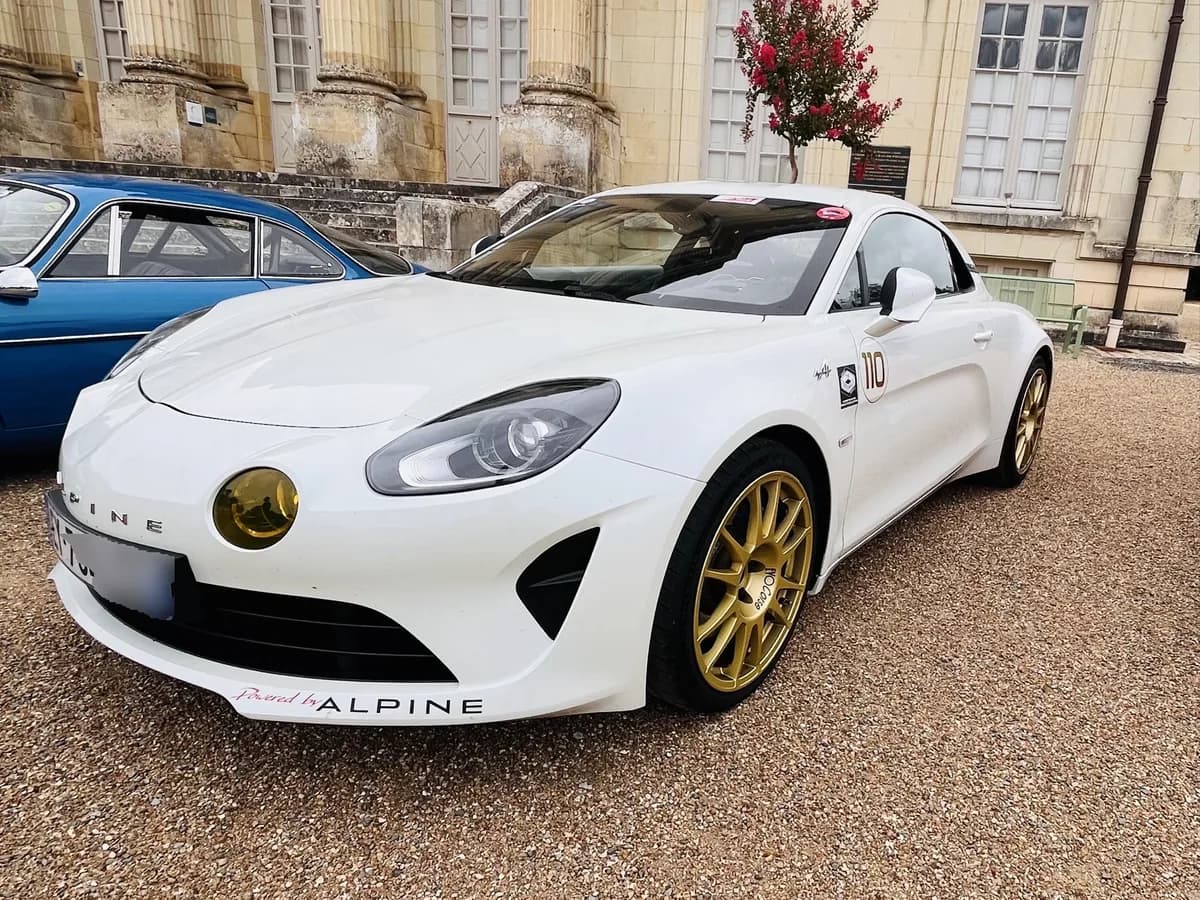
2017
1962
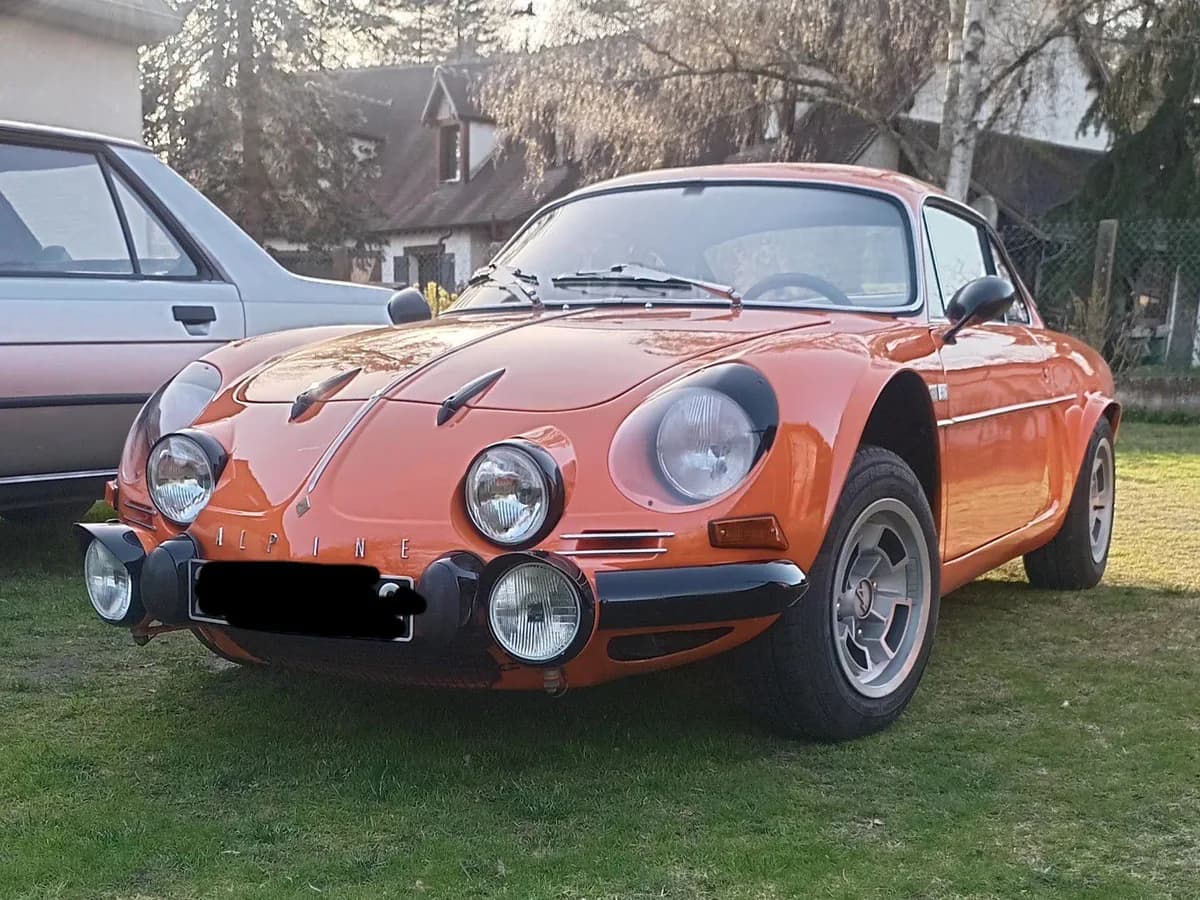
Alpine A110 photos
Model summary
Data from the ScanRacer library, organized to compare versions quickly.
Model introduction
The Alpine A110 is one of the French models most closely associated with rallying. Unveiled at the 1962 Paris Motor Show, the original Berlinette combined a lightweight fibreglass body, a backbone chassis and rear-mounted Renault engines. Its low weight and agile handling helped it win the Monte Carlo Rally in 1971 and the inaugural World Rally Championship manufacturers’ title in 1973. After production of the original car ended in 1977, the A110 name returned on a mid-rear-engined two-seat coupé unveiled in 2017 and launched from 2018. The modern car follows the Berlinette’s principles of compact dimensions, low mass and agility, while using an aluminium structure, a dual-clutch gearbox and a turbocharged four-cylinder engine. The name therefore covers two technically distinct periods separated by several decades, rather than a continuous single-generation production run.
History
Alpine was founded in Dieppe in 1955 by Jean Rédélé, a Renault dealer and competition driver. The brand name referred to his successes in the Alps. Following the A106 and A108, the A110 was unveiled in 1962 as the Berlinette Tour de France. It retained an unusual lightweight layout for its period, with a fibreglass-reinforced body, a central backbone chassis and a rear-mounted Renault engine. Powertrains evolved over time, moving from small Renault four-cylinder units to more extensively tuned engines developed for competition. The A110’s motorsport career became central to Alpine’s reputation. The works team won the Monte Carlo Rally in 1971 and secured the first World Rally Championship manufacturers’ title in 1973. Production of the original Berlinette ended in 1977, with Alpine’s German press material citing 7,489 cars built. The name returned with a new A110 unveiled in 2017. Built in Dieppe, it uses an aluminium structure, a 1.8-litre turbocharged four-cylinder engine mounted behind the cabin and a dual-clutch transmission. The A110 R, introduced in 2022, developed this layout in a more track-focused direction. In 2024, Alpine announced the A110 R Ultime, a highly limited derivative with a more powerful engine, revised aerodynamics and an extensive customisation programme.
Generations
The A110’s history falls into two clearly separate periods. The first is the original Berlinette, produced from 1962 to 1977. This very low and lightweight sports car used a rear-engine layout, a fibreglass body and a backbone chassis. Details changed according to model year and market, particularly the Renault engines, equipment and exterior components. Competition cars could also receive extensive preparation, making them visibly and mechanically different from road-going examples. The second period began with the modern A110, unveiled in 2017 and launched from 2018. It is not a direct mechanical continuation of the historic car, but a contemporary interpretation of its core ideas. The modern coupé uses a predominantly aluminium structure, a mid-rear-mounted engine, double-wishbone suspension and a seven-speed dual-clutch automatic gearbox. Early production versions developed 252 hp, while later performance derivatives reached 300 hp. The modern range covers several priorities: a balanced road car, more powerful and sport-oriented versions, and the A110 R with lower mass and more significant aerodynamic development. The A110 R Ultime represents the most extreme interpretation identified in the 2024 model context, combining increased output with revised suspension, tyres, brakes and aero components. It should therefore be treated as a high-performance derivative, not as a separate generation.
Key differences
The most important distinction is between the historic Berlinette and the modern A110. The original car uses a fibreglass body, a backbone chassis and a rear-mounted Renault powertrain. The modern car has an aluminium structure, a mid-rear-mounted 1.8-litre turbocharged engine, double-wishbone suspension and a dual-clutch gearbox. Their shared visual themes—forward-set cabin, rounded fenders and compact proportions—should not obscure the major differences in engineering. Within the modern range, the main differences concern chassis tuning, power, weight and aerodynamics. The 2022 A110 R produces 300 hp and adopts a more track-oriented specification with dedicated components and a stated weight-reduction programme. The A110 R Ultime goes further, with 345 hp, 420 Nm and a limited production run of 110 cars. Those figures come from Alpine’s 2024 announcement and should not be applied to every A110. Equipment, suspension settings, wheel designs and aerodynamic parts can also vary by version and market.
Photo recognition
To identify an original A110 Berlinette, look for a very low two-seat body with a forward-set cabin, rounded roofline and strongly sculpted rear fenders. The front end often carries four round headlamps, although covers and rally modifications can differ by year or competition specification. The narrow proportions, fibreglass body and rear engine compartment are useful clues, but individual cars may have been restored, modified or converted for motorsport. Alpine Blue is strongly associated with the model, yet colour alone is not proof of identity because other finishes were available. The modern A110 has a compact shape inspired by the Berlinette but uses contemporary detailing. It is a two-seat coupé with a wider stance, round LED lighting and side air intakes ahead of the rear wheels. A110 R versions add more visible carbon-fibre parts, more pronounced aerodynamic components and a track-focused cabin treatment. The A110 R Ultime may carry additional identifying details, but accurate identification should combine badges, wheel design, brake hardware, aerodynamic parts and vehicle documentation rather than relying on colour or appearance alone.
Important versions
The Berlinette is the foundational A110 and remains the historic reference because of its rally achievements. In the supplied model context, the Base designation covers the long period associated with the model, from 1962 to 2017. It should therefore be interpreted cautiously, since it does not necessarily describe one continuous technical specification across that entire span. The A110 R, introduced in 2022, is a highly sporting modern derivative. It produces 300 hp, has a stated weight of 1,082 kg and receives dedicated chassis and aerodynamic development. Announced in 2024, the A110 R Ultime raises output to 345 hp and torque to 420 Nm. Alpine planned production of 110 cars and offered an unusually extensive customisation programme. Both versions belong to the modern A110 period and should not be confused with the original rally Berlinettes of the 1960s and 1970s.
References
- Alpine A110 R Ultime, l’A110 de série la plus sportive jamais créée par AlpineAlpine Global Media
- Alpine A110 R: opening of orders and pricesAlpine Global Media
- Alpine A110 Première Edition: test drive in Aix en ProvenceAlpine Global Media
- The 2024 Alpine A110 range and pricing for FranceAlpine Global Media
- The Alpine A110: Neuauflage einer LegendeAlpine Deutschland Presse-Service
- https://media.alpinecars.com/alpine-a110-r-ultime-the-most-high-performance-production-car-a110-ever-created-by-alpine/?lang=eng+media.alpinecars.com
- https://media.alpinecars.com/alpine-a110-r-ultime-the-most-extreme-a110-ever-press-kit/?lang=engmedia.alpinecars.com
Technical specifications
Structured data available for versions linked to this model.
| Version | Power | Torque | Top speed | Drivetrain | Fuel |
|---|---|---|---|---|---|
| — | 252 chevaux | — | — | Propulsion arrière / Boîte de vitesses à double embrayage à 7 rapports | — |
Frequently asked questions
- What years was the Alpine A110 produced?
- ScanRacer's referenced versions cover 1962 - 2024.
- How many Alpine A110 examples are documented on ScanRacer?
- 106 published scans from 55 members, with the latest photo added in September 2026.
- What is the power output of the Alpine A110?
- The sourced technical data lists 252 chevaux.
What about the car you photographed?
Upload a photo to get a suggested make, model and likely year.
No account needed for the result · Publish only if you choose