
Alpine
Founded in Dieppe in June 1955 by Jean Rédélé, Alpine was built around a straightforward idea: reduce weight to make a car more agile and precise. Its early Renault-based creations led to the A106, A108 and then the A110, the berlinette that established the marque as a rally force. Alpine won the first World Rally Championship manufacturers’ title in 1973, then continued its road-car story with the A310, GTA and A610. After road-car production ended in the 1990s, the brand returned in 2017 with a modern A110. Since 2024, its range has expanded into electric vehicles with the A290 and A390, while agility and lightness remain central reference points. The ScanRacer library covers Alpine models from 1955 to 2025, including both historic nameplates and the brand’s current transition toward a broader electric portfolio. (media.alpinecars.com)
Models from A to Z
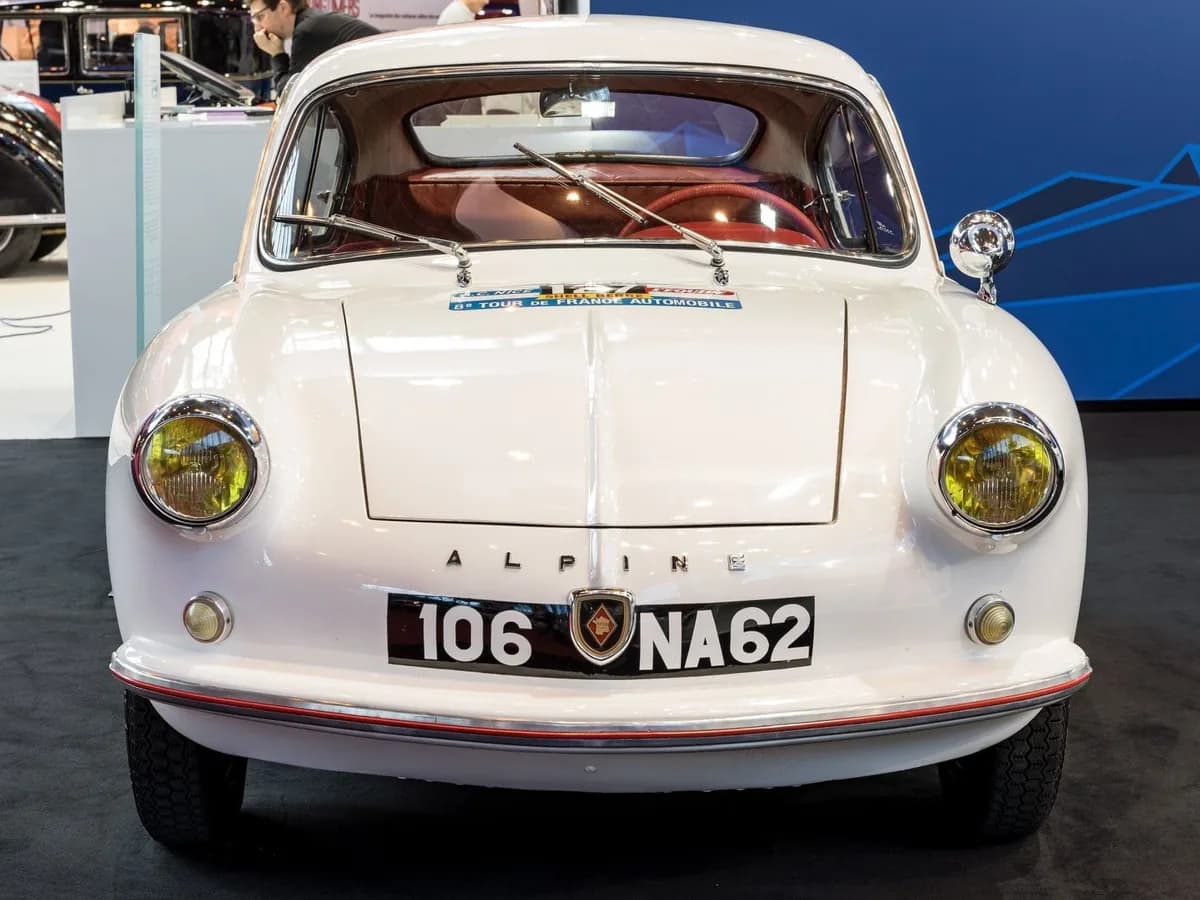
A106
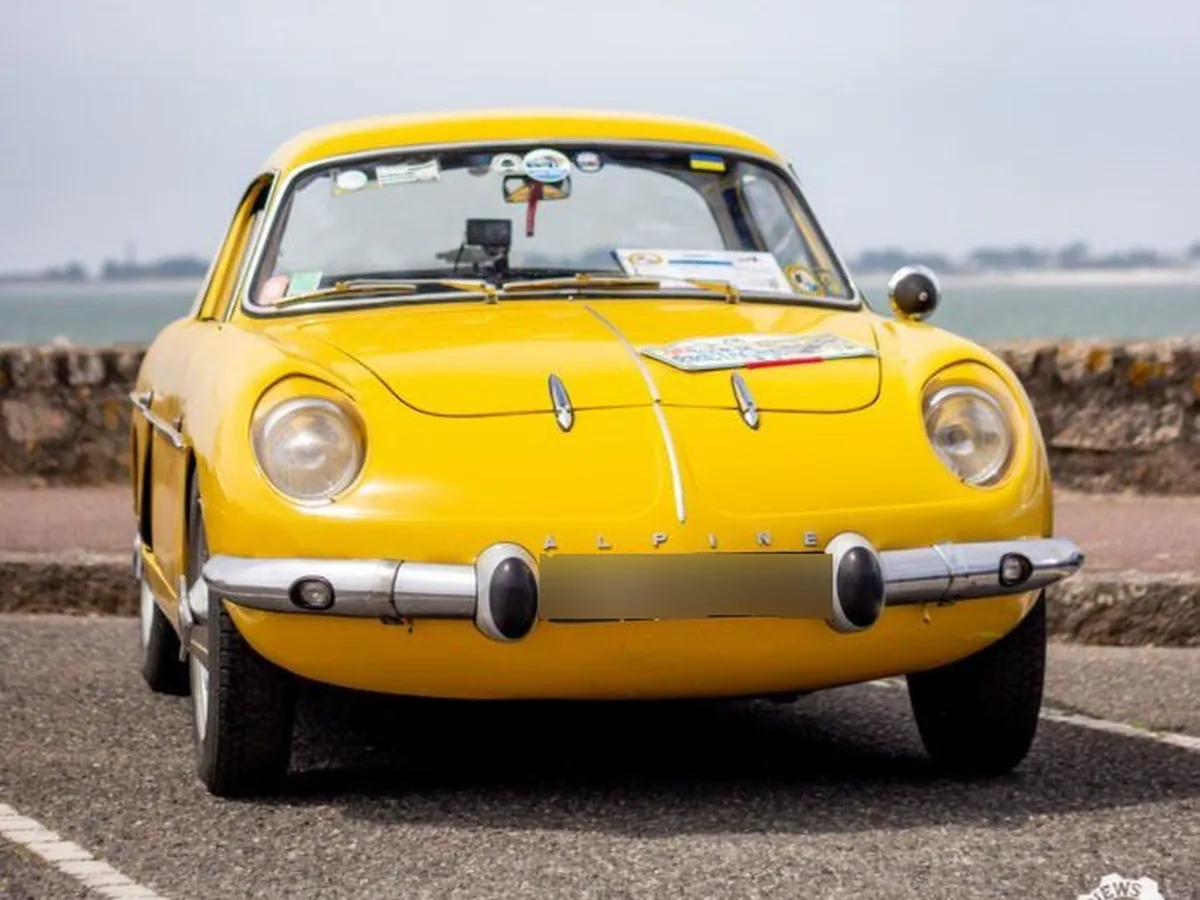
A108
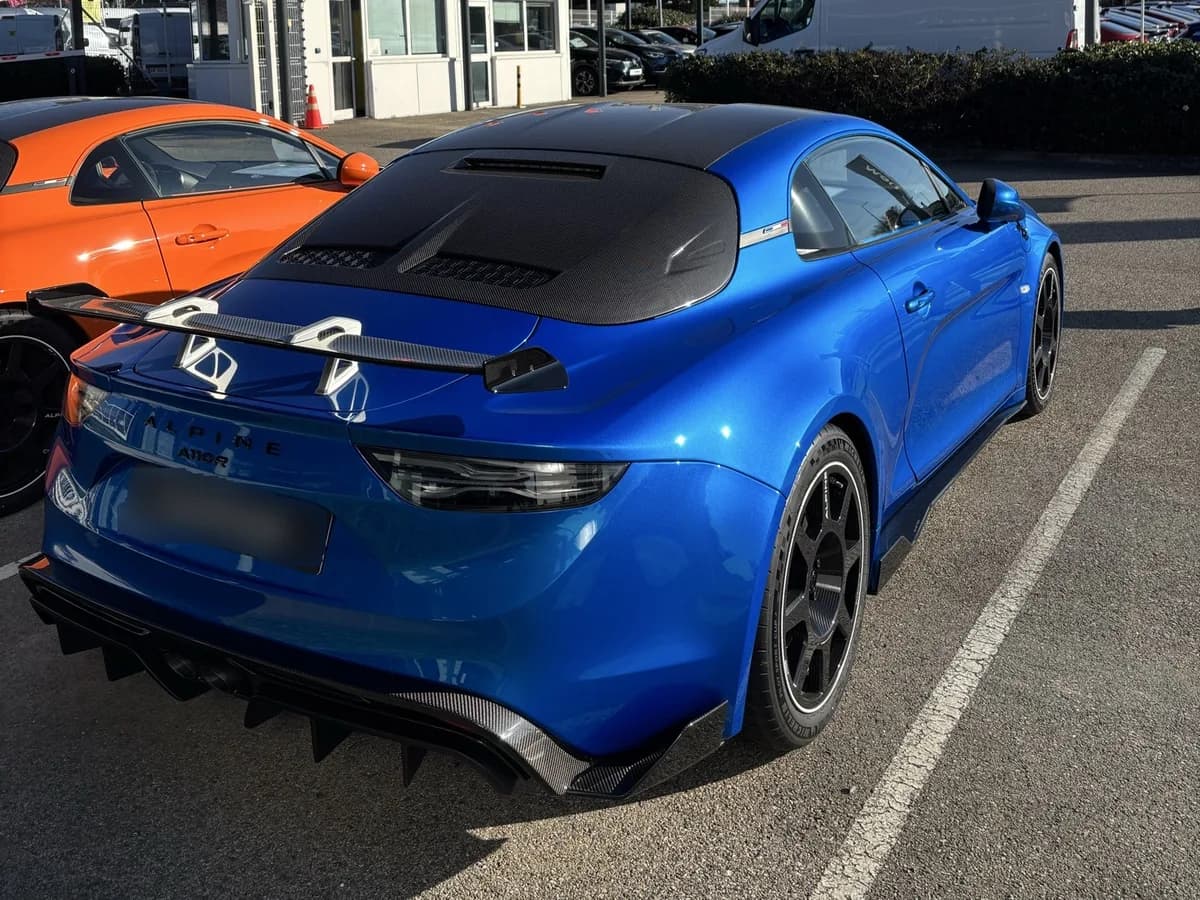
A110

A220
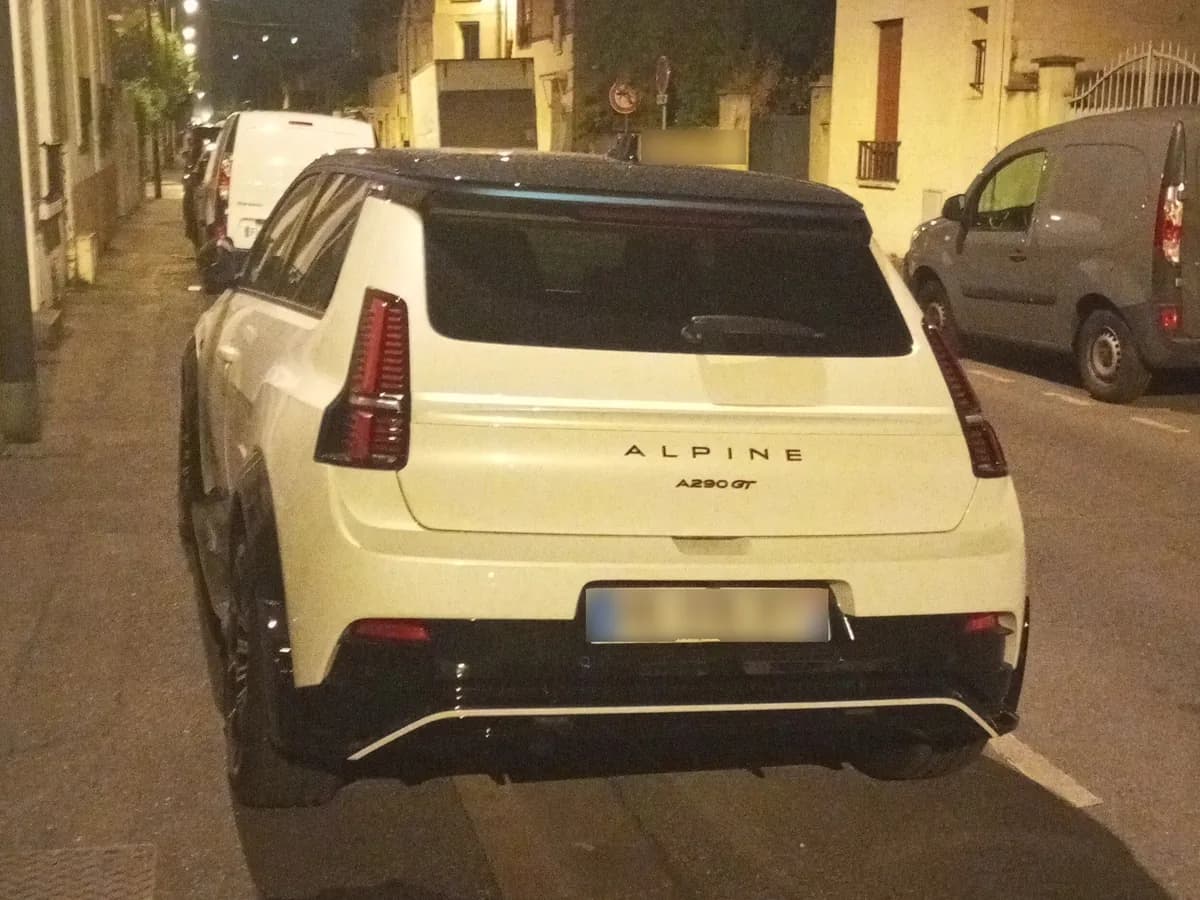
A290
A310
A390
A424
A525
A610
Alpenglow

GTA
Alpine overview
Alpine history
Jean Rédélé was a Renault dealer in Dieppe and a competitive driver before creating Alpine. His successes with modified Renault 4CVs, including events in the Alps and the Mille Miglia, encouraged him to develop a lightweight sports car with its own bodywork. Automobiles Alpine was officially established in Dieppe in 1955, and the town remains central to the marque’s manufacturing heritage. (alpine-cars.co.uk) The A106 and A108 came before the A110, introduced in 1962. The A110 became Alpine’s defining model through its compact shape, low weight and competition results. Alpine dominated the Monte Carlo Rally in the early 1970s and won the first World Rally Championship manufacturers’ title in 1973. The company also achieved endurance success, including an outright victory at the 24 Hours of Le Mans in 1978. (media.alpinecars.com) The A310, launched in 1971, moved Alpine toward a more substantial GT format. It was followed by the GTA in the 1980s and the A610 in 1991. Renault became Alpine’s majority shareholder in 1973, while the brand’s activities were gradually integrated into Renault’s wider structure. Road-car production ended in the 1990s. The Alpine name returned in 2017 with a new A110, followed by the electric A290 in 2024 and the A390 in 2025. (renaultgroup.com)
Alpine positioning
Alpine is positioned within Renault Group as a sports-car marque focused on driving enjoyment, lightness and technical innovation. Historically, its identity has not depended on outright power alone. Lower mass, agile handling and a close relationship with motorsport are more consistent themes across the brand’s history. Alpine itself identifies lightness, agility and competitive spirit as core principles. (alpine-cars.co.uk) Its current positioning is broader than the traditional two-seat sports car. The A110 remains the model most directly connected with the berlinette heritage, while the A290 applies the same sporting intent to an electric urban hatchback and the A390 extends it to a five-seat sport fastback. It is therefore more accurate to describe Alpine’s current direction as a gradual expansion of its sporting identity than as a break with the past. The evidence supports a move toward more accessible and practical formats, with electrification becoming an increasingly important part of the brand strategy. (renaultgroup.com)
Recognizing a Alpine in a photo
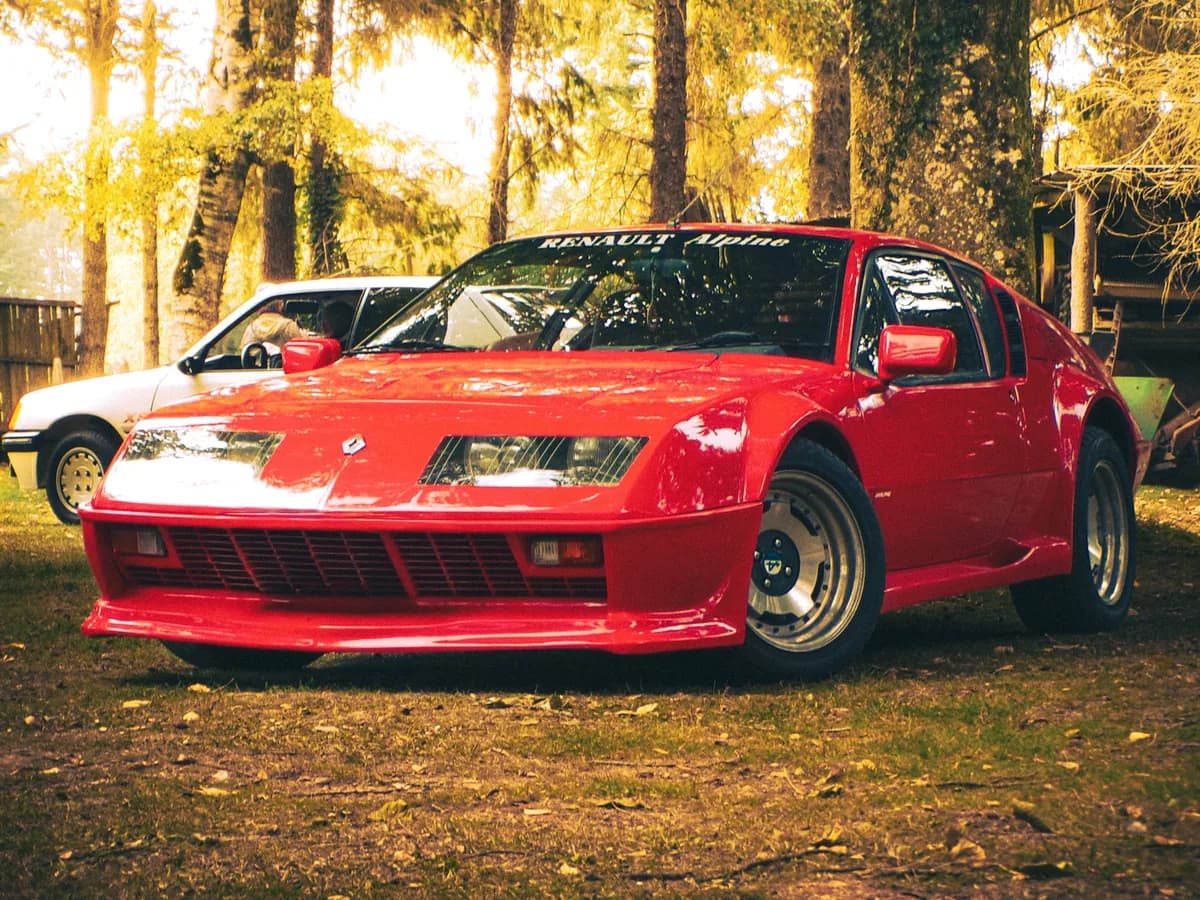
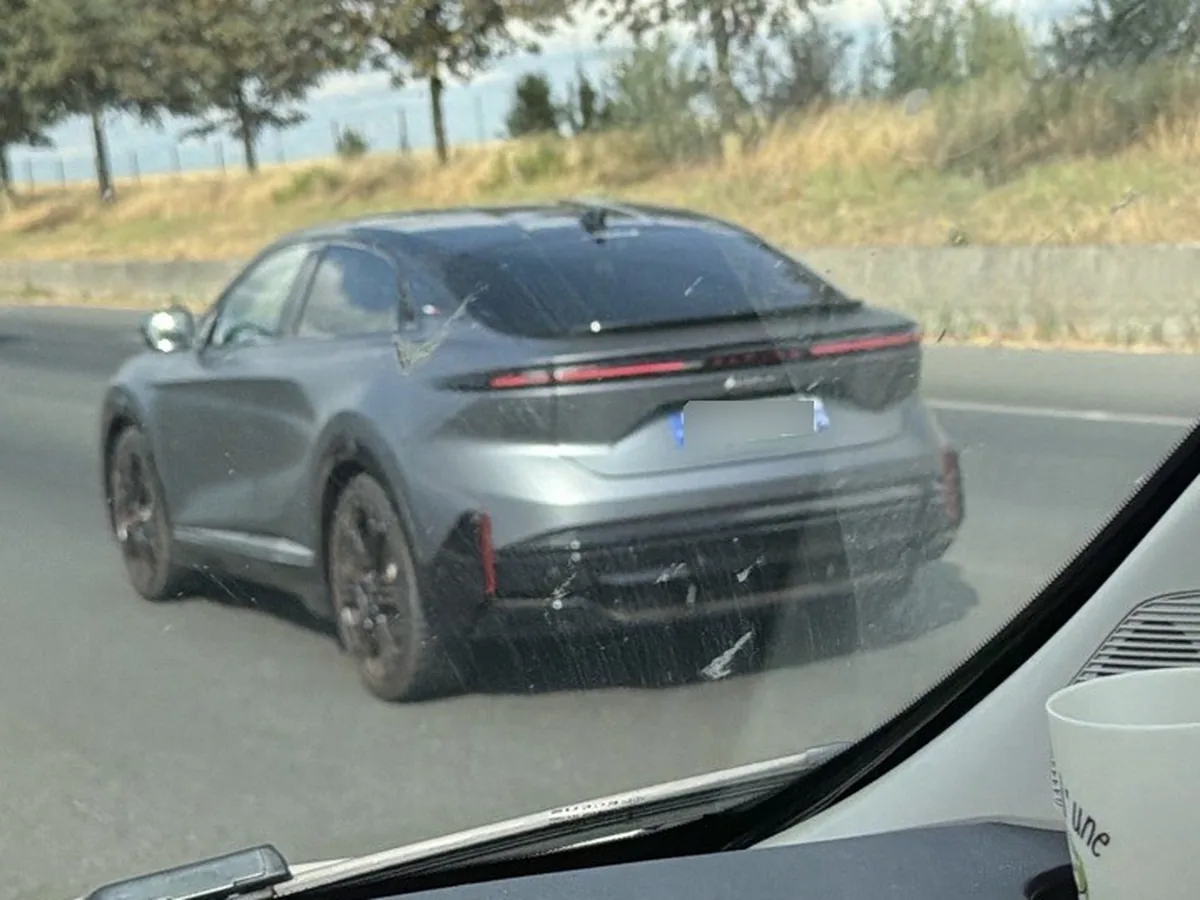
When identifying an older Alpine from a photograph, start with the overall proportions and mechanical layout. The original A110 is a very low, compact berlinette with a tapered body, pronounced wheel arches and a set-back cabin. The A106 and A108 predate it and generally appear smaller, with simpler body shapes. (alpine-cars.co.uk) The A310 is longer and wider, with a more pronounced grand-touring profile. The GTA and A610 are larger coupés with styling associated with the 1980s and early 1990s. Competition photographs require caution because race bodywork, decals and equipment can differ substantially from road cars. The modern A110 uses the historic name and echoes the original car’s focus on compactness and lightness, but its body, lighting and proportions are contemporary. The A290 is identifiable as a compact electric hot hatch, while the A390 is taller, longer and designed as a five-seat sport fastback. (media.alpinecars.com)
Important Alpine models
The A110 is the central model in Alpine’s story. Introduced in 1962, the berlinette established the marque’s sporting reputation and is closely associated with its 1973 World Rally Championship manufacturers’ title. The A106 and A108 are also important because they show the technical and stylistic development that led to the better-known A110. (media.alpinecars.com) The A310 marks a different phase, moving Alpine toward a roomier grand-touring format. The GTA and A610 continued that line through the 1980s and early 1990s, before road-car production was interrupted. In the ScanRacer data, these historic models appear alongside newer references such as the A290, listed for 2024, and the A390, listed for 2025. Together, the two newer cars show Alpine extending its range into electric power and more practical body styles. That expansion does not remove the A110’s heritage role; instead, it places the iconic sports car at the centre of a wider and more modern Alpine family. (renaultgroup.com)
References
- History of the Alpine brandAlpine Global Media
- Alpine – 70 Years of Heritage and Automotive PassionAlpine Cars
- AlpineRenault Group
- Alpine, a legend is born againRenault Group
- https://www.renaultgroup.com/nos-marques/alpine/renaultgroup.com