
Golf
Series production of the Volkswagen Golf began at Wolfsburg on March 29, 1974. It replaced the Beetle with a markedly different layout: a transversely mounted front engine, front-wheel drive, a hatchback body and a folding rear seat. That compact and practical formula quickly established a new benchmark in its class. Volkswagen says more than 37 million Golfs have been sold across eight generations, making it the brand’s best-selling model and one of Europe’s most successful cars. Over time, the range expanded far beyond the original hatchback to include GTI, Cabriolet, Variant, Alltrack and e-Golf derivatives. The current eighth-generation Golf received a substantial update for the model’s 50th anniversary in 2024. In 2025, Volkswagen also announced the Golf GTI Edition 50, an anniversary model intended to mark five decades of the GTI performance line.
Variants by year
2025
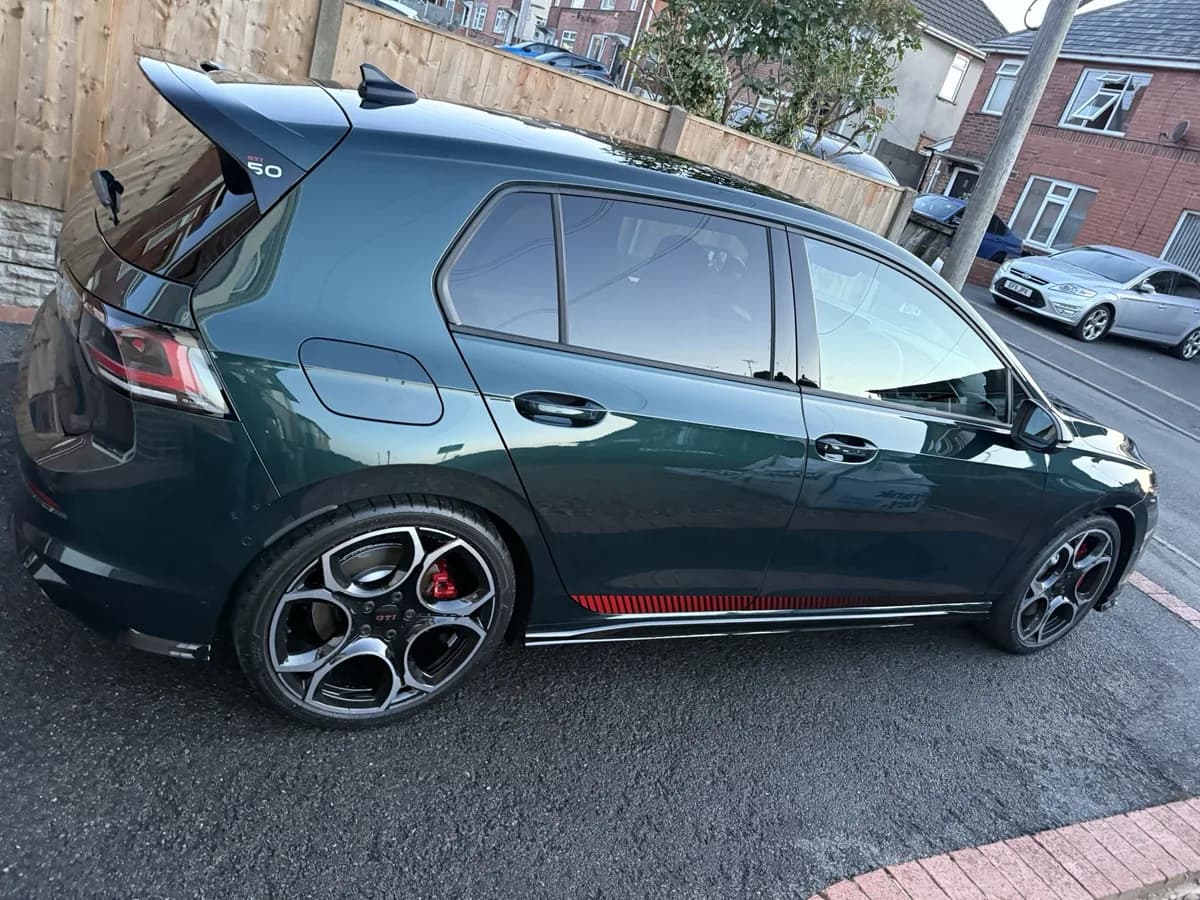
2020

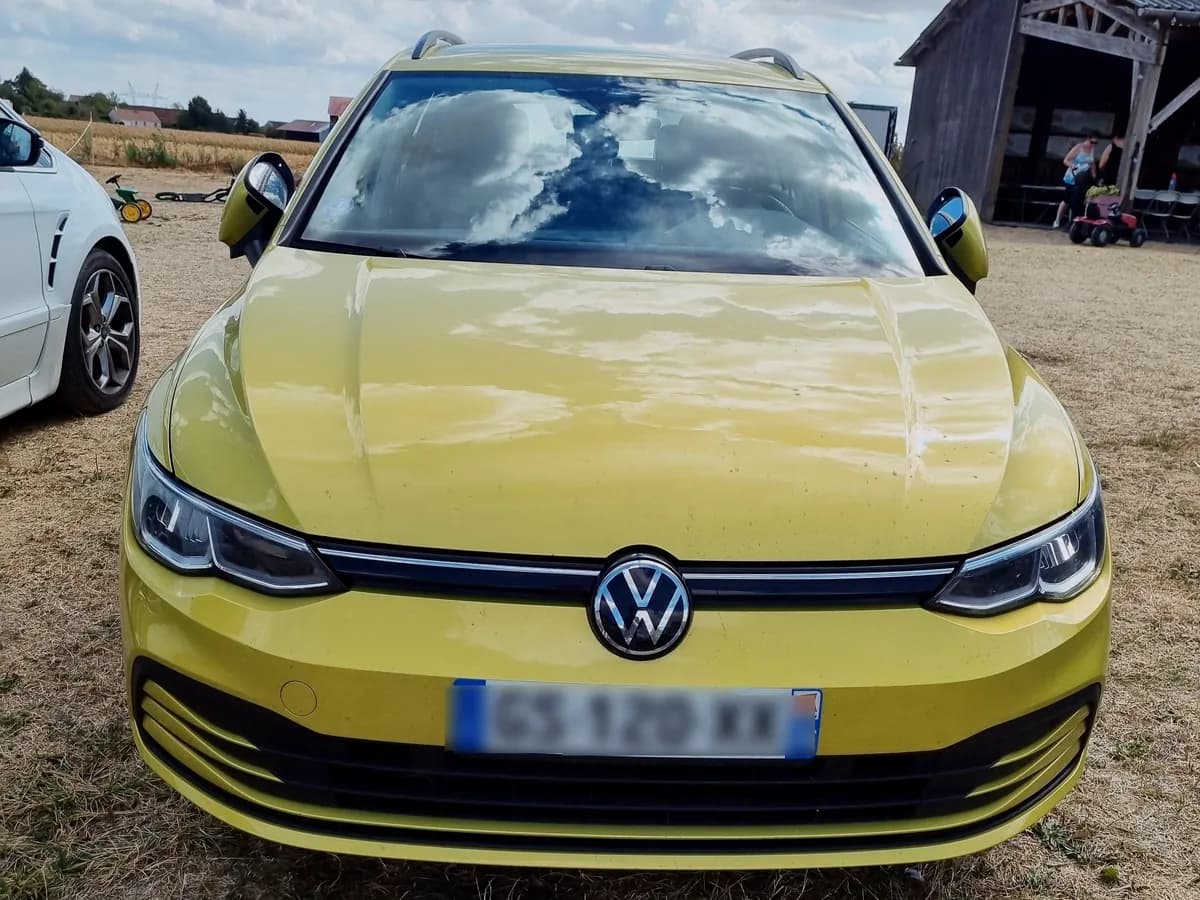
2017
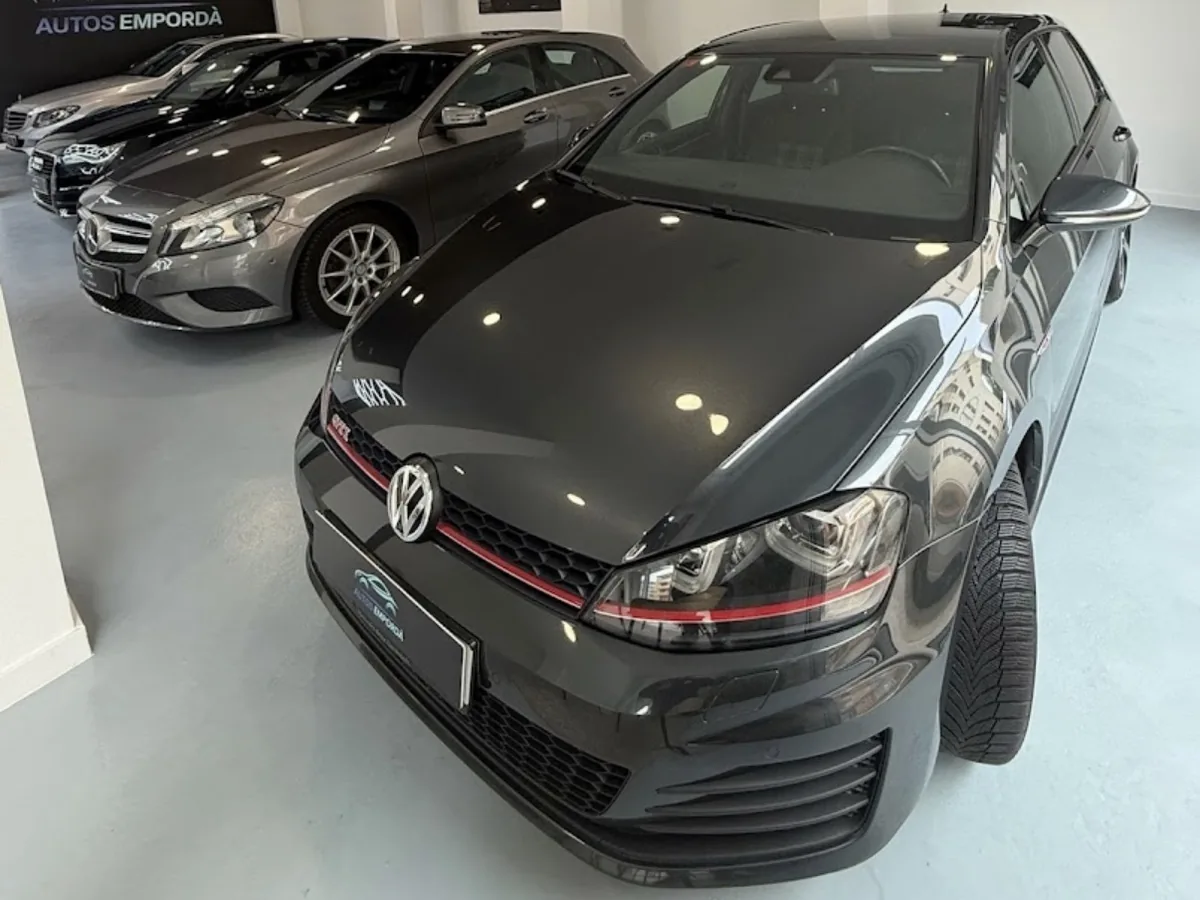
2015
2014
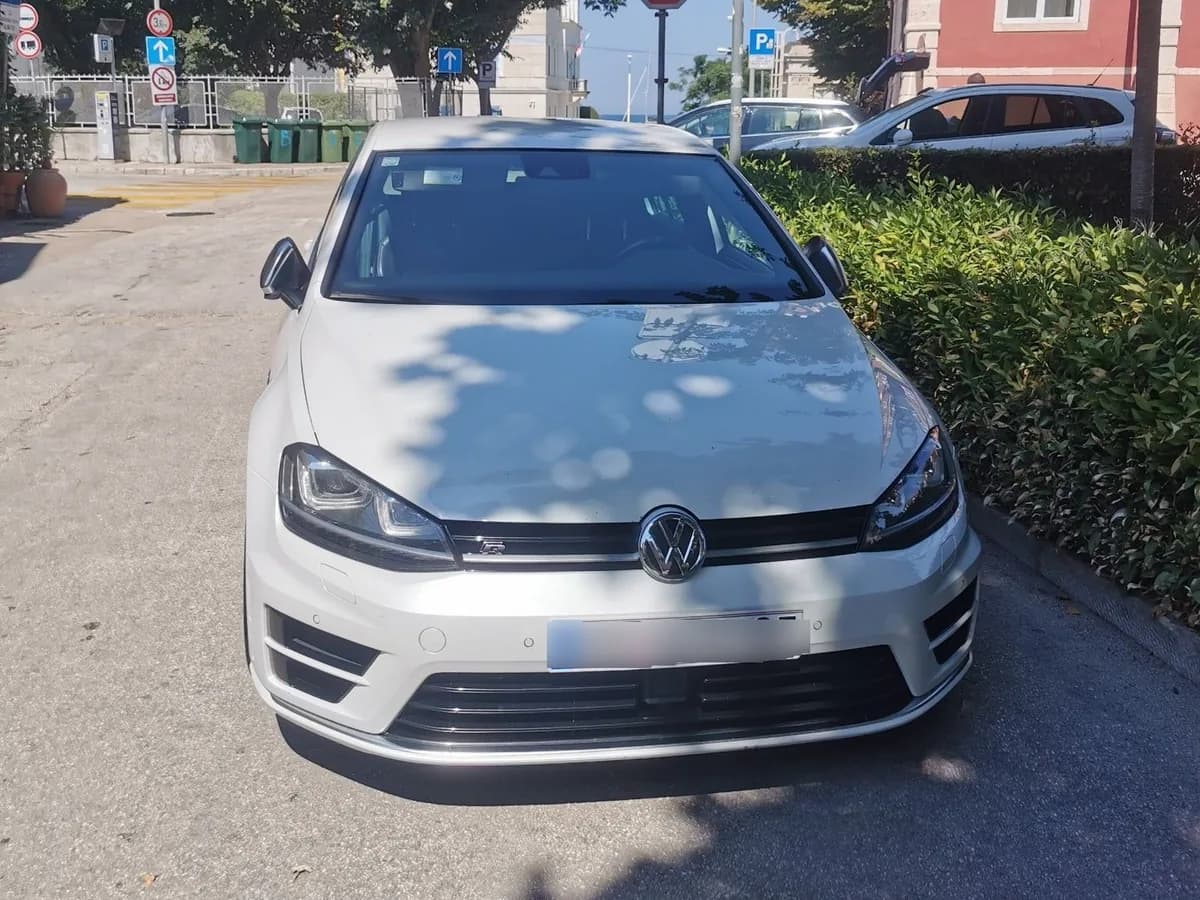
2013
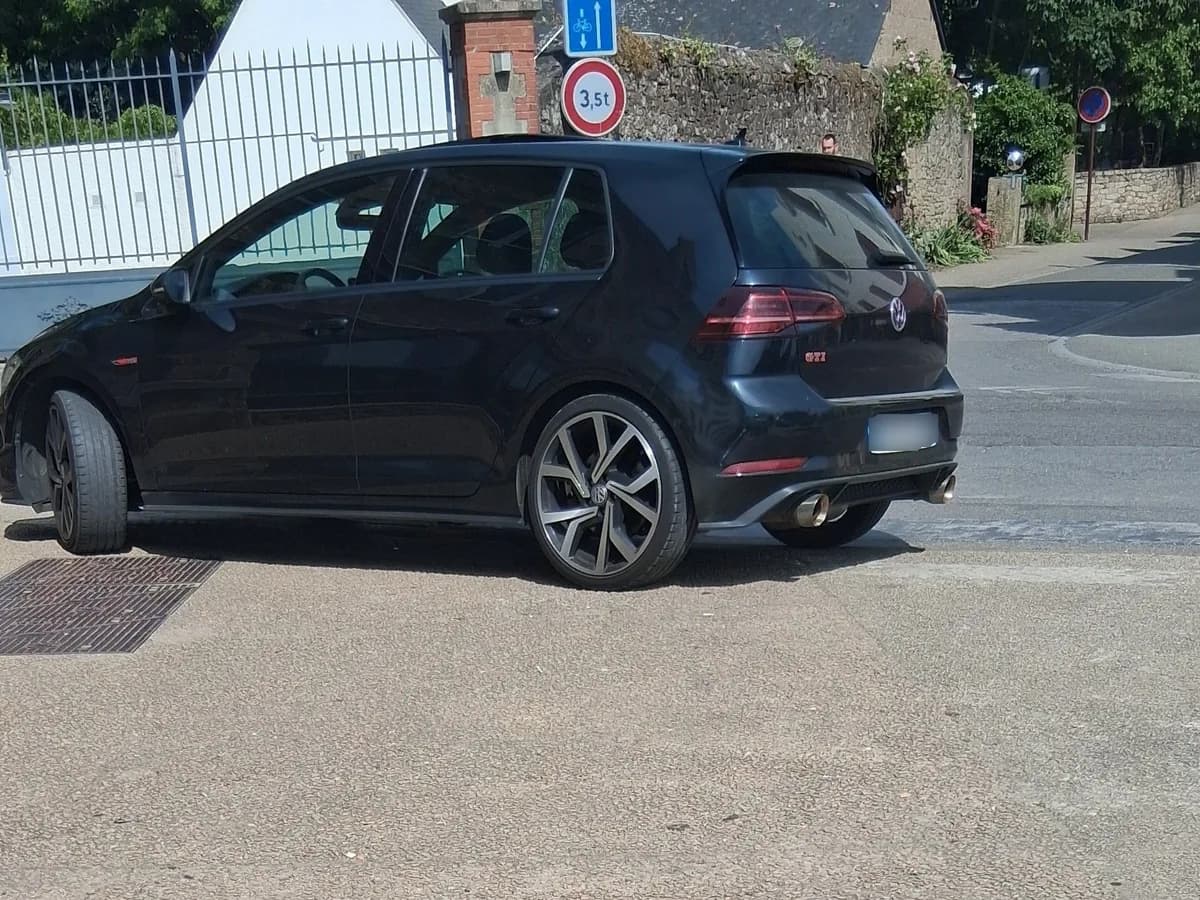 R
R2012
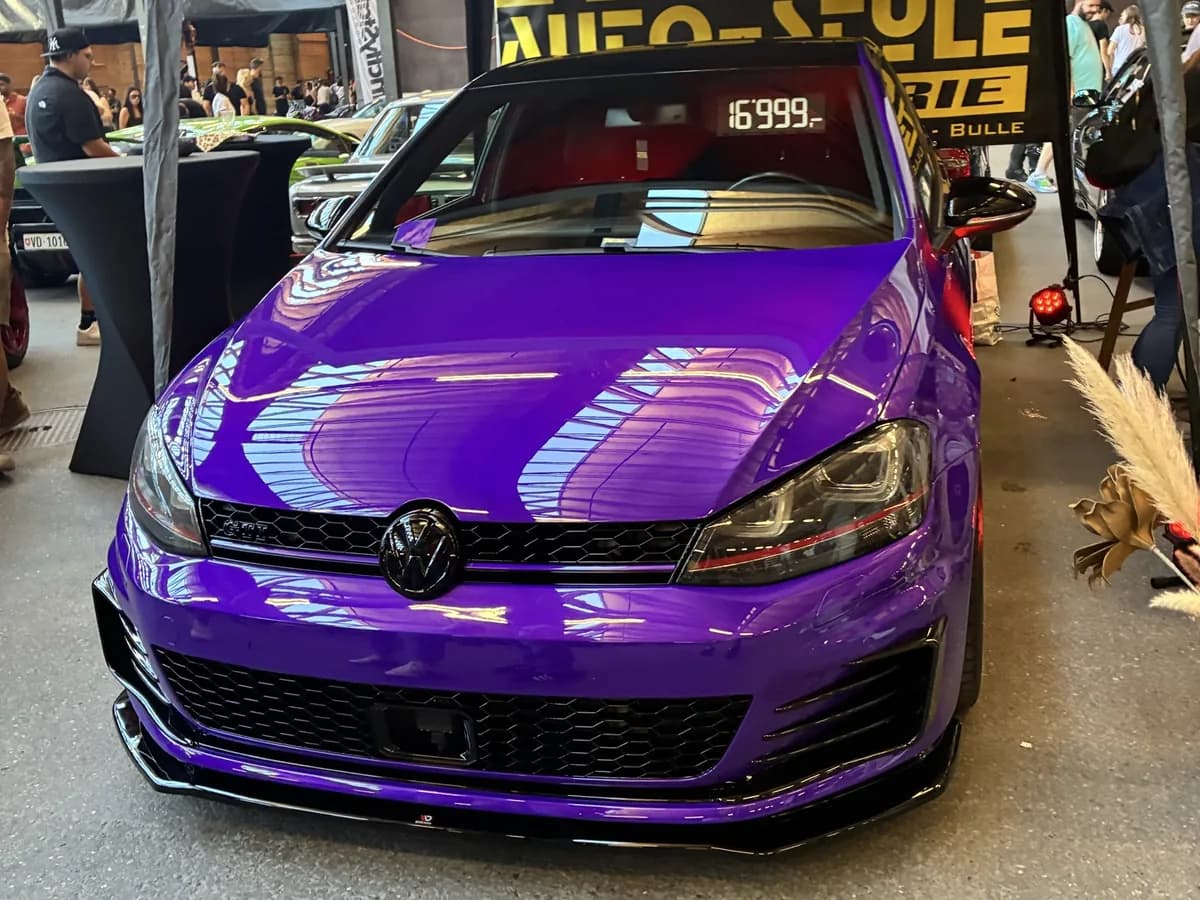
2011
2009
2008
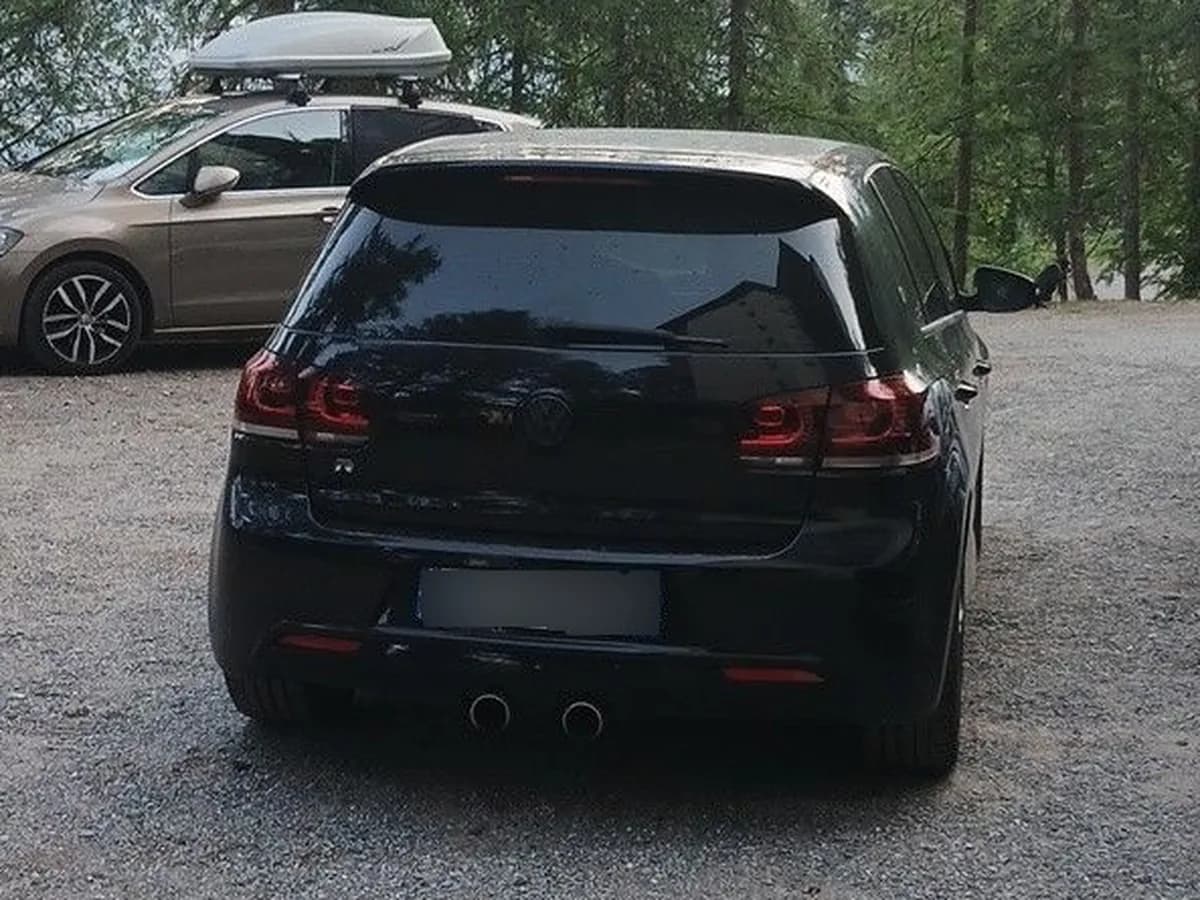
2007
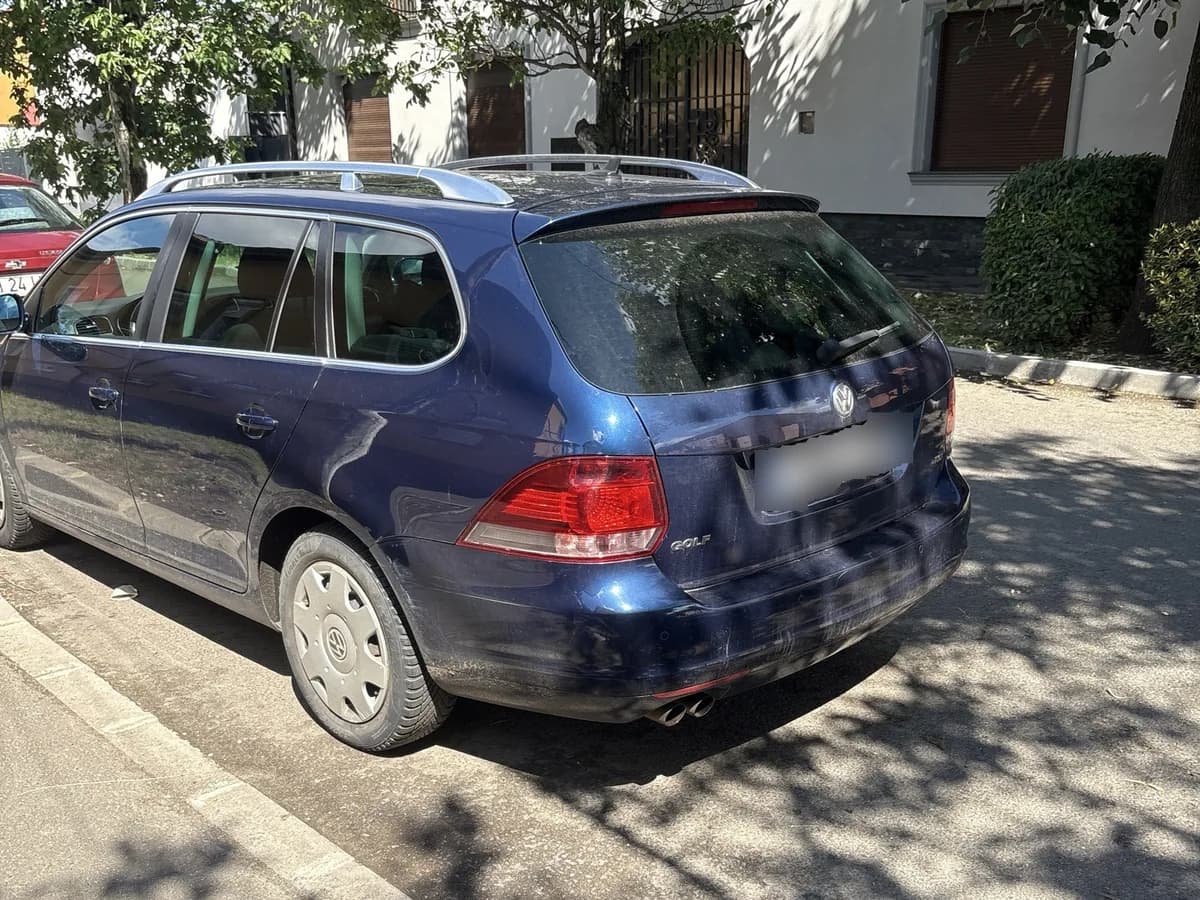 C
C2003
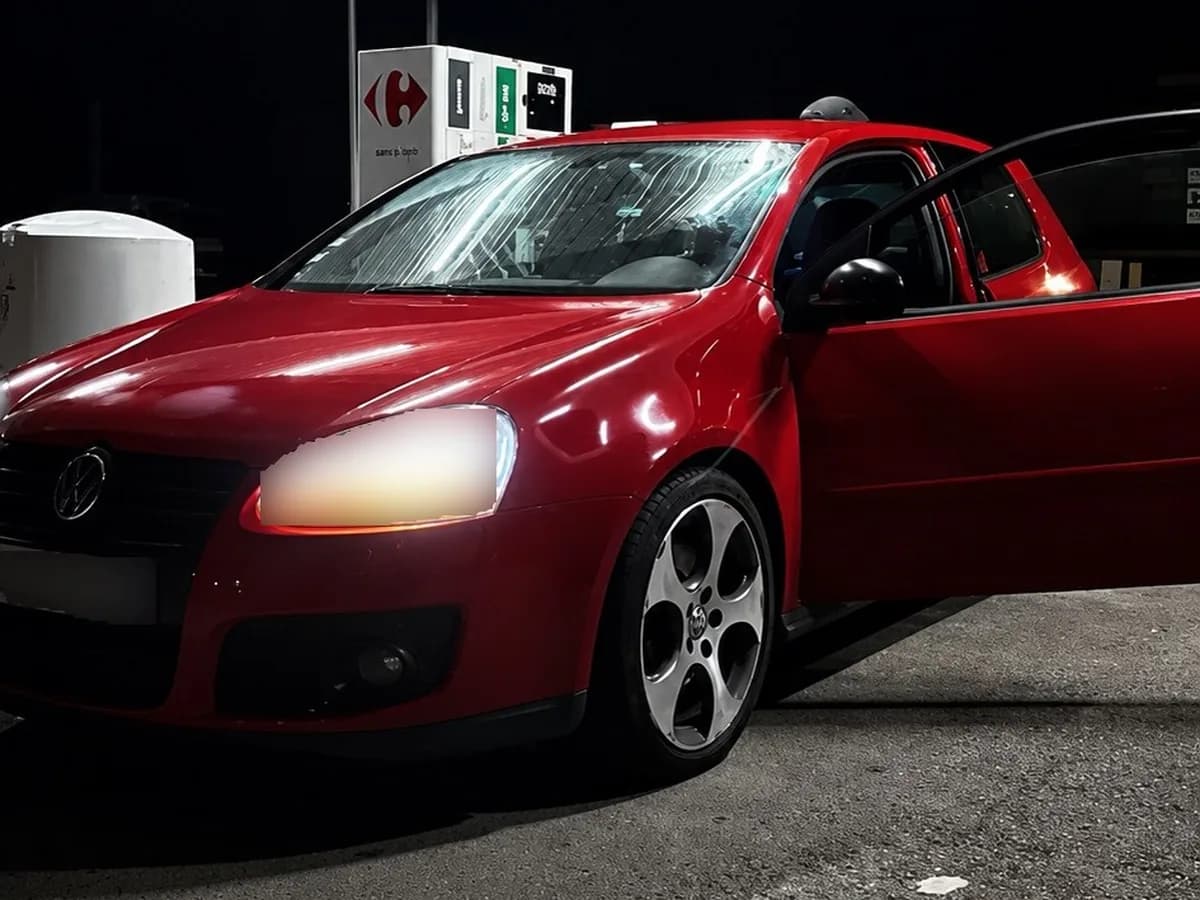
2002
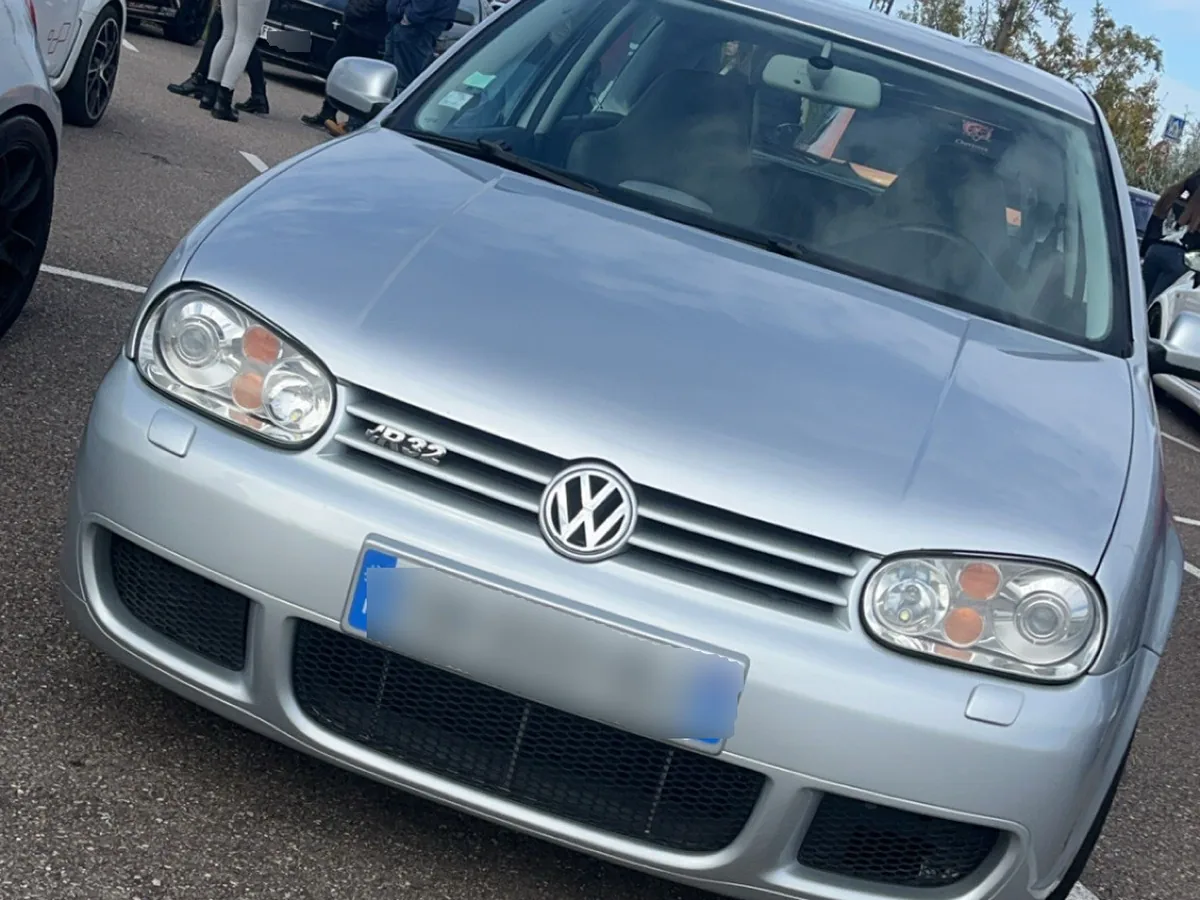
1999

1998

1997
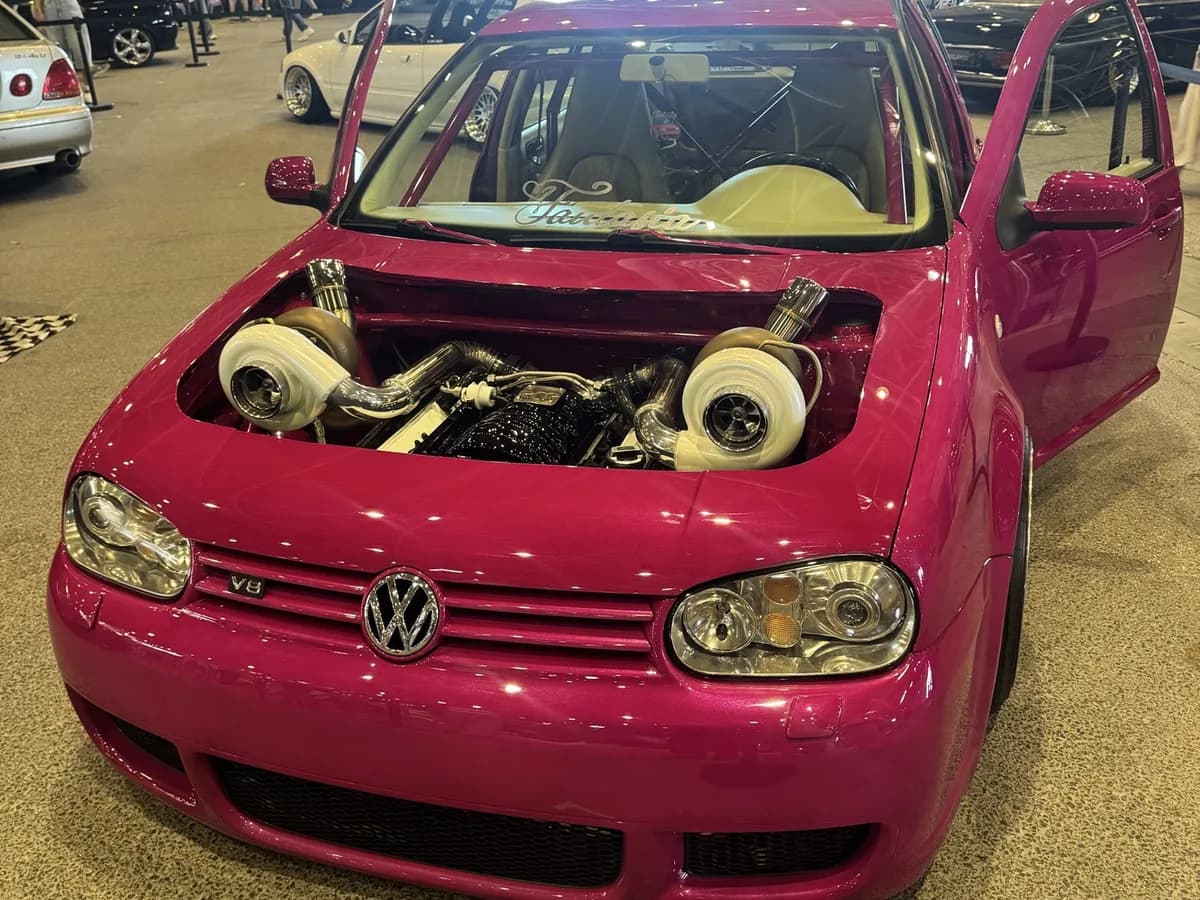
1994
1993
1992

1991
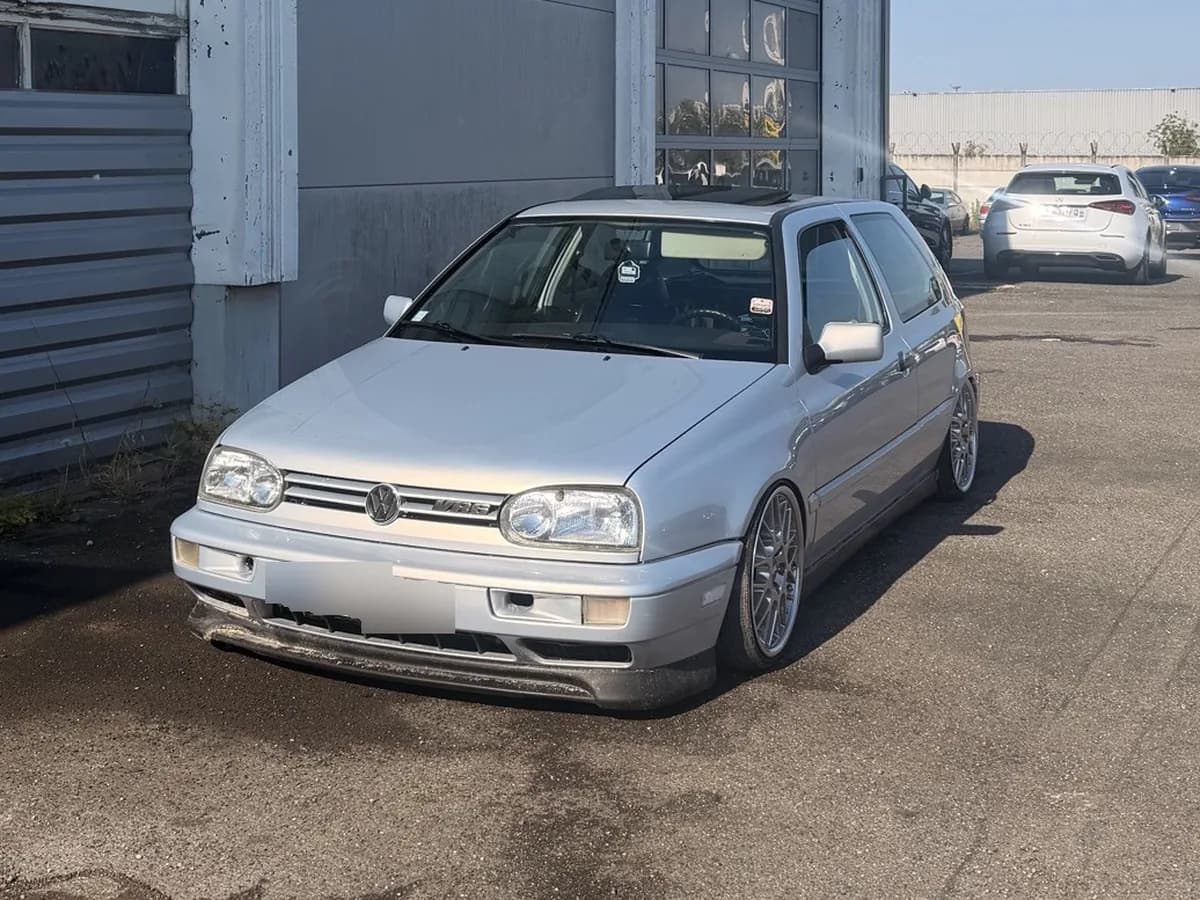
1989
1983

1979

1976

1974
Model summary
Data from the ScanRacer library, organized to compare versions quickly.
Model introduction
Series production of the Volkswagen Golf began at Wolfsburg on March 29, 1974. It replaced the Beetle with a markedly different layout: a transversely mounted front engine, front-wheel drive, a hatchback body and a folding rear seat. That compact and practical formula quickly established a new benchmark in its class. Volkswagen says more than 37 million Golfs have been sold across eight generations, making it the brand’s best-selling model and one of Europe’s most successful cars. Over time, the range expanded far beyond the original hatchback to include GTI, Cabriolet, Variant, Alltrack and e-Golf derivatives. The current eighth-generation Golf received a substantial update for the model’s 50th anniversary in 2024. In 2025, Volkswagen also announced the Golf GTI Edition 50, an anniversary model intended to mark five decades of the GTI performance line.
History
The Golf emerged during a major transition for Volkswagen. After the extraordinary success of the Beetle, the company moved toward a front-engine, front-wheel-drive layout, a concept already introduced by the Passat and Scirocco. Designed by Giorgetto Giugiaro together with Volkswagen, the first Golf combined a sharply styled body with a practical hatchback and folding rear seat. It reached one million vehicles in 1976, and first-generation production eventually exceeded 6.99 million units when certain derivatives were included. The Golf II, built from 1983 to 1991, retained the basic formula while progressively adding equipment such as ABS, a regulated catalytic converter and four-wheel drive. The Golf III, launched in 1991, brought a major safety step with front airbags, followed by side airbags. The Golf IV, introduced in 1997, raised perceived quality and brought ESP into the model’s development story. The Golf V and VI, launched in 2003 and 2008 respectively, advanced body rigidity, comfort, electronic assistance systems and DSG transmissions. The Golf VII, unveiled in 2012, reduced weight by up to 100 kg compared with its predecessor and expanded its driver-assistance technology. The Golf VIII, presented in 2019, introduced mild-hybrid and plug-in-hybrid powertrains to the range. For 2024, Volkswagen updated the infotainment system, assistance features and selected powertrains as part of the model’s 50th-anniversary program.
Generations
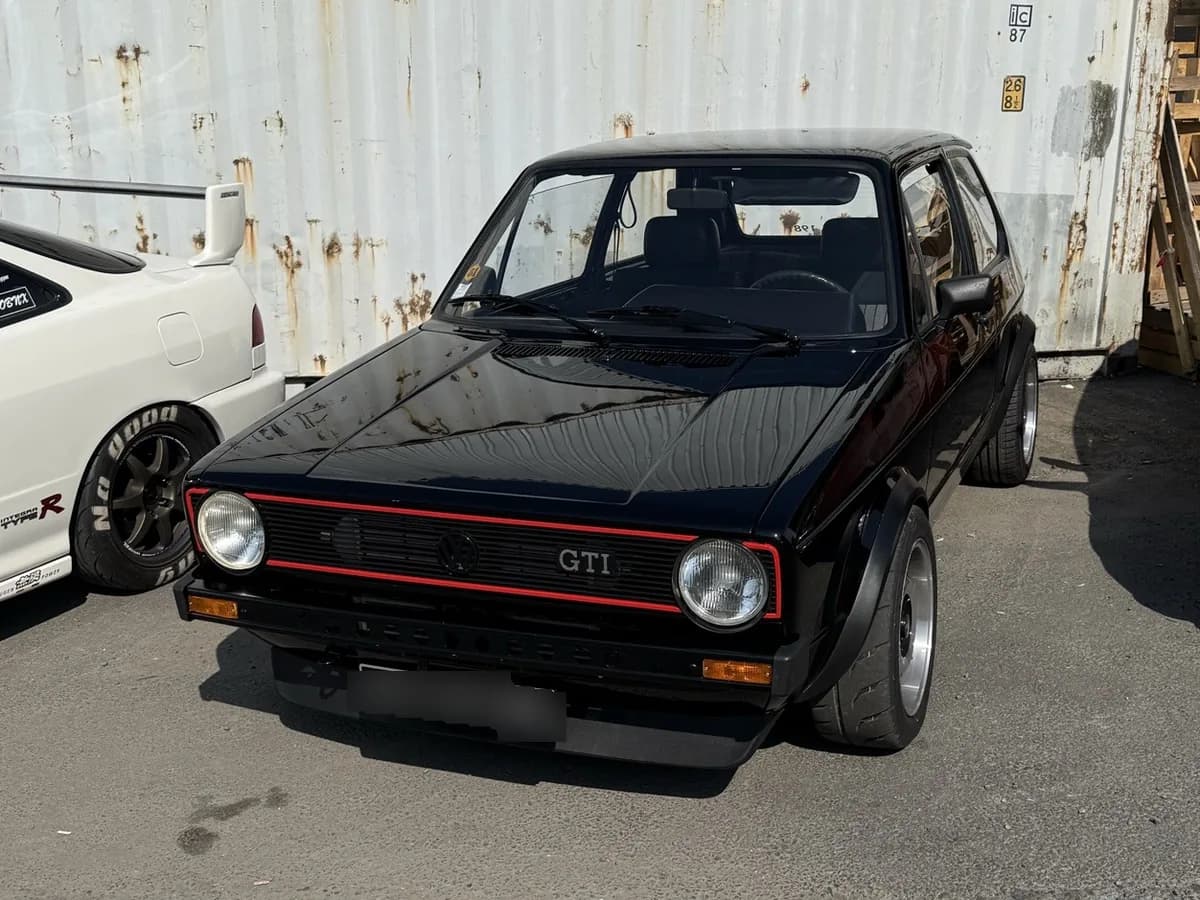
The Golf I is generally dated from 1974 to 1983. It is identified by straight-edged styling, a simple front end and a substantial rear pillar. Its design prioritizes usable interior space and everyday practicality rather than exterior size. The Golf II, from 1983 to 1991, is larger and more rounded, with broader glazing and a more mature presentation. The Golf III, from 1991 to 1997, adopts softer surfaces and front lamps integrated into a narrow grille. The Golf IV, from 1997 to 2003, returns to a cleaner appearance, with many versions using separate headlamp and indicator sections and a more upmarket interior. The Golf V, from 2003 to 2008, can be recognized by its taller front end and more pronounced rear pillars. The Golf VI, from 2008 to 2012, substantially modernizes the lighting and dashboard while retaining much of the previous generation’s basic profile. The Golf VII, from 2012 to 2020, introduces a more horizontal design and a lighter body structure. The Golf VIII, launched in 2019 and represented in recent model years, is distinguished by slim lighting units, flush-style door handles on some versions and a screen-focused interior. These dates are generation-level reference points; sales periods could differ between markets and body styles.
Key differences
The main differences between Golf versions begin with body style. The Hatch retains the compact hatchback format that defines the model. The Variant uses an extended rear body and places greater emphasis on luggage capacity. The Cabrio is an open-top derivative of the Golf, although its production history spans several generations with distinct engineering choices. The Alltrack has a more crossover-oriented appearance, increased ride height and, depending on market, four-wheel drive. Mechanical and functional differences are equally important. The GTI emphasizes performance and uses dedicated chassis tuning, styling and powertrains. The e-Golf replaces the combustion engine with an electric drivetrain. The Citi Golf Sedan is a regional derivative that differs from the conventional European hatchback. The Country name also refers to a specialized and relatively uncommon member of the Golf family. Model names should not be treated as universal specifications. Equipment, engines, transmissions and even body details can vary according to country, production year and trim level. A precise comparison therefore requires the exact generation, market and model year rather than the badge alone.
Photo recognition
To identify a Golf, start with the overall silhouette and the design of the rear pillar, two features that changed with every generation. The Golf I has very angular bodywork, simple headlamps and a thick C-pillar. The Golf II looks wider and rounder. The Golf III uses softer surfaces and integrated lamp units. The Golf IV can often be recognized by its multi-section headlamps and more upmarket appearance. The Golf V has a taller front end and more pronounced side lines. The Golf VI resembles an evolution of the Golf V, but uses redesigned headlamps and rear lamps. The Golf VII has a more horizontal shoulder line and a stretched-looking front end. The Golf VIII is identified by slim lighting elements, digital signatures and a dashboard dominated by display screens. For derivatives, look for the extended rear body of the Variant, the convertible roof of the Cabrio, the protective exterior trim of the Alltrack, GTI badging and the dedicated details of the e-Golf. Badges, bumpers and lamps can be replaced or modified, so identification should combine several clues rather than rely on one emblem.
Important versions
The GTI is the defining performance version of the Golf family. Volkswagen dates the first GTI to 1976 and says that more than 2.5 million GTI cars have been produced to date. Announced in June 2025, the Golf GTI Edition 50 produces 239 kW, or 325 PS, and 420 Nm; production was scheduled to begin at the end of 2025 for deliveries in 2026. The Cabrio represents the open-top derivative, while the Variant focuses on additional luggage space. The Alltrack, represented here for 2015-2020, gives the Variant a more crossover-oriented character. The e-Golf Hatch represents Volkswagen’s electric interpretation of the Golf and appears in the supplied corpus for 2014. The Citi Golf Sedan and Country are more regional or specialized derivatives and should be assessed separately from the mainstream European hatchback versions.
The name “Golf” follows Volkswagen naming, with its rules and its exceptions. Decode a Volkswagen name
References
- The history of the GolfVolkswagen Newsroom
- Eight generations in 50 years: the year 2024 is all about the Golf at VolkswagenVolkswagen Newsroom
- A world bestseller celebrates its 50th birthdayVolkswagen Newsroom
- 50 years of the Golf: the exclusive Edition 50 model marks start of pre-salesVolkswagen Newsroom
- Golf GTI EDITION 50 – Volkswagen presents the most powerful production GTIVolkswagen Newsroom
- https://www.volkswagen-newsroom.com/en/the-new-golf-das-auto-international-driving-presentation-2797/the-new-golf-retrospective-history-of-the-golf-2852volkswagen-newsroom.com
- https://www.volkswagen-newsroom.com/en/press-releases/golf-gti-edition-50-volkswagen-presents-the-most-powerful-production-gti-19393/downloadvolkswagen-newsroom.com
- https://www.volkswagen-newsroom.com/en/press-releases/new-golf-gti-edition-50-is-the-fastest-volkswagen-production-model-on-the-nordschleife-track-19385volkswagen-newsroom.com
Frequently asked questions
- What years was the Volkswagen Golf produced?
- ScanRacer's referenced versions cover 1974 - 2025.
- How many Volkswagen Golf examples are documented on ScanRacer?
- 85 published scans from 55 members, with the latest photo added in September 2026.