
Tacoma
Introduced in North America for the 1995 model year, the Toyota Tacoma replaced the pickup previously sold as the Toyota Truck. Its market position evolved over time: the first generation was classified as a compact pickup, while the 2005 redesign moved the model into the midsize segment. Across these years, Tacoma buyers could choose among different cab layouts, bed lengths, drivetrains, and equipment packages. Names such as PreRunner, X-Runner, and TRD became important parts of the model’s identity, especially for buyers interested in off-road use or street-oriented performance. The period covered here runs from 1995 through 2023 and includes the first three Tacoma generations. The third generation arrived for 2016 with a substantially updated design and powertrain strategy, while retaining the body-on-frame pickup format associated with the model. (pressroom.toyota.com)
Variants by year
2023
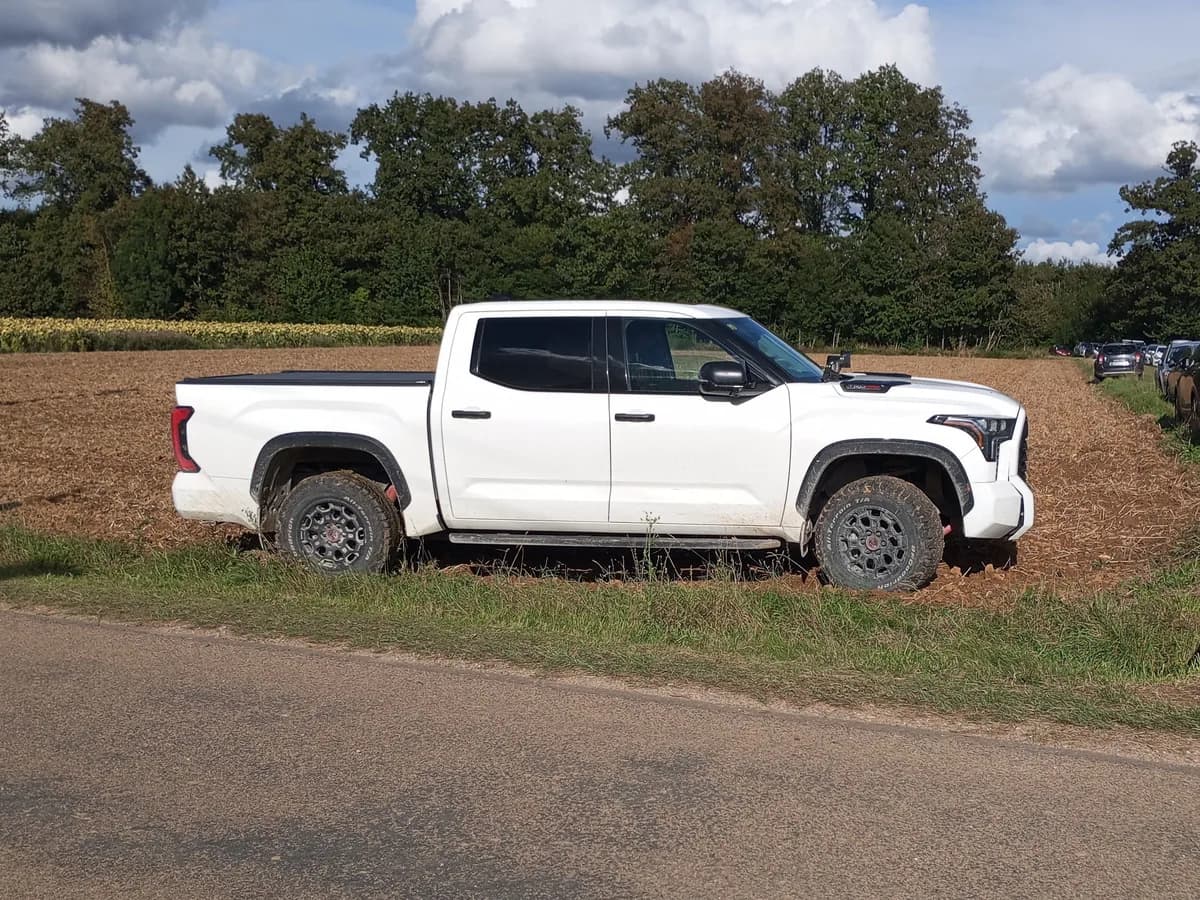
2016

2005
1995
Model summary
Data from the ScanRacer library, organized to compare versions quickly.
Model introduction
Introduced in North America for the 1995 model year, the Toyota Tacoma replaced the pickup previously sold as the Toyota Truck. Its market position evolved over time: the first generation was classified as a compact pickup, while the 2005 redesign moved the model into the midsize segment. Across these years, Tacoma buyers could choose among different cab layouts, bed lengths, drivetrains, and equipment packages. Names such as PreRunner, X-Runner, and TRD became important parts of the model’s identity, especially for buyers interested in off-road use or street-oriented performance. The period covered here runs from 1995 through 2023 and includes the first three Tacoma generations. The third generation arrived for 2016 with a substantially updated design and powertrain strategy, while retaining the body-on-frame pickup format associated with the model. (pressroom.toyota.com)
History
The Tacoma appeared in 1995 as Toyota’s new name for its North American pickup truck. Rather than simply continuing the previous model, Toyota placed greater emphasis on ride comfort, handling, and safety while maintaining a range suited to work and recreational use. The first generation was offered with several cab and bed configurations, along with four-cylinder and V6 engines depending on the model year and specification. (pressroom.toyota.com) The second generation arrived for 2005. It was larger and more modern, with the Double Cab configuration, four-wheel-drive availability, and versions aimed at different types of buyers. The X-Runner took a street-performance approach, while the PreRunner used a raised, off-road-inspired stance without necessarily including four-wheel drive. Later years brought styling revisions, equipment updates, and changes to the trim structure. (pressroom.toyota.com) The third generation debuted for 2016. Toyota revised the styling, frame, suspension, and engine lineup, including a 3.5-liter V6 using the company’s D-4S injection system. TRD versions continued to emphasize off-road capability, while updates from 2017 through 2023 focused mainly on equipment, driver-assistance technology, trim changes, and special editions rather than another full redesign. (pressroom.toyota.com)
Generations
The first generation covers the 1995 through 2004 model years. It is generally identified by its relatively compact proportions, straightforward styling, and Regular Cab or XtraCab body styles. Two-wheel-drive and four-wheel-drive versions can differ in ride height, bumpers, and front-end details. Mid-cycle updates changed grilles, lamps, and other body components, so a single visual feature should not be used by itself to determine the model year. (pressroom.toyota.com) The second generation spans 2005 through 2015. It brought a larger body and expanded use of the Double Cab configuration. X-Runner, PreRunner, and TRD versions gave the generation several distinct personalities, from street-oriented performance to off-road equipment. The refreshed 2012-2015 trucks can be separated from earlier examples by their front styling and revised equipment details. (pressroom.toyota.com) The third generation covers 2016 through 2023. Its design is more angular, with a taller grille, stronger wheel-arch treatment, and a more pronounced off-road visual theme. It introduced a new 3.5-liter V6 and received equipment and trim updates throughout its run. TRD Off-Road and TRD Pro models are typically distinguished by dedicated suspension components, protective hardware, wheels, graphics, and other off-road-oriented details. (pressroom.toyota.com)
Key differences
Generational differences are easiest to see in the truck’s proportions. A 1995-2004 Tacoma generally looks narrower and lower than a 2005-2015 model, while the third generation uses a taller front end and a more heavily sculpted body. Cab configuration adds complexity: Regular Cab, XtraCab, and Double Cab trucks do not share exactly the same profile. (pressroom.toyota.com) Mechanically, the second generation expanded the range with a 4.0-liter V6, while the third generation introduced a 3.5-liter V6 using Toyota’s D-4S injection system. TRD names do not identify separate generations; they refer to equipment packages or specialized versions whose content changed by model year. The PreRunner should also be separated from a true four-wheel-drive truck by checking the drivetrain rather than relying only on its raised stance or exterior appearance. (kbb.com)
Photo recognition
When identifying a Tacoma, start with the cab and bed configuration rather than the badges. First-generation trucks usually have compact proportions and a Regular Cab or XtraCab layout. Second-generation models look larger, especially in Double Cab form; the X-Runner has a lower, street-oriented appearance, while the PreRunner uses a raised stance. TRD badges can provide useful clues, but they are not enough on their own to establish the model year. (pressroom.toyota.com) For 2016-2023 trucks, look for the tall grille, swept lamp shapes, and more pronounced body contours. A TRD Pro may add dedicated off-road styling, protective equipment, wheels, or suspension components, but the exact details vary by year. The most reliable identification method combines the front-end design, cab style, wheel pattern, trim badges, and vehicle identification number. Comparing photographs is especially helpful because Toyota introduced several mid-cycle revisions during the third generation. (pressroom.toyota.com)
Important versions
Among the notable versions, the Tacoma Base trim represents the entry point in the supplied coverage and runs from 1995 through 2023. PreRunner models popularized a raised, two-wheel-drive configuration, while the X-Runner gave the second generation a more street-focused performance identity. TRD Off-Road and TRD Pro versions are especially important to the Tacoma’s off-road story, although their equipment changed from one model year to another. Double Cab configurations and the available bed lengths also had a major effect on the truck’s practicality, proportions, and intended use. (pressroom.toyota.com)
References
- 1995.5-2001 Toyota Tacoma [First Generation]Toyota USA Newsroom
- 2005-2007 Toyota Tacoma [Second Generation]Toyota USA Newsroom
- 2012-2015 Toyota Tacoma [Second Generation]Toyota USA Newsroom
- 2016-2017 Toyota TacomaToyota USA Newsroom
- The Tacoma Dynasty Rolls OnToyota USA Newsroom
- 2023 Toyota TacomaToyota USA Newsroom
- Toyota Tacoma Generations, Editions, Engines, and Buying TipsKelley Blue Book
- Toyota Tacoma GenerationsiSeeCars
Technical specifications
Structured data available for versions linked to this model.
| Version | Power | Torque | Top speed | Drivetrain | Fuel |
|---|---|---|---|---|---|
| Base | 176 KW @ 5200 RPM236 HP @ 5200 RPM236 BHP @ 5200 RPM | 266 lb-ft @ 3800 RPM361 Nm @ 3800 RPM | — | Rear Wheel Drive / 6-Speed manual | Gasoline |
Frequently asked questions
- What years was the Toyota Tacoma produced?
- ScanRacer's referenced versions cover 1995 - 2023.
- How many Toyota Tacoma examples are documented on ScanRacer?
- 5 published scans from 3 members, with the latest photo added in September 2026.
- What is the power output of the Toyota Tacoma?
- The sourced technical data lists 176 KW @ 5200 RPM236 HP @ 5200 RPM236 BHP @ 5200 RPM.