
Corolla
Launched in Japan in November 1966, the Toyota Corolla was developed as a compact family car for the growing private-car market. Positioned between the Publica and the Corona, it combined affordability, economy, comfort, and enough performance for Japan’s expanding expressway network. Its career later spread across numerous markets and body styles, including sedans, coupes, wagons, vans, liftbacks, hatchbacks, and, more recently, the high-performance GR Corolla. The nameplate has therefore never represented one completely uniform vehicle worldwide. Model names, engines, transmissions, equipment, and production dates can vary considerably between Japan, Europe, North America, and other regions. Correct identification requires more than reading the badge: the generation, body style, market, and production period all matter. That regional variety is one of the defining characteristics of the Corolla’s long history.
Variants by year
2022
2019
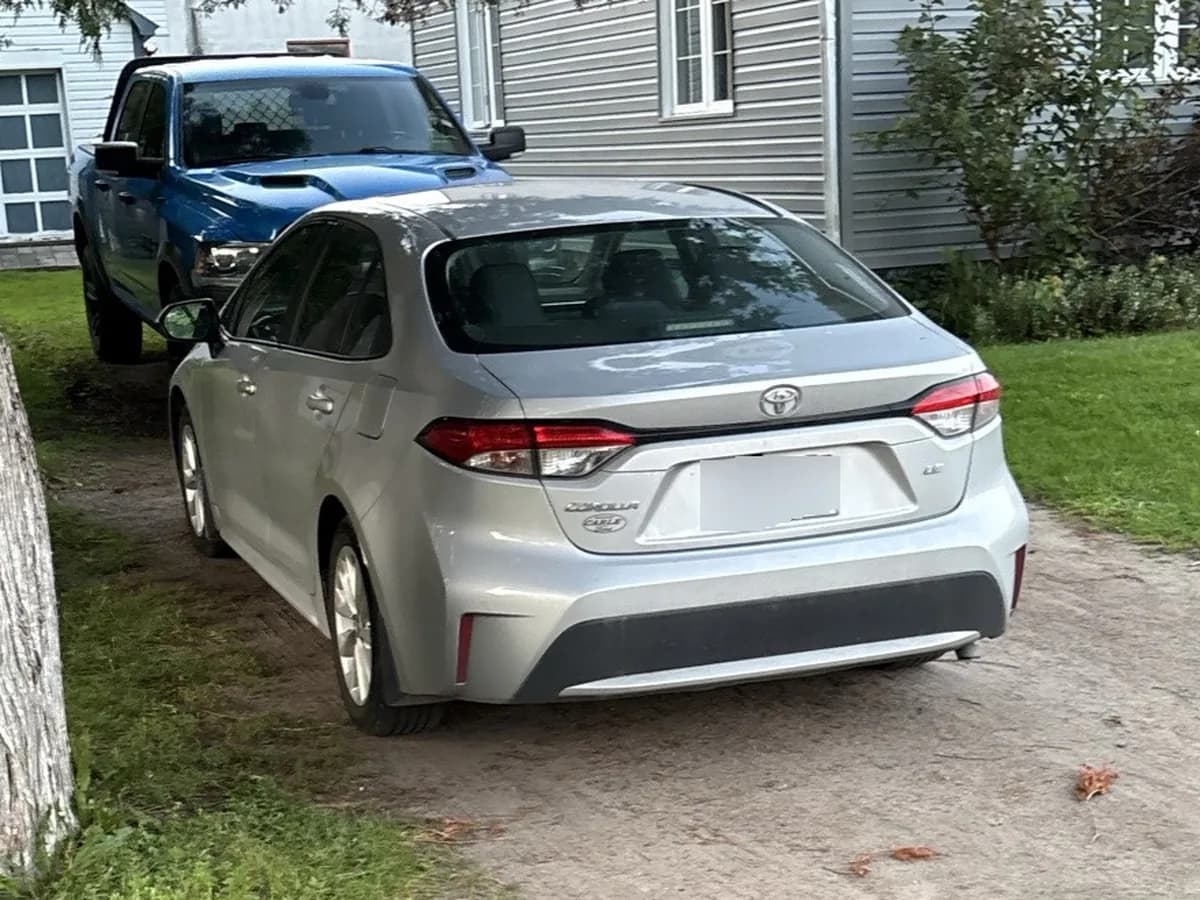

2018
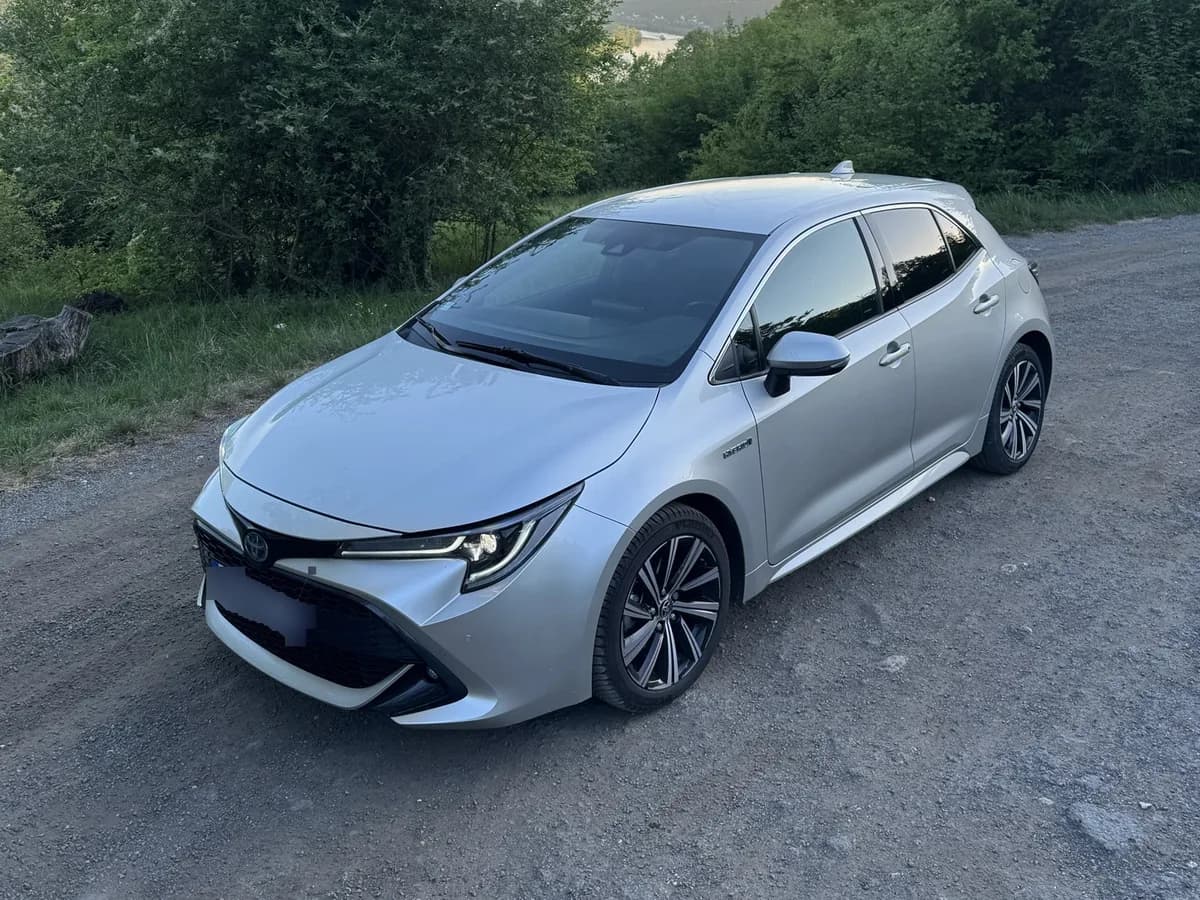
2015
2013
2012
2009
2008
2007
2006
2002
2001
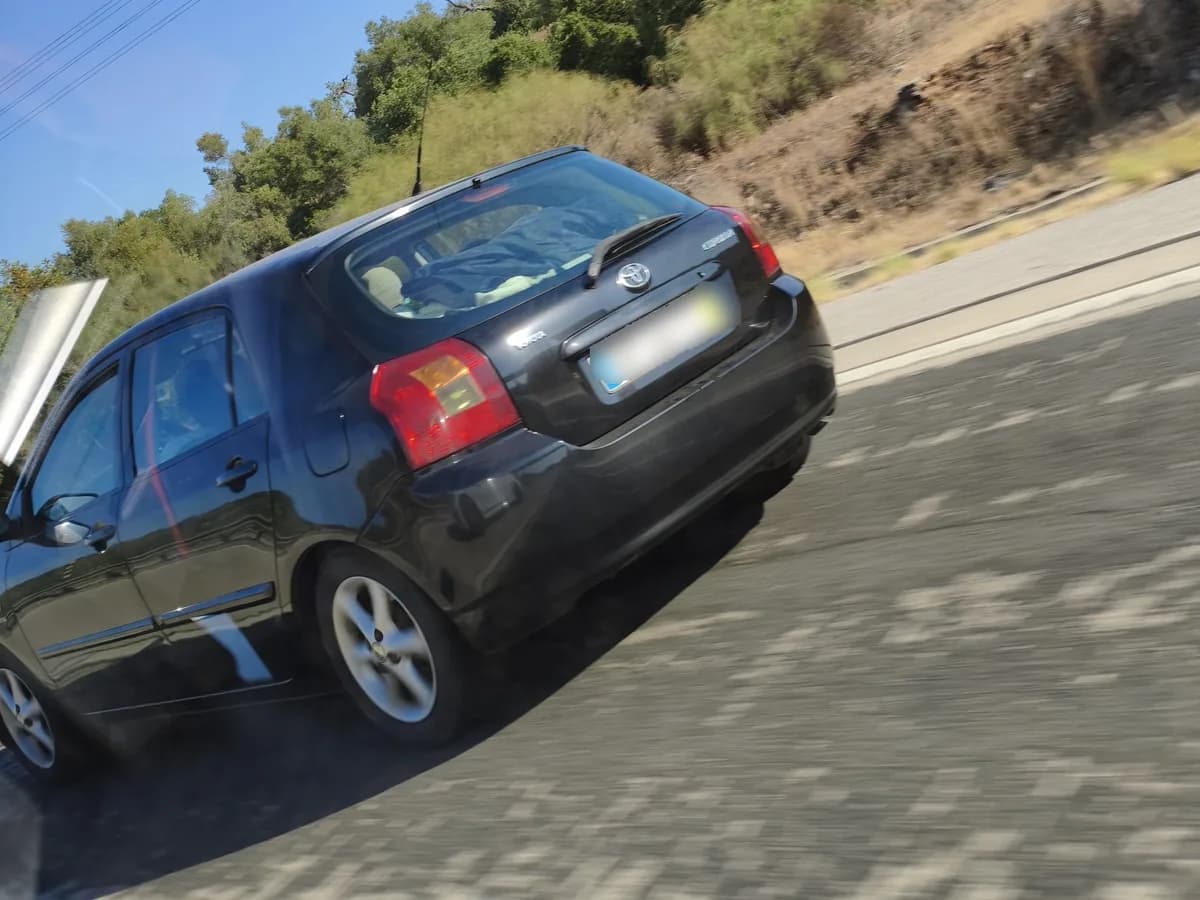 C
C2000
1997
1995
1992
1991
1988
1987
1983
1979
1975
1974
1970
1966
Model summary
Data from the ScanRacer library, organized to compare versions quickly.
Model introduction
Launched in Japan in November 1966, the Toyota Corolla was developed as a compact family car for the growing private-car market. Positioned between the Publica and the Corona, it combined affordability, economy, comfort, and enough performance for Japan’s expanding expressway network. Its career later spread across numerous markets and body styles, including sedans, coupes, wagons, vans, liftbacks, hatchbacks, and, more recently, the high-performance GR Corolla. The nameplate has therefore never represented one completely uniform vehicle worldwide. Model names, engines, transmissions, equipment, and production dates can vary considerably between Japan, Europe, North America, and other regions. Correct identification requires more than reading the badge: the generation, body style, market, and production period all matter. That regional variety is one of the defining characteristics of the Corolla’s long history.
History
The first Corolla appeared in 1966, as Japan entered a period of rapid economic growth and expanding private-car ownership. Toyota wanted to offer more than the basic simplicity of the Publica, creating a compact family car with broader everyday appeal. Development was led by Tatsuo Hasegawa and followed the “80 points plus alpha” philosophy: the car should deliver balanced competence across many areas rather than excel in only one. The original sedan used a 1,100 cc engine, a four-speed manual gearbox with floor-mounted shift, and a more expressive design than a purely utilitarian vehicle. The Corolla became international very quickly. Toyota began exporting it to Australia in 1966 and to North America in 1968, while production expanded to several overseas locations. Successive generations added coupes, wagons, vans, liftbacks, and sporting derivatives. The fifth generation, introduced in 1983, brought a major technical change for the family models by moving to front-wheel drive, while the sporty coupe retained rear-wheel drive. During the 1990s and 2000s, Toyota adapted Corolla body styles and specifications to regional expectations. The twelfth generation continued that approach with separate global designs and hybrid powertrains in selected markets. In 2022, the GR Corolla gave the long-running nameplate a much more performance-focused interpretation.
Generations
Toyota’s official global history identifies eleven Corolla generations from 1966 through 2016. The first generation, produced from 1966 to 1970, was a front-engine, rear-wheel-drive compact that began as a sedan before expanding into additional body styles. The second generation, sold from 1970 to 1974, broadened the range and introduced another coupe. The third generation arrived in 1974 with increased dimensions, partly to accommodate changing emissions and collision-safety requirements. The fourth generation, launched in 1979, used straighter body lines and offered an unusually broad selection of sedans, coupes, liftbacks, and vans. The fifth generation, introduced in 1983, moved the family models to front-wheel drive, while the sporty coupe retained rear-wheel drive. The sixth and seventh generations, launched in 1987 and 1991, pursued a more substantial and upmarket character. The eighth generation, released in 1995, placed greater emphasis on environmental performance, safety, and ownership cost. From the ninth generation onward, Toyota increasingly tailored Corolla body styles to individual markets, including sedans, wagons, and compact hatchback-related models. The twelfth generation arrived in the late 2010s on Toyota’s TNGA platform. European versions included hatchback, sedan-related offerings, Touring Sports, and hybrid variants. In 2022, the GR Corolla used the hatchback’s basic structure in a much wider, motorsport-influenced five-door performance model.
Key differences
Corolla differences are not defined only by model year or trim level. Body style is often the first useful separator: a four-door sedan, wagon or Touring Sports, hatchback, coupe, liftback, and van may belong to closely related generations while serving very different purposes. The fifth generation is especially significant because its family models moved to front-wheel drive, whereas the sporty coupe retained rear-wheel drive. The original market also has a major effect on identification. A Japanese Corolla may use a body-style name or grade that was never offered in Europe, while a North American model can have different styling, equipment, and powertrain choices. Hybrid availability and model years also vary by region. The twelfth generation demonstrates this market segmentation clearly: hatchback, sedan, and European wagon versions do not necessarily share identical dimensions, engines, or trim structures. The GR Corolla is a particularly clear outlier within the range. Toyota specified a 1.6-liter turbocharged three-cylinder engine, a six-speed manual transmission, and GR-FOUR all-wheel drive, together with wider bodywork and a motorsport-led chassis focus.
Photo recognition
When identifying an older Corolla, begin with the body style and overall proportions before relying on a trim badge. Early generations have compact dimensions and relatively simple surfacing; the presence of a coupe, liftback, wagon, or van can then narrow the likely period. Fourth-generation cars are often associated with straighter styling and an unusually diverse body lineup. On the fifth generation, the sporty coupe must be separated from the front-wheel-drive family sedans and hatchbacks. Corollas from the 1990s and 2000s generally use smoother shapes, followed by more market-specific designs. A badge such as Axio, Fielder, Levin, Touring Sports, or GR can be valuable, but it should not be used in isolation. Check the headlamp and taillamp shapes, side-window outline, number of doors, license-plate position, and rear overhang. For newer cars, the TNGA-era design language, lighting signature, and the GR Corolla’s wide five-door body are useful clues. A front photograph and a rear photograph are normally needed for a reliable first identification. Market, steering position, and registration documents should be checked before assigning an exact generation or engine.
Important versions
Several Corolla versions are especially important to the nameplate’s story. The original 1966 model established Toyota’s formula for an affordable, well-rounded compact family car. Coupes from the 1970s and 1980s, including Corolla Levin and Sprinter Trueno derivatives in selected markets, gave the Corolla a lasting sporting identity. The fifth generation is another major milestone because the family models moved to front-wheel drive while the sporty coupe retained rear-wheel drive. Wagon and Touring Sports versions demonstrate the model’s practical side, while hybrid variants reflect Toyota’s later emphasis on efficiency. The GR Corolla, unveiled in 2022, is the most extreme interpretation: a 1.6-liter turbocharged engine, six-speed manual transmission, GR-FOUR all-wheel drive, and a widened five-door body. These versions do not replace the traditional family Corolla. Instead, they show how Toyota extended one established nameplate across very different priorities, from economical transportation and carrying capacity to motorsport-inspired performance.
References
- Evolution of Corolla: The concept of the “80 points plus alpha”Toyota Motor Corporation
- 1966: The era of the first-generation CorollaToyota Motor Corporation
- Toyota Corolla: World’s Most Popular CarToyota Motor Corporation
- Performance and Design Highlight the All-New 2020 Toyota CorollaToyota USA Newsroom
- New GR Corolla World PremiereToyota Motor Corporation
- Toyota Automobile Museum: Corolla KE10Toyota Automobile Museum
- https://global.toyota/en/corolla50th/history/global.toyota
- https://global.toyota/en/corolla50th/gallery/global.toyota
Technical specifications
Structured data available for versions linked to this model.
| Version | Power | Torque | Top speed | Drivetrain | Fuel |
|---|---|---|---|---|---|
| — | 138 et 178 chevaux | — | — | Traction avant / CVT | — |
Frequently asked questions
- What years was the Toyota Corolla produced?
- ScanRacer's referenced versions cover 1966 - 2022.
- How many Toyota Corolla examples are documented on ScanRacer?
- 4 published scans from 4 members, with the latest photo added in August 2026.
- What is the power output of the Toyota Corolla?
- The sourced technical data lists 138 et 178 chevaux.