
Celica
Introduced in Japan in 1970, the Toyota Celica was a sporty coupe that followed Toyota’s international expansion for almost three decades. The name covered several body styles over time, including hardtop coupes, fastback or liftback coupes, convertibles, and market-specific derivatives closely related to the Supra. The Celica also became a testing ground for front-wheel drive, multi-valve four-cylinder engines, four-wheel drive, and rally-focused technology. Between 1970 and 1999, its character shifted from an approachable rear-wheel-drive coupe to a compact front-wheel-drive sports car, while the GT-Four added a more serious performance dimension with turbocharging and full-time four-wheel drive. The variants represented in the available model data include Coupe, Liftback Coupe, Convertible, and the market-related Supra and XX names, covering production years from 1970 through 1999.
Variants by year
1999
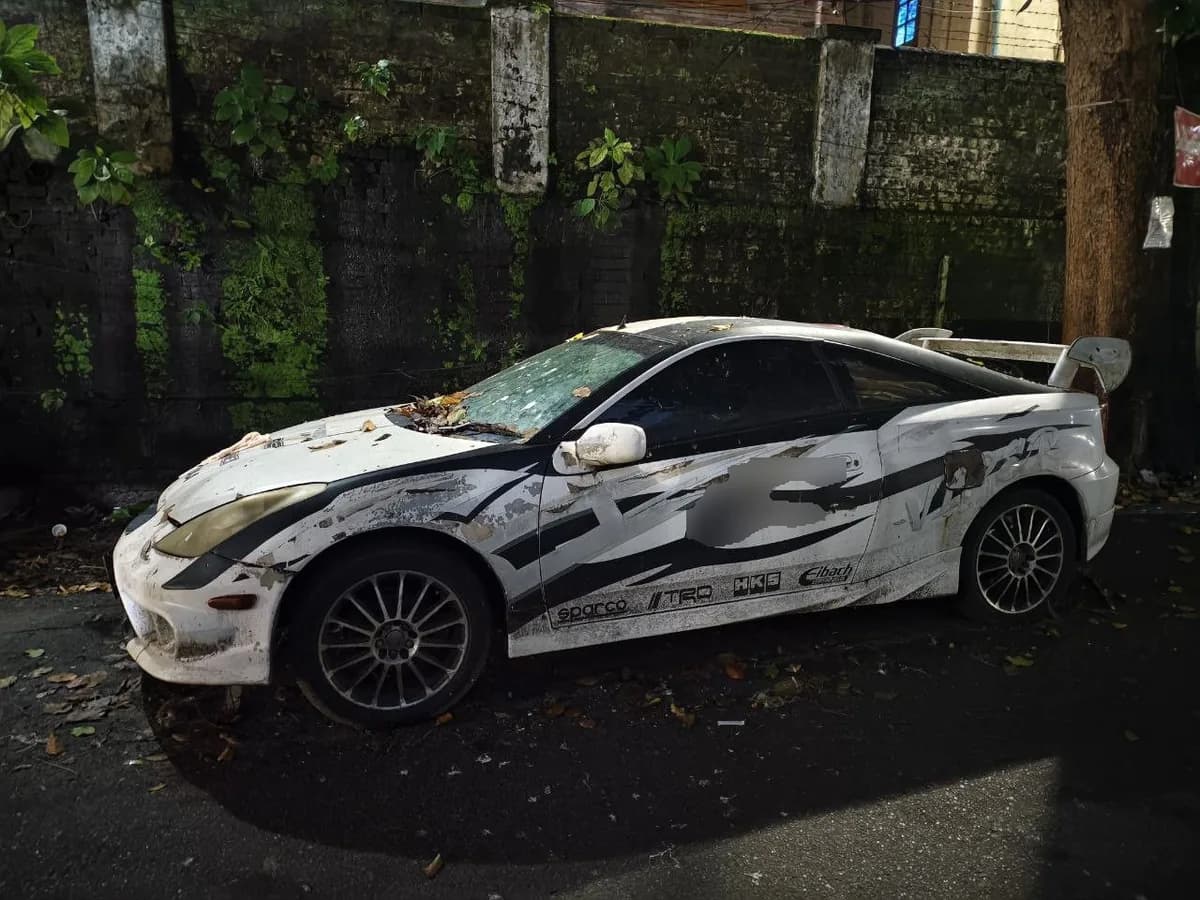
1993
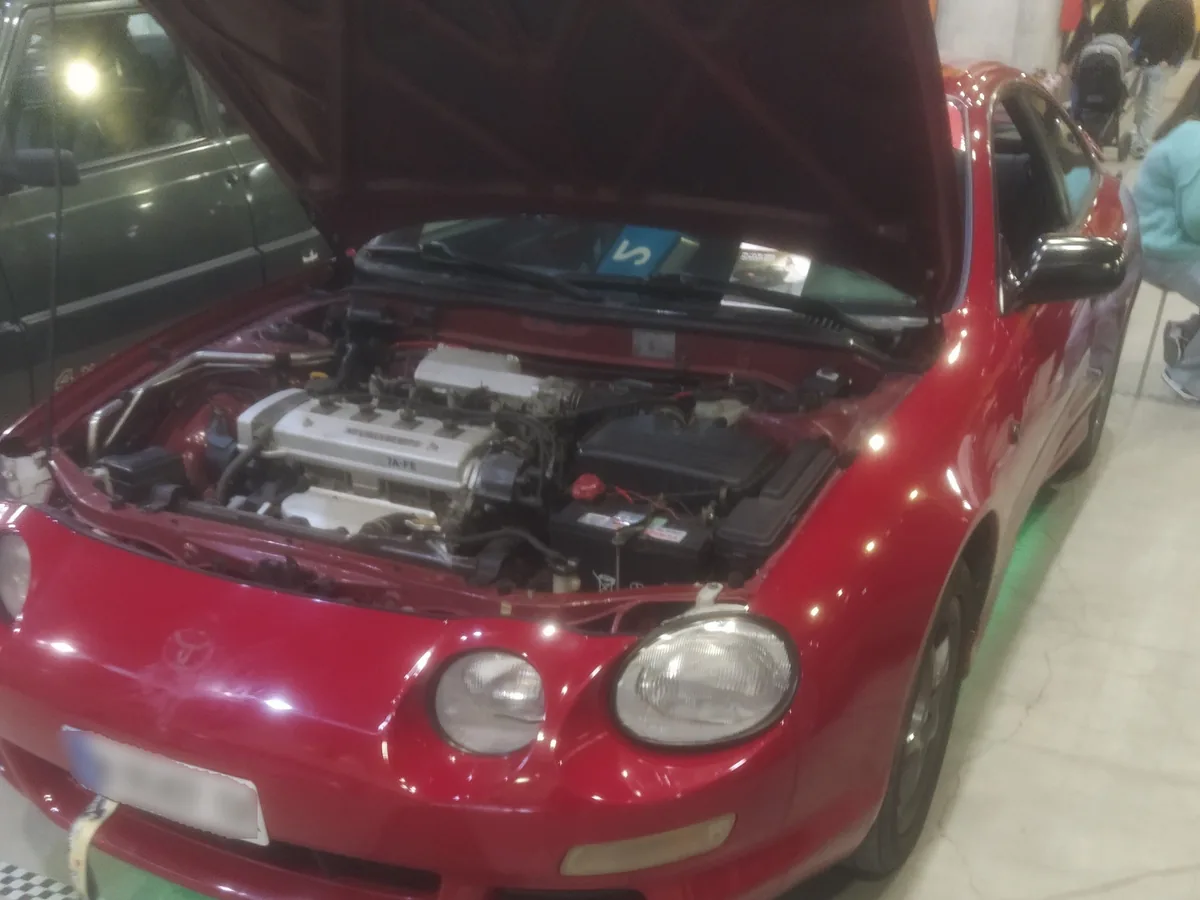
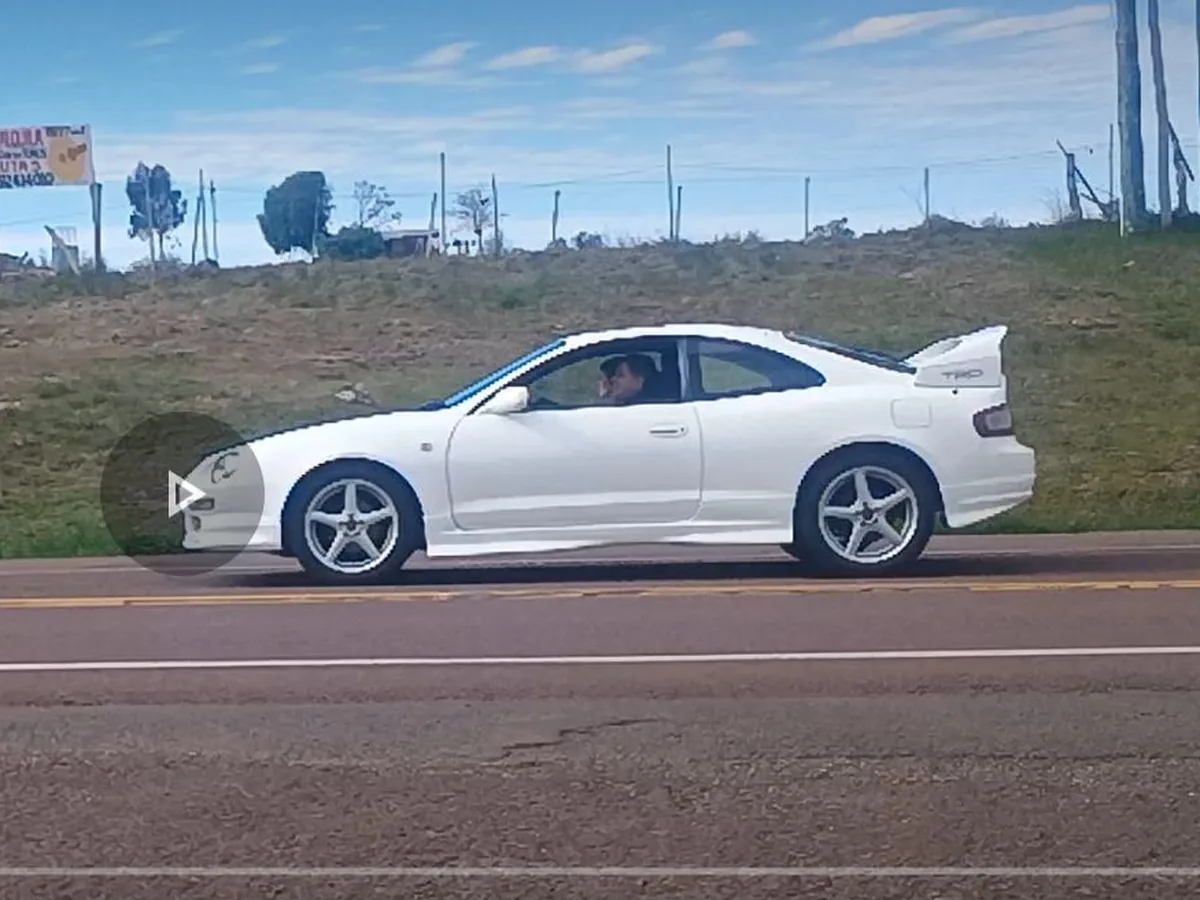
1989
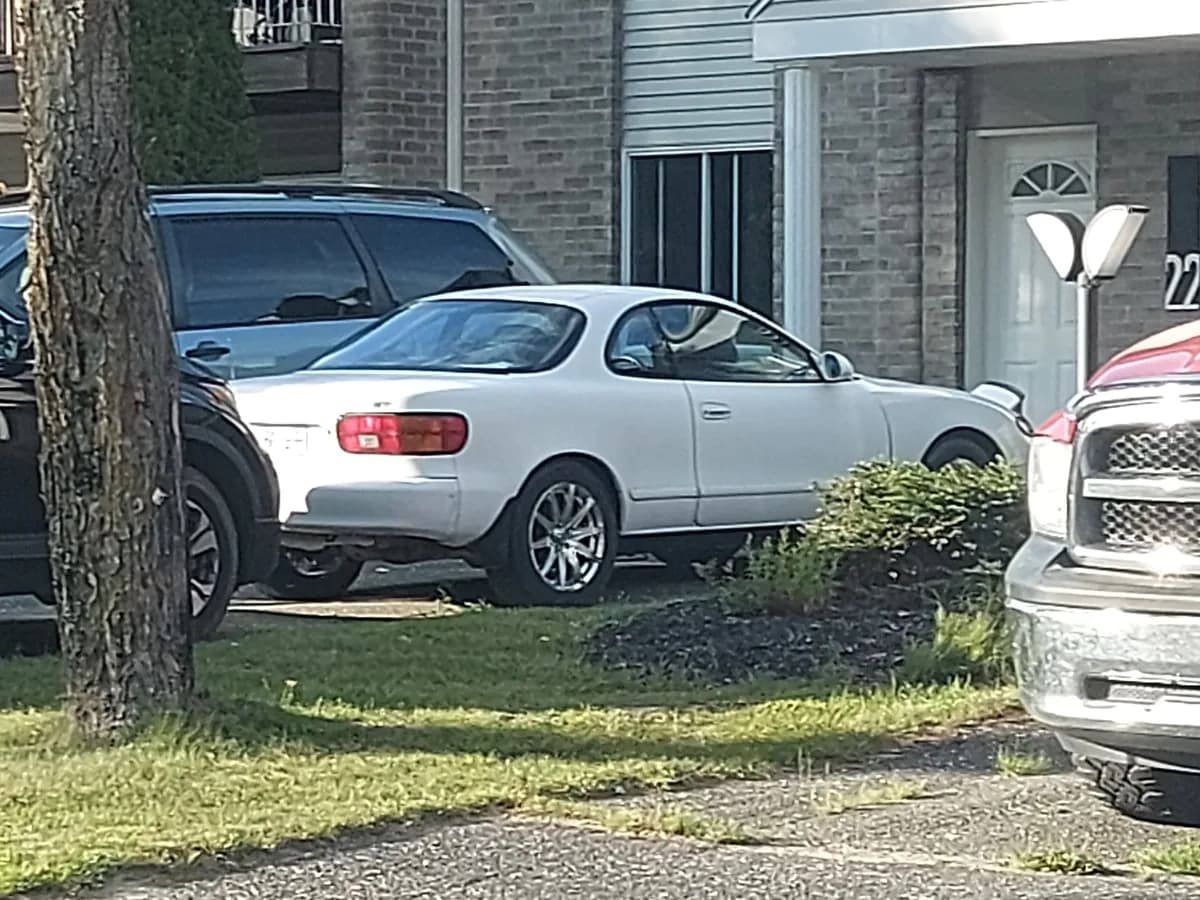
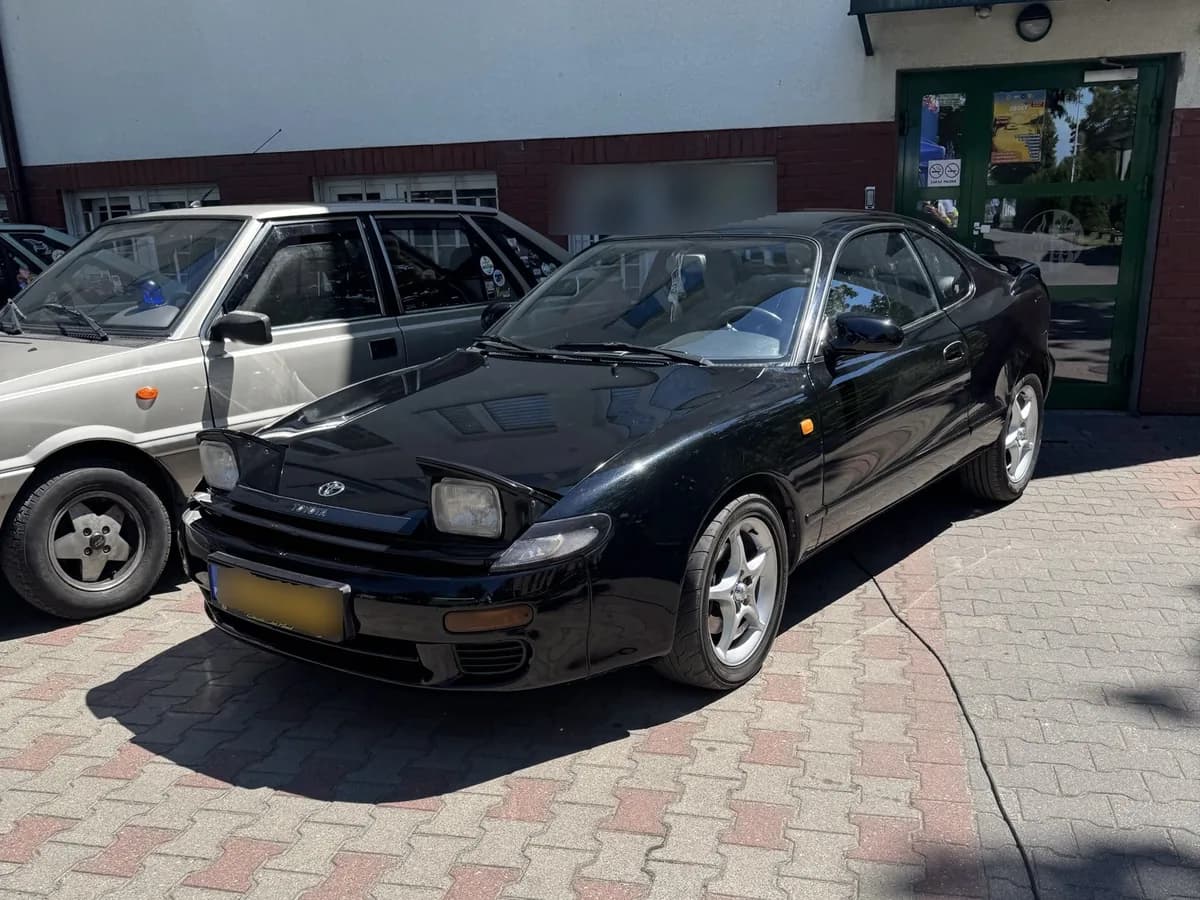
1985
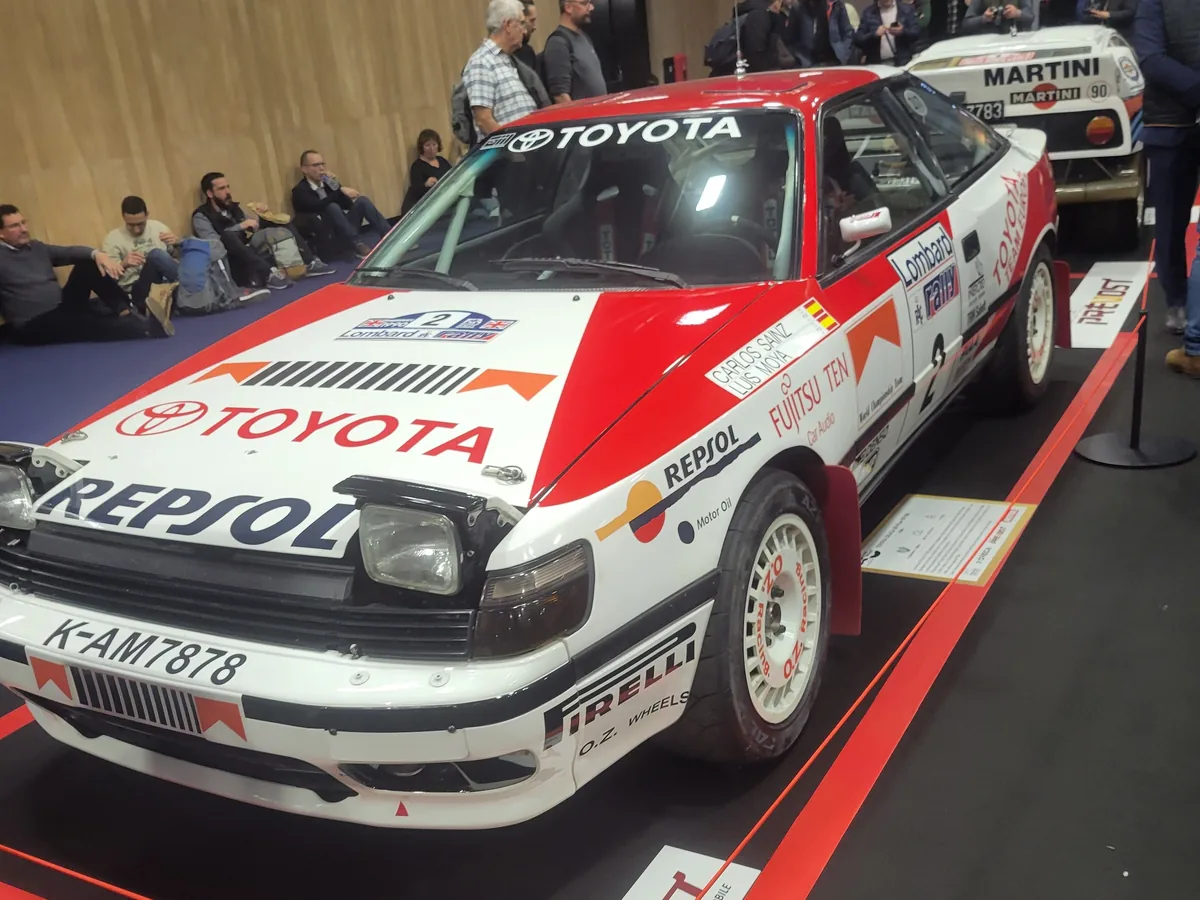
1984
1982
1981
1978
1977
1973
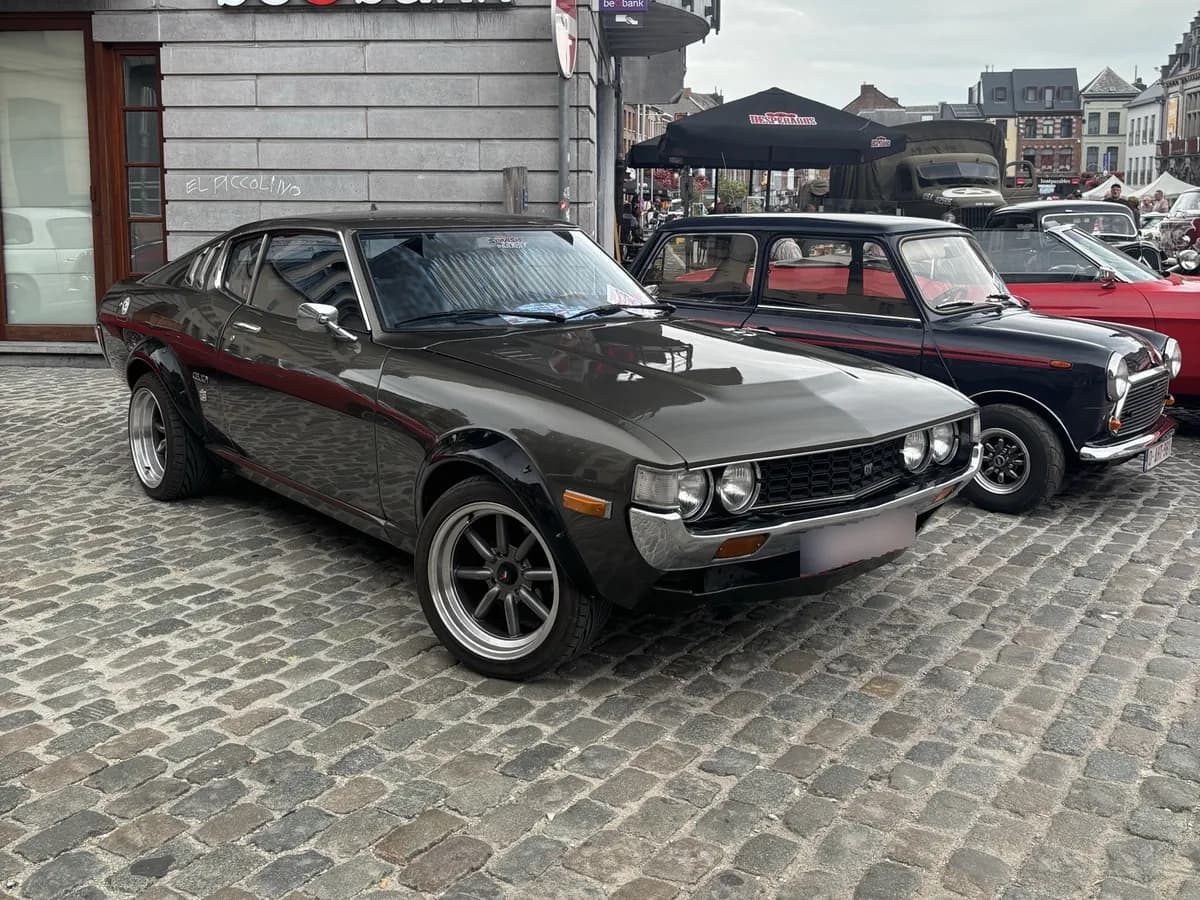
1970
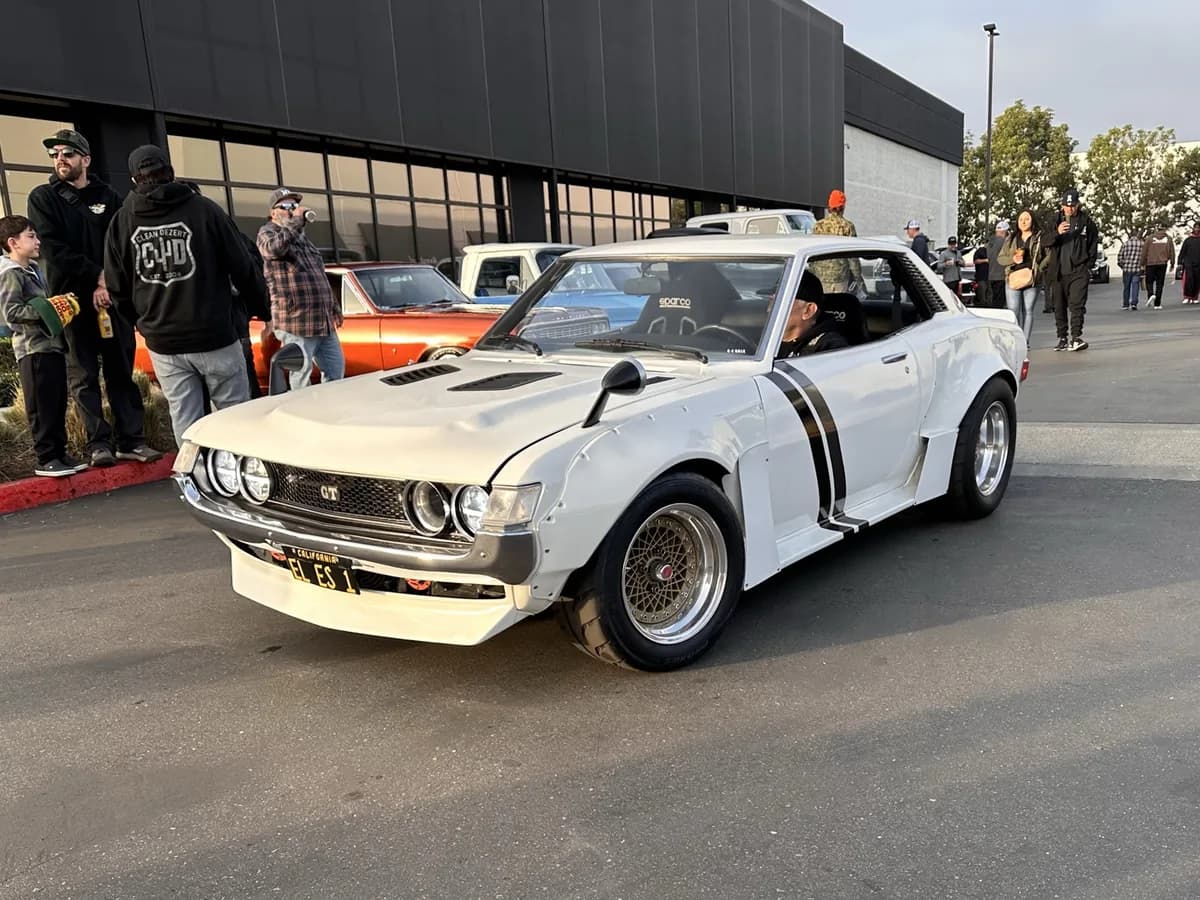
Model summary
Data from the ScanRacer library, organized to compare versions quickly.
Model introduction
Introduced in Japan in 1970, the Toyota Celica was a sporty coupe that followed Toyota’s international expansion for almost three decades. The name covered several body styles over time, including hardtop coupes, fastback or liftback coupes, convertibles, and market-specific derivatives closely related to the Supra. The Celica also became a testing ground for front-wheel drive, multi-valve four-cylinder engines, four-wheel drive, and rally-focused technology. Between 1970 and 1999, its character shifted from an approachable rear-wheel-drive coupe to a compact front-wheel-drive sports car, while the GT-Four added a more serious performance dimension with turbocharging and full-time four-wheel drive. The variants represented in the available model data include Coupe, Liftback Coupe, Convertible, and the market-related Supra and XX names, covering production years from 1970 through 1999.
History
Toyota introduced the Celica in 1970 as a specialty car designed to offer sporty styling and a more personal driving experience than a conventional sedan. The model soon reached overseas markets and was offered in several body configurations. Coupe and liftback forms became the most recognizable early shapes, while the XX designation was used in Japan for versions related to the model that would become the Supra. The Supra name appeared within the Celica family during the 1978-1982 period before gradually becoming a separate model line. A major change arrived in 1985. Toyota moved the new Celica from rear-wheel drive to a front-wheel-drive layout, combining a more aerodynamic body with retractable headlamps. In 1986, the GT-Four added a turbocharged 2.0-liter engine and full-time four-wheel drive. This performance direction was reinforced by Toyota’s success in international rallying, particularly with GT-Four models during the 1990s. The 1993 Celica introduced a lighter design and offered engines such as the 3S-GE and 3S-FE. The seventh generation, revealed in 1999, brought another styling change, using sharper surfaces and a more compact visual profile. Its 1.8-liter engines used aluminum construction, while the higher-output 2ZZ version added Toyota’s VVTL-i variable valve timing and lift technology.
Generations
The first generation, launched in 1970, established Toyota’s compact sports coupe formula. It used a low two-door body and later expanded into several configurations, including a liftback. The second generation retained rear-wheel drive and adopted sharper styling. The third generation, introduced in the late 1970s, continued that development and strengthened the technical and market relationship with the Supra and Japan-market XX versions. The fourth generation, launched in 1985, marked the biggest mechanical change. The Celica switched to front-wheel drive and received a highly aerodynamic body with a glass hatch and retractable headlamps. The GT-Four arrived in 1986 with full-time four-wheel drive and a turbocharged 2.0-liter four-cylinder engine. The fifth generation of 1989 used the rounded “super round” design theme and expanded the use of four-wheel steering and all-wheel-drive technology. The sixth generation, introduced in 1993, remained front-wheel drive in its mainstream forms, while the GT-Four retained a high-performance role. Toyota highlighted the 3S-GE engine, Super Strut suspension on selected versions, and a broader range of safety equipment. The seventh generation, revealed in 1999, presented a lighter and more compact interpretation of the sports coupe. Its key visual cues included vertically elongated headlamps, a long wheelbase, short overhangs, and a range of 1.8-liter engines.
Key differences
Differences between Celicas involve more than engine output or trim level. The early generations were rear-wheel-drive coupes with a more traditional sports-car character, and the range included both coupe and liftback body styles. The fourth generation changed direction by adopting front-wheel drive, independent suspension, and more aerodynamic styling. That layout applied to regular models, while the GT-Four used full-time four-wheel drive and a turbocharged engine. The Supra and XX names should be treated carefully. They identify market-specific derivatives or closely related versions associated with late-1970s and early-1980s Celicas, rather than a universal trim designation used in every country. The convertible arrived later and represented a distinct body conversion, mainly associated with front-wheel-drive generations. The 1993 models emphasized lower weight, improved safety, and more controlled chassis behavior. In 1999, the range moved to a more modern 1.8-liter engine family. Equipment, engine choices, transmissions, and commercial names varied by country, so a badge alone is not always enough to identify a precise specification.
Photo recognition
To identify a Celica, begin with the body shape and headlamp arrangement. Early generations use squarer coupe or liftback forms with a conventional beltline. The fourth generation is often recognized by its retractable headlamps, low profile, and large rear glass area. Convertibles have a substantially altered body structure and should not be confused with cars fitted only with a sunroof. The fifth generation uses a notably rounded body, often described as “super round.” GT-Four models typically add more aggressive details, such as air intakes, wider-looking fenders, special wheels, a large spoiler, and, depending on the generation, a raised hood section. These clues should be checked carefully because body panels and exterior parts are frequently changed on older cars. The sixth generation has smoother surfacing and fixed front lamps. The seventh generation, revealed in 1999, returned to sharper lines, vertically elongated headlamps, and a central hood intake on some versions. Reliable identification requires comparing the body, chassis code, engine, drivetrain, and original market rather than relying on a badge alone.
Important versions
The GT-Four is the most significant version for understanding the Celica’s performance heritage. Introduced in 1986, it combined a turbocharged 2.0-liter four-cylinder engine with full-time four-wheel drive. Its 1990s developments were closely connected with Toyota’s rally program, and a Group A homologation version was offered in 1994. The liftback is another defining body style, especially representative of the early generations. The convertible provided a more touring-oriented alternative during the 1980s and 1990s. The Supra and XX names identify market-related derivatives associated with the early history of the Supra. Finally, the seventh generation stood apart with its 1.8-liter engine range, including the higher-performance 2ZZ version equipped with Toyota’s VVTL-i technology.
References
- Toyota Introduces Full Model Change CelicaToyota Motor Corporation
- Toyota Celica Undergoes Full Model ChangeToyota Motor Corporation
- Full Model Changes for CelicaToyota Motor Corporation
- Toyota Introduces Celica GT-FourToyota Motor Corporation
- Full Model Changes for Toyota Celica, Carina ED, and Corona EXiVToyota Motor Corporation
- Toyota Introduces Newly-Remodeled Celica GT-FourToyota Motor Corporation
- Toyota Unleashes a Celica SensationToyota Motor Corporation
- Celica TimelineToyota GB
Frequently asked questions
- What years was the Toyota Celica produced?
- ScanRacer's referenced versions cover 1970 - 1999.
- How many Toyota Celica examples are documented on ScanRacer?
- 18 published scans from 18 members, with the latest photo added in September 2026.