
Swift
Launched in Japan in 1983 under the SA 310 code, the Suzuki Swift grew into one of the brand’s most widely distributed compact models. Its early history is closely associated with a small car offered in different markets as a three-door or five-door hatchback, sedan, and convertible. Suzuki substantially reworked the concept for 2004, introducing a global Swift with a stronger design identity and development focused heavily on European driving tastes. The generations introduced in 2010 and 2017 retained the formula of a practical small hatchback, while Swift Sport added a more performance-oriented interpretation. In the ScanRacer data, the model family spans 1983 to 2023 and includes Hatch, Sedan, Convertible, Base, Sport, and Sport Hatch variants.
What about the car you photographed?
Upload a photo to get a suggested make, model and likely year.
No account needed for the result · Publish only if you choose
Variants by year
Make: Suzuki · Model: Swift
19 / 19 versions shown
2023
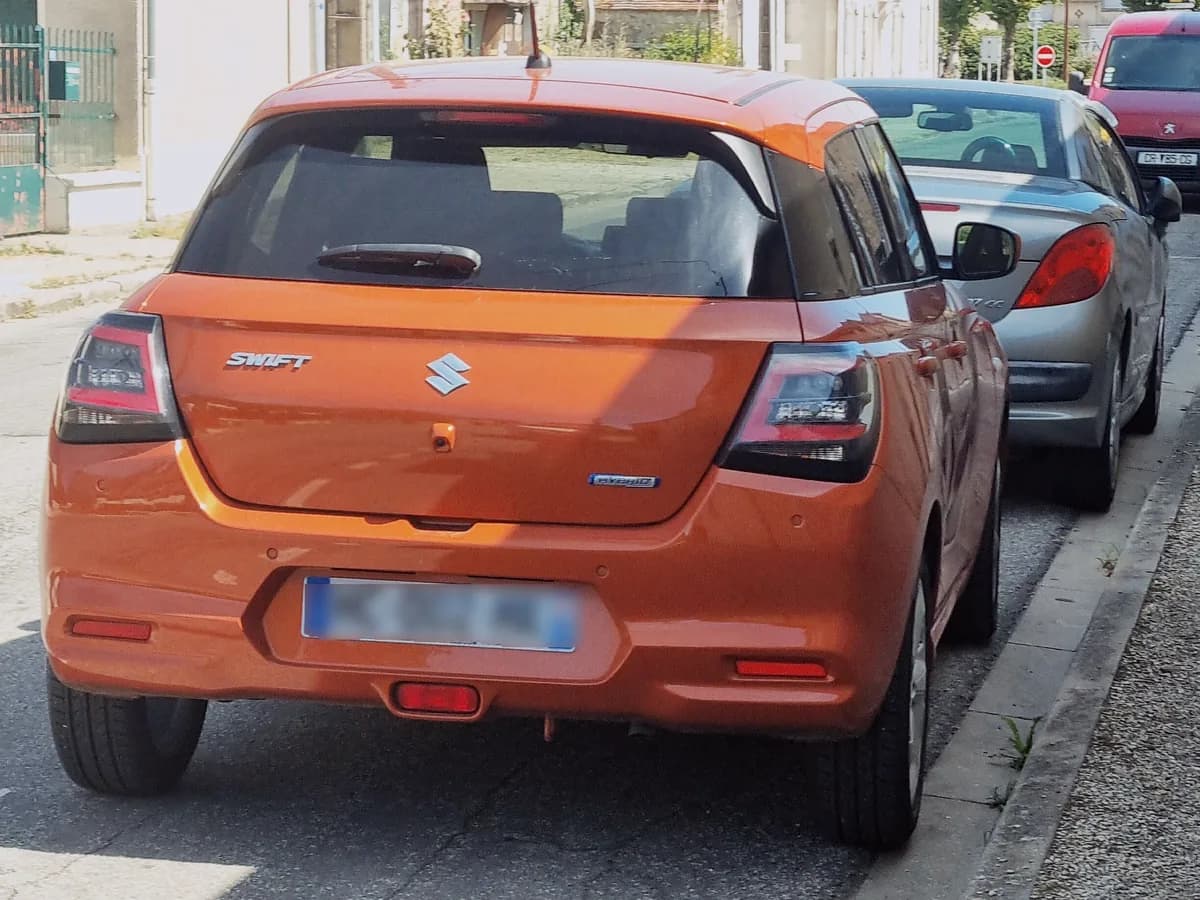
2017

2011
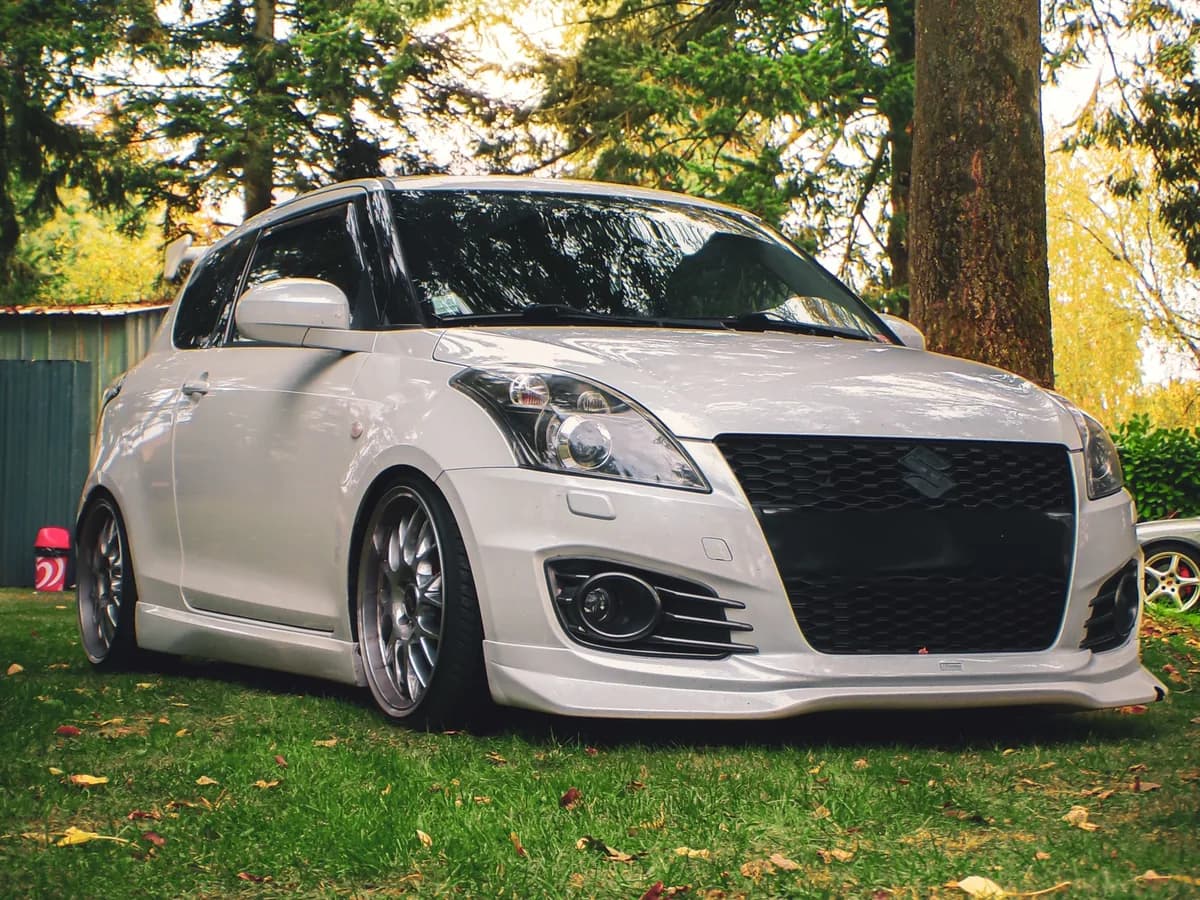 C
C2010
2008
2005
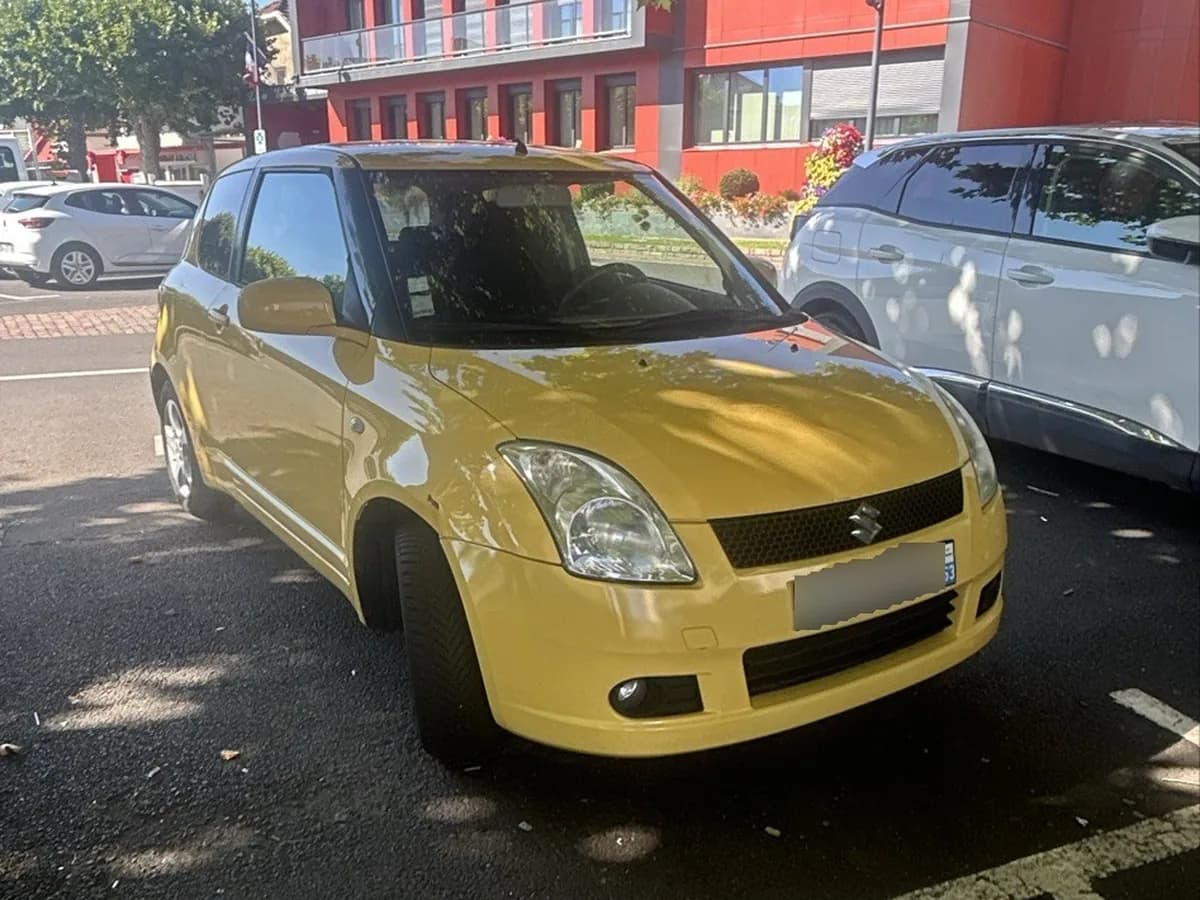
2004
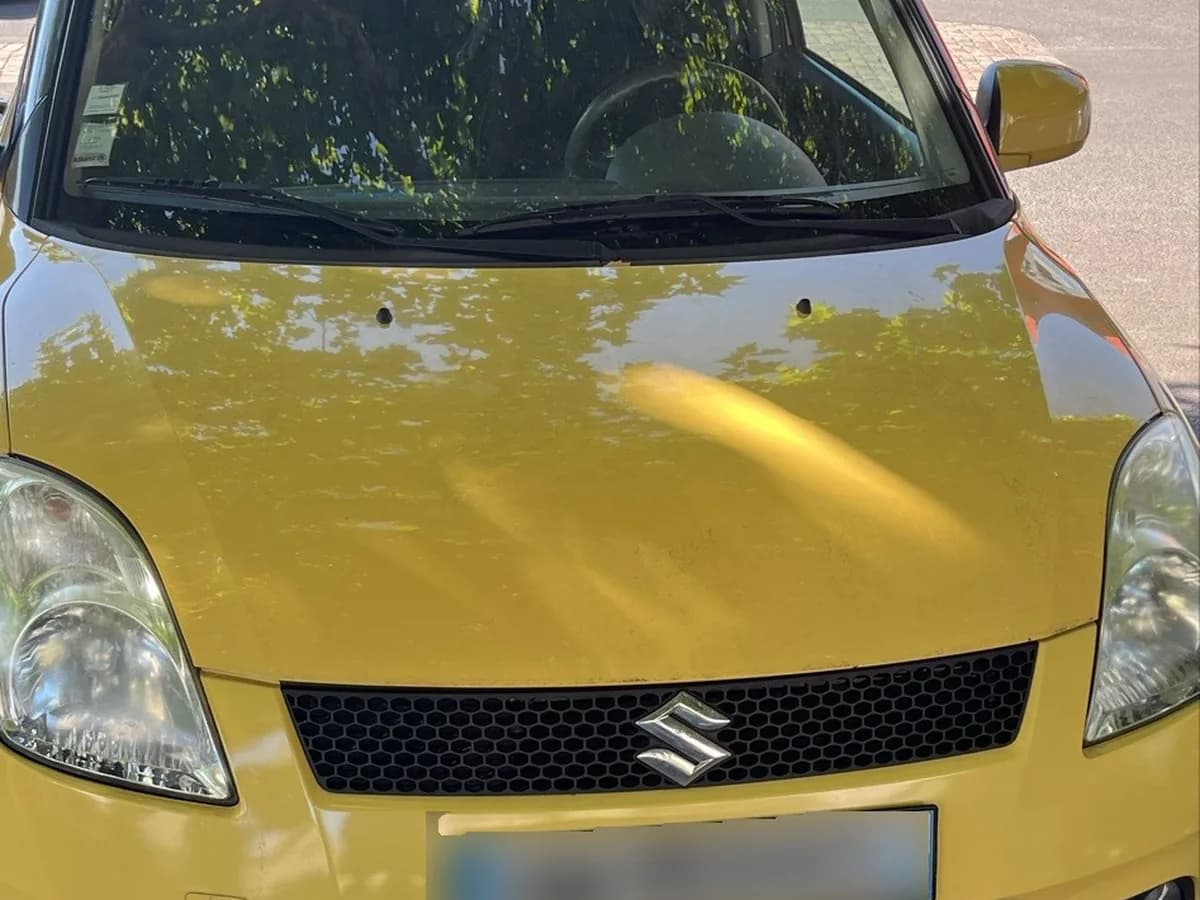
2003
2000
1996
1995
1991
1990
1989
1984
1983
Suzuki Swift photos
Model summary
Data from the ScanRacer library, organized to compare versions quickly.
Model introduction
Launched in Japan in 1983 under the SA 310 code, the Suzuki Swift grew into one of the brand’s most widely distributed compact models. Its early history is closely associated with a small car offered in different markets as a three-door or five-door hatchback, sedan, and convertible. Suzuki substantially reworked the concept for 2004, introducing a global Swift with a stronger design identity and development focused heavily on European driving tastes. The generations introduced in 2010 and 2017 retained the formula of a practical small hatchback, while Swift Sport added a more performance-oriented interpretation. In the ScanRacer data, the model family spans 1983 to 2023 and includes Hatch, Sedan, Convertible, Base, Sport, and Sport Hatch variants.
History
The Swift debuted in Japan in 1983 as the SA 310. Suzuki positioned it as a light, compact, economical car, with Suzuki Austria’s historical account highlighting an aluminum three-cylinder engine in the early model. Depending on the market, this initial family was later offered in several body styles. A second generation arrived roughly five years later, bringing changes to styling and comfort. Suzuki Austria dates the introduction of convertible and sedan versions to 1992 and also associates that period with the arrival of the Swift GTi in its market. Cars.com records both hatchback and sedan body styles for U.S. Swift model years from 1992 to 1994, followed by a mainly hatchback range from 1995 to 2001. A major change came in 2004, when Suzuki unveiled an all-new Swift in Paris as a global model developed with substantial European input. Production began in Hungary in February 2005, followed by India and China later that year. Swift Sport then became a distinct performance-oriented version, followed by major renewals in 2010 and 2017. Suzuki reported nine million worldwide Swift sales in October 2023.
Generations
Generation counting depends on the market and on the naming system used. For the early history, ScanRacer groups a family beginning in 1983, derived from the small Suzuki first presented under the SA 310 code. This period includes Hatch, Sedan, and Convertible body styles in the library data. Generation labels are therefore not always directly comparable across Europe, North America, and Asia. The global Swift unveiled in 2004 provides a clearer reference point: Suzuki described it as an all-new compact car developed with particular attention to European design and handling preferences. Production began in 2005. The next major renewal was revealed in Paris in September 2010, followed by another new Swift presented at the Geneva Motor Show in March 2017. Within the ScanRacer context, these milestones appear alongside variant labels rather than a single universal international naming system. A car is therefore best identified using its year, body style, market, and version instead of relying only on a generation number.
Key differences
The clearest differences concern body style and production period. Early Swifts may be three-door or five-door small cars, while Sedan and Convertible represent more specialized derivatives of the older family. The global Swift introduced in 2004 was a more ambitious design, with a stronger visual identity and chassis development aimed at European expectations. The 2010 and 2017 Swifts retained the general small-car formula but represented successive full renewals. Sport should not automatically be treated as a simple trim level: Suzuki presented it as a dedicated derivative, beginning production in 2006 for the first global Swift and renewing it with later generations. The Base label used by ScanRacer should be treated as a library category; it does not establish that an identical factory trim existed in every country.
Photo recognition
To identify an early Swift, start with the body style: a three-door or five-door hatchback, sedan, or convertible can quickly narrow the likely period and market. Cars.com lists U.S. Swift models with both hatchback and sedan body styles in the early 1990s, followed by a mainly hatchback range from 1995 onward. The SA 310 designation is a useful clue for the first 1983 cars. For later vehicles, the Swift unveiled in 2004 represents a clear visual and engineering break from the earlier family; its more sculpted design and global positioning usually make it easier to distinguish. Sport examples may carry model-specific exterior details, wheels, badges, and interior equipment, although these items vary by market. Year, door count, and country of origin remain the most dependable identification clues. Registration documents and the vehicle identification number should take priority when a visual classification is uncertain.
Important versions
The versions in the ScanRacer context represent several different uses. Hatch is the broadest category, spanning 1983 to 2011, while Sedan covers the trunk-equipped derivative recorded from 1990 to 1996. Convertible is a short-lived entry, limited to 1991 in the supplied data. Sport denotes a performance-oriented name, but the provided context lists only the 2017 model year under that label. Sport Hatch runs from 2005 to 2011 and should be distinguished from ordinary Hatch entries. Base extends from 1995 to 2023; this label should be understood as a ScanRacer classification rather than a universal factory trim, because retail grade names and equipment differed between countries.
References
- Swift – Erfolgsgeschichte eines Kleinwagen-Stars mit Kraft und StilSuzuki Austria
- New Suzuki Swift Press ReleaseSuzuki Global
- Swift Press Release and HistorySuzuki Global
- Suzuki Swift: Model Years, Generations & NewsCars.com
- https://www.adac.de/rund-ums-fahrzeug/autokatalog/marken-modelle/suzuki/swift/?filter=NONEadac.de
- https://www.autobild.de/marken-modelle/suzuki/swift/aa/autobild.de
- https://www.autobild.de/artikel/suzuki-swift-im-tuev-check-2026--28278343.htmlautobild.de
Technical specifications
Structured data available for versions linked to this model.
| Version | Power | Torque | Top speed | Drivetrain | Fuel |
|---|---|---|---|---|---|
| — | 66 kW (89 PS) at 6,000 rpm | — | — | Front-wheel drive / 5-speed manual transmission | — |
Frequently asked questions
- What years was the Suzuki Swift produced?
- ScanRacer's referenced versions cover 1983 - 2023.
- How many Suzuki Swift examples are documented on ScanRacer?
- 5 published scans from 5 members, with the latest photo added in August 2026.
- What is the power output of the Suzuki Swift?
- The sourced technical data lists 66 kW (89 PS) at 6,000 rpm.
What about the car you photographed?
Upload a photo to get a suggested make, model and likely year.
No account needed for the result · Publish only if you choose