
Suzuki
Suzuki began in Hamamatsu, Japan, where Michio Suzuki founded a loom-manufacturing business in October 1909. After entering powered transport with the Power Free in 1952, the company introduced the Suzulight SS in 1955, a 360 cc two-stroke compact car with front-wheel drive and independent suspension. A focus on small, lightweight vehicles designed for everyday use has remained a recurring theme throughout Suzuki’s automotive history. Over the following decades, Suzuki built a diverse range that included kei cars such as the Alto and Fronte, compact hatchbacks such as the Swift, small vans, utility vehicles including the Carry, and off-road models such as the Vitara. The library represents Suzuki generations produced from 1961 to 2025, covering nameplates and variants whose specifications, body styles, and market availability can differ considerably from one country to another.
Models from A to Z
Across
Aerio
Alivio
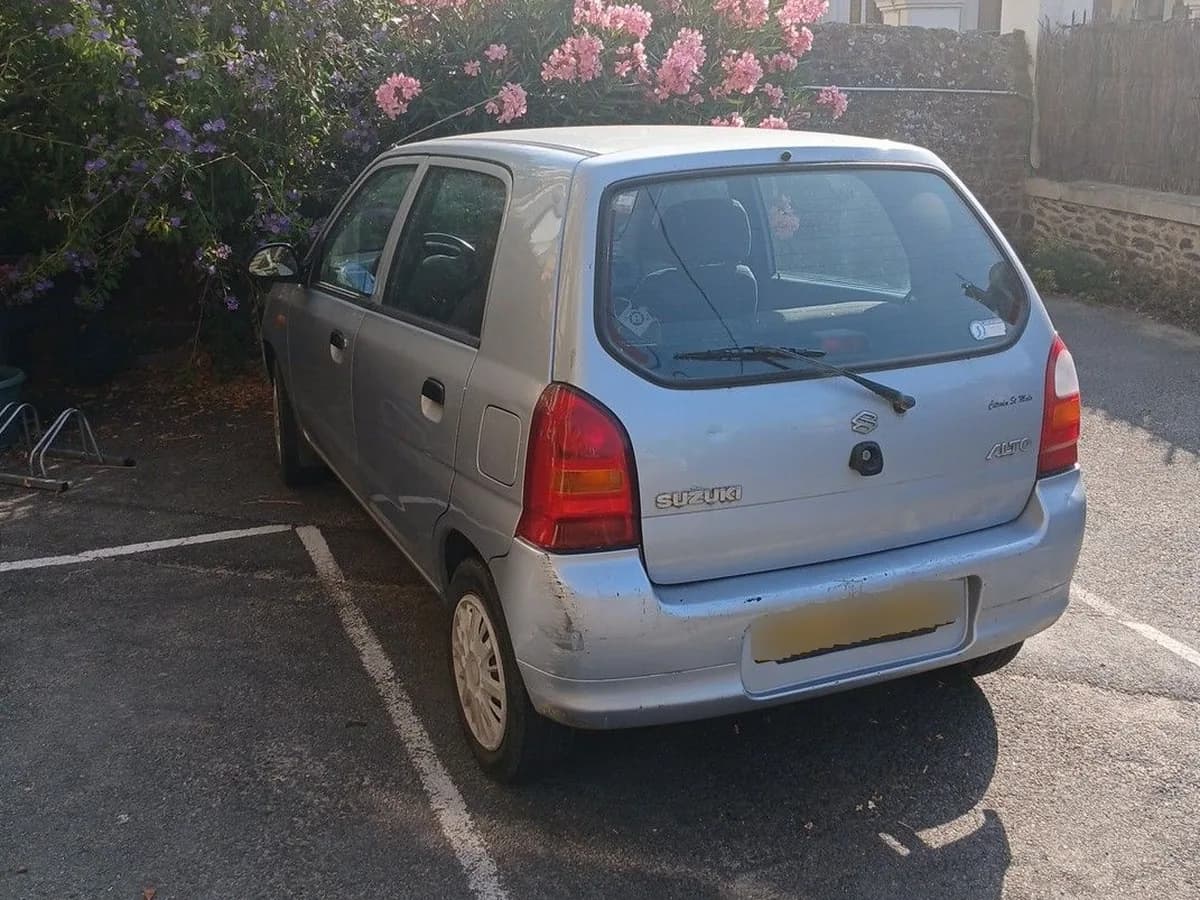
Alto
Alto Lapin

APV
Avenis Epicuro
Baleno
Beidouxing
Brezza
Burgman Skywave

Cappuccino
Cara
Carry
Celerio
Cervo
Ciaz
Cultus
Dzire
Equator
Ertiga
Escudo
Esteem
Every
Forenza
Forenza SW
Forsa
Fronte
Fronx
Fun
Grand Escudo
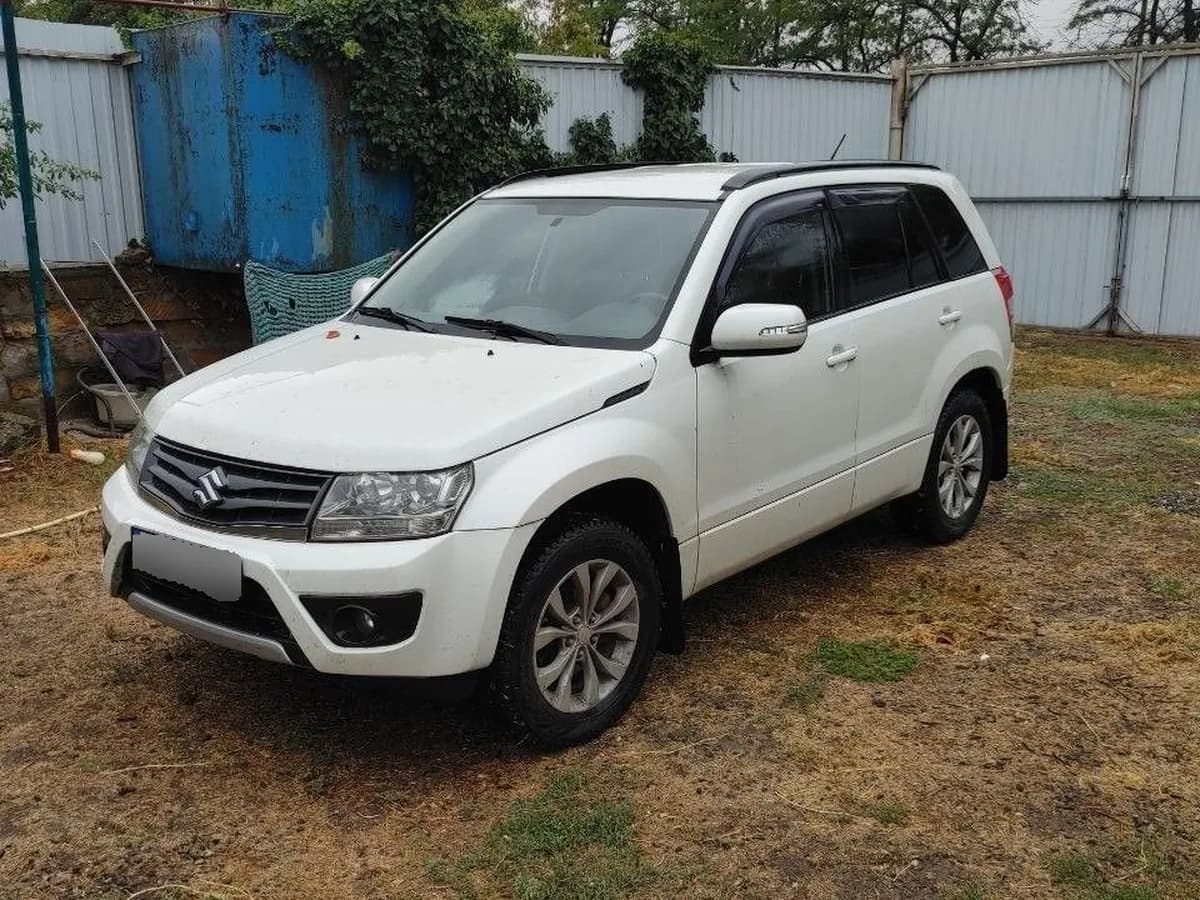
Grand Vitara
Grand Vitara XL-7
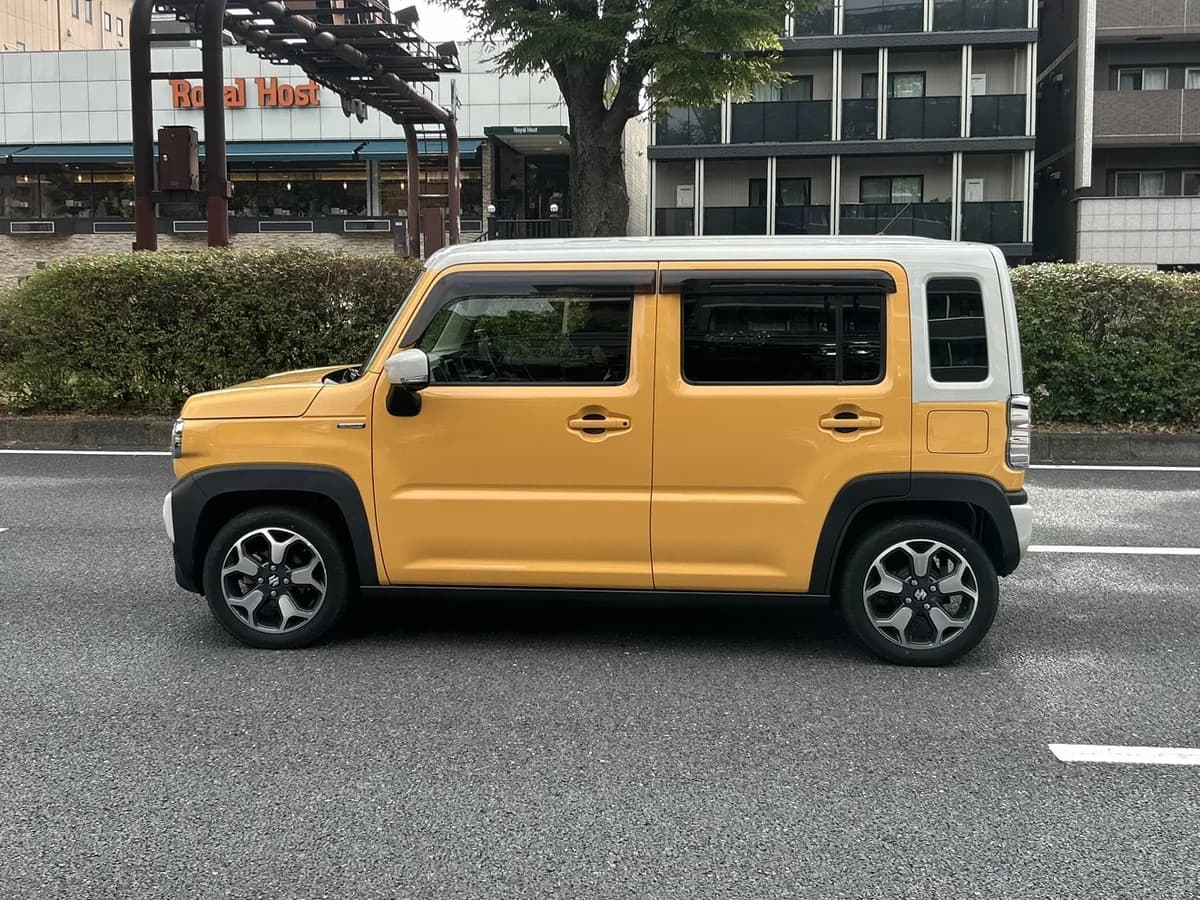
Hustler

Ignis
Jimny
Jimny Sierra
Jimny Wide
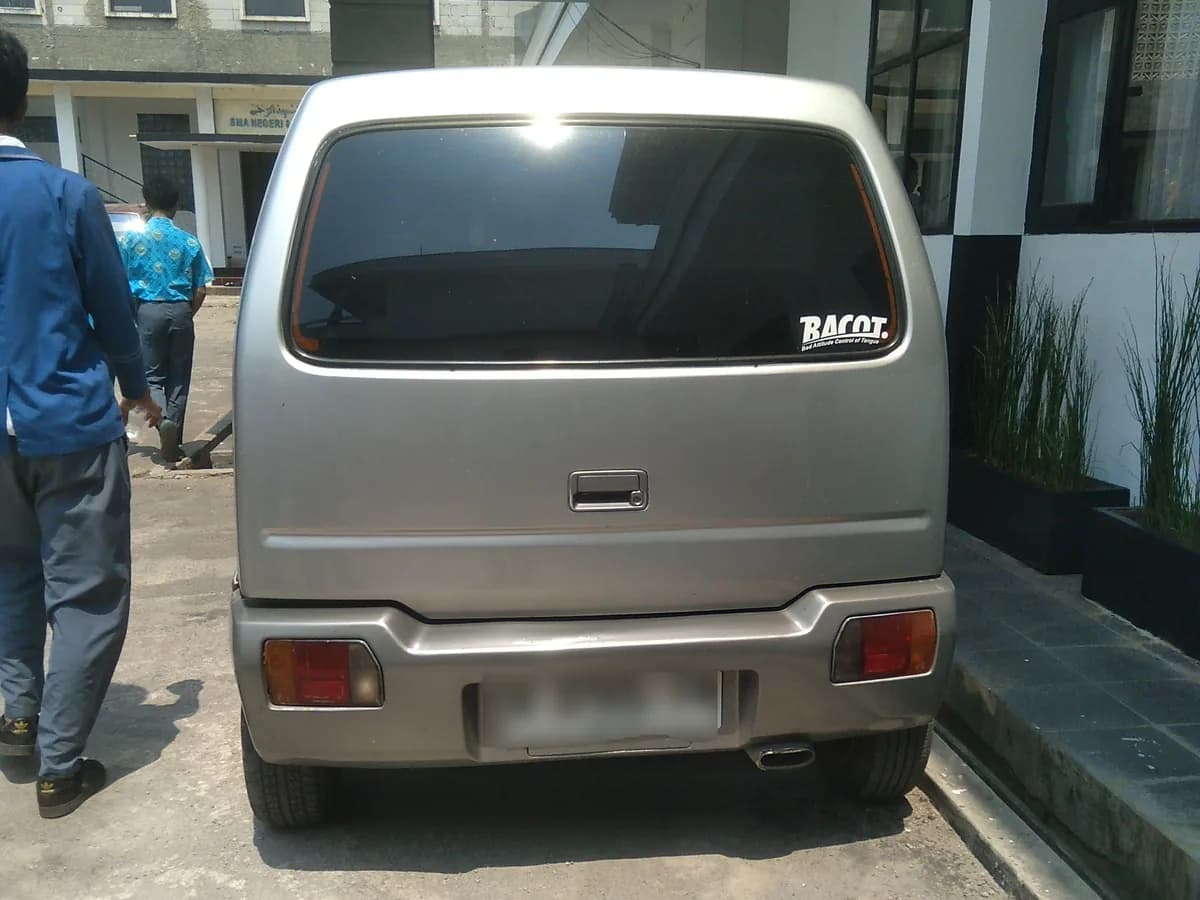
Karimun
Kei
Kizashi
Landy

Liana
Lingyang
LJ-Series
Mighty Boy
MR Wagon
Palette
Reno
S-Cross
S-Presso
Samurai
SC100
Sidekick
SJ-Series
Solio
Spacia
Splash
Swace
Swift

SX4
SX4 S-Cross
Twin
Verona

Vitara

Wagon R
Wagon R Solio
X90
XBee
XL7
Suzuki overview
Suzuki history
Suzuki’s automotive history began in postwar Japan. In 1952, the company introduced the Power Free, a 36 cc auxiliary engine designed to be fitted to a bicycle. Three years later, the Suzulight SS became Suzuki’s first production car. Suzuki’s own historical records highlight several notable technical choices for the period, including a two-stroke engine, front-wheel drive, a monocoque body, and independent suspension on all four wheels. Automotive production developed alongside Japan’s kei-car sector, whose vehicles were designed around strict dimensions, modest engines, and practical urban use. The 1960s and 1970s brought models such as the Fronte and Carry, expanding Suzuki’s role in small passenger cars and light commercial vehicles. In 1983, the Cultus, sold as the Swift in some markets, gave the company a stronger international presence. The Vitara followed in 1988, combining compact dimensions, selectable four-wheel drive, and a more urban character than many traditional off-road vehicles. Suzuki later developed globally recognized nameplates including the Baleno, Wagon R, Alto, and SX4 S-Cross, while continuing to tailor many vehicles to regional regulations and customer preferences. The result is a product history in which global models and market-specific derivatives often coexist under related names.
Suzuki positioning
Suzuki has built its automotive identity around compact, relatively lightweight vehicles designed for practical everyday use. That approach extends beyond city cars: it can also be seen in the Carry utility range, the Alto and Wagon R kei cars, and the Vitara family. Suzuki has repeatedly pursued vehicles capable of handling poor roads or light off-road use without relying on the size of a conventional full-size 4x4. The original Vitara, introduced in 1988, is a clear example, with its short body, three- and five-door formats, and selectable four-wheel-drive system. Suzuki’s line-up differs substantially between countries. The same badge may identify vehicles with different engines, body styles, equipment, or production partners, while some nameplates remain specific to a regional market. Correct identification therefore depends on more than the badge alone. Year, body configuration, engine, drivetrain, and, where available, the model code are useful clues. This market-by-market variation is one of the defining characteristics of Suzuki’s automotive history and helps explain why apparently similar vehicles can represent different generations or specifications.
Recognizing a Suzuki in a photo
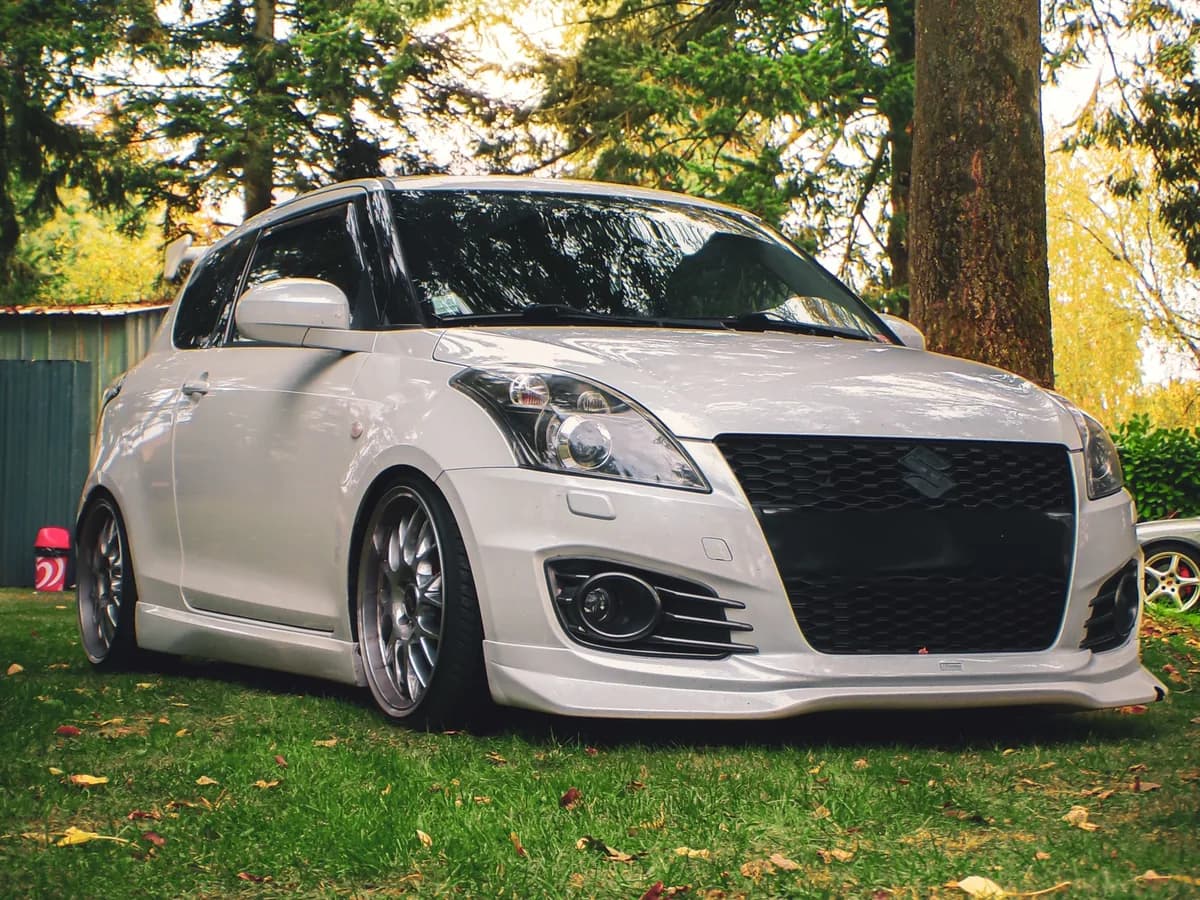
When identifying a Suzuki, first establish the vehicle’s basic category. An Alto, Fronte, or Wagon R generally belongs to Japan’s small-car tradition, with a narrow body and efficient use of interior space. The Swift is more readily recognized as a hatchback city car or compact model, although its proportions and trim details change considerably between generations. The Carry has a utility-vehicle profile, often using a cab-over layout with a separate cargo body or pickup bed depending on the version. The Vitara can be distinguished by its raised stance, pronounced wheel arches, and, on early generations, three- or five-door bodies paired with four-wheel drive. The Cultus, Baleno, SX4 S-Cross, APV, and Spacia require more caution because their body styles and availability differ between markets. Check the lamps, grille, window pillars, door handles, wheels, and badge placement rather than relying on the emblem alone. The model year is also not always decisive: a facelift may change the exterior without representing a completely new generation. Market, engine, drivetrain, and body style should be considered together.
Important Suzuki models
Among the represented nameplates, the Carry reflects Suzuki’s utility-vehicle role and has one of the longest spans in the selection, with recorded variants from 1961 to 2019. The Alto and Fronte illustrate the development of Japanese small cars, while the Wagon R explores a tall, highly practical body format. The Swift, represented from 1983 onward, is one of Suzuki’s most enduring international model names. The Cultus belongs to the same period of expansion into globally oriented small cars. The Vitara has a distinct place in Suzuki history: its 1988 launch combined off-road design cues with a compact format intended to be easier to use on ordinary roads. The Baleno and SX4 S-Cross later represented Suzuki’s road-car and crossover offerings. The APV highlights the company’s presence in family and commercial vehicles, while the Spacia belongs to the newer generation of tall-bodied kei cars. Regional models such as the Beidouxing and Cultus also demonstrate why country of sale matters when comparing Suzuki vehicles. Shared badges do not necessarily mean identical specifications or equipment.
References
- Suzuki Corporate HistoryGlobal Suzuki
- Suzuki 100th Anniversary: HistoryGlobal Suzuki
- Suzuki Corporate TimelineSuzuki Motor Corporation Japan
- Suzulight SS: Pioneer of Japanese Kei CarsSuzuki Digital Library
- 35 Years History of Vitara SeriesGlobal Suzuki
- Vitara 30th Anniversary: First Generation 1988–1998Global Suzuki
- SwiftGlobal Suzuki
- Suzuki Digital Library: Four-Wheel VehiclesSuzuki Motor Corporation Japan