
Impreza WRX STi
Introduced in Japan in January 1994, the Subaru Impreza WRX STi was Subaru Tecnica International’s high-performance development of the Impreza WRX. It combined a turbocharged four-cylinder boxer engine, all-wheel drive and chassis tuning shaped by Subaru’s rally programme. From 1994 to 2007, the range progressed from the early GC8 cars to the GD generation, with sedan, wagon, coupe and, in 2007, a hatchback body style represented in the ScanRacer library. Names such as Version, Type RA, V-Limited, Spec C and S identify different levels of preparation or limited production, often focused on weight reduction, sharper handling or competition use. The period also includes landmark cars such as the 1998 22B STi, a limited-production road model inspired by Subaru’s World Rally Car. Because specifications varied by market and edition, identification should rely on chassis codes, bodywork and factory documentation rather than badges alone.
What about the car you photographed?
Upload a photo to get a suggested make, model and likely year.
No account needed for the result · Publish only if you choose
Variants by year
Make: Subaru · Model: Impreza WRX STi
10 / 10 versions shown
2007

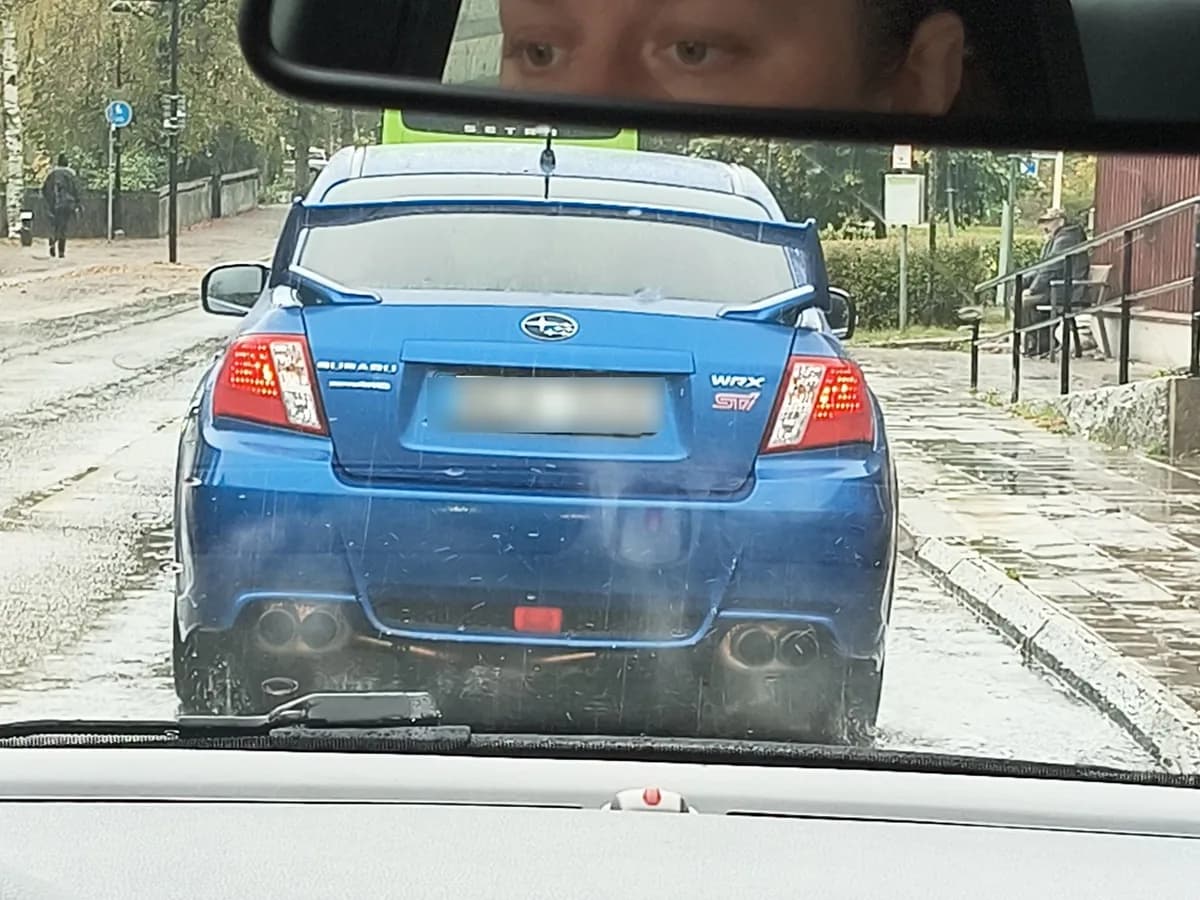
2005
2003
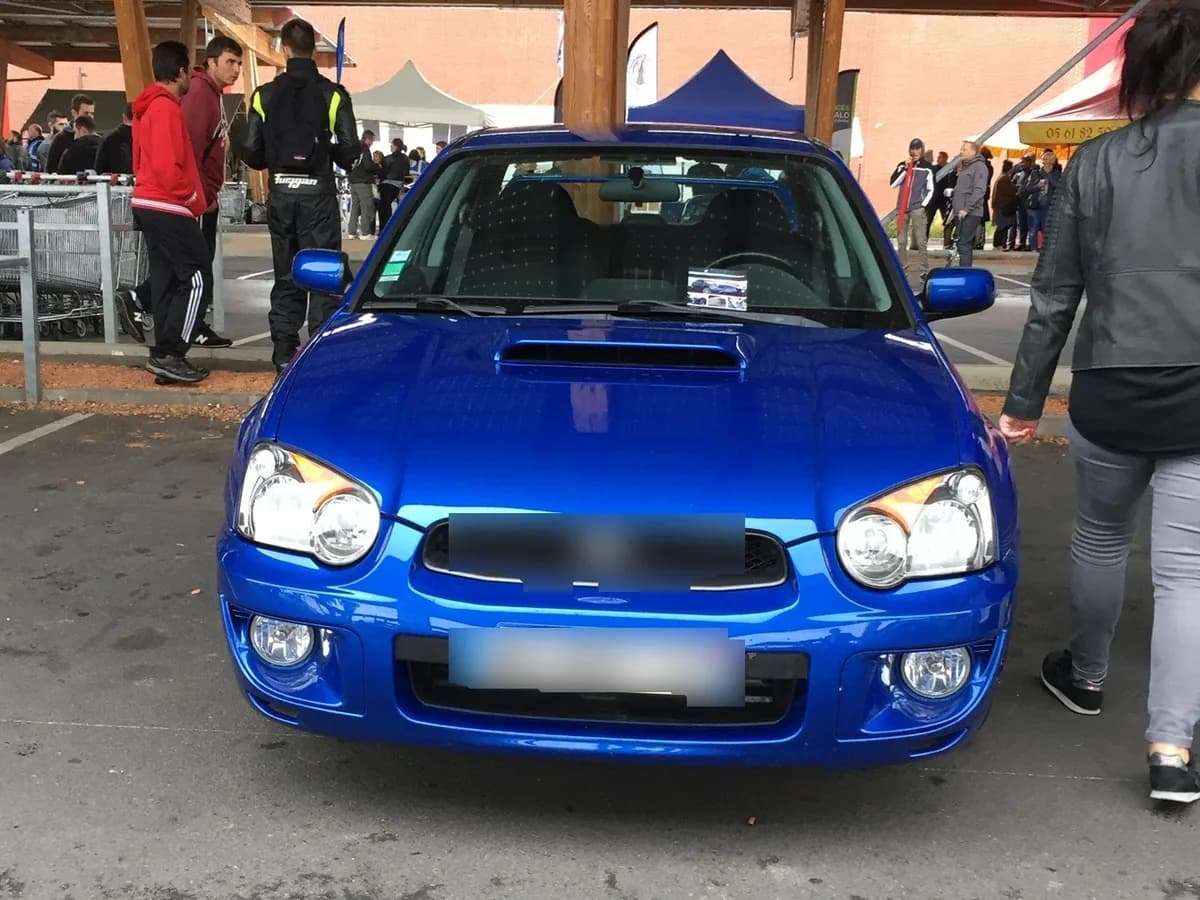
2001
1997

1994
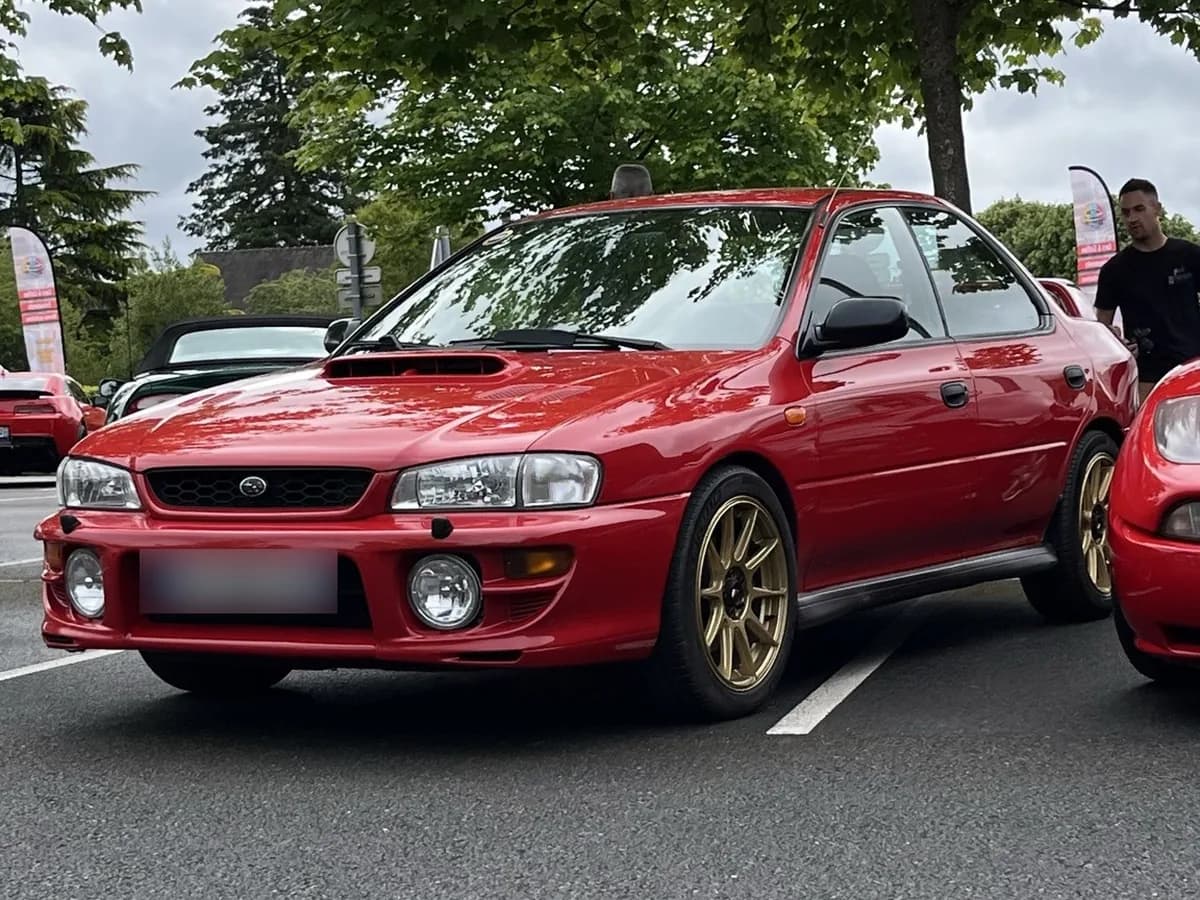
Subaru Impreza WRX STi photos
Model summary
Data from the ScanRacer library, organized to compare versions quickly.
Model introduction
Introduced in Japan in January 1994, the Subaru Impreza WRX STi was Subaru Tecnica International’s high-performance development of the Impreza WRX. It combined a turbocharged four-cylinder boxer engine, all-wheel drive and chassis tuning shaped by Subaru’s rally programme. From 1994 to 2007, the range progressed from the early GC8 cars to the GD generation, with sedan, wagon, coupe and, in 2007, a hatchback body style represented in the ScanRacer library. Names such as Version, Type RA, V-Limited, Spec C and S identify different levels of preparation or limited production, often focused on weight reduction, sharper handling or competition use. The period also includes landmark cars such as the 1998 22B STi, a limited-production road model inspired by Subaru’s World Rally Car. Because specifications varied by market and edition, identification should rely on chassis codes, bodywork and factory documentation rather than badges alone.
History
The WRX STi emerged as Subaru Tecnica International expanded its role in performance engineering and motorsport after being established in 1988. The first Impreza WRX STi was introduced in Japan in 1994, as the Impreza became the central platform for Subaru’s rally strategy. Early GC8 cars used a compact layout, all-wheel drive and a turbocharged boxer four-cylinder. Type RA versions reduced equipment and incorporated features intended to make the car more suitable for fast road driving or competition preparation. Development continued through numbered Versions and numerous limited editions. In 1998, the 22B STi brought the appearance and selected engineering themes of the Subaru World Rally Car 97 to the road. STI lists 400 units, a widened body, a 2,212cc engine, a close-ratio gearbox and a driver-controlled centre differential. Around 2000-2001, the next Impreza generation adopted the GD platform and advanced the model’s body structure, cabin space and aerodynamic design. Later cars received revisions to the drivetrain, brakes, suspension and engine torque, with the exact specification depending on market and edition. The 2007 model year marked another styling transition, while the final GD-based cars remained closely associated with the classic Impreza WRX STi formula: turbocharged boxer power, all-wheel drive, a manual gearbox and a chassis engineered with rally-bred priorities.
Generations
For clarity, the 1994-2007 period can be divided into two broad technical families, although Subaru offered many intermediate revisions. The first consists of the GC8-based Impreza STi cars of the 1990s. They are generally identified by their compact proportions, separate headlamp treatment, tighter cabin and extensive use of Version, Type RA and V-Limited designations. The 1997 coupe and 1998 22B belong to this phase, although the 22B used distinctive bodywork and mechanical specification. The second family is based on the GD generation, introduced around 2000-2001. Enthusiasts commonly use the informal terms Bugeye, Blobeye and Hawkeye to describe the main front-end styles, but those nicknames should not replace chassis codes or market-specific model information. Early GD cars used a round-lamp front treatment, followed by body and chassis revisions through the model’s later years. Later versions brought changes to the centre differential, brakes and engine output, among other areas. The sedan remained the core body style, while wagon and hatchback availability varied by market and requires careful identification. The 2007 hatchback listed in the ScanRacer context belongs to the styling transition toward the next Impreza generation. Exact equipment, engine specification and trim names should therefore be checked against the original market documentation.
Key differences
The most important differences concern body style and original market. A GC8 or GD sedan should not be confused with a wagon, coupe or hatchback, because track width, openings, structural details and chassis tuning may differ. Type RA and Spec C versions were generally aimed at lower weight and more competition-focused use, but their exact equipment changed with model year. V-Limited cars were often associated with sporting achievements or commemorative production runs and should not be treated as separate generations. Mechanical specification also changed over time. Early Japanese-market STi cars mainly used turbocharged EJ20 boxer engines, while export versions received different displacements and calibrations. Manual gearboxes, differentials, Brembo brakes, dampers and gear ratios were not uniform across the entire period. The 22B is a clear exception, with a 2,212cc engine, widened body and dedicated components. Reliable identification should therefore combine model year, chassis code, original market, body style, manufacturer plate and factory equipment. Badges, paint colour or aftermarket wheels alone are not sufficient evidence of a genuine factory STi or a particular limited edition.
Photo recognition
A genuine Impreza WRX STi should be identified from the complete vehicle rather than from a single badge. On 1990s cars, examine the GC8 proportions, bonnet scoop, wheels, spoiler and bumper shapes, then confirm the chassis code and manufacturer plate. Later GD-generation cars changed appearance by model year: early versions used round headlamps, followed by redesigned front ends and other phase-specific details. The 22B is especially recognisable by its widened front and rear fenders, side skirts, large rear spoiler, gold BBS wheels and Sonic Blue Mica paint, although replicas can reproduce some of those visual features. Type RA and Spec C cars may have less comfort equipment, special seats, different wheels or distinctive cooling and drivetrain components. Wagon and hatchback examples require particular care because body style and availability varied between markets. A reliable identification should verify the VIN or chassis number, factory plates, engine, gearbox and original options. Paint colour, aftermarket wheels or an STi emblem can support an identification, but none of them alone proves that a car is a factory-built limited edition.
Important versions
The 1998 22B STi is the best-known special version. STI describes it as a road car inspired by the World Rally Car 97 and lists production at 400 units. Type RA models traditionally emphasised lower weight and competition preparation. V-Limited editions commemorated Subaru sporting achievements, with equipment and production numbers varying by release. Within the GD generation, Spec C models became recognised for their more focused specification, while the S202, S203, S204 and later STI-developed editions offered especially thorough road-car interpretations. These names do not guarantee identical specification across markets. For a car claimed to be rare, original documentation and agreement between chassis code, model year, production number and factory equipment are stronger evidence than the badge or sales description alone.
References
- Subaru Impreza WRX STI Buyer's GuideRoad & Track
- Subaru Impreza WRX STI Buyer’s GuideCar Collector International
Technical specifications
Structured data available for versions linked to this model.
| Version | Power | Torque | Top speed | Drivetrain | Fuel |
|---|---|---|---|---|---|
| Base | 195 KW @ 6000 RPM 265 HP @ 6000 RPM 261 BHP @ 6000 RPM | 253 lb-ft @ 4000 RPM 343 Nm @ 4000 RPM | 151.6 mph (244 km/h) | All Wheel Drive / 6-Speed manual | Gasoline |
Frequently asked questions
- What years was the Subaru Impreza WRX STi produced?
- ScanRacer's referenced versions cover 1994 - 2007.
- How many Subaru Impreza WRX STi examples are documented on ScanRacer?
- 9 published scans from 9 members, with the latest photo added in October 2026.
- What is the power output of the Subaru Impreza WRX STi?
- The sourced technical data lists 195 KW @ 6000 RPM 265 HP @ 6000 RPM 261 BHP @ 6000 RPM.
What about the car you photographed?
Upload a photo to get a suggested make, model and likely year.
No account needed for the result · Publish only if you choose