
ForTwo
Introduced in the late 1990s, the Smart ForTwo is a two-seat city car developed primarily for urban mobility. Its rear-mounted engine, rear-wheel drive, and tridion safety cell helped separate it from conventional small hatchbacks. The model was initially sold as the smart city-coupé before adopting the ForTwo name from 2004 onward. Its exceptionally short body prioritizes maneuverability and parking, while interchangeable body panels and the contrasting safety-cell structure give it an instantly recognizable appearance. Over its career, the range expanded to include coupé, cabrio, BRABUS, and electric versions. The 2000–2019 period therefore covers the transition from an unconventional microcar to a more mature urban vehicle and, eventually, an increasingly electrified product line. The exact equipment, engines, and naming conventions varied by generation and market, so individual cars should be identified by their series and production period rather than by appearance alone. (uk.smart.com)
Variants by year
2019
2016
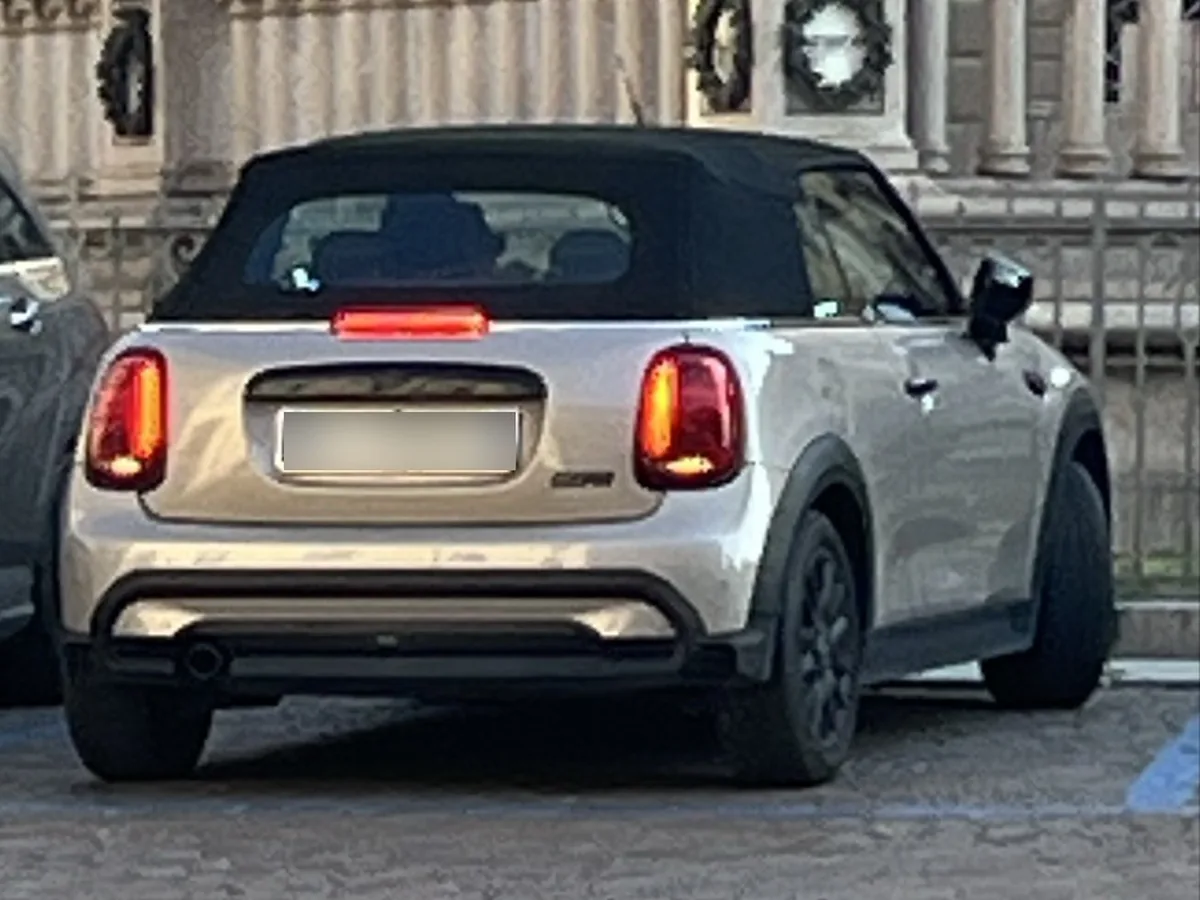
2014
2007
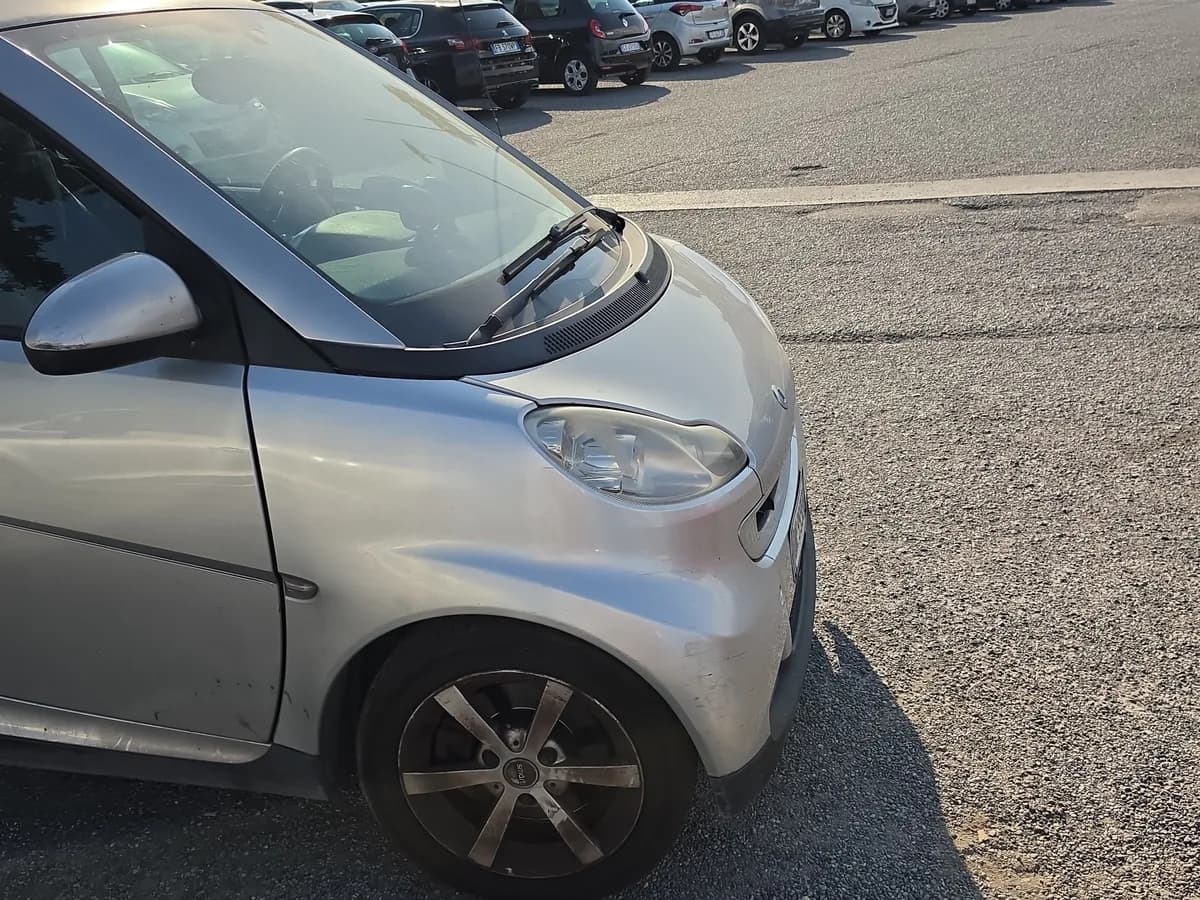
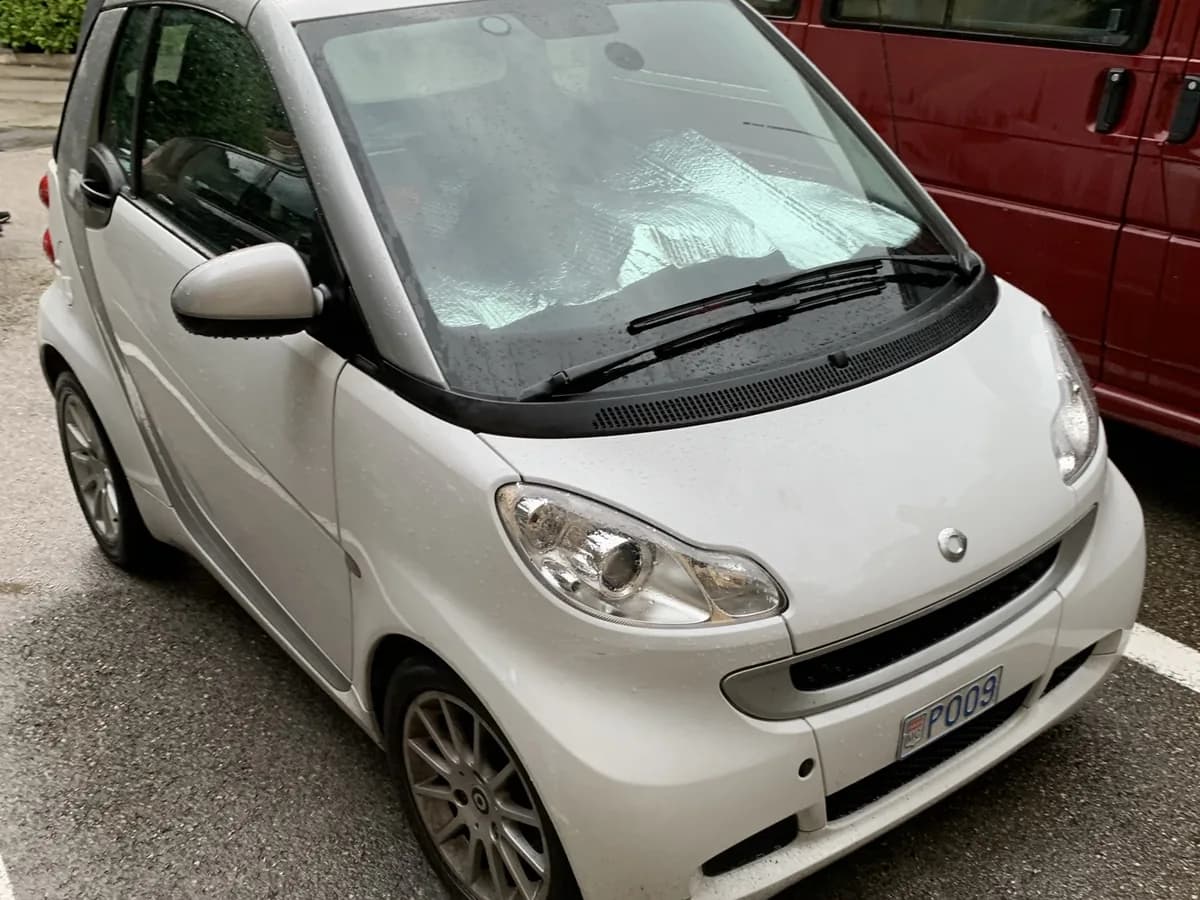
2003
2000
Model summary
Data from the ScanRacer library, organized to compare versions quickly.
Model introduction
Introduced in the late 1990s, the Smart ForTwo is a two-seat city car developed primarily for urban mobility. Its rear-mounted engine, rear-wheel drive, and tridion safety cell helped separate it from conventional small hatchbacks. The model was initially sold as the smart city-coupé before adopting the ForTwo name from 2004 onward. Its exceptionally short body prioritizes maneuverability and parking, while interchangeable body panels and the contrasting safety-cell structure give it an instantly recognizable appearance. Over its career, the range expanded to include coupé, cabrio, BRABUS, and electric versions. The 2000–2019 period therefore covers the transition from an unconventional microcar to a more mature urban vehicle and, eventually, an increasingly electrified product line. The exact equipment, engines, and naming conventions varied by generation and market, so individual cars should be identified by their series and production period rather than by appearance alone. (uk.smart.com)
History
The Smart project grew from Daimler-Benz studies for an exceptionally compact urban car and from a partnership with Nicolas Hayek, the founder of Swatch. Micro Compact Car AG was established in 1994 to develop the concept, which led to the smart city-coupé being shown at the Frankfurt Motor Show in 1997. Production began in 1998 at Hambach, France, and the car quickly became the best-known expression of the new brand. (media.smart.com) The first series, commonly identified as the 450, evolved throughout the 2000s and gained a cabrio body style. In 2004, the city-coupé and city-cabrio names were replaced by fortwo and fortwo cabrio. The second generation, known as the 451, arrived in 2007 with updated styling, improved comfort, and a slightly longer body. It also marked a major step in Smart’s electric-car program: a 100-car test fleet operated in London in 2007, followed by the first series-produced electric cars. (uk.smart.com) The 453 series debuted in 2014 as part of a technical cooperation with Renault. It became wider while retaining the strict two-seat layout, with gains in stability and interior space. From 2017, electric derivatives progressively adopted the EQ designation. The model’s development was therefore not a simple styling exercise: each generation kept the same urban mission while revising packaging, comfort, safety-related structure, and propulsion choices. (es.smart.com)
Generations
The first generation, series 450, corresponds to the city-coupé launched in the late 1990s and later renamed the ForTwo. Its short, upright body is defined by the highly visible tridion cell, separate body panels, and a distinctive two-tone appearance. Coupé and cabrio versions share the same basic concept, but the convertible is easy to distinguish through its roof arches and retractable fabric top. (uk.smart.com) The second generation, series 451, arrived in 2007. Its overall shape remained familiar, but the car gained width, refinement, and comfort. Smart’s own model history identifies a 1.0-liter petrol engine within the generation, although engine availability and specifications differed between markets. This series also hosted the first electric derivatives intended for broader production. (media.smart.com) The third generation, series 453, was introduced in 2014. Developed with Renault, it became roughly ten centimeters wider than its predecessor without giving up the very compact overall length. Its turning circle was reduced as well, strengthening its city-car credentials. Electric versions were sold first as smart electric drive models and later, depending on year and market, as the smart EQ fortwo and EQ fortwo cabrio. (es.smart.com)
Key differences
The clearest differences are found between the three series. The 450 has the narrowest, most upright appearance and the most visibly minimalist cabin. The 451 looks more modern and slightly broader while preserving the familiar ForTwo proportions. The 453 is wider again and uses a more contemporary front-end design, including revised lighting and grille treatment. (es.smart.com) Body style is another essential identification point. The coupé has a fixed roof, while the cabrio can be recognized by its roof arches, side pillars, and retractable fabric-top system. Electric versions may carry dedicated badges and lack an exhaust outlet, but these details do not always identify the generation by themselves. BRABUS models generally add sportier trim and performance-oriented equipment, but they are derivatives rather than separate generations. The EQ name marks a later stage of Smart’s electric transition; it does not describe a completely new body shell. Equipment, badging, and lighting details can vary by market and model year, so registration documents or factory data remain preferable for definitive identification. (uk.smart.com)
Photo recognition
To identify a ForTwo, begin with the tridion structure. This safety cell forms a highly visible part of the body and often contrasts with the exterior panels. The exceptionally short length, limited overhangs, and two-seat cabin are also defining clues. A 450 looks especially narrow and tall. The 451 appears broader and more mature, with more integrated body volumes. The 453 is easier to recognize through its increased width, rounder front-end treatment, and more planted proportions. (media.smart.com) The cabrio is identified by its longitudinal roof arches and retractable fabric top, even when the roof is closed. BRABUS or EQ badges may indicate a specific derivative, but they should be checked carefully because trim pieces and badges can be added later. An electric version has no conventional exhaust system and may feature dedicated instruments or exterior logos. For a reliable distinction between 450, 451, and 453 cars, inspect the front fascia, lamps, door handles, and cabin design rather than relying only on paint color or wheel style. Market-specific equipment and facelift changes mean that official vehicle records are preferable when a precise identification is required. (uk.smart.com)
Important versions
The key versions begin with the city-coupé, renamed the ForTwo coupé in 2004, which forms the historical core of the range. The ForTwo cabrio adds an open body while retaining the two-seat format. BRABUS derivatives, introduced in the early 2000s, give the car a sportier character and dedicated trim. Electric-drive versions represent another major milestone: following the 2007 London trials, they progressed into series production and were later marketed as the smart EQ fortwo and EQ fortwo cabrio. The Base and Cabrio labels can cover different equipment depending on market and model year, so they should not be treated as universally equivalent specifications. Identification is strongest when the version name is combined with the series number, body style, production year, and propulsion type. (uk.smart.com)
Technical specifications
Structured data available for versions linked to this model.
| Version | Power | Torque | Top speed | Drivetrain | Fuel |
|---|---|---|---|---|---|
| Base | 52.2 KW @ 6000 RPM71 HP @ 6000 RPM70 BHP @ 6000 RPM | 67 lb-ft @ 2850 RPM91 Nm @ 2850 RPM | 94 mph (151 km/h) | Rear Wheel Drive / 6-speed automatic (DCT) | Gasoline |
| Base | 72 KW @ 5500 RPM 98 HP @ 5500 RPM 97 BHP @ 5500 RPM | 103 lb-ft @ 3500 RPM 140 Nm @ 3500 RPM | 96 mph (154 km/h) | Rear Wheel Drive / 5-Speed manual | Gasoline |
Frequently asked questions
- What years was the Smart ForTwo produced?
- ScanRacer's referenced versions cover 2000 - 2019.
- How many Smart ForTwo examples are documented on ScanRacer?
- 3 published scans from 3 members, with the latest photo added in August 2026.