
Smart
Smart originated as a joint project between Daimler-Benz and Swatch, with the aim of rethinking the urban car. First shown in 1997 and produced from 1998, the original City-Coupé stood out through its extremely compact dimensions, two-tone bodywork and tridion safety cell. That construction established an instantly recognizable identity based on providing useful interior space within a very small footprint. Over time, Smart expanded beyond the two-seat city car with the fortwo, forfour, Roadster, Roadster Coupé and Crossblade. Following the creation of a Mercedes-Benz–Geely joint venture in 2019, the brand shifted toward an all-electric model range. The modern portfolio includes the compact SUVs #1 and #3, followed by the larger #5, unveiled in 2024 as Smart’s first premium mid-size SUV.
Models from A to Z
#1
#3
#5
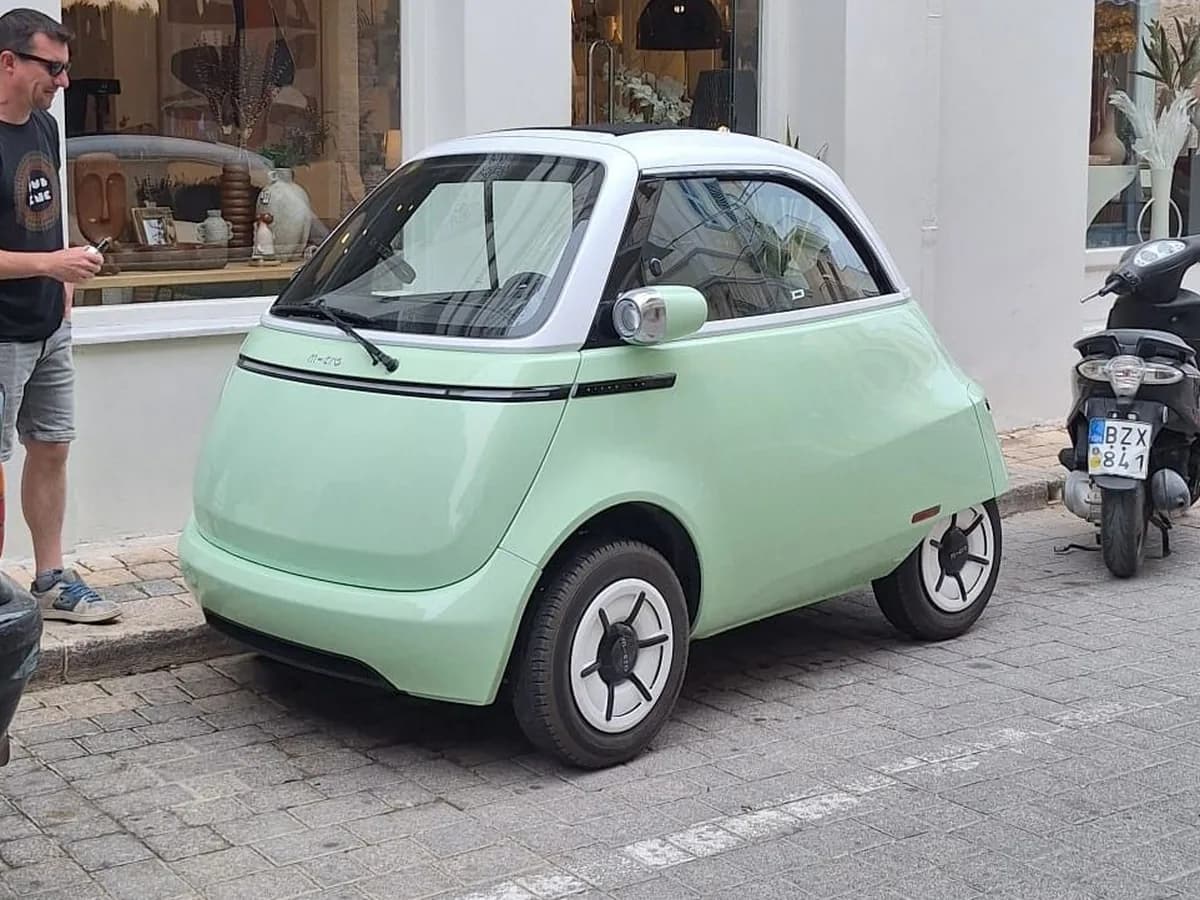
City Coupé
Crossblade
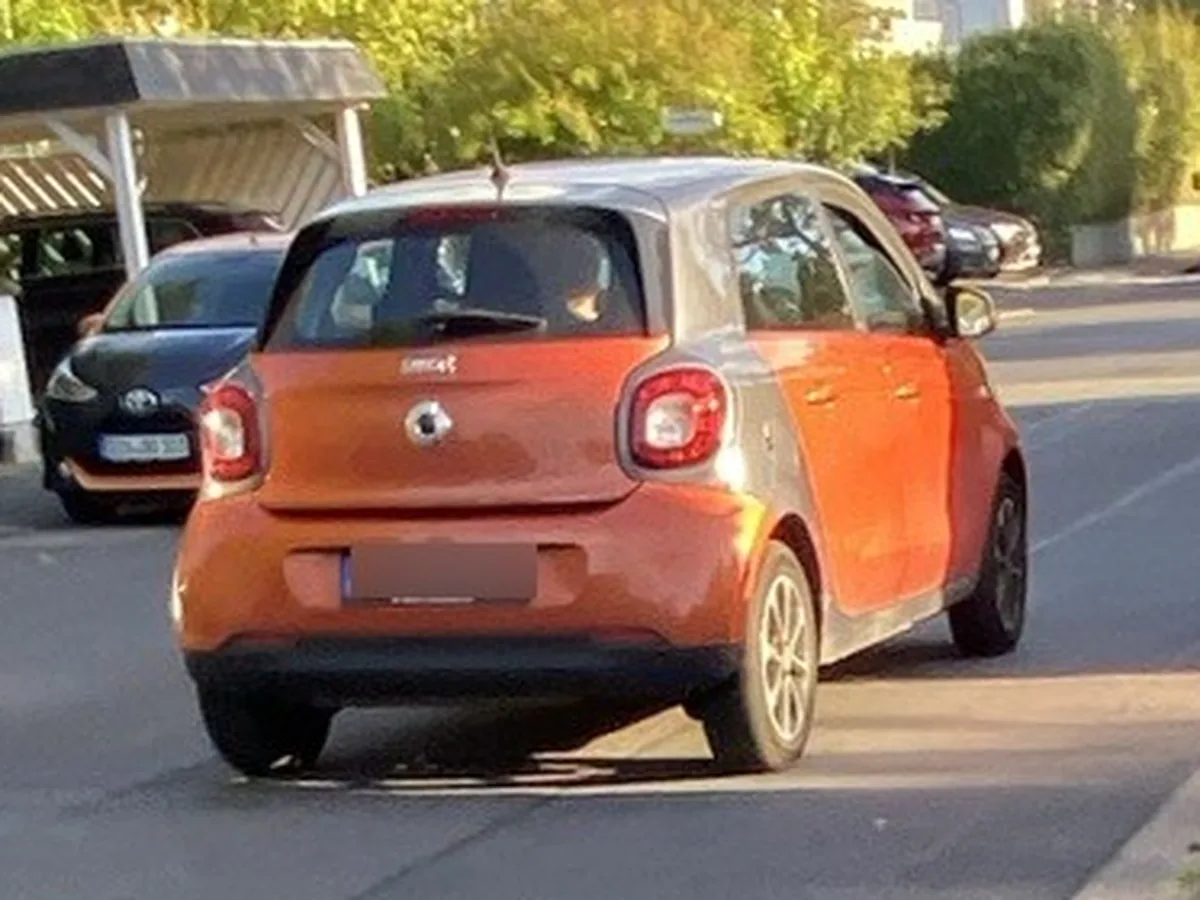
ForFour
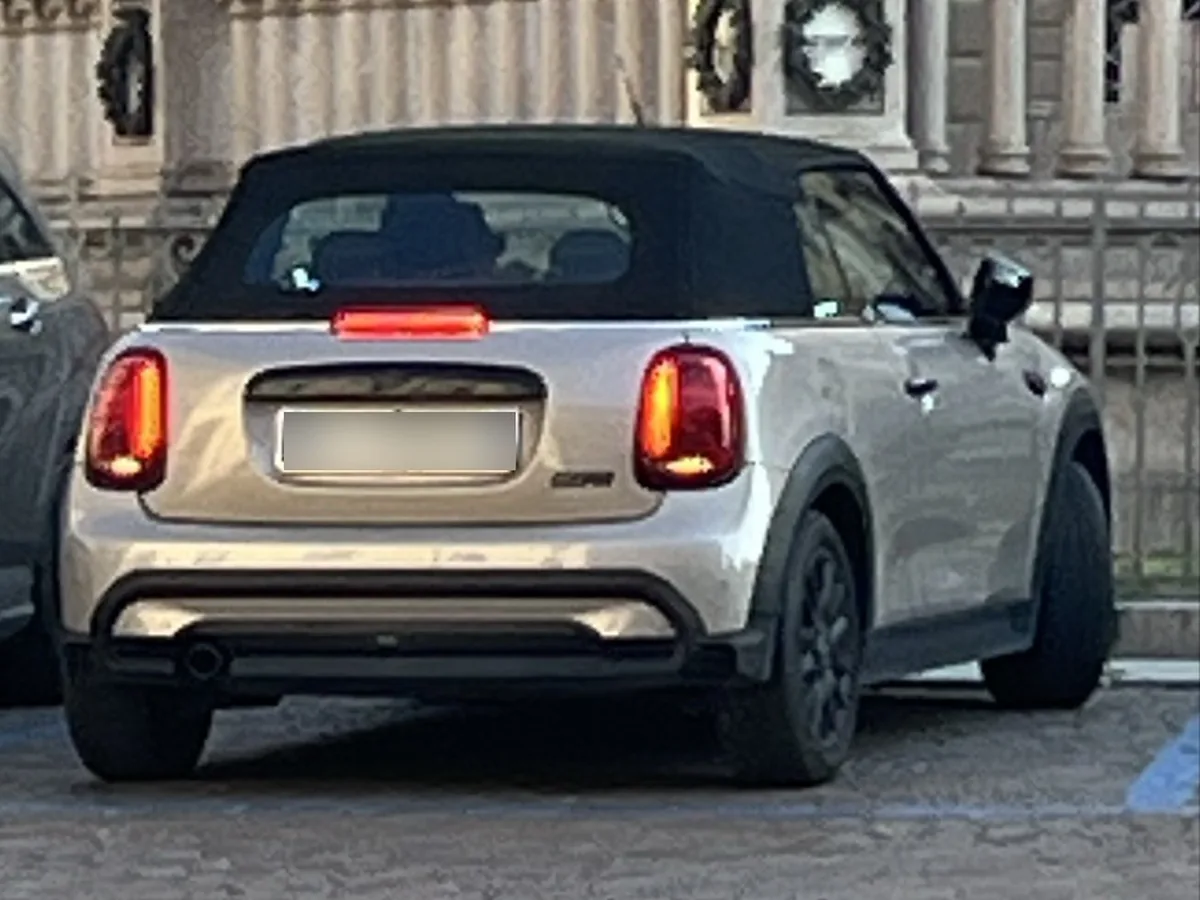
ForTwo
Roadster

Roadster Coupé
Smart overview
Smart history
Smart’s story began in the early 1990s around an idea associated with Nicolas Hayek and Swatch: a lightweight, compact and customizable city car. Daimler-Benz joined as the industrial partner, and Micro Compact Car AG was established in Switzerland in 1994. The development programme led to the tridion safety cell, publicly shown in 1995 and later becoming one of the brand’s defining visual and structural features. Following prototype presentations and safety demonstrations in 1997, the City-Coupé entered production in July 1998 at Hambach, France, before reaching customers later that year. It was subsequently renamed fortwo. Smart soon explored broader concepts, introducing the Crossblade in 2002, the Roadster and Roadster Coupé in 2003, and the four-seat forfour in 2004. The company also investigated electric propulsion through fortwo electric drive prototypes from 2007, followed by series production from 2009. A new phase began in 2019 when Mercedes-Benz and Geely established a joint venture. Smart then moved toward an exclusively electric range, launching the #1 in 2022, the #3 in 2023 and the larger #5 in 2024.
Smart positioning
Smart has long occupied an unusual position in the automotive market: a brand built around urban mobility, efficient use of space and highly expressive design. The fortwo was not simply a conventional city car made smaller; it used a two-seat layout and a visible safety cell to make the most of a limited footprint. The Roadster, Roadster Coupé and Crossblade added a more playful and emotional dimension, while the forfour tested whether the concept could serve a broader, family-oriented role. Since 2019, Smart’s positioning has changed substantially. The brand is no longer focused solely on microcars and is developing an electric, technology-led and more premium identity. The #1 and #3 compete in the compact SUV category, while the #5 extends the range into the mid-size SUV segment. The product strategy clearly supports this interpretation, although its long-term commercial impact remains dependent on market availability and customer response.
Recognizing a Smart in a photo
The easiest way to identify an early Smart is usually its very short, tall profile combined with a contrasting tridion safety cell that visually frames the passenger compartment. The City-Coupé and fortwo are two-door, two-seat cars whose proportions emphasize minimal length and usable cabin space. The Roadster has a low, sporty body, while the Roadster Coupé adds a fixed rear roof section. The Crossblade is immediately distinctive because of its open body and lack of a conventional roof. The forfour is longer and provides four seats, although its first generation retains several Smart design cues. Recent models use the #1, #3 and #5 names for five-door electric SUVs. The #1 is the most compact of the three, the #3 has a more stretched coupé-SUV profile, and the #5 is visibly larger, squarer and more focused on outdoor-oriented use. These visual distinctions help separate Smart’s original city-car era from its current electric SUV strategy.
Important Smart models
The 1998 City-Coupé is the founding model: it introduced the tridion safety cell, two-seat layout and the idea of a car that was exceptionally compact outside while retaining useful cabin space. The fortwo continued that formula and became Smart’s best-known nameplate. The forfour, launched in 2004, broadened the concept into a four-seat car. The Roadster and Roadster Coupé, introduced in 2003, showed a sportier and less utilitarian side of the brand. The 2002 Crossblade remains one of Smart’s most experimental products, built around an open body concept. In the electric era, the #1 marked Smart’s renewed direction in 2022 as a compact SUV, followed by the #3 in 2023 with a coupé-SUV profile. Unveiled in 2024, the #5 expanded the range into the mid-size electric SUV category and became the largest contemporary Smart model. Together, these vehicles trace the brand’s transition from urban microcar specialist to a broader electric-car manufacturer.
References
- Company Historysmart
- Heritagesmart Newsroom
- Heritagesmart Newsroom
- smart #5 World Premiere: The First-Ever Premium Mid-Size SUV from smartsmart Newsroom
- MCC SmartThe Museum of Modern Art
- Companysmart Automobile
- https://media.smart.com/en-INT/tags/smart-1/media.smart.com