
Ibiza
Introduced at the 1984 Paris Motor Show, the SEAT Ibiza became the Spanish brand’s best-selling model. This B-segment hatchback represented a major step for SEAT: the first generation was developed without a direct industrial partner, combining Giorgetto Giugiaro’s exterior design, Karmann’s bodywork expertise and Porsche involvement in the powertrain. Across five generations, the Ibiza evolved from a straightforward European small hatchback into a more sophisticated range with greater technology, safety and body-style variety. Three-door, five-door and ST estate versions appeared at different points in the model’s history. Sport-oriented FR, CUPRA and Bocanegra derivatives helped establish the Ibiza’s dynamic reputation, while the current generation focuses on connectivity, driver assistance and improved interior presentation. Its long production run and broad range explain why the Ibiza remains one of SEAT’s defining cars. (seat-cupra-mediacenter.com)
Variants by year
2026
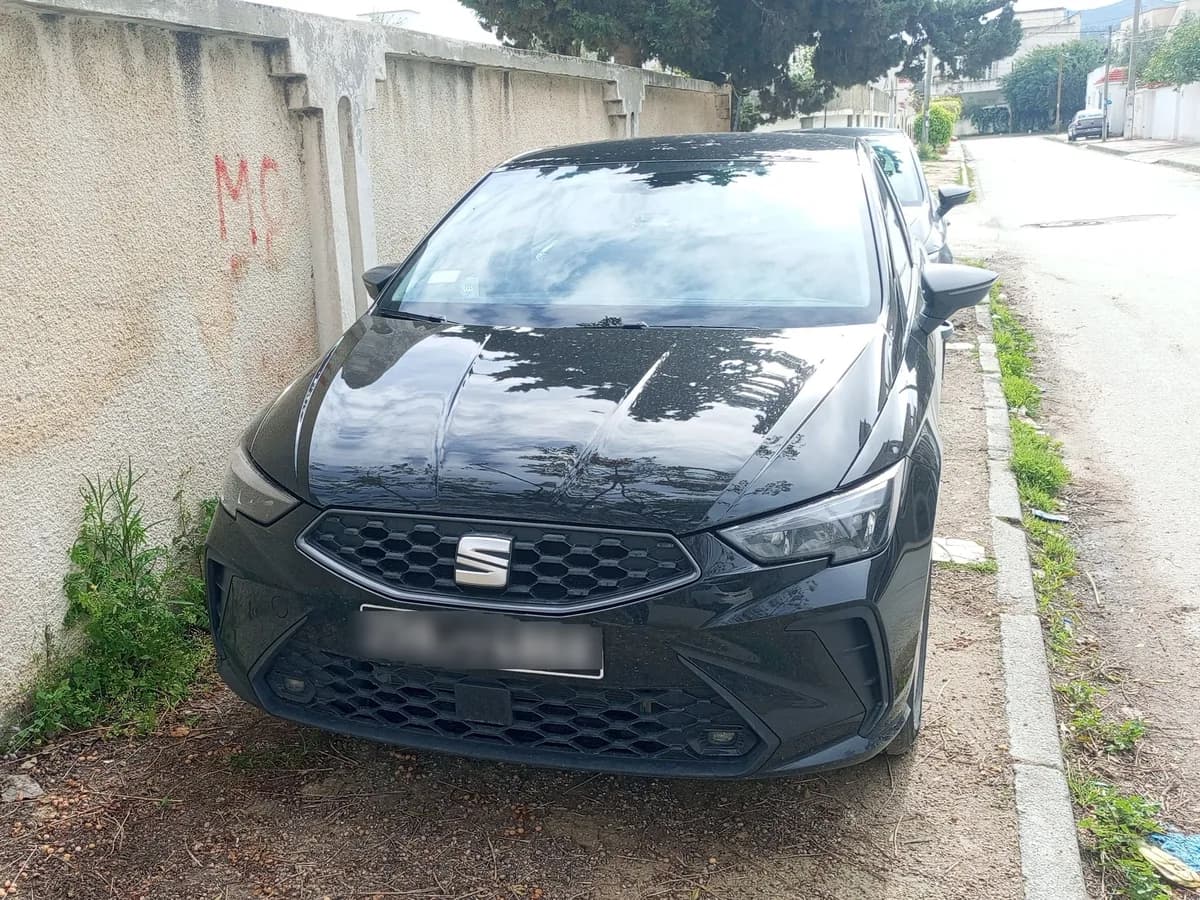
2017

2010
2008
2002
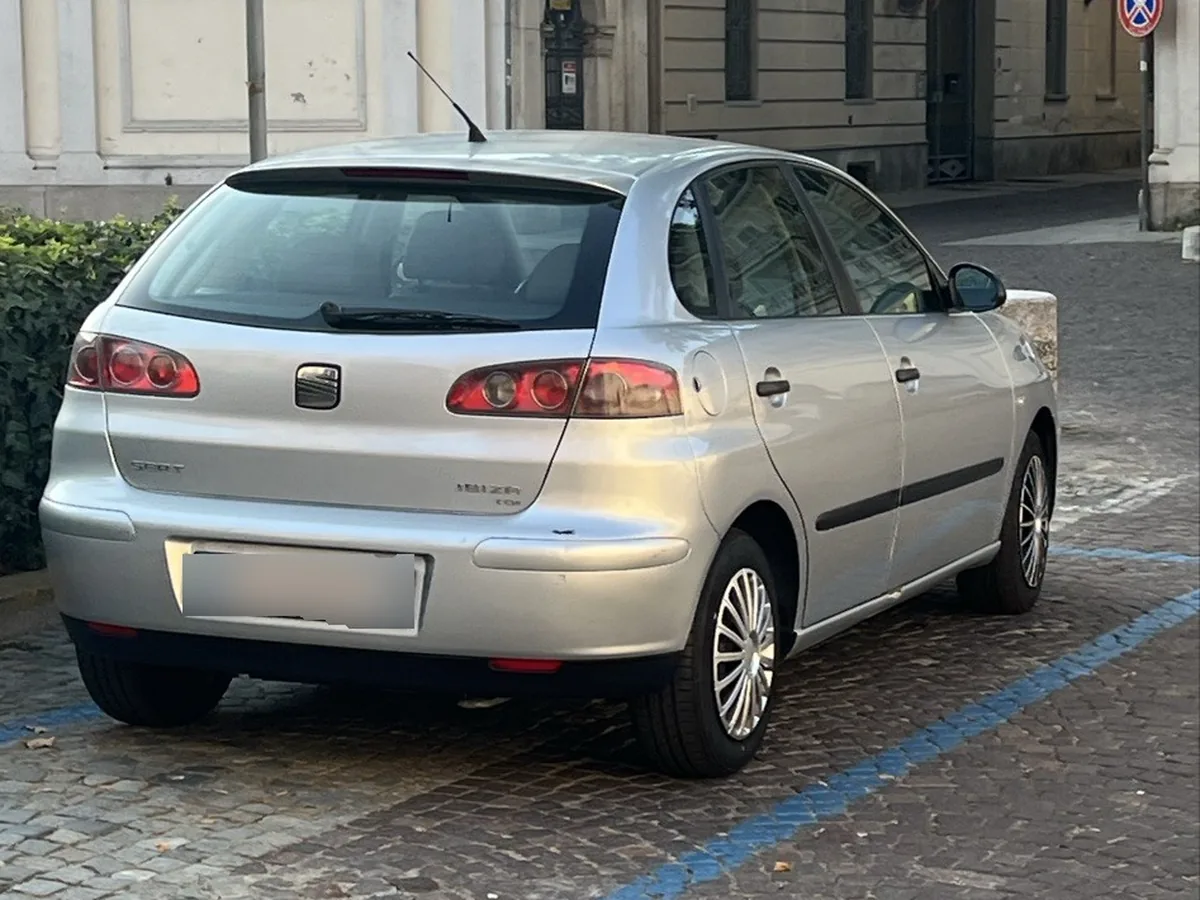
1999
1993
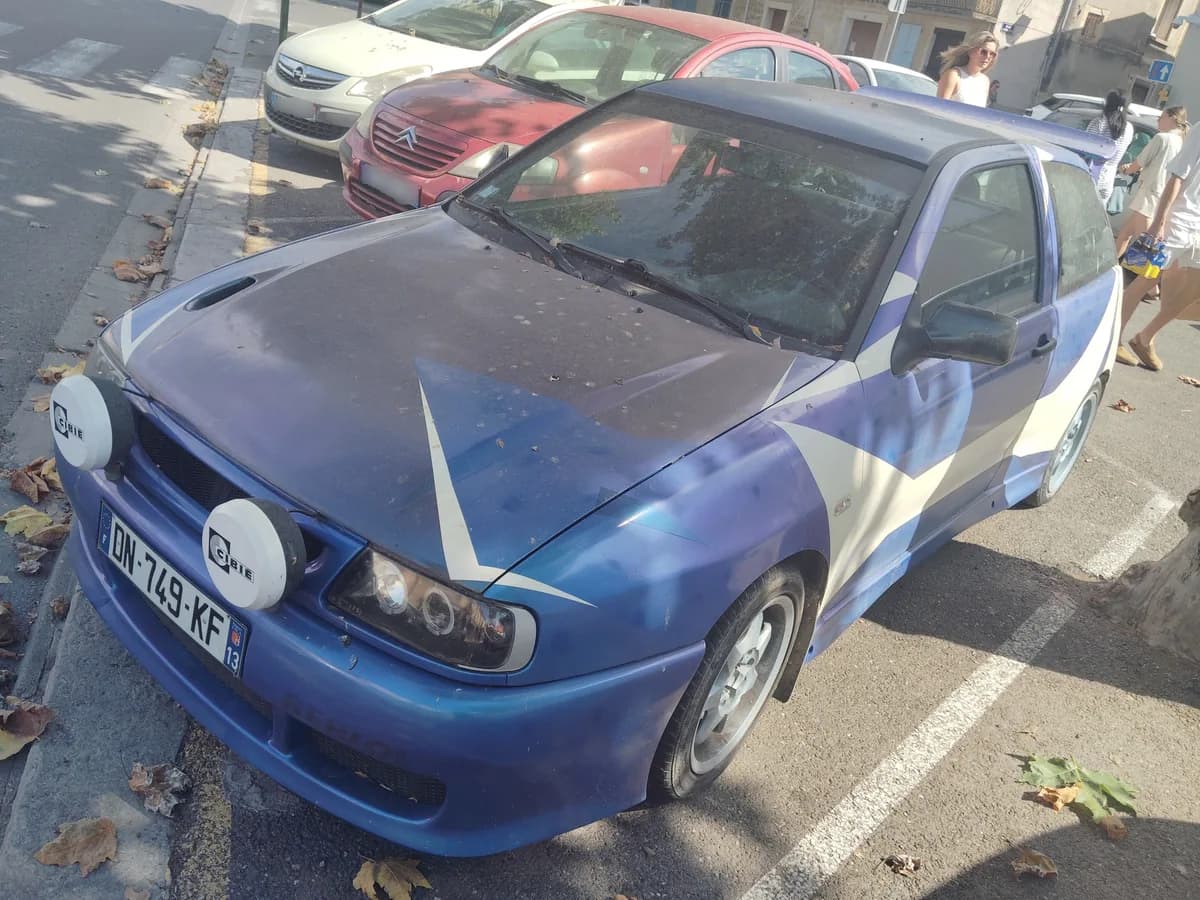
1984
Model summary
Data from the ScanRacer library, organized to compare versions quickly.
Model introduction
Introduced at the 1984 Paris Motor Show, the SEAT Ibiza became the Spanish brand’s best-selling model. This B-segment hatchback represented a major step for SEAT: the first generation was developed without a direct industrial partner, combining Giorgetto Giugiaro’s exterior design, Karmann’s bodywork expertise and Porsche involvement in the powertrain. Across five generations, the Ibiza evolved from a straightforward European small hatchback into a more sophisticated range with greater technology, safety and body-style variety. Three-door, five-door and ST estate versions appeared at different points in the model’s history. Sport-oriented FR, CUPRA and Bocanegra derivatives helped establish the Ibiza’s dynamic reputation, while the current generation focuses on connectivity, driver assistance and improved interior presentation. Its long production run and broad range explain why the Ibiza remains one of SEAT’s defining cars. (seat-cupra-mediacenter.com)
History
The first SEAT Ibiza arrived in 1984, at a time when the company was seeking to establish itself as an international manufacturer. Revealed in Paris, it was SEAT’s first car developed without a direct technological partner. Giorgetto Giugiaro designed the exterior, Karmann worked on the body and Porsche contributed powertrain expertise. The launch range included L, GL and GLX trim levels, with 1.2- and 1.5-litre petrol engines among the initial choices. (seat-cupra-mediacenter.com) The second generation appeared in the early 1990s and coincided with SEAT’s integration into the Volkswagen Group environment. It used a Volkswagen Group platform and became the first vehicle built at the new Martorell plant, making it an important industrial milestone. The third generation, unveiled in 2001, brought stronger perceived quality, more expressive styling and sharper driving characteristics. It also established FR and CUPRA as important parts of the Ibiza’s performance identity. (seat-cupra-mediacenter.com) Launched in 2008, the fourth generation expanded the range with three-door, five-door and ST estate body styles. The fifth generation, introduced in 2017, moved the model further toward digital equipment and modern driver assistance. SEAT states that more than six million Ibizas have been sold across five generations, underlining the model’s importance to the company’s recent history. (seat-cupra-mediacenter.com)
Generations
The first generation is generally associated with the 1984-1993 period. Its angular Giugiaro styling and relatively straightforward mechanical layout make it distinct from later cars. It also represents the Ibiza’s clearest period of independent technical development. The second generation, usually placed around 1993-2002 in SEAT’s historical breakdown, adopted softer, more rounded styling and Volkswagen Group-related engineering. It was also the first Ibiza built at the Martorell plant. (seat-cupra-mediacenter.com) The third generation was introduced in 2001 and remained in production through the late 2000s. Developed with Walter de Silva and the Martorell design centre, it used a more sculpted and dynamic visual language. SEAT highlighted its Agile Chassis concept, while FR and CUPRA versions gave the range a stronger performance focus. The fourth generation arrived in 2008 with Luc Donckerwolke’s Arrow Design language. Its most useful identification feature is the unusually broad body-style range: SC three-door, five-door hatchback and ST estate. (seat-cupra-mediacenter.com) The fifth generation, launched in 2017, moved the Ibiza toward a more modern architecture and a visibly digital cabin. Later model years emphasise larger displays, smartphone integration, LED lighting and driver-assistance systems. Exact transition dates can differ by market and trim level, so identifying an Ibiza is best done by combining its year, body style and exterior design rather than relying on a single commercial label. (seat-cupra-mediacenter.com)
Key differences
The clearest differences are related to body style. The hatchback is the traditional Ibiza shape and spans the full period represented in the ScanRacer context. The SC Hatch is the three-door derivative associated with the fourth generation; its longer side doors and tighter profile give it a sportier appearance. The ST Wagon, represented around 2010 in the supplied context, adds a longer rear section and a more practical estate-car layout. SEAT identifies the fourth generation as the only Ibiza generation to offer three distinct body styles at the same time. (seat-cupra-mediacenter.com) Differences between generations go beyond door count. Early Ibizas use simpler dashboards and equipment, while later cars offer more extensive infotainment, digital displays and driver-assistance technology. Exterior design also moves from the first generation’s angular surfaces to more sculpted forms and, eventually, a cleaner and more technology-focused appearance. Engines, gearboxes, trim names and equipment can vary by country and model year, so those details should be checked against the relevant market specification rather than assumed from the body style alone. (seat-cupra-mediacenter.com)
Photo recognition
When identifying an older Ibiza, start with the overall body shape. The first generation has a distinctly straight, angular design and a compact profile typical of the 1980s. The second generation uses rounder volumes and a more integrated front end. The third generation is easier to recognise through its more sculpted sides and expressive styling associated with Walter de Silva’s design direction. (seat-cupra-mediacenter.com) On the fourth generation, door count is especially useful: the SC has three doors, the hatchback five and the ST an estate body. This generation also introduced the Arrow Design theme, with sharper lines and a more distinctive front-end treatment. The fifth generation has a visually wider stance, cleaner surfacing, modern lighting and an interior centred around screens and connectivity. Later examples may feature Full LED headlights, a digital instrument display and Full Link smartphone integration. (seat-cupra-mediacenter.com) FR, CUPRA and Bocanegra badges can help identify a particular performance-oriented derivative, but they do not always establish the exact model year. A reliable identification should combine body style, lamp design, dashboard layout, wheels, badges and production date. Equipment may also differ between markets, so photographs and specification data are useful when distinguishing closely related facelifts.
Important versions
Among the most significant derivatives, the early 1.5 GLX represents the technical ambition of the original Ibiza range. GTi, FR and CUPRA versions later established the model’s sporting reputation, combining stronger performance with distinctive trim and equipment depending on the generation. SEAT identifies the third generation as the point at which the FR line became part of the Ibiza’s performance identity, while the CUPRA R stands out as one of the most extreme versions of that era. (seat-cupra-mediacenter.com) The fourth-generation Bocanegra is recognisable by its black front treatment, inspired by the SEAT 1200 Sport. The SC Hatch appeals to buyers seeking a three-door body, while the ST Wagon provides the practical estate alternative. On recent cars, FR trims and anniversary editions focus more heavily on styling, equipment and connectivity than on a fundamentally different mechanical package. (seat-cupra-mediacenter.com)
References
- Bold evolution: The transformation of the SEAT Ibiza into an iconSEAT Media Center
- SEAT Ibiza anniversary press kitSEAT Media Center
- SEAT Ibiza model informationSEAT Media Center
- SEAT Ibiza catalogueSEAT
- https://www.autobild.es/reportajes/generaciones-seat-ibiza-198538autobild.es
- https://www.adac.de/rund-ums-fahrzeug/autokatalog/marken-modelle/seat/ibiza/adac.de
Frequently asked questions
- What years was the SEAT Ibiza produced?
- ScanRacer's referenced versions cover 1984 - 2026.
- How many SEAT Ibiza examples are documented on ScanRacer?
- 7 published scans from 6 members, with the latest photo added in August 2026.