
SEAT
Founded in Spain on May 9, 1950, SEAT began building cars in Barcelona in 1953 with the 1400. The company then helped motorise the country with the 600 before gradually moving beyond its Fiat-licensed origins. The Ibiza, introduced in 1984, marked a decisive turning point: it was SEAT’s first independently developed model and went on to become the best-selling vehicle in the company’s history. After Volkswagen acquired a stake in 1986, SEAT modernised its factories, expanded its range and developed a stronger international identity. The Leon, launched in 1999, strengthened that direction in the highly competitive compact-car class. Today, the Ibiza, Arona and Leon remain the clearest reference points in the SEAT line-up, while earlier cars record the brand’s transition from a Spanish mass-mobility manufacturer into a broader European automotive marque.
Models from A to Z
124
127
133
850
Alhambra

Altea

Arona
Arosa
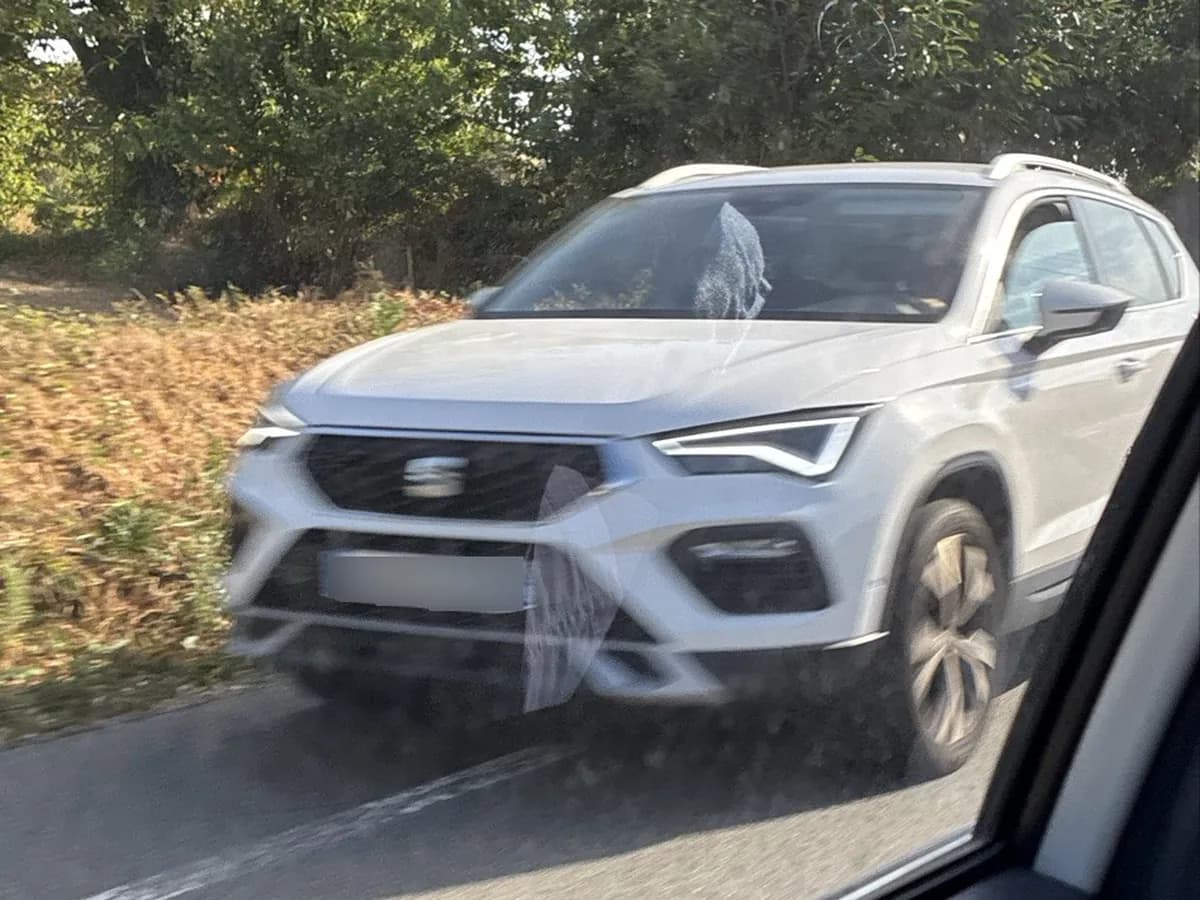
Ateca
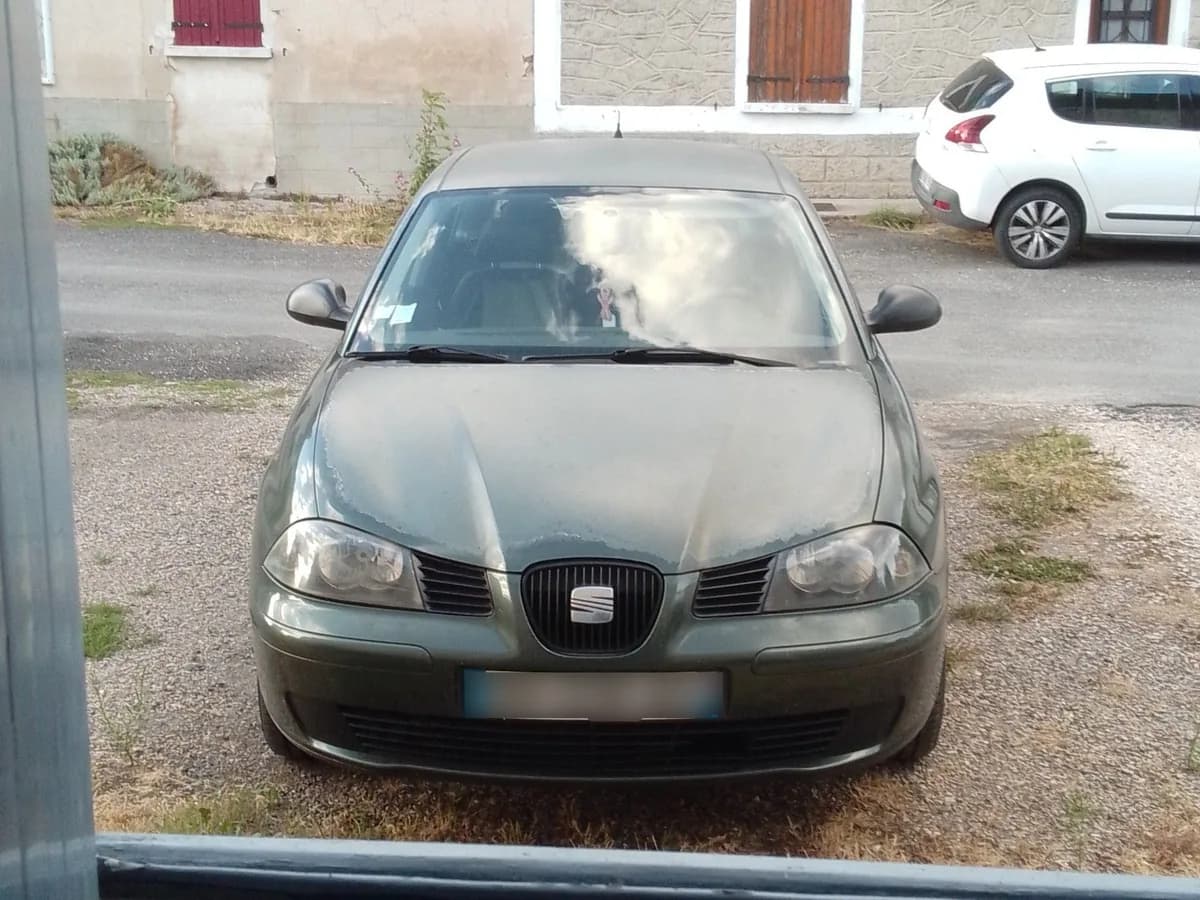
Córdoba
Exeo
Fura
Gredos

Ibiza
Inca
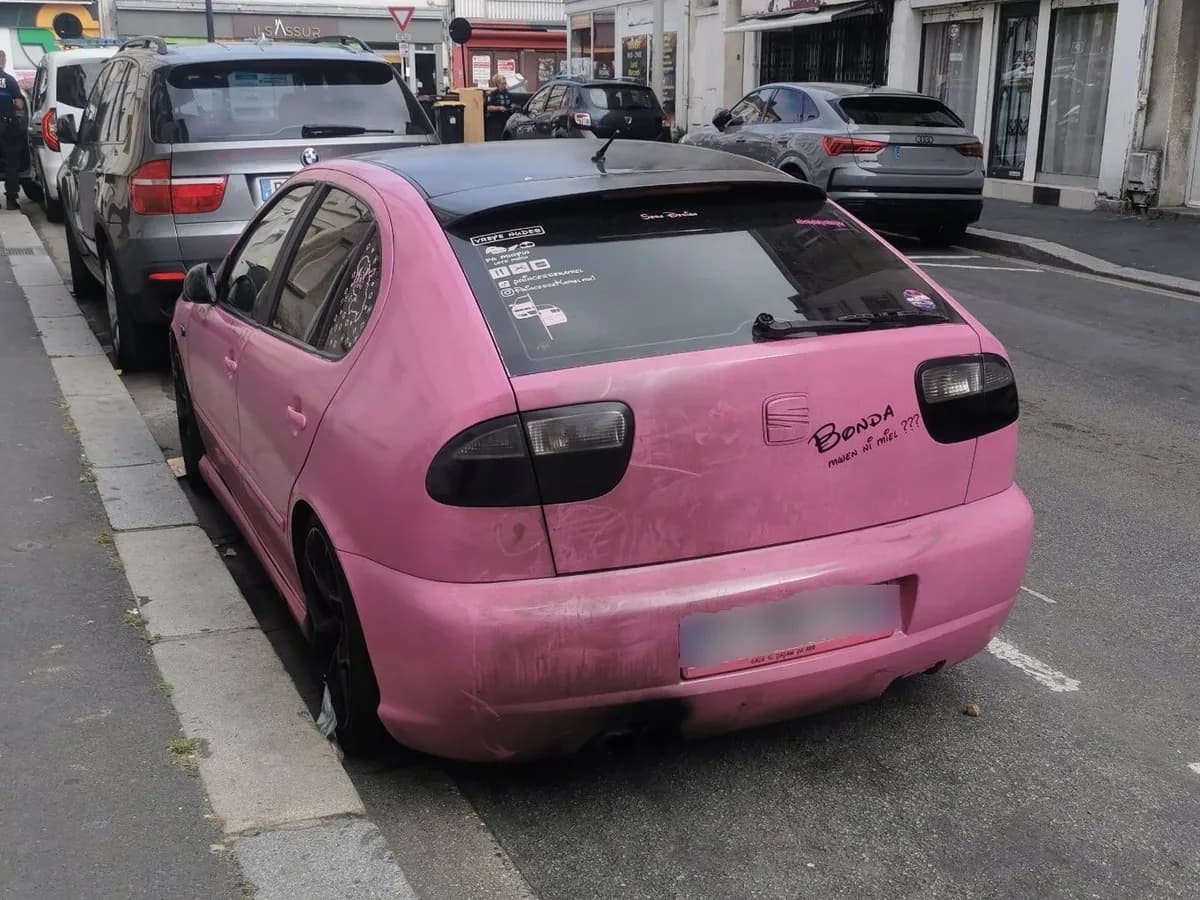
León
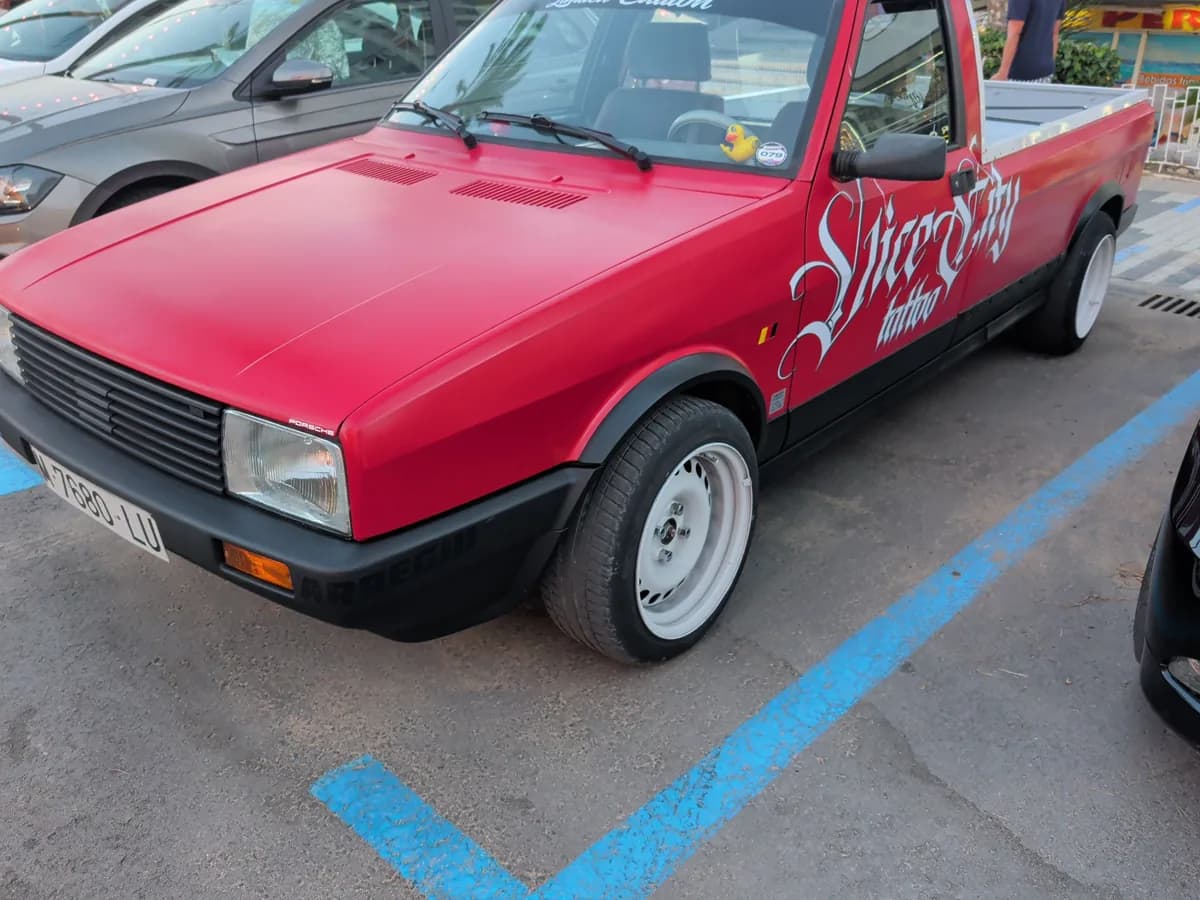
Málaga
Marbella
Mii
Panda
Ritmo
Ronda
Tarraco
Terra
Toledo
Trans
SEAT overview
SEAT history
SEAT, short for Sociedad Española de Automóviles de Turismo, was established on May 9, 1950. Its first factory opened in Barcelona’s Zona Franca district in 1953, the same year the 1400 became the company’s first manufactured car. The 600, introduced in 1957, soon became a symbol of affordable mobility in Spain. During the 1960s and 1970s, the range expanded with cars such as the 850, 124 and 127, reflecting the company’s close technical relationship with Fiat. Launched in 1972, the 127 brought front-wheel drive and a hatchback body style to SEAT’s range. Fiat’s withdrawal in 1980 forced SEAT to create a more independent product strategy. The 1984 Ibiza, styled by Giorgetto Giugiaro, was the most important result of that transition. Volkswagen acquired a stake in 1986 and increased its holding to 99.99 percent by 1990. The Martorell factory opened in 1993 with the second-generation Ibiza and the Cordoba. The 1991 Toledo introduced the first SEAT model developed with Volkswagen Group technology, while the 1999 Leon firmly established the brand in Europe’s competitive compact-car market.
SEAT positioning
SEAT has traditionally positioned itself as a Spanish mass-market manufacturer, offering cars for a broad audience rather than competing as a luxury marque. Its early decades are associated with affordable vehicles and the spread of car ownership across Spain. From the Ibiza onward, the brand developed a younger, more expressive and increasingly export-focused image. That direction became especially visible through sporty versions, the design-led Leon and the expansion of production at Martorell. Since becoming part of the Volkswagen Group, SEAT has used shared group technologies and components while maintaining a distinct identity through styling and market positioning. The current core range—Ibiza, Arona and Leon—covers the supermini, urban SUV and compact-car categories. This description should still be read with some caution: equipment, engines and precise market positioning can differ according to country, model year and trim level.
Recognizing a SEAT in a photo
Identifying an older SEAT often requires looking at its production context as well as its badge. Models from the 1960s and 1970s, including the 850, 124 and 127, share shapes and mechanical concepts with contemporary Fiat cars but carry SEAT branding. The 127 can be recognised by its compact hatchback body and front-wheel-drive layout. The Ibiza is the clearest model for tracing the brand’s development. Introduced in 1984, it has passed through several generations and remains a five-door supermini in modern form. The Cordoba represents the saloon and estate-oriented branch of that family. The Leon, launched in 1999, is identified by its compact dimensions and more dynamic character. Spanish city and regional names are also common across the SEAT range, although they cannot by themselves establish an exact production year. A reliable identification should combine body shape, lighting design, door handles, wheels, badges and the vehicle’s documented model year.
Important SEAT models
The 850, represented here across 1966–1970, belongs to the period when SEAT was expanding beyond the 600. The 124 and 127 then illustrate the company’s 1970s development; the 127 is especially significant because of its commercial success and modern engineering solutions for the brand. The 133, introduced in 1974, belongs to the same transitional era. The Ibiza is the central model in SEAT’s modern history. Launched in 1984 as the company’s first independently developed car, it became SEAT’s best-selling vehicle and helped drive international expansion. The Cordoba, produced from 1993 to 2002, broadened the family with a saloon body and practical derivatives. The Leon, introduced in 1999, moved SEAT into a new phase with a more ambitious compact car in terms of design, technology and performance. Altea, Alhambra, Exeo, Mii and Arona extended that progression across the MPV, people-carrier, executive saloon, city-car and urban-SUV categories.
References
- SEAT History – Manufacturing Cars Since 1950SEAT
- SEAT History – 1950s, SEAT 600, classic carsSEAT
- SEAT History – 1990s, Volkswagen Group, SEAT ToledoSEAT
- The History of SEATVolkswagen Group
- From the SEAT 127 to the IbizaSEAT
- Four generations of the SEAT LeonSEAT
- SEAT Ibiza: 5 reasons behind its successSEAT-CUPRA Media Center
- SEAT BrandSEAT-CUPRA Media Center