
Pickup
The Ram name covers a full-size pickup family whose modern history began with the Dodge Ram introduced for the 1981 model year. Ram became a standalone division in 2009, with a range structured around the light-duty 1500, the 2500 and 3500 Heavy Duty pickups, and the 3500, 4500 and 5500 chassis-cab trucks. This structure explains why “Ram Pickup” can refer to very different vehicles: some emphasize comfort and everyday use, while others are designed for commercial towing, payload work or off-road performance. Since 2020, the family has also expanded into high-performance models such as the TRX and RHO. The Ram 1500 REV marks the announced electric direction for 2026, while combustion-powered trucks continue to evolve through the Hurricane, HEMI and Pentastar powertrain families.
What about the car you photographed?
Upload a photo to get a suggested make, model and likely year.
No account needed for the result · Publish only if you choose
Variants by year
Make: Ram · Model: Pickup
11 / 11 versions shown
2026
2025
2024
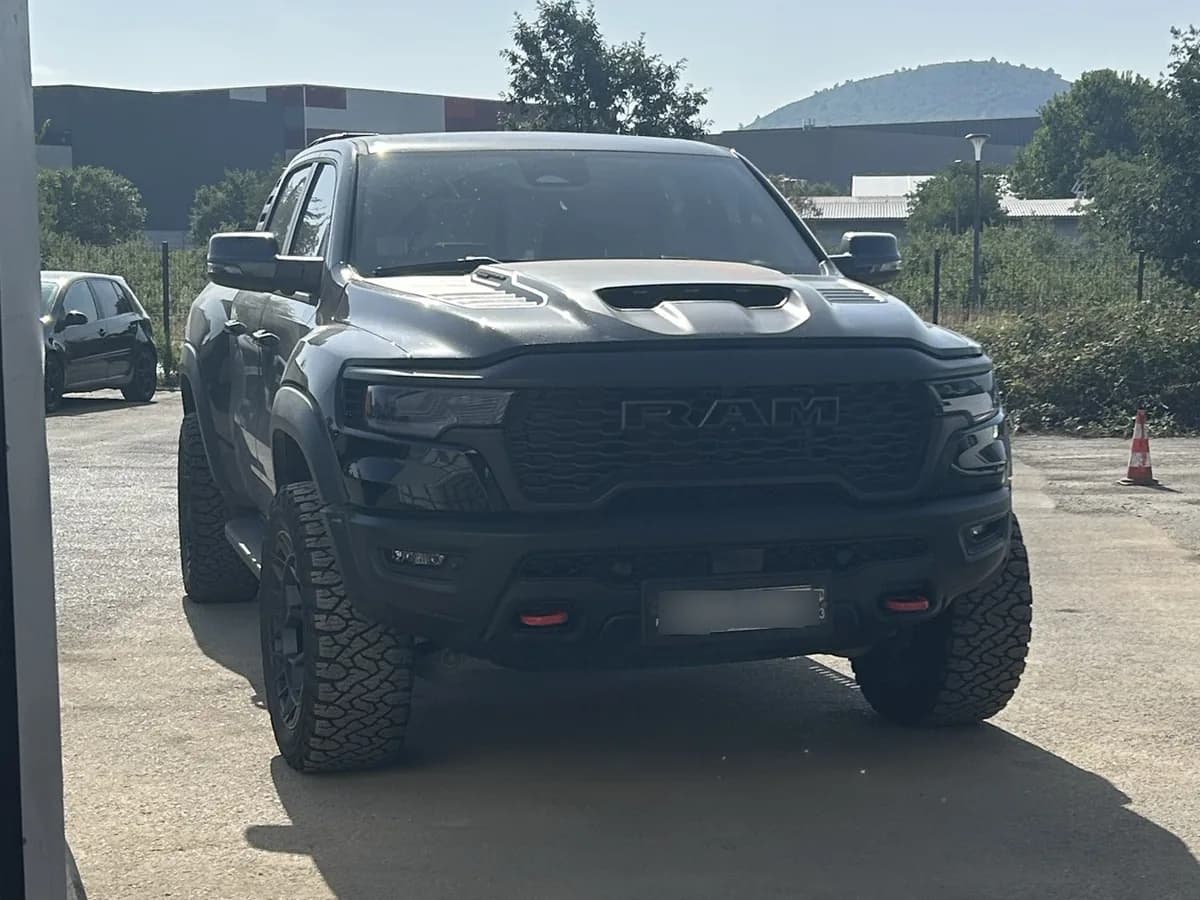
2020
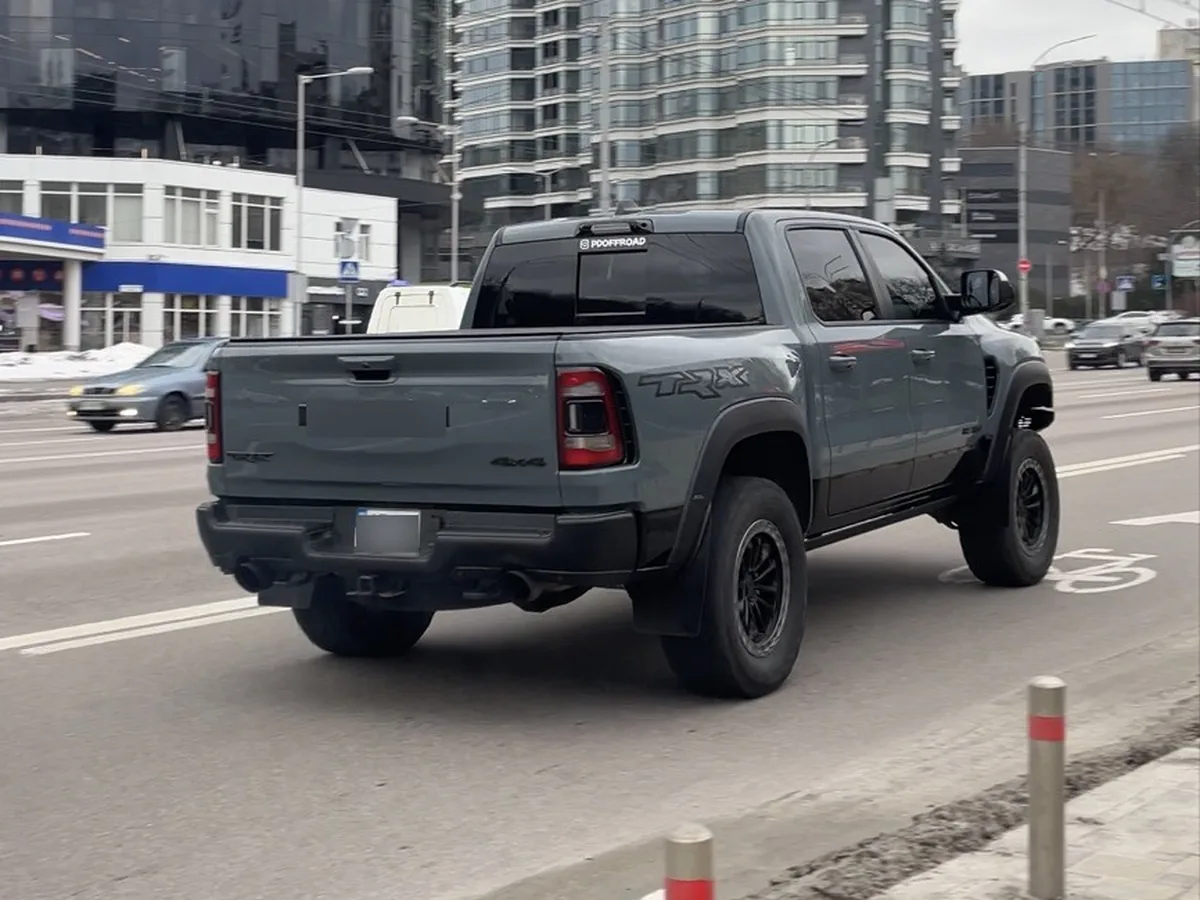
2019
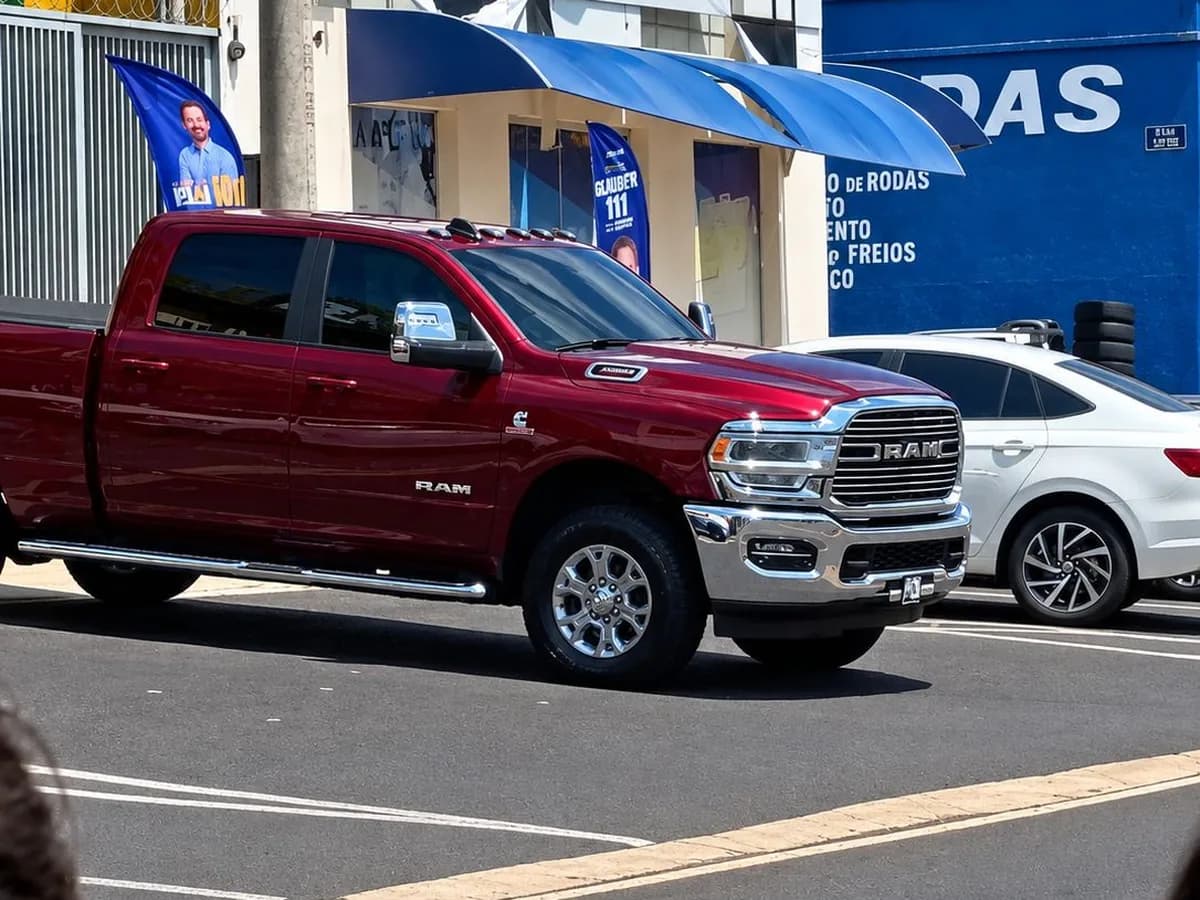
2018
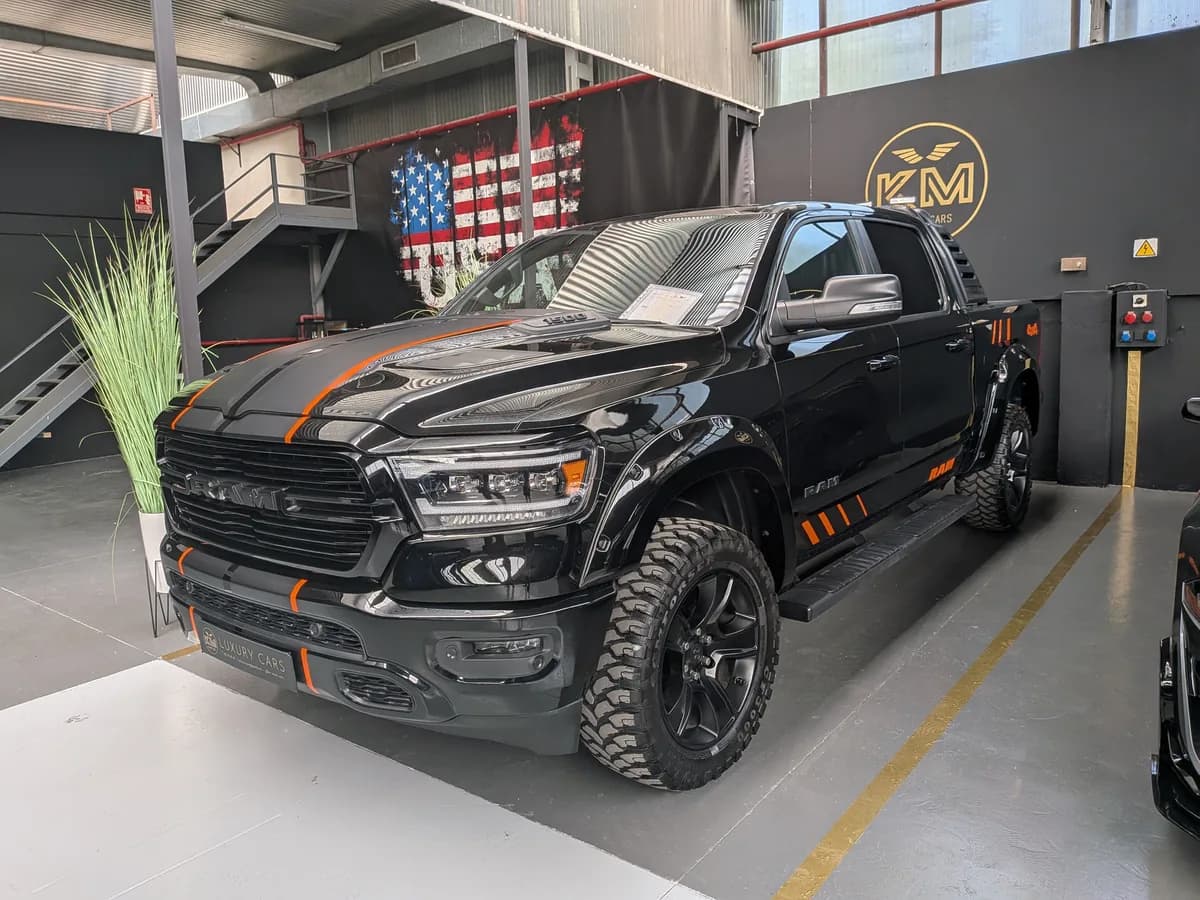
2010
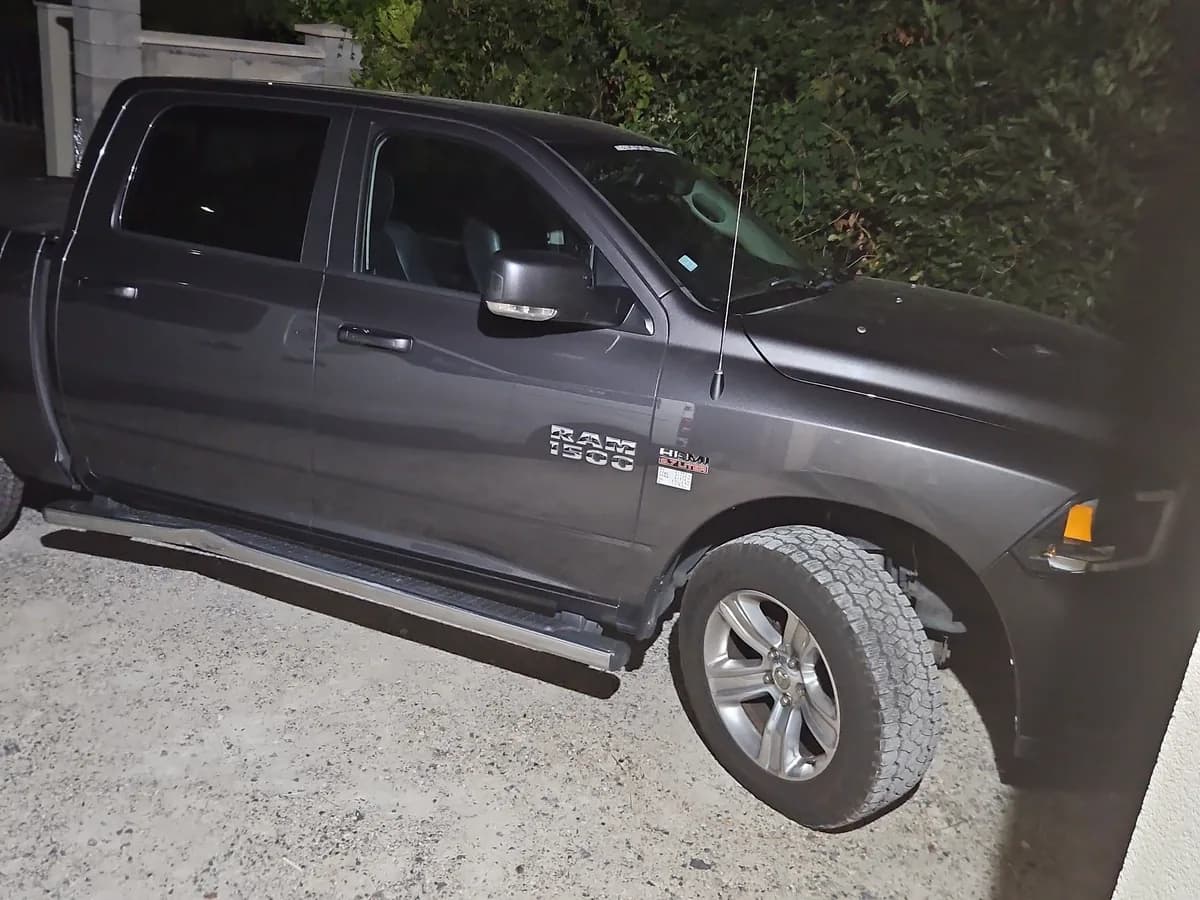
Ram Pickup photos
Model summary
Data from the ScanRacer library, organized to compare versions quickly.
Model introduction
The Ram name covers a full-size pickup family whose modern history began with the Dodge Ram introduced for the 1981 model year. Ram became a standalone division in 2009, with a range structured around the light-duty 1500, the 2500 and 3500 Heavy Duty pickups, and the 3500, 4500 and 5500 chassis-cab trucks. This structure explains why “Ram Pickup” can refer to very different vehicles: some emphasize comfort and everyday use, while others are designed for commercial towing, payload work or off-road performance. Since 2020, the family has also expanded into high-performance models such as the TRX and RHO. The Ram 1500 REV marks the announced electric direction for 2026, while combustion-powered trucks continue to evolve through the Hurricane, HEMI and Pentastar powertrain families.
History
The first Dodge Ram appeared in 1981 as part of Dodge’s light-truck range. The name belonged to a longer Dodge pickup tradition, but it accompanied a major shift in styling and product positioning. In 1989, the 5.9-liter Cummins diesel became available in the Ram, helping establish the truck as a serious choice for towing and commercial work. The 2009 Dodge Ram introduced another important step, including a redesigned chassis and the 5.7-liter HEMI V8. That same year, Ram was separated from Dodge and established as a dedicated truck and commercial-vehicle brand; trucks sold from the 2010 model year onward increasingly carried Ram branding rather than Dodge badges. The Ram 1500 introduced for 2019 used a frame made extensively from high-strength steel, reduced weight and raised its published payload and towing figures. In 2020, Ram revealed the 1500 TRX, engineered for high-speed desert driving and powered by a 702-horsepower supercharged HEMI V8. The RHO later joined the lineup as a Hurricane-powered performance truck. The next major transition is the 1500 REV, whose availability is announced for 2026 and which represents Ram’s move toward electric full-size pickups.
Generations
Generation terminology differs depending on whether the subject is the 1500, the Heavy Duty range or the Ram brand itself. It is therefore more accurate to describe several broad phases than to apply one universal generation numbering system. The first phase begins in 1981 with the Dodge Ram. It covers pickups that still carried a primarily Dodge identity and established the Ram name in the American full-size truck market. The second phase covers the strengthening of the range through the 1990s and 2000s, including the arrival of the Cummins diesel in 1989 and the gradual move toward more powerful and better-equipped trucks. The third phase begins around 2009-2010, when Ram became a standalone brand and the 1500 developed a distinct identity. The 2019 Ram 1500 then brought a major technical update, with a lighter frame, increased equipment and a broader product strategy. Since 2020, the family has diversified more visibly. The TRX introduced a desert-performance mission, the RHO continued that approach with the Hurricane inline-six, and the REV opened the path toward electric propulsion. The 2500, 3500 and chassis-cab trucks have followed a parallel development focused primarily on payload, towing and professional upfitting rather than outright speed.
Key differences
The most important distinction is between the Ram 1500 and the Heavy Duty trucks. The 1500 is designed as a balance of everyday comfort, payload, towing and passenger use. The 2500 and 3500 are more work-oriented and can be equipped with the 6.7-liter Cummins inline-six diesel, depending on configuration. The 3500, 4500 and 5500 chassis-cab trucks are more specialized still: their cab and frame are designed to accept commercial bodies, flatbeds, dump boxes and other professional equipment. Within the 1500 range, the main differences come from each version’s intended role. The TRX and RHO emphasize high-performance off-road driving, with specific styling and chassis tuning. Luxury trims place greater emphasis on materials, displays and passenger comfort. The REV is differentiated by its electric powertrain and architecture developed for full-size electric pickups. These distinctions are supported by the vehicles’ engineering and official positioning; exact equipment can still vary with model year, cab style, drivetrain and market.
Photo recognition
To identify a Ram Pickup, start with the brand badge, grille design and the model designation on the fenders or tailgate. The 1500 generally identifies the light-duty pickup, while 2500 and 3500 indicate Heavy Duty models. The 4500 and 5500 are normally chassis-cab trucks intended for commercial bodies rather than conventional recreational pickups. Body configuration provides additional clues. Regular, extended and crew cabs change the truck’s proportions, as do bed length and wheelbase. Dual rear wheels are a strong indicator of a heavy-duty work configuration, particularly on selected 3500 and chassis-cab trucks. The TRX can be recognized by its widened body, protective hardware and desert-racing-inspired details; the RHO uses a separate performance-oriented design within the Hurricane-powered range. The REV should be identified carefully in photographs of preproduction vehicles, because Ram states that the final production truck and its equipment may differ from the development vehicles shown.
Important versions
The most significant versions include the Ram 1500, the core light-duty pickup, and the 2500 and 3500 Heavy Duty models developed for demanding payload and towing work. The 3500, 4500 and 5500 chassis-cab trucks extend the range into commercial applications and specialized body installations. The 1500 TRX occupies a separate position with its 702-horsepower supercharged HEMI V8 and desert-performance mission. The RHO follows with a 540-horsepower Hurricane H/O inline-six and a distinct off-road focus. The 1500 REV is the announced electric version, with projected availability in 2026. These names are not interchangeable: each represents a different mission, vehicle architecture and capability level.
References
- Cummins-RAM HistoryCummins
- https://www.media.stellantis.com/ar-es/ram/press/la-totalmente-nueva-ram-trx-1500-2021-la-pickup-de-produccion-mas-rapida-y-potente-del-mundo-con-el-motor-hemi-v8-sobrealimentado-de-6-2-litros-y-702-caballosmedia.stellantis.com
- https://www.auto-brochures.com/makes/Dodge/Ram%20Pickup/Dodge_US%20RamPickup_1981.pdfauto-brochures.com
- https://www.media.stellantis.com/em-en/ram/press/ram-brand-confirms-name-of-first-electric-pickup-ram-1500-revmedia.stellantis.com
Frequently asked questions
- What years was the Ram Pickup produced?
- ScanRacer's referenced versions cover 2010 - 2026.
- How many Ram Pickup examples are documented on ScanRacer?
- 11 published scans from 11 members, with the latest photo added in September 2026.
What about the car you photographed?
Upload a photo to get a suggested make, model and likely year.
No account needed for the result · Publish only if you choose